Thursday, February 5, 2026

James Donaldson on Mental Health - Teen Suicides: What Are the Warning Signs?

James Donaldson on Mental Health - Teen Suicides: What Are the Warning Signs?

And how can we get more kids to ask for help?


https://www.youtube.com/watch?v=ZGezrChMUe0

Dr. Alan Apter is the Director of Psychological Medicine at the Sackler School of Medicine at Tel Aviv University and Schneider Children’s Medical Center in Israel. Here he talks about teen suicides, how they often stem from untreated anxiety or depression, and how we can encourage our children—especially teenage boys—to ask for help.


#James Donaldson notes:
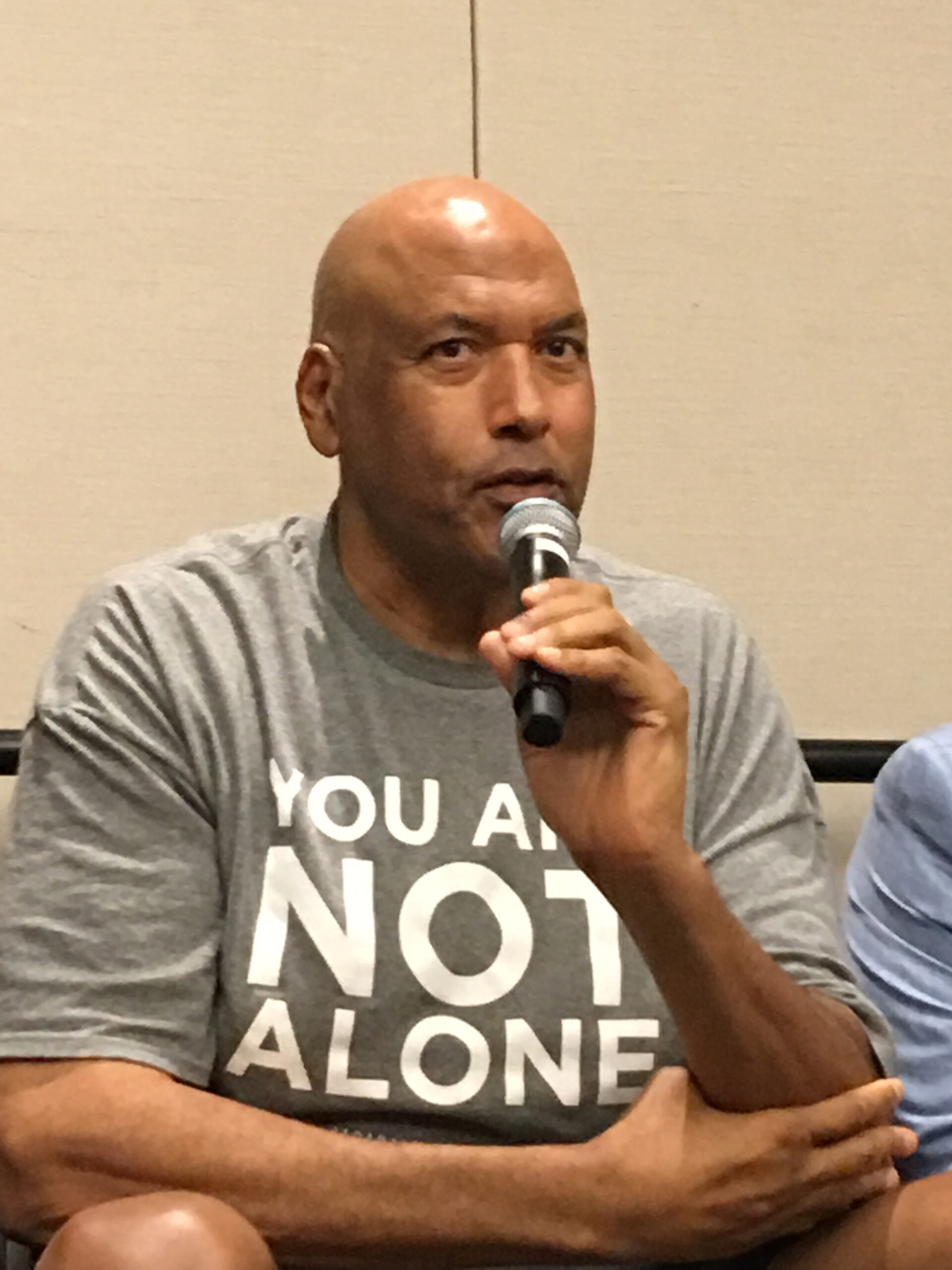
Welcome to the “next chapter” of my life… being a voice and an advocate for #mentalhealthawarenessandsuicideprevention, especially pertaining to our younger generation of students and student-athletes.
Getting men to speak up and reach out for help and assistance is one of my passions. Us men need to not suffer in silence or drown our sorrows in alcohol, hang out at bars and strip joints, or get involved with drug use.
Having gone through a recent bout of #depression and #suicidalthoughts myself, I realize now, that I can make a huge difference in the lives of so many by sharing my story, and by sharing various resources I come across as I work in this space.
  #http://bit.ly/JamesMentalHealthArticle
Find out more about the work I do on my 501c3 non-profit foundation
website www.yourgiftoflife.org Order your copy of James Donaldson's latest book,
#CelebratingYourGiftofLife: From The Verge of Suicide to a Life of Purpose and Joy


Click Here For More Information About James Donaldson


https://standingabovethecrowd.com/james-donaldson-on-mental-health-teen-suicides-what-are-the-warning-signs/


James Donaldson on Mental Health - Teen Suicides: What Are the Warning Signs?
And how can we get more kids to ask for help?

https://www.youtube.com/watch?v=ZGezrChMUe0

Dr. Alan Apter is the Director of Psychological Medicine at the Sackler School of Medicine at Tel Aviv University and Schneider Children’s Medical Center in Israel. Here he talks about teen suicides, how they often stem from untreated anxiety or depression, and how we can encourage our children—especially teenage boys—to ask for help.

#James Donaldson notes:Welcome to the “next chapter” of my life… being a voice and an advocate for #mentalhealthawarenessandsuicideprevention, especially pertaining to our younger generation of students and student-athletes.Getting men to speak up and reach out for help and assistance is one of my passions. Us men need to not suffer in silence or drown our sorrows in alcohol, hang out at bars and strip joints, or get involved with drug use.Having gone through a recent bout of #depression and #suicidalthoughts myself, I realize now, that I can make a huge difference in the lives of so many by sharing my story, and by sharing various resources I come across as I work in this space.  #http://bit.ly/JamesMentalHealthArticleFind out more about the work I do on my 501c3 non-profit foundationwebsite www.yourgiftoflife.org Order your copy of James Donaldson's latest book,#CelebratingYourGiftofLife: From The Verge of Suicide to a Life of Purpose and Joy

Click Here For More Information About James Donaldson https://standingabovethecrowd.com/james-donaldson-on-mental-health-teen-suicides-what-are-the-warning-signs/


James Donaldson on Mental Health - Teen Suicides: What Are the Warning Signs?
And how can we get more kids to ask for help?

https://www.youtube.com/watch?v=ZGezrChMUe0

Dr. Alan Apter is the Director of Psychological Medicine at the Sackler School of Medicine at Tel Aviv University and Schneider Children’s Medical Center in Israel. Here he talks about teen suicides, how they often stem from untreated anxiety or depression, and how we can encourage our children—especially teenage boys—to ask for help.

#James Donaldson notes:Welcome to the “next chapter” of my life… being a voice and an advocate for #mentalhealthawarenessandsuicideprevention, especially pertaining to our younger generation of students and student-athletes.Getting men to speak up and reach out for help and assistance is one of my passions. Us men need to not suffer in silence or drown our sorrows in alcohol, hang out at bars and strip joints, or get involved with drug use.Having gone through a recent bout of #depression and #suicidalthoughts myself, I realize now, that I can make a huge difference in the lives of so many by sharing my story, and by sharing various resources I come across as I work in this space.  #http://bit.ly/JamesMentalHealthArticleFind out more about the work I do on my 501c3 non-profit foundationwebsite www.yourgiftoflife.org Order your copy of James Donaldson's latest book,#CelebratingYourGiftofLife: From The Verge of Suicide to a Life of Purpose and Joy

Click Here For More Information About James Donaldson https://standingabovethecrowd.com/?p=15649

Wednesday, February 4, 2026

James Donaldson on Mental Health - "I was 'too embarrassed' to get help after a suicide attempt: mental health stigma has to end"

James Donaldson on Mental Health -

By Jennifer Savin


woman looking thoughtful with clouds overlaid"A suicide attempt changed my life for the better" 

Trigger warning: this article discusses suicide


The exact wording of our conversation is blurry now, almost seventeen years (to the day) later, but I can still vividly remember the creeping flush of humiliation climbing up my neck, as I stood awkwardly in that corridor. It smelled of Lynx Africa, old wood and fried food, as Jane*, one of my new sixth form tutors, looked on at me unblinking – but not unkindly – and asked why I’d missed her class so soon into a fresh term. My brain still felt heavy and foggy, not quite reachable, but I knew with certainty that the embarrassment coursing through me was white-hot and easy to access.


My reply was something stuttered and along the lines of: “I did something stupid, I’m sorry. I took an overdose on Monday.”


Jane didn’t look overly phased, but just coolly asked me why. I stammered that I wasn’t sure and repeated that I felt stupid about it all. She suggested I borrow notes from someone else to catch up, wished me well, then continued walking down the corridor.


Suicide – and mental health as a whole – is a deeply a complex issue. Rarely will somebody reach the point that ending their life feels like the only option due to one specific cause. In my case, it was a multitude of things that had piled up to block out all sunlight. If I had to explain the crux of it: I have having long struggled with anxiety (and at times depression) and in that moment following some big life changes, I felt incredibly lonely, unstable and not in a position to ask for help.


At that time, an intense and unhealthy romantic relationship had just ended and my hometown felt suffocating. My brain was stuck on a loop of repeating torturous things to myself. All things that, looking back, I know could've been dealt with differently – I just didn’t necessarily have the tools to do so, or see that, at the time.


While that period of ill mental health for me, thankfully, now feels like lightyears away, the fact that my life could have been prematurely cut short at the age of sixteen still makes me shudder. And while a lot of it is fuzzy, one thing that still stings acutely when it comes to my failed suicide attempt is a feeling of embarrassment. There was a deep shame that hovered throughout it all and to be honest, sometimes still lingers.


Is that why the most recent statistics on suicide show despite all the awareness charities and individuals have worked hard to raise, there's been a continued increase in the number of people ending their lives in England and Wales? Recent records say over 6,000 took their own life last year – the highest figure on record since 1999.


suicide support help stories

At one point on that dark night of my own attempt, in the early hours of the morning and after a lot of vomiting, I felt like I’d emerged from a fever dream and realized I urgently needed medical help. An instinct kicked in and I realized I didn’t want to die. I had made a mistake. And so, I phoned 999 and asked for an ambulance, but begged them to switch the sirens off. The thought of the neighbors being woken up by blue lights bouncing off of their windows and finding out what I’d done, or of having to wake my mum up to explain everything, seemed too much to handle. Too mortifying.


But, the operator told me they could only send an ambulance complete with the dancing lights and sirens switched on, otherwise it couldn’t be classed as an emergency – so instead I replied, “Okay, I’ll leave it then.” In that moment, something I’ve only realised retrospectively, I quite literally decided I would rather potentially die than have people know my mental health was in a bad place, or risk being labelled an attention seeker.


Hours on, I eventually did tell my mum what had happened and she drove us to A&E. Again, I found this all utterly mortifying (not least when I spewed bright green in the carpark). Ironically, my mum worked for the mental health sector of the NHS, so I then had to look her colleagues, holding clipboards, in the eye and answer questions about our family set up. Whether I was supported. About the life that I had just come close to losing. I also remember feeling bizarrely high during those conversations and detached, to the extent that when one bored-looking doctor asked how I was doing, I told him, “Great, I feel great!”. Oddly euphoric.


I was then referred for therapy and (again ironically) my lecturer Jane’s daughter ended up being my counsellor (see: suffocating small-ish town vibes… the treatment centre was also only a few roads away from my ex-boyfriend’s house and I was terrified of being seen going in or out of it).


Other close family members know what happened and the choice I made that night, but have never asked me about it, or checked in to see how my mental health is generally (which is fine, they’re not obligated to and maybe they have their own reasons for not wanting to) – but I find it interesting and possibly indicative of this sort of in-betweeny space we seem to be stuck in as a society today, when it comes to speaking openly. If I’d broken a leg, Im pretty sure they'd have asked how it was healing up.


In some ways, we’ve all come so very far. Back in 2008, I would feel utterly sick at the thought of anyone knowing I was in therapy or that I’d tried to end my own life. I remember a few people slapping the ‘crazy ex-girlfriend’ label on me too, which was basically the social equivalent of having ‘nutter: avoid’ scribbled across your forehead in permanent marker. Yet now, saying you’re in therapy is seen by many as shorthand for ‘I'm invested in myself and self-care’. It’s almost on par with saying you go to the hairdressers or the dentist.


We’re much better and responsive to people discussing their experiences of anxietystress or burnout – which are all valid and important aspects of mental health, that we should normalise discussing – but when it comes to speaking about suicide or suicidal thoughts, there's still a lot of stickiness and awkward silence surrounding it. But if there wasn’t, perhaps over 6,000 people every year wouldn't take their own lives.


To be clear, I’m not saying those closest to me should be asking if I’m okay every single day or even that it’s right to expect that from them. I also firmly believe that it is my responsibility to care for my own mental health as best I can; that is nobody else’s job (bar perhaps your medical team’s, should you have one). But if the reason the silence prevails is sheer embarrassment or wanting to avoid an uncomfortable conversation, then that should no longer be acceptable. And it’s something we all have to push through.


#James Donaldson notes:
Welcome to the “next chapter” of my life… being a voice and an advocate for #mentalhealthawarenessandsuicideprevention, especially pertaining to our younger generation of students and student-athletes.
Getting men to speak up and reach out for help and assistance is one of my passions. Us men need to not suffer in silence or drown our sorrows in alcohol, hang out at bars and strip joints, or get involved with drug use.
Having gone through a recent bout of #depression and #suicidalthoughts myself, I realize now, that I can make a huge difference in the lives of so many by sharing my story, and by sharing various resources I come across as I work in this space.
  #http://bit.ly/JamesMentalHealthArticle
Find out more about the work I do on my 501c3 non-profit foundation
website www.yourgiftoflife.org Order your copy of James Donaldson's latest book,
#CelebratingYourGiftofLife: From The Verge of Suicide to a Life of Purpose and Joy


Click Here For More Information About James Donaldson


suicide attempt helpMarina Petti - Getty Images

Now, it hurts my stomach to think about all the things I could have missed out on if that attempt to end my life had worked. It may sound cliché and it’s a refrain we’ve all seen bandied around a million times, but things do get better. They really do.


To caveat, I can’t lie and say I’ve never been anxious, down or had suicidal thoughts since that bleak time (I have; I’m currently back in therapy for my anxiety and a few years ago I remember Googling ‘what is the point of being alive’ and really not being able to come up with a single reason why, so devoid was my body of serotonin). But I also know now that I’d never act on those thoughts, because even when life feels shit and pointless, it’s actually still secretly brilliant. You just have to do your best to stay resilient until you can connect to that part of it again.


The odds of each of us being born, just as we are, are something staggering like one in 400 trillion. I’m not religious, but appreciate that that’s essentially miraculous, and I want to – just as we all deserve to – squeeze every last drop from this life. I am hungry for new experiences, to feel feelings, to set goals and chase them.


I’ve fallen in love again (and feel nothing about the former relationship I thought I’d never recover from), and have seen parts of the world I’d never even heard of the night I tried to tap out for good. I’ve built beautiful friendships and poured my everything into a career that brings me satisfaction and joy every single day. The future feels vast and full of options – because it is, for all of us. I even, after spending ten years away, now live back in the hometown I once so desperately hated. Once a place that used to make my throat feel like it was closing up, now it offers me a smaller community feel that I love. It’s just one example of how your perspective can change and grow if you only allow yourself the time.


Do. Not. Tap. Out. Early.


If you’re in a bad way right now and this all sounds like ‘live, laugh, love’ bullshit, that’s totally fair enough. When I was living in the depths of darkness, I’d probably have said the same, eye-rolled and then gone back to crying. But just think: if all you can do is get through the day hour by hour, or even minute by minute, do exactly that until you figure out what’s to come next. Reach out for help. Don’t let embarrassment, awkward silences or fear kill you, or take away your chance to inhale the good parts of life. They’re out there waiting for you, and you deserve them.


Sometimes hope is like the first shoot of spring that pokes its way through the dirt. You have to survive a long, tough winter to reach it (and it might arrive late), but even when it feels impossible to imagine seeing greenery again, please know it will come. Because no season or state of mind is permanent. The key word here is ‘survive’; do what you must to survive until you can live again. I’ve seen firsthand that it’s worth it.


https://standingabovethecrowd.com/james-donaldson-on-mental-health-i-was-too-embarrassed-to-get-help-after-a-suicide-attempt-mental-health-stigma-has-to-end/


James Donaldson on Mental Health -
By Jennifer Savin

"A suicide attempt changed my life for the better" 

Trigger warning: this article discusses suicide

The exact wording of our conversation is blurry now, almost seventeen years (to the day) later, but I can still vividly remember the creeping flush of humiliation climbing up my neck, as I stood awkwardly in that corridor. It smelled of Lynx Africa, old wood and fried food, as Jane*, one of my new sixth form tutors, looked on at me unblinking – but not unkindly – and asked why I’d missed her class so soon into a fresh term. My brain still felt heavy and foggy, not quite reachable, but I knew with certainty that the embarrassment coursing through me was white-hot and easy to access.

My reply was something stuttered and along the lines of: “I did something stupid, I’m sorry. I took an overdose on Monday.”

Jane didn’t look overly phased, but just coolly asked me why. I stammered that I wasn’t sure and repeated that I felt stupid about it all. She suggested I borrow notes from someone else to catch up, wished me well, then continued walking down the corridor.

Suicide – and mental health as a whole – is a deeply a complex issue. Rarely will somebody reach the point that ending their life feels like the only option due to one specific cause. In my case, it was a multitude of things that had piled up to block out all sunlight. If I had to explain the crux of it: I have having long struggled with anxiety (and at times depression) and in that moment following some big life changes, I felt incredibly lonely, unstable and not in a position to ask for help.

At that time, an intense and unhealthy romantic relationship had just ended and my hometown felt suffocating. My brain was stuck on a loop of repeating torturous things to myself. All things that, looking back, I know could've been dealt with differently – I just didn’t necessarily have the tools to do so, or see that, at the time.

While that period of ill mental health for me, thankfully, now feels like lightyears away, the fact that my life could have been prematurely cut short at the age of sixteen still makes me shudder. And while a lot of it is fuzzy, one thing that still stings acutely when it comes to my failed suicide attempt is a feeling of embarrassment. There was a deep shame that hovered throughout it all and to be honest, sometimes still lingers.

Is that why the most recent statistics on suicide show despite all the awareness charities and individuals have worked hard to raise, there's been a continued increase in the number of people ending their lives in England and Wales? Recent records say over 6,000 took their own life last year – the highest figure on record since 1999.

At one point on that dark night of my own attempt, in the early hours of the morning and after a lot of vomiting, I felt like I’d emerged from a fever dream and realized I urgently needed medical help. An instinct kicked in and I realized I didn’t want to die. I had made a mistake. And so, I phoned 999 and asked for an ambulance, but begged them to switch the sirens off. The thought of the neighbors being woken up by blue lights bouncing off of their windows and finding out what I’d done, or of having to wake my mum up to explain everything, seemed too much to handle. Too mortifying.

But, the operator told me they could only send an ambulance complete with the dancing lights and sirens switched on, otherwise it couldn’t be classed as an emergency – so instead I replied, “Okay, I’ll leave it then.” In that moment, something I’ve only realised retrospectively, I quite literally decided I would rather potentially die than have people know my mental health was in a bad place, or risk being labelled an attention seeker.

Hours on, I eventually did tell my mum what had happened and she drove us to A&E. Again, I found this all utterly mortifying (not least when I spewed bright green in the carpark). Ironically, my mum worked for the mental health sector of the NHS, so I then had to look her colleagues, holding clipboards, in the eye and answer questions about our family set up. Whether I was supported. About the life that I had just come close to losing. I also remember feeling bizarrely high during those conversations and detached, to the extent that when one bored-looking doctor asked how I was doing, I told him, “Great, I feel great!”. Oddly euphoric.

I was then referred for therapy and (again ironically) my lecturer Jane’s daughter ended up being my counsellor (see: suffocating small-ish town vibes… the treatment centre was also only a few roads away from my ex-boyfriend’s house and I was terrified of being seen going in or out of it).

Other close family members know what happened and the choice I made that night, but have never asked me about it, or checked in to see how my mental health is generally (which is fine, they’re not obligated to and maybe they have their own reasons for not wanting to) – but I find it interesting and possibly indicative of this sort of in-betweeny space we seem to be stuck in as a society today, when it comes to speaking openly. If I’d broken a leg, I’m pretty sure they'd have asked how it was healing up.

In some ways, we’ve all come so very far. Back in 2008, I would feel utterly sick at the thought of anyone knowing I was in therapy or that I’d tried to end my own life. I remember a few people slapping the ‘crazy ex-girlfriend’ label on me too, which was basically the social equivalent of having ‘nutter: avoid’ scribbled across your forehead in permanent marker. Yet now, saying you’re in therapy is seen by many as shorthand for ‘I'm invested in myself and self-care’. It’s almost on par with saying you go to the hairdressers or the dentist.

We’re much better and responsive to people discussing their experiences of anxiety, stress or burnout – which are all valid and important aspects of mental health, that we should normalise discussing – but when it comes to speaking about suicide or suicidal thoughts, there's still a lot of stickiness and awkward silence surrounding it. But if there wasn’t, perhaps over 6,000 people every year wouldn't take their own lives.

To be clear, I’m not saying those closest to me should be asking if I’m okay every single day or even that it’s right to expect that from them. I also firmly believe that it is my responsibility to care for my own mental health as best I can; that is nobody else’s job (bar perhaps your medical team’s, should you have one). But if the reason the silence prevails is sheer embarrassment or wanting to avoid an uncomfortable conversation, then that should no longer be acceptable. And it’s something we all have to push through.

#James Donaldson notes:Welcome to the “next chapter” of my life… being a voice and an advocate for #mentalhealthawarenessandsuicideprevention, especially pertaining to our younger generation of students and student-athletes.Getting men to speak up and reach out for help and assistance is one of my passions. Us men need to not suffer in silence or drown our sorrows in alcohol, hang out at bars and strip joints, or get involved with drug use.Having gone through a recent bout of #depression and #suicidalthoughts myself, I realize now, that I can make a huge difference in the lives of so many by sharing my story, and by sharing various resources I come across as I work in this space.  #http://bit.ly/JamesMentalHealthArticleFind out more about the work I do on my 501c3 non-profit foundationwebsite www.yourgiftoflife.org Order your copy of James Donaldson's latest book,#CelebratingYourGiftofLife: From The Verge of Suicide to a Life of Purpose and Joy

Click Here For More Information About James Donaldson

Marina Petti - Getty Images

Now, it hurts my stomach to think about all the things I could have missed out on if that attempt to end my life had worked. It may sound cliché and it’s a refrain we’ve all seen bandied around a million times, but things do get better. They really do.

To caveat, I can’t lie and say I’ve never been anxious, down or had suicidal thoughts since that bleak time (I have; I’m currently back in therapy for my anxiety and a few years ago I remember Googling ‘what is the point of being alive’ and really not being able to come up with a single reason why, so devoid was my body of serotonin). But I also know now that I’d never act on those thoughts, because even when life feels shit and pointless, it’s actually still secretly brilliant. You just have to do your best to stay resilient until you can connect to that part of it again.

The odds of each of us being born, just as we are, are something staggering like one in 400 trillion. I’m not religious, but appreciate that that’s essentially miraculous, and I want to – just as we all deserve to – squeeze every last drop from this life. I am hungry for new experiences, to feel feelings, to set goals and chase them.

I’ve fallen in love again (and feel nothing about the former relationship I thought I’d never recover from), and have seen parts of the world I’d never even heard of the night I tried to tap out for good. I’ve built beautiful friendships and poured my everything into a career that brings me satisfaction and joy every single day. The future feels vast and full of options – because it is, for all of us. I even, after spending ten years away, now live back in the hometown I once so desperately hated. Once a place that used to make my throat feel like it was closing up, now it offers me a smaller community feel that I love. It’s just one example of how your perspective can change and grow if you only allow yourself the time.

Do. Not. Tap. Out. Early.

If you’re in a bad way right now and this all sounds like ‘live, laugh, love’ bullshit, that’s totally fair enough. When I was living in the depths of darkness, I’d probably have said the same, eye-rolled and then gone back to crying. But just think: if all you can do is get through the day hour by hour, or even minute by minute, do exactly that until you figure out what’s to come next. Reach out for help. Don’t let embarrassment, awkward silences or fear kill you, or take away your chance to inhale the good parts of life. They’re out there waiting for you, and you deserve them.

Sometimes hope is like the first shoot of spring that pokes its way through the dirt. You have to survive a long, tough winter to reach it (and it might arrive late), but even when it feels impossible to imagine seeing greenery again, please know it will come. Because no season or state of mind is permanent. The key word here is ‘survive’; do what you must to survive until you can live again. I’ve seen firsthand that it’s worth it. https://standingabovethecrowd.com/james-donaldson-on-mental-health-i-was-too-embarrassed-to-get-help-after-a-suicide-attempt-mental-health-stigma-has-to-end/

Tuesday, February 3, 2026


James Donaldson on Mental Health -
By Jennifer Savin

"A suicide attempt changed my life for the better" 

Trigger warning: this article discusses suicide

The exact wording of our conversation is blurry now, almost seventeen years (to the day) later, but I can still vividly remember the creeping flush of humiliation climbing up my neck, as I stood awkwardly in that corridor. It smelled of Lynx Africa, old wood and fried food, as Jane*, one of my new sixth form tutors, looked on at me unblinking – but not unkindly – and asked why I’d missed her class so soon into a fresh term. My brain still felt heavy and foggy, not quite reachable, but I knew with certainty that the embarrassment coursing through me was white-hot and easy to access.

My reply was something stuttered and along the lines of: “I did something stupid, I’m sorry. I took an overdose on Monday.”

Jane didn’t look overly phased, but just coolly asked me why. I stammered that I wasn’t sure and repeated that I felt stupid about it all. She suggested I borrow notes from someone else to catch up, wished me well, then continued walking down the corridor.

Suicide – and mental health as a whole – is a deeply a complex issue. Rarely will somebody reach the point that ending their life feels like the only option due to one specific cause. In my case, it was a multitude of things that had piled up to block out all sunlight. If I had to explain the crux of it: I have having long struggled with anxiety (and at times depression) and in that moment following some big life changes, I felt incredibly lonely, unstable and not in a position to ask for help.

At that time, an intense and unhealthy romantic relationship had just ended and my hometown felt suffocating. My brain was stuck on a loop of repeating torturous things to myself. All things that, looking back, I know could've been dealt with differently – I just didn’t necessarily have the tools to do so, or see that, at the time.

While that period of ill mental health for me, thankfully, now feels like lightyears away, the fact that my life could have been prematurely cut short at the age of sixteen still makes me shudder. And while a lot of it is fuzzy, one thing that still stings acutely when it comes to my failed suicide attempt is a feeling of embarrassment. There was a deep shame that hovered throughout it all and to be honest, sometimes still lingers.

Is that why the most recent statistics on suicide show despite all the awareness charities and individuals have worked hard to raise, there's been a continued increase in the number of people ending their lives in England and Wales? Recent records say over 6,000 took their own life last year – the highest figure on record since 1999.

At one point on that dark night of my own attempt, in the early hours of the morning and after a lot of vomiting, I felt like I’d emerged from a fever dream and realized I urgently needed medical help. An instinct kicked in and I realized I didn’t want to die. I had made a mistake. And so, I phoned 999 and asked for an ambulance, but begged them to switch the sirens off. The thought of the neighbors being woken up by blue lights bouncing off of their windows and finding out what I’d done, or of having to wake my mum up to explain everything, seemed too much to handle. Too mortifying.

But, the operator told me they could only send an ambulance complete with the dancing lights and sirens switched on, otherwise it couldn’t be classed as an emergency – so instead I replied, “Okay, I’ll leave it then.” In that moment, something I’ve only realised retrospectively, I quite literally decided I would rather potentially die than have people know my mental health was in a bad place, or risk being labelled an attention seeker.

Hours on, I eventually did tell my mum what had happened and she drove us to A&E. Again, I found this all utterly mortifying (not least when I spewed bright green in the carpark). Ironically, my mum worked for the mental health sector of the NHS, so I then had to look her colleagues, holding clipboards, in the eye and answer questions about our family set up. Whether I was supported. About the life that I had just come close to losing. I also remember feeling bizarrely high during those conversations and detached, to the extent that when one bored-looking doctor asked how I was doing, I told him, “Great, I feel great!”. Oddly euphoric.

I was then referred for therapy and (again ironically) my lecturer Jane’s daughter ended up being my counsellor (see: suffocating small-ish town vibes… the treatment centre was also only a few roads away from my ex-boyfriend’s house and I was terrified of being seen going in or out of it).

Other close family members know what happened and the choice I made that night, but have never asked me about it, or checked in to see how my mental health is generally (which is fine, they’re not obligated to and maybe they have their own reasons for not wanting to) – but I find it interesting and possibly indicative of this sort of in-betweeny space we seem to be stuck in as a society today, when it comes to speaking openly. If I’d broken a leg, I’m pretty sure they'd have asked how it was healing up.

In some ways, we’ve all come so very far. Back in 2008, I would feel utterly sick at the thought of anyone knowing I was in therapy or that I’d tried to end my own life. I remember a few people slapping the ‘crazy ex-girlfriend’ label on me too, which was basically the social equivalent of having ‘nutter: avoid’ scribbled across your forehead in permanent marker. Yet now, saying you’re in therapy is seen by many as shorthand for ‘I'm invested in myself and self-care’. It’s almost on par with saying you go to the hairdressers or the dentist.

We’re much better and responsive to people discussing their experiences of anxiety, stress or burnout – which are all valid and important aspects of mental health, that we should normalise discussing – but when it comes to speaking about suicide or suicidal thoughts, there's still a lot of stickiness and awkward silence surrounding it. But if there wasn’t, perhaps over 6,000 people every year wouldn't take their own lives.

To be clear, I’m not saying those closest to me should be asking if I’m okay every single day or even that it’s right to expect that from them. I also firmly believe that it is my responsibility to care for my own mental health as best I can; that is nobody else’s job (bar perhaps your medical team’s, should you have one). But if the reason the silence prevails is sheer embarrassment or wanting to avoid an uncomfortable conversation, then that should no longer be acceptable. And it’s something we all have to push through.

#James Donaldson notes:Welcome to the “next chapter” of my life… being a voice and an advocate for #mentalhealthawarenessandsuicideprevention, especially pertaining to our younger generation of students and student-athletes.Getting men to speak up and reach out for help and assistance is one of my passions. Us men need to not suffer in silence or drown our sorrows in alcohol, hang out at bars and strip joints, or get involved with drug use.Having gone through a recent bout of #depression and #suicidalthoughts myself, I realize now, that I can make a huge difference in the lives of so many by sharing my story, and by sharing various resources I come across as I work in this space.  #http://bit.ly/JamesMentalHealthArticleFind out more about the work I do on my 501c3 non-profit foundationwebsite www.yourgiftoflife.org Order your copy of James Donaldson's latest book,#CelebratingYourGiftofLife: From The Verge of Suicide to a Life of Purpose and Joy

Click Here For More Information About James Donaldson

Marina Petti - Getty Images

Now, it hurts my stomach to think about all the things I could have missed out on if that attempt to end my life had worked. It may sound cliché and it’s a refrain we’ve all seen bandied around a million times, but things do get better. They really do.

To caveat, I can’t lie and say I’ve never been anxious, down or had suicidal thoughts since that bleak time (I have; I’m currently back in therapy for my anxiety and a few years ago I remember Googling ‘what is the point of being alive’ and really not being able to come up with a single reason why, so devoid was my body of serotonin). But I also know now that I’d never act on those thoughts, because even when life feels shit and pointless, it’s actually still secretly brilliant. You just have to do your best to stay resilient until you can connect to that part of it again.

The odds of each of us being born, just as we are, are something staggering like one in 400 trillion. I’m not religious, but appreciate that that’s essentially miraculous, and I want to – just as we all deserve to – squeeze every last drop from this life. I am hungry for new experiences, to feel feelings, to set goals and chase them.

I’ve fallen in love again (and feel nothing about the former relationship I thought I’d never recover from), and have seen parts of the world I’d never even heard of the night I tried to tap out for good. I’ve built beautiful friendships and poured my everything into a career that brings me satisfaction and joy every single day. The future feels vast and full of options – because it is, for all of us. I even, after spending ten years away, now live back in the hometown I once so desperately hated. Once a place that used to make my throat feel like it was closing up, now it offers me a smaller community feel that I love. It’s just one example of how your perspective can change and grow if you only allow yourself the time.

Do. Not. Tap. Out. Early.

If you’re in a bad way right now and this all sounds like ‘live, laugh, love’ bullshit, that’s totally fair enough. When I was living in the depths of darkness, I’d probably have said the same, eye-rolled and then gone back to crying. But just think: if all you can do is get through the day hour by hour, or even minute by minute, do exactly that until you figure out what’s to come next. Reach out for help. Don’t let embarrassment, awkward silences or fear kill you, or take away your chance to inhale the good parts of life. They’re out there waiting for you, and you deserve them.

Sometimes hope is like the first shoot of spring that pokes its way through the dirt. You have to survive a long, tough winter to reach it (and it might arrive late), but even when it feels impossible to imagine seeing greenery again, please know it will come. Because no season or state of mind is permanent. The key word here is ‘survive’; do what you must to survive until you can live again. I’ve seen firsthand that it’s worth it. https://standingabovethecrowd.com/?p=15685

James Donaldson on Mental Health - What Are the Symptoms of Depression in Teenagers?

James Donaldson on Mental Health - What Are the Symptoms of Depression in Teenagers?

Signs your child might be more than moody


Writer: Ron J. Steingard, MD


Clinical Expert: Ron J. Steingard, MD


What You'll Learn


- What are the symptoms of depression in teens?
- Why is it important to catch depression early?
- What is the treatment for depression in teens?
- Quick Read
- Full Article
- Why early intervention is critical
- Depression plus anxiety
- Treatments for depression

Teens are often moody. That’s why it’s easy to miss signs that they’re actually depressed and need help. Symptoms of depression in teens include things like avoiding hanging out with friends and family and being sad or angry. Not doing well in school, sleeping a lot, and eating more or less than usual can also be signs.


If you notice that your teen has been down a lot and lost interest in things they used to like doing, they may be depressed. The teen may not even be aware they are depressed.


There are two main kinds of depression. Major depressive disorder is the most common. That’s when a kid has bad stretches of depression for months. Dysthymia, the other kind, is milder, but it can go on for years. Since depression causes low energy and problems concentrating, it can have a negative impact on school and friendships. That, in turn, can cause low self-esteem, which can make depression worse. Feeling bad about yourself can also lead to anxiety.


Early treatment is important to head off long-term effects of depression. The most common treatment is cognitive behavioral therapy (CBT), which is aimed at changing the negative thinking the teen is caught in. It teaches kids ways of noticing and changing upsetting emotions. Antidepressant medication can be added to therapy. The combination often works better than either treatment separately.


Since adolescents are often moody, it can be difficult to recognize when your child has become depressed and might need help. The thing people tend to notice first is withdrawal, or when the teenager stops doing things they usually like to do. There might be other changes in their mood, including sadness or irritability. Or in their behavior, including appetite, energy level, sleep patterns, and academic performance. If several of these symptoms are present, be vigilant about the possibility of teen depression.


This is especially important because by the time family members and other people around a teenager note their lack of interest in most things — or what we callanhedonia — they’ve usually been depressed for some time. Depression is an internalizing disorder, i.e. one that disturbs a patient’s emotional life, rather than an externalizing one, which takes the form of disruptive or problematic behavior. As such, it takes a while not only for others to recognize it but often for the patient themselves to realize that their thinking, and emotional responses, are disturbed.


Note that there are actually two kinds of depression. In major depressive disorder — the most familiar form of depression — the symptoms occur in what may be severe episodes that tend to last from seven to nine months. But there is also another form of depression called dysthymia, in which the symptoms are milder, but they last longer, even years. So while the experience of dysthymia may be less debilitating for the child at any given moment, the risk is that there is more accrued damage and more time in which the child is kept out of the healthy development process.


#James Donaldson notes:
Welcome to the “next chapter” of my life… being a voice and an advocate for #mentalhealthawarenessandsuicideprevention, especially pertaining to our younger generation of students and student-athletes.
Getting men to speak up and reach out for help and assistance is one of my passions. Us men need to not suffer in silence or drown our sorrows in alcohol, hang out at bars and strip joints, or get involved with drug use.
Having gone through a recent bout of #depression and #suicidalthoughts myself, I realize now, that I can make a huge difference in the lives of so many by sharing my story, and by sharing various resources I come across as I work in this space.
  #http://bit.ly/JamesMentalHealthArticle
Find out more about the work I do on my 501c3 non-profit foundation
website www.yourgiftoflife.org Order your copy of James Donaldson's latest book,
#CelebratingYourGiftofLife: From The Verge of Suicide to a Life of Purpose and Joy


Click Here For More Information About James Donaldson


Why early intervention is critical


When a teenager is depressed, their suffering isn’t the only reason it’s important to get help. In addition to the disorder itself, there are add-on effects that may cause lifelong issues. With depression symptoms comes low energy and poor concentration, two factors that are likely to have a significant impact on social and academic functioning.


It’s easy to see the effects of poor academic functioning: falling behind in school undermines a child’s confidence and self-image and can impact their future if it’s prolonged. But social learning is just as critical as academic learning inadolescence. Deficits in social skills not only put depressed teens behind their peers but in themselves can compound their depression.


Depression plus anxiety


It’s important to understand that a teenager who is depressed may also develop anxiety and may need to be treated for two separate disorders. It may be that depression leads to anxiety — the negative state of mind of a depressed teenager lends itself to uncertainty. If you’re not feeling good about yourself, confident, secure, or safe, anxiety may find fertile ground. It may also be because the regions of the brain affected by anxiety and depression are close together and mutually affected.


Two serious problems that are directly associated with teenage depression and anxiety are suicidal thinking (or behavior) and substance abuse. Suicide is the third leading cause of death among adolescents and young adults aged 15 to 24, and we know that most kids who die by suicide have been suffering from a psychiatric illness. Especially at risk are teenagers who hide their depression and anxiety from parents and friends. That’s why it’s important to be alert to signs of these disorders — withdrawal, changes in school performance, eating habits, sleeping patterns, things they enjoy doing — even when teenagers aren’t forthcoming about how they feel.


Similarly, the majority of teenagers who developsubstance abuse problems also have apsychiatric disorder, including, most commonly, anxiety or depression, which is another important reason to get treatment in a timely way.


Treatments for depression


Fortunately, early involvement of health care professionals can shorten the period of illness and decrease the likelihood of missing important life lessons.


The most common treatment a mental health professional is apt to use is some form ofcognitive behavioral therapy, and depending on how young the child is, it may involve teaching the parents as well. Cognitive behavioral therapy (CBT) is based on the idea that a person suffering from a mood disorder is trapped in a negative pattern of thought. Depressed kids tend to evaluate themselves negatively, interpret the actions of others in a negative way, and assume the darkest possible outcome of events. In CBT, we teach sufferers to challenge those negative thoughts, recognize the pattern and train themselves to think outside it. And in many cases, we see real improvement.


If the depression is moderate to severe, treatment may involve medications such as antidepressants. A combination of psychotherapy and medication usually works better than either alone.


Frequently Asked Questions


What are the symptoms of depression in teenagers?


What are the two serious problems associated with teen depression and anxiety?


Two serious problems that are directly associated with teenage depression and anxiety are suicidal thinking (or behavior) and substance abuse. Suicide is the third leading cause of death among adolescents and young adults aged 15 to 24, and we know that most kids who die by suicide have been suffering from a psychiatric illness.


https://standingabovethecrowd.com/james-donaldson-on-mental-health-what-are-the-symptoms-of-depression-in-teenagers-2/