Tuesday, September 30, 2025

James Donaldson on Mental Health - The Silent Struggle: Addressing the Mental Health Epidemic in EMS

James Donaldson on Mental Health - The Silent Struggle: Addressing the Mental Health Epidemic in EMS

By David Smith, CCP, RN, BSN, CFRN, CEN, FPC


Introduction: The Hidden Toll of the Job


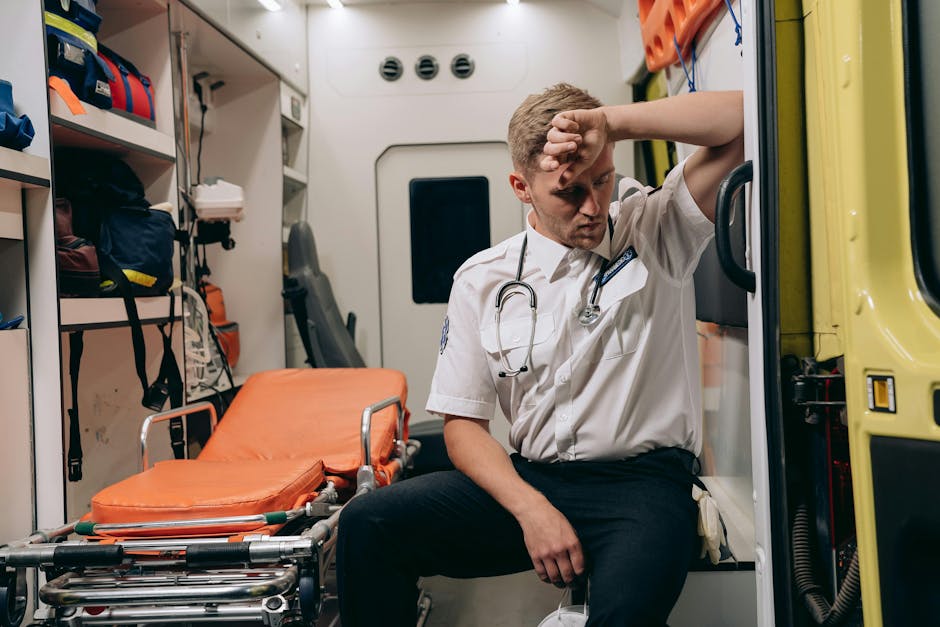
You pull into the station after a grueling 24-hour shift. The cardiac arrest on scene turned into a dead on arrival. The child with the head injury wasn’t breathing when you arrived. Your last patient coded twice on the way to the emergency room (ER).


Now, as you sit in your car before heading home, you feel numb.


Emergency medical services (EMS) providers are trained to save lives, endure trauma, and push through exhaustion. But what happens when the weight of the job becomes too much?


The statistics are staggering:


- 37% of EMS providers meet the clinical criteria for post-traumatic stress disorder (PTSD), compared to 6% of the general population.1
- Depression and anxiety rates in EMS are 5–10 times higher than in other professions.2
- EMS providers are 1.39 times more likely to die by suicide than the general population.3

Yet, mental health in EMS remains heavily stigmatized, forcing providers to suffer in silence.


The Reality of EMS Mental Health: What We’re Not Talking About


The stressors of EMS are relentless and cumulative. Unlike hospital-based clinicians, EMS personnel operate in unpredictable environments, with little control over what comes next.


1. The Accumulation of Trauma: PTSD in EMS


Daily, EMS providers encounter death, violence and suffering. Over time, these experiences re-wire the brain, leading to:


- Hypervigilance – Constant alertness, even off duty.
- Flashbacks & intrusive thoughts – Reliving traumatic calls.
- Emotional numbness – Struggles connecting with family and friends.

A 2020 study found that first responders process trauma similarly to combat veterans, yet many do not seek help due to fear of judgment or job repercussions.4


2. The Burden of Depression and Anxiety


- Long shifts, sleep deprivation, and workplace stress contribute to high rates of chronic depression in EMS.
- Anxiety and panic attacks are frequently reported but often go untreated.
- EMS providers with untreated depression are more likely to make critical medical errors on scene.5

3. The Suicide Epidemic in EMS


The harshest reality?


- EMS providers are at higher risk of suicide than firefighters, police officers, and even military personnel.3
- Many turn to substance use, alcohol, or isolation rather than professional support.

We are losing our own, and the system is doing little to stop it.


#James Donaldson notes:
Welcome to the “next chapter” of my life… being a voice and an advocate for #mentalhealthawarenessandsuicideprevention, especially pertaining to our younger generation of students and student-athletes.
Getting men to speak up and reach out for help and assistance is one of my passions. Us men need to not suffer in silence or drown our sorrows in alcohol, hang out at bars and strip joints, or get involved with drug use.
Having gone through a recent bout of #depression and #suicidalthoughts myself, I realize now, that I can make a huge difference in the lives of so many by sharing my story, and by sharing various resources I come across as I work in this space.
  #http://bit.ly/JamesMentalHealthArticle
Find out more about the work I do on my 501c3 non-profit foundation
website www.yourgiftoflife.org Order your copy of James Donaldson's latest book,
#CelebratingYourGiftofLife: From The Verge of Suicide to a Life of Purpose and Joy



Click Here For More Information About James Donaldson


Breaking the Stigma: Why EMS Mental Health Isn’t Prioritized


Despite overwhelming evidence, barriers to seeking help persist:


“If I admit I’m struggling, I’ll lose my job.”


Fear of job loss, demotion, or judgment prevents providers from seeking care. Unlike physical injuries, mental health struggles are still perceived as weakness.


“I don’t have time for therapy. I barely have time to sleep.”


EMS schedules are brutal—48-hour shifts, mandatory overtime, and chronic exhaustion make consistent mental healthcare nearly impossible.


“It’s just part of the job.”


The “tough-it-out” culture in EMS tells providers to suppress emotions and keep moving. But unprocessed trauma doesn’t disappear, it accumulates until it becomes unmanageable.


Ignoring mental health doesn’t make EMS providers stronger—it makes them vulnerable.


Solutions: How EMS Can Take Mental Health Seriously


Systemic changes are necessary to prevent burnout, PTSD and suicide in EMS.


- Normalizing Mental Health Conversations in EMS
- Leadership must actively encourage open discussions about mental health.
- Senior providers should share their own experiences to reduce stigma.
- Mandatory Mental Health Check-Ins
- Annual mental health screenings should be as standard as physical checkups.
- Access to mental health professionals should not require a self-initiated request.
- Accessible & Confidential Support Services
- Peer support programs should be integrated into EMS agencies.
- Anonymous mental health resources (text-based counseling, crisis hotlines) should be readily available.
- Adjusting EMS Schedules for Mental Wellness
- Reducing back-to-back shifts to allow for recovery time.
- Implementing mental health leave options without job security concerns.
- Teaching Resilience and Coping Skills Early
- EMS education should include mandatory training on stress management and PTSD recognition.
- New EMTs and paramedics should be trained to recognize signs of burnout before they hit crisis levels.

Conclusion: It’s Time to Prioritize EMS Mental Health


Mental health in EMS is not a personal failure, it is a systemic issue that requires real change.


Until mental health is prioritized at the same level as trauma care, EMS will continue to see burnout, PTSD, and preventable suicides.


If we truly want to protect our patients, our partners, and ourselves, we must take EMS mental health seriously starting now.


https://standingabovethecrowd.com/james-donaldson-on-mental-health-the-silent-struggle-addressing-the-mental-health-epidemic-in-ems/


James Donaldson on Mental Health - The Silent Struggle: Addressing the Mental Health Epidemic in EMS
By David Smith, CCP, RN, BSN, CFRN, CEN, FPC

Introduction: The Hidden Toll of the Job

You pull into the station after a grueling 24-hour shift. The cardiac arrest on scene turned into a dead on arrival. The child with the head injury wasn’t breathing when you arrived. Your last patient coded twice on the way to the emergency room (ER).

Now, as you sit in your car before heading home, you feel numb.

Emergency medical services (EMS) providers are trained to save lives, endure trauma, and push through exhaustion. But what happens when the weight of the job becomes too much?

The statistics are staggering:

- 37% of EMS providers meet the clinical criteria for post-traumatic stress disorder (PTSD), compared to 6% of the general population.1

- Depression and anxiety rates in EMS are 5–10 times higher than in other professions.2

- EMS providers are 1.39 times more likely to die by suicide than the general population.3

Yet, mental health in EMS remains heavily stigmatized, forcing providers to suffer in silence.

The Reality of EMS Mental Health: What We’re Not Talking About

The stressors of EMS are relentless and cumulative. Unlike hospital-based clinicians, EMS personnel operate in unpredictable environments, with little control over what comes next.

1. The Accumulation of Trauma: PTSD in EMS

Daily, EMS providers encounter death, violence and suffering. Over time, these experiences re-wire the brain, leading to:

- Hypervigilance – Constant alertness, even off duty.

- Flashbacks & intrusive thoughts – Reliving traumatic calls.

- Emotional numbness – Struggles connecting with family and friends.

A 2020 study found that first responders process trauma similarly to combat veterans, yet many do not seek help due to fear of judgment or job repercussions.4

2. The Burden of Depression and Anxiety

- Long shifts, sleep deprivation, and workplace stress contribute to high rates of chronic depression in EMS.

- Anxiety and panic attacks are frequently reported but often go untreated.

- EMS providers with untreated depression are more likely to make critical medical errors on scene.5

3. The Suicide Epidemic in EMS

The harshest reality?

- EMS providers are at higher risk of suicide than firefighters, police officers, and even military personnel.3

- Many turn to substance use, alcohol, or isolation rather than professional support.

We are losing our own, and the system is doing little to stop it.

#James Donaldson notes:Welcome to the “next chapter” of my life… being a voice and an advocate for #mentalhealthawarenessandsuicideprevention, especially pertaining to our younger generation of students and student-athletes.Getting men to speak up and reach out for help and assistance is one of my passions. Us men need to not suffer in silence or drown our sorrows in alcohol, hang out at bars and strip joints, or get involved with drug use.Having gone through a recent bout of #depression and #suicidalthoughts myself, I realize now, that I can make a huge difference in the lives of so many by sharing my story, and by sharing various resources I come across as I work in this space.  #http://bit.ly/JamesMentalHealthArticleFind out more about the work I do on my 501c3 non-profit foundationwebsite www.yourgiftoflife.org Order your copy of James Donaldson's latest book,#CelebratingYourGiftofLife: From The Verge of Suicide to a Life of Purpose and Joy

Click Here For More Information About James Donaldson

Breaking the Stigma: Why EMS Mental Health Isn’t Prioritized

Despite overwhelming evidence, barriers to seeking help persist:

“If I admit I’m struggling, I’ll lose my job.”

Fear of job loss, demotion, or judgment prevents providers from seeking care. Unlike physical injuries, mental health struggles are still perceived as weakness.

“I don’t have time for therapy. I barely have time to sleep.”

EMS schedules are brutal—48-hour shifts, mandatory overtime, and chronic exhaustion make consistent mental healthcare nearly impossible.

“It’s just part of the job.”

The “tough-it-out” culture in EMS tells providers to suppress emotions and keep moving. But unprocessed trauma doesn’t disappear, it accumulates until it becomes unmanageable.

Ignoring mental health doesn’t make EMS providers stronger—it makes them vulnerable.

Solutions: How EMS Can Take Mental Health Seriously

Systemic changes are necessary to prevent burnout, PTSD and suicide in EMS.

- Normalizing Mental Health Conversations in EMS

- Leadership must actively encourage open discussions about mental health.

- Senior providers should share their own experiences to reduce stigma.

- Mandatory Mental Health Check-Ins

- Annual mental health screenings should be as standard as physical checkups.

- Access to mental health professionals should not require a self-initiated request.

- Accessible & Confidential Support Services

- Peer support programs should be integrated into EMS agencies.

- Anonymous mental health resources (text-based counseling, crisis hotlines) should be readily available.

- Adjusting EMS Schedules for Mental Wellness

- Reducing back-to-back shifts to allow for recovery time.

- Implementing mental health leave options without job security concerns.

- Teaching Resilience and Coping Skills Early

- EMS education should include mandatory training on stress management and PTSD recognition.

- New EMTs and paramedics should be trained to recognize signs of burnout before they hit crisis levels.

Conclusion: It’s Time to Prioritize EMS Mental Health

Mental health in EMS is not a personal failure, it is a systemic issue that requires real change.

Until mental health is prioritized at the same level as trauma care, EMS will continue to see burnout, PTSD, and preventable suicides.

If we truly want to protect our patients, our partners, and ourselves, we must take EMS mental health seriously starting now. https://standingabovethecrowd.com/james-donaldson-on-mental-health-the-silent-struggle-addressing-the-mental-health-epidemic-in-ems/

Monday, September 29, 2025

James Donaldson on Mental Health - Billy Joel documentary reveals he attempted suicide twice and was in a coma after affair with friend’s wife

James Donaldson on Mental Health - Billy Joel documentary reveals he attempted suicide twice and was in a coma after affair with friend’s wife

By Lisa Respers


Billy Joel performing in 2024.

Billy Joel performing in 2024


Editor’s Note: Help is available if you or someone you know is struggling with suicidal thoughts or mental health matters. In the US: Call or text 988, the Suicide & Crisis Lifeline.
Globally: The International Association for Suicide Prevention and Befrienders Worldwide have contact information for crisis centers around the world.CNN — 


Billy Joel at one point wanted to “end it all,” according to the documentary “Billy Joel: And So It Goes.”


The new film, which premiered at Tribeca Festival in New York City this week, revisits the some of the singer’s struggles, including two suicide attempts following an affair with his bandmate’s wife, according to People.


The first part of the documentary told the story of the Joel being in the band Attila with his best friend Jon Small, whom Joel eventually went to live with in a home occupied by Small, his wife Elizabeth Weber and their son.


Weber reportedly said in the film that there was a “slow burn” between her and Joel.


Joel said he “felt very, very guilty” about their resulting affair, which ended in a fight and the band splitting after he confessed to Small that he was in love with Weber.


“They had a child. I felt like a homewrecker,” Joel told the filmmakers. “I was just in love with a woman and I got punched in the nose, which I deserved. Jon was very upset. I was very upset.”


Weber left and Joel said he spiraled into drinking, became homeless and was “depressed I think to the point of almost being psychotic,” he recalled.


“I figured, ‘That’s it. I don’t want to live anymore.’ I was just in a lot of pain and it was sort of like why hang out, tomorrow is going to be just like today is and today sucks,” he said. “So, I just thought I’d end it all.”


His sister, Judy Molinari, was a medical assistant at the time and gave him sleeping pills, which Joel took all of and ended up in the hospital in a coma for days.


“I went to go see him in the hospital, and he was laying there white as a sheet,” she said in the film. “I thought that I’d killed him.”


He drank a bottle of cleaning fluid the second suicide attempt, Joel said, and ironically it was Small who took him to the hospital.


“Even though our friendship was blowing up, Jon saved my life,” Joel said.


#James Donaldson notes:
Welcome to the “next chapter” of my life… being a voice and an advocate for #mentalhealthawarenessandsuicideprevention, especially pertaining to our younger generation of students and student-athletes.
Getting men to speak up and reach out for help and assistance is one of my passions. Us men need to not suffer in silence or drown our sorrows in alcohol, hang out at bars and strip joints, or get involved with drug use.
Having gone through a recent bout of #depression and #suicidalthoughts myself, I realize now, that I can make a huge difference in the lives of so many by sharing my story, and by sharing various resources I come across as I work in this space.
  #http://bit.ly/JamesMentalHealthArticle
Find out more about the work I do on my 501c3 non-profit foundation
website www.yourgiftoflife.org Order your copy of James Donaldson's latest book,
#CelebratingYourGiftofLife: From The Verge of Suicide to a Life of Purpose and Joy


Click Here For More Information About James Donaldson


Billy Joel performing in Las Vegas in November.

He sought help, which Joel said helped him channel his emotions into his music that has brought him success.


Years later, Joel and Weber reconnected and married from 1973 to 1982. She still has admiration for him and has been supportive as the superstar musician recently canceled tour dates to seek treatment for normal pressure hydrocephalus (NPH), a condition that affects the brain.


“He’s worked so hard all of his life,” she told E! News at the premiere. “I’ve never known anybody who worked harder than he did in all those years we were together and working together.”


“Billy Joel: And So It Goes” is set to air on HBO in July.


Billy Joel performing in 2024. https://standingabovethecrowd.com/james-donaldson-on-mental-health-billy-joel-documentary-reveals-he-attempted-suicide-twice-and-was-in-a-coma-after-affair-with-friends-wife/


James Donaldson on Mental Health - Billy Joel documentary reveals he attempted suicide twice and was in a coma after affair with friend’s wife
By Lisa Respers

Billy Joel performing in 2024

Editor’s Note: Help is available if you or someone you know is struggling with suicidal thoughts or mental health matters. In the US: Call or text 988, the Suicide & Crisis Lifeline.Globally: The International Association for Suicide Prevention and Befrienders Worldwide have contact information for crisis centers around the world.CNN — 

Billy Joel at one point wanted to “end it all,” according to the documentary “Billy Joel: And So It Goes.”

The new film, which premiered at Tribeca Festival in New York City this week, revisits the some of the singer’s struggles, including two suicide attempts following an affair with his bandmate’s wife, according to People.

The first part of the documentary told the story of the Joel being in the band Attila with his best friend Jon Small, whom Joel eventually went to live with in a home occupied by Small, his wife Elizabeth Weber and their son.

Weber reportedly said in the film that there was a “slow burn” between her and Joel.

Joel said he “felt very, very guilty” about their resulting affair, which ended in a fight and the band splitting after he confessed to Small that he was in love with Weber.

“They had a child. I felt like a homewrecker,” Joel told the filmmakers. “I was just in love with a woman and I got punched in the nose, which I deserved. Jon was very upset. I was very upset.”

Weber left and Joel said he spiraled into drinking, became homeless and was “depressed I think to the point of almost being psychotic,” he recalled.

“I figured, ‘That’s it. I don’t want to live anymore.’ I was just in a lot of pain and it was sort of like why hang out, tomorrow is going to be just like today is and today sucks,” he said. “So, I just thought I’d end it all.”

His sister, Judy Molinari, was a medical assistant at the time and gave him sleeping pills, which Joel took all of and ended up in the hospital in a coma for days.

“I went to go see him in the hospital, and he was laying there white as a sheet,” she said in the film. “I thought that I’d killed him.”

He drank a bottle of cleaning fluid the second suicide attempt, Joel said, and ironically it was Small who took him to the hospital.

“Even though our friendship was blowing up, Jon saved my life,” Joel said.

#James Donaldson notes:Welcome to the “next chapter” of my life… being a voice and an advocate for #mentalhealthawarenessandsuicideprevention, especially pertaining to our younger generation of students and student-athletes.Getting men to speak up and reach out for help and assistance is one of my passions. Us men need to not suffer in silence or drown our sorrows in alcohol, hang out at bars and strip joints, or get involved with drug use.Having gone through a recent bout of #depression and #suicidalthoughts myself, I realize now, that I can make a huge difference in the lives of so many by sharing my story, and by sharing various resources I come across as I work in this space.  #http://bit.ly/JamesMentalHealthArticleFind out more about the work I do on my 501c3 non-profit foundationwebsite www.yourgiftoflife.org Order your copy of James Donaldson's latest book,#CelebratingYourGiftofLife: From The Verge of Suicide to a Life of Purpose and Joy

Click Here For More Information About James Donaldson

He sought help, which Joel said helped him channel his emotions into his music that has brought him success.

Years later, Joel and Weber reconnected and married from 1973 to 1982. She still has admiration for him and has been supportive as the superstar musician recently canceled tour dates to seek treatment for normal pressure hydrocephalus (NPH), a condition that affects the brain.

“He’s worked so hard all of his life,” she told E! News at the premiere. “I’ve never known anybody who worked harder than he did in all those years we were together and working together.”

“Billy Joel: And So It Goes” is set to air on HBO in July. https://standingabovethecrowd.com/james-donaldson-on-mental-health-billy-joel-documentary-reveals-he-attempted-suicide-twice-and-was-in-a-coma-after-affair-with-friends-wife/

Sunday, September 28, 2025

James Donaldson on Mental Health - Men’s Mental Health Month Brings Awareness to a Growing Crisis

James Donaldson on Mental Health - Men’s Mental Health Month Brings Awareness to a Growing Crisis

by Joshua Lambert


Mental Health Services word cloud. Wordcloud made with text only.
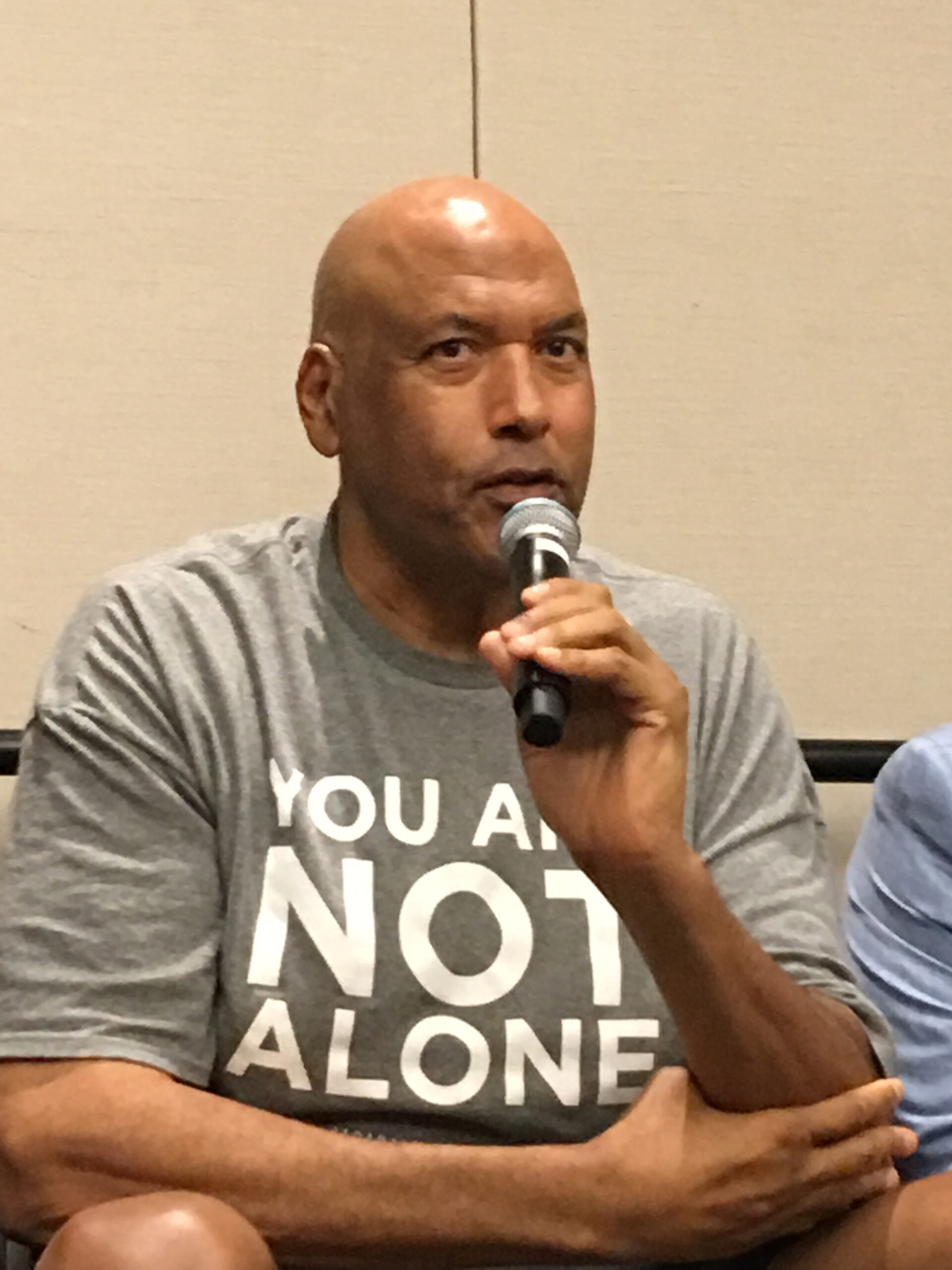
James Not Alone T-Shirt

As June gets underway, health officials and advocacy groups across the country are recognizing Men’s Mental Health Month, a nationwide effort to spotlight an often-overlooked public health crisis.


Suicide remains one of the leading causes of death among men in the United States. According to the Centers for Disease Control and Prevention, more than 39,000 men died by suicide in 2022, making up nearly 80% of all suicide deaths. That amounts to an average of 107 suicides per day, or about one every 13 minutes. Each month an estimated 3,273 men die by suicide.


The risk is highest among younger men. For males ages 18 to 34, suicide is the second leading cause of death. White men account for nearly 70% of male suicide deaths, though suicide rates are increasing among Black, Latino and Indigenous men as well.


Experts say stigma, lack of access to mental health care and social pressure to appear strong and self-reliant are major barriers that prevent men from seeking help.


#James Donaldson notes:
Welcome to the “next chapter” of my life… being a voice and an advocate for #mentalhealthawarenessandsuicideprevention, especially pertaining to our younger generation of students and student-athletes.
Getting men to speak up and reach out for help and assistance is one of my passions. Us men need to not suffer in silence or drown our sorrows in alcohol, hang out at bars and strip joints, or get involved with drug use.
Having gone through a recent bout of #depression and #suicidalthoughts myself, I realize now, that I can make a huge difference in the lives of so many by sharing my story, and by sharing various resources I come across as I work in this space.
  #http://bit.ly/JamesMentalHealthArticle
Find out more about the work I do on my 501c3 non-profit foundation
website www.yourgiftoflife.org Order your copy of James Donaldson's latest book,
#CelebratingYourGiftofLife: From The Verge of Suicide to a Life of Purpose and Joy


Click Here For More Information About James Donaldson


The National Institute of Mental Health estimates that about 6 million men in the U.S. experience depression each year. Yet, research shows men are significantly less likely than women to receive a diagnosis or seek treatment.


Mental health professionals point to a range of contributing factors, including untreated mental illness, financial stress, substance use and social isolation. Men are also more likely to use highly lethal means, such as firearms, when attempting suicide.


In response, national organizations including the Movember Foundation, Mental Health America and the National Alliance on Mental Illness are using the month of June to promote public education, increase outreach and encourage open conversations about mental health.


Some efforts include community forums, media campaigns and expanded access to telehealth services tailored specifically for men. Workplaces, schools and faith-based organizations are also being encouraged to take part in destigmatizing mental health support.


Health advocates say long-term solutions must include increasing funding for mental health services, improving insurance coverage and addressing shortages of culturally competent care providers. They also call for greater attention to the unique needs of men in rural and underserved communities.


The 988 Suicide & Crisis Lifeline is available 24/7 by phone or text for anyone in emotional distress. Calls are free and confidential.


Men’s Mental Health Month aims to break the silence and send a clear message: It’s OK to ask for help and no one should have to struggle alone. 


James Not Alone T-Shirt https://standingabovethecrowd.com/james-donaldson-on-mental-health-mens-mental-health-month-brings-awareness-to-a-growing-crisis/


James Donaldson on Mental Health - Men’s Mental Health Month Brings Awareness to a Growing Crisis
by Joshua Lambert

As June gets underway, health officials and advocacy groups across the country are recognizing Men’s Mental Health Month, a nationwide effort to spotlight an often-overlooked public health crisis.

Suicide remains one of the leading causes of death among men in the United States. According to the Centers for Disease Control and Prevention, more than 39,000 men died by suicide in 2022, making up nearly 80% of all suicide deaths. That amounts to an average of 107 suicides per day, or about one every 13 minutes. Each month an estimated 3,273 men die by suicide.

The risk is highest among younger men. For males ages 18 to 34, suicide is the second leading cause of death. White men account for nearly 70% of male suicide deaths, though suicide rates are increasing among Black, Latino and Indigenous men as well.

Experts say stigma, lack of access to mental health care and social pressure to appear strong and self-reliant are major barriers that prevent men from seeking help.

#James Donaldson notes:Welcome to the “next chapter” of my life… being a voice and an advocate for #mentalhealthawarenessandsuicideprevention, especially pertaining to our younger generation of students and student-athletes.Getting men to speak up and reach out for help and assistance is one of my passions. Us men need to not suffer in silence or drown our sorrows in alcohol, hang out at bars and strip joints, or get involved with drug use.Having gone through a recent bout of #depression and #suicidalthoughts myself, I realize now, that I can make a huge difference in the lives of so many by sharing my story, and by sharing various resources I come across as I work in this space.  #http://bit.ly/JamesMentalHealthArticleFind out more about the work I do on my 501c3 non-profit foundationwebsite www.yourgiftoflife.org Order your copy of James Donaldson's latest book,#CelebratingYourGiftofLife: From The Verge of Suicide to a Life of Purpose and Joy

Click Here For More Information About James Donaldson

The National Institute of Mental Health estimates that about 6 million men in the U.S. experience depression each year. Yet, research shows men are significantly less likely than women to receive a diagnosis or seek treatment.

Mental health professionals point to a range of contributing factors, including untreated mental illness, financial stress, substance use and social isolation. Men are also more likely to use highly lethal means, such as firearms, when attempting suicide.

In response, national organizations including the Movember Foundation, Mental Health America and the National Alliance on Mental Illness are using the month of June to promote public education, increase outreach and encourage open conversations about mental health.

Some efforts include community forums, media campaigns and expanded access to telehealth services tailored specifically for men. Workplaces, schools and faith-based organizations are also being encouraged to take part in destigmatizing mental health support.

Health advocates say long-term solutions must include increasing funding for mental health services, improving insurance coverage and addressing shortages of culturally competent care providers. They also call for greater attention to the unique needs of men in rural and underserved communities.

The 988 Suicide & Crisis Lifeline is available 24/7 by phone or text for anyone in emotional distress. Calls are free and confidential.

Men’s Mental Health Month aims to break the silence and send a clear message: It’s OK to ask for help and no one should have to struggle alone.  https://standingabovethecrowd.com/james-donaldson-on-mental-health-mens-mental-health-month-brings-awareness-to-a-growing-crisis/

Saturday, September 27, 2025

James Donaldson on Mental Health - Mental health issues can look different in men

James Donaldson on Mental Health - Mental health issues can look different in men

Recognize when tough-guy mentality may be masking a need for help


Written by Mick Garry 


Mental health issues can look different in men


While women and men can experience the same mental health issues, men commonly express them differently or develop different coping behaviors. Men also are less likely to get help for their mental health.


Mental health issues are challenging for anyone at any age but the signs in men and women are often different. It is important for men to remember that a conversation with a primary care provider can be a good place to start.


It is also important to remember these issues are treatable.


Ryan Voigt, Psy.D., LP, is a Sanford Health psychologist at Sanford Health Alexandria Clinic in Minnesota who can help guide men who seek mental health care. He will tell you you’re not the only one – other people have felt like this before, sought treatment and are better because of it.


The stigma surrounding men and mental health has diminished over time, but it still exists and remains a significant barrier between some men and the care that could help them.


Alarmingly, suicide is nearly four times as likely among men than women in the United States.


“For a lot of men, seeking help is still seen as a sign of weakness,” Dr. Voigt said. “Pull yourself up by your bootstraps, real men don’t cry – we’ve all heard the cliches. We might laugh about it, but men will come in and tell me that is the exact message they heard growing up.”


At Sanford Health, mental health care providers like Dr. Voigt can answer essential questions about what it really means to “pull yourself up by your bootstraps.”


#James Donaldson notes:
Welcome to the “next chapter” of my life… being a voice and an advocate for #mentalhealthawarenessandsuicideprevention, especially pertaining to our younger generation of students and student-athletes.
Getting men to speak up and reach out for help and assistance is one of my passions. Us men need to not suffer in silence or drown our sorrows in alcohol, hang out at bars and strip joints, or get involved with drug use.
Having gone through a recent bout of #depression and #suicidalthoughts myself, I realize now, that I can make a huge difference in the lives of so many by sharing my story, and by sharing various resources I come across as I work in this space.
  #http://bit.ly/JamesMentalHealthArticle
Find out more about the work I do on my 501c3 non-profit foundation
website www.yourgiftoflife.org Order your copy of James Donaldson's latest book,
#CelebratingYourGiftofLife: From The Verge of Suicide to a Life of Purpose and Joy


Click Here For More Information About James Donaldson


What are the symptoms?


Men and women deal with the same mental disorders and conditions. According to the National Institute of Mental Health, common symptoms include:


- Noticeable changes in mood, energy level, or appetite
- Difficulty sleeping or sleeping too much
- Difficulty concentrating, feeling restless, or on edge
- Feeling flat or having trouble feeling positive emotions
- Increased worry or feeling stressed
- Misuse of alcohol, drugs, or both
- Obsessive thinking or compulsive behavior
- Persistent sadness or feelings of hopelessness
- Physical symptoms, such as headaches, digestive problems, and pain
- Thoughts or behaviors that interfere with work, family, or social life
- Thoughts of death or suicide, or suicide attempts

While women and men can experience these symptoms, men commonly express them differently or develop different coping behaviors, says the Anxiety and Depression Association of America. The nonprofit organization says symptoms of mental health disorders in men may look like this:


- Escapist behavior, such as spending a lot of time at work or on sports
- Controlling, violent or abusive behavior
- Engaging in high-risk activities
- Irritability or anger that gets out of control

Suicide more common among men


Men make up 50% of the population but 80% of the suicides. Several factors are involved in the difference, but the numbers emphasize the importance of recognizing symptoms in yourself or others close to you.


Stigma, a preference for self-treatment, and an inherent inclination to minimize symptoms can contribute to circumstances that lead to suicidal thoughts.


“More women attempt suicide than men, but men have higher rates of completing suicide because they often use more lethal means,” Dr. Voigt said. “It’s scary and it sends up a big red flag in explaining why you should talk about your mental health. A big reason why men should get help is that they are more at risk of dying.”


When it is time to seek help


Realizing it’s time to seek help is ideally an act of self-realization. The reality is that loved ones are often the first to indicate something is not right.


Research suggests men are less likely than women to seek help with mental health issues. This can mean men who need help often need encouragement from others to seek it.


“A lot of times it’s other people who point it out to you. It can be, ‘Hey, I’ve noted you seem a lot crabbier than usual – what is going on?’” Dr. Voigt said. “Or it could be, ‘I’ve noticed you are going to the bar more often than usual.’ The people themselves may or may not have that insider awareness of their own behavior. They might not be super tuned-in or have a lot of insight into why their behavior has changed.”


Or, maybe they know and they’re ready to share. If you’re a friend or a loved one, it will never hurt to ask.


“If you bring it up with someone who checks in with themselves a little bit, they might talk about some big situational stressor that just happened,” Dr. Voigt said. “Maybe they lost a job or broke up a relationship or something else that is stressful and has become hard to deal with.”


Why are men sometimes reluctant to get help?


Social and cultural stigma can discourage men from seeking help. Societal expectations around masculinity can lead to men feeling like they’re weak if they admit they need help.


“There is this masculine concept that I need to be tough and strong and do it on my own,” Dr. Voigt said. “In general, independence is a big deal in our culture, whether you’re a man or a woman, but for men especially. The message is that I can’t ask for help. The message is that we need to internalize, which is not helpful or healthy.”


Other barriers may not be connected to being a man but can also present challenges. If you live in a rural area, how far would you have to drive to see someone who can help you? Is your access to the internet strong enough to participate in a telehealth appointment?


Cost can also play a role. Do you have a health plan that helps pay for mental health care? What if you can’t leave work? They are all potential barriers.


How can friends and family help?


Let’s say you are the friend of someone who is showing symptoms. How can you help?


There is no singular right way to approach the topic. Saying nothing at all is usually not the best option.


“When you ask someone how they’re feeling and they say they’re fine, we know sometimes that is not true,” Dr. Voigt said. “Sometimes you can cut through that just by asking again. Sometimes if you follow your first question with, ‘How are you really?’ They realize you really do care, and you really want to know and offer support.”


Sometimes it can be as simple as offering to take a walk.


“It’s interesting – if you want to get a guy to open up, there’s nothing like walking and talking,” Dr. Voigt said. “Just say, ‘Can we go for a walk and chat about that?’ Being shoulder-to-shoulder can feel less confrontational than sitting and facing each other eye-to-eye.”


The next step


Talking to your primary care provider can be a less intimidating entry point for those seeking directions on where to turn.


“It’s just a really good place to start,” Dr. Voigt said. “It can be easier to access and it’s someone you usually already have a relationship with. Ideally your doctor can make a referral, and you can get through the door that way.”


Your primary care provider can also connect you to other services that can help.


“There are a lot of good resources available online,” Dr. Voigt said. “Obviously, you have to be careful about that because there are also a lot of not-so-helpful things out there, but there are some really good things, too, where you can plug in some information and get a better sense for where you’re at.”


https://standingabovethecrowd.com/james-donaldson-on-mental-health-mental-health-issues-can-look-different-in-men/


James Donaldson on Mental Health - Mental health issues can look different in men
Recognize when tough-guy mentality may be masking a need for help

Written by Mick Garry 

While women and men can experience the same mental health issues, men commonly express them differently or develop different coping behaviors. Men also are less likely to get help for their mental health.

Mental health issues are challenging for anyone at any age but the signs in men and women are often different. It is important for men to remember that a conversation with a primary care provider can be a good place to start.

It is also important to remember these issues are treatable.

Ryan Voigt, Psy.D., LP, is a Sanford Health psychologist at Sanford Health Alexandria Clinic in Minnesota who can help guide men who seek mental health care. He will tell you you’re not the only one – other people have felt like this before, sought treatment and are better because of it.

The stigma surrounding men and mental health has diminished over time, but it still exists and remains a significant barrier between some men and the care that could help them.

Alarmingly, suicide is nearly four times as likely among men than women in the United States.

“For a lot of men, seeking help is still seen as a sign of weakness,” Dr. Voigt said. “Pull yourself up by your bootstraps, real men don’t cry – we’ve all heard the cliches. We might laugh about it, but men will come in and tell me that is the exact message they heard growing up.”

At Sanford Health, mental health care providers like Dr. Voigt can answer essential questions about what it really means to “pull yourself up by your bootstraps.”

#James Donaldson notes:Welcome to the “next chapter” of my life… being a voice and an advocate for #mentalhealthawarenessandsuicideprevention, especially pertaining to our younger generation of students and student-athletes.Getting men to speak up and reach out for help and assistance is one of my passions. Us men need to not suffer in silence or drown our sorrows in alcohol, hang out at bars and strip joints, or get involved with drug use.Having gone through a recent bout of #depression and #suicidalthoughts myself, I realize now, that I can make a huge difference in the lives of so many by sharing my story, and by sharing various resources I come across as I work in this space.  #http://bit.ly/JamesMentalHealthArticleFind out more about the work I do on my 501c3 non-profit foundationwebsite www.yourgiftoflife.org Order your copy of James Donaldson's latest book,#CelebratingYourGiftofLife: From The Verge of Suicide to a Life of Purpose and Joy

Click Here For More Information About James Donaldson

What are the symptoms?

Men and women deal with the same mental disorders and conditions. According to the National Institute of Mental Health, common symptoms include:

- Noticeable changes in mood, energy level, or appetite

- Difficulty sleeping or sleeping too much

- Difficulty concentrating, feeling restless, or on edge

- Feeling flat or having trouble feeling positive emotions

- Increased worry or feeling stressed

- Misuse of alcohol, drugs, or both

- Obsessive thinking or compulsive behavior

- Persistent sadness or feelings of hopelessness

- Physical symptoms, such as headaches, digestive problems, and pain

- Thoughts or behaviors that interfere with work, family, or social life

- Thoughts of death or suicide, or suicide attempts

While women and men can experience these symptoms, men commonly express them differently or develop different coping behaviors, says the Anxiety and Depression Association of America. The nonprofit organization says symptoms of mental health disorders in men may look like this:

- Escapist behavior, such as spending a lot of time at work or on sports

- Controlling, violent or abusive behavior

- Engaging in high-risk activities

- Irritability or anger that gets out of control

Suicide more common among men

Men make up 50% of the population but 80% of the suicides. Several factors are involved in the difference, but the numbers emphasize the importance of recognizing symptoms in yourself or others close to you.

Stigma, a preference for self-treatment, and an inherent inclination to minimize symptoms can contribute to circumstances that lead to suicidal thoughts.

“More women attempt suicide than men, but men have higher rates of completing suicide because they often use more lethal means,” Dr. Voigt said. “It’s scary and it sends up a big red flag in explaining why you should talk about your mental health. A big reason why men should get help is that they are more at risk of dying.”

When it is time to seek help

Realizing it’s time to seek help is ideally an act of self-realization. The reality is that loved ones are often the first to indicate something is not right.

Research suggests men are less likely than women to seek help with mental health issues. This can mean men who need help often need encouragement from others to seek it.

“A lot of times it’s other people who point it out to you. It can be, ‘Hey, I’ve noted you seem a lot crabbier than usual – what is going on?’” Dr. Voigt said. “Or it could be, ‘I’ve noticed you are going to the bar more often than usual.’ The people themselves may or may not have that insider awareness of their own behavior. They might not be super tuned-in or have a lot of insight into why their behavior has changed.”

Or, maybe they know and they’re ready to share. If you’re a friend or a loved one, it will never hurt to ask.

“If you bring it up with someone who checks in with themselves a little bit, they might talk about some big situational stressor that just happened,” Dr. Voigt said. “Maybe they lost a job or broke up a relationship or something else that is stressful and has become hard to deal with.”

Why are men sometimes reluctant to get help?

Social and cultural stigma can discourage men from seeking help. Societal expectations around masculinity can lead to men feeling like they’re weak if they admit they need help.

“There is this masculine concept that I need to be tough and strong and do it on my own,” Dr. Voigt said. “In general, independence is a big deal in our culture, whether you’re a man or a woman, but for men especially. The message is that I can’t ask for help. The message is that we need to internalize, which is not helpful or healthy.”

Other barriers may not be connected to being a man but can also present challenges. If you live in a rural area, how far would you have to drive to see someone who can help you? Is your access to the internet strong enough to participate in a telehealth appointment?

Cost can also play a role. Do you have a health plan that helps pay for mental health care? What if you can’t leave work? They are all potential barriers.

How can friends and family help?

Let’s say you are the friend of someone who is showing symptoms. How can you help?

There is no singular right way to approach the topic. Saying nothing at all is usually not the best option.

“When you ask someone how they’re feeling and they say they’re fine, we know sometimes that is not true,” Dr. Voigt said. “Sometimes you can cut through that just by asking again. Sometimes if you follow your first question with, ‘How are you really?’ They realize you really do care, and you really want to know and offer support.”

Sometimes it can be as simple as offering to take a walk.

“It’s interesting – if you want to get a guy to open up, there’s nothing like walking and talking,” Dr. Voigt said. “Just say, ‘Can we go for a walk and chat about that?’ Being shoulder-to-shoulder can feel less confrontational than sitting and facing each other eye-to-eye.”

The next step

Talking to your primary care provider can be a less intimidating entry point for those seeking directions on where to turn.

“It’s just a really good place to start,” Dr. Voigt said. “It can be easier to access and it’s someone you usually already have a relationship with. Ideally your doctor can make a referral, and you can get through the door that way.”

Your primary care provider can also connect you to other services that can help.

“There are a lot of good resources available online,” Dr. Voigt said. “Obviously, you have to be careful about that because there are also a lot of not-so-helpful things out there, but there are some really good things, too, where you can plug in some information and get a better sense for where you’re at.” https://standingabovethecrowd.com/james-donaldson-on-mental-health-mental-health-issues-can-look-different-in-men/

Friday, September 26, 2025


James Donaldson on Mental Health - Mental Health Challenges of LGBTQ+ Kids
A look at risk factors and protective factors

Photo by Sharon McCutcheon on Pexels.com

Writer: Juliann Garey

Clinical Expert: Emma C Woodward, PhD

What You'll Learn

- What factors make LGBTQ+ kids more likely to develop mental health problems?

- What can reduce those risks?

- How can parents support LGBTQ+ kids’ mental health?

- Quick Article

- Full Article

- Key risk factors for LGBTQ+ youth

- Key protective factors

- How parents can help

Being LGBTQ+ doesn’t cause mental health problems. But because LGBTQ+ kids often face factors like rejection, bullying, discrimination, and violence, they are at a higher risk of challenges including depression, anxiety, and attempting suicide. However, there are ways that parents and others can support their mental health and help them grow up safe and happy.

Factors that make kids more likely to develop mental health challenges are called risk factors. The stress of being LGBTQ+ is a risk factor for nearly all kids who identify as LGBTQ+. They may be scared of being rejected or worry that they might be harassed or discriminated against because of their identity.

Directly experiencing bullying or discrimination is also a major risk factor, and so is lacking support at home and/or at school. Not having access to supportive mental health care and being addressed by the wrong name or pronouns are risk factors as well.

Things that reduce the impact of risk factors are called protective factors. They make it less likely that kids will develop mental health challenges. The biggest protective factor for LGBTQ+ kids is having unconditional love and support at home. Other supportive adults can also make a big difference, and so can getting good health care, attending a school with supportive policies, and being able to safely use the name and pronouns that match their identity.

Parents of LGBTQ+ kids can support them by making home a safe space and advocating for them at school when necessary. It also helps to connect them to health care (both physical health and mental health) that respects their gender identity and sexual orientation. This kind of support can make the difference between a child who develops mental heath issues and one who thrives as they get older.

If you have a child who’s LGBTQ+ you may worry about whether they’re getting the support they need to be safe and healthy. You may be aware that LGBTQ+ kids are at higher risk than other kids for developing mental health problems such as depression, anxiety, and substance abuse. They also have higher rates of contemplating, attempting, and dying by suicide.

That’s why it’s important to understand what factors make an LGBTQ+ young person more or less likely to develop a mental health problem, including considering or attempting suicide.

Being LGBTQ+ doesn’t cause mental health problems — and is not caused by mental health problems. Rather, these kids’ increased risk of developing mental health problems stems from exposure to factors like rejection, bullying, discrimination, and violence. While acceptance of LGBTQ+ kids has increased over the last few decades, the current political backlash has caused many of them to feel less secure.

In a 2024 Trevor Project poll of 18,000 LGBTQ+ youth between the ages of 13 and 24 years old, 90 percent said their well-being was negatively impacted due to recent politics — and 53 percent said it was impacted a lot.

Sixty-six percent reported feeling recent symptoms of anxiety, and 53 percent reported symptoms of depression. Thirty-nine percent said they had seriously considered suicide in the past year. More than one in 10 (12 percent) said they attempted suicide.What can be done?

The more we know about what helps — and harms — LGBTQ+ kids, the better we can support them. Here, we look at both the risk factors — things that increase the likelihood that an LGBTQ+ kid will develop serious mental health problems — and the protective factors, or things that reduce that risk. If a child has a lot of risk factors and hardly any protective factors, they are particularly vulnerable. On the other hand, if they have a fair number of risk factors but a lot of protective factors, they may be less vulnerable.

#James Donaldson notes:Welcome to the “next chapter” of my life… being a voice and an advocate for #mentalhealthawarenessandsuicideprevention, especially pertaining to our younger generation of students and student-athletes.Getting men to speak up and reach out for help and assistance is one of my passions. Us men need to not suffer in silence or drown our sorrows in alcohol, hang out at bars and strip joints, or get involved with drug use.Having gone through a recent bout of #depression and #suicidalthoughts myself, I realize now, that I can make a huge difference in the lives of so many by sharing my story, and by sharing various resources I come across as I work in this space.  #http://bit.ly/JamesMentalHealthArticleFind out more about the work I do on my 501c3 non-profit foundationwebsite www.yourgiftoflife.org Order your copy of James Donaldson's latest book,#CelebratingYourGiftofLife: From The Verge of Suicide to a Life of Purpose and Joy

Click Here For More Information About James Donaldson

Key risk factors for LGBTQ+ youth

The stress of being LGBTQ+ is a risk factor that’s near-universal. “These youth’s identities carry stressors with them related to being in a marginalized and misunderstood group,” says Emma Woodward, PhD, a clinical psychologist at the Child Mind Institute. She notes the distress that comes with feeling the need to conceal their identities, the fear that they will be harassed or discriminated against, and the feelings of self-doubt that can result from being treated as if who they are is something to be ashamed of.

Additionally, LGBTQ+ kids often have stressful or even traumatic experiences that can impact their mental health, including:

- Being bullied or actively discriminated against. “Bullying, discrimination, and social exclusion are hugely important risk factors for these kids,” says Dr. Woodward. According to the Trevor poll, 60 percent of LGBTQ+ youth reported that they have experienced discrimination based on their sexual orientation or gender identity at least once in their lifetime.

- Little or no family support. One of the biggest health and safety risk factors for queer youth is lack of familial support and acceptance.

- Lack of support by teachers and school administration.

- Lack of access to mental health care. (The Trevor poll found that 50 percent of respondents said they wanted but were unable to get mental health services.)

- Physical harm. The Trevor poll found that 23 percent of LGBTQ youth reported having been physically threatened or harmed due to their sexual orientation or gender identity.

- Being threatened with conversion therapy. Therapy designed to make a queer or trans person “go back to normal” has been consistently associated with negative mental health outcomes and greater risk for suicide. 

- Being misgendered (addressed using the wrong pronouns) or not being called by their chosen name.

Key protective factors

While their struggles can be significant, with support and acceptance, LGBTQ+ kids can thrive. Most experts agree that the most important protective factor for LGBTQ+ kids is a high degree of support from family or caregivers. The Trevor Project poll bears that out: Having support from their family reduced the percentage of youth who considered or attempted suicide in the past year by almost half.

Other important protective factors include:

- Access to health and mental health health care.

- Being able to wear the clothes they need to express their identity or change their appearance to match their identity.

- Having a supportive adult in their life. This can be a parent, teacher, family friend, coach, guidance counselor — anyone who can provide kindness and support when kids need it most. “Just having an adult who is understanding and supportive and will listen to a child can be really helpful,” says Dr. Woodward.

- Being allowed to use their chosen names and pronouns at home, school, and work. One study showed that this significantly reduced depression and suicidal thinking in LGBTQ+ youth.

- Having strong LGBTQ+ role models. Positive representations of LGBTQ+ individuals in the media — on streaming platforms, in films, music, sports, and even advertising — are becoming more and more common.

- Attending a school with supportive policies, such as allowing LGBTQ+ kids to use the bathroom of their choice or a zero-tolerance policy regarding bullying.

- Having a doctor who is an ally.

- Exposure to happy, thriving LGBTQ+ adults.

How parents can help

Here are a few ways that parents and families can reduce risk factors and increase protective factors:

- Make your home a safe space. “Having home be a place that they can be themselves without judgment or rejection or consequences makes a big difference,” says Dr. Woodward.

- Advocate for your child in their school. “Parents can help kids advocate for and get the services and accommodations they need,” Dr. Woodward says. “And, if their teen is having negative experiences in school, parents can play a role as well.”

- Get your child connected to health care (both physical health and mental health) that affirms their sexual orientation and gender identity. For many LGBTQ+ kids, working with a supportive mental health professional is an important way to process challenges and learn coping skills. You can learn more here about finding affordable mental health care in your area.

- Have a talk about social media — what’s safe and what’s not.

Parenting can be hard at times and being the parent of an LGBTQ+ kid can be harder for a lot of reasons. But even if it takes you a long time to accept who they are, you can support them from the moment they come out to you. And that support can be the difference between having a kid who thrives or one who struggles with ongoing mental health issues.

Photo by Sharon McCutcheon on Pexels.com https://standingabovethecrowd.com/?p=14793

James Donaldson on Mental Health - The Role of Physical Fitness in Managing Depression

James Donaldson on Mental Health - The Role of Physical Fitness in Managing Depression

In today's fast-paced world, depression has become a common mental health issue affecting millions. While therapy and medication are often the go-to solutions, an often overlooked yet powerful ally in battling depression is physical fitness. Let's dive into how staying active can help manage depression and improve overall well-being.


Table of Contents


1. Introduction to Depression and Physical Fitness
2. How Exercise Impacts Mental Health
3. Types of Exercises Beneficial for Depression
4. Tips to Get Started with a Fitness Routine
5. Conclusion
6. FAQs


Introduction to Depression and Physical Fitness


Depression is more than just feeling sad; it's a persistent condition that can affect every aspect of life. It can drain energy, make daily tasks seem daunting, and diminish the joy in activities once loved. On the other hand, physical fitness is not just about building muscles or losing weight; it's a holistic approach to maintaining a healthy body and mind. But how exactly does moving your body help your mind?


How Exercise Impacts Mental Health


Engaging in regular physical activity can have profound effects on mental health. Here are some ways exercise helps manage depression:


1. Releases Endorphins: Exercise triggers the release of endorphins, often called the brain's "feel-good" chemicals, which can help reduce feelings of depression.


2. Reduces Stress: Physical activity decreases the levels of stress hormones such as adrenaline and cortisol. Less stress means a calmer, more balanced mood.


3. Improves Sleep: Regular exercise can help regulate sleep patterns, which are often disrupted in those suffering from depression.


4. Boosts Self-esteem: Achieving fitness goals, no matter how small, can enhance self-confidence and provide a sense of accomplishment.


Types of Exercises Beneficial for Depression


Not all exercises are created equal when it comes to mental health benefits. Here are some of the best types to consider:


1. Aerobic Exercises: Activities like walking, swimming, or cycling can be highly effective. They are easy to start and can be done solo or with friends.


2. Yoga: This practice combines physical postures, breathing exercises, and meditation to enhance mental clarity and emotional calm.


3. Strength Training: Lifting weights not only builds muscle but also releases endorphins, boosting mood significantly.


#James Donaldson notes:
Welcome to the “next chapter” of my life… being a voice and an advocate for #mentalhealthawarenessandsuicideprevention, especially pertaining to our younger generation of students and student-athletes.
Getting men to speak up and reach out for help and assistance is one of my passions. Us men need to not suffer in silence or drown our sorrows in alcohol, hang out at bars and strip joints, or get involved with drug use.
Having gone through a recent bout of #depression and #suicidalthoughts myself, I realize now, that I can make a huge difference in the lives of so many by sharing my story, and by sharing various resources I come across as I work in this space.
  #http://bit.ly/JamesMentalHealthArticle
Find out more about the work I do on my 501c3 non-profit foundation
website www.yourgiftoflife.org Order your copy of James Donaldson's latest book,
#CelebratingYourGiftofLife: From The Verge of Suicide to a Life of Purpose and Joy


Click Here For More Information About James Donaldson


Tips to Get Started with a Fitness Routine


Starting a new fitness routine can be intimidating, especially when dealing with depression. Here are some tips to help you get started:


1. Start Small: Begin with short, manageable workouts. Even a 10-minute walk can be a great start.


2. Set Realistic Goals: Set achievable goals to maintain motivation and track progress over time.


3. Find Activities You Enjoy: Choose exercises that you find fun, so it feels less like a chore and more like a hobby.


4. Be Consistent: Try to make physical activity a regular part of your routine. Consistency is key to seeing benefits.


Conclusion


Physical fitness plays a crucial role in managing depression. While it might seem challenging at first, incorporating regular exercise into your life can lead to significant improvements in mood, energy levels, and overall mental well-being. Remember, every small step counts, and you're not alone on this journey.


FAQs


1. Can exercise replace medication for depression?
Exercise can significantly help manage symptoms but should not replace medication without a healthcare professional's guidance.


2. How often should I exercise to see benefits in managing depression?
Even moderate exercise, like brisk walking for 30 minutes a day, five days a week, can be beneficial.


3. What if I don't feel like exercising?
It's normal to feel unmotivated, especially with depression. Start small and gradually increase as you feel more comfortable.


4. Can group exercise classes help with depression?
Yes, group activities can provide social support and motivation, which are beneficial for mental health.


5. Are there any exercises to avoid if I'm feeling depressed?
While most exercises can be beneficial, it's essential to avoid overexertion. Listen to your body and rest when needed.


https://standingabovethecrowd.com/the-role-of-physical-fitness-in-managing-depression/


James Donaldson on Mental Health - The Role of Physical Fitness in Managing Depression
In today's fast-paced world, depression has become a common mental health issue affecting millions. While therapy and medication are often the go-to solutions, an often overlooked yet powerful ally in battling depression is physical fitness. Let's dive into how staying active can help manage depression and improve overall well-being.

Table of Contents

1. Introduction to Depression and Physical Fitness2. How Exercise Impacts Mental Health3. Types of Exercises Beneficial for Depression4. Tips to Get Started with a Fitness Routine5. Conclusion6. FAQs

Introduction to Depression and Physical Fitness

Depression is more than just feeling sad; it's a persistent condition that can affect every aspect of life. It can drain energy, make daily tasks seem daunting, and diminish the joy in activities once loved. On the other hand, physical fitness is not just about building muscles or losing weight; it's a holistic approach to maintaining a healthy body and mind. But how exactly does moving your body help your mind?

How Exercise Impacts Mental Health

Engaging in regular physical activity can have profound effects on mental health. Here are some ways exercise helps manage depression:

1. Releases Endorphins: Exercise triggers the release of endorphins, often called the brain's "feel-good" chemicals, which can help reduce feelings of depression.

2. Reduces Stress: Physical activity decreases the levels of stress hormones such as adrenaline and cortisol. Less stress means a calmer, more balanced mood.

3. Improves Sleep: Regular exercise can help regulate sleep patterns, which are often disrupted in those suffering from depression.

4. Boosts Self-esteem: Achieving fitness goals, no matter how small, can enhance self-confidence and provide a sense of accomplishment.

Types of Exercises Beneficial for Depression

Not all exercises are created equal when it comes to mental health benefits. Here are some of the best types to consider:

1. Aerobic Exercises: Activities like walking, swimming, or cycling can be highly effective. They are easy to start and can be done solo or with friends.

2. Yoga: This practice combines physical postures, breathing exercises, and meditation to enhance mental clarity and emotional calm.

3. Strength Training: Lifting weights not only builds muscle but also releases endorphins, boosting mood significantly.

#James Donaldson notes:Welcome to the “next chapter” of my life… being a voice and an advocate for #mentalhealthawarenessandsuicideprevention, especially pertaining to our younger generation of students and student-athletes.Getting men to speak up and reach out for help and assistance is one of my passions. Us men need to not suffer in silence or drown our sorrows in alcohol, hang out at bars and strip joints, or get involved with drug use.Having gone through a recent bout of #depression and #suicidalthoughts myself, I realize now, that I can make a huge difference in the lives of so many by sharing my story, and by sharing various resources I come across as I work in this space.  #http://bit.ly/JamesMentalHealthArticleFind out more about the work I do on my 501c3 non-profit foundationwebsite www.yourgiftoflife.org Order your copy of James Donaldson's latest book,#CelebratingYourGiftofLife: From The Verge of Suicide to a Life of Purpose and Joy

Click Here For More Information About James Donaldson

Tips to Get Started with a Fitness Routine

Starting a new fitness routine can be intimidating, especially when dealing with depression. Here are some tips to help you get started:

1. Start Small: Begin with short, manageable workouts. Even a 10-minute walk can be a great start.

2. Set Realistic Goals: Set achievable goals to maintain motivation and track progress over time.

3. Find Activities You Enjoy: Choose exercises that you find fun, so it feels less like a chore and more like a hobby.

4. Be Consistent: Try to make physical activity a regular part of your routine. Consistency is key to seeing benefits.

Conclusion

Physical fitness plays a crucial role in managing depression. While it might seem challenging at first, incorporating regular exercise into your life can lead to significant improvements in mood, energy levels, and overall mental well-being. Remember, every small step counts, and you're not alone on this journey.

FAQs

1. Can exercise replace medication for depression?Exercise can significantly help manage symptoms but should not replace medication without a healthcare professional's guidance.

2. How often should I exercise to see benefits in managing depression?Even moderate exercise, like brisk walking for 30 minutes a day, five days a week, can be beneficial.

3. What if I don't feel like exercising?It's normal to feel unmotivated, especially with depression. Start small and gradually increase as you feel more comfortable.

4. Can group exercise classes help with depression?Yes, group activities can provide social support and motivation, which are beneficial for mental health.

5. Are there any exercises to avoid if I'm feeling depressed?While most exercises can be beneficial, it's essential to avoid overexertion. Listen to your body and rest when needed. https://standingabovethecrowd.com/the-role-of-physical-fitness-in-managing-depression/

Thursday, September 25, 2025

James Donaldson on Mental Health - How to Recognize and Address Mental Health Issues in First Responders

James Donaldson on Mental Health - How to Recognize and Address Mental Health Issues in First Responders

First responders are the unsung heroes of our communities. They rush into situations most of us would avoid, providing critical assistance during emergencies. However, this noble work comes with its own set of challenges, particularly when it comes to mental health. In this blog post, we'll explore how to recognize and address mental health issues in first responders, offering insight and support for these brave individuals.


Table of Contents


1. Introduction: The Mental Health Landscape for First Responders
2. Recognizing Mental Health Issues in First Responders
3. Addressing Mental Health: Effective Strategies
4. How Organizations Can Support Their Teams
5. Conclusion: Taking Action for Mental Well-being
6. FAQs


Introduction: The Mental Health Landscape for First Responders


First responders face unique stressors in their line of work, including exposure to traumatic events, high-pressure situations, and irregular hours. These conditions can lead to mental health issues such as PTSD, anxiety, and depression. Understanding these challenges is the first step in providing the necessary support.


Recognizing Mental Health Issues in First Responders


Identifying mental health issues early can make a significant difference. Here are some signs to look out for:


Behavioral Changes

First responders may exhibit changes in their behavior, such as irritability, withdrawal from social interactions, or a decline in job performance. These shifts can indicate underlying stress or trauma.


Emotional Indicators

Feelings of sadness, hopelessness, or excessive worry can be red flags. It's crucial to take these emotions seriously and encourage open communication.


Physical Symptoms

Chronic fatigue, headaches, and changes in appetite or sleep patterns can often accompany mental health issues. These physical symptoms shouldn't be overlooked.


Addressing Mental Health: Effective Strategies


Once issues are recognized, it's important to take action. Here are some strategies that can help:


Encourage Open Communication

Create a safe environment where first responders feel comfortable discussing their challenges without fear of judgment. Regular check-ins and peer support groups can be beneficial.


Promote Work-Life Balance

Encouraging time off and ensuring manageable workloads can help alleviate stress and prevent burnout. Balance is key to long-term well-being.


Provide Access to Professional Help

Offering access to mental health professionals, such as counselors or therapists, can provide first responders with the tools they need to cope with their experiences.


How Organizations Can Support Their Teams


Organizations play a crucial role in supporting the mental health of their teams. Here’s how they can help:


Implement Training Programs

Training programs can equip first responders with coping strategies and resilience-building techniques. Knowledge is empowering.


Develop Clear Policies

Having clear policies and procedures for dealing with mental health issues ensures that team members know where to turn for help and what support is available.


Foster a Supportive Culture

Promote a culture of empathy and understanding. Recognize and celebrate efforts to prioritize mental health within the team.


Conclusion: Taking Action for Mental Well-being


First responders dedicate their lives to helping others, and it's our responsibility to ensure they receive the support they need. By recognizing mental health issues early and taking proactive steps to address them, we can help these heroes maintain their well-being and continue doing the incredible work they're known for.


#James Donaldson notes:
Welcome to the “next chapter” of my life… being a voice and an advocate for #mentalhealthawarenessandsuicideprevention, especially pertaining to our younger generation of students and student-athletes.
Getting men to speak up and reach out for help and assistance is one of my passions. Us men need to not suffer in silence or drown our sorrows in alcohol, hang out at bars and strip joints, or get involved with drug use.
Having gone through a recent bout of #depression and #suicidalthoughts myself, I realize now, that I can make a huge difference in the lives of so many by sharing my story, and by sharing various resources I come across as I work in this space.
  #http://bit.ly/JamesMentalHealthArticle
Find out more about the work I do on my 501c3 non-profit foundation
website www.yourgiftoflife.org Order your copy of James Donaldson's latest book,
#CelebratingYourGiftofLife: From The Verge of Suicide to a Life of Purpose and Joy


Click Here For More Information About James Donaldson


FAQs


Q: What are some common mental health issues faced by first responders?


A: Common issues include PTSD, anxiety, depression, and burnout due to exposure to traumatic events and high-stress situations.


Q: How can I support a first responder struggling with mental health?


A: Encourage open dialogue, offer a listening ear, and suggest professional help if needed. Being a supportive friend or family member can make a big difference.


Q: What role do employers play in addressing mental health for first responders?


A: Employers can provide training, access to mental health resources, and foster a supportive work environment to help first responders manage their mental health effectively.


https://standingabovethecrowd.com/how-to-recognize-and-address-mental-health-issues-in-first-responders/


James Donaldson on Mental Health - How to Recognize and Address Mental Health Issues in First Responders
First responders are the unsung heroes of our communities. They rush into situations most of us would avoid, providing critical assistance during emergencies. However, this noble work comes with its own set of challenges, particularly when it comes to mental health. In this blog post, we'll explore how to recognize and address mental health issues in first responders, offering insight and support for these brave individuals.

Table of Contents

1. Introduction: The Mental Health Landscape for First Responders2. Recognizing Mental Health Issues in First Responders3. Addressing Mental Health: Effective Strategies4. How Organizations Can Support Their Teams5. Conclusion: Taking Action for Mental Well-being6. FAQs

Introduction: The Mental Health Landscape for First Responders

First responders face unique stressors in their line of work, including exposure to traumatic events, high-pressure situations, and irregular hours. These conditions can lead to mental health issues such as PTSD, anxiety, and depression. Understanding these challenges is the first step in providing the necessary support.

Recognizing Mental Health Issues in First Responders

Identifying mental health issues early can make a significant difference. Here are some signs to look out for:

Behavioral Changes

First responders may exhibit changes in their behavior, such as irritability, withdrawal from social interactions, or a decline in job performance. These shifts can indicate underlying stress or trauma.

Emotional Indicators

Feelings of sadness, hopelessness, or excessive worry can be red flags. It's crucial to take these emotions seriously and encourage open communication.

Physical Symptoms

Chronic fatigue, headaches, and changes in appetite or sleep patterns can often accompany mental health issues. These physical symptoms shouldn't be overlooked.

Addressing Mental Health: Effective Strategies

Once issues are recognized, it's important to take action. Here are some strategies that can help:

Encourage Open Communication

Create a safe environment where first responders feel comfortable discussing their challenges without fear of judgment. Regular check-ins and peer support groups can be beneficial.

Promote Work-Life Balance

Encouraging time off and ensuring manageable workloads can help alleviate stress and prevent burnout. Balance is key to long-term well-being.

Provide Access to Professional Help

Offering access to mental health professionals, such as counselors or therapists, can provide first responders with the tools they need to cope with their experiences.

How Organizations Can Support Their Teams

Organizations play a crucial role in supporting the mental health of their teams. Here’s how they can help:

Implement Training Programs

Training programs can equip first responders with coping strategies and resilience-building techniques. Knowledge is empowering.

Develop Clear Policies

Having clear policies and procedures for dealing with mental health issues ensures that team members know where to turn for help and what support is available.

Foster a Supportive Culture

Promote a culture of empathy and understanding. Recognize and celebrate efforts to prioritize mental health within the team.

Conclusion: Taking Action for Mental Well-being

First responders dedicate their lives to helping others, and it's our responsibility to ensure they receive the support they need. By recognizing mental health issues early and taking proactive steps to address them, we can help these heroes maintain their well-being and continue doing the incredible work they're known for.

#James Donaldson notes:Welcome to the “next chapter” of my life… being a voice and an advocate for #mentalhealthawarenessandsuicideprevention, especially pertaining to our younger generation of students and student-athletes.Getting men to speak up and reach out for help and assistance is one of my passions. Us men need to not suffer in silence or drown our sorrows in alcohol, hang out at bars and strip joints, or get involved with drug use.Having gone through a recent bout of #depression and #suicidalthoughts myself, I realize now, that I can make a huge difference in the lives of so many by sharing my story, and by sharing various resources I come across as I work in this space.  #http://bit.ly/JamesMentalHealthArticleFind out more about the work I do on my 501c3 non-profit foundationwebsite www.yourgiftoflife.org Order your copy of James Donaldson's latest book,#CelebratingYourGiftofLife: From The Verge of Suicide to a Life of Purpose and Joy

Click Here For More Information About James Donaldson

FAQs

Q: What are some common mental health issues faced by first responders?

A: Common issues include PTSD, anxiety, depression, and burnout due to exposure to traumatic events and high-stress situations.

Q: How can I support a first responder struggling with mental health?

A: Encourage open dialogue, offer a listening ear, and suggest professional help if needed. Being a supportive friend or family member can make a big difference.

Q: What role do employers play in addressing mental health for first responders?

A: Employers can provide training, access to mental health resources, and foster a supportive work environment to help first responders manage their mental health effectively. https://standingabovethecrowd.com/how-to-recognize-and-address-mental-health-issues-in-first-responders/

Wednesday, September 24, 2025

James Donaldson on Mental Health - The Importance of Emotional Regulation for Mental Health

James Donaldson on Mental Health - The Importance of Emotional Regulation for Mental Health

Have you ever felt like your emotions are a rollercoaster?, taking you on unexpected highs and lows? You're not alone. Emotions can be powerful and, at times, overwhelming. Learning how to regulate them is crucial for maintaining mental health and overall well-being. Let's dive into why emotional regulation is so important and how you can start managing your emotions more effectively.


#James Donaldson notes:
Welcome to the “next chapter” of my life… being a voice and an advocate for #mentalhealthawarenessandsuicideprevention, especially pertaining to our younger generation of students and student-athletes.
Getting men to speak up and reach out for help and assistance is one of my passions. Us men need to not suffer in silence or drown our sorrows in alcohol, hang out at bars and strip joints, or get involved with drug use.
Having gone through a recent bout of #depression and #suicidalthoughts myself, I realize now, that I can make a huge difference in the lives of so many by sharing my story, and by sharing various resources I come across as I work in this space.
  #http://bit.ly/JamesMentalHealthArticle
Find out more about the work I do on my 501c3 non-profit foundation
website www.yourgiftoflife.org Order your copy of James Donaldson's latest book,
#CelebratingYourGiftofLife: From The Verge of Suicide to a Life of Purpose and Joy


Click Here For More Information About James Donaldson


Table of Contents


1. Introduction
2. Understanding Emotional Regulation
3. The Impact of Emotional Dysregulation
4. Techniques for Effective Emotional Regulation
5. Benefits of Emotional Regulation
6. Conclusion
7. FAQs


Understanding Emotional Regulation


Emotional regulation is the ability to manage and respond to an emotional experience in a healthy way. It's about being able to navigate your feelings without being overwhelmed or reacting impulsively. Think of it as having a personal emotional thermostat that helps you maintain balance, regardless of the situation.


The Impact of Emotional Dysregulation


When emotional regulation is absent, life can feel chaotic. Emotional dysregulation can lead to impulsive decisions, strained relationships, and even mental health issues like anxiety and depression. It's like trying to drive a car without a steering wheel—difficult and directionless.


Techniques for Effective Emotional Regulation


So, how can you start regulating your emotions more effectively? Here are a few techniques:


1. Mindfulness Meditation

Practicing mindfulness helps you stay grounded and aware of your emotions in the present moment. It allows you to observe your feelings without judgment, reducing the likelihood of becoming overwhelmed.


2. Deep Breathing Exercises

Simple breathing techniques can have a profound impact on your emotional state. Deep breathing helps calm the nervous system, making it easier to manage stress and anxiety.


3. Cognitive Reframing

This involves changing the way you perceive a situation. By altering your perspective, you can change your emotional response. It's like putting on a different pair of glasses to see the world in a new light.


Benefits of Emotional Regulation


Embracing emotional regulation can lead to numerous benefits:


Improved mental health and reduced symptoms of anxiety and depression.


Enhanced relationships with others due to better communication and understanding.


Increased resilience, allowing you to bounce back from setbacks more easily.


Greater overall life satisfaction and happiness.


Conclusion


Emotions are an integral part of what makes us human, but they don't have to control our lives. By practicing emotional regulation, you can transform your emotional landscape from a tumultuous storm into a serene, navigable sea. Start small, be patient with yourself, and remember that every step you take towards emotional balance is a step towards a healthier mind.


FAQs


1. What is the first step in learning emotional regulation?

The first step is becoming aware of your emotions as they arise. Recognizing what you feel without judgment is crucial for developing emotional regulation skills.


2. Can emotional regulation improve my relationships?

Absolutely! When you manage your emotions effectively, you communicate more clearly and empathetically, which can strengthen your connections with others.


3. How long does it take to see improvements in emotional regulation?

It varies for everyone. Some people notice changes within weeks, while others may take months. Consistency in practicing techniques like mindfulness and deep breathing is key.


4. Are there any apps that can help with emotional regulation?

Yes, apps like Headspace, Calm, and Moodpath can provide guided meditations, emotional tracking, and more to support your emotional regulation journey.


5. Is it ever too late to start working on emotional regulation?

Never! It's always the right time to invest in your emotional well-being and mental health. Start where you are and progress at your own pace.


https://standingabovethecrowd.com/the-importance-of-emotional-regulation-for-mental-health/