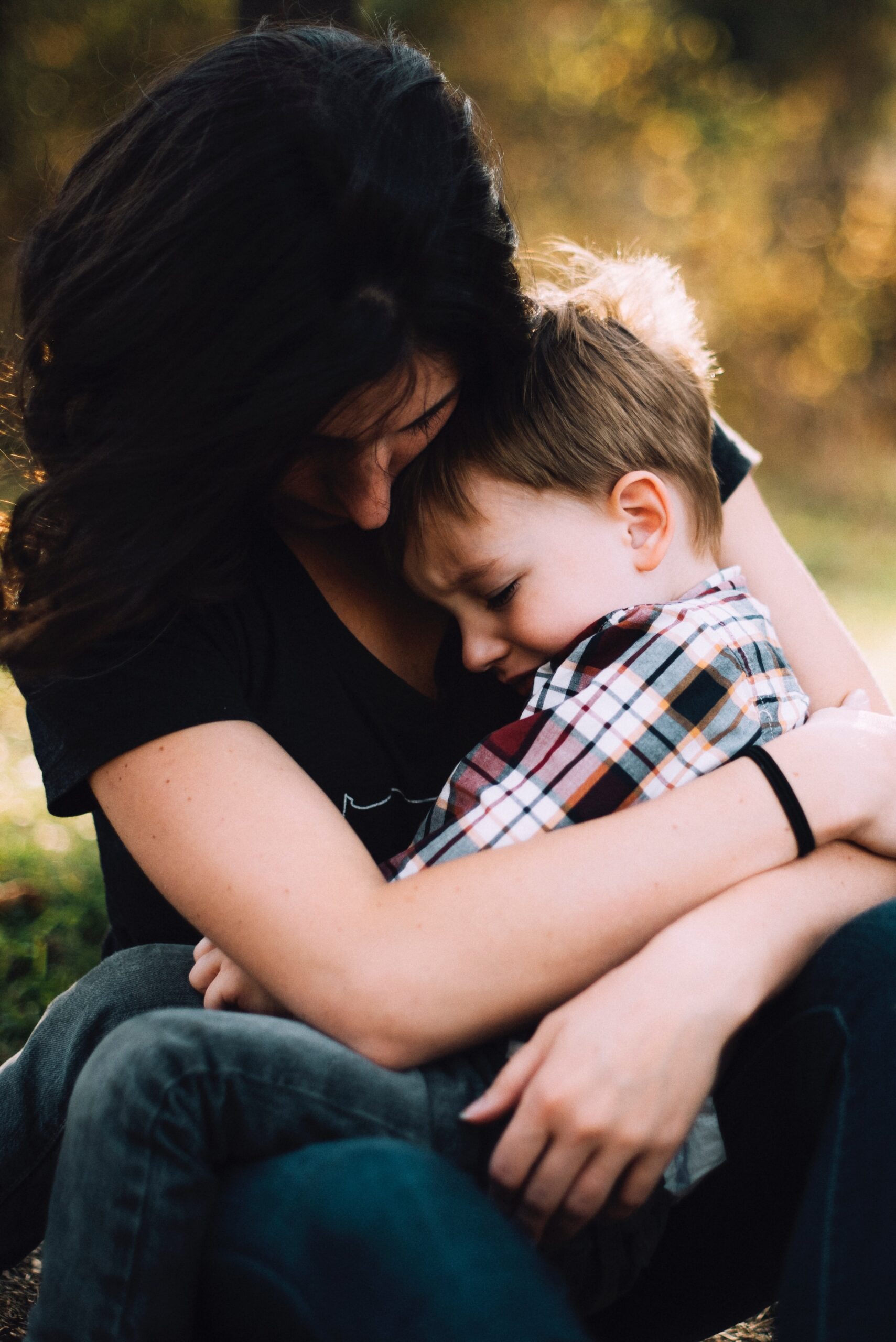
Why learning to calm down on their own is key
Writer: Rae Jacobson, MS
Clinical Experts: Elianna Platt, MA, LMSW , Rachel Busman, PsyD, ABPP
https://www.youtube.com/watch?v=xQiE_V9-5ac
What You'll Learn
- How can parents help kids manage fears?
- How should parents talk about childhood fears?
- When should parents get help for a fearful child?
- Quick Read
- Full Article
- Self-regulation
- Don’t fear fears
- How to help
- Not all fears are the same
Fears are part of being a kid. Monsters in the closet. Dogs who come too close. Loud thunder. As parents we always want to make kids feel better. But experts say parents can’t — and shouldn’t — always be there to help kids calm down. Teaching kids how to manage childhood fears on their own builds confidence and independence. So how do we help kids start feeling braver? First, kids need practice. Which means parents have to get comfortable letting kids be a little uncomfortable as they figure things out.
Help your child talk about what’s frightening them. Kids don’t always have the words to explain what they are afraid of. Help by asking specific questions. For example if a child is afraid of dogs, you could say, “What makes dogs scary?”
Let your kids know you take their fears seriously, even if they don’t seem scary to you. For example, instead of, “Oh come on, that wasn’t scary!” try, “Wow, it sounds like you were scared!” Once they feel reassured, you can talk about how you’ll work together to help them be brave. Setting goals that are easy to reach, like agreeing to pet one friendly dog, is a good place to start.
Managing fears takes time, so be patient and give kids lots of praise. Most fears are a normal, natural part of childhood. However, if a child is afraid all the time, or has fears that stop them from having fun or interfere with their daily life, this could be a sign of anxiety and it may be time to get some professional help.
Fears are an inescapable part of being a kid: Hiding behind the couch during a thunderstorm. Being sure there’s something in the closet — a monster! Performing those endless nighttime gymnastics —Five more minutes! One more glass of water! — to avoid going to bed by themselves.
When these fears rear up, as parents, our instinct is often to soothe and comfort. There’s nothing under the bed, I promise! But, realistically, parents can’t — and shouldn’t — always be there to help kids calm down. Teaching your child how to manage their fears without parental intervention will help them build the confidence and independence they’ll need to feel more in control and less afraid, both now and as they grow up.
Self-regulation
So how do we help kids start feeling braver? The key is an invisible skill called self-regulation. Self-regulation is essentially the ability to process and manage our own emotions and behaviors in a healthy way. It’s what gives us the ability to talk ourselves down or to feel things without acting on them. Most grown-ups practice self-regulation without a second thought. Think of feeling a moment of fear before reassuring yourself that there’s really nothing scary about a dark room. But for kids, building self-regulation takes time, practice, and space to learn — which means parents have to get comfortable with letting kids be a little uncomfortable as they figure things out.
#James Donaldson notes:Welcome to the “next chapter” of my life… being a voice and an advocate for #mentalhealthawarenessandsuicideprevention, especially pertaining to our younger generation of students and student-athletes.Getting men to speak up and reach out for help and assistance is one of my passions. Us men need to not suffer in silence or drown our sorrows in alcohol, hang out at bars and strip joints, or get involved with drug use.Having gone through a recent bout of #depression and #suicidalthoughts myself, I realize now, that I can make a huge difference in the lives of so many by sharing my story, and by sharing various resources I come across as I work in this space. #http://bit.ly/JamesMentalHealthArticleFind out more about the work I do on my 501c3 non-profit foundationwebsite www.yourgiftoflife.org Order your copy of James Donaldson's latest book,#CelebratingYourGiftofLife: From The Verge of Suicide to a Life of Purpose and Joy
Click Here For More Information About James Donaldson
Click here to follow James Donaldson's Blog
Don’t fear fears
“Being afraid sometimes is a normal, healthy part of growing up,” says Elianna Platt, MA, LMSW, a licensed social worker. And, while kids do unfortunately sometimes face things that are truly frightening, most garden-variety childhood fears don’t represent an actual threat — the “monster” in the closet is just an old coat you’ve been meaning to donate — which means they actually present an ideal chance for kids to work on their self-regulation skills. But for that to happen, parents often have to address their own anxiety first.
“We want to give kids the chance to practice getting through difficult situations,” says Platt, “but for a lot of parents, that’s easier said than done.” When you see your child in distress, the natural response is to want to make it better, especially if the fix seems like an easy one. But, though jumping in might help your child be less afraid at the moment (and feel better to you), in the long run, it can make it more difficult for them to learn how to calm down. “If kids get the message that Mom or Dad will always be there to do the comforting, there isn’t much incentive, or opportunity, to learn how to do it themselves,” notes Platt.
How to help
Of course, this doesn’t mean withdrawing all support. “We’re not talking about suddenly putting your kid in a dark bedroom and saying “Bye! Be brave! See you in the morning!” says Rachel Busman, PsyD, a clinical psychologist. The goal, she says, is to gently guide kids along until they’re ready to take the reins themselves. “We want to provide the scaffolding they need to stand on their own.”
So what’s the best way to help (without helping too much)?
Help your child talk about what’s frightening them. Kids may know what they’re scared of, but they don’t always have the words to explain. Asking specific questions can help. For example, if a child is afraid of dogs, you could say, “What makes dogs scary?” “Did a dog surprise you or knock you over?” “Is there a certain dog you’re afraid of?” Once you have a better grasp on what your child is afraid of, you’ll have a clearer idea of how to help them work through it.
Some common childhood fears are:
- Being alone
- The dark
- Dogs or other big animals
- Bugs
- Heights
- Getting shots or going to the doctor
- Unfamiliar or loud noises
- Imaginary monsters — the “thing” under the bed, etc.
Validate, then move on. Once you know what the fear is, let your child know you’re taking it, and them, seriously. “When a kid says something’s scary, there’s a pretty good chance that we as adults don’t think it’s scary,” says Dr. Busman. “But we always want to start by validating their feelings.” For example, instead of “Oh come on, that wasn’t scary!” or “What is there to be afraid of?” try, “Wow, it sounds like you were scared!” or, “I know a lot of kids worry about that.”
Once you’ve offered reassurance, it’s important to move on quickly, says Dr. Busman. ”We don’t want to dwell on offering comfort around the scary thing because even that can become reinforcing and take on a life of its own.” Instead, start talking about how you’ll work together to help them start feeling braver and get to the point where they are able to manage the fear by themselves.
Make a plan. Work with your child to set reasonable goals. For example, if they usually need you to sit in the room with them until they fall asleep, you could agree that by the end of the week, they’ll try turning off the light and falling asleep on their own. Once you’ve set the goal, talk through the steps you’ll take to reach it and be patient.
For example, a plan might be:
- Night one: Agree that you’ll read two books, turn off the lights, put on a nightlight, and then sit there quietly with them (no talking or playing) until they fall asleep.
- Night two: Read one book, then turn the lights off and the nightlight on. You’ll leave the door cracked and be right outside but not in the room.
- Night three: Read one book, then nightlight on and door closed.
- Night four: Read one book, then lights out and door closed.
Offer encouragement, and be patient. Finally, parents should remember that change takes time, and fear is a very powerful feeling. Stay consistent and praise your child’s hard work: “I thought it was really brave of you to stay in your room for half an hour. Let’s see if we can go longer tomorrow!”
Let your child know you think they can tackle their fears, even if they aren’t so sure yet. “Saying things like, “You’ve got this!” or, “You’re being so brave!” can help your child feel more confident,” says Dr. Busman. Kids, especially younger ones, may need a few tries before things stick, so don’t give up if your child is still asking for that third glass of water or hiding from dogs on the street even after you’ve started working on building bravery.
Not all fears are the same
Helping kids learn to manage fears they face on a regular basis, like being scared of the dark or afraid of going to the doctor, is essential, but not all fears are created equal.
“Fears that don’t interfere with a child’s life don’t always need getting over,” says Dr. Busman. For example, if a child doesn’t like scary movies, that’s fine. It may actually be a testament to their self-advocacy skills, notes Dr. Busman. “Deciding, ‘I don’t like these, I’m not going to watch,’ is your child standing up for their needs and saying, ‘This is my limit.’”
On the other hand, if your child’s fears are persistent, overly intense, or begin interfering with their daily life, it might be time to seek help. Signs that fear may be something more include:
- Obsessive worrying: Your child fixates on the object of their fear, thinking or talking about it often, or even when the trigger isn’t present. For example, becoming terribly anxious months before their next dentist visit.
- Fears that limit your child’s ability to enjoy their life or participate in activities. For example, refusing to go on a class trip to the park because there might be dogs there.
- Intense, specific fears that cause impairment.
- Signs of severe anxiety like panic attacks, compulsive or disruptive behavior, or withdrawing from activities, school, or family.
If your child’s fears seem like they might be something more serious, make an appointment to talk with a professional to see if more help is necessary.
Frequently Asked Questions
How can I help a child manage their fears?
You can help a child manage their fears by letting them know you see how scared they are while also creating a plan to work together to be brave. Offering support while giving kids chances to manage fear on their own helps lessen their fear over time. If your child’s fears are having a serious impact on their daily life, a mental health professional can help.
https://standingabovethecrowd.com/?p=16085


 James Mayne was 20 when he took his own life

 Tracey Mayne said she did not know how to help her son but wants others in his situation to open up to others