Tuesday, June 30, 2026

James Donaldson on Mental Health - How to Know if Your Child Is Being Bullied

James Donaldson on Mental Health - How to Know if Your Child Is Being Bullied

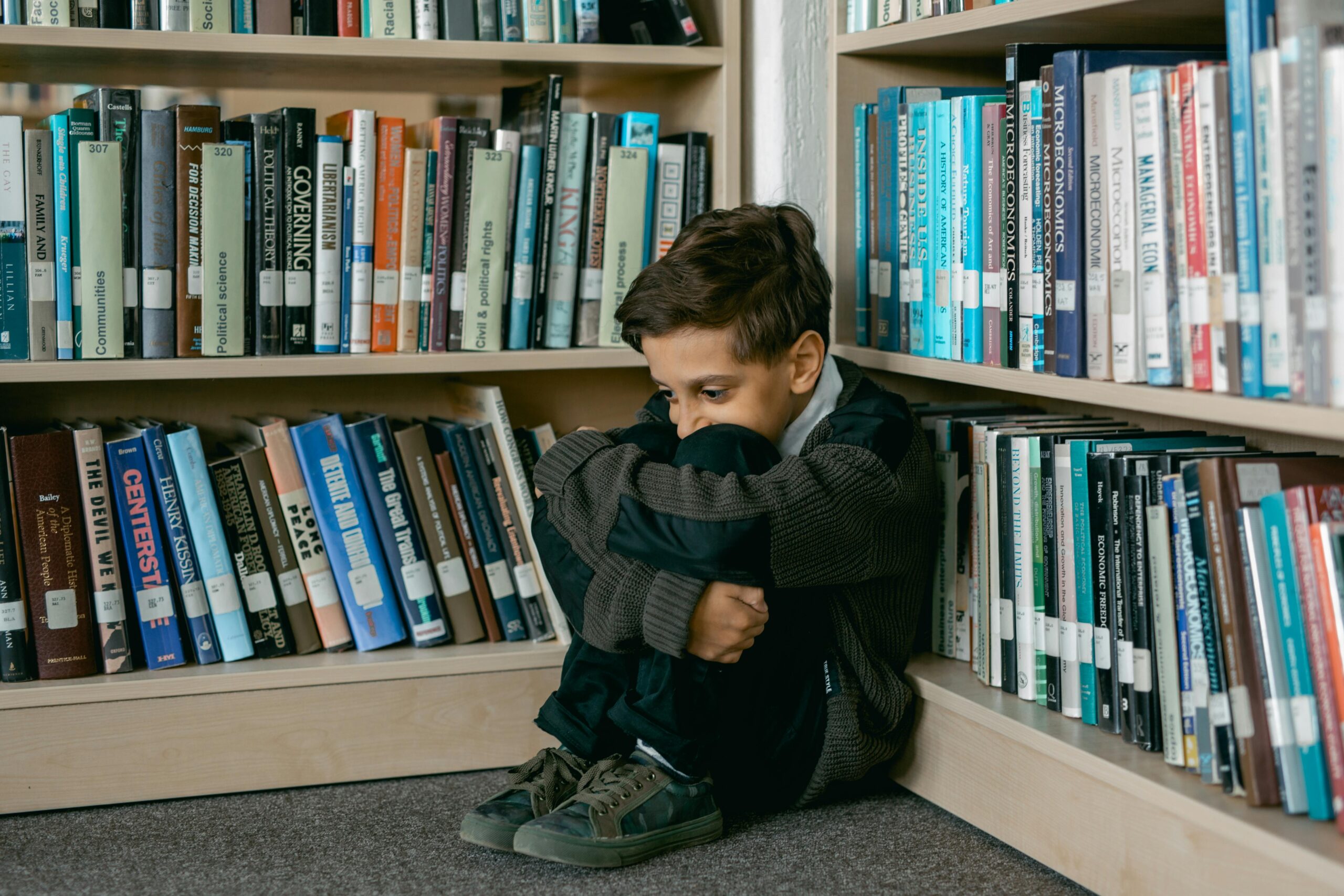
What are the signs of bullying? When does the teasing become torment?


Writer: Jamie Howard, PhD


Clinical Expert: Jamie Howard, PhD


What You'll Learn


- What’s the difference between teasing and bullying?
- What questions should I ask my child if they say they’re being bullied?
- What should I do if I think my child is being bullied?
- Quick Read
- Full Article
- When does teasing or harrassment become bullying?
- Before giving bullying advice, collect the facts
- Strategies on how to handle bullying

Kids can be really mean to each other. Even best friends are mean to each other sometimes. When a kid is teased or left out or someone is mean to them, it doesn’t always mean they’re being bullied.


So how do you know if your kid is being bullied? Bullies target kids who are smaller or younger or less popular. They hurt other kids physically or emotionally on purpose. They do it over and over and sometimes they get other kids to join in the bullying. Bullying can make kids feel anxious and depressed. It needs to be taken seriously.


If your kid tells you they’re being bullied, it’s important to let your child know you’ll help solve the problem. First, get the facts. Try acting like a reporter. You can ask questions like, “Were lots of kids around when they said that to you?” “Are they a really popular kid?” “What were the other kids doing?” This will give you a better idea of what happened. And if it happens two or three times you might need to get involved. This could mean contacting a teacher or the school principal. But try to get your kid’s permission before you do that. If they’re really against it, you can hold off but let them know it’s an option if things get worse.


Talking about bullying before it happens can prepare your child. You can practice having your child say things like, “Hey, don’t talk to me that way,” and other things that make them feel like they have some power. You can suggest that your child talk to their friends and ask them how they’ve handled bullies. Friends can also agree to stand up for each other. Bullies hate that!


We are all aware that being bullied as a child is not a trivial thing. It not only causes acute suffering, it has been linked to long-term emotional problems, and children who lack strong parental support seem to encounter the most lasting damage.


But we also know that it’s part of growing up to have painful or embarrassing social experiences, and that learning to rebound from these interactions is an important skill for kids to learn.


If our kids complain about bullying, we want to take their complaints very seriously, give them the support and tools to handle it, and intervene on their behalf when needed. But we don’t want to teach them that every negative experience with their peers is a form of bullying.


Kids I’m working with will say, “I was being bullied.” And when they describe what happened, sometimes it was really just teasing. Maybe someone was giving them a hard time and it was difficult to deal with. But not every incident of meanness, rejection or hostility is bullying.


#James Donaldson notes:
Welcome to the “next chapter” of my life… being a voice and an advocate for #mentalhealthawarenessandsuicideprevention, especially pertaining to our younger generation of students and student-athletes.
Getting men to speak up and reach out for help and assistance is one of my passions. Us men need to not suffer in silence or drown our sorrows in alcohol, hang out at bars and strip joints, or get involved with drug use.
Having gone through a recent bout of #depression and #suicidalthoughts myself, I realize now, that I can make a huge difference in the lives of so many by sharing my story, and by sharing various resources I come across as I work in this space.
  #http://bit.ly/JamesMentalHealthArticle
Find out more about the work I do on my 501c3 non-profit foundation
website www.yourgiftoflife.org Order your copy of James Donaldson's latest book,
#CelebratingYourGiftofLife: From The Verge of Suicide to a Life of Purpose and Joy


Click Here For More Information About James Donaldson



Click here to follow James Donaldson's Blog


When does teasing or harrassment become bullying?


- When there’s a power difference: Bullying is done by someone in a position of power — it might be in the form of physical strength, or popularity — and it is directed at someone who is perceived as less powerful.
- When there’s intention to cause harm. Bullying can take the form of a physical or verbal attack, making threats, spreading rumors, or excluding someone from a group on purpose. It’s not inadvertent.
- When it’s repeated: Bullying behavior is an ongoing pattern of hostile or abusive actions directed at the child who is the target.
- When it does cause harm: Behavior becomes bullying when it impairs the well-being or functioning of the child who’s targeted.

If your child reports to you that they have been bullied, my advice is to take it very seriously, because, if nothing else, it really hurt their feelings and they’re struggling with it. You want to listen and express empathy without treating them as if they’re fragile. You want to model a confident we-can-solve-this-problem attitude.


What you don’t want to do is express shock and anger and vow immediately to go to the school, or talk to the bully’s parents. Tempering your response encourages your child to open up.


Before giving bullying advice, collect the facts


Your first job is to try to get a detailed picture of what happened. It’s hard when you’re a parent because your stomach flips, your protective impulses kick in, and you just want to punish the kid who hurt your child’s feelings. But it’s more effective to be like a reporter: “Okay, who was there? What was going on? What was said, exactly? What did you do? How did you feel?”


You’re gathering all the data, the evidence of what happened. The details are important, not for the purpose of invalidating your child’s feelings or minimizing what happened — “Well, that doesn’t sound like it was really that bad” — but just so that you can tailor your strategies better.


Part of the goal of asking questions is to get a sense of the social hierarchy.


You might say, “Was it a big group of kids? Were lots of kids surrounding him when he said that to you? Is he a really popular kid? What were the other kids doing?” And it also gives you a sense of how embarrassing it might have been.


Strategies on how to handle bullying


Once you’ve asked your child exactly what happened, here’s some bullying advice to consider:


- Practice assertiveness. That means showing confidence both verbally and nonverbally. Suggest that your child try standing tall and saying, “Don’t talk to me like that!” It can help to script some things your child could say and role-play — you do it first, and then let your child try it out.
- Find allies. Suggest that your child talk to their friends about ways they might handle it and ways they’ve handled stuff that’s similar. Their friends may have some good ideas, and it will make them feel less isolated.
- Get involved. Activities that your child is good at, that they enjoy, are very protective. Because if they’re doing something they enjoy, and they’re thriving, they’re not going to care as much. The confidence they feel when they’re in their element will carry over to environments in which they’re less secure.
- Enlist adults. If your child needs an adult advocate, consider contacting a teacher or school administrator. First, try to get your child’s permission, telling them, “I really want to call the teacher and ask him to keep an eye on it.” If they’re adamantly against it, I would keep the option open, saying, “I’m not going to now, and I will tell you before I do.” So there’s some perception of control. But you’re also teaching them a lesson: “Listen, yes it might be embarrassing, but you need to stand up for yourself. And self-advocacy is more important.”
- Monitor incidents. One incident isn’t necessarily bullying, but you want to notice if it’s becoming a pattern. Tell your child to let you know if it happens again. You might say, “I want to stay on top of this and make sure we solve it.”
- Be prepared. It’s important to talk about bullying even if it hasn’t happened, so that if it does your child is better equipped to recognize it and more comfortable telling you about it.
- Form a partnership with the teacher. Let your child’s teacher know that you hope they’ll touch base with you whenever there’s something concerning, and that you hope they don’t mind if you do the same.
https://standingabovethecrowd.com/james-donaldson-on-mental-health-how-to-know-if-your-child-is-being-bullied-3/

James Donaldson on Mental Health - Men's Mental Health: Breaking Down Barriers

James Donaldson on Mental Health - Men's Mental Health: Breaking Down Barriers

Men's Mental Health: Breaking Down Barriers


In recent years, the conversation around mental health has gained significant momentum. However, when it comes to men's mental health, there still remain numerous barriers that prevent open discussions and healing. This blog post aims to shed light on these barriers, discuss the importance of addressing them, and offer strategies for overcoming them.


Table of Contents


1. Introduction


2. Understanding the Stigma


3. The Impact of Societal Expectations


4. Recognizing the Signs


5. Encouraging Open Conversations


6. Support Systems and Resources


7. Conclusion


8. FAQs


Blog post illustration


Understanding the Stigma


For generations, there has been a pervasive stigma surrounding men's mental health, often fueled by the belief that showing vulnerability is a sign of weakness. This stigma discourages men from expressing their emotions and seeking help, perpetuating a cycle of silence and suffering. To break down these barriers, it's crucial to understand where these stigmas originate and how they can be dismantled.


The Impact of Societal Expectations


Men often face societal pressures to conform to traditional masculine roles, which can inhibit emotional expression. The expectation to be 'strong' and 'stoic' can prevent men from acknowledging their mental health struggles. This section will explore how these expectations affect mental health and why it's vital to redefine masculinity to include the expression of emotions and vulnerability.


Blog post illustration

#James Donaldson notes:
Welcome to the “next chapter” of my life… being a voice and an advocate for #mentalhealthawarenessandsuicideprevention, especially pertaining to our younger generation of students and student-athletes.
Getting men to speak up and reach out for help and assistance is one of my passions. Us men need to not suffer in silence or drown our sorrows in alcohol, hang out at bars and strip joints, or get involved with drug use.
Having gone through a recent bout of #depression and #suicidalthoughts myself, I realize now, that I can make a huge difference in the lives of so many by sharing my story, and by sharing various resources I come across as I work in this space.
  #http://bit.ly/JamesMentalHealthArticle
Find out more about the work I do on my 501c3 non-profit foundation
website www.yourgiftoflife.org Order your copy of James Donaldson's latest book,
#CelebratingYourGiftofLife: From The Verge of Suicide to a Life of Purpose and Joy


Click Here For More Information About James Donaldson


Click here to follow James Donaldson's Blog


Recognizing the Signs


Understanding and recognizing the signs of mental health issues is the first step towards seeking help. Men may experience symptoms differently, often manifesting as physical symptoms, irritability, or changes in behavior rather than sadness or anxiety. By learning to identify these signs, men can take proactive steps towards addressing their mental health.


Encouraging Open Conversations


Creating a safe space for open conversations about mental health is essential for breaking down barriers. Encouraging dialogue among friends, family, and within communities can foster an environment where men feel comfortable sharing their experiences. This section will provide tips on how to initiate these conversations and support those who may be struggling.


Support Systems and Resources


There are numerous resources available for men seeking help with their mental health. From therapy and support groups to mental health apps and hotlines, men have various options for finding support. Highlighting these resources, this section will guide readers on how to access help and build a supportive network.


Conclusion


Breaking down the barriers surrounding men's mental health is a crucial step towards fostering a healthier society. By challenging stigmas, redefining societal expectations, and encouraging open conversations, men can begin to prioritize their mental well-being. Remember, seeking help is not a sign of weakness, but a courageous step towards healing and growth.


FAQs


Q: Why is men's mental health often overlooked?


A: Men's mental health is often overlooked due to societal stigmas and expectations that discourage emotional expression and vulnerability.


Q: How can I support a friend who may be struggling with their mental health?


A: Listen without judgment, encourage them to seek professional help, and offer your support by being present and understanding.


Q: Are there specific resources for men's mental health?


A: Yes, there are several resources specifically tailored for men, including support groups, therapy options, and mental health organizations focused on men's well-being.


https://standingabovethecrowd.com/mens-mental-health-breaking-down-barriers/


James Donaldson on Mental Health - How to Know if Your Child Is Being Bullied
What are the signs of bullying? When does the teasing become torment?

Writer: Jamie Howard, PhD

Clinical Expert: Jamie Howard, PhD

What You'll Learn

- What’s the difference between teasing and bullying?

- What questions should I ask my child if they say they’re being bullied?

- What should I do if I think my child is being bullied?

- Quick Read

- Full Article

- When does teasing or harrassment become bullying?

- Before giving bullying advice, collect the facts

- Strategies on how to handle bullying

Kids can be really mean to each other. Even best friends are mean to each other sometimes. When a kid is teased or left out or someone is mean to them, it doesn’t always mean they’re being bullied.

So how do you know if your kid is being bullied? Bullies target kids who are smaller or younger or less popular. They hurt other kids physically or emotionally on purpose. They do it over and over and sometimes they get other kids to join in the bullying. Bullying can make kids feel anxious and depressed. It needs to be taken seriously.

If your kid tells you they’re being bullied, it’s important to let your child know you’ll help solve the problem. First, get the facts. Try acting like a reporter. You can ask questions like, “Were lots of kids around when they said that to you?” “Are they a really popular kid?” “What were the other kids doing?” This will give you a better idea of what happened. And if it happens two or three times you might need to get involved. This could mean contacting a teacher or the school principal. But try to get your kid’s permission before you do that. If they’re really against it, you can hold off but let them know it’s an option if things get worse.

Talking about bullying before it happens can prepare your child. You can practice having your child say things like, “Hey, don’t talk to me that way,” and other things that make them feel like they have some power. You can suggest that your child talk to their friends and ask them how they’ve handled bullies. Friends can also agree to stand up for each other. Bullies hate that!

We are all aware that being bullied as a child is not a trivial thing. It not only causes acute suffering, it has been linked to long-term emotional problems, and children who lack strong parental support seem to encounter the most lasting damage.

But we also know that it’s part of growing up to have painful or embarrassing social experiences, and that learning to rebound from these interactions is an important skill for kids to learn.

If our kids complain about bullying, we want to take their complaints very seriously, give them the support and tools to handle it, and intervene on their behalf when needed. But we don’t want to teach them that every negative experience with their peers is a form of bullying.

Kids I’m working with will say, “I was being bullied.” And when they describe what happened, sometimes it was really just teasing. Maybe someone was giving them a hard time and it was difficult to deal with. But not every incident of meanness, rejection or hostility is bullying.

#James Donaldson notes:Welcome to the “next chapter” of my life… being a voice and an advocate for #mentalhealthawarenessandsuicideprevention, especially pertaining to our younger generation of students and student-athletes.Getting men to speak up and reach out for help and assistance is one of my passions. Us men need to not suffer in silence or drown our sorrows in alcohol, hang out at bars and strip joints, or get involved with drug use.Having gone through a recent bout of #depression and #suicidalthoughts myself, I realize now, that I can make a huge difference in the lives of so many by sharing my story, and by sharing various resources I come across as I work in this space.  #http://bit.ly/JamesMentalHealthArticleFind out more about the work I do on my 501c3 non-profit foundationwebsite www.yourgiftoflife.org Order your copy of James Donaldson's latest book,#CelebratingYourGiftofLife: From The Verge of Suicide to a Life of Purpose and Joy

Click Here For More Information About James Donaldson

Click here to follow James Donaldson's Blog

When does teasing or harrassment become bullying?

- When there’s a power difference: Bullying is done by someone in a position of power — it might be in the form of physical strength, or popularity — and it is directed at someone who is perceived as less powerful.

- When there’s intention to cause harm. Bullying can take the form of a physical or verbal attack, making threats, spreading rumors, or excluding someone from a group on purpose. It’s not inadvertent.

- When it’s repeated: Bullying behavior is an ongoing pattern of hostile or abusive actions directed at the child who is the target.

- When it does cause harm: Behavior becomes bullying when it impairs the well-being or functioning of the child who’s targeted.

If your child reports to you that they have been bullied, my advice is to take it very seriously, because, if nothing else, it really hurt their feelings and they’re struggling with it. You want to listen and express empathy without treating them as if they’re fragile. You want to model a confident we-can-solve-this-problem attitude.

What you don’t want to do is express shock and anger and vow immediately to go to the school, or talk to the bully’s parents. Tempering your response encourages your child to open up.

Before giving bullying advice, collect the facts

Your first job is to try to get a detailed picture of what happened. It’s hard when you’re a parent because your stomach flips, your protective impulses kick in, and you just want to punish the kid who hurt your child’s feelings. But it’s more effective to be like a reporter: “Okay, who was there? What was going on? What was said, exactly? What did you do? How did you feel?”

You’re gathering all the data, the evidence of what happened. The details are important, not for the purpose of invalidating your child’s feelings or minimizing what happened — “Well, that doesn’t sound like it was really that bad” — but just so that you can tailor your strategies better.

Part of the goal of asking questions is to get a sense of the social hierarchy.

You might say, “Was it a big group of kids? Were lots of kids surrounding him when he said that to you? Is he a really popular kid? What were the other kids doing?” And it also gives you a sense of how embarrassing it might have been.

Strategies on how to handle bullying

Once you’ve asked your child exactly what happened, here’s some bullying advice to consider:

- Practice assertiveness. That means showing confidence both verbally and nonverbally. Suggest that your child try standing tall and saying, “Don’t talk to me like that!” It can help to script some things your child could say and role-play — you do it first, and then let your child try it out.

- Find allies. Suggest that your child talk to their friends about ways they might handle it and ways they’ve handled stuff that’s similar. Their friends may have some good ideas, and it will make them feel less isolated.

- Get involved. Activities that your child is good at, that they enjoy, are very protective. Because if they’re doing something they enjoy, and they’re thriving, they’re not going to care as much. The confidence they feel when they’re in their element will carry over to environments in which they’re less secure.

- Enlist adults. If your child needs an adult advocate, consider contacting a teacher or school administrator. First, try to get your child’s permission, telling them, “I really want to call the teacher and ask him to keep an eye on it.” If they’re adamantly against it, I would keep the option open, saying, “I’m not going to now, and I will tell you before I do.” So there’s some perception of control. But you’re also teaching them a lesson: “Listen, yes it might be embarrassing, but you need to stand up for yourself. And self-advocacy is more important.”

- Monitor incidents. One incident isn’t necessarily bullying, but you want to notice if it’s becoming a pattern. Tell your child to let you know if it happens again. You might say, “I want to stay on top of this and make sure we solve it.”

- Be prepared. It’s important to talk about bullying even if it hasn’t happened, so that if it does your child is better equipped to recognize it and more comfortable telling you about it.

- Form a partnership with the teacher. Let your child’s teacher know that you hope they’ll touch base with you whenever there’s something concerning, and that you hope they don’t mind if you do the same. https://standingabovethecrowd.com/?p=16366

Monday, June 29, 2026

James Donaldson on Mental Health - The silent Illness

James Donaldson on Mental Health - The silent Illness

The silent illness. The quiet struggle. The painful journey. The tragic end. Day in and day out, we are witnessing the increasing number of lives lost to suicide. Even in rural and tight-knit communities like Marshall County, we are not immune from this public health concern. The proverbial “Why?” is often asked after the fact and a statistic is given. Behind every statistic there is a person (a sibling, a parent, a grandparent, a neighbor, a classmate, a coworker or extended family member) who may have been struggling silently with brain health pain that intensified over time. Choosing to end life is not caused by a single factor; often it is the result of a complex mix of mental, emotional and behavioral illness, stressful life events, trauma, isolation, substance use, and a prevailing sense of hopelessness.


Statistics show that those who complete suicide first struggled with depressed mood, prior mental and emotional health problems, or a history of suicidal thoughts. Some individuals disclose their intent before an attempt, especially younger individuals which underscores the importance of being aware and engaged. So what can we do to help?


Every one of us plays a vital role in suicide prevention. We can become more equipped to help by learning to recognize key warning signs and knowing how to respond with care and urgency. Many times, our fear of not knowing what to say might keep us from helping; it is uncomfortable; we might not have the tools to give relief. Yet, your care and your presence matters. Here are a few simple ways we can be of assistance and start the conversation.


Open up the conversation with the individual who is experiencing feelings of hopelessness, being trapped, or being a burden to others. A simple question like “Are you thinking about suicide?” can open the door to a lifesaving conversation. It is direct yet compassionate. When asked directly it does not increase risk, but invites honesty. Let the person share their feelings while you hold space with empathy and care, without minimizing their pain. Be genuinely present and listen without judgement.


#James Donaldson notes:
Welcome to the “next chapter” of my life… being a voice and an advocate for #mentalhealthawarenessandsuicideprevention, especially pertaining to our younger generation of students and student-athletes.
Getting men to speak up and reach out for help and assistance is one of my passions. Us men need to not suffer in silence or drown our sorrows in alcohol, hang out at bars and strip joints, or get involved with drug use.
Having gone through a recent bout of #depression and #suicidalthoughts myself, I realize now, that I can make a huge difference in the lives of so many by sharing my story, and by sharing various resources I come across as I work in this space.
  #http://bit.ly/JamesMentalHealthArticle
Find out more about the work I do on my 501c3 non-profit foundation
website www.yourgiftoflife.org Order your copy of James Donaldson's latest book,
#CelebratingYourGiftofLife: From The Verge of Suicide to a Life of Purpose and Joy


Click Here For More Information About James Donaldson


Click here to follow James Donaldson's Blog


Any conversation about wanting to die or making plans for suicide is a serious warning sign. Listen to understand what is communicated. Additionally, notice behavior changes in the person such as sudden withdrawal, increasing alcohol or drug use, reckless behavior, severe mood swings, sleeping too much or too little, or giving away prized possessions could all be signals that someone is in distress.


There are times when someone who is considering self-harm will be reluctant to receive help. Be available and present to them at that moment. Connect them to help. Encourage immediate connection with crisis resources, such as the 988 Suicide & Crisis Lifeline (call or text 988), Your Life Iowa (855-581-8111), National Suicide Prevention Lifeline (800-272-8255). Support them in reaching out to trusted loved ones, faith leaders, counselors, or local mental health providers. Use Urgent Care at Center Associates for immediate need. If someone is in imminent danger, call 911 or take them to the nearest emergency department.


The support does not stop at the point the individual seeks help. It will continue as recovery doesn’t happen overnight. Staying in touch and checking in regularly can make someone feel truly supported and less alone. Hope can feel distant to someone deep in despair, but as a community we can shape an environment where people feel seen, valued, and supported. Encouraging someone to see that their pain is not permanent, that help exists, and that others genuinely care creates a lifeline where there once was only isolation.


Let’s become a community that truly cares for one another; listens to each other; willing to drop the facades of caring and be active in caring. Let us change our community for the better. We say “we are MarshalltownStrong.” Let us be MarshalltownCares. Let’s not wait for tragedy to happen; let us do everything to prevent the absence of one more life. We can, when we come together, reduce stigma around discussing emotional pain. Every conversation that acknowledges a person’s struggle without judgment is a step toward healing. Marshalltown, we can do this… You matter and caring for one another is how we will thrive.


https://standingabovethecrowd.com/james-donaldson-on-mental-health-the-silent-illness/

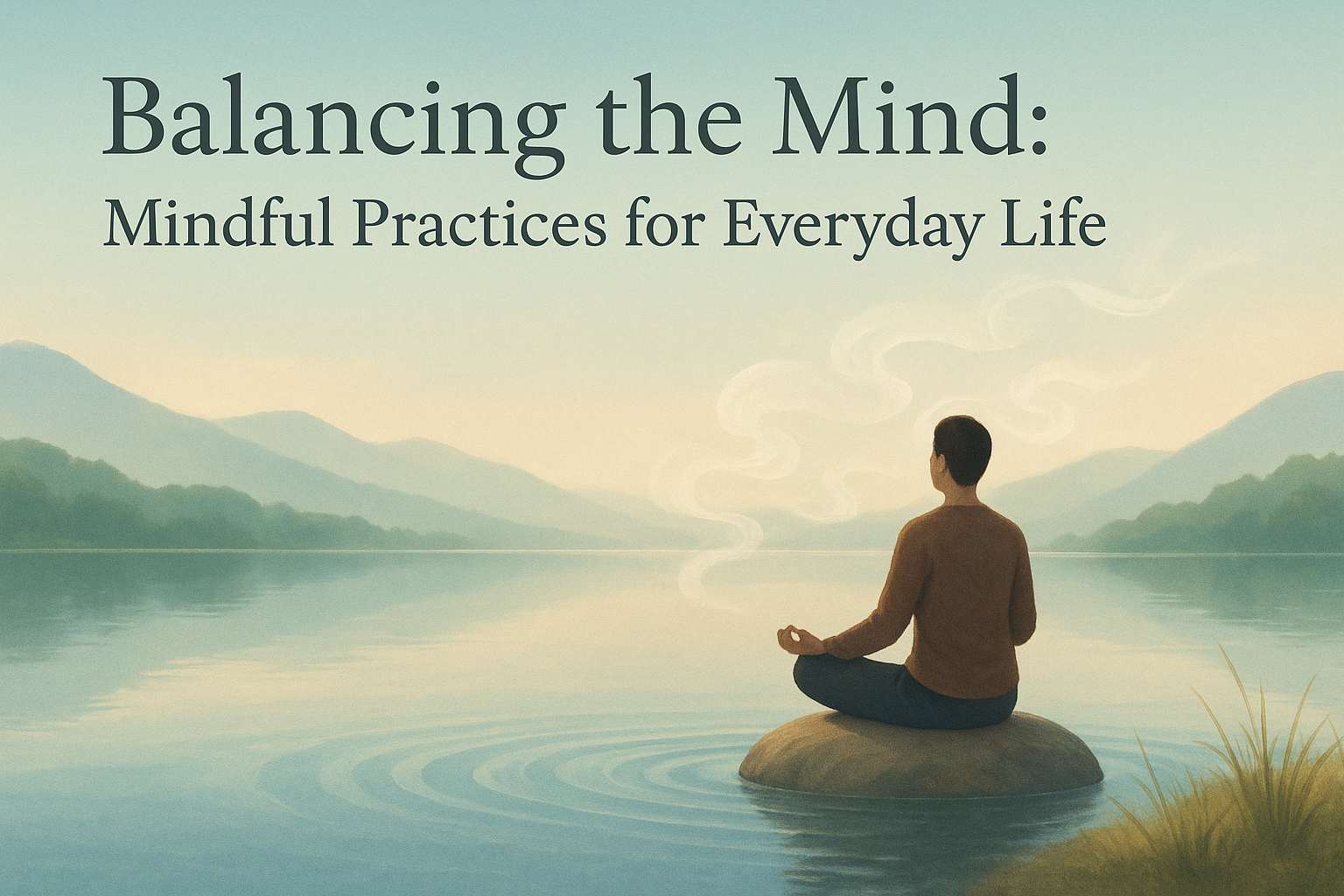
James Donaldson on Mental Health - Balancing the Mind: Mindful Practices for Everyday Life

James Donaldson on Mental Health - Balancing the Mind: Mindful Practices for Everyday Life

In today's fast-paced world, finding balance and peace of mind can seem like a daunting task. Whether you're juggling work, family obligations, or just everyday challenges, maintaining mental equilibrium is essential for overall well-being. Mindful practices offer a path to achieving this balance. In this blog post, we will explore various mindful techniques that can be seamlessly integrated into your daily life, helping you cultivate a more centered and peaceful existence.


Table of Contents


1. Introduction to Mindfulness

2. The Science Behind Mindfulness

3. Mindful Breathing: The Foundation of Awareness

4. Meditation: A Daily Ritual for Peace

5. Mindful Eating: Savoring Every Bite

6. Walking Meditation: Finding Peace in Motion

7. Gratitude Journaling: Cultivating Positivity

8. Conclusion: Embrace a Balanced Life

9. Frequently Asked Questions


Blog post illustration


Introduction to Mindfulness


Mindfulness is more than just a buzzword; it's a practice that encourages living in the present moment. By cultivating awareness of your thoughts, feelings, and surroundings, mindfulness can lead to improved mental clarity and emotional resilience. It's about fully experiencing the now, without judgment or distraction. But how exactly does one incorporate mindfulness into everyday life? Let's delve deeper into the practices that can transform your daily routine.


The Science Behind Mindfulness


Numerous studies have shown that mindfulness can reduce stress, enhance focus, and improve emotional health. When you practice mindfulness, you activate areas of the brain associated with attention and emotional regulation. This activation can lead to a decrease in stress-related hormones, promoting a sense of calm and well-being. Mindfulness isn't merely a psychological fad; it's a scientifically-backed approach to enhancing mental health.


Mindful Breathing: The Foundation of Awareness


One of the simplest yet most powerful mindful practices is mindful breathing. By focusing on your breath, you anchor yourself to the present moment. Start by taking deep, slow breaths, paying attention to the sensation of air entering and leaving your body. This practice can be done anywhere, anytime, making it a versatile tool for reducing anxiety and enhancing concentration.


Blog post illustration


#James Donaldson notes:
Welcome to the “next chapter” of my life… being a voice and an advocate for #mentalhealthawarenessandsuicideprevention, especially pertaining to our younger generation of students and student-athletes.
Getting men to speak up and reach out for help and assistance is one of my passions. Us men need to not suffer in silence or drown our sorrows in alcohol, hang out at bars and strip joints, or get involved with drug use.
Having gone through a recent bout of #depression and #suicidalthoughts myself, I realize now, that I can make a huge difference in the lives of so many by sharing my story, and by sharing various resources I come across as I work in this space.
  #http://bit.ly/JamesMentalHealthArticle
Find out more about the work I do on my 501c3 non-profit foundation
website www.yourgiftoflife.org Order your copy of James Donaldson's latest book,
#CelebratingYourGiftofLife: From The Verge of Suicide to a Life of Purpose and Joy


Click Here For More Information About James Donaldson


Click here to follow James Donaldson's Blog


Meditation: A Daily Ritual for Peace


Meditation is a cornerstone of mindfulness, offering a structured way to cultivate awareness and tranquility. Even dedicating just 10 minutes a day to meditation can significantly impact your mental health. Find a quiet space, sit comfortably, and focus on your breath or a mantra. Allow your thoughts to come and go without judgment, gently bringing your focus back whenever your mind wanders. Over time, meditation can enhance your ability to remain calm and centered in stressful situations.


Mindful Eating: Savoring Every Bite


In our hurried lives, eating often becomes a rushed task rather than an enjoyable experience. Mindful eating transforms this routine act into a moment of gratitude and attentiveness. Pay close attention to the flavors, textures, and aromas of your food. Chew slowly and savor each bite, appreciating the nourishment it provides. This practice not only enhances digestion but also fosters a deeper connection with the food you consume.


Walking Meditation: Finding Peace in Motion


Walking meditation combines the benefits of mindfulness and physical activity. As you walk, focus on the sensations of each step—the contact of your feet with the ground, the rhythm of your breath, the movement of your body. This practice is an excellent way to clear your mind and reconnect with your environment, making even a short walk a rejuvenating experience.


Gratitude Journaling: Cultivating Positivity


Gratitude journaling is a powerful tool for fostering a positive outlook on life. Each day, take a few moments to write down things you are grateful for. This practice shifts your focus from what is lacking to what is abundant in your life, promoting a sense of contentment and joy. Over time, gratitude journaling can lead to increased happiness and reduced levels of stress and depression.


Conclusion: Embrace a Balanced Life


Incorporating mindful practices into your daily routine offers a path to a more balanced and peaceful life. Whether it's through mindful breathing, meditation, or gratitude journaling, these techniques help you stay grounded in the present moment, fostering a deeper sense of well-being. Start small, integrating one practice at a time, and observe the transformative effects on your mind and spirit. Remember, the journey to mindfulness is personal and ongoing, but its rewards are immeasurable.


Frequently Asked Questions


What is mindfulness?


Mindfulness is the practice of being fully present and engaged in the moment, aware of your thoughts, feelings, and surroundings without judgment.


How can I start practicing mindfulness?


Begin with simple practices such as mindful breathing or short meditation sessions. Gradually incorporate these techniques into your daily activities.


What are the benefits of mindfulness?


Mindfulness can reduce stress, improve focus, enhance emotional well-being, and promote overall mental health.


Can mindfulness help with anxiety and depression?


Yes, mindfulness has been shown to reduce symptoms of anxiety and depression by promoting relaxation and emotional regulation.


How long does it take to see the benefits of mindfulness?


While some benefits can be felt immediately, consistent practice over weeks or months often leads to more profound and lasting improvements in mental health.


https://standingabovethecrowd.com/balancing-the-mind-mindful-practices-for-everyday-life/


James Donaldson on Mental Health - The silent Illness
The silent illness. The quiet struggle. The painful journey. The tragic end. Day in and day out, we are witnessing the increasing number of lives lost to suicide. Even in rural and tight-knit communities like Marshall County, we are not immune from this public health concern. The proverbial “Why?” is often asked after the fact and a statistic is given. Behind every statistic there is a person (a sibling, a parent, a grandparent, a neighbor, a classmate, a coworker or extended family member) who may have been struggling silently with brain health pain that intensified over time. Choosing to end life is not caused by a single factor; often it is the result of a complex mix of mental, emotional and behavioral illness, stressful life events, trauma, isolation, substance use, and a prevailing sense of hopelessness.

Statistics show that those who complete suicide first struggled with depressed mood, prior mental and emotional health problems, or a history of suicidal thoughts. Some individuals disclose their intent before an attempt, especially younger individuals which underscores the importance of being aware and engaged. So what can we do to help?

Every one of us plays a vital role in suicide prevention. We can become more equipped to help by learning to recognize key warning signs and knowing how to respond with care and urgency. Many times, our fear of not knowing what to say might keep us from helping; it is uncomfortable; we might not have the tools to give relief. Yet, your care and your presence matters. Here are a few simple ways we can be of assistance and start the conversation.

Open up the conversation with the individual who is experiencing feelings of hopelessness, being trapped, or being a burden to others. A simple question like “Are you thinking about suicide?” can open the door to a lifesaving conversation. It is direct yet compassionate. When asked directly it does not increase risk, but invites honesty. Let the person share their feelings while you hold space with empathy and care, without minimizing their pain. Be genuinely present and listen without judgement.

#James Donaldson notes:Welcome to the “next chapter” of my life… being a voice and an advocate for #mentalhealthawarenessandsuicideprevention, especially pertaining to our younger generation of students and student-athletes.Getting men to speak up and reach out for help and assistance is one of my passions. Us men need to not suffer in silence or drown our sorrows in alcohol, hang out at bars and strip joints, or get involved with drug use.Having gone through a recent bout of #depression and #suicidalthoughts myself, I realize now, that I can make a huge difference in the lives of so many by sharing my story, and by sharing various resources I come across as I work in this space.  #http://bit.ly/JamesMentalHealthArticleFind out more about the work I do on my 501c3 non-profit foundationwebsite www.yourgiftoflife.org Order your copy of James Donaldson's latest book,#CelebratingYourGiftofLife: From The Verge of Suicide to a Life of Purpose and Joy

Click Here For More Information About James Donaldson

Click here to follow James Donaldson's Blog

Any conversation about wanting to die or making plans for suicide is a serious warning sign. Listen to understand what is communicated. Additionally, notice behavior changes in the person such as sudden withdrawal, increasing alcohol or drug use, reckless behavior, severe mood swings, sleeping too much or too little, or giving away prized possessions could all be signals that someone is in distress.

There are times when someone who is considering self-harm will be reluctant to receive help. Be available and present to them at that moment. Connect them to help. Encourage immediate connection with crisis resources, such as the 988 Suicide & Crisis Lifeline (call or text 988), Your Life Iowa (855-581-8111), National Suicide Prevention Lifeline (800-272-8255). Support them in reaching out to trusted loved ones, faith leaders, counselors, or local mental health providers. Use Urgent Care at Center Associates for immediate need. If someone is in imminent danger, call 911 or take them to the nearest emergency department.

The support does not stop at the point the individual seeks help. It will continue as recovery doesn’t happen overnight. Staying in touch and checking in regularly can make someone feel truly supported and less alone. Hope can feel distant to someone deep in despair, but as a community we can shape an environment where people feel seen, valued, and supported. Encouraging someone to see that their pain is not permanent, that help exists, and that others genuinely care creates a lifeline where there once was only isolation.

Let’s become a community that truly cares for one another; listens to each other; willing to drop the facades of caring and be active in caring. Let us change our community for the better. We say “we are MarshalltownStrong.” Let us be MarshalltownCares. Let’s not wait for tragedy to happen; let us do everything to prevent the absence of one more life. We can, when we come together, reduce stigma around discussing emotional pain. Every conversation that acknowledges a person’s struggle without judgment is a step toward healing. Marshalltown, we can do this… You matter and caring for one another is how we will thrive. https://standingabovethecrowd.com/?p=16363

Sunday, June 28, 2026


James Donaldson on Mental Health - My Child Is Bullying Others: What Should I Do?
How to find out what's behind the bullying behavior, and foster healthy friendship skills

Writer: Brigit Katz

Clinical Experts: Jamie Howard, PhD , Kristin Carothers, PhD

https://www.youtube.com/watch?v=y5IvIimh8Do

What You'll Learn

- Why do some children bully other kids?

- What should I do if my child is being a bully?

- Quick Read

- Full Article

- Why do kids bully?

- Communicate

- Cope ahead

- Look inward

- Provide meaningful consequences

- Make it right

- Monitor the situation

- Seek help

- Stay connected

We sometimes assume that children who bully are “bad kids.” But many otherwise well-behaved children get involved in bullying. Sometimes they want to fit in with a group of kids who are bullying. Children who want attention or are naturally assertive may also become bullies. They may not understand how their actions or words impact other children. Kids who are bullied themselves, whether at home or at school, often become bullies too. 

If you hear that your child is being a bully, start by talking to your child. Be open and direct: “Your teacher told me you were involved in some bullying at school. Can you tell me what happened?” Give your child space to explain what’s going on and how they feel about it. If it’s still not clear where the behavior is coming from, a mental health professional can help you figure it out. Kids who bully may have underlying emotional challenges. 

Next, get specific about what you want to see instead. For example, if your child excludes other kids, let them know that you expect them to say yes when others ask to play with them. It also helps to look at what’s going on at home. Treating each other with respect and kindness sets a good example for kids.  

Another option is setting clear consequences for your child’s behavior. For example, you might take away your child’s phone for a few days if their teacher reports bullying. Making amends with other kids can also be a helpful consequence, like a written apology or doing something nice for the person they hurt. 

Finally, be sure to keep an open, loving line of communication with your child. Ask open-ended questions about their life and take time to listen. Knowing that you care about what’s going on with them makes them more likely to build positive relationships with others. 

Gina, the mother of a 12-year-old boy, got a disconcerting phone call from his school. A student had complained that her son was bullying him. After looking into the matter, the school staff concluded that her child had been tormenting a number of his classmates with name-calling, physical violence, and even sexual harassment. “Needless to say, we were mortified and ashamed,” Gina remembers. “But not only that, we were heartbroken.”

No parent wants to hear that her child is bullying other kids. It’s painful to think of your child inflicting harm. But bullying is also a serious issue for the aggressor. Kids’ friendship skills are an important indicator of their overall mental health. If your child is said to be engaging in bullying behaviors — whether physical or verbal — it might be a sign of serious distress. They might be experiencing anxiety or depression, and have difficulty regulating their emotions and behavior.

Why do kids bully?

It’s important to keep in mind that kids don’t bully because they are “bad kids.” “Kids engage in all kinds of behavior that isn’t a reflection of who they are as a person,” says Jamie Howard, PhD, a clinical psychologist. “They’re still figuring things out. They can be nice kids who have made some mistakes.”  There are many reasons why an otherwise well-behaved child might be unkind to other kids. Here are a few:

- The child wants to fit in with a group of friends who are picking on one classmate.

- They are getting bullied at home or at school, and are trying to regain a sense of power by acting aggressively toward others.

- They are looking for attention from teachers, parents, or classmates, and haven’t been successful getting it other ways.

- They are by nature more assertive and impulsive than their peers.

- They have a tendency to perceive the behavior of other kids as hostile, even when it is not.

- They do not fully grasp how their behavior is making the victim feel. This is particularly true of younger kids.

By talking with your child about it, understanding from their point of view what’s going on, and guiding them through appropriate friendship behaviors, you can curb bullying and address the issues that might have caused it to happen in the first place. Here are some tips for ensuring that your child fosters respectful relationships with peers.

Communicate

If you hear from a teacher or another parent that your child is being a bully, the first thing you should do is talk to your child about the situation. Be direct about the issue, but make it clear that you are open to hearing your child’s side of the story. Say something along the lines of: “I got a call from the school today, and the teacher indicated that you were involved in some bullying. I’m really concerned about this, and we need to talk about it. Please tell me what happened.”

Talking through the situation with your child can help you understand why the social aggression is happening, and what steps need to be taken in order to stop it. After Gina was told that her son was harassing other children, she and her husband had many long talks with him about why he was acting out in that way.

“We asked him lots of questions about why he did those things,” Gina explains. “Our child had incredibly low self-esteem. Bullying gave him power and control over something. He told us that it was nice being known as ‘the worst kid in school,’ rather than not being noticed at all.”

Other kids might not be able to articulate why they are acting out. This is especially true of younger children and kids who are struggling with anxiety, trauma, or another mental health issue. If you are having trouble getting to the bottom of why your child is acting out, consider consulting a child psychologist or psychiatrist who has a lot of experience evaluating kids’ behaviors.

Cope ahead

Once you have investigated the roots of the problem, you can tailor your response to the specific challenges that your child faces in social interactions. Discuss scenarios that might prove difficult for them to handle, and guide them through appropriate responses. If, for example, your child has been deliberately excluding one of their classmates from social activities, tell them: “When someone asks to play with you, you should say yes. I want to see you including kids, and I want to see you using only respectful language.”

“Have lots of different solutions to various issues that are likely to come up, and give clear examples about how you expect your child to respond,” says Dr. Howard. “I would try to frame it as friendship behavior, rather than, ‘Don’t be a bully.’ Kids respond better to being told what to do than what not to do.”

Encouraging your child to take the perspective of the person who is being bullied can be another helpful way to cope ahead. Ask your child: “Can you think of a time when you felt left out or sad because somebody wasn’t being nice to you? That feeling you had is the same feeling your classmate is having because you aren’t being nice to them.”

Look inward

Children who are exposed to aggressive or unkind interactions at home are likely to repeat those behaviors at school. “It’s important for parents to think about how their behaviors might influence their kids — the way they speak to their children, the way they speak to their spouses, the way they handle anger — and to be realistic about whether or not this might be something that’s been modeled for the child,” says Kristin Carothers, PhD, a clinical psychologist.

It is possible that bullying takes place in your home, and that you are not even aware of it. Do members of your family engage in yelling, name-calling, or putdowns? Do your children pick on one another or hit each other? If so, it is important to start fostering a positive home environment, where members of the family treat one another with kindness and respect.

After Gina learned about her son’s bullying, she took great pains to ensure that her home life reflected the sort of behavior that she wanted her son to practice at school. “We didn’t allow any ‘bully type’ talk or jokes, we practiced manners, and we encouraged helping and lifting each other up,” she says. “Things weren’t always perfect at home, but if we or the other kids didn’t behave appropriately, we talked about it as a family.”

Provide meaningful consequences

Punishments for bullying behavior can be effective, but they should be meaningful and limited in scope. If, for example, you find out that your teenager is engaging in cyberbullying, their actions should be met with an immediate loss of Internet or phone privileges. In the case of particularly severe offenses, revoke the privileges for the foreseeable future, and seek the help of a therapist. But for less acute forms of bullying, the child should be able to earn privileges back over the course of a few days.

“If you remove a privilege for too long, it may actually lose validity,” says Dr. Carothers. “The kid’s like, ‘OK, well, I can never get it back, so I’m just not going to try.’ You want to make it so that the time within which punishment happens and the amount of time for which it happens are really balanced to have the biggest effect.”

Make it right

Once your child has regained their privileges and is calm, explain that they made a mistake that needs to be fixed. Your child might choose to apologize — in person, in a letter, via text message, and so on — but repairs can take many different forms. You can encourage your child to bake cookies for the whole class, for example, or to play a game with a peer whom they had previously been excluding.

Dr. Howard recalls a former patient who had been name-calling and very patently excluding other children from her social group. As a means of repair, the girl’s mother had her daughter invite all the children whom she had bullied to a social event. “It was a correction,” Dr. Howard explains. “And it was sort of Mom’s way of reestablishing control.

Monitor the situation

If another parent approaches you about your child’s bullying, notify teachers right away so they can be on the lookout for problematic behavior. Follow up with teachers on a regular basis and give plenty of labelled praise when your child is being a good friend.

Cyberbullying can be particularly difficult to monitor because it doesn’t take place in plain sight. If your child has bullied other kids over the Internet, obtain passwords to their Snapchat, Instagram, and other accounts, and check them regularly to make sure that they are using social media in a kind manner. Be up front about this: let your child know that you will be monitoring their social media activity until they prove that they can handle it responsibly. “If you’re paying the phone bill, and you’re paying for the Internet, you should be aware of what’s going on with your child,” Dr. Carothers says.

#James Donaldson notes:Welcome to the “next chapter” of my life… being a voice and an advocate for #mentalhealthawarenessandsuicideprevention, especially pertaining to our younger generation of students and student-athletes.Getting men to speak up and reach out for help and assistance is one of my passions. Us men need to not suffer in silence or drown our sorrows in alcohol, hang out at bars and strip joints, or get involved with drug use.Having gone through a recent bout of #depression and #suicidalthoughts myself, I realize now, that I can make a huge difference in the lives of so many by sharing my story, and by sharing various resources I come across as I work in this space.  #http://bit.ly/JamesMentalHealthArticleFind out more about the work I do on my 501c3 non-profit foundationwebsite www.yourgiftoflife.org Order your copy of James Donaldson's latest book,#CelebratingYourGiftofLife: From The Verge of Suicide to a Life of Purpose and Joy

Click Here For More Information About James Donaldson

Click here to follow James Donaldson's Blog

Seek help

If you are continually working on building friendship skills with your child and the bullying does not stop, seek a mental health evaluation. Your child might need a therapist’s help to work through underlying issues.

Stay connected

In some ways the most important action you can take is to build an open channel of communication with your child about their day-to-day life that will put you in a better position to recognize signs of bullying and trouble. Dr. Carothers recommends asking your child a few open-ended questions on a daily basis. “I believe in general check-ins with kids,” she explains. “If you want your kid to talk to you, you have to go and talk to your kid.”

In the morning, ask your child what they have planned for the day; after school, ask your child to tell you about one really great thing that happened that day and one not-so-great thing. It can be tough to get started, but kids who are regularly expected to share details of their lives with parents are more comfortable continuing intoadolescence to clue their parents in to what they are doing.

Gina found that staying connected to her son in a supportive, non-judgmental way was key to minimizing his aggressive behavior. “Talk to your kids and be very present in their lives,” she suggests. “They need to feel like you care and that you hear what’s going on with them. Fill their heads and hearts with love.” https://standingabovethecrowd.com/?p=16357