Sunday, November 30, 2025

James Donaldson on Mental Health - Global suicide rates highest among older adults, particularly men, study finds

James Donaldson on Mental Health - Global suicide rates highest among older adults, particularly men, study finds

By Karen Feldscher


Silhouette of older man looking through window with transparent curtain

Around the world, suicide rates are higher among older adults than all other age groups combined—and higher among older men than older women, according to a new study.


The study was published July 11 in The Lancet Healthy Longevity. Hanseul Cho, who earned an MPH in quantitative methods in 2025 from Harvard T.H. Chan School of Public Health, was co-first author, and Harvard Chan’s Alexander Tsai was also a co-author. Other co-authors came from universities in South Korea, France, Canada, Germany, the United Kingdom, and Italy.


Using data from the WHO Mortality Database, the study analyzed 687,443 suicide deaths among adults age 65 and older from 47 countries and territories from 1996 to 2021, out of nearly 3.5 million suicide deaths in the total population during that period. Researchers determined which suicide methods were used and projected future suicide rates through 2050.


They found that suicide deaths were significantly higher among adults age 65 and older than among individuals of all age groups (15.99 per 100,000 individuals vs. 10.87 per 100,000). Suicide rates were much higher among older men than older women (29.24 vs. 6.47 per 100,000). Researchers found that, in this older population, the most common method of suicide was hanging. Also, older adults used firearms more frequently in suicides compared with the total population—and firearm suicides were notably higher in older men than in older women (5.46 vs. 0.16 per 100,000).


Suicide deaths declined between 1996 and 2021, from 23.34 per 100,000 individuals to 15.99 per 100,000, with a larger decline among women than among men. But researchers projected that the rate of decline would slow by 2050.


#James Donaldson notes:
Welcome to the “next chapter” of my life… being a voice and an advocate for #mentalhealthawarenessandsuicideprevention, especially pertaining to our younger generation of students and student-athletes.
Getting men to speak up and reach out for help and assistance is one of my passions. Us men need to not suffer in silence or drown our sorrows in alcohol, hang out at bars and strip joints, or get involved with drug use.
Having gone through a recent bout of #depression and #suicidalthoughts myself, I realize now, that I can make a huge difference in the lives of so many by sharing my story, and by sharing various resources I come across as I work in this space.
  #http://bit.ly/JamesMentalHealthArticle
Find out more about the work I do on my 501c3 non-profit foundation
website www.yourgiftoflife.org Order your copy of James Donaldson's latest book,
#CelebratingYourGiftofLife: From The Verge of Suicide to a Life of Purpose and Joy


Click Here For More Information About James Donaldson


Factors associated with suicide rates included poverty rates, alcohol use disorders, mental disorders, firearm ownership, and use of pesticides in croplands, the study found.


With the global population aging, the issue of suicide among older people will grow more pressing, the authors noted. Their findings, they wrote, “underscore the need for rigorous monitoring and targeted strategies for vulnerable subgroups, such as older men and those in the most advanced age groups.”


James Not Alone T-Shirt https://standingabovethecrowd.com/james-donaldson-on-mental-health-global-suicide-rates-highest-among-older-adults-particularly-men-study-finds/


James Donaldson on Mental Health - Global suicide rates highest among older adults, particularly men, study finds
By Karen Feldscher

Around the world, suicide rates are higher among older adults than all other age groups combined—and higher among older men than older women, according to a new study.

The study was published July 11 in The Lancet Healthy Longevity. Hanseul Cho, who earned an MPH in quantitative methods in 2025 from Harvard T.H. Chan School of Public Health, was co-first author, and Harvard Chan’s Alexander Tsai was also a co-author. Other co-authors came from universities in South Korea, France, Canada, Germany, the United Kingdom, and Italy.

Using data from the WHO Mortality Database, the study analyzed 687,443 suicide deaths among adults age 65 and older from 47 countries and territories from 1996 to 2021, out of nearly 3.5 million suicide deaths in the total population during that period. Researchers determined which suicide methods were used and projected future suicide rates through 2050.

They found that suicide deaths were significantly higher among adults age 65 and older than among individuals of all age groups (15.99 per 100,000 individuals vs. 10.87 per 100,000). Suicide rates were much higher among older men than older women (29.24 vs. 6.47 per 100,000). Researchers found that, in this older population, the most common method of suicide was hanging. Also, older adults used firearms more frequently in suicides compared with the total population—and firearm suicides were notably higher in older men than in older women (5.46 vs. 0.16 per 100,000).

Suicide deaths declined between 1996 and 2021, from 23.34 per 100,000 individuals to 15.99 per 100,000, with a larger decline among women than among men. But researchers projected that the rate of decline would slow by 2050.

#James Donaldson notes:Welcome to the “next chapter” of my life… being a voice and an advocate for #mentalhealthawarenessandsuicideprevention, especially pertaining to our younger generation of students and student-athletes.Getting men to speak up and reach out for help and assistance is one of my passions. Us men need to not suffer in silence or drown our sorrows in alcohol, hang out at bars and strip joints, or get involved with drug use.Having gone through a recent bout of #depression and #suicidalthoughts myself, I realize now, that I can make a huge difference in the lives of so many by sharing my story, and by sharing various resources I come across as I work in this space.  #http://bit.ly/JamesMentalHealthArticleFind out more about the work I do on my 501c3 non-profit foundationwebsite www.yourgiftoflife.org Order your copy of James Donaldson's latest book,#CelebratingYourGiftofLife: From The Verge of Suicide to a Life of Purpose and Joy

Click Here For More Information About James Donaldson

Factors associated with suicide rates included poverty rates, alcohol use disorders, mental disorders, firearm ownership, and use of pesticides in croplands, the study found.

With the global population aging, the issue of suicide among older people will grow more pressing, the authors noted. Their findings, they wrote, “underscore the need for rigorous monitoring and targeted strategies for vulnerable subgroups, such as older men and those in the most advanced age groups.” https://standingabovethecrowd.com/james-donaldson-on-mental-health-global-suicide-rates-highest-among-older-adults-particularly-men-study-finds/

Saturday, November 29, 2025


James Donaldson on Mental Health - Youth at risk of suicide show early warning signs that adults often miss
Study finds emotional distress is often overlooked in childhood, suggests need for earlier mental health support in schools

Drawing on a landmark 25-year study that followed Quebec children into adulthood, McGill University researchers have identified two distinct patterns in how suicidal thoughts emerge and the early signs that are often missed.

Suicidal thoughts are increasingly common among youth, but how they begin and what mental health symptoms often precede them are poorly understood, the researchers said.

The study, published in JAMA Psychiatry, analyzed data from the Quebec Longitudinal Study of Child Development,one of only two studies in the world to follow a large group of young people over time and repeatedly track suicidal thoughts.

While most of the 1,600 youth in the study never or rarely reported suicidal thoughts, there were two clear pathways among those who did: about seven per cent began experiencing suicidal ideation in early adolescence (ages 12 to 13), while another five per cent first reported such thoughts for the first time as young adults (ages 20 to 25).

In the early-onset group, many had shown signs of mental health struggles in childhood. These included symptoms like disruptive behaviour, which tend to be more noticeable (external symptoms), and depression and anxiety, which are often harder to detect (internal symptoms).

“A striking finding is that parents and teachers often noticed the behavioural problems but overlooked the internal emotional distress,” said lead author Marie-Claude Geoffroy, associate professor in McGill’s Department of Psychiatry, researcher at the Douglas Research Centre and Canada Research Chair in Youth Suicide Prevention.

In contrast, those whose suicidal thoughts began in young adulthood typically showed only internal symptoms, starting in their teen years.

“When taken seriously, these warning signs can lead to early interventions that could help safeguard children’s development,” said co-author Charles-Édouard Notredame, a child and youth psychiatrist at Lille University Hospital.

Age-appropriate support, including mental health programs in schools, could be especially effective in reaching children and teens at the right time, before suicidal thoughts take hold, he added.

Suicide is the second leading cause of death among youth and young adults in Canada, according to national data.

“Suicidal ideation in youth is still too often dismissed as a ‘phase’ that will pass,” said Geoffroy. “Our findings highlight the need to start suicide prevention early."

#James Donaldson notes:Welcome to the “next chapter” of my life… being a voice and an advocate for #mentalhealthawarenessandsuicideprevention, especially pertaining to our younger generation of students and student-athletes.Getting men to speak up and reach out for help and assistance is one of my passions. Us men need to not suffer in silence or drown our sorrows in alcohol, hang out at bars and strip joints, or get involved with drug use.Having gone through a recent bout of #depression and #suicidalthoughts myself, I realize now, that I can make a huge difference in the lives of so many by sharing my story, and by sharing various resources I come across as I work in this space.  #http://bit.ly/JamesMentalHealthArticleFind out more about the work I do on my 501c3 non-profit foundationwebsite www.yourgiftoflife.org Order your copy of James Donaldson's latest book,#CelebratingYourGiftofLife: From The Verge of Suicide to a Life of Purpose and Joy

Click Here For More Information About James Donaldson

About the study

“Mental Health Antecedents and Correlates of 2 Distinct Developmental Pathways to Suicidal Ideation” by Marie-Claude Geoffroy,Sasha MacNeil and Vincent Paquin et al., was published in JAMA Psychiatry.

This research was supported by Quebec’s ministries of Health, Families, Education and Higher Education, the Lucie and André Chagnon Foundation, the Institut de la statistique du Québec, the Fonds de recherche du Québec, the Social Sciences and Humanities Research Council of Canada and the Canadian Institutes of Health Research.

If you or someone you know is struggling, help is available. In Canada, you can call or text 988 to reach the Suicide Crisis Helpline, available 24/7 in English and French. For youth-specific support, contact Kids Help Phone at 1-800-668-6868, text CONNECT to 686868, or visit kidshelpphone.ca. https://standingabovethecrowd.com/?p=15276


James Donaldson on Mental Health - Global suicide rates highest among older adults, particularly men, study finds
By Karen Feldscher

Around the world, suicide rates are higher among older adults than all other age groups combined—and higher among older men than older women, according to a new study.

The study was published July 11 in The Lancet Healthy Longevity. Hanseul Cho, who earned an MPH in quantitative methods in 2025 from Harvard T.H. Chan School of Public Health, was co-first author, and Harvard Chan’s Alexander Tsai was also a co-author. Other co-authors came from universities in South Korea, France, Canada, Germany, the United Kingdom, and Italy.

Using data from the WHO Mortality Database, the study analyzed 687,443 suicide deaths among adults age 65 and older from 47 countries and territories from 1996 to 2021, out of nearly 3.5 million suicide deaths in the total population during that period. Researchers determined which suicide methods were used and projected future suicide rates through 2050.

They found that suicide deaths were significantly higher among adults age 65 and older than among individuals of all age groups (15.99 per 100,000 individuals vs. 10.87 per 100,000). Suicide rates were much higher among older men than older women (29.24 vs. 6.47 per 100,000). Researchers found that, in this older population, the most common method of suicide was hanging. Also, older adults used firearms more frequently in suicides compared with the total population—and firearm suicides were notably higher in older men than in older women (5.46 vs. 0.16 per 100,000).

Suicide deaths declined between 1996 and 2021, from 23.34 per 100,000 individuals to 15.99 per 100,000, with a larger decline among women than among men. But researchers projected that the rate of decline would slow by 2050.

#James Donaldson notes:Welcome to the “next chapter” of my life… being a voice and an advocate for #mentalhealthawarenessandsuicideprevention, especially pertaining to our younger generation of students and student-athletes.Getting men to speak up and reach out for help and assistance is one of my passions. Us men need to not suffer in silence or drown our sorrows in alcohol, hang out at bars and strip joints, or get involved with drug use.Having gone through a recent bout of #depression and #suicidalthoughts myself, I realize now, that I can make a huge difference in the lives of so many by sharing my story, and by sharing various resources I come across as I work in this space.  #http://bit.ly/JamesMentalHealthArticleFind out more about the work I do on my 501c3 non-profit foundationwebsite www.yourgiftoflife.org Order your copy of James Donaldson's latest book,#CelebratingYourGiftofLife: From The Verge of Suicide to a Life of Purpose and Joy

Click Here For More Information About James Donaldson

Factors associated with suicide rates included poverty rates, alcohol use disorders, mental disorders, firearm ownership, and use of pesticides in croplands, the study found.

With the global population aging, the issue of suicide among older people will grow more pressing, the authors noted. Their findings, they wrote, “underscore the need for rigorous monitoring and targeted strategies for vulnerable subgroups, such as older men and those in the most advanced age groups.” https://standingabovethecrowd.com/?p=15266

James Donaldson on Mental Health - How to Find a Children’s Mental Health Professional

James Donaldson on Mental Health - How to Find a Children’s Mental Health Professional

Tips for getting your child evaluated and diagnosed


Divorce and Children

Writer: Hannah Sheldon-Dean


- Where to start
- More resources
- What to ask

If you think your child might have a mental health or learning disorder, getting an evaluation and diagnosis is the first step. But how do you find a professional to diagnose your child? Here are some ways to find the support your child needs.


Where to start


- Talk to your child’s pediatrician. This is often the best place to start. The pediatrician knows your child and can rule out medical problems. Some pediatricians can also evaluate and diagnose your child, but others do not have the necessary expertise in mental health. In that case, they can put you in touch with other clinicians who are qualified to do the evaluation and diagnosis.
- Work with the school counselor. School counselors are trained in mental health and may already be working with your child at school. They can make referrals to clinicians who can provide an evaluation and diagnosis.
- Check with local universities and teaching hospitals. If you live near a big university or hospital, you can check to see if they have programs offering children’s mental health services. Nearby nonprofits may also be able to help.
- Use your insurance provider’s database. Most insurance companies have online databases that you can use to search for nearby children’s mental health providers.
- Ask other parents. Getting a recommendation from another parent you trust is a great way to find a reliable clinician. You can also find online parent groups based in your area or ones that focus on the specific condition that you think your child might have.
- Consider telehealth. More and more providers are offering options for online evaluations, and insurance companies may also cover telehealth care. This can be especially helpful if you don’t live near many providers or if you need to work with a specialist.

For more information about the kinds of professionals who can diagnose children’s mental health problems: Guide to Mental Health Specialists.


#James Donaldson notes:
Welcome to the “next chapter” of my life… being a voice and an advocate for #mentalhealthawarenessandsuicideprevention, especially pertaining to our younger generation of students and student-athletes.
Getting men to speak up and reach out for help and assistance is one of my passions. Us men need to not suffer in silence or drown our sorrows in alcohol, hang out at bars and strip joints, or get involved with drug use.
Having gone through a recent bout of #depression and #suicidalthoughts myself, I realize now, that I can make a huge difference in the lives of so many by sharing my story, and by sharing various resources I come across as I work in this space.
  #http://bit.ly/JamesMentalHealthArticle
Find out more about the work I do on my 501c3 non-profit foundation
website www.yourgiftoflife.org Order your copy of James Donaldson's latest book,
#CelebratingYourGiftofLife: From The Verge of Suicide to a Life of Purpose and Joy


Click Here For More Information About James Donaldson


More resources


Professional organizations often have directories you can search and other helpful resources. Some even have free hotlines. Here are some organizations that may be able to connect you with a clinician:


- American Psychological Association, www.apa.org
- Association for Behavioral and Cognitive Therapies, www.abct.org
- American Psychiatric Association, http://finder.psychiatry.org/
- American Academy of Child and Adolescent Psychiatry, (AACAP) https://www.aacap.org/AACAP/Families_and_Youth/Resources/CAP_Finder.aspx
- National Child Traumatic Stress Network, https://www.nctsn.org/about-us/network-members
- Children and Adults with Attention-Deficit/Hyperactivity Disorder (CHADD), https://chadd.org/professional-directory/
- Selective Mutism Association, https://www.selectivemutism.org/
- National Eating Disorders Association, https://www.nationaleatingdisorders.org/
- Autism Speaks, https://www.autismspeaks.org/
- Substance Abuse and Mental Health Services Administration, (SAMHSA) https://findtreatment.samhsa.gov/

What to ask


It’s important to find a mental health provider who is a good fit for your child’s needs. They should also have experience diagnosing the kinds of challenges your child is experiencing. For example, if your child’s teacher says they have trouble paying attention in class, you would want a clinician who has experience diagnosing children with attention issues.


Here are some questions you can ask to learn more about any clinician you are considering:


- Can you tell me about your professional training?
- Are you licensed, and, if so, in what discipline?
- Are you board certified, and, if so, in what discipline?
- How much experience do you have diagnosing children whose behaviors are similar to my child’s?
- How do you arrive at a diagnosis? What evidence do you use?
- When do you consult with other professionals?
- Do you provide the treatments you recommend, or do you refer to others?
- Do you accept my insurance?
- What are your fees? Do you offer sliding scale or payment plans?
- For telehealth providers: How do you handle security and privacy for online sessions?

Frequently Asked Questions


How can I get my child evaluated for their behavior?


To get your child a behavioral evaluation, start with your pediatrician. The pediatrician can rule out medical problems and recommend a mental health provider. You can also consult their school counselor, check with local universities and teaching hospitals, or use your insurance provider’s database.


Divorce and Children https://standingabovethecrowd.com/james-donaldson-on-mental-health-how-to-find-a-childrens-mental-health-professional/


James Donaldson on Mental Health - How to Find a Children’s Mental Health Professional
Tips for getting your child evaluated and diagnosed

Writer: Hannah Sheldon-Dean

- Where to start

- More resources

- What to ask

If you think your child might have a mental health or learning disorder, getting an evaluation and diagnosis is the first step. But how do you find a professional to diagnose your child? Here are some ways to find the support your child needs.

Where to start

- Talk to your child’s pediatrician. This is often the best place to start. The pediatrician knows your child and can rule out medical problems. Some pediatricians can also evaluate and diagnose your child, but others do not have the necessary expertise in mental health. In that case, they can put you in touch with other clinicians who are qualified to do the evaluation and diagnosis.

- Work with the school counselor. School counselors are trained in mental health and may already be working with your child at school. They can make referrals to clinicians who can provide an evaluation and diagnosis.

- Check with local universities and teaching hospitals. If you live near a big university or hospital, you can check to see if they have programs offering children’s mental health services. Nearby nonprofits may also be able to help.

- Use your insurance provider’s database. Most insurance companies have online databases that you can use to search for nearby children’s mental health providers.

- Ask other parents. Getting a recommendation from another parent you trust is a great way to find a reliable clinician. You can also find online parent groups based in your area or ones that focus on the specific condition that you think your child might have.

- Consider telehealth. More and more providers are offering options for online evaluations, and insurance companies may also cover telehealth care. This can be especially helpful if you don’t live near many providers or if you need to work with a specialist.

For more information about the kinds of professionals who can diagnose children’s mental health problems: Guide to Mental Health Specialists.

#James Donaldson notes:Welcome to the “next chapter” of my life… being a voice and an advocate for #mentalhealthawarenessandsuicideprevention, especially pertaining to our younger generation of students and student-athletes.Getting men to speak up and reach out for help and assistance is one of my passions. Us men need to not suffer in silence or drown our sorrows in alcohol, hang out at bars and strip joints, or get involved with drug use.Having gone through a recent bout of #depression and #suicidalthoughts myself, I realize now, that I can make a huge difference in the lives of so many by sharing my story, and by sharing various resources I come across as I work in this space.  #http://bit.ly/JamesMentalHealthArticleFind out more about the work I do on my 501c3 non-profit foundationwebsite www.yourgiftoflife.org Order your copy of James Donaldson's latest book,#CelebratingYourGiftofLife: From The Verge of Suicide to a Life of Purpose and Joy

Click Here For More Information About James Donaldson

More resources

Professional organizations often have directories you can search and other helpful resources. Some even have free hotlines. Here are some organizations that may be able to connect you with a clinician:

- American Psychological Association, www.apa.org

- Association for Behavioral and Cognitive Therapies, www.abct.org

- American Psychiatric Association, http://finder.psychiatry.org/

- American Academy of Child and Adolescent Psychiatry, (AACAP) https://www.aacap.org/AACAP/Families_and_Youth/Resources/CAP_Finder.aspx

- National Child Traumatic Stress Network, https://www.nctsn.org/about-us/network-members

- Children and Adults with Attention-Deficit/Hyperactivity Disorder (CHADD), https://chadd.org/professional-directory/

- Selective Mutism Association, https://www.selectivemutism.org/

- National Eating Disorders Association, https://www.nationaleatingdisorders.org/

- Autism Speaks, https://www.autismspeaks.org/

- Substance Abuse and Mental Health Services Administration, (SAMHSA) https://findtreatment.samhsa.gov/

What to ask

It’s important to find a mental health provider who is a good fit for your child’s needs. They should also have experience diagnosing the kinds of challenges your child is experiencing. For example, if your child’s teacher says they have trouble paying attention in class, you would want a clinician who has experience diagnosing children with attention issues.

Here are some questions you can ask to learn more about any clinician you are considering:

- Can you tell me about your professional training?

- Are you licensed, and, if so, in what discipline?

- Are you board certified, and, if so, in what discipline?

- How much experience do you have diagnosing children whose behaviors are similar to my child’s?

- How do you arrive at a diagnosis? What evidence do you use?

- When do you consult with other professionals?

- Do you provide the treatments you recommend, or do you refer to others?

- Do you accept my insurance?

- What are your fees? Do you offer sliding scale or payment plans?

- For telehealth providers: How do you handle security and privacy for online sessions?

Frequently Asked Questions

How can I get my child evaluated for their behavior?

To get your child a behavioral evaluation, start with your pediatrician. The pediatrician can rule out medical problems and recommend a mental health provider. You can also consult their school counselor, check with local universities and teaching hospitals, or use your insurance provider’s database. https://standingabovethecrowd.com/james-donaldson-on-mental-health-how-to-find-a-childrens-mental-health-professional/

Friday, November 28, 2025


James Donaldson on Mental Health - How to Find a Children’s Mental Health Professional
Tips for getting your child evaluated and diagnosed

Writer: Hannah Sheldon-Dean

- Where to start

- More resources

- What to ask

If you think your child might have a mental health or learning disorder, getting an evaluation and diagnosis is the first step. But how do you find a professional to diagnose your child? Here are some ways to find the support your child needs.

Where to start

- Talk to your child’s pediatrician. This is often the best place to start. The pediatrician knows your child and can rule out medical problems. Some pediatricians can also evaluate and diagnose your child, but others do not have the necessary expertise in mental health. In that case, they can put you in touch with other clinicians who are qualified to do the evaluation and diagnosis.

- Work with the school counselor. School counselors are trained in mental health and may already be working with your child at school. They can make referrals to clinicians who can provide an evaluation and diagnosis.

- Check with local universities and teaching hospitals. If you live near a big university or hospital, you can check to see if they have programs offering children’s mental health services. Nearby nonprofits may also be able to help.

- Use your insurance provider’s database. Most insurance companies have online databases that you can use to search for nearby children’s mental health providers.

- Ask other parents. Getting a recommendation from another parent you trust is a great way to find a reliable clinician. You can also find online parent groups based in your area or ones that focus on the specific condition that you think your child might have.

- Consider telehealth. More and more providers are offering options for online evaluations, and insurance companies may also cover telehealth care. This can be especially helpful if you don’t live near many providers or if you need to work with a specialist.

For more information about the kinds of professionals who can diagnose children’s mental health problems: Guide to Mental Health Specialists.

#James Donaldson notes:Welcome to the “next chapter” of my life… being a voice and an advocate for #mentalhealthawarenessandsuicideprevention, especially pertaining to our younger generation of students and student-athletes.Getting men to speak up and reach out for help and assistance is one of my passions. Us men need to not suffer in silence or drown our sorrows in alcohol, hang out at bars and strip joints, or get involved with drug use.Having gone through a recent bout of #depression and #suicidalthoughts myself, I realize now, that I can make a huge difference in the lives of so many by sharing my story, and by sharing various resources I come across as I work in this space.  #http://bit.ly/JamesMentalHealthArticleFind out more about the work I do on my 501c3 non-profit foundationwebsite www.yourgiftoflife.org Order your copy of James Donaldson's latest book,#CelebratingYourGiftofLife: From The Verge of Suicide to a Life of Purpose and Joy

Click Here For More Information About James Donaldson

More resources

Professional organizations often have directories you can search and other helpful resources. Some even have free hotlines. Here are some organizations that may be able to connect you with a clinician:

- American Psychological Association, www.apa.org

- Association for Behavioral and Cognitive Therapies, www.abct.org

- American Psychiatric Association, http://finder.psychiatry.org/

- American Academy of Child and Adolescent Psychiatry, (AACAP) https://www.aacap.org/AACAP/Families_and_Youth/Resources/CAP_Finder.aspx

- National Child Traumatic Stress Network, https://www.nctsn.org/about-us/network-members

- Children and Adults with Attention-Deficit/Hyperactivity Disorder (CHADD), https://chadd.org/professional-directory/

- Selective Mutism Association, https://www.selectivemutism.org/

- National Eating Disorders Association, https://www.nationaleatingdisorders.org/

- Autism Speaks, https://www.autismspeaks.org/

- Substance Abuse and Mental Health Services Administration, (SAMHSA) https://findtreatment.samhsa.gov/

What to ask

It’s important to find a mental health provider who is a good fit for your child’s needs. They should also have experience diagnosing the kinds of challenges your child is experiencing. For example, if your child’s teacher says they have trouble paying attention in class, you would want a clinician who has experience diagnosing children with attention issues.

Here are some questions you can ask to learn more about any clinician you are considering:

- Can you tell me about your professional training?

- Are you licensed, and, if so, in what discipline?

- Are you board certified, and, if so, in what discipline?

- How much experience do you have diagnosing children whose behaviors are similar to my child’s?

- How do you arrive at a diagnosis? What evidence do you use?

- When do you consult with other professionals?

- Do you provide the treatments you recommend, or do you refer to others?

- Do you accept my insurance?

- What are your fees? Do you offer sliding scale or payment plans?

- For telehealth providers: How do you handle security and privacy for online sessions?

Frequently Asked Questions

How can I get my child evaluated for their behavior?

To get your child a behavioral evaluation, start with your pediatrician. The pediatrician can rule out medical problems and recommend a mental health provider. You can also consult their school counselor, check with local universities and teaching hospitals, or use your insurance provider’s database. https://standingabovethecrowd.com/?p=15261

James Donaldson on Mental Health - Is There Really a Mental Health Crisis?

James Donaldson on Mental Health - Is There Really a Mental Health Crisis?

Haidt's bestselling claims don't match international research patterns


Jen Lumanlan M.S., M.Ed.


THE BASICS


- Suicide Risk Factors and Signs
- Take our Depression Test
- Find a therapist near me
Key points
- Healthcare changes from 2009-2015 improved mental health screening, inflating apparent crisis rates.
- International data show inconsistent teen suicide patterns despite similar smartphone adoption rates.
- Indigenous, LGBTQ+, and minority teens face much higher suicide risks than general smartphone users.

If you're a parent, you've probably felt that familiar knot watching your teenager choose their phone over dinner conversation. Jonathan Haidt's bestselling book The Anxious Generation seems to confirm our worst fears, presenting graphs showing teen depression and anxiety rates skyrocketing alongside smartphone adoption.


Haidt argues that between 2010 and 2015, kids shifted from a "play-based childhood" to a "phone-based childhood," rewiring their developing brains and creating unprecedented suffering. For worried parents, this offers both validation and a clear villain to blame.


But the scientific picture is far more complex than Haidt's narrative suggests.


When Data Tell Different Stories


Haidt's "hockey stick" graphs look alarming, but closer examination reveals problems with how data are presented. Take suicide rates among girls aged 10-14, which Haidt says increased 167 percent from 2010 to 2020. While heartbreaking, the actual story is more nuanced. For girls aged 15-19, rates doubled from 2010-2020, but 2009 was a historic low point, and overall rates aren't much higher than in the late 1980s.


CDC Wonder

Source: CDC Wonder


(Note: Haidt’s graph continues with data from 2017-2020, which I couldn’t independently verify from Centers for Disease Control and Prevention sources.)


CDC Wonder

Source: CDC Wonder


Here's what's puzzling: If constant internet use drives girls to suicide, why aren't older teens, who spend more time online, showing the highest rates? Half of 15- to 17-year-olds are online "constantly" compared to 38 percent of 13- to 14-year-olds, yet the crisis appears most acute in the younger group.


The Healthcare System Changed, Not Just Teen Behavior


Between 2009 and 2015, the U.S. healthcare system underwent massive changes in identifying youth mental health issues:


- 2009: The U.S. Preventive Services Task Force recommended depression screening for teens aged 12-18.
- 2011: The Affordable Care Act required coverage for evidence-based mental health services.
- 2012: Health insurance plans were required to cover annual depression screenings for girls aged 12 and older.
- 2015: Mandatory new diagnostic codes made it easier to identify intentional self-harm in hospital records.
- 2016: CDC guidance changed International Classification of Diseases, Tenth Revision, coding guidelines to include symptoms and signs codes (R40-R46) as an Exclusion 2 note for mental disorder codes (F01-F99), implying that suicidal ideation should be coded as a secondary disorder when other mental health disorders are primary.

A New Jersey study found that "underlying suicide-related behaviors among children, while alarmingly high, may not have risen as sharply as reported rates suggest." We got better at identifying existing problems.


Before focusing solely on screen time, consider what else might contribute to your teen's stress: academic pressure, family changes, friendship drama. These factors might be more important to address.


When Graphs Mislead


Haidt's data presentation often makes modest changes appear catastrophic. When describing "dramatic increases" in school alienation worldwide, he's discussing 0.2-point changes on a 4-point scale. By zooming graphs to narrow ranges, small changes look massive.


Dr. Chris Ferguson notes that while Haidt highlights teen girl suicide increases, middle-aged men show much larger raw increases, about 1,000 additional deaths in comparable populations. If preventing deaths is the goal, focusing on older men would save more lives.


The language we use matters. When we talk about a "mental health emergency" or "surge of suffering," it shapes how we think about solutions. If we believe there's a tsunami, we reach for emergency measures like blanket phone bans. If we recognize it's a modest tide, we might consider more thoughtful responses.


The International Data Don't Add Up


If smartphones drove teen mental health crises, we'd see consistent patterns across countries where teens use phones heavily. But data from the United States, United Kingdom, Canada, Australia, and New Zealand show inconsistent trends.


New Zealand Ministry of Health

Source: New Zealand Ministry of Health


In New Zealand, while there was an increase from 2009-2015, suicide rates for girls remained within historical averages and declined for boys.


Australian Institute of Health and Welfare

Source: Australian Institute of Health and Welfare


In Australia, teen rates increased 2010-2018 but dropped sharply since 2022 without social media bans.


United Kingdom Office for National Statistics

Source: United Kingdom Office for National Statistics


In the United Kingdom, girls' rates doubled from 2007-2023, but boys' rates are a third lower than their 1990 peak.


These inconsistent patterns suggest local factors—cultural, economic, or policy-related—matter more than global technology adoption.


#James Donaldson notes:
Welcome to the “next chapter” of my life… being a voice and an advocate for #mentalhealthawarenessandsuicideprevention, especially pertaining to our younger generation of students and student-athletes.
Getting men to speak up and reach out for help and assistance is one of my passions. Us men need to not suffer in silence or drown our sorrows in alcohol, hang out at bars and strip joints, or get involved with drug use.
Having gone through a recent bout of #depression and #suicidalthoughts myself, I realize now, that I can make a huge difference in the lives of so many by sharing my story, and by sharing various resources I come across as I work in this space.
  #http://bit.ly/JamesMentalHealthArticle
Find out more about the work I do on my 501c3 non-profit foundation
website www.yourgiftoflife.org Order your copy of James Donaldson's latest book,
#CelebratingYourGiftofLife: From The Verge of Suicide to a Life of Purpose and Joy


Click Here For More Information About James Donaldson


Who's Really at Risk?


Haidt's gender focus obscures other critical risk factors. Among Australian First Nations youth, suicide rates are 3.1 times higher than non-Indigenous teens.


Inuit females aged 15-24 had rates 33 times higher than non-Indigenous females.


More than a quarter of LGBTQ+ high school students reported suicide attempts, which is five times higher than heterosexual students.


Different communities experience distress differently:


- Latinx Americans often see suicide as escape from poverty and discrimination.
- Asian Americans often face intense academic pressure.
- LGBTQ+ youth often struggle with rejection.

Scottish analysis found that teens who self-harmed were often frustrated by adult attempts to blame social media for their behavior. They felt this narrative was wrong and unhelpful, increasing their shame and isolation rather than addressing their real needs.


These young people described self-harm in complex ways—as coping mechanisms, ways to process overwhelming emotions, or behaviors they couldn't fully explain. Trying to pin their struggles to one simple cause often missed what they actually needed for healing.


Final Thoughts


Yes, teen mental health struggles are real and deserve our attention. But the crisis may not be as widespread or smartphone-driven as The Anxious Generation makes it seem. Those dramatic increases in reported problems likely show that we've gotten better at spotting and diagnosing issues that were already there.


This doesn't mean we should ignore how our teens use technology. But, instead of rushing to ban phones, we might help them more by tackling academic pressure, improving how we talk with them, supporting kids who face discrimination, and making sure all teens feel they belong.


Our teens' mental health depends on many things—what happens at home, at school, and in their communities. When we try to pin complex struggles on one simple cause, we often miss chances to address what's really going wrong.


Of course, this raises another big question: Even if the mental health crisis isn't as severe as claimed, could social media still be harming our kids in other ways?


If you or someone you love is contemplating suicide, seek help immediately. For help 24/7 dial 988 for the 988 Suicide & Crisis Lifeline, or reach out to the Crisis Text Line by texting TALK to 741741. To find a therapist near you, visit the Psychology Today Therapy Directory.


https://standingabovethecrowd.com/james-donaldson-on-mental-health-is-there-really-a-mental-health-crisis/


James Donaldson on Mental Health - Is There Really a Mental Health Crisis?
Haidt's bestselling claims don't match international research patterns

Jen Lumanlan M.S., M.Ed.

THE BASICS

- Suicide Risk Factors and Signs

- Take our Depression Test

- Find a therapist near me

Key points

- Healthcare changes from 2009-2015 improved mental health screening, inflating apparent crisis rates.

- International data show inconsistent teen suicide patterns despite similar smartphone adoption rates.

- Indigenous, LGBTQ+, and minority teens face much higher suicide risks than general smartphone users.

If you're a parent, you've probably felt that familiar knot watching your teenager choose their phone over dinner conversation. Jonathan Haidt's bestselling book The Anxious Generation seems to confirm our worst fears, presenting graphs showing teen depression and anxiety rates skyrocketing alongside smartphone adoption.

Haidt argues that between 2010 and 2015, kids shifted from a "play-based childhood" to a "phone-based childhood," rewiring their developing brains and creating unprecedented suffering. For worried parents, this offers both validation and a clear villain to blame.

But the scientific picture is far more complex than Haidt's narrative suggests.

When Data Tell Different Stories

Haidt's "hockey stick" graphs look alarming, but closer examination reveals problems with how data are presented. Take suicide rates among girls aged 10-14, which Haidt says increased 167 percent from 2010 to 2020. While heartbreaking, the actual story is more nuanced. For girls aged 15-19, rates doubled from 2010-2020, but 2009 was a historic low point, and overall rates aren't much higher than in the late 1980s.

Source: CDC Wonder

(Note: Haidt’s graph continues with data from 2017-2020, which I couldn’t independently verify from Centers for Disease Control and Prevention sources.)

Source: CDC Wonder

Here's what's puzzling: If constant internet use drives girls to suicide, why aren't older teens, who spend more time online, showing the highest rates? Half of 15- to 17-year-olds are online "constantly" compared to 38 percent of 13- to 14-year-olds, yet the crisis appears most acute in the younger group.

The Healthcare System Changed, Not Just Teen Behavior

Between 2009 and 2015, the U.S. healthcare system underwent massive changes in identifying youth mental health issues:

- 2009: The U.S. Preventive Services Task Force recommended depression screening for teens aged 12-18.

- 2011: The Affordable Care Act required coverage for evidence-based mental health services.

- 2012: Health insurance plans were required to cover annual depression screenings for girls aged 12 and older.

- 2015: Mandatory new diagnostic codes made it easier to identify intentional self-harm in hospital records.

- 2016: CDC guidance changed International Classification of Diseases, Tenth Revision, coding guidelines to include symptoms and signs codes (R40-R46) as an Exclusion 2 note for mental disorder codes (F01-F99), implying that suicidal ideation should be coded as a secondary disorder when other mental health disorders are primary.

A New Jersey study found that "underlying suicide-related behaviors among children, while alarmingly high, may not have risen as sharply as reported rates suggest." We got better at identifying existing problems.

Before focusing solely on screen time, consider what else might contribute to your teen's stress: academic pressure, family changes, friendship drama. These factors might be more important to address.

When Graphs Mislead

Haidt's data presentation often makes modest changes appear catastrophic. When describing "dramatic increases" in school alienation worldwide, he's discussing 0.2-point changes on a 4-point scale. By zooming graphs to narrow ranges, small changes look massive.

Dr. Chris Ferguson notes that while Haidt highlights teen girl suicide increases, middle-aged men show much larger raw increases, about 1,000 additional deaths in comparable populations. If preventing deaths is the goal, focusing on older men would save more lives.

The language we use matters. When we talk about a "mental health emergency" or "surge of suffering," it shapes how we think about solutions. If we believe there's a tsunami, we reach for emergency measures like blanket phone bans. If we recognize it's a modest tide, we might consider more thoughtful responses.

The International Data Don't Add Up

If smartphones drove teen mental health crises, we'd see consistent patterns across countries where teens use phones heavily. But data from the United States, United Kingdom, Canada, Australia, and New Zealand show inconsistent trends.

Source: New Zealand Ministry of Health

In New Zealand, while there was an increase from 2009-2015, suicide rates for girls remained within historical averages and declined for boys.

Source: Australian Institute of Health and Welfare

In Australia, teen rates increased 2010-2018 but dropped sharply since 2022 without social media bans.

Source: United Kingdom Office for National Statistics

In the United Kingdom, girls' rates doubled from 2007-2023, but boys' rates are a third lower than their 1990 peak.

These inconsistent patterns suggest local factors—cultural, economic, or policy-related—matter more than global technology adoption.

#James Donaldson notes:Welcome to the “next chapter” of my life… being a voice and an advocate for #mentalhealthawarenessandsuicideprevention, especially pertaining to our younger generation of students and student-athletes.Getting men to speak up and reach out for help and assistance is one of my passions. Us men need to not suffer in silence or drown our sorrows in alcohol, hang out at bars and strip joints, or get involved with drug use.Having gone through a recent bout of #depression and #suicidalthoughts myself, I realize now, that I can make a huge difference in the lives of so many by sharing my story, and by sharing various resources I come across as I work in this space.  #http://bit.ly/JamesMentalHealthArticleFind out more about the work I do on my 501c3 non-profit foundationwebsite www.yourgiftoflife.org Order your copy of James Donaldson's latest book,#CelebratingYourGiftofLife: From The Verge of Suicide to a Life of Purpose and Joy

Click Here For More Information About James Donaldson

Who's Really at Risk?

Haidt's gender focus obscures other critical risk factors. Among Australian First Nations youth, suicide rates are 3.1 times higher than non-Indigenous teens.

Inuit females aged 15-24 had rates 33 times higher than non-Indigenous females.

More than a quarter of LGBTQ+ high school students reported suicide attempts, which is five times higher than heterosexual students.

Different communities experience distress differently:

- Latinx Americans often see suicide as escape from poverty and discrimination.

- Asian Americans often face intense academic pressure.

- LGBTQ+ youth often struggle with rejection.

A Scottish analysis found that teens who self-harmed were often frustrated by adult attempts to blame social media for their behavior. They felt this narrative was wrong and unhelpful, increasing their shame and isolation rather than addressing their real needs.

These young people described self-harm in complex ways—as coping mechanisms, ways to process overwhelming emotions, or behaviors they couldn't fully explain. Trying to pin their struggles to one simple cause often missed what they actually needed for healing.

Final Thoughts

Yes, teen mental health struggles are real and deserve our attention. But the crisis may not be as widespread or smartphone-driven as The Anxious Generation makes it seem. Those dramatic increases in reported problems likely show that we've gotten better at spotting and diagnosing issues that were already there.

This doesn't mean we should ignore how our teens use technology. But, instead of rushing to ban phones, we might help them more by tackling academic pressure, improving how we talk with them, supporting kids who face discrimination, and making sure all teens feel they belong.

Our teens' mental health depends on many things—what happens at home, at school, and in their communities. When we try to pin complex struggles on one simple cause, we often miss chances to address what's really going wrong.

Of course, this raises another big question: Even if the mental health crisis isn't as severe as claimed, could social media still be harming our kids in other ways?

If you or someone you love is contemplating suicide, seek help immediately. For help 24/7 dial 988 for the 988 Suicide & Crisis Lifeline, or reach out to the Crisis Text Line by texting TALK to 741741. To find a therapist near you, visit the Psychology Today Therapy Directory. https://standingabovethecrowd.com/james-donaldson-on-mental-health-is-there-really-a-mental-health-crisis/


James Donaldson on Mental Health - Is There Really a Mental Health Crisis?
Haidt's bestselling claims don't match international research patterns

Jen Lumanlan M.S., M.Ed.

THE BASICS

- Suicide Risk Factors and Signs

- Take our Depression Test

- Find a therapist near me

Key points

- Healthcare changes from 2009-2015 improved mental health screening, inflating apparent crisis rates.

- International data show inconsistent teen suicide patterns despite similar smartphone adoption rates.

- Indigenous, LGBTQ+, and minority teens face much higher suicide risks than general smartphone users.

If you're a parent, you've probably felt that familiar knot watching your teenager choose their phone over dinner conversation. Jonathan Haidt's bestselling book The Anxious Generation seems to confirm our worst fears, presenting graphs showing teen depression and anxiety rates skyrocketing alongside smartphone adoption.

Haidt argues that between 2010 and 2015, kids shifted from a "play-based childhood" to a "phone-based childhood," rewiring their developing brains and creating unprecedented suffering. For worried parents, this offers both validation and a clear villain to blame.

But the scientific picture is far more complex than Haidt's narrative suggests.

When Data Tell Different Stories

Haidt's "hockey stick" graphs look alarming, but closer examination reveals problems with how data are presented. Take suicide rates among girls aged 10-14, which Haidt says increased 167 percent from 2010 to 2020. While heartbreaking, the actual story is more nuanced. For girls aged 15-19, rates doubled from 2010-2020, but 2009 was a historic low point, and overall rates aren't much higher than in the late 1980s.

Source: CDC Wonder

(Note: Haidt’s graph continues with data from 2017-2020, which I couldn’t independently verify from Centers for Disease Control and Prevention sources.)

Source: CDC Wonder

Here's what's puzzling: If constant internet use drives girls to suicide, why aren't older teens, who spend more time online, showing the highest rates? Half of 15- to 17-year-olds are online "constantly" compared to 38 percent of 13- to 14-year-olds, yet the crisis appears most acute in the younger group.

The Healthcare System Changed, Not Just Teen Behavior

Between 2009 and 2015, the U.S. healthcare system underwent massive changes in identifying youth mental health issues:

- 2009: The U.S. Preventive Services Task Force recommended depression screening for teens aged 12-18.

- 2011: The Affordable Care Act required coverage for evidence-based mental health services.

- 2012: Health insurance plans were required to cover annual depression screenings for girls aged 12 and older.

- 2015: Mandatory new diagnostic codes made it easier to identify intentional self-harm in hospital records.

- 2016: CDC guidance changed International Classification of Diseases, Tenth Revision, coding guidelines to include symptoms and signs codes (R40-R46) as an Exclusion 2 note for mental disorder codes (F01-F99), implying that suicidal ideation should be coded as a secondary disorder when other mental health disorders are primary.

A New Jersey study found that "underlying suicide-related behaviors among children, while alarmingly high, may not have risen as sharply as reported rates suggest." We got better at identifying existing problems.

Before focusing solely on screen time, consider what else might contribute to your teen's stress: academic pressure, family changes, friendship drama. These factors might be more important to address.

When Graphs Mislead

Haidt's data presentation often makes modest changes appear catastrophic. When describing "dramatic increases" in school alienation worldwide, he's discussing 0.2-point changes on a 4-point scale. By zooming graphs to narrow ranges, small changes look massive.

Dr. Chris Ferguson notes that while Haidt highlights teen girl suicide increases, middle-aged men show much larger raw increases, about 1,000 additional deaths in comparable populations. If preventing deaths is the goal, focusing on older men would save more lives.

The language we use matters. When we talk about a "mental health emergency" or "surge of suffering," it shapes how we think about solutions. If we believe there's a tsunami, we reach for emergency measures like blanket phone bans. If we recognize it's a modest tide, we might consider more thoughtful responses.

The International Data Don't Add Up

If smartphones drove teen mental health crises, we'd see consistent patterns across countries where teens use phones heavily. But data from the United States, United Kingdom, Canada, Australia, and New Zealand show inconsistent trends.

Source: New Zealand Ministry of Health

In New Zealand, while there was an increase from 2009-2015, suicide rates for girls remained within historical averages and declined for boys.

Source: Australian Institute of Health and Welfare

In Australia, teen rates increased 2010-2018 but dropped sharply since 2022 without social media bans.

Source: United Kingdom Office for National Statistics

In the United Kingdom, girls' rates doubled from 2007-2023, but boys' rates are a third lower than their 1990 peak.

These inconsistent patterns suggest local factors—cultural, economic, or policy-related—matter more than global technology adoption.

#James Donaldson notes:Welcome to the “next chapter” of my life… being a voice and an advocate for #mentalhealthawarenessandsuicideprevention, especially pertaining to our younger generation of students and student-athletes.Getting men to speak up and reach out for help and assistance is one of my passions. Us men need to not suffer in silence or drown our sorrows in alcohol, hang out at bars and strip joints, or get involved with drug use.Having gone through a recent bout of #depression and #suicidalthoughts myself, I realize now, that I can make a huge difference in the lives of so many by sharing my story, and by sharing various resources I come across as I work in this space.  #http://bit.ly/JamesMentalHealthArticleFind out more about the work I do on my 501c3 non-profit foundationwebsite www.yourgiftoflife.org Order your copy of James Donaldson's latest book,#CelebratingYourGiftofLife: From The Verge of Suicide to a Life of Purpose and Joy

Click Here For More Information About James Donaldson

Who's Really at Risk?

Haidt's gender focus obscures other critical risk factors. Among Australian First Nations youth, suicide rates are 3.1 times higher than non-Indigenous teens.

Inuit females aged 15-24 had rates 33 times higher than non-Indigenous females.

More than a quarter of LGBTQ+ high school students reported suicide attempts, which is five times higher than heterosexual students.

Different communities experience distress differently:

- Latinx Americans often see suicide as escape from poverty and discrimination.

- Asian Americans often face intense academic pressure.

- LGBTQ+ youth often struggle with rejection.

A Scottish analysis found that teens who self-harmed were often frustrated by adult attempts to blame social media for their behavior. They felt this narrative was wrong and unhelpful, increasing their shame and isolation rather than addressing their real needs.

These young people described self-harm in complex ways—as coping mechanisms, ways to process overwhelming emotions, or behaviors they couldn't fully explain. Trying to pin their struggles to one simple cause often missed what they actually needed for healing.

Final Thoughts

Yes, teen mental health struggles are real and deserve our attention. But the crisis may not be as widespread or smartphone-driven as The Anxious Generation makes it seem. Those dramatic increases in reported problems likely show that we've gotten better at spotting and diagnosing issues that were already there.

This doesn't mean we should ignore how our teens use technology. But, instead of rushing to ban phones, we might help them more by tackling academic pressure, improving how we talk with them, supporting kids who face discrimination, and making sure all teens feel they belong.

Our teens' mental health depends on many things—what happens at home, at school, and in their communities. When we try to pin complex struggles on one simple cause, we often miss chances to address what's really going wrong.

Of course, this raises another big question: Even if the mental health crisis isn't as severe as claimed, could social media still be harming our kids in other ways?

If you or someone you love is contemplating suicide, seek help immediately. For help 24/7 dial 988 for the 988 Suicide & Crisis Lifeline, or reach out to the Crisis Text Line by texting TALK to 741741. To find a therapist near you, visit the Psychology Today Therapy Directory. https://standingabovethecrowd.com/james-donaldson-on-mental-health-is-there-really-a-mental-health-crisis/


James Donaldson on Mental Health - Is There Really a Mental Health Crisis?
Haidt's bestselling claims don't match international research patterns

Jen Lumanlan M.S., M.Ed.

THE BASICS

- Suicide Risk Factors and Signs

- Take our Depression Test

- Find a therapist near me

Key points

- Healthcare changes from 2009-2015 improved mental health screening, inflating apparent crisis rates.

- International data show inconsistent teen suicide patterns despite similar smartphone adoption rates.

- Indigenous, LGBTQ+, and minority teens face much higher suicide risks than general smartphone users.

If you're a parent, you've probably felt that familiar knot watching your teenager choose their phone over dinner conversation. Jonathan Haidt's bestselling book The Anxious Generation seems to confirm our worst fears, presenting graphs showing teen depression and anxiety rates skyrocketing alongside smartphone adoption.

Haidt argues that between 2010 and 2015, kids shifted from a "play-based childhood" to a "phone-based childhood," rewiring their developing brains and creating unprecedented suffering. For worried parents, this offers both validation and a clear villain to blame.

But the scientific picture is far more complex than Haidt's narrative suggests.

When Data Tell Different Stories

Haidt's "hockey stick" graphs look alarming, but closer examination reveals problems with how data are presented. Take suicide rates among girls aged 10-14, which Haidt says increased 167 percent from 2010 to 2020. While heartbreaking, the actual story is more nuanced. For girls aged 15-19, rates doubled from 2010-2020, but 2009 was a historic low point, and overall rates aren't much higher than in the late 1980s.

Source: CDC Wonder

(Note: Haidt’s graph continues with data from 2017-2020, which I couldn’t independently verify from Centers for Disease Control and Prevention sources.)

Source: CDC Wonder

Here's what's puzzling: If constant internet use drives girls to suicide, why aren't older teens, who spend more time online, showing the highest rates? Half of 15- to 17-year-olds are online "constantly" compared to 38 percent of 13- to 14-year-olds, yet the crisis appears most acute in the younger group.

The Healthcare System Changed, Not Just Teen Behavior

Between 2009 and 2015, the U.S. healthcare system underwent massive changes in identifying youth mental health issues:

- 2009: The U.S. Preventive Services Task Force recommended depression screening for teens aged 12-18.

- 2011: The Affordable Care Act required coverage for evidence-based mental health services.

- 2012: Health insurance plans were required to cover annual depression screenings for girls aged 12 and older.

- 2015: Mandatory new diagnostic codes made it easier to identify intentional self-harm in hospital records.

- 2016: CDC guidance changed International Classification of Diseases, Tenth Revision, coding guidelines to include symptoms and signs codes (R40-R46) as an Exclusion 2 note for mental disorder codes (F01-F99), implying that suicidal ideation should be coded as a secondary disorder when other mental health disorders are primary.

A New Jersey study found that "underlying suicide-related behaviors among children, while alarmingly high, may not have risen as sharply as reported rates suggest." We got better at identifying existing problems.

Before focusing solely on screen time, consider what else might contribute to your teen's stress: academic pressure, family changes, friendship drama. These factors might be more important to address.

When Graphs Mislead

Haidt's data presentation often makes modest changes appear catastrophic. When describing "dramatic increases" in school alienation worldwide, he's discussing 0.2-point changes on a 4-point scale. By zooming graphs to narrow ranges, small changes look massive.

Dr. Chris Ferguson notes that while Haidt highlights teen girl suicide increases, middle-aged men show much larger raw increases, about 1,000 additional deaths in comparable populations. If preventing deaths is the goal, focusing on older men would save more lives.

The language we use matters. When we talk about a "mental health emergency" or "surge of suffering," it shapes how we think about solutions. If we believe there's a tsunami, we reach for emergency measures like blanket phone bans. If we recognize it's a modest tide, we might consider more thoughtful responses.

The International Data Don't Add Up

If smartphones drove teen mental health crises, we'd see consistent patterns across countries where teens use phones heavily. But data from the United States, United Kingdom, Canada, Australia, and New Zealand show inconsistent trends.

Source: New Zealand Ministry of Health

In New Zealand, while there was an increase from 2009-2015, suicide rates for girls remained within historical averages and declined for boys.

Source: Australian Institute of Health and Welfare

In Australia, teen rates increased 2010-2018 but dropped sharply since 2022 without social media bans.

Source: United Kingdom Office for National Statistics

In the United Kingdom, girls' rates doubled from 2007-2023, but boys' rates are a third lower than their 1990 peak.

These inconsistent patterns suggest local factors—cultural, economic, or policy-related—matter more than global technology adoption.

#James Donaldson notes:Welcome to the “next chapter” of my life… being a voice and an advocate for #mentalhealthawarenessandsuicideprevention, especially pertaining to our younger generation of students and student-athletes.Getting men to speak up and reach out for help and assistance is one of my passions. Us men need to not suffer in silence or drown our sorrows in alcohol, hang out at bars and strip joints, or get involved with drug use.Having gone through a recent bout of #depression and #suicidalthoughts myself, I realize now, that I can make a huge difference in the lives of so many by sharing my story, and by sharing various resources I come across as I work in this space.  #http://bit.ly/JamesMentalHealthArticleFind out more about the work I do on my 501c3 non-profit foundationwebsite www.yourgiftoflife.org Order your copy of James Donaldson's latest book,#CelebratingYourGiftofLife: From The Verge of Suicide to a Life of Purpose and Joy

Click Here For More Information About James Donaldson

Who's Really at Risk?

Haidt's gender focus obscures other critical risk factors. Among Australian First Nations youth, suicide rates are 3.1 times higher than non-Indigenous teens.

Inuit females aged 15-24 had rates 33 times higher than non-Indigenous females.

More than a quarter of LGBTQ+ high school students reported suicide attempts, which is five times higher than heterosexual students.

Different communities experience distress differently:

- Latinx Americans often see suicide as escape from poverty and discrimination.

- Asian Americans often face intense academic pressure.

- LGBTQ+ youth often struggle with rejection.

A Scottish analysis found that teens who self-harmed were often frustrated by adult attempts to blame social media for their behavior. They felt this narrative was wrong and unhelpful, increasing their shame and isolation rather than addressing their real needs.

These young people described self-harm in complex ways—as coping mechanisms, ways to process overwhelming emotions, or behaviors they couldn't fully explain. Trying to pin their struggles to one simple cause often missed what they actually needed for healing.

Final Thoughts

Yes, teen mental health struggles are real and deserve our attention. But the crisis may not be as widespread or smartphone-driven as The Anxious Generation makes it seem. Those dramatic increases in reported problems likely show that we've gotten better at spotting and diagnosing issues that were already there.

This doesn't mean we should ignore how our teens use technology. But, instead of rushing to ban phones, we might help them more by tackling academic pressure, improving how we talk with them, supporting kids who face discrimination, and making sure all teens feel they belong.

Our teens' mental health depends on many things—what happens at home, at school, and in their communities. When we try to pin complex struggles on one simple cause, we often miss chances to address what's really going wrong.

Of course, this raises another big question: Even if the mental health crisis isn't as severe as claimed, could social media still be harming our kids in other ways?

If you or someone you love is contemplating suicide, seek help immediately. For help 24/7 dial 988 for the 988 Suicide & Crisis Lifeline, or reach out to the Crisis Text Line by texting TALK to 741741. To find a therapist near you, visit the Psychology Today Therapy Directory. https://standingabovethecrowd.com/james-donaldson-on-mental-health-is-there-really-a-mental-health-crisis/

Thursday, November 27, 2025


James Donaldson on Mental Health - Is There Really a Mental Health Crisis?
Haidt's bestselling claims don't match international research patterns

Jen Lumanlan M.S., M.Ed.

THE BASICS

- Suicide Risk Factors and Signs

- Take our Depression Test

- Find a therapist near me

Key points

- Healthcare changes from 2009-2015 improved mental health screening, inflating apparent crisis rates.

- International data show inconsistent teen suicide patterns despite similar smartphone adoption rates.

- Indigenous, LGBTQ+, and minority teens face much higher suicide risks than general smartphone users.

If you're a parent, you've probably felt that familiar knot watching your teenager choose their phone over dinner conversation. Jonathan Haidt's bestselling book The Anxious Generation seems to confirm our worst fears, presenting graphs showing teen depression and anxiety rates skyrocketing alongside smartphone adoption.

Haidt argues that between 2010 and 2015, kids shifted from a "play-based childhood" to a "phone-based childhood," rewiring their developing brains and creating unprecedented suffering. For worried parents, this offers both validation and a clear villain to blame.

But the scientific picture is far more complex than Haidt's narrative suggests.

When Data Tell Different Stories

Haidt's "hockey stick" graphs look alarming, but closer examination reveals problems with how data are presented. Take suicide rates among girls aged 10-14, which Haidt says increased 167 percent from 2010 to 2020. While heartbreaking, the actual story is more nuanced. For girls aged 15-19, rates doubled from 2010-2020, but 2009 was a historic low point, and overall rates aren't much higher than in the late 1980s.

Source: CDC Wonder

(Note: Haidt’s graph continues with data from 2017-2020, which I couldn’t independently verify from Centers for Disease Control and Prevention sources.)

Source: CDC Wonder

Here's what's puzzling: If constant internet use drives girls to suicide, why aren't older teens, who spend more time online, showing the highest rates? Half of 15- to 17-year-olds are online "constantly" compared to 38 percent of 13- to 14-year-olds, yet the crisis appears most acute in the younger group.

The Healthcare System Changed, Not Just Teen Behavior

Between 2009 and 2015, the U.S. healthcare system underwent massive changes in identifying youth mental health issues:

- 2009: The U.S. Preventive Services Task Force recommended depression screening for teens aged 12-18.

- 2011: The Affordable Care Act required coverage for evidence-based mental health services.

- 2012: Health insurance plans were required to cover annual depression screenings for girls aged 12 and older.

- 2015: Mandatory new diagnostic codes made it easier to identify intentional self-harm in hospital records.

- 2016: CDC guidance changed International Classification of Diseases, Tenth Revision, coding guidelines to include symptoms and signs codes (R40-R46) as an Exclusion 2 note for mental disorder codes (F01-F99), implying that suicidal ideation should be coded as a secondary disorder when other mental health disorders are primary.

A New Jersey study found that "underlying suicide-related behaviors among children, while alarmingly high, may not have risen as sharply as reported rates suggest." We got better at identifying existing problems.

Before focusing solely on screen time, consider what else might contribute to your teen's stress: academic pressure, family changes, friendship drama. These factors might be more important to address.

When Graphs Mislead

Haidt's data presentation often makes modest changes appear catastrophic. When describing "dramatic increases" in school alienation worldwide, he's discussing 0.2-point changes on a 4-point scale. By zooming graphs to narrow ranges, small changes look massive.

Dr. Chris Ferguson notes that while Haidt highlights teen girl suicide increases, middle-aged men show much larger raw increases, about 1,000 additional deaths in comparable populations. If preventing deaths is the goal, focusing on older men would save more lives.

The language we use matters. When we talk about a "mental health emergency" or "surge of suffering," it shapes how we think about solutions. If we believe there's a tsunami, we reach for emergency measures like blanket phone bans. If we recognize it's a modest tide, we might consider more thoughtful responses.

The International Data Don't Add Up

If smartphones drove teen mental health crises, we'd see consistent patterns across countries where teens use phones heavily. But data from the United States, United Kingdom, Canada, Australia, and New Zealand show inconsistent trends.

Source: New Zealand Ministry of Health

In New Zealand, while there was an increase from 2009-2015, suicide rates for girls remained within historical averages and declined for boys.

Source: Australian Institute of Health and Welfare

In Australia, teen rates increased 2010-2018 but dropped sharply since 2022 without social media bans.

Source: United Kingdom Office for National Statistics

In the United Kingdom, girls' rates doubled from 2007-2023, but boys' rates are a third lower than their 1990 peak.

These inconsistent patterns suggest local factors—cultural, economic, or policy-related—matter more than global technology adoption.

#James Donaldson notes:Welcome to the “next chapter” of my life… being a voice and an advocate for #mentalhealthawarenessandsuicideprevention, especially pertaining to our younger generation of students and student-athletes.Getting men to speak up and reach out for help and assistance is one of my passions. Us men need to not suffer in silence or drown our sorrows in alcohol, hang out at bars and strip joints, or get involved with drug use.Having gone through a recent bout of #depression and #suicidalthoughts myself, I realize now, that I can make a huge difference in the lives of so many by sharing my story, and by sharing various resources I come across as I work in this space.  #http://bit.ly/JamesMentalHealthArticleFind out more about the work I do on my 501c3 non-profit foundationwebsite www.yourgiftoflife.org Order your copy of James Donaldson's latest book,#CelebratingYourGiftofLife: From The Verge of Suicide to a Life of Purpose and Joy

Click Here For More Information About James Donaldson

Who's Really at Risk?

Haidt's gender focus obscures other critical risk factors. Among Australian First Nations youth, suicide rates are 3.1 times higher than non-Indigenous teens.

Inuit females aged 15-24 had rates 33 times higher than non-Indigenous females.

More than a quarter of LGBTQ+ high school students reported suicide attempts, which is five times higher than heterosexual students.

Different communities experience distress differently:

- Latinx Americans often see suicide as escape from poverty and discrimination.

- Asian Americans often face intense academic pressure.

- LGBTQ+ youth often struggle with rejection.

A Scottish analysis found that teens who self-harmed were often frustrated by adult attempts to blame social media for their behavior. They felt this narrative was wrong and unhelpful, increasing their shame and isolation rather than addressing their real needs.

These young people described self-harm in complex ways—as coping mechanisms, ways to process overwhelming emotions, or behaviors they couldn't fully explain. Trying to pin their struggles to one simple cause often missed what they actually needed for healing.

Final Thoughts

Yes, teen mental health struggles are real and deserve our attention. But the crisis may not be as widespread or smartphone-driven as The Anxious Generation makes it seem. Those dramatic increases in reported problems likely show that we've gotten better at spotting and diagnosing issues that were already there.

This doesn't mean we should ignore how our teens use technology. But, instead of rushing to ban phones, we might help them more by tackling academic pressure, improving how we talk with them, supporting kids who face discrimination, and making sure all teens feel they belong.

Our teens' mental health depends on many things—what happens at home, at school, and in their communities. When we try to pin complex struggles on one simple cause, we often miss chances to address what's really going wrong.

Of course, this raises another big question: Even if the mental health crisis isn't as severe as claimed, could social media still be harming our kids in other ways?

If you or someone you love is contemplating suicide, seek help immediately. For help 24/7 dial 988 for the 988 Suicide & Crisis Lifeline, or reach out to the Crisis Text Line by texting TALK to 741741. To find a therapist near you, visit the Psychology Today Therapy Directory. https://standingabovethecrowd.com/?p=15258
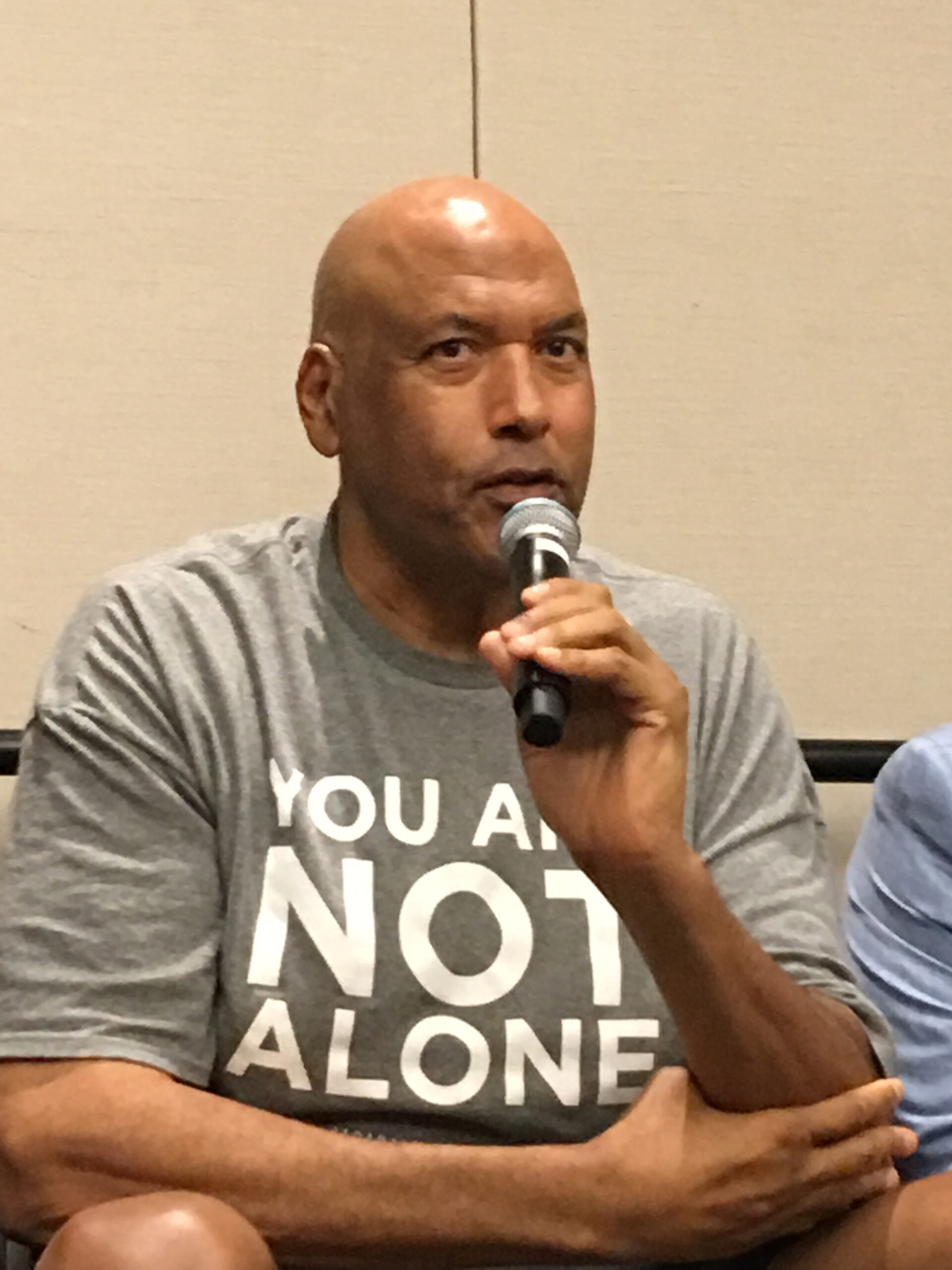
James Donaldson on Mental Health - How to Talk to Your Parents About Getting Help

James Donaldson on Mental Health - How to Talk to Your Parents About Getting Help

Writer: Rachel Ehmke


A lot of teens might wonder if they need help with an emotional or mental health issue, but they aren’t sure how to tell their parents, or are afraid to bring it up.


It’s understandable — telling parents that you’re facing something that feels really big, like anxiety or depression, can be tough.


If you’re very anxious, maybe it’s embarrassing to admit that things that seem easy for other people are very hard — actually painful — for you. Maybe you already feel like they’re angry at you for not doing things they think you should be able to do.


If you’re depressed, and you’ve been withdrawn, spending a lot of time in your room and avoiding the family, maybe you worry that they won’t understand, and will just tell you to “snap out of it.” Or that they will be disappointed in you.


#James Donaldson notes:
Welcome to the “next chapter” of my life… being a voice and an advocate for #mentalhealthawarenessandsuicideprevention, especially pertaining to our younger generation of students and student-athletes.
Getting men to speak up and reach out for help and assistance is one of my passions. Us men need to not suffer in silence or drown our sorrows in alcohol, hang out at bars and strip joints, or get involved with drug use.
Having gone through a recent bout of #depression and #suicidalthoughts myself, I realize now, that I can make a huge difference in the lives of so many by sharing my story, and by sharing various resources I come across as I work in this space.
  #http://bit.ly/JamesMentalHealthArticle
Find out more about the work I do on my 501c3 non-profit foundation
website www.yourgiftoflife.org Order your copy of James Donaldson's latest book,
#CelebratingYourGiftofLife: From The Verge of Suicide to a Life of Purpose and Joy


Click Here For More Information About James Donaldson


But it’s a parent’s job to help you out, and they are almost always more sympathetic, and less judgmental, than you imagine. You’re likely to be more important to them than you realize, and they’re not really feeling happy if you’re not happy. First, of course, you need to let them know how you’re feeling. Here are some tips to make talking about it a little easier.


1. Know that there’s nothing wrong with asking for help


“It’s just like having a hard time in math,” says clinical psychologist Jerry Bubrick, PhD, who treated many teens with anxiety and OCD at the Child Mind Institute. “You’d go to your parents and say, ‘Listen, I’m really struggling with math, and I need extra help. Can you help me get that help?’” Keep in mind that experts say people who are successful in life are not those who don’t have any problems, but those who are good at getting help and rebounding from adversity.


2. Bring it up


Pick a low-key moment. It’s easier to talk when everyone is feeling comfortable. You don’t want to be competing for their attention with other things or siblings.


3. Explain how you’re feeling


Say what you’re having trouble with, and how it’s affecting you. For example, “I’m realizing it’s really hard for me to participate in class. Even if we’re just reading out loud, I’m terrified the teacher will call on me. I get really anxious and I can’t concentrate. Sometimes I feel so anxious I say I’m sick so I can stay home from school.”


Or maybe, “I’m not feeling like myself these days. I’m tired all the time, and I don’t want do things after school. I feel sad all the time — I don’t feel right.”


4. Say you want help


Don’t get caught up trying to analyze or explain why you might be feeling this way. Just say, “I want to see someone who can help. I want to learn some strategies so I can start feeling better.”


If they say what you’re describing sounds normal — everybody gets nervous or down sometimes — let them know that you’re pretty sure this is more serious than that. The way you feel is making you unhappy and keeping you from doing things you want to do.


5. If you need to, try again


“It isn’t always a good time for parents to talk,” says clinical psychologist Rachel Busman, PhD. “If you feel like your parents brushed you off before, try asking them again.”


Sometimes it takes parents a little time to get the message. But Dr. Busman recommends this time setting aside time to talk. Say, “There’s something that I want to talk to you about, and it’s important. When are you going to be free to talk?”


Dr. Busman says going to another adult you trust can be helpful, too. An aunt or an uncle can help you talk to your parents about how you’re feeling. A trusted adult at school, like a teacher or a school psychologist, is also a good option. “Even if you’re having problems at school, someone there will want to help you,” says Dr. Busman. “It’s their job to help you feel successful.”


6. Don’t wait


The sooner you ask for help, the sooner you’ll start feeling better, so don’t put the conversation off. You’ll be proud of yourself afterward, and feeling less alone can be a big relief.


https://standingabovethecrowd.com/james-donaldson-on-mental-health-how-to-talk-to-your-parents-about-getting-help/