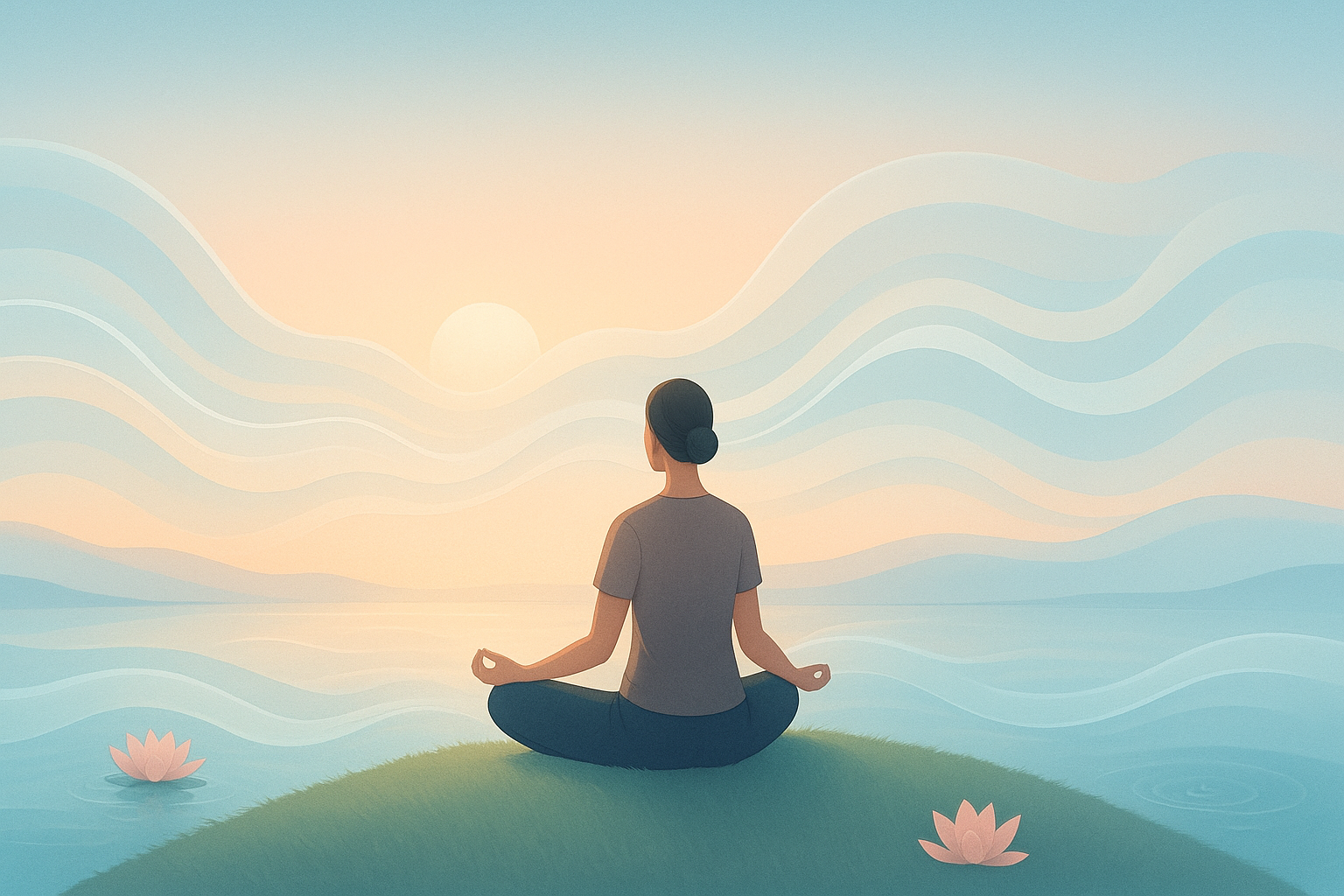
In today's fast-paced world, anxiety has become an all-too-common companion for many individuals. As we juggle various responsibilities and face constant stimulation, it's no surprise that anxiety levels are on the rise. However, there is a powerful tool that can help manage these feelings: mindfulness. In this blog post, we will explore what mindfulness is and how it can play a crucial role in managing anxiety.
Table of Contents
- What is Mindfulness?
- The Link Between Mindfulness and Anxiety
- Benefits of Mindfulness for Anxiety
- Practical Ways to Practice Mindfulness
- Conclusion
- FAQs
What is Mindfulness?
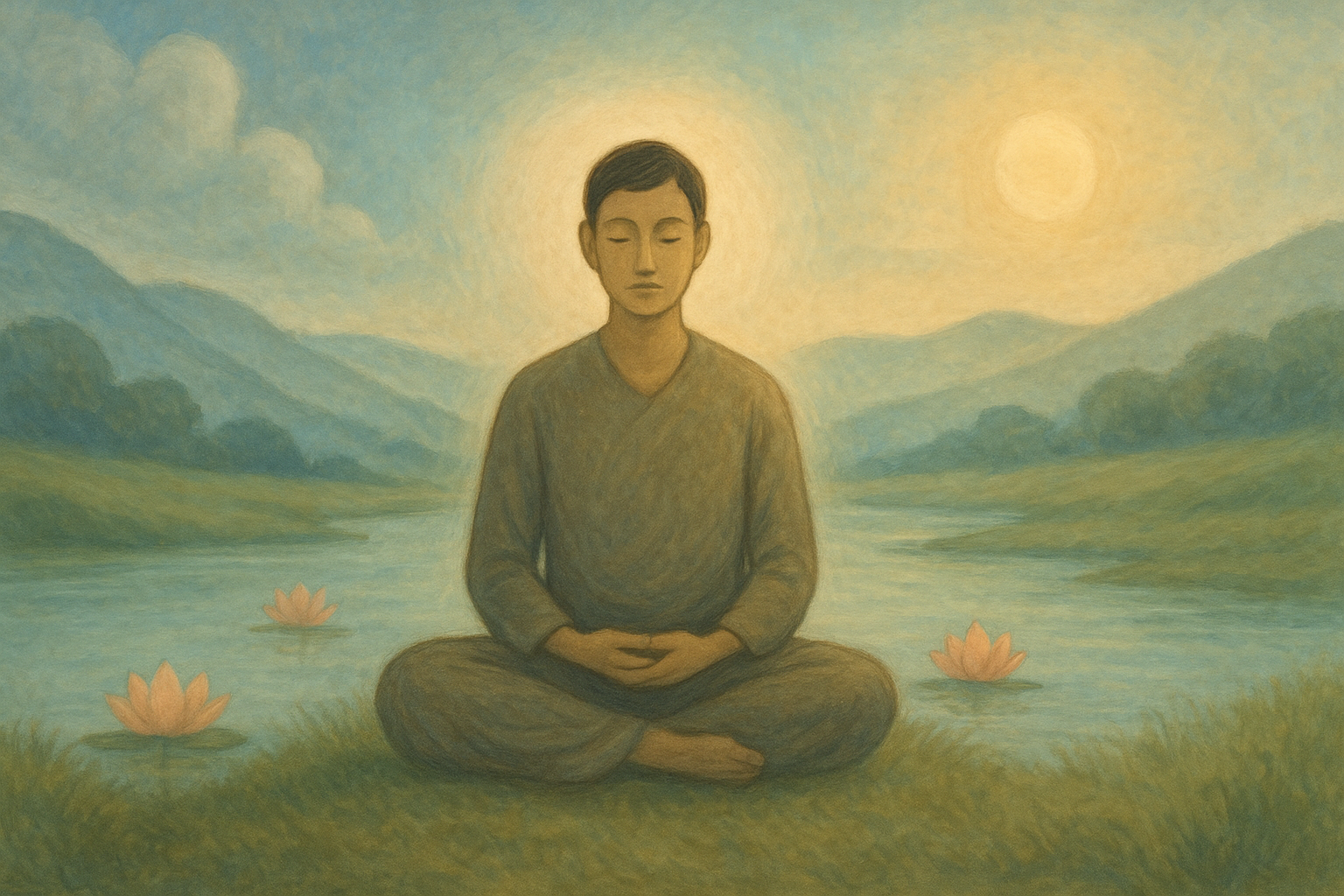
Mindfulness is the practice of bringing one's attention to the present moment without judgment. It involves being fully aware of where we are and what we're doing, rather than being overly reactive or overwhelmed by what's happening around us. Originating from Buddhist traditions, mindfulness has gained popularity in the West as a valuable technique for enhancing mental well-being.
The Link Between Mindfulness and Anxiety
Anxiety often stems from dwelling on the past or worrying about the future. Mindfulness, however, shifts focus to the present moment. By doing so, it helps reduce the mind's tendency to ruminate on stressors. Practicing mindfulness can alter how we perceive stress and anxiety, allowing us to respond with greater clarity and calmness.
Benefits of Mindfulness for Anxiety
Mindfulness offers numerous benefits for those struggling with anxiety:
1. Reduced Stress Levels
Mindfulness helps decrease stress by encouraging relaxation and reducing the production of stress hormones like cortisol. This can lead to a more balanced emotional state and lower anxiety levels.
2. Improved Focus and Concentration
By focusing on the present, mindfulness enhances our ability to concentrate and remain attentive. This can help prevent the scatterbrain effect often associated with anxiety.
3. Enhanced Emotional Regulation
Mindfulness promotes emotional intelligence by teaching us to observe our thoughts and emotions without judgment. This can lead to better emotional regulation and reduced anxiety symptoms.
4. Increased Self-awareness
Practicing mindfulness encourages us to become more aware of our thoughts, feelings, and physical sensations. This self-awareness can help identify anxiety triggers and develop coping strategies.
#James Donaldson notes:
Welcome to the “next chapter” of my life… being a voice and an advocate for #mentalhealthawarenessandsuicideprevention, especially pertaining to our younger generation of students and student-athletes.
Getting men to speak up and reach out for help and assistance is one of my passions. Us men need to not suffer in silence or drown our sorrows in alcohol, hang out at bars and strip joints, or get involved with drug use.
Having gone through a recent bout of #depression and #suicidalthoughts myself, I realize now, that I can make a huge difference in the lives of so many by sharing my story, and by sharing various resources I come across as I work in this space. #http://bit.ly/JamesMentalHealthArticle
Find out more about the work I do on my 501c3 non-profit foundation
website www.yourgiftoflife.org Order your copy of James Donaldson's latest book,
#CelebratingYourGiftofLife: From The Verge of Suicide to a Life of Purpose and Joy
Click Here For More Information About James Donaldson

Click here to follow James Donaldson's Blog

Practical Ways to Practice Mindfulness
Here are some simple yet effective ways to incorporate mindfulness into your daily routine:
1. Mindful Breathing
Take a few moments each day to focus on your breath. Inhale deeply through your nose, hold for a moment, and exhale slowly through your mouth. Concentrate on the sensation of your breath entering and leaving your body.
2. Body Scan Meditation
Lie down in a comfortable position and slowly bring attention to different parts of your body, starting from the toes and working your way up. This practice helps release tension and promotes relaxation.
3. Mindful Walking
While walking, pay attention to the sensation of your feet touching the ground, the rhythm of your steps, and the environment around you. Walking mindfully can be a grounding experience.
4. Gratitude Journaling
Each day, write down three things you're grateful for. This practice shifts focus from anxiety-inducing thoughts to positive reflections, cultivating a more optimistic mindset.
Conclusion
Mindfulness is a powerful tool in managing anxiety. By fostering an awareness of the present moment, mindfulness helps reduce stress, improve focus, and enhance emotional regulation. Incorporating mindfulness practices into your daily routine can lead to a more peaceful and fulfilling life.
FAQs
What are some other mindfulness practices for anxiety?
In addition to those mentioned, you might try mindful eating, yoga, or guided meditation apps like Headspace or Calm.
How long does it take to see the benefits of mindfulness?
Many people start noticing benefits after just a few weeks of regular practice. Consistency is key to experiencing significant improvements.
Can mindfulness replace traditional therapy for anxiety?
While mindfulness is a valuable tool, it is not a substitute for professional therapy or medication. It can be a complementary practice alongside traditional treatments.
https://standingabovethecrowd.com/mindfulness-and-its-role-in-managing-anxiety/


No comments:
Post a Comment