Sunday, June 4, 2023

#JamesDonaldson On #MentalHealth – Reducing #Loneliness May Reduce The Likelihood Of #Suicide

#JamesDonaldson On #MentalHealth – Reducing #Loneliness May Reduce The Likelihood Of #Suicide

#Loneliness among the strongest predictors of #suicidalbehavior


By Susan M. Strickland


Associate Director for Research and Evaluation for #SuicidePrevention, Office of #MentalHealth and #SuicidePrevention


Reducing feelings of loneliness and #socialisolation may reduce the likelihood of dying by #suicide.


Understanding risk and protective factors is important to preventing #Veteran suicides. “From Science to Practice” is a series of products designed to communicate the research in an easy-to-understand and quick-to-read format for clinicians and other stakeholders within VA and partnering organizations.


The latest issues address “Loneliness and Social Isolation – Risk Factors for #Suicide and Ways Veterans Differ from the General Population.”


Loneliness and social isolation


Loneliness is among the strongest predictors of #suicidalideation, #suicideattempts and other #suicidalbehavior. Furthermore, loneliness and social isolation have been linked to other physical and #mentalhealth outcomes.


Loneliness may also be more closely associated with suicidality and poor mental health than other aspects of social connection, such as perceptions of social support and interpersonal conflict.


Loneliness is common among Veterans, with one study finding that more than half of Veterans felt lonely some of the time or often. Veterans in particular may face barriers to involving others in their #mentalhealthcare, such as feeling as though they would be a burden or a desire for self-reliance.


Screening for loneliness among Veterans with #mentalhealthconditions may help identify those at risk for suicidal behavior. Resources such as the #VeteransCrisisLine and VA Reach Out are available to help Veterans experiencing loneliness.


#James Donaldson notes:
Welcome to the “next chapter” of my life… being a voice and an advocate for #mentalhealthawarenessandsuicideprevention, especially pertaining to our younger generation of students and student-athletes.
Getting men to speak up and reach out for help and assistance is one of my passions. Us men need to not suffer in silence or drown our sorrows in alcohol, hang out at bars and strip joints, or get involved with drug use.
Having gone through a recent bout of #depression and #suicidalthoughts myself, I realize now, that I can make a huge difference in the lives of so many by sharing my story, and by sharing various resources I come across as I work in this space.
  #http://bit.ly/JamesMentalHealthArticle
Find out more about the work I do on my 501c3 non-profit foundation
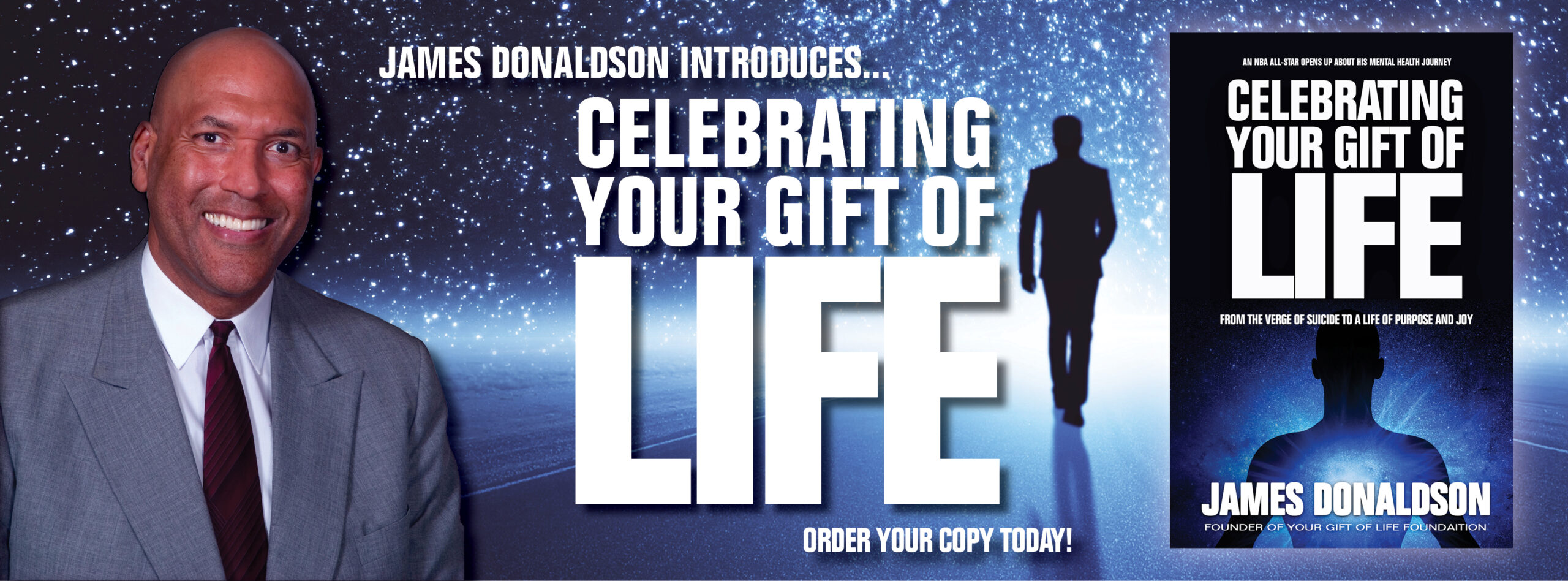
website www.yourgiftoflife.org                            Order your copy of James Donaldson's latest book,
#CelebratingYourGiftofLife:
From The Verge of Suicide to a Life of Purpose and Joy


Book


www.celebratingyourgiftoflife.com

How Veterans are different


Veterans die by suicide at a higher rate than non-Veterans. Veteran #suiciderates consistently increased between 2001 and 2018, and while Veteran suicide rates decreased at a faster pace than non-Veteran rates between 2018 and 2020, Veteran suicide rates continue to exceed those of non-Veterans. There are important differences between the Veteran and non-Veteran populations that may help to explain these disparate suicide rates.


Veterans may be more likely to have had adverse #childhood experiences, such as #bullying, emotional and physical abuse or #sexualtrauma than non-Veterans. Veterans also have experiences during their military service that may be risk factors for #suicidalthoughts and #behaviors, such as combat exposure and morally injurious events.


Veterans experience additional risk factors for suicide immediately following separation from service and throughout the rest of their life course. Veterans are more likely to report #suicidalideation and #suicideattempts during the transition to civilian life, as well as worsening #mentalhealth and social outcomes.


Moreover, Veterans in VA care experience a higher prevalence of mental and physical health conditions that are associated with #suiciderisk.


Want to know how you can help? Read “From Science to Practice” on “Loneliness and Social Isolation – Risk Factors for Suicide.”


https://standingabovethecrowd.com/2023/06/jamesdonaldson-on-mentalhealth-reducing-loneliness-may-reduce-the-likelihood-of-suicide/

Saturday, June 3, 2023

#JamesDonaldson On #MentalHealth – Anti-#Trans Bills Take Toll On #MentalHealth
Photo by Matteus Bernardes on Pexels.com

- Arika Herron, author of Axios Indianapolis

Illustration: Maura Losch/Axios

The record-setting number of bills targeting the #transgender community is already harming trans' youths #mentalhealth, experts and advocates warn.

Why it matters: Advocates and the #parents of transgender #kids say lives are at stake.

- The #LGBTQ+ community is already at higher risk for disorders like #anxiety and #depression, said Joshua Goodman, assistant professor of psychology at Southern Oregon University who studies issues related to the LGBTQ+ community and identifies as #bisexual.

- This is especially true for LGBTQ+ youth, who consistently report higher rates of #depression and #suicidalideation than their straight and #cisgender peers.

By the numbers: In poll released earlier this year by the #TrevorProject, 86% of transgender and nonbinary #youth said the recent debates over state laws restricting the rights of transgender people have negatively impacted their mental health.

- Among all LGBTQ+ youth, 1 in 3 reported #cyberbullying or online harassment, 1 in 4 reported that they stopped speaking to a family member or relative, and 1 in 5 reported bullying.

State of play: More than 400 bills targeting LGBTQ+ rights have been introduced this year, and even the consideration of those measures can harm the mental health of individuals in that community.

- Bills to ban gender-affirming care for minors, restrict which pronouns #teachers can use for transgender #children and regulate which bathrooms transgender people can use are among those that have been filed in multiple states this year.

Threat level: The Trevor Project's 2022 National Survey on LGBTQ Youth Mental Health found that #suicidalthoughts have trended upward over the last three years.

- Last year, 45% of LGBTQ+ youth reported seriously considering a suicide attempt. That number was higher for #gender-diverse youth, peaking at nearly 60% for transgender #boys and young #men.

- "If this bill passes, transgender kids will die," Leonardo Hinnant, a freshman #college #student and transgender man from Georgia, recently told state lawmakers, who ultimately passed a ban on hormone therapy and transition-related surgery for minors.

The big picture: Nearly a decade after the Supreme Court made same-sex marriage legal nationwide, this new and concerted effort to roll back rights has also been re-traumatizing for older members of the LGBTQ+ community, said Sherril Wayland, director of special initiatives at SAGE, an advocacy organization representing older LGBTQ+ people.

- Calls to SAGE's mental health hotline have seen a nearly two-fold increase in calls since January.

What they're saying: "Please vote 'no' so I don't have to plan my son's funeral," said Larisha Hanks, the mom of a 14-year-old transgender boy in Indiana where the governor recently signed a law banning gender-affirming health care for minors.

- Hanks' son told Indiana lawmakers that being part of the gender clinic and starting hormone therapy has been life-changing. Under the law, which goes into effect July 1, kids on puberty blockers and hormone therapy will have six months to transition off of the drugs.

- "I feel like I have something to live for," he said. "And now what? You're just going to take it all away with this bill?"

The other side: Proponents of bills like Indiana's say they're needed to protect children from making life-altering decisions that they're not old enough to fully understand.

- Travis Weber, the Family Research Council's vice president for policy and government affairs, said Christian activists aren't seeking to impose their beliefs on others — they're fighting against beliefs being imposed on them, Axios' Russell Contreras reports.

- "These ideas are presented to their children without their consent," Weber said. "#Americans are reacting to what they are seeing, and it's being reflected in some of these laws moving."

Yes, but: Some parents argue that medical decisions for their kids should be made between parents, children and their #doctors — not the government.

- Gender-affirming care is widely supported as appropriate and medically necessary by major health groups, including the #AmericanMedicalAssociation, #AmericanPsychologicalAssociation and the #AmericanAcademyofPediatrics.

Go deeper:

- Axios Explains: Gender-affirming care in the U.S.

- What states are restricting transgender health care

#James Donaldson notes:Welcome to the “next chapter” of my life… being a voice and an advocate for #mentalhealthawarenessandsuicideprevention, especially pertaining to our younger generation of students and student-athletes.Getting men to speak up and reach out for help and assistance is one of my passions. Us men need to not suffer in silence or drown our sorrows in alcohol, hang out at bars and strip joints, or get involved with drug use.Having gone through a recent bout of #depression and #suicidalthoughts myself, I realize now, that I can make a huge difference in the lives of so many by sharing my story, and by sharing various resources I come across as I work in this space.  #http://bit.ly/JamesMentalHealthArticleFind out more about the work I do on my 501c3 non-profit foundationwebsite www.yourgiftoflife.org                            Order your copy of James Donaldson's latest book,#CelebratingYourGiftofLife:From The Verge of Suicide to a Life of Purpose and Joy

www.celebratingyourgiftoflife.com

If you are thinking about harming yourself — get immediate support.

- LGBTQ+ youth can connect to a crisis counselor with The Trevor Project anytime, from anywhere in the U.S. by calling 1-866-488-7386 or texting 'START' to 678-678. It is free and confidential.

- If you are an LGBTQ+ elder or care for one, you can call the free SAGE Hotline at 877-360-LGBT(5428). It is available 24 hours a day, 7 days a week, in English and Spanish, with translation in 180 languages.

- You can also call #988 to reach the national #Suicide&CrisisLifeline and speak with a trained crisis specialist 24/7.

Photo by Matteus Bernardes on Pexels.com
https://standingabovethecrowd.com/2023/06/jamesdonaldson-on-mentalhealth-anti-trans-bills-take-toll-on-mentalhealth/
#JamesDonaldson On #MentalHealth – #Jockey #Suicides Bring Attention To #Stress And #MentalHealthConcerns Of The Job
If you or someone you know has talked about contemplating #suicide, call the #NationalSuicidePreventionLifeline at 1-800-273-8255, open 24 hours a day, seven days a week. You can also find them online at https://suicidepreventionlifeline.org

Eurico Rosa da Silva was in a dark place.

On the track, the jockey in his early 30s was winning races and making money. At home, he was fighting #suicidalthoughts every day.

“I got to the point where I have no more choice but to go for help,” he recalled recently. “I went because if I have no choice, I would kill myself.”

Da Silva got help in 2006 and rode for more than a decade before retiring. He’s one of the lucky ones.

Earlier this year, horse racing was stunned by the suicides less than six weeks apart of two young jockeys, 23-year-old Avery Whisman and 29-year-old Alex Canchari. A friend of Whisman’s, Triple Crown-winning rider Mike Smith, said he has seen similar tragedies over three decades.

“I know several riders that I knew very well committed #suicide when it was all said and done,” Smith said. “This is not all of a sudden just happening. It’s been going on. You just never heard of it.”

The dangers of riding thoroughbreds at high speed add up to an average of two jockeys dying from racing each year and 60 being paralyzed, according to one industry #veteran. Combine that with criticism from owners, trainers and bettors and the need to maintain the low weight necessary to establish a career, and jockeys have been quietly suffering for as long as they have been riding horses.

While jockeys interviewed for this story worry that racing has lagged behind other #sports in accepting the importance of their mental health on the job, there is hope that renewed conversation about it prompts real change.

“This needs to be addressed,” jockey Trevor McCarthy said. “We take a lot of beatings mentally and physically. With the mental and physical state, when you mix both of them together, it can be a recipe for disaster. Look, there’s proof of it, right? We lost two guys.”

McCarthy last year, like da Silva before him, sought help before it was too late. His father was a jockey, as is his father-in-law and his wife, Katie Davis McCarthy. They are all used to the ups and downs of the job, from the broken pelvis and collarbone from his spill during a race in November to the uncertain hold on a ride.

A particularly rough summer, including flying up and down the East Coast to ride, took a toll on McCarthy, who at 118 pounds could feel his diet and lack of calories affect his work. He wanted to quit.

“I was going absolutely nuts, and my body couldn’t handle it,” McCarthy said. “You’re constantly going through mind games. And I think a lot of guys get caught up in that with the weight and the mind game of not doing good or thinking they’re not good enough.”

His wife made him promise to talk to a #sports #therapist. McCarthy did so for months, learning how to find a better work-life balance that has helped him win 28 races already this year.

Now 47, da Silva was named Canada’s best jockey seven times and is the Canadian Horse Racing #HallofFame.

“In 30 years of riding horses, I can say to you that I never heard anybody talk about the emotional pain, never talked about going for help,” said da Silva, who’s now a mental health coach. “I approached many jockeys that I feel like they need help, and many times I said, ‘Go for help.’ I motivate them to go for help. They just listen, but they don’t really want to talk about.”

Dr. Ciara Losty of South East Technological University in Waterford, Ireland, pointed out that jockeys have an “underdeveloped sense of self inside of their sport,” compared to team sport or Olympic #athletes who are less likely to burn out because they seek out other activities. She said jockeys can also be less familiar with #mentalhealthtopics because of low literacy levels and lack the support system of a coach or coaching staff.

“Maintaining a low weight and obviously disordered eating is a big part of it,” said Losty, who co-authored a 2018 study on jockey mental health. “Being a jockey, you have a risk of serious injuries, and if you’ve had a serious injury the fear of re-injury when you engage or get back up on the horse again may impact your performance or lead you to some kind of distress.”

#James Donaldson notes:Welcome to the “next chapter” of my life… being a voice and an advocate for #mentalhealthawarenessandsuicideprevention, especially pertaining to our younger generation of students and student-athletes.Getting men to speak up and reach out for help and assistance is one of my passions. Us men need to not suffer in silence or drown our sorrows in alcohol, hang out at bars and strip joints, or get involved with drug use.Having gone through a recent bout of #depression and #suicidalthoughts myself, I realize now, that I can make a huge difference in the lives of so many by sharing my story, and by sharing various resources I come across as I work in this space.  #http://bit.ly/JamesMentalHealthArticleFind out more about the work I do on my 501c3 non-profit foundationwebsite www.yourgiftoflife.org                            Order your copy of James Donaldson's latest book,#CelebratingYourGiftofLife:From The Verge of Suicide to a Life of Purpose and Joy

 
www.celebratingyourgiftoflife.com

Dr. Lewis King, now at Ireland’s Technological University of the Shannon, did his doctoral degree in 2021 on the subject because he wanted to explore what makes jockeys susceptible to #mentalhealthproblems and what stopped them from seeking help. In talking to 84 jockeys in Ireland, he said, he found 61% met the threshold for adverse #alcohol use, 35% for #depression and 27% for #anxiety.

King’s research showed that despite nearly 80% of jockeys having at least one common #mentalhealthdisorder, only a third saw a professional. He said most feared losing their jobs.

“The main barrier was #stigma and the negative perceptions of others,” King said. “But primarily it was related to the negative perceptions of trainers. There was a perception within the jockeys I interviewed that if they spoke about their #mentalhealthissues or it somehow got back to their trainer that it may impact whether they get rides. The trainer may perceive them as not in the right headspace, for instance, to ride their #horses.”

Trainers told King and his colleagues they felt similar worries about sharing their own #mentalhealthconcerns with owners.

McCarthy, who has been a jockey since 2011, said in recent months he has actually confronted trainers in the U.S., telling them to ease up on berating fellow jockeys after races.

The entire cycle speaks to #horseracing being “an old-school sport,” McCarthy said. Losty pinned the lack of progress in #mentalhealth on the masculinized nature of the industry, and da Silva said the topic is still “taboo” in racing.

“Asking for help in our #sport is almost a sign of weakness, sad to say,” said Smith, who rode Justify to the #TripleCrown in 2018 and is still riding at 57. “You certainly don’t want to show any signs of that. We’re supposed to be tough and be able to handle it all.”

The Jockeys’ Guild and Horseracing Integrity and Safety Authority recently sent out an anonymous survey — the first of its kind — to gauge the best ways to support riders’ #mentalhealth and wellbeing, a hotline is among the ideas being considered and a meeting with industry stakeholders is planned soon.

“It’s important for the industry to come together on this issue and other issues to grow our industry and make sure equine and human #athletes are taken care of,” said Jockeys’ Guild president and CEO Terry Meyocks, a third-generation horseman whose daughter, Abby, is married to #KentuckyDerby-winning jockey Javier Castellano. “It’s important that people talk about it.”

McCarthy only started talking seriously about it after getting married and daughter Riley was born, knowing he’s at the leading edge of thinking about mental health and how far behind other jockeys are.

“We’re just behind the 8-ball a little bit with that,” he said. “It’s going to be baby steps, but we have a long way to go.”
https://standingabovethecrowd.com/2023/06/jamesdonaldson-on-mentalhealth-jockey-suicides-bring-attention-to-stress-and-mentalhealthconcerns-of-the-job/

#JamesDonaldson On #MentalHealth – #Jockey #Suicides Bring Attention To #Stress And #MentalHealthConcerns Of The Job

#JamesDonaldson On #MentalHealth – #Jockey #Suicides Bring Attention To #Stress And #MentalHealthConcerns Of The Job
Horse Racing

If you or someone you know has talked about contemplating #suicide, call the #NationalSuicidePreventionLifeline at 1-800-273-8255, open 24 hours a day, seven days a week. You can also find them online at https://suicidepreventionlifeline.org


Eurico Rosa da Silva was in a dark place.


On the track, the jockey in his early 30s was winning races and making money. At home, he was fighting #suicidalthoughts every day.


“I got to the point where I have no more choice but to go for help,” he recalled recently. “I went because if I have no choice, I would kill myself.”


Da Silva got help in 2006 and rode for more than a decade before retiring. He’s one of the lucky ones.


Earlier this year, horse racing was stunned by the suicides less than six weeks apart of two young jockeys, 23-year-old Avery Whisman and 29-year-old Alex Canchari. A friend of Whisman’s, Triple Crown-winning rider Mike Smith, said he has seen similar tragedies over three decades.


“I know several riders that I knew very well committed #suicide when it was all said and done,” Smith said. “This is not all of a sudden just happening. It’s been going on. You just never heard of it.”


The dangers of riding thoroughbreds at high speed add up to an average of two jockeys dying from racing each year and 60 being paralyzed, according to one industry #veteran. Combine that with criticism from owners, trainers and bettors and the need to maintain the low weight necessary to establish a career, and jockeys have been quietly suffering for as long as they have been riding horses.


While jockeys interviewed for this story worry that racing has lagged behind other #sports in accepting the importance of their mental health on the job, there is hope that renewed conversation about it prompts real change.


“This needs to be addressed,” jockey Trevor McCarthy said. “We take a lot of beatings mentally and physically. With the mental and physical state, when you mix both of them together, it can be a recipe for disaster. Look, there’s proof of it, right? We lost two guys.”


McCarthy last year, like da Silva before him, sought help before it was too late. His father was a jockey, as is his father-in-law and his wife, Katie Davis McCarthy. They are all used to the ups and downs of the job, from the broken pelvis and collarbone from his spill during a race in November to the uncertain hold on a ride.


A particularly rough summer, including flying up and down the East Coast to ride, took a toll on McCarthy, who at 118 pounds could feel his diet and lack of calories affect his work. He wanted to quit.


“I was going absolutely nuts, and my body couldn’t handle it,” McCarthy said. “You’re constantly going through mind games. And I think a lot of guys get caught up in that with the weight and the mind game of not doing good or thinking they’re not good enough.”


His wife made him promise to talk to a #sports #therapist. McCarthy did so for months, learning how to find a better work-life balance that has helped him win 28 races already this year.


Now 47, da Silva was named Canada’s best jockey seven times and is the Canadian Horse Racing #HallofFame.


“In 30 years of riding horses, I can say to you that I never heard anybody talk about the emotional pain, never talked about going for help,” said da Silva, who’s now a mental health coach. “I approached many jockeys that I feel like they need help, and many times I said, ‘Go for help.’ I motivate them to go for help. They just listen, but they don’t really want to talk about.”


Dr. Ciara Losty of South East Technological University in Waterford, Ireland, pointed out that jockeys have an “underdeveloped sense of self inside of their sport,” compared to team sport or Olympic #athletes who are less likely to burn out because they seek out other activities. She said jockeys can also be less familiar with #mentalhealthtopics because of low literacy levels and lack the support system of a coach or coaching staff.


“Maintaining a low weight and obviously disordered eating is a big part of it,” said Losty, who co-authored a 2018 study on jockey mental health. “Being a jockey, you have a risk of serious injuries, and if you’ve had a serious injury the fear of re-injury when you engage or get back up on the horse again may impact your performance or lead you to some kind of distress.”


#James Donaldson notes:
Welcome to the “next chapter” of my life… being a voice and an advocate for #mentalhealthawarenessandsuicideprevention, especially pertaining to our younger generation of students and student-athletes.
Getting men to speak up and reach out for help and assistance is one of my passions. Us men need to not suffer in silence or drown our sorrows in alcohol, hang out at bars and strip joints, or get involved with drug use.
Having gone through a recent bout of #depression and #suicidalthoughts myself, I realize now, that I can make a huge difference in the lives of so many by sharing my story, and by sharing various resources I come across as I work in this space.
  #http://bit.ly/JamesMentalHealthArticle
Find out more about the work I do on my 501c3 non-profit foundation
website www.yourgiftoflife.org                            Order your copy of James Donaldson's latest book,
#CelebratingYourGiftofLife:
From The Verge of Suicide to a Life of Purpose and Joy


Book


www.celebratingyourgiftoflife.com

Dr. Lewis King, now at Ireland’s Technological University of the Shannon, did his doctoral degree in 2021 on the subject because he wanted to explore what makes jockeys susceptible to #mentalhealthproblems and what stopped them from seeking help. In talking to 84 jockeys in Ireland, he said, he found 61% met the threshold for adverse #alcohol use, 35% for #depression and 27% for #anxiety.


King’s research showed that despite nearly 80% of jockeys having at least one common #mentalhealthdisorder, only a third saw a professional. He said most feared losing their jobs.


“The main barrier was #stigma and the negative perceptions of others,” King said. “But primarily it was related to the negative perceptions of trainers. There was a perception within the jockeys I interviewed that if they spoke about their #mentalhealthissues or it somehow got back to their trainer that it may impact whether they get rides. The trainer may perceive them as not in the right headspace, for instance, to ride their #horses.”


Trainers told King and his colleagues they felt similar worries about sharing their own #mentalhealthconcerns with owners.


McCarthy, who has been a jockey since 2011, said in recent months he has actually confronted trainers in the U.S., telling them to ease up on berating fellow jockeys after races.


The entire cycle speaks to #horseracing being “an old-school sport,” McCarthy said. Losty pinned the lack of progress in #mentalhealth on the masculinized nature of the industry, and da Silva said the topic is still “taboo” in racing.


“Asking for help in our #sport is almost a sign of weakness, sad to say,” said Smith, who rode Justify to the #TripleCrown in 2018 and is still riding at 57. “You certainly don’t want to show any signs of that. We’re supposed to be tough and be able to handle it all.”


The Jockeys’ Guild and Horseracing Integrity and Safety Authority recently sent out an anonymous survey — the first of its kind — to gauge the best ways to support riders’ #mentalhealth and wellbeing, a hotline is among the ideas being considered and a meeting with industry stakeholders is planned soon.


“It’s important for the industry to come together on this issue and other issues to grow our industry and make sure equine and human #athletes are taken care of,” said Jockeys’ Guild president and CEO Terry Meyocks, a third-generation horseman whose daughter, Abby, is married to #KentuckyDerby-winning jockey Javier Castellano. “It’s important that people talk about it.”


McCarthy only started talking seriously about it after getting married and daughter Riley was born, knowing he’s at the leading edge of thinking about mental health and how far behind other jockeys are.


“We’re just behind the 8-ball a little bit with that,” he said. “It’s going to be baby steps, but we have a long way to go.”


Horse Racing
https://standingabovethecrowd.com/2023/06/jamesdonaldson-on-mentalhealth-jockey-suicides-bring-attention-to-stress-and-mentalhealthconcerns-of-the-job/

Friday, June 2, 2023

#JamesDonaldson On #MentalHealth – Anti-#Trans Bills Take Toll On #MentalHealth

#JamesDonaldson On #MentalHealth – Anti-#Trans Bills Take Toll On #MentalHealth
person wearing white and pink rabbit costumePhoto by Matteus Bernardes on Pexels.com

Arika Herron

- Arika Herron, author of Axios Indianapolis

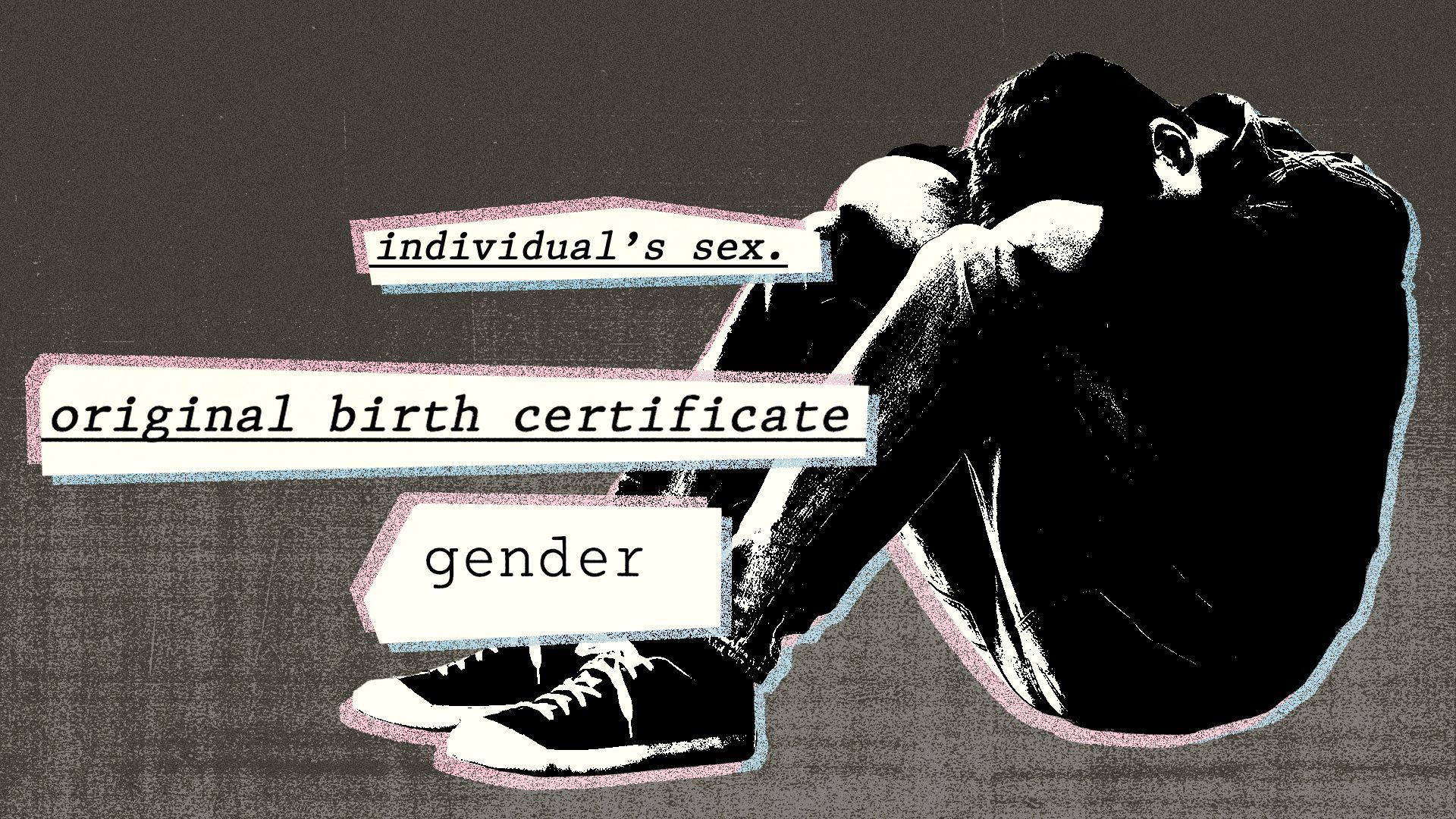
Photo illustration featuring a teenager with their knees drawn into their chest, their head hidden, and snippets of anti-trans bills.Illustration: Maura Losch/Axios

The record-setting number of bills targeting the #transgender community is already harming trans' youths #mentalhealth, experts and advocates warn.


Why it matters: Advocates and the #parents of transgender #kids say lives are at stake.


- The #LGBTQ+ community is already at higher risk for disorders like #anxiety and #depression, said Joshua Goodman, assistant professor of psychology at Southern Oregon University who studies issues related to the LGBTQ+ community and identifies as #bisexual.

- This is especially true for LGBTQ+ youth, who consistently report higher rates of #depression and #suicidalideation than their straight and #cisgender peers.

By the numbers: In poll released earlier this year by the #TrevorProject, 86% of transgender and nonbinary #youth said the recent debates over state laws restricting the rights of transgender people have negatively impacted their mental health.


- Among all LGBTQ+ youth, 1 in 3 reported #cyberbullying or online harassment, 1 in 4 reported that they stopped speaking to a family member or relative, and 1 in 5 reported bullying.

State of play: More than 400 bills targeting LGBTQ+ rights have been introduced this year, and even the consideration of those measures can harm the mental health of individuals in that community.


- Bills to ban gender-affirming care for minors, restrict which pronouns #teachers can use for transgender #children and regulate which bathrooms transgender people can use are among those that have been filed in multiple states this year.

Threat level: The Trevor Project's 2022 National Survey on LGBTQ Youth Mental Health found that #suicidalthoughts have trended upward over the last three years.


- Last year, 45% of LGBTQ+ youth reported seriously considering a suicide attempt. That number was higher for #gender-diverse youth, peaking at nearly 60% for transgender #boys and young #men.

- "If this bill passes, transgender kids will die," Leonardo Hinnant, a freshman #college #student and transgender man from Georgia, recently told state lawmakers, who ultimately passed a ban on hormone therapy and transition-related surgery for minors.

The big picture: Nearly a decade after the Supreme Court made same-sex marriage legal nationwide, this new and concerted effort to roll back rights has also been re-traumatizing for older members of the LGBTQ+ community, said Sherril Wayland, director of special initiatives at SAGE, an advocacy organization representing older LGBTQ+ people.


- Calls to SAGE's mental health hotline have seen a nearly two-fold increase in calls since January.

What they're saying: "Please vote 'no' so I don't have to plan my son's funeral," said Larisha Hanks, the mom of a 14-year-old transgender boy in Indiana where the governor recently signed a law banning gender-affirming health care for minors.


- Hanks' son told Indiana lawmakers that being part of the gender clinic and starting hormone therapy has been life-changing. Under the law, which goes into effect July 1, kids on puberty blockers and hormone therapy will have six months to transition off of the drugs.

- "I feel like I have something to live for," he said. "And now what? You're just going to take it all away with this bill?"

The other side: Proponents of bills like Indiana's say they're needed to protect children from making life-altering decisions that they're not old enough to fully understand.


- Travis Weber, the Family Research Council's vice president for policy and government affairs, said Christian activists aren't seeking to impose their beliefs on others — they're fighting against beliefs being imposed on them, Axios' Russell Contreras reports.

- "These ideas are presented to their children without their consent," Weber said. "#Americans are reacting to what they are seeing, and it's being reflected in some of these laws moving."

Yes, but: Some parents argue that medical decisions for their kids should be made between parents, children and their #doctors — not the government.


- Gender-affirming care is widely supported as appropriate and medically necessary by major health groups, including the #AmericanMedicalAssociation, #AmericanPsychologicalAssociation and the #AmericanAcademyofPediatrics.

Go deeper:


- Axios Explains: Gender-affirming care in the U.S.

- What states are restricting transgender health care

#James Donaldson notes:
Welcome to the “next chapter” of my life… being a voice and an advocate for #mentalhealthawarenessandsuicideprevention, especially pertaining to our younger generation of students and student-athletes.
Getting men to speak up and reach out for help and assistance is one of my passions. Us men need to not suffer in silence or drown our sorrows in alcohol, hang out at bars and strip joints, or get involved with drug use.
Having gone through a recent bout of #depression and #suicidalthoughts myself, I realize now, that I can make a huge difference in the lives of so many by sharing my story, and by sharing various resources I come across as I work in this space.
  #http://bit.ly/JamesMentalHealthArticle
Find out more about the work I do on my 501c3 non-profit foundation
website www.yourgiftoflife.org                            Order your copy of James Donaldson's latest book,
#CelebratingYourGiftofLife:
From The Verge of Suicide to a Life of Purpose and Joy


Book

www.celebratingyourgiftoflife.com

If you are thinking about harming yourself — get immediate support.


- LGBTQ+ youth can connect to a crisis counselor with The Trevor Project anytime, from anywhere in the U.S. by calling 1-866-488-7386 or texting 'START' to 678-678. It is free and confidential.

- If you are an LGBTQ+ elder or care for one, you can call the free SAGE Hotline at 877-360-LGBT(5428). It is available 24 hours a day, 7 days a week, in English and Spanish, with translation in 180 languages.

- You can also call #988 to reach the national #Suicide&CrisisLifeline and speak with a trained crisis specialist 24/7.

person wearing white and pink rabbit costumePhoto by Matteus Bernardes on Pexels.com
https://standingabovethecrowd.com/2023/06/jamesdonaldson-on-mentalhealth-anti-trans-bills-take-toll-on-mentalhealth/

Thursday, June 1, 2023

#JamesDonaldson On #MentalHealth – How To Help #Kids Learn To Fail
Only through trial and error can #children become resilient #adults

Writer: Beth Arky

Clinical Expert: Amanda Mintzer, PsyD

What You'll Learn

- Why is it important for #kids to fail?

- How can you teach your kids to bounce back from failure?

- What should you do if your #child is anxious about failing?

- Quick Read

- Full Article

- First, show empathy

- Make yourself a model

- Make it a teachable moment

- The minefield of #socialmedia

- Step back and allow kids to fail

- Therapy can help

Back to Top

Quick Read

Failure is a part of life. Teaching kids to fail and bounce back makes them stronger and more ready to face life’s challenges. When kids fear failing, they’re at risk for anxiety and meltdowns when things go wrong. But how do #parents teach kids to fail well?

It’s hard, but parents need to try step back and give kids room to mess up. If you’re always over their shoulder guiding them, they can’t fail and try again. That’s an important experience that they need to learn and grow.

When your kid does fail at something, let them know you see how frustrated and disappointed they are. Skipping right to bouncing back doesn’t give kids the time they need to feel their feelings.

Then, you can make failing a teachable moment. When your kid is ready, talk about what went wrong and how they might do things differently next time. Or how they might try again. Help them weigh the pros and cons of their choices.

You can also talk about your own mistakes or failures. Show them those moments are part of life. It’s okay that things don’t always go our way.

If kids have so much fear of failing that they can’t function, therapy can help.

Parents tend to see their mission as helping their kids succeed. But there’s a growing realization among teachers and other professionals who work with children that kids increasingly need help learning how to fail.

Not learning to tolerate failure leaves kids vulnerable to #anxiety. It leads to meltdowns when the inevitable failure does occur, whether it happens in preschool or #college. And perhaps even more important, it can make kids give up trying—or trying new things.

That’s why #MichaelJordan, one of the world’s greatest #athletes, has spent years preaching the importance of losing. Jordan has spoken extensively about how perseverance and resilience in the face of challenges on and off the court are what have made him a winner. 

Unfortunately, as the world puts increased pressure on kids to be winners, and parents feel compelled to enable them in every way possible, we’re seeing more and more kids who become distraught over even the smallest misstep.

Take Sara’s son John, who started taking piano lessons at 6. “Every time he played a wrong note he would pick up the music booklet and hit himself on the head with it!” she says. “His piano teacher said she’d never seen a kid who was so hard on himself. I told him when he made a mistake to treat himself the way he’d treat his younger cousin, that no one can learn if someone’s being mean to them, and that he wasn’t allowed to be mean to himself.”

When Alicia’s daughter Sara was 14, she became so distraught over not getting into a selective high school, while friends did, she began to #self-harm. “It was so terrible: the pressure, the disappointment,” says Alicia.

Clearly, distress or frustration tolerance is an important life skill to master. When it comes to #school, “the ability to tolerate imperfection—that something is not going exactly your way—is oftentimes more important to learn than whatever the content subject is,” says Amanda Mintzer, PsyD, a clinical psychologist at the #ChildMindInstitute. “Building that skill set is necessary for kids to be able to become more independent and succeed in future endeavors, whether it’s personal goals, academic goals, or just learning how to effectively deal with other people.”

#James Donaldson notes:Welcome to the “next chapter” of my life… being a voice and an advocate for #mentalhealthawarenessandsuicideprevention, especially pertaining to our younger generation of students and student-athletes.Getting men to speak up and reach out for help and assistance is one of my passions. Us men need to not suffer in silence or drown our sorrows in alcohol, hang out at bars and strip joints, or get involved with drug use.Having gone through a recent bout of #depression and #suicidalthoughts myself, I realize now, that I can make a huge difference in the lives of so many by sharing my story, and by sharing various resources I come across as I work in this space.  #http://bit.ly/JamesMentalHealthArticleFind out more about the work I do on my 501c3 non-profit foundationwebsite www.yourgiftoflife.org                            Order your copy of James Donaldson's latest book,#CelebratingYourGiftofLife:From The Verge of Suicide to a Life of Purpose and Joy

www.celebratingyourgiftoflife.com

So how do parents teach kids to fail? Dr. Mintzer offers a multistep process:

First, show empathy

Empathize with your child; see that she’s in distress. “Don’t just say, ‘It’s okay, you’ll do better next time,’” Dr. Mintzer says. “It’s invalidating to brush off a child’s feelings of frustration and disappointment.” Instead, parents need to change their language: “I see you’re really disappointed, I know you really wanted to do better.”

Make yourself a model

You can explain that failure is a part of life and happens to everyone, even you. You could share examples of “failures” you’ve had. “Parents can model how to handle their own disappointment,” such as losing out on a promotion at work, Dr. Mintzer says. “Kids aren’t necessarily exposed to the reality that life includes mistakes, missteps, and even failures. As much as everyone likes things to go according to plan, it’s important to teach our children that it is also okay when they don’t.”

Make it a teachable moment

A child’s failure is a chance for parents to teach acceptance and problem-solving skills. You and your child can try to come up with what she could do the next time for a better chance at success. For instance, could they study differently or talk to the teacher about any problems they’re having before a test?

“It’s a balance of acceptance and change,” Dr. Mintzer says. “It’s about accepting that the situation is what it is and building frustration tolerance while also asking, ‘Can we change something in the future. Can we learn from this?’”

The minefield of #socialmedia

At the same time, kids need to know that sometimes when we fail or face disappointment, there’s not a lot we can do about it in that moment; we have to accept it as a part of life and move on. Dr. Mintzer notes as an example the minefield that is social media.

Say a girl’s friends tell her they can’t hang out with her and then she sees them together on #Instagram or #Facebook.

“That really hurts,” Dr. Mintzer says. “There are lots of emotions: frustration, disappointment, sadness, anger. How does she deal with that? Calling friends and screaming at them only makes things worse. She could ignore it and pretend she never saw, but that’s not going to make her feel better or change what happens in the future.”

So how can a parent help her accept what happened? The girl might be able to get more information to make herself feel better. Perhaps she can talk to these kids in a calm way, telling them that she saw the photos and her feelings were hurt. Maybe she’ll discover a reason behind it. But she may not get an answer she likes, or get one at all.

That leads to another life lesson: Sometimes we get left out, sometimes we aren’t liked, and we have to learn to cope with that truth without making the situation worse. Dr. Mintzer notes, “A lot of these skills are needed for interpersonal relationships.”

Step back and allow kids to fail

It can be very tough to watch your child fall down but they can only learn how to handle disappointment through trial and error. As books like The Blessings of a Skinned Knee and the newly released Gift of Failure: How the Best Parents Learn to Let Go So Their Children Can Succeed emphasize, parents must stop hovering. Otherwise, they rob children of the very experiences that require problem-solving and set them on the path to resilience and the confidence to take on new challenges.

Therapy can help

If a child can’t function because of a fear of failure, therapy may be called for. Even if a child doesn’t have an anxiety diagnosis, they may be frozen with anxiety. When that happens, Dr. Mintzer says, with what’s called exposure therapy, “we slowly expose them to things that aren’t perfect.”

For instance, parents will complain that homework takes forever because a child will repeatedly rip it up and start over. “We’re teaching kids that it’s okay to misspell a word and keep going,” she says. “In a session we might have them write a paragraph or two and make as many mistakes as they can, including sloppy handwriting, to get them used to the idea that it ‘s not the end of the world.”

“We’re saying,” she adds, “‘We’re going to practice making mistakes. We know, it’s uncomfortable for you, and we also know that with practice, you can learn how tolerate it.’”

Parents have more ways to help their kids move beyond failure.

When Alicia discovered Sara’s self-harming,  she tried to set her up for success by enrolling her in a small, private school. She also got Sara into therapy and tried to give her the time and support to “figure things out,” allowing her the chance to feel proud of herself when she did.

Alicia says Sara, now about to start her junior year, “just told me she’s so glad she went there instead of one of the selective enrollments. At the time, it seemed to her like a huge failure to be rejected by those schools. But she’s much happier now, no self-harming and displaying resiliency.”

Learning to fail can be painful. But kids will only succeed if they can acquire the skill to handle whatever life throws their way.
https://standingabovethecrowd.com/2023/06/jamesdonaldson-on-mentalhealth-how-to-help-kids-learn-to-fail-2/
#JamesDonaldson On #MentalHealth – How To Help #Kids Learn To Fail

#JamesDonaldson On #MentalHealth – How To Help #Kids Learn To Fail

Only through trial and error can #children become resilient #adults


Divorce and Children

Writer: Beth Arky


Clinical Expert: Amanda Mintzer, PsyD


What You'll Learn


- Why is it important for #kids to fail?

- How can you teach your kids to bounce back from failure?

- What should you do if your #child is anxious about failing?

- Quick Read

- Full Article

- First, show empathy

- Make yourself a model

- Make it a teachable moment

- The minefield of #socialmedia

- Step back and allow kids to fail

- Therapy can help


Back to Top


Quick Read


Failure is a part of life. Teaching kids to fail and bounce back makes them stronger and more ready to face life’s challenges. When kids fear failing, they’re at risk for anxiety and meltdowns when things go wrong. But how do #parents teach kids to fail well?


It’s hard, but parents need to try step back and give kids room to mess up. If you’re always over their shoulder guiding them, they can’t fail and try again. That’s an important experience that they need to learn and grow.


When your kid does fail at something, let them know you see how frustrated and disappointed they are. Skipping right to bouncing back doesn’t give kids the time they need to feel their feelings.


Then, you can make failing a teachable moment. When your kid is ready, talk about what went wrong and how they might do things differently next time. Or how they might try again. Help them weigh the pros and cons of their choices.


You can also talk about your own mistakes or failures. Show them those moments are part of life. It’s okay that things don’t always go our way.


If kids have so much fear of failing that they can’t function, therapy can help.


Parents tend to see their mission as helping their kids succeed. But there’s a growing realization among teachers and other professionals who work with children that kids increasingly need help learning how to fail.


Not learning to tolerate failure leaves kids vulnerable to #anxiety. It leads to meltdowns when the inevitable failure does occur, whether it happens in preschool or #college. And perhaps even more important, it can make kids give up trying—or trying new things.


That’s why #MichaelJordan, one of the world’s greatest #athletes, has spent years preaching the importance of losing. Jordan has spoken extensively about how perseverance and resilience in the face of challenges on and off the court are what have made him a winner. 


Unfortunately, as the world puts increased pressure on kids to be winners, and parents feel compelled to enable them in every way possible, we’re seeing more and more kids who become distraught over even the smallest misstep.


Take Sara’s son John, who started taking piano lessons at 6. “Every time he played a wrong note he would pick up the music booklet and hit himself on the head with it!” she says. “His piano teacher said she’d never seen a kid who was so hard on himself. I told him when he made a mistake to treat himself the way he’d treat his younger cousin, that no one can learn if someone’s being mean to them, and that he wasn’t allowed to be mean to himself.”


When Alicia’s daughter Sara was 14, she became so distraught over not getting into a selective high school, while friends did, she began to #self-harm. “It was so terrible: the pressure, the disappointment,” says Alicia.


Clearly, distress or frustration tolerance is an important life skill to master. When it comes to #school, “the ability to tolerate imperfection—that something is not going exactly your way—is oftentimes more important to learn than whatever the content subject is,” says Amanda Mintzer, PsyD, a clinical psychologist at the #ChildMindInstitute. “Building that skill set is necessary for kids to be able to become more independent and succeed in future endeavors, whether it’s personal goals, academic goals, or just learning how to effectively deal with other people.”


#James Donaldson notes:
Welcome to the “next chapter” of my life… being a voice and an advocate for #mentalhealthawarenessandsuicideprevention, especially pertaining to our younger generation of students and student-athletes.
Getting men to speak up and reach out for help and assistance is one of my passions. Us men need to not suffer in silence or drown our sorrows in alcohol, hang out at bars and strip joints, or get involved with drug use.
Having gone through a recent bout of #depression and #suicidalthoughts myself, I realize now, that I can make a huge difference in the lives of so many by sharing my story, and by sharing various resources I come across as I work in this space.
  #http://bit.ly/JamesMentalHealthArticle
Find out more about the work I do on my 501c3 non-profit foundation
website www.yourgiftoflife.org                            Order your copy of James Donaldson's latest book,
#CelebratingYourGiftofLife:
From The Verge of Suicide to a Life of Purpose and Joy


Book

www.celebratingyourgiftoflife.com

So how do parents teach kids to fail? Dr. Mintzer offers a multistep process:


First, show empathy


Empathize with your child; see that she’s in distress. “Don’t just say, ‘It’s okay, you’ll do better next time,’” Dr. Mintzer says. “It’s invalidating to brush off a child’s feelings of frustration and disappointment.” Instead, parents need to change their language: “I see you’re really disappointed, I know you really wanted to do better.”


Make yourself a model


You can explain that failure is a part of life and happens to everyone, even you. You could share examples of “failures” you’ve had. “Parents can model how to handle their own disappointment,” such as losing out on a promotion at work, Dr. Mintzer says. “Kids aren’t necessarily exposed to the reality that life includes mistakes, missteps, and even failures. As much as everyone likes things to go according to plan, it’s important to teach our children that it is also okay when they don’t.”


Make it a teachable moment


A child’s failure is a chance for parents to teach acceptance and problem-solving skills. You and your child can try to come up with what she could do the next time for a better chance at success. For instance, could they study differently or talk to the teacher about any problems they’re having before a test?


“It’s a balance of acceptance and change,” Dr. Mintzer says. “It’s about accepting that the situation is what it is and building frustration tolerance while also asking, ‘Can we change something in the future. Can we learn from this?’”


The minefield of #socialmedia


At the same time, kids need to know that sometimes when we fail or face disappointment, there’s not a lot we can do about it in that moment; we have to accept it as a part of life and move on. Dr. Mintzer notes as an example the minefield that is social media.


Say a girl’s friends tell her they can’t hang out with her and then she sees them together on #Instagram or #Facebook.


“That really hurts,” Dr. Mintzer says. “There are lots of emotions: frustration, disappointment, sadness, anger. How does she deal with that? Calling friends and screaming at them only makes things worse. She could ignore it and pretend she never saw, but that’s not going to make her feel better or change what happens in the future.”


So how can a parent help her accept what happened? The girl might be able to get more information to make herself feel better. Perhaps she can talk to these kids in a calm way, telling them that she saw the photos and her feelings were hurt. Maybe she’ll discover a reason behind it. But she may not get an answer she likes, or get one at all.


That leads to another life lesson: Sometimes we get left out, sometimes we aren’t liked, and we have to learn to cope with that truth without making the situation worse. Dr. Mintzer notes, “A lot of these skills are needed for interpersonal relationships.”


Step back and allow kids to fail


It can be very tough to watch your child fall down but they can only learn how to handle disappointment through trial and error. As books like The Blessings of a Skinned Knee and the newly released Gift of Failure: How the Best Parents Learn to Let Go So Their Children Can Succeed emphasize, parents must stop hovering. Otherwise, they rob children of the very experiences that require problem-solving and set them on the path to resilience and the confidence to take on new challenges.


Therapy can help


If a child can’t function because of a fear of failure, therapy may be called for. Even if a child doesn’t have an anxiety diagnosis, they may be frozen with anxiety. When that happens, Dr. Mintzer says, with what’s called exposure therapy, “we slowly expose them to things that aren’t perfect.”


For instance, parents will complain that homework takes forever because a child will repeatedly rip it up and start over. “We’re teaching kids that it’s okay to misspell a word and keep going,” she says. “In a session we might have them write a paragraph or two and make as many mistakes as they can, including sloppy handwriting, to get them used to the idea that it ‘s not the end of the world.”


“We’re saying,” she adds, “‘We’re going to practice making mistakes. We know, it’s uncomfortable for you, and we also know that with practice, you can learn how tolerate it.’”


Parents have more ways to help their kids move beyond failure.


When Alicia discovered Sara’s self-harming,  she tried to set her up for success by enrolling her in a small, private school. She also got Sara into therapy and tried to give her the time and support to “figure things out,” allowing her the chance to feel proud of herself when she did.


Alicia says Sara, now about to start her junior year, “just told me she’s so glad she went there instead of one of the selective enrollments. At the time, it seemed to her like a huge failure to be rejected by those schools. But she’s much happier now, no self-harming and displaying resiliency.”


Learning to fail can be painful. But kids will only succeed if they can acquire the skill to handle whatever life throws their way.


Divorce and Children
https://standingabovethecrowd.com/2023/06/jamesdonaldson-on-mentalhealth-how-to-help-kids-learn-to-fail-2/