Monday, September 4, 2023

#JamesDonaldson On #MentalHealth – What I’ve Learned About Grief Following Suicide

#JamesDonaldson On #MentalHealth – What I’ve Learned About Grief Following Suicide
suicide

According to the Centers for Disease Control, someone died by suicide every 11 minutes in 2021, adding up to 48,183 lives lost to suicide. Each of those lives were connected to family members, significant others, friends, clients/customers/patients, neighbors, co-workers, siblings, etc., who are now going through some level of grief because of the loss.


#James Donaldson notes:
Welcome to the “next chapter” of my life… being a voice and an advocate for #mentalhealthawarenessandsuicideprevention, especially pertaining to our younger generation of students and student-athletes.
Getting men to speak up and reach out for help and assistance is one of my passions. Us men need to not suffer in silence or drown our sorrows in alcohol, hang out at bars and strip joints, or get involved with drug use.
Having gone through a recent bout of #depression and #suicidalthoughts myself, I realize now, that I can make a huge difference in the lives of so many by sharing my story, and by sharing various resources I come across as I work in this space.
  #http://bit.ly/JamesMentalHealthArticle
Find out more about the work I do on my 501c3 non-profit foundation
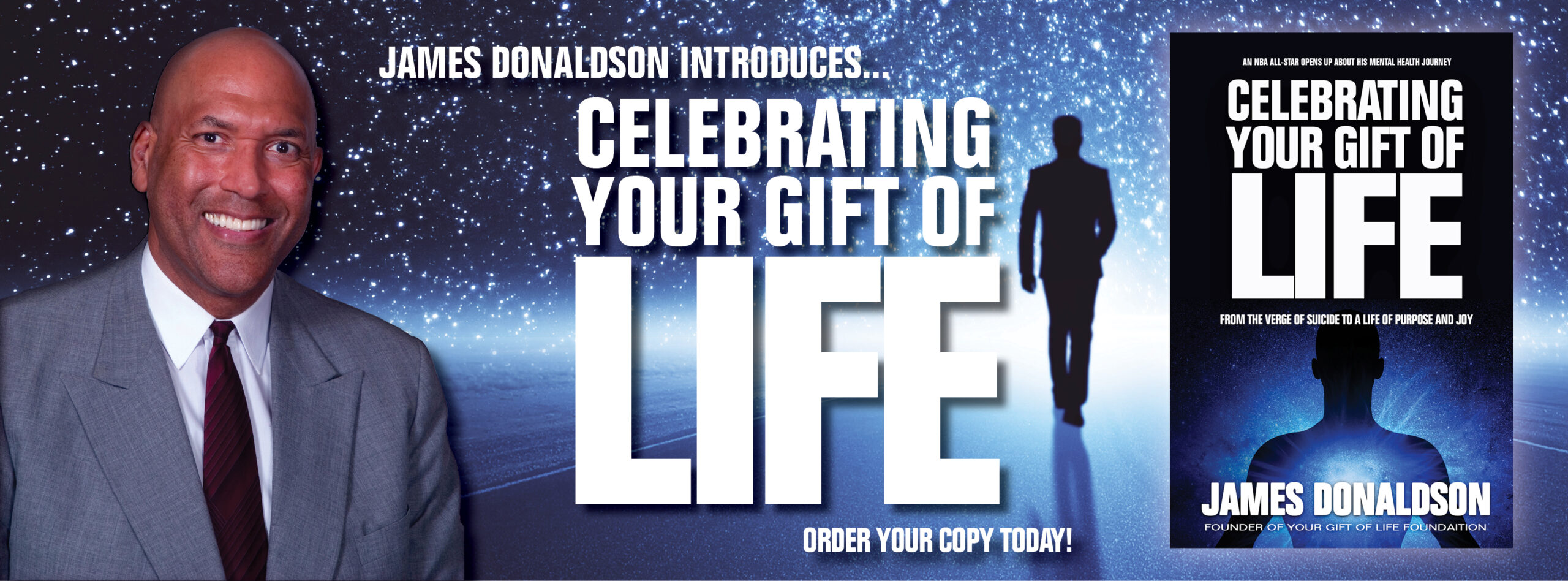
website www.yourgiftoflife.org Order your copy of James Donaldson's latest book,
#CelebratingYourGiftofLife: From The Verge of Suicide to a Life of Purpose and Joy


Book

www.celebratingyourgiftoflife.com

Living through another person’s suicide is a strangely different grief path than grief associated with the loss of someone due to illness, accident or aging. Not because it is any less significant, but because of the nature and stigma associated with mental illness and suicide. This can leave survivors with conflicting emotions and unanswered questions.


Almost two years into my journey of grief after the suicide of a close friend, this is some of what I have learned.


- Feel the emotions. The barrage of emotions from sadness, loss, guilt, anger, resentment and more can be overwhelming and leave a survivor feeling “less than” because they are angry with someone who took their own life. I’m here to tell you that you’re allowed to feel that way. Emotions do not follow any routine, and all emotions are valid, even anger and resentment. We, as human beings, try to make events in our lives make sense. But sometimes, they just don’t. Allowing ourselves to feel all the emotions is part of the healing process. On different days, I am sad my friend is not here to experience an important event and other days I am angry with him for not being here to experience it. My feelings do not diminish my friendship or love for him. It is my natural reaction to loss.
 

- Say it out loud. Whether this is with friends, family or a professional, say the events aloud and use the word “suicide.” Not talking about it does not make the event unhappen. It isolates the survivor and leaves them unable to process their feelings. Saying it aloud is not disrespectful to the person who is deceased. It is a step toward ending the stigma surrounding seeking mental health treatment and a step toward a survivor’s healing. Keeping it a secret breeds shame, isolation and guilt with no outlet.
 

- Don’t focus on one event. The decision to take one's own life does not happen in a second or a day. It is a process over time where a person has lost hope. Desmond Tutu is quoted as saying “Hope is being able to see that there is light despite all the darkness.” Being able to visualize positive change is a key component to hope. The loss of hope is an ongoing process resulting from decisions, life events, unaddressed mental health concerns, feelings of low self-worth, political events, health/pain, etc. It is the inability to see that any action will result in a positive change or a creation of light at the end of the tunnel. Loss of hope is not the result of one event. Instead, it is a compilation of events. A person not having hope is not always easy to see because they can put on a façade of being “fine.” Unfortunately, it is easy not to see all the pieces when we are in the storm.
 

- Don’t use shoulda/woulda/coulda thinking. Self-reflection after suicide is just that: reflection about the entire process. Are there things I wish I had said or done differently in the days before my friend’s death? Would they have made a difference? Although it is natural to have those thoughts, it does not bring our loved one back. Instead, use self-reflection as an opportunity to increase your self-awareness about mental illness, resources in the community, signs of suicide ideation and how you can advocate for awareness and prevention within your community. We cannot change the past, but our actions can create hope for others.
 

- Celebrate the person’s life. Your loved one is more than their death. They lived a life that deserves to be celebrated. For some, it is releasing balloons on a birthday, making a social media post, having a remembrance dinner, or just bringing them up in conversation and remembering something funny they did in the past. For me, it has been continuing to see movies we would have seen together and smiling about the numerous times I would’ve told him to quit talking through the movie.


https://standingabovethecrowd.com/jamesdonaldson-on-mentalhealth-what-ive-learned-about-grief-following-suicide/

Sunday, September 3, 2023

#JamesDonaldson On #MentalHealth – This September, Promise To Live
September is Suicide Prevention Awareness Month. The Promise to Live Pledge can help those struggling with mental health

By Kevin Guest

Prioritizing mental health and suicide prevention is a goal worth focusing on every day.

A few years ago, I experienced one of the most heart-wrenching moments a parent can face. I found myself in an emergency room, looking at my own child who had just attempted suicide. It was a brutal shock that left me questioning everything I thought I knew about my family’s mental health.

I’d spent my career at USANA Health Sciences, a company dedicated to promoting physical health. But in that sterile hospital room, it became painfully clear that we hadn’t given enough attention to mental health. The experience ignited in me a fierce determination to change this — for my family, my company and society at large.

#James Donaldson notes:Welcome to the “next chapter” of my life… being a voice and an advocate for #mentalhealthawarenessandsuicideprevention, especially pertaining to our younger generation of students and student-athletes.Getting men to speak up and reach out for help and assistance is one of my passions. Us men need to not suffer in silence or drown our sorrows in alcohol, hang out at bars and strip joints, or get involved with drug use.Having gone through a recent bout of #depression and #suicidalthoughts myself, I realize now, that I can make a huge difference in the lives of so many by sharing my story, and by sharing various resources I come across as I work in this space.  #http://bit.ly/JamesMentalHealthArticleFind out more about the work I do on my 501c3 non-profit foundationwebsite www.yourgiftoflife.org Order your copy of James Donaldson's latest book,#CelebratingYourGiftofLife: From The Verge of Suicide to a Life of Purpose and Joy

www.celebratingyourgiftoflife.com

As I navigated this crisis, therapy helped me understand the importance of openly addressing suicide. I had initially feared that discussing it would plant dangerous seeds in my child’s mind. However, my therapist made it clear that it’s not only OK but necessary to say the word “suicide” directly. Avoiding the topic can actually exacerbate feelings of isolation and despair.

Embracing this realization led me to the Promise to Live pledge. This pledge involves promising to reach out to trusted resources when struggling personally and sharing this commitment with others. It’s a proactive step toward prioritizing mental health and suicide prevention, embodying a promise to live, seek help when needed and encourage others to do the same.

At USANA Health Sciences, we’ve taken this pledge to heart. We’ve actively encouraged our associates to make this commitment because we believe that true health encompasses both body and mind. We must do more to understand and nurture our mental well-being, just as we do our physical health.

Professional therapy played a crucial role in my family’s journey. It’s not a sign of weakness, but a vital tool for managing mental health. It’s beneficial for those struggling with mental health issues and their loved ones alike. I still attend therapy and advocate for the normalization of mental health. Like treating a physical illness, seeking professional help for mental health should be seen as a standard, not a stigma.

Suicide Prevention Awareness Month is September, and World Suicide Prevention Day is Sept. 10, but the urgency to act is now. We can’t afford to wait until we’re personally affected by mental health issues or suicide. Taking the pledge at Promise2Live.org takes little time but can potentially save lives.

My call to action is simple: Let’s normalize conversations about mental health. Let’s remove the stigma surrounding therapy. Let’s make the promise to live. It’s not just about raising awareness; it’s about making a difference, one promise at a time.

Join us today at Promise2Live.org. Make your pledge, and together we can create a world where mental health is discussed, understood and prioritized. Because every life matters, and every promise brings us one step closer to a healthier, more compassionate world.
https://standingabovethecrowd.com/jamesdonaldson-on-mentalhealth-this-september-promise-to-live/

#JamesDonaldson On #MentalHealth – This September, Promise To Live

#JamesDonaldson On #MentalHealth – This September, Promise To Live

September is Suicide Prevention Awareness Month. The Promise to Live Pledge can help those struggling with mental health


By Kevin Guest


Prioritizing mental health and suicide prevention is a goal worth focusing on every day.Prioritizing mental health and suicide prevention is a goal worth focusing on every day.

A few years ago, I experienced one of the most heart-wrenching moments a parent can face. I found myself in an emergency room, looking at my own child who had just attempted suicide. It was a brutal shock that left me questioning everything I thought I knew about my family’s mental health.


I’d spent my career at USANA Health Sciences, a company dedicated to promoting physical health. But in that sterile hospital room, it became painfully clear that we hadn’t given enough attention to mental health. The experience ignited in me a fierce determination to change this — for my family, my company and society at large.


#James Donaldson notes:
Welcome to the “next chapter” of my life… being a voice and an advocate for #mentalhealthawarenessandsuicideprevention, especially pertaining to our younger generation of students and student-athletes.
Getting men to speak up and reach out for help and assistance is one of my passions. Us men need to not suffer in silence or drown our sorrows in alcohol, hang out at bars and strip joints, or get involved with drug use.
Having gone through a recent bout of #depression and #suicidalthoughts myself, I realize now, that I can make a huge difference in the lives of so many by sharing my story, and by sharing various resources I come across as I work in this space.
  #http://bit.ly/JamesMentalHealthArticle
Find out more about the work I do on my 501c3 non-profit foundation
website www.yourgiftoflife.org Order your copy of James Donaldson's latest book,
#CelebratingYourGiftofLife: From The Verge of Suicide to a Life of Purpose and Joy


Book

www.celebratingyourgiftoflife.com

As I navigated this crisis, therapy helped me understand the importance of openly addressing suicide. I had initially feared that discussing it would plant dangerous seeds in my child’s mind. However, my therapist made it clear that it’s not only OK but necessary to say the word “suicide” directly. Avoiding the topic can actually exacerbate feelings of isolation and despair.


Embracing this realization led me to the Promise to Live pledge. This pledge involves promising to reach out to trusted resources when struggling personally and sharing this commitment with others. It’s a proactive step toward prioritizing mental health and suicide prevention, embodying a promise to live, seek help when needed and encourage others to do the same.


At USANA Health Sciences, we’ve taken this pledge to heart. We’ve actively encouraged our associates to make this commitment because we believe that true health encompasses both body and mind. We must do more to understand and nurture our mental well-being, just as we do our physical health.


Professional therapy played a crucial role in my family’s journey. It’s not a sign of weakness, but a vital tool for managing mental health. It’s beneficial for those struggling with mental health issues and their loved ones alike. I still attend therapy and advocate for the normalization of mental health. Like treating a physical illness, seeking professional help for mental health should be seen as a standard, not a stigma.


Suicide Prevention Awareness Month is September, and World Suicide Prevention Day is Sept. 10, but the urgency to act is now. We can’t afford to wait until we’re personally affected by mental health issues or suicide. Taking the pledge at Promise2Live.org takes little time but can potentially save lives.


My call to action is simple: Let’s normalize conversations about mental health. Let’s remove the stigma surrounding therapy. Let’s make the promise to live. It’s not just about raising awareness; it’s about making a difference, one promise at a time.


Join us today at Promise2Live.org. Make your pledge, and together we can create a world where mental health is discussed, understood and prioritized. Because every life matters, and every promise brings us one step closer to a healthier, more compassionate world.


https://standingabovethecrowd.com/jamesdonaldson-on-mentalhealth-this-september-promise-to-live/

Saturday, September 2, 2023

#JamesDonaldson On #MentalHealth – Facing The #Black #SuicideCrisis
Saving lives requires ending the silence and erasing the #stigma around #mentalhealth in the #Blackcommunity

- Liz Courquet-Lesaulnier

On July 18, my brother Chris would have turned 59. But for him, there’s no blowing out the candles on a birthday cake, hugging his children and grandchildren, or sharing a selfie on #Instagram of him styling in his latest whip.

He died by suicide in January 2006 at the age of 41. 

The starkness of that statement may shock some folks. But given that July was Bebe Moore Campbell #NationalMinorityMentalHealthAwarenessMonth, there’s no time like the present to step away from #stigma and silence. 

Along with being an author and journalist, Moore was the co-founder of #NAMI Urban LA, the Los Angeles chapter of #NAMI, the #NationalAllianceonMentalIllness. #NAMI acknowledges that it’s uncomfortable and frightening to talk about #mentalhealth and #suicide, but doing so enables people to get help and “avoid devastating consequences.”

“#Suicidalthoughts are a symptom, just like any other — they can be treated, and they can improve over time.” - #NationalAllianceonMentalIllness (#NAMI)

According to #NAMI, 21.4% of #Black folks — roughly 1 in 5 — experience mental illness annually. But, only 39.4% of #Black people who experience #mentalillness get treated for it. 

A lack of health insurance — and the unaffordability of out-of-pocket care — is certainly a part of this, as is a lack of culturally competent #therapists or living in a healthcare desert. And, ahem, #therapists are less likely to call back a person with a #Black-sounding name than a #white one.

There’s also the reality that, in a survey, #NAMI California found that only 12.5% of #Black folks said they’re comfortable talking to close friends, family, and community members about their or a loved one’s #mentalhealth. 

That pressure to keep quiet about #mentalhealthchallenges is the result of #stigma. Research shows that “63% of #Black people believe that a #mentalhealthcondition is a sign of personal weakness,” according to #NAMI California.

In 2005, the year before my brother died, Bebe Moore Campbell called for “a national campaign to destigmatize #mentalillness, especially one targeted toward #AfricanAmericans.” 

With that in mind, tiptoeing around our need for #mentalhealthcare — and the need to address the high rates of #suicide that are devastating the #Blackcommunity — won’t help our loved ones get the care and support they need.  

#James Donaldson notes:Welcome to the “next chapter” of my life… being a voice and an advocate for #mentalhealthawarenessandsuicideprevention, especially pertaining to our younger generation of students and student-athletes.Getting men to speak up and reach out for help and assistance is one of my passions. Us men need to not suffer in silence or drown our sorrows in alcohol, hang out at bars and strip joints, or get involved with drug use.Having gone through a recent bout of #depression and #suicidalthoughts myself, I realize now, that I can make a huge difference in the lives of so many by sharing my story, and by sharing various resources I come across as I work in this space.  #http://bit.ly/JamesMentalHealthArticleFind out more about the work I do on my 501c3 non-profit foundationwebsite www.yourgiftoflife.org Order your copy of James Donaldson's latest book,#CelebratingYourGiftofLife: From The Verge of Suicide to a Life of Purpose and Joy

www.celebratingyourgiftoflife.com

A Snapshot of the #Black #SuicideCrisis

In April, a report by the #CentersforDiseaseControlandPrevention’s National Center for Health Statistics revealed that between 2016 and 2020, #Black folks had the highest rate of visits to an #emergencyroom due to #suicidalideation — meaning our loved ones had been thinking about, considering, or planning #suicide.

#CDC data also reveals that between 2018-2021, #suiciderates jumped 36.6% for #Black #youth aged 10–24 years. For #Black folks aged 25–44 years, there was a 22.9% increase. 

Keep in mind these statistics aren’t just numbers. These are people. Heartbreakingly, there’s more.

A report released in February from The #TrevorProject found that in 2022, 25% of #Black #transgender and nonbinary young people reported a #suicideattempt in the past year. 

In addition, in 2018, the most recent year of federal data, #suicide was the fourth leading cause of death for #Black #men aged 44 and under. In 2020, it was the top cause of death for #Black #girls aged 12-14.

No demographic of #Black folks goes unscathed. 

What’s Causing the Uptick?

My slightly sarcastic response? Because #racism. 

The #NAMI California website explains that “being treated or perceived as ‘less than’ because of the color of your skin can be stressful and even traumatizing. Additionally, members of the #Blackcommunity face structural challenges accessing the care and treatment they need.”

The #NationalInstitutesofHealth says that “stressful life events (such as the loss of a loved one, legal troubles, or #financial difficulties) and interpersonal stressors (such as shame, harassment, #bullying, discrimination, or relationship troubles) may contribute to #suiciderisk.” 

I suppose being incarcerated qualifies as a “stressful life event” because being behind bars takes a significant #mentalhealth toll on folks who are or have been locked up.

My brother had struggled with severe #mentalhealthissues and addiction since his #teen years, which led — as is the case for too many #Black folks — to incarceration. Twenty-five years in and out of various prisons for petty crimes — crimes committed to get money for drugs. 

A study led by University of Michigan researchers found that “#AfricanAmerican #men who have spent time behind bars show worse #mentalhealthconditions compared with men of the same race with no history of incarceration.” The researchers found that “psychological costs of incarceration do not end when the individual is released.”

My brother was paroled from prison a few months before his death. Having to check the box on a job application saying he had a criminal record meant he could only get a job at a meat packing plant. 

Holding on to a job in the Detroit area — a part of the nation that was feeling the economic downturn before the Great Recession hit the rest of us — wasn’t easy for him. He got laid off from the meat packing plant, and after that, he got laid off from a poultry slaughtering plant. He was let go right before Christmas 2005. Less than a month later, in January 2006, our family changed forever. 

Free or Low-Cost Help Is Available

This doesn’t have to be the fate of our loved ones. As #NAMI puts it: “#Suicidalthoughts are a symptom, just like any other — they can be treated, and they can improve over time.”

What gives me hope is there are so many resources now that didn’t exist in 2006 — particularly for #Black #men — when my brother was struggling. 

First, if you are having thoughts of #suicide:

- Call #911.

- Call the #988Suicide&CrisisLifeline for 24/7 free and confidential support. 

- Text the #CrisisTextLine, which provides free, 24/7, confidential support through text messages to people in crisis when they dial 741741.  

#NAMI’s website is packed full of free resources — including what is probably the most comprehensive free help directory out there regarding #mentalhealth. Connecting with a #NAMI chapter and getting support and assistance for yourself or a loved one is also completely free. 

- You can call #NAMI Monday-Friday, 10 a.m. – 10 p.m. ET at 800-950-#NAMI (6264).

- Text them at 62640. 

- Email them at helpline@nami.org.

You can find a #therapist in your area on psychologytoday.com. There are also #Black-centered directories like Therapy For #Black #Girls, Therapy For #Black #Men, Open Path, and Melanin and #MentalHealth that can help, as well as #Black #mentalhealthprofessionals destigmatizing #mentalillness on #socialmedia and sharing tips and free resources. 

All these resources remind me of this truth: The surest way to combat this crisis is through open dialogue within the #Blackcommunity. We can create an environment where it’s OK to seek help. As #NAMI puts it, “Let’s break down #stigma so no one struggles in silence.”
https://standingabovethecrowd.com/jamesdonaldson-on-mentalhealth-facing-the-black-suicidecrisis/

#JamesDonaldson On #MentalHealth – Facing The #Black #SuicideCrisis

#JamesDonaldson On #MentalHealth – Facing The #Black #SuicideCrisis

Saving lives requires ending the silence and erasing the #stigma around #mentalhealth in the #Blackcommunity


- Liz Courquet-Lesaulnier

On July 18, my brother Chris would have turned 59. But for him, there’s no blowing out the candles on a birthday cake, hugging his children and grandchildren, or sharing a selfie on #Instagram of him styling in his latest whip.


He died by suicide in January 2006 at the age of 41. 


The starkness of that statement may shock some folks. But given that July was Bebe Moore Campbell #NationalMinorityMentalHealthAwarenessMonth, there’s no time like the present to step away from #stigma and silence. 


Along with being an author and journalist, Moore was the co-founder of #NAMI Urban LA, the Los Angeles chapter of #NAMI, the #NationalAllianceonMentalIllness. #NAMI acknowledges that it’s uncomfortable and frightening to talk about #mentalhealth and #suicide, but doing so enables people to get help and “avoid devastating consequences.”


“#Suicidalthoughts are a symptom, just like any other — they can be treated, and they can improve over time.” - #NationalAllianceonMentalIllness (#NAMI)


According to #NAMI, 21.4% of #Black folks — roughly 1 in 5 — experience mental illness annually. But, only 39.4% of #Black people who experience #mentalillness get treated for it. 


A lack of health insurance — and the unaffordability of out-of-pocket care — is certainly a part of this, as is a lack of culturally competent #therapists or living in a healthcare desert. And, ahem, #therapists are less likely to call back a person with a #Black-sounding name than a #white one.


There’s also the reality that, in a survey, #NAMI California found that only 12.5% of #Black folks said they’re comfortable talking to close friends, family, and community members about their or a loved one’s #mentalhealth. 


That pressure to keep quiet about #mentalhealthchallenges is the result of #stigma. Research shows that “63% of #Black people believe that a #mentalhealthcondition is a sign of personal weakness,” according to #NAMI California.


In 2005, the year before my brother died, Bebe Moore Campbell called for “a national campaign to destigmatize #mentalillness, especially one targeted toward #AfricanAmericans.” 


With that in mind, tiptoeing around our need for #mentalhealthcare — and the need to address the high rates of #suicide that are devastating the #Blackcommunity — won’t help our loved ones get the care and support they need.  


#James Donaldson notes:
Welcome to the “next chapter” of my life… being a voice and an advocate for #mentalhealthawarenessandsuicideprevention, especially pertaining to our younger generation of students and student-athletes.
Getting men to speak up and reach out for help and assistance is one of my passions. Us men need to not suffer in silence or drown our sorrows in alcohol, hang out at bars and strip joints, or get involved with drug use.
Having gone through a recent bout of #depression and #suicidalthoughts myself, I realize now, that I can make a huge difference in the lives of so many by sharing my story, and by sharing various resources I come across as I work in this space.
  #http://bit.ly/JamesMentalHealthArticle
Find out more about the work I do on my 501c3 non-profit foundation
website www.yourgiftoflife.org Order your copy of James Donaldson's latest book,
#CelebratingYourGiftofLife: From The Verge of Suicide to a Life of Purpose and Joy


Book

www.celebratingyourgiftoflife.com

A Snapshot of the #Black #SuicideCrisis


In April, a report by the #CentersforDiseaseControlandPrevention’s National Center for Health Statistics revealed that between 2016 and 2020, #Black folks had the highest rate of visits to an #emergencyroom due to #suicidalideation — meaning our loved ones had been thinking about, considering, or planning #suicide.


#CDC data also reveals that between 2018-2021, #suiciderates jumped 36.6% for #Black #youth aged 10–24 years. For #Black folks aged 25–44 years, there was a 22.9% increase. 


Keep in mind these statistics aren’t just numbers. These are people. Heartbreakingly, there’s more.


A report released in February from The #TrevorProject found that in 2022, 25% of #Black #transgender and nonbinary young people reported a #suicideattempt in the past year. 


In addition, in 2018, the most recent year of federal data, #suicide was the fourth leading cause of death for #Black #men aged 44 and under. In 2020, it was the top cause of death for #Black #girls aged 12-14.


No demographic of #Black folks goes unscathed. 


What’s Causing the Uptick?


My slightly sarcastic response? Because #racism. 


The #NAMI California website explains that “being treated or perceived as ‘less than’ because of the color of your skin can be stressful and even traumatizing. Additionally, members of the #Blackcommunity face structural challenges accessing the care and treatment they need.”


The #NationalInstitutesofHealth says that “stressful life events (such as the loss of a loved one, legal troubles, or #financial difficulties) and interpersonal stressors (such as shame, harassment, #bullying, discrimination, or relationship troubles) may contribute to #suiciderisk.” 


I suppose being incarcerated qualifies as a “stressful life event” because being behind bars takes a significant #mentalhealth toll on folks who are or have been locked up.


My brother had struggled with severe #mentalhealthissues and addiction since his #teen years, which led — as is the case for too many #Black folks — to incarceration. Twenty-five years in and out of various prisons for petty crimes — crimes committed to get money for drugs. 


A study led by University of Michigan researchers found that “#AfricanAmerican #men who have spent time behind bars show worse #mentalhealthconditions compared with men of the same race with no history of incarceration.” The researchers found that “psychological costs of incarceration do not end when the individual is released.”


My brother was paroled from prison a few months before his death. Having to check the box on a job application saying he had a criminal record meant he could only get a job at a meat packing plant. 


Holding on to a job in the Detroit area — a part of the nation that was feeling the economic downturn before the Great Recession hit the rest of us — wasn’t easy for him. He got laid off from the meat packing plant, and after that, he got laid off from a poultry slaughtering plant. He was let go right before Christmas 2005. Less than a month later, in January 2006, our family changed forever. 


Free or Low-Cost Help Is Available


This doesn’t have to be the fate of our loved ones. As #NAMI puts it: “#Suicidalthoughts are a symptom, just like any other — they can be treated, and they can improve over time.”


What gives me hope is there are so many resources now that didn’t exist in 2006 — particularly for #Black #men — when my brother was struggling. 


First, if you are having thoughts of #suicide:


- Call #911.

- Call the #988Suicide&CrisisLifeline for 24/7 free and confidential support. 

- Text the #CrisisTextLine, which provides free, 24/7, confidential support through text messages to people in crisis when they dial 741741.  

#NAMI’s website is packed full of free resources — including what is probably the most comprehensive free help directory out there regarding #mentalhealth. Connecting with a #NAMI chapter and getting support and assistance for yourself or a loved one is also completely free. 


- You can call #NAMI Monday-Friday, 10 a.m. – 10 p.m. ET at 800-950-#NAMI (6264).

- Text them at 62640. 

- Email them at helpline@nami.org.

You can find a #therapist in your area on psychologytoday.com. There are also #Black-centered directories like Therapy For #Black #Girls, Therapy For #Black #Men, Open Path, and Melanin and #MentalHealth that can help, as well as #Black #mentalhealthprofessionals destigmatizing #mentalillness on #socialmedia and sharing tips and free resources. 


All these resources remind me of this truth: The surest way to combat this crisis is through open dialogue within the #Blackcommunity. We can create an environment where it’s OK to seek help. As #NAMI puts it, “Let’s break down #stigma so no one struggles in silence.”


https://standingabovethecrowd.com/jamesdonaldson-on-mentalhealth-facing-the-black-suicidecrisis/

Friday, September 1, 2023

#JamesDonaldson On #MentalHealth - Lesson Of The Day: ‘“It’s Life Or Death”: The #MentalHealthCrisis Among U.S. #Teens’
In this lesson, #students will learn about the factors that may be contributing to a decline in #mentalhealth among #teenagers and discuss what can be done to address it.

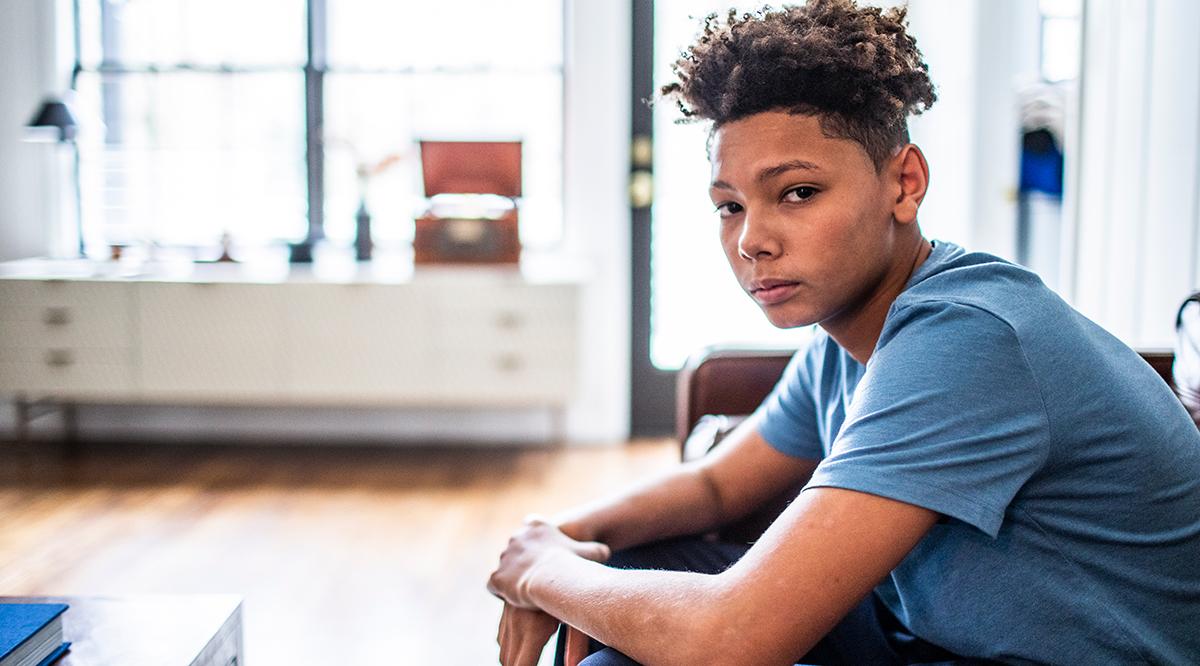
M, who has a diagnosis of #depression, has found some joy in walking in the forest near home.

By Natalie Proulx

Please note: This lesson is part of a larger unit on #mentalhealth, which also includes a writing prompt, a film and a graph discussion. #Teachers, please preview these resources to make sure they are appropriate for your #students.

#Students, if you are having thoughts of #suicide, call the #NationalSuicidePreventionLifeline at 800-273-8255 (TALK), call 911, go to the emergency room, get help from an #adult or go to speakingofsuicide.com/resources for a list of additional resources. Go here for resources outside the #UnitedStates.

Lesson Overview

Featured Article: “‘It’s Life or Death’: The #MentalHealthCrisis Among U.S. #Teens” by Matt Richtel, Photographs by Annie Flanagan

“#American #adolescence is undergoing a drastic change,” Matt Richtel writes. “Three decades ago, the gravest public health threats to #teenagers in the #UnitedStates came from binge drinking, drunken driving, #teenage pregnancy and smoking. These have since fallen sharply, replaced by a new public health concern: soaring rates of #mentalhealthdisorders.”

Mr. Richtel spent more than a year interviewing #teenagers, their families and #mentalhealth and #childhood development experts about the #mentalhealthcrisis among #adolescents that numerous hospital and #doctor groups have called “a national emergency.” The result is a multipart Times project called “The Inner #Pandemic.”

In this lesson, you’ll read the main article from the project that reports on the crisis through the story of one 13-year-old named M. Then we invite you to reflect on your thoughts and feelings about the state of #mentalhealth in #teenagers today and put together an emotional wellness tool kit for when you are struggling.

Warm-Up

When it comes to your #mentalhealth, how are you doing? Take a few minutes to write privately about how you have been feeling — mentally and emotionally — lately.

Next, look carefully at these graphs, which were created based on data, gathered by the #CentersforDiseaseControlandPrevention, from extensive surveys of more than 10,000 U. S. #highschoolstudents from public and private #schools across the country.

#CentersforDiseaseControlandPrevention #HighSchool #Youth Risk #Behavior Survey

Then, reflect on your own in writing, or discuss with your classmates:

- What do you notice in these graphs? What do you wonder?

- Taken together, what story do these graphs tell about #mentalhealth among #adolescents today?

- Do these graphs reflect your own experience or that of your peers? Do any of them surprise you?

- What do you think are some possible explanations for this data?

Questions for Writing and Discussion

Read the article, then answer the questions below.

(Note to #teachers: If you’re doing this in a classroom context, you might jigsaw this article. All #students should read and respond to the questions for Section 1. Then assign individuals or small groups to read each of the other three sections and answer the corresponding questions.)

Section 1: Introduction

1. The article says, “In December, in a rare public advisory, the U.S. surgeon general warned of a ‘devastating’ #mentalhealthcrisis among #adolescents.” What are two pieces of evidence in the introduction that demonstrate that #mentalhealth among #adolescents is a national crisis? Do you agree with this assessment?

2. What questions does this decline in #mentalhealth raise for you?

Section 2: ‘A typical outpatient’

3. The age of puberty onset has dropped markedly over the last century. How might this shift be contributing to the #adolescent #mentalhealthcrisis, according to experts?

4. What are at least four ways #adolescence is different today than in past generations? How do experts explain these changes? What do you think are some possible explanations? What questions do you have?

Section 3: ‘A virtual crush’ and ‘Elaniv’

5. Emily Pluhar, a child and #adolescent #psychologist at Harvard, said that “the challenge and the progress” of modern #adolescence “is there are so many types of identity.” In what ways might having so many choices be progress? In what ways might it be a challenge?

6. The article says, “Health experts note that, for all its weight, the #adolescent crisis at least is unfolding in a more accepting environment.” Do you agree that people today are more accepting of #mentalhealthchallenges? Give an example from the article, or from your own experience, to support your opinion.

7. Experts say a rise in #loneliness is a key factor of declining #mentalhealth. Why do you think #teenagers today are lonely? Do you agree with Bonnie Nagel, a #psychologist at the Oregon Health & Science University, who believes that #socialmedia is part of the problem?

Section 4: ‘The #pandemic factor’ and ‘Into the forest’

8. The article tells the story of the #mentalhealthcrisis through M, a 13-year-old who has experienced severe #depression, self-harm and a #suicideattempt. Why do you think the author chose to write the article this way? How does M’s story help us better understand what young people today are going through as well as what might help them? Do you relate to any part of M’s experience?

9. Media Literacy: At the end of the article, there is a note about how the reporter, Mr. Richtel, spoke with #adolescents and #parents for this series. Why did he approach this story differently than he might have other stories? Do you think The Times made the right choice in granting these young people anonymity, given the paper’s high bar for that?

#James Donaldson notes:Welcome to the “next chapter” of my life… being a voice and an advocate for #mentalhealthawarenessandsuicideprevention, especially pertaining to our younger generation of students and student-athletes.Getting men to speak up and reach out for help and assistance is one of my passions. Us men need to not suffer in silence or drown our sorrows in alcohol, hang out at bars and strip joints, or get involved with drug use.Having gone through a recent bout of #depression and #suicidalthoughts myself, I realize now, that I can make a huge difference in the lives of so many by sharing my story, and by sharing various resources I come across as I work in this space.  #http://bit.ly/JamesMentalHealthArticleFind out more about the work I do on my 501c3 non-profit foundationwebsite www.yourgiftoflife.org Order your copy of James Donaldson's latest book,#CelebratingYourGiftofLife: From The Verge of Suicide to a Life of Purpose and Joy

www.celebratingyourgiftoflife.com

Going Further

Option 1: Discuss and reflect.

On your own in writing, or in discussion with your classmates, respond to the following questions. (If you read this in a jigsaw format, form a small group with #students who read the sections you didn’t to share what you learned.):

- What are the factors that may be contributing to the #mentalhealthcrisis among #teenagers, according to the article? Are there any other factors that you think are missing? If the reporter were to interview you and your classmates, what additional insights would you offer?

- Overall, how accurate a picture do you think this article gives about the state of #mentalhealth among young people today? What in the article resonated with your experience? Is there anything you disagreed with? What questions do you still have?

- How do you cope with #anxiety, #stress and other challenges? What practices or habits help improve your #mentalhealth?

- What do you think #adults in power, like politicians and #school administrators, should do to address the #mentalhealthcrisis among young people?

You can share your thoughts and read other #teenagers’ responses to these questions and more on our related writing prompt.

Worried Sick: A Journey Into the Anxious #Teenage Mind Why are so many #American #teenagers feeling anxious, depressed and even suicidal? Our video looks at the science behind the #teen #mentalhealthcrisis.

“Worried Sick: A Journey Into the Anxious #Teenage Mind” is a 15-minute film that delves into the science behind the crisis: Why are #depression, #self-harm and #suicide rising among #American #adolescents? What role do factors like #socialmedia, the early onset of puberty and the #coronavirus #pandemic play in this crisis? What can be done to address it?

Watch the film and then participate in our Film Club to discuss with other #teenagers the emotions, messages and ideas that you took away from the documentary.

Option 3: Create a #mentalhealth tool kit.

Learning about the #teenage #mentalhealthcrisis can feel overwhelming. But it’s important to remember, experts say, that #suicide is preventable, and #mentalhealthdisorders, such as #self-harm, #depression and #anxiety, are treatable.

How can you help keep yourself mentally healthy? How can you be prepared if you notice you are struggling and need help? Try creating a #mentalhealth tool kit that includes coping strategies, links to #mentalhealthresources and a list of #adults you feel comfortable talking to. You might make a kit just for yourself or crowdsource ideas with your class that could help many #students.

Here are some ideas, along with Times articles where you can find more information:

For coping mechanisms you can use in the moment, check out these articles for ideas on how to handle #anxiety, #stress, anger, sadness and more:

- How to Help #Teens Struggling With #MentalHealth

- Dear #Teenagers, Here’s How to Protect Your Emotional Well-Being

- How to Help #Teens Weather Their Emotional Storms

- #Teenagers, #Anxiety Can Be Your Friend

- How to Help #Teenagers Embrace #Stress

- How #Teens Use Downtime to Connect, Distract or Reflect

For strategies that can keep you mentally healthy, like getting enough sleep, meditating or exercising, here are a few resources:

- How to Get a Better Night’s Sleep

- How to Be Happy

- 7 Guided Meditations for Uncertain Times

- Really, Really Short Workouts

- This Year, Try Spring Cleaning Your Brain

Here are some people and places you might turn to when you are in crisis. Include names and contact information for each.

- An adult you trust and feel comfortable talking to, such as a #parent, family member, friend or #teacher.

- Your school’s #nurse, #counselor or #socialworker.

- Your #therapist or #doctor.

- Resources and help lines you can call or text when you are in crisis. You can find a list at SpeakingofSuicide.com/resources. The #NationalAllianceonMentalIllness has information on other types of #mentalhealthcrisis services.
https://standingabovethecrowd.com/jamesdonaldson-on-mentalhealth-lesson-of-the-day-its-life-or-death-the-mentalhealthcrisis-among-u-s-teens/

#JamesDonaldson On #MentalHealth - Lesson Of The Day: ‘“It’s Life Or Death”: The #MentalHealthCrisis Among U.S. #Teens’

#JamesDonaldson On #MentalHealth - Lesson Of The Day: ‘“It’s Life Or Death”: The #MentalHealthCrisis Among U.S. #Teens’

In this lesson, #students will learn about the factors that may be contributing to a decline in #mentalhealth among #teenagers and discuss what can be done to address it.


M, who has a diagnosis of depression, has found some joy in walking in the forest near home.M, who has a diagnosis of #depression, has found some joy in walking in the forest near home.

Natalie Proulx

By Natalie Proulx


Please note: This lesson is part of a larger unit on #mentalhealth, which also includes a writing prompt, a film and a graph discussion. #Teachers, please preview these resources to make sure they are appropriate for your #students.


#Students, if you are having thoughts of #suicide, call the #NationalSuicidePreventionLifeline at 800-273-8255 (TALK), call 911, go to the emergency room, get help from an #adult or go to speakingofsuicide.com/resources for a list of additional resources. Go here for resources outside the #UnitedStates.


Lesson Overview


Featured Article: “‘It’s Life or Death’: The #MentalHealthCrisis Among U.S. #Teens” by Matt Richtel, Photographs by Annie Flanagan


“#American #adolescence is undergoing a drastic change,” Matt Richtel writes. “Three decades ago, the gravest public health threats to #teenagers in the #UnitedStates came from binge drinking, drunken driving, #teenage pregnancy and smoking. These have since fallen sharply, replaced by a new public health concern: soaring rates of #mentalhealthdisorders.”


Mr. Richtel spent more than a year interviewing #teenagers, their families and #mentalhealth and #childhood development experts about the #mentalhealthcrisis among #adolescents that numerous hospital and #doctor groups have called “a national emergency.” The result is a multipart Times project called “The Inner #Pandemic.”


In this lesson, you’ll read the main article from the project that reports on the crisis through the story of one 13-year-old named M. Then we invite you to reflect on your thoughts and feelings about the state of #mentalhealth in #teenagers today and put together an emotional wellness tool kit for when you are struggling.


Warm-Up


When it comes to your #mentalhealth, how are you doing? Take a few minutes to write privately about how you have been feeling — mentally and emotionally — lately.


Next, look carefully at these graphs, which were created based on data, gathered by the #CentersforDiseaseControlandPrevention, from extensive surveys of more than 10,000 U. S. #highschoolstudents from public and private #schools across the country.


#CentersforDiseaseControlandPrevention #HighSchool #Youth Risk #Behavior Survey


Then, reflect on your own in writing, or discuss with your classmates:


- What do you notice in these graphs? What do you wonder?

- Taken together, what story do these graphs tell about #mentalhealth among #adolescents today?

- Do these graphs reflect your own experience or that of your peers? Do any of them surprise you?

- What do you think are some possible explanations for this data?

Questions for Writing and Discussion


Read the article, then answer the questions below.


(Note to #teachers: If you’re doing this in a classroom context, you might jigsaw this article. All #students should read and respond to the questions for Section 1. Then assign individuals or small groups to read each of the other three sections and answer the corresponding questions.)


Section 1: Introduction


1. The article says, “In December, in a rare public advisory, the U.S. surgeon general warned of a ‘devastating’ #mentalhealthcrisis among #adolescents.” What are two pieces of evidence in the introduction that demonstrate that #mentalhealth among #adolescents is a national crisis? Do you agree with this assessment?


2. What questions does this decline in #mentalhealth raise for you?


Section 2: ‘A typical outpatient’


3. The age of puberty onset has dropped markedly over the last century. How might this shift be contributing to the #adolescent #mentalhealthcrisis, according to experts?


4. What are at least four ways #adolescence is different today than in past generations? How do experts explain these changes? What do you think are some possible explanations? What questions do you have?


Section 3: ‘A virtual crush’ and ‘Elaniv’


5. Emily Pluhar, a child and #adolescent #psychologist at Harvard, said that “the challenge and the progress” of modern #adolescence “is there are so many types of identity.” In what ways might having so many choices be progress? In what ways might it be a challenge?


6. The article says, “Health experts note that, for all its weight, the #adolescent crisis at least is unfolding in a more accepting environment.” Do you agree that people today are more accepting of #mentalhealthchallenges? Give an example from the article, or from your own experience, to support your opinion.


7. Experts say a rise in #loneliness is a key factor of declining #mentalhealth. Why do you think #teenagers today are lonely? Do you agree with Bonnie Nagel, a #psychologist at the Oregon Health & Science University, who believes that #socialmedia is part of the problem?


Section 4: ‘The #pandemic factor’ and ‘Into the forest’


8. The article tells the story of the #mentalhealthcrisis through M, a 13-year-old who has experienced severe #depression, self-harm and a #suicideattempt. Why do you think the author chose to write the article this way? How does M’s story help us better understand what young people today are going through as well as what might help them? Do you relate to any part of M’s experience?


9. Media Literacy: At the end of the article, there is a note about how the reporter, Mr. Richtel, spoke with #adolescents and #parents for this series. Why did he approach this story differently than he might have other stories? Do you think The Times made the right choice in granting these young people anonymity, given the paper’s high bar for that?


#James Donaldson notes:
Welcome to the “next chapter” of my life… being a voice and an advocate for #mentalhealthawarenessandsuicideprevention, especially pertaining to our younger generation of students and student-athletes.
Getting men to speak up and reach out for help and assistance is one of my passions. Us men need to not suffer in silence or drown our sorrows in alcohol, hang out at bars and strip joints, or get involved with drug use.
Having gone through a recent bout of #depression and #suicidalthoughts myself, I realize now, that I can make a huge difference in the lives of so many by sharing my story, and by sharing various resources I come across as I work in this space.
  #http://bit.ly/JamesMentalHealthArticle
Find out more about the work I do on my 501c3 non-profit foundation
website www.yourgiftoflife.org Order your copy of James Donaldson's latest book,
#CelebratingYourGiftofLife: From The Verge of Suicide to a Life of Purpose and Joy


Book

www.celebratingyourgiftoflife.com


Going Further


Option 1: Discuss and reflect.


On your own in writing, or in discussion with your classmates, respond to the following questions. (If you read this in a jigsaw format, form a small group with #students who read the sections you didn’t to share what you learned.):


- What are the factors that may be contributing to the #mentalhealthcrisis among #teenagers, according to the article? Are there any other factors that you think are missing? If the reporter were to interview you and your classmates, what additional insights would you offer?

- Overall, how accurate a picture do you think this article gives about the state of #mentalhealth among young people today? What in the article resonated with your experience? Is there anything you disagreed with? What questions do you still have?

- How do you cope with #anxiety, #stress and other challenges? What practices or habits help improve your #mentalhealth?

- What do you think #adults in power, like politicians and #school administrators, should do to address the #mentalhealthcrisis among young people?

You can share your thoughts and read other #teenagers’ responses to these questions and more on our related writing prompt.


Worried Sick: A Journey Into the Anxious #Teenage Mind Why are so many #American #teenagers feeling anxious, depressed and even suicidal? Our video looks at the science behind the #teen #mentalhealthcrisis.


“Worried Sick: A Journey Into the Anxious #Teenage Mind” is a 15-minute film that delves into the science behind the crisis: Why are #depression, #self-harm and #suicide rising among #American #adolescents? What role do factors like #socialmedia, the early onset of puberty and the #coronavirus #pandemic play in this crisis? What can be done to address it?


Watch the film and then participate in our Film Club to discuss with other #teenagers the emotions, messages and ideas that you took away from the documentary.


Option 3: Create a #mentalhealth tool kit.


Learning about the #teenage #mentalhealthcrisis can feel overwhelming. But it’s important to remember, experts say, that #suicide is preventable, and #mentalhealthdisorders, such as #self-harm, #depression and #anxiety, are treatable.


How can you help keep yourself mentally healthy? How can you be prepared if you notice you are struggling and need help? Try creating a #mentalhealth tool kit that includes coping strategies, links to #mentalhealthresources and a list of #adults you feel comfortable talking to. You might make a kit just for yourself or crowdsource ideas with your class that could help many #students.


Here are some ideas, along with Times articles where you can find more information:


For coping mechanisms you can use in the moment, check out these articles for ideas on how to handle #anxiety, #stress, anger, sadness and more:


- How to Help #Teens Struggling With #MentalHealth

- Dear #Teenagers, Here’s How to Protect Your Emotional Well-Being

- How to Help #Teens Weather Their Emotional Storms

- #Teenagers, #Anxiety Can Be Your Friend

- How to Help #Teenagers Embrace #Stress

- How #Teens Use Downtime to Connect, Distract or Reflect

For strategies that can keep you mentally healthy, like getting enough sleep, meditating or exercising, here are a few resources:


- How to Get a Better Night’s Sleep

- How to Be Happy

- 7 Guided Meditations for Uncertain Times

- Really, Really Short Workouts

- This Year, Try Spring Cleaning Your Brain

Here are some people and places you might turn to when you are in crisis. Include names and contact information for each.


- An adult you trust and feel comfortable talking to, such as a #parent, family member, friend or #teacher.

- Your school’s #nurse, #counselor or #socialworker.

- Your #therapist or #doctor.

- Resources and help lines you can call or text when you are in crisis. You can find a list at SpeakingofSuicide.com/resources. The #NationalAllianceonMentalIllness has information on other types of #mentalhealthcrisis services.


https://standingabovethecrowd.com/jamesdonaldson-on-mentalhealth-lesson-of-the-day-its-life-or-death-the-mentalhealthcrisis-among-u-s-teens/