Friday, October 4, 2024

James Donaldson on Mental Health - Mental health officials share resources, services for suicide prevention month

James Donaldson on Mental Health - Mental health officials share resources, services for suicide prevention month

by Shawnia Butler


FLORENCE, SC (WPDE) — Mental health conditions and suicidal thoughts can impact anyone, regardless of age, gender or background.


September is Suicide Prevention Month, a time to raise awareness, spread hope and share lifesaving resources to those who need it.


Healthcare professionals across the Pee Dee are spotlighting counseling services, hotline numbers and warning signs that your loved ones may be struggling with their mental health.


Studies from the Centers for Disease Control and Prevention (CDC) show that suicide is one of the leading causes of death in the U.S.


ABC15 spoke with representatives at the Pee Dee Mental Health Center, and Susan Carter said signs you can look for vary but it's important to know how to spot them.


Carter said sudden use or abuse of alcohol or drugs can be an indication a person may be having suicidal thoughts. Other warning signs can include isolation and withdrawal from daily activities.


Definitely medication can help with feelings of depression, but in terms of dealing with the stressors that cause the person to consider suicide counseling is very helpful and helping them come up with solutions to their crisis and to their.. to help them cope day to day living," said Carter.


Carter said loved ones saying their "goodbyes", having behavioral changes and giving away personal belongings can also pose as indicators a person is suicidal.


Professionals encourage anyone struggling to seek help as early as possible. Once medical providers can analyze the problem, they can seek proper care and treatment for the individual.


We can’t rule out the risk of suicide for anyone individual, and to always be alert both to our loved ones ourselves and to people we interact with to look for these warning signs," said Carter.


If you or anyone you know may be contemplating suicide, mental health care professionals encourage you to let them know help is always available.


#James Donaldson notes:
Welcome to the “next chapter” of my life… being a voice and an advocate for #mentalhealthawarenessandsuicideprevention, especially pertaining to our younger generation of students and student-athletes.
Getting men to speak up and reach out for help and assistance is one of my passions. Us men need to not suffer in silence or drown our sorrows in alcohol, hang out at bars and strip joints, or get involved with drug use.
Having gone through a recent bout of #depression and #suicidalthoughts myself, I realize now, that I can make a huge difference in the lives of so many by sharing my story, and by sharing various resources I come across as I work in this space.
  #http://bit.ly/JamesMentalHealthArticle
Find out more about the work I do on my 501c3 non-profit foundation
website www.yourgiftoflife.org Order your copy of James Donaldson's latest book,
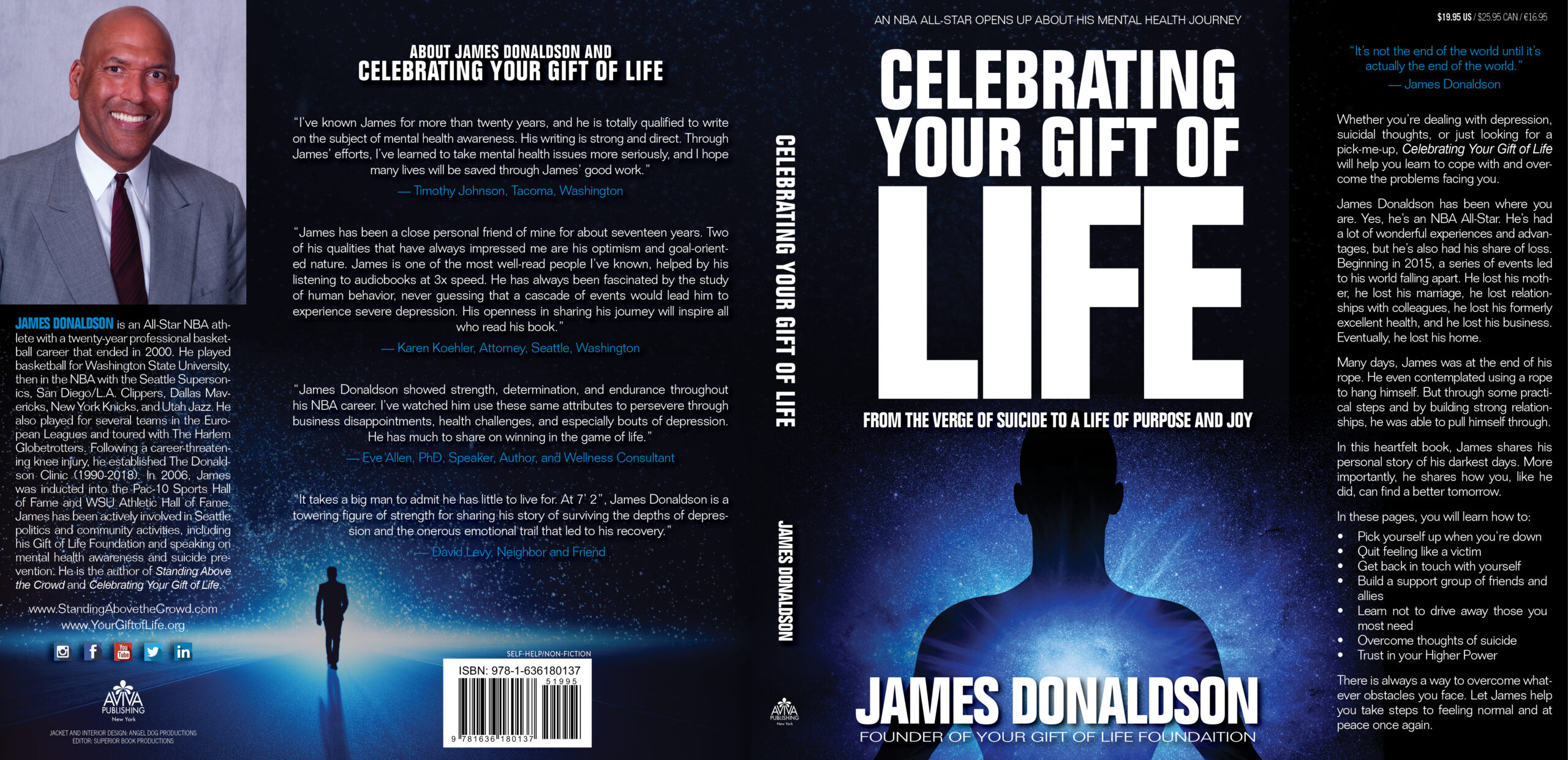
#CelebratingYourGiftofLife: From The Verge of Suicide to a Life of Purpose and Joy


www.celebratingyourgiftoflife.com


Link for 40 Habits Signup
bit.ly/40HabitsofMentalHealth


If you'd like to follow and receive my daily blog in to your inbox, just click on it with Follow It. Here's the link https://follow.it/james-donaldson-s-standing-above-the-crowd-s-blog-a-view-from-above-on-things-that-make-the-world-go-round?action=followPub


https://standingabovethecrowd.com/james-donaldson-on-mental-health-mental-health-officials-share-resources-services-for-suicide-prevention-month/

Thursday, October 3, 2024

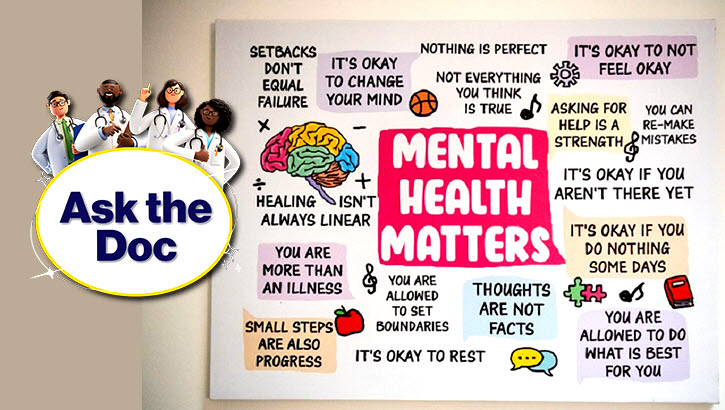
James Donaldson on Mental Health - Ask the Doc: What Are Ways to Protect My Mental Health?
By: Janet A. Aker, MHS Communications

Dear Doc,

I’m feeling pretty low and very stressed out. A good friend recently died by suicide, and no one saw it coming. I’ve been thinking about him a lot. On top of that, I feel guilty for uprooting my young family when we recently PCS’ed across the country. Also, I’m anxious about how I’m fitting in at my new assignment, and the world news both weighs me down and makes me angry. It’s like I’m stuck in a deep, dark hole. How can I feel better?

Feeling hopeless,U.S. Air Force Airman I.M. Blue

------------------

Airman Blue,

It sounds like you are overwhelmed and recognize the negative impact on your mental health. These turbulent days affect each of us differently. Moving your family is a huge life stressor by itself, not to mention all the other changes. How we respond to major changes and uncertainty about the future is important.

I’ve found an expert who describes several coping strategies that you may find helpful. These strategies can boost your readiness to take on a new assignment, and help you rebound from your dark moods and hopelessness. U.S. Public Health Service Capt. Meghan Corso holds a doctorate in psychology and is chief of behavioral health clinical operations at the Defense Health Agency. Here’s what she suggested.

First, it’s important to keep telling yourself you're not alone, and things won't always be this bad. Whatever you're going through, it’s important to remember you will get to the other side. Be patient.

Change takes time.

However, if you feel you’re about to reach a crisis point, call 988 for the Military and Veteran Crisis Line goes to Military and Veterans Crisis Line and press “1,” or text 838255, or chat with a live counselor goes to chat. (Para Español, apretar “2.”)

Second, suicide’s impact ripples, touching many people. Postvention strategies may help get you in touch with your feelings about your friend as well as the pain you are going through. Another helpful resource is the nonprofit Tragedy Assistance Program for Survivors. Its “10 Things We Know to be True: Surviving Suicide Loss” offers good perspective.

As for tips on defending your mental health, I have collected a number of techniques and practices. These can be grouped into three buckets I call “Protect, Seek, and Optimize.”

Protect

Practice just a few of these habits a day to build and maintain a strong psychological foundation and help protect against stress and negative, depressing thoughts.

- Exercise not only improves your physical health, but it also is a good way to get “feel good” hormones such as serotonin flooding your brain. This may help reduce the cumulative impacts of stress to your brain and body.

-

- Balanced nutrition from your diet directly affects the growth and repair of brain cells and fuels your ability to cope with physical and emotional stressors.

-

- Quality sleep is healing and restorative. It enhances your cognitive and physical health and your ability to manage stress. Here are some tips for better quality sleep.

-

- Relaxation and meditation practices such as yoga and controlled breathing on a daily basis help promote a state of relaxation, enhance your sense of well-being, and can enhance physical and mental health for stress management.

-

- Setting goals helps to reduce stress hormones such as cortisol and increases a sense of control and accomplishment.

-

- Break your big goal down into chunks so they are realistic and obtainable. Start small. Success at the beginning can fuel further success. A small goal could be something such as, “I'm going to connect with my family by having family meals once a week.”

-

- Positive perspective provides hope and helps us to keep moving forward. Try to reframe one or two things from your day with a positive approach. You can also make a choice to be positive for the day. It may not actually happen all the time but keep making this choice; it may become habit.

-

- Social connections help to reduce stress, increase your sense of well-being and positive experiences. Reach out to a friend, catch up with former colleagues, or join a sports league.

-

Seek Help Early

Mental health resources can be used to manage and improve everyday life, and they don’t always involve a therapist or treatments. Seeking care early can help address mental health challenges before they worsen and prevent a crisis. These resources include:

- Chaplains, peer-to-peer counseling, substance misuse programs goes to Military OneSource, and many other non-clinical and clinical programs are available across the Military Health System. The Mental Health Hub on health.mil has a complete list of resources for immediate assistance or to make appointments.

- Military OneSource goes to Military OneSource is a 24/7 gateway to trusted information for service members and their families that provides resources and confidential help. Call 800-342-9667. Military OneSource also has a searchable database of local morale, welfare, and recreation resources goes to Military OneSource.

-

- The Real Warriors Campaign is a public health effort to decrease stigma attached to mental health, increase psychological health literacy, and open doors to get care for service members, veterans, and their families. The campaign was expanded in 2023 with a collaboration between the DHA’s Psychological Health Center of Excellence and the Department of Defense Suicide Prevention Office goes to DSPO. The campaign also provides free mental health resources including online articles, print materials, and videos.

-

Optimize

- Practice mindfulness daily. By trying to stay in the moment, you may improve your ability to pay attention and concentrate and help reduce the accumulation of stress hormones in your body.

-

- Keep a journal. By expressing your thoughts and creativity (think doodling) on paper or a computer may help you organize and process potential negative experiences and create mental distance from harmful or intrusive thoughts and actions.

-

- Set aside a time each day to journal about what you are feeling and hope to achieve. Writing it all down and then physically putting the day’s entry aside can help you to push the negative thoughts away.

- Be aware of your thoughts and practice alternatives to negative thinking, which includes repetitive thinking about things you have no control over, jumping to conclusions, and discounting positive experiences.

#James Donaldson notes:Welcome to the “next chapter” of my life… being a voice and an advocate for #mentalhealthawarenessandsuicideprevention, especially pertaining to our younger generation of students and student-athletes.Getting men to speak up and reach out for help and assistance is one of my passions. Us men need to not suffer in silence or drown our sorrows in alcohol, hang out at bars and strip joints, or get involved with drug use.Having gone through a recent bout of #depression and #suicidalthoughts myself, I realize now, that I can make a huge difference in the lives of so many by sharing my story, and by sharing various resources I come across as I work in this space.  #http://bit.ly/JamesMentalHealthArticleFind out more about the work I do on my 501c3 non-profit foundationwebsite www.yourgiftoflife.org Order your copy of James Donaldson's latest book,#CelebratingYourGiftofLife: From The Verge of Suicide to a Life of Purpose and Joy

www.celebratingyourgiftoflife.com

Link for 40 Habits Signupbit.ly/40HabitsofMentalHealth

If you'd like to follow and receive my daily blog in to your inbox, just click on it with Follow It. Here's the link https://follow.it/james-donaldson-s-standing-above-the-crowd-s-blog-a-view-from-above-on-things-that-make-the-world-go-round?action=followPub

- Practice gratitude and identify the positive aspects to be found in a negative situation, such as it being the opportunity to learn more about yourself, learn something new, or help someone else.

-

- Find daily meaning and value in yourself and what you do. Identify high-value and long-term goals and hopes you can strive toward, which gives you a sense of the larger world. This process alone may enhance your cognitive performance, overall happiness, and improve your physical health.

-

- Engage in activities or hobbies that are positive. These can reward you daily and keep you engaged in your environment in a way that potentially changes how you feel. Naturally rewarding activities such as giving back to the community, being physically active, or connecting with others can help to combat stress and improve your mood.

-
https://standingabovethecrowd.com/james-donaldson-on-mental-health-ask-the-doc-what-are-ways-to-protect-my-mental-health/

James Donaldson on Mental Health - Ask the Doc: What Are Ways to Protect My Mental Health?

James Donaldson on Mental Health - Ask the Doc: What Are Ways to Protect My Mental Health?

By: Janet A. Aker, MHS Communications


Dear Doc,


I’m feeling pretty low and very stressed out. A good friend recently died by suicide, and no one saw it coming. I’ve been thinking about him a lot. On top of that, I feel guilty for uprooting my young family when we recently PCS’ed across the country. Also, I’m anxious about how I’m fitting in at my new assignment, and the world news both weighs me down and makes me angry. It’s like I’m stuck in a deep, dark hole. How can I feel better?


Feeling hopeless,
U.S. Air Force Airman I.M. Blue


------------------


Airman Blue,


It sounds like you are overwhelmed and recognize the negative impact on your mental health. These turbulent days affect each of us differently. Moving your family is a huge life stressor by itself, not to mention all the other changes. How we respond to major changes and uncertainty about the future is important.


I’ve found an expert who describes several coping strategies that you may find helpful. These strategies can boost your readiness to take on a new assignment, and help you rebound from your dark moods and hopelessness. U.S. Public Health Service Capt. Meghan Corso holds a doctorate in psychology and is chief of behavioral health clinical operations at the Defense Health Agency. Here’s what she suggested.


First, it’s important to keep telling yourself you're not alone, and things won't always be this bad. Whatever you're going through, it’s important to remember you will get to the other side. Be patient.


Change takes time.


However, if you feel you’re about to reach a crisis point, call 988 for the Military and Veteran Crisis Line goes to Military and Veterans Crisis Line and press “1,” or text 838255, or chat with a live counselor goes to chat. (Para Español, apretar “2.”)


Second, suicide’s impact ripples, touching many people. Postvention strategies may help get you in touch with your feelings about your friend as well as the pain you are going through. Another helpful resource is the nonprofit Tragedy Assistance Program for Survivors. Its “10 Things We Know to be True: Surviving Suicide Loss” offers good perspective.


As for tips on defending your mental health, I have collected a number of techniques and practices. These can be grouped into three buckets I call “Protect, Seek, and Optimize.”


Protect


Practice just a few of these habits a day to build and maintain a strong psychological foundation and help protect against stress and negative, depressing thoughts.


- Exercise not only improves your physical health, but it also is a good way to get “feel good” hormones such as serotonin flooding your brain. This may help reduce the cumulative impacts of stress to your brain and body.
-
- Balanced nutrition from your diet directly affects the growth and repair of brain cells and fuels your ability to cope with physical and emotional stressors.
-
- Quality sleep is healing and restorative. It enhances your cognitive and physical health and your ability to manage stress. Here are some tips for better quality sleep.
-
- Relaxation and meditation practices such as yoga and controlled breathing on a daily basis help promote a state of relaxation, enhance your sense of well-being, and can enhance physical and mental health for stress management.
-
- Setting goals helps to reduce stress hormones such as cortisol and increases a sense of control and accomplishment.
-
- Break your big goal down into chunks so they are realistic and obtainable. Start small. Success at the beginning can fuel further success. A small goal could be something such as, “I'm going to connect with my family by having family meals once a week.”
-
- Positive perspective provides hope and helps us to keep moving forward. Try to reframe one or two things from your day with a positive approach. You can also make a choice to be positive for the day. It may not actually happen all the time but keep making this choice; it may become habit.
-
- Social connections help to reduce stress, increase your sense of well-being and positive experiences. Reach out to a friend, catch up with former colleagues, or join a sports league.
-

Seek Help Early


Mental health resources can be used to manage and improve everyday life, and they don’t always involve a therapist or treatments. Seeking care early can help address mental health challenges before they worsen and prevent a crisis. These resources include:


- Chaplains, peer-to-peer counseling, substance misuse programs goes to Military OneSource, and many other non-clinical and clinical programs are available across the Military Health System. The Mental Health Hub on health.mil has a complete list of resources for immediate assistance or to make appointments.
- Military OneSource goes to Military OneSource is a 24/7 gateway to trusted information for service members and their families that provides resources and confidential help. Call 800-342-9667. Military OneSource also has a searchable database of local morale, welfare, and recreation resources goes to Military OneSource.
-
- The Real Warriors Campaign is a public health effort to decrease stigma attached to mental health, increase psychological health literacy, and open doors to get care for service members, veterans, and their families. The campaign was expanded in 2023 with a collaboration between the DHA’s Psychological Health Center of Excellence and the Department of Defense Suicide Prevention Office goes to DSPO. The campaign also provides free mental health resources including online articles, print materials, and videos.
-

Optimize


- Practice mindfulness daily. By trying to stay in the moment, you may improve your ability to pay attention and concentrate and help reduce the accumulation of stress hormones in your body.
-
- Keep a journal. By expressing your thoughts and creativity (think doodling) on paper or a computer may help you organize and process potential negative experiences and create mental distance from harmful or intrusive thoughts and actions.
-
- Set aside a time each day to journal about what you are feeling and hope to achieve. Writing it all down and then physically putting the day’s entry aside can help you to push the negative thoughts away.
- Be aware of your thoughts and practice alternatives to negative thinking, which includes repetitive thinking about things you have no control over, jumping to conclusions, and discounting positive experiences.

#James Donaldson notes:
Welcome to the “next chapter” of my life… being a voice and an advocate for #mentalhealthawarenessandsuicideprevention, especially pertaining to our younger generation of students and student-athletes.
Getting men to speak up and reach out for help and assistance is one of my passions. Us men need to not suffer in silence or drown our sorrows in alcohol, hang out at bars and strip joints, or get involved with drug use.
Having gone through a recent bout of #depression and #suicidalthoughts myself, I realize now, that I can make a huge difference in the lives of so many by sharing my story, and by sharing various resources I come across as I work in this space.
  #http://bit.ly/JamesMentalHealthArticle
Find out more about the work I do on my 501c3 non-profit foundation
website www.yourgiftoflife.org Order your copy of James Donaldson's latest book,
#CelebratingYourGiftofLife: From The Verge of Suicide to a Life of Purpose and Joy


www.celebratingyourgiftoflife.com


Link for 40 Habits Signup
bit.ly/40HabitsofMentalHealth


If you'd like to follow and receive my daily blog in to your inbox, just click on it with Follow It. Here's the link https://follow.it/james-donaldson-s-standing-above-the-crowd-s-blog-a-view-from-above-on-things-that-make-the-world-go-round?action=followPub


- Practice gratitude and identify the positive aspects to be found in a negative situation, such as it being the opportunity to learn more about yourself, learn something new, or help someone else.
-
- Find daily meaning and value in yourself and what you do. Identify high-value and long-term goals and hopes you can strive toward, which gives you a sense of the larger world. This process alone may enhance your cognitive performance, overall happiness, and improve your physical health.
-
- Engage in activities or hobbies that are positive. These can reward you daily and keep you engaged in your environment in a way that potentially changes how you feel. Naturally rewarding activities such as giving back to the community, being physically active, or connecting with others can help to combat stress and improve your mood.
-

https://standingabovethecrowd.com/james-donaldson-on-mental-health-ask-the-doc-what-are-ways-to-protect-my-mental-health/

Wednesday, October 2, 2024

#JamesDonaldson on #MentalHealth – Recognizing #ChildAbuse
Photo by samer daboul on Pexels.com

#Childabuse refers to any emotional, sexual, or physical mistreatment or neglect by an adult in a role of responsibility toward someone who is under 18 years of age.

It refers to any kind of action or failure to act that results in harm or possible harm for a #child. The adult may be a parent or other family member or another caregiver, including sports coaches, teachers, and so on.

The #CentersforDiseaseControlandPrevention (#CDC) classify the types of #childabuse as physical abuse, sexual abuse, emotional abuse, or neglect.

Abuse often involves one or more of these types. Bullying is not included in these categories, but it is a way of delivering different kinds of abuse.

The action may or may not be violent.

It can happen at home or elsewhere, and it occurs in all cultures, countries, and economic classes. It usually involves a family member or friend, rather than a stranger.

It can also happen for a variety of reasons, for example, #mentalhealth problems affecting the person who delivers the abuse.

#JamesDonaldson notes:

Welcome to the “next chapter” of my life… being a voice and an advocate for #mentalhealthawarenessandsuicideprevention, especially pertaining to our younger generation of students and student-athletes.

Getting men to speak up and reach out for help and assistance is one of my passions. Us men need to not suffer in silence or drown our sorrows in alcohol, hang out at bars and strip joints, or get involved with drug use.

Having gone through a recent bout of #depression and #suicidalthoughts myself, I realize now, that I can make a huge difference in the lives of so many by sharing my story, and by sharing various resources I come across as I work in this space.  #http://bit.ly/JamesMentalHealthArticle

www.celebratingyourgiftoflife.com

This article looks at the types of abuse what they involve, and some signs to look out for.

Fast facts on #childabuse

- Four types of abuse are neglect and physical, emotional, and sexual abuse.

- In some countries, using corporal punishment is regarded as child abuse.

- Signs of abuse can be hard to detect, but being withdrawn, passive, and overly compliant may be an indication.

- The person who is carrying out the abuse may also need help, for example, a stressed parent.

Why is it important?

Many #children experience some kind of abuse as they are growing up. This can lead to feelings of fear and #isolation.

In the #UnitedStates, #childprotectiveservices (#CPS) received 676,000 reports of individuals experiencing abuse or neglect in 2016. One study has suggested that 1 in 4 #children experience some kind of neglect or abuse at some time.

#Childabuse is a serious problem that resulted in 1,750 child fatalities in the U.S. 2016.

Observers may be unwilling to get involved when they are not sure or do not know the whole story.

Sometimes, people are afraid to speak up because of the existing balance of power.

The #child may fear that the person who is abusing them is too important or powerful. They may also fear that they will not be believed. They may also feel ashamed, embarrassed, or worry that they are to blame.

Abuse can be hard to spot. Some of the signs, such as bruising, can be part of normal growing up.

Sometimes, the abuse results, in part, from problems that parents or caregivers face, which also need addressing. These could be financial pressure, unemployment, #mentalhealthproblems, or substance abuse issues. They, too, may have experienced abuse as #children.

Speaking up about signs that something is wrong can help #children, but it may also help their caregivers.

Physical abuse

Physical abuse may include intentionally:

Intentionally hitting or otherwise physically harming a #child is considered abuse, including, in many countries, for punishment.

- burning or scalding

- suffocating or drowning, for example, holding a #child under water

- poisoning

- shaking, throwing, hitting, biting

- non-consensual tickling

- excessive pinching, slapping or tripping

- any other physical harm

- tying or forcing the #child into a stressed position

- withholding sleep, food, or medication

It can also involve fabricating a symptom or deliberately inducing illness in a #child, as in Munchausen’s syndrome by proxy, now known as factitious disorder imposed on another (FDAI).

In many countries, corporal punishment is increasingly seen as a form of physical #childabuse.

Signs of physical abuse

Indications that physical abuse may be occurring include the following, but it is important to note that these are not necessarily signs of abuse, and they can occur for other reasons.

- unexplained black eyes, broken bones, bruises, bites, or burns

- injuries that may reveal a pattern, for example, more than one burn or welts on the hand

- protesting or crying when it is time to go to a particular location, whether home or school, or another place where abuse might occur

- appearing to be frightened of a specific individual

- being watchful, as if expecting something unpleasant to happen

- flinching when touched

- wearing inappropriate clothing, for example, long sleeves in summer, to cover up injuries

- talking about being injured by a parent, caregiver, or other person

If an adult is carrying out abuse, they may:

- appear overly severe and harsh when with the child

- behave in an unpredictable way with no clear boundaries or rules

- lash out in anger when the child does something wrong, instead of explaining

- use the fear of physical punishment rather than teaching rules, as a way to control a child’s behavior

Medical News Today brings you Healthline Parenthood, a weekly newsletter filled with parenting support and advice.

Emotional abuse

Emotional abuse happens when people consistently say things and behave in a way that conveys to the #child that they are inadequate, unloved, worthless, or only valued as far as the other person’s needs are concerned.

This can have a profound, long-term impact on the #child.

Examples include:

- not allowing #children to express their views and opinions

- ridiculing what they say

- silencing them

- frequently shouting at or threatening them

- mocking the way they are or how they try to communicate

- giving a #child the “silent treatment” as a punishment

- limiting physical contact

- telling them they are “no good” or “a mistake”

- preventing normal social interaction with peers and others

- ill-treating another person in front of the child for example, through #domesticviolence

- #bullying, including online #bullying

- “emotional blackmail”

All types of maltreatment will include some level of emotional abuse, but it can also occur on its own.

Signs of emotional abuse

Some of these signs may indicate that a child is experiencing emotional abuse:

- appearing withdrawn, anxious, or afraid

- showing extremes in behavior, for example, compliance, passivity, or aggressiveness

- lack of attachment to parent or caregiver

- age-inappropriate behavior, for example, sucking a thumb

Sexual abuse

Sexual abuse is defined as any act that forces or entices a #child or young person to participate in sexual activities.

It is sexual abuse, even if the child does not understand what is happening and there is no force, violence, or even contact.

If the child is forced or invited to participate in any activity that causes the other to be aroused, this is considered sexual abuse.

Such activities may include:

- assault by penetration, such as rape or oral sex

- non-penetrative sexual activities, such as touching outside of clothing, rubbing, kissing, and masturbating

- watching others performing sexual acts or getting a child to watch such acts

- looking at, showing, or sharing sexual images, videos, toys, or other material

- telling dirty jokes or stories

- forcing or inviting a child to undress for sexual gratification

- “flashing” or showing one’s genitals to the child

- encouraging the child to behave in a way that is sexually inappropriate

- grooming, or preparing for future abuse or activity

The person who carries out the abuse may be an adult #male, adult #female, or another child, usually a #teenager who has already reached puberty, although younger #children may also carry out abuse.

Signs of sexual abuse

Signs in the #child that may indicate sexual abuse include:

- talking about being sexually abused

- displaying sexual knowledge or behavior which is beyond their years, bizarre, or unusual

- withdrawing from friends and others

- running away from home

- shying away from a specific person

- having nightmares

- wetting the bed after not doing so before

- changes in mood or appetite

- pregnancy or having a #sexuallytransmitteddisease (#STD), especially before the age of 14 years

Physical signs that may indicate sexual abuse include difficulty walking or sitting down.

Sexual abuse usually involves someone the #child knows. Often, the #child will be told to keep the relationship a secret. They may be threatened with something bad happening if they tell anyone.

An adult who carries out sexual abuse with a #child may have received the same treatment in the past. Breaking the cycle may help prevent it passing down to the next generation.

Expect in-depth, science-backed toplines of our best stories every day. Tap in and keep your curiosity satisfied.

Neglect

The long-term effects of abuse include #loneliness, #isolation, and low self-esteem.

#Child neglect is when a parent or caregiver persistently fails to meet the basic physical and psychological needs of a #child, resulting in impairment of the #child’s health or development.

It can involve:

- not providing appropriate food, clothing, or medical care

- locking a #child in a room or closet

- not providing adequate shelter, including abandoning a #child or excluding them from the family home

- placing or leaving the #child in a situation in which they might experience emotional or physical danger or harm

- leaving a #child alone for a long time or so that they experience harm

Neglecting or not responding to a #child’s basic emotional needs could constitute neglect.

Signs and symptoms of neglect

If a parent or caregiver is behaving in a way that is neglectful, the #child may:

- have medical or dental care needs that are not being met

- have unwashed clothes, skin, or hair

- be using drugs or alcohol

- be missing food or money at unusual times, for example, for lunch or bus fare home

- wear the same clothes all the time or be consistently unsuitably dressed for the time of year

- miss school frequently

- need glasses but never have them

- say nobody looks after them at home

Signs that a parent is neglecting a #child include a lack of interest in the #child’s progress and well being, but the parent, too may be experiencing difficulties.

They may need help, for example, with:

- untreated #mentalillness

- substance or alcohol abuse

- #stress

- lack of support

- not knowing a better way to take care of their #children

Single, #teenage parents and those who experienced difficulties in their own #childhood may struggle as parents.

In some cases, identifying parents who need help and offering support and training can enable parents to avoid abuse in bringing up their #children.

Should I report this?

#Children may express their experiences through drawings or play.

An individual who suspects or believes a #child is experiencing abuse should take action, for the child’s immediate and long-term safety. You do not need to be sure abuse is occurring or to know which type.

In the long term, abuse can lead to problems with trust and relationship difficulties, a feeling of worthlessness, and difficulty regulating emotions. In some cases, the #child may grow into an adult who abuses #children in their care.

If it is your own #child, you should remove the #child from the person’s presence, for example, by cancelling a babysitter temporarily or possibly permanently, if fears appear to be grounded.

One sign that may indicate that abuse has taken place is #children making drawings that represent their experience, or acting out what has happened to them in play.

Researchers have said there is a lack of objective measures that can be used to confirm the use of drawings as evidence for use in a legal case. However, if a #child draws unusual images, these may be worth attention, especially if there are other signs.

It is worth noting that no two cases will be the same. The signs, too, may overlap. Aggressive behavior changes, for example, could be a sign of either physical or emotional abuse.

In addition, other factors can trigger similar symptoms. The loss of a loved one, separation, or divorce, among other things, can also cause signs of emotional #stress.

#Children who may have experienced abuse should visit a doctor or hospital, as physical medical help or counseling may be needed.

Anyone who believes they are abusing, have abused, or might abuse a #child should remove themselves from the #child and place the #child somewhere safe, for example, by asking someone else to look after them, then find someone to confide in. Counseling may be necessary.

There are helplines available, and the local #police or health services can help. Calls can be made anonymously. The appropriate people will take action to investigate.

To report a suspected case of abuse, you can call 9-1-1 or this number: (1-800)4-A-CHILD or (1-800) 422-4453.

Tips for reducing the risk

Talking to #children can raise their awareness and prepare them to recognize and possibly avoid future problems.

Tips include:

- talking to your #child about appropriate and inappropriate behaviors and safe and unsafe situations

- role playing what to do if ever someone behaves inappropriately, and how to get help

- encouraging open communication with your #child, as this will make it easier to spot if anything unusual happens

- ensure that your own house and yard are safe and plan ahead to make sure you never have to leave young #children alone

- always knowing where your #child is when they are out

Building relationships with the people who look after your #children, including teachers, babysitters, and parents of friends, can help in several ways.

It makes it easier to establish guidelines for safety and appropriate behavior, for example, what to do if a #child misbehaves. It may help detect and prevent possible abuse. It also helps build a community around your #child that can provide additional support and vigilance.

Photo by samer daboul on Pexels.com
https://standingabovethecrowd.com/jamesdonaldson-on-mentalhealth-recognizing-childabuse/
#JamesDonaldson on #MentalHealth – Recognizing #ChildAbuse

#JamesDonaldson on #MentalHealth – Recognizing #ChildAbuse
Photo by samer daboul on Pexels.com

#Childabuse refers to any emotional, sexual, or physical mistreatment or neglect by an adult in a role of responsibility toward someone who is under 18 years of age.


It refers to any kind of action or failure to act that results in harm or possible harm for a #child. The adult may be a parent or other family member or another caregiver, including sports coaches, teachers, and so on.


The #CentersforDiseaseControlandPrevention (#CDC) classify the types of #childabuse as physical abuse, sexual abuse, emotional abuse, or neglect.


Abuse often involves one or more of these types. Bullying is not included in these categories, but it is a way of delivering different kinds of abuse.


The action may or may not be violent.


It can happen at home or elsewhere, and it occurs in all cultures, countries, and economic classes. It usually involves a family member or friend, rather than a stranger.


It can also happen for a variety of reasons, for example, #mentalhealth problems affecting the person who delivers the abuse.


#JamesDonaldson notes:


Welcome to the “next chapter” of my life… being a voice and an advocate for #mentalhealthawarenessandsuicideprevention, especially pertaining to our younger generation of students and student-athletes.


Getting men to speak up and reach out for help and assistance is one of my passions. Us men need to not suffer in silence or drown our sorrows in alcohol, hang out at bars and strip joints, or get involved with drug use.


Having gone through a recent bout of #depression and #suicidalthoughts myself, I realize now, that I can make a huge difference in the lives of so many by sharing my story, and by sharing various resources I come across as I work in this space.  #http://bit.ly/JamesMentalHealthArticle


www.celebratingyourgiftoflife.com


This article looks at the types of abuse what they involve, and some signs to look out for.


Fast facts on #childabuse
- Four types of abuse are neglect and physical, emotional, and sexual abuse.
- In some countries, using corporal punishment is regarded as child abuse.
- Signs of abuse can be hard to detect, but being withdrawn, passive, and overly compliant may be an indication.
- The person who is carrying out the abuse may also need help, for example, a stressed parent.

Why is it important?


lone child with teddyMany #children experience some kind of abuse as they are growing up. This can lead to feelings of fear and #isolation.

In the #UnitedStates, #childprotectiveservices (#CPS) received 676,000 reports of individuals experiencing abuse or neglect in 2016. One study has suggested that 1 in 4 #children experience some kind of neglect or abuse at some time.


#Childabuse is a serious problem that resulted in 1,750 child fatalities in the U.S. 2016.


Observers may be unwilling to get involved when they are not sure or do not know the whole story.


Sometimes, people are afraid to speak up because of the existing balance of power.


The #child may fear that the person who is abusing them is too important or powerful. They may also fear that they will not be believed. They may also feel ashamed, embarrassed, or worry that they are to blame.


Abuse can be hard to spot. Some of the signs, such as bruising, can be part of normal growing up.


Sometimes, the abuse results, in part, from problems that parents or caregivers face, which also need addressing. These could be financial pressure, unemployment, #mentalhealthproblems, or substance abuse issues. They, too, may have experienced abuse as #children.


Speaking up about signs that something is wrong can help #children, but it may also help their caregivers.


Physical abuse


Physical abuse may include intentionally:


man threatening childIntentionally hitting or otherwise physically harming a #child is considered abuse, including, in many countries, for punishment.
- burning or scalding
- suffocating or drowning, for example, holding a #child under water
- poisoning
- shaking, throwing, hitting, biting
- non-consensual tickling
- excessive pinching, slapping or tripping
- any other physical harm
- tying or forcing the #child into a stressed position
- withholding sleep, food, or medication

It can also involve fabricating a symptom or deliberately inducing illness in a #child, as in Munchausen’s syndrome by proxy, now known as factitious disorder imposed on another (FDAI).


In many countries, corporal punishment is increasingly seen as a form of physical #childabuse.


Signs of physical abuse

Indications that physical abuse may be occurring include the following, but it is important to note that these are not necessarily signs of abuse, and they can occur for other reasons.


- unexplained black eyes, broken bones, bruises, bites, or burns
- injuries that may reveal a pattern, for example, more than one burn or welts on the hand
- protesting or crying when it is time to go to a particular location, whether home or school, or another place where abuse might occur
- appearing to be frightened of a specific individual
- being watchful, as if expecting something unpleasant to happen
- flinching when touched
- wearing inappropriate clothing, for example, long sleeves in summer, to cover up injuries
- talking about being injured by a parent, caregiver, or other person

If an adult is carrying out abuse, they may:


- appear overly severe and harsh when with the child
- behave in an unpredictable way with no clear boundaries or rules
- lash out in anger when the child does something wrong, instead of explaining
- use the fear of physical punishment rather than teaching rules, as a way to control a child’s behavior

Medical News Today brings you Healthline Parenthood, a weekly newsletter filled with parenting support and advice.


Emotional abuse


Emotional abuse happens when people consistently say things and behave in a way that conveys to the #child that they are inadequate, unloved, worthless, or only valued as far as the other person’s needs are concerned.


This can have a profound, long-term impact on the #child.


Examples include:


- not allowing #children to express their views and opinions
- ridiculing what they say
- silencing them
- frequently shouting at or threatening them
- mocking the way they are or how they try to communicate
- giving a #child the “silent treatment” as a punishment
- limiting physical contact
- telling them they are “no good” or “a mistake”
- preventing normal social interaction with peers and others
- ill-treating another person in front of the child for example, through #domesticviolence
- #bullying, including online #bullying
- “emotional blackmail”

All types of maltreatment will include some level of emotional abuse, but it can also occur on its own.


Signs of emotional abuse

Some of these signs may indicate that a child is experiencing emotional abuse:


- appearing withdrawn, anxious, or afraid
- showing extremes in behavior, for example, compliance, passivity, or aggressiveness
- lack of attachment to parent or caregiver
- age-inappropriate behavior, for example, sucking a thumb

Sexual abuse


Sexual abuse is defined as any act that forces or entices a #child or young person to participate in sexual activities.


It is sexual abuse, even if the child does not understand what is happening and there is no force, violence, or even contact.


If the child is forced or invited to participate in any activity that causes the other to be aroused, this is considered sexual abuse.


Such activities may include:


- assault by penetration, such as rape or oral sex
- non-penetrative sexual activities, such as touching outside of clothing, rubbing, kissing, and masturbating
- watching others performing sexual acts or getting a child to watch such acts
- looking at, showing, or sharing sexual images, videos, toys, or other material
- telling dirty jokes or stories
- forcing or inviting a child to undress for sexual gratification
- “flashing” or showing one’s genitals to the child
- encouraging the child to behave in a way that is sexually inappropriate
- grooming, or preparing for future abuse or activity

The person who carries out the abuse may be an adult #male, adult #female, or another child, usually a #teenager who has already reached puberty, although younger #children may also carry out abuse.


Signs of sexual abuse

Signs in the #child that may indicate sexual abuse include:


- talking about being sexually abused
- displaying sexual knowledge or behavior which is beyond their years, bizarre, or unusual
- withdrawing from friends and others
- running away from home
- shying away from a specific person
- having nightmares
- wetting the bed after not doing so before
- changes in mood or appetite
- pregnancy or having a #sexuallytransmitteddisease (#STD), especially before the age of 14 years

Physical signs that may indicate sexual abuse include difficulty walking or sitting down.


Sexual abuse usually involves someone the #child knows. Often, the #child will be told to keep the relationship a secret. They may be threatened with something bad happening if they tell anyone.


An adult who carries out sexual abuse with a #child may have received the same treatment in the past. Breaking the cycle may help prevent it passing down to the next generation.


Expect in-depth, science-backed toplines of our best stories every day. Tap in and keep your curiosity satisfied.


Neglect


long-term effects of abuseThe long-term effects of abuse include #loneliness, #isolation, and low self-esteem.

#Child neglect is when a parent or caregiver persistently fails to meet the basic physical and psychological needs of a #child, resulting in impairment of the #child’s health or development.


It can involve:


- not providing appropriate food, clothing, or medical care
- locking a #child in a room or closet
- not providing adequate shelter, including abandoning a #child or excluding them from the family home
- placing or leaving the #child in a situation in which they might experience emotional or physical danger or harm
- leaving a #child alone for a long time or so that they experience harm

Neglecting or not responding to a #child’s basic emotional needs could constitute neglect.


Signs and symptoms of neglect

If a parent or caregiver is behaving in a way that is neglectful, the #child may:


- have medical or dental care needs that are not being met
- have unwashed clothes, skin, or hair
- be using drugs or alcohol
- be missing food or money at unusual times, for example, for lunch or bus fare home
- wear the same clothes all the time or be consistently unsuitably dressed for the time of year
- miss school frequently
- need glasses but never have them
- say nobody looks after them at home

Signs that a parent is neglecting a #child include a lack of interest in the #child’s progress and well being, but the parent, too may be experiencing difficulties.


They may need help, for example, with:


- untreated #mentalillness
- substance or alcohol abuse
- #stress
- lack of support
- not knowing a better way to take care of their #children

Single, #teenage parents and those who experienced difficulties in their own #childhood may struggle as parents.


In some cases, identifying parents who need help and offering support and training can enable parents to avoid abuse in bringing up their #children.


Should I report this?


children's drawings of abuse#Children may express their experiences through drawings or play.

An individual who suspects or believes a #child is experiencing abuse should take action, for the child’s immediate and long-term safety. You do not need to be sure abuse is occurring or to know which type.


In the long term, abuse can lead to problems with trust and relationship difficulties, a feeling of worthlessness, and difficulty regulating emotions. In some cases, the #child may grow into an adult who abuses #children in their care.


If it is your own #child, you should remove the #child from the person’s presence, for example, by cancelling a babysitter temporarily or possibly permanently, if fears appear to be grounded.


One sign that may indicate that abuse has taken place is #children making drawings that represent their experience, or acting out what has happened to them in play.


Researchers have said there is a lack of objective measures that can be used to confirm the use of drawings as evidence for use in a legal case. However, if a #child draws unusual images, these may be worth attention, especially if there are other signs.


It is worth noting that no two cases will be the same. The signs, too, may overlap. Aggressive behavior changes, for example, could be a sign of either physical or emotional abuse.


In addition, other factors can trigger similar symptoms. The loss of a loved one, separation, or divorce, among other things, can also cause signs of emotional #stress.


#Children who may have experienced abuse should visit a doctor or hospital, as physical medical help or counseling may be needed.


Anyone who believes they are abusing, have abused, or might abuse a #child should remove themselves from the #child and place the #child somewhere safe, for example, by asking someone else to look after them, then find someone to confide in. Counseling may be necessary.


There are helplines available, and the local #police or health services can help. Calls can be made anonymously. The appropriate people will take action to investigate.


To report a suspected case of abuse, you can call 9-1-1 or this number: (1-800)4-A-CHILD or (1-800) 422-4453.


Tips for reducing the risk


Talking to #children can raise their awareness and prepare them to recognize and possibly avoid future problems.


Tips include:


- talking to your #child about appropriate and inappropriate behaviors and safe and unsafe situations
- role playing what to do if ever someone behaves inappropriately, and how to get help
- encouraging open communication with your #child, as this will make it easier to spot if anything unusual happens
- ensure that your own house and yard are safe and plan ahead to make sure you never have to leave young #children alone
- always knowing where your #child is when they are out

Building relationships with the people who look after your #children, including teachers, babysitters, and parents of friends, can help in several ways.


It makes it easier to establish guidelines for safety and appropriate behavior, for example, what to do if a #child misbehaves. It may help detect and prevent possible abuse. It also helps build a community around your #child that can provide additional support and vigilance.


Photo by samer daboul on Pexels.com
https://standingabovethecrowd.com/jamesdonaldson-on-mentalhealth-recognizing-childabuse/

Tuesday, October 1, 2024

James Donaldson on Mental Health - What does the Bible teach about mental health and suicide?
By Ashley Stanton

Photo by Pixabay on Pexels.com

Jarrid Wilson, Darrin Patrick, Andrew Stoecklein, Isaac Hunter, Ed Montgomery, David Treadway, Teddy Parker Jr. Some of these names may sound familiar to you. That’s because they made the news as pastors who have died by suicide. The death of anyone by suicide is shocking and heartbreaking. But when it’s a pastor—a spiritual leader—the aftermath is even more devastating.

Jarrid Wilson was an associate pastor at Harvest Christian Fellowship in Riverside, California. He was a mental health advocate and spoke openly about related issues. On the morning of September 10, 2019, Wilson tweeted:

“Loving Jesus doesn’t always cure suicidal thoughts. Loving Jesus doesn’t always cure depression. Loving Jesus doesn’t always cure PTSD. Loving Jesus doesn’t always cure anxiety. But that doesn’t mean Jesus doesn’t offer us companionship and comfort. He ALWAYS does that.”

“He’s in hell, man.” “Did have the Holy Spirit?”

Later that night, Jarrid Wilson ended his life. Many responded to the news online, questioning Wilson’s faith and his decision to take his life. These are just a handful of tweets and Facebook comments:

“When you are full of Christ, there will be no room for depression or frustration. The fullness of Christ in you will choke it out.”

“Truly, Jesus could have delivered you from all those afflictions but you decided not to let Him take control of your situation and rather you focus on what your human eye saw. Now you have many believing this. . . not true!”

“He’s in hell, man.”

“Did have the Holy Spirit?”

Not every response was like this. Some offered sincere condolences to Wilson’s family, shared their fondest memories and thanked him for how he had helped others overcome difficulties. But when Jarrid Wilson took his own life, it sparked a discussion online in comment sections and opinion pieces alike. At the root of many of these conversations were people trying to reconcile Wilson’s faith in God with his final action. Was there truth to the sentiment that he just didn’t love God enough?

is faith enough?

 Jesus spoke quite radically about the power of prayer. He said, “Whatever you ask for in prayer, believe that you have received it, and it will be yours” (Mark 11:24). He even went so far as to say that if you have faith with no doubt, your faith can move mountains (Matthew 17:20). So it’s understandable that Christians would apply this logic to mental health struggles. Surely if the afflicted prays fervently enough and has faith, God could cure their mental illness.

It’s important to note the biblical authors don’t write about mental illness in the same way we talk about it today. But they do frequently mention times people had been struck down by physical illness: lepers, a woman who bled for 12 years, paraplegics and more. If you’ve read the stories, you’ll know Jesus healed many of these people because of their faith in Him.

In the case of the woman who bled for 12 years, this is what Matthew, a disciple of Jesus, said of her affliction: “A woman who had been subject to bleeding for 12 years came up behind him and touched the edge of his cloak. She said to herself, ‘If I only touch his cloak, I will be healed.’ Jesus turned and saw her. ‘Take heart, daughter,’ he said, ‘your faith has healed you.’ And the woman was healed at that moment” (Matthew 9:20–22).

This is one of many examples of how someone was healed because of their belief that Jesus was capable of healing them.

modern miracles still happen

God’s healing hand is not limited to the stories in the Bible. I have met people who are walking miracles—people who have defied a doctor’s prognosis that “they should be dead”. I know these people had committed Christians all around the world praying for their recovery. And recover they did.

But I have also met people who lost loved ones despite the committed Christians who prayed “without ceasing”. I’ve heard stories of people’s faith being shattered because they truly believed God would save their loved ones—and yet death still took them. I won’t pretend to understand why God intervenes on behalf of some and not others. It’s something I have brought to Him in prayer many times myself. What I can offer is a little perspective. A believer’s heartfelt prayers may not have saved their life on Earth, but we believe that by God’s grace we will see them again. Death is never easy. But for Christians, this is when the promise of what comes after death comes in. In the end, what really matters is where that person sits with God. As a follower of Jesus, I have hope that death is not the end and I will see my loved ones again one day—in a world free from death and suffering.

Death is never easy. But for Christians, this is when the promise of what comes after death comes in.

Just like physical health, there are things you can do to improve your mental health: healthy eating, moving your body, adequate sleep and rest. And from a spiritual point of view, spending time in prayer and immersing ourselves in God’s Word can also be beneficial. But sometimes—like when treating broken bones or cancer—a healthy lifestyle isn’t enough. Just like Christians fighting cancer may pray as part of their treatment, most also seek out medical support.

what about me?

Ellen White was a prolific author and co-founder of the Seventh-day Adventist Church, as well as an advocate for healthy living. She encouraged Adventists to open healthcare facilities,1 recognizing the importance of medical treatment when natural preventatives fail. She saw that God has equipped humans with incredible bodies that, if treated well, treat us well. But she also saw that God has given us the gift of medical knowledge and that there is wisdom in combining healthy habits with medical treatment. This logic also applies to mental health. 

At my lowest, I wished that I could cease to exist

This topic is especially close to my heart. I was 21 years old when my mental health hit rock bottom. At my lowest, I wished that I could cease to exist. I never fell so deep into my depression that I tried to follow through on that desire, but I can certainly see how someone could. 

It’s important to note that mental illnesses, like depression, are not always cured with practicing gratitude, eating well or having a healthy relationship with God. While mental illness can be caused by external pressures like trauma, stress, substance abuse and environmental factors, it can also be caused by biological factors such as genes, brain chemistry or hormonal imbalances.2 When healthy habits aren’t enough to squash dark thoughts, the next step is often medical treatment. Therapy, medication or both may be prescribed to treat mental illness.

What pulled me from my dark pit was a combination of treatments. I vividly remember leaning into my faith, clinging to the Psalms and certain promises God makes to His people, and finding a sense of peace and relief from those passages. But I also paired this with practical steps to help improve my wellbeing.  I removed study stressors by doing a semester of university via distance so I could live at home with the support of my family. I started seeing a psychologist and made good progress with her. But it soon became clear I needed additional support and so I began to take anti-depressants.

After a few months, color returned to my life. I would make it a day without crying, then two and then my life returned to the usual ups and down one can expect when their world isn’t tainted by depression.

I would make it a day without crying, then two and then my life returned to the usual ups and down one can expect when their world isn’t tainted by depression

#James Donaldson notes:Welcome to the “next chapter” of my life… being a voice and an advocate for #mentalhealthawarenessandsuicideprevention, especially pertaining to our younger generation of students and student-athletes.Getting men to speak up and reach out for help and assistance is one of my passions. Us men need to not suffer in silence or drown our sorrows in alcohol, hang out at bars and strip joints, or get involved with drug use.Having gone through a recent bout of #depression and #suicidalthoughts myself, I realize now, that I can make a huge difference in the lives of so many by sharing my story, and by sharing various resources I come across as I work in this space.  #http://bit.ly/JamesMentalHealthArticleFind out more about the work I do on my 501c3 non-profit foundationwebsite www.yourgiftoflife.org Order your copy of James Donaldson's latest book,#CelebratingYourGiftofLife: From The Verge of Suicide to a Life of Purpose and Joy

www.celebratingyourgiftoflife.com

Link for 40 Habits Signupbit.ly/40HabitsofMentalHealth

If you'd like to follow and receive my daily blog in to your inbox, just click on it with Follow It. Here's the link https://follow.it/james-donaldson-s-standing-above-the-crowd-s-blog-a-view-from-above-on-things-that-make-the-world-go-round?action=followPub

For someone who has never experienced poor mental health, a journey like mine is almost impossible to grasp. Most people are shocked when they learn of my mental health struggles because, from all they see, I have a sunny disposition. But it is not as straightforward as choosing to be happy. Trust me, no-one feeling those levels of despair would choose to feel that way if feeling happy was an option. Mental illness is a health condition that needs treatment in the same way that physical illness needs treatment. And just like physical illness, mental health treatment will look different for everyone.

So, back to Jarrid Wilson. How does faith in God intersect with suffering from ? The replies to Jarrid’s tweet imply that if he truly loved God, he would still be here—that he just needed to try harder. 

I believe those replies missed the point entirely. Mental illness is just another part of a world filled with suffering. Rather than judging each other and arguing in the comments section, we should be supporting one another through the tough times of life. Every person is precious to God. And if being a listening ear or a helping hand in a time of need can save someone’s life on Earth, then it’s something all of us should be striving towards.

Photo by Pixabay on Pexels.com
https://standingabovethecrowd.com/james-donaldson-on-mental-health-what-does-the-bible-teach-about-mental-health-and-suicide/

James Donaldson on Mental Health - Signs of suicidal ideation: How, and when, to approach a loved one

James Donaldson on Mental Health - Signs of suicidal ideation: How, and when, to approach a loved one

'The last thing you want to do is be accusatory or judgmental'


Hanna Webster - Pittsburgh Post-Gazette


If you or a loved one are having thoughts of suicide, call or text 988, or use the online chat option at 988lifeline.org/chat.


Suicide touches nearly all parts of the globe, with around 700,000 people dying from it every year. And some warning signs can be harder to spot than others.


Pennsylvania ranks lower than many other U.S. states for suicide rates, at 38th and with 13.9 suicide deaths per 100,000 people in 2021, per the Centers for Disease Control and Prevention, but rates remain steady for much of the U.S.


“A lot of progress has been made in the U.S. with an emphasis on suicide prevention,” said Richard McKeon, senior advisor of the Substance Abuse and Mental Health Services Administration’s (SAMHSA) 988 behavioral crisis office. “But we have not yet been able to decrease suicide nationally. The trend over the past 20 years has tragically been going up.” 


Four years after the pandemic began, a mental health crisis continues across the country


The most important warning sign may not be any specific behavior, but rather a notable change, experts say.


“You want to be looking at recent changes in the norm,” said McKeon, who is also the former chief of suicide prevention at SAMHSA.


For instance, if your child is a good student and suddenly their grades start to fall for no apparent reason, or if they’re typically engaged at school but have dropped out of their extracurriculars, these can be signs of a mood disorder or someone who is thinking about suicide.


Suicidal ideation can be particularly tough to spot in teens, because it coincides with a time in their development when they naturally want to try new things, take risks and see their parents less often.


“Change isn’t inherently bad,” said Abigail Schlesinger, a child and adolescent psychiatrist at UPMC. “It’s if these changes are getting in the way of you succeeding, that’s a red flag.”


Here are some additional — and perhaps overlooked — signs to look out for.


Impulsivity, agitation or irritability


There’s been a debate in the field of suicide prevention about the contribution of impulsivity and recklessness to thinking and acting on suicide. For decades, impulsivity was thought of as a key marker of suicidal ideation, but more recent research suggests it may be more nuanced. 


‘So many key points’: 3rd annual Black Mental Health Summit highlights importance of community


One 2020 study by Harvard and Columbia universities researchers found that, in the long term, impulsivity was not higher in those who attempted suicide versus those who thought about it.


Intention matters when thinking about the link between the two, said McKeon.


“Recklessness is certainly dangerous and risky,” he said. “But in essence, it’s not suicidal. One of the cardinal characteristics of suicide is that it’s intentional.”


This is part of the reason why experts look specifically to a person’s shifts away from the norm: Some people are naturally reckless or more impulsive than others.


“There’s research that shows that sometimes people act on suicidal thoughts within minutes, and this makes it appear impulsive,” he said. “In most of those instances, this was not the first time they thought about it.”


That being said, the emotional cousins of impulsivity — irritability and agitation — could signal that something is wrong. Look for signs of high anxiety and disregard for safety.


Increased substance use


An increase in substance use could be a sign of a change in behavior while at the same time decreasing inhibitions — and amping up irritability or impulsivity.


“Having your guard down might make it easier to act,” said Schlesinger. “We recommend reducing the things that might drop inhibition.”


Social isolation, changes in sleep


Is your loved one moving away from people who previously acted as their support system? Have they lost interest in activities that previously brought them joy? Have their eating and sleeping habits shifted dramatically?


These could all be flags of suicidal ideation.


“One of the best protectors is having someone close to you who can tell there’s been a change,” said Schlesinger.


Sleep changes on their own can compound other symptoms too.


“One of the signs people don’t think about a lot is sleep disturbances,” McKeon said. “Targeting sleep by itself may help,” because a lack of sleep can exacerbate negative emotions and render the body and mind less resilient.


Getting affairs in order


Selling possessions or discussing plans are a clear sign of suicidal ideation, or even of a plan for attempted suicide.


“It’s a no-brainer that that’s concerning,” said Schlesinger. “Especially if those things are important to them.”


But the most important red flag of suicidal ideation — although it may seem obvious — is whether the person has expressed intent.


“Nothing is as important as what the person themself has to say,” McKeon said.


The problem is, Americans in particular aren’t great at asking about or discussing suicidal ideation. Stigma still exists around the topic, which leads many to keep such thoughts to themselves. And it can keep loved ones from bringing up the topic. 


This exists on a systemic scale too. McKeon highlighted a study in which researchers sought to implement universal screening for suicide in health care settings by asking each patient who visited emergency rooms if they had thoughts about suicide, regardless of what they visited the ER for.


“The research shows that asking everyone in the ER led to a doubling of identification of suicidal people,” said McKeon. “And many who were further identified were at equivalent risk than those who visited the hospital for suicide.”


Around 2008, SAMHSA instated a universal screening requirement for everyone who called its hotline, which was shortened from a 1-800 number to simply 988 a little over two years ago.


And 988 is not just for individuals in crisis, said McKeon. It can also be for loved ones who don’t know how to talk to their kid, friend or relative about suicide.


How and when to talk about it


Schlesinger recommends talking about mood, emotions and suicide early with kids to give them a template and a foundation if those feelings arise in them later.


“I think a lot of families are scared to have that conversation, but it’s really important to recognize that you can start it young,” she said.


Coming up with a shared plan of action if your child starts having suicidal thoughts can reduce the steps it takes for them to come to you. Schlesinger also recommends letting them know it doesn’t have to be the parent: The child can go to another trusted adult, like a teacher, mentor or relative.


“It’s a lot easier to talk about it if you’ve already had the conversation,” she said. “There’s less shame around it if they have the words and know how to use them.”


Approach matters too, said McKeon.


“The last thing you want to do is be accusatory or judgmental,” he said. “What’s important is not only the words, but the way in which the question is asked.”


Resources


In addition to 988’s call, chat and text options, additional resources include:


AgriStress Helpline (support for agricultural communities): 833-897-2474; agrisafe.org


Crisis Text Hotline: Text “HOME” to 741741; crisistextline.org


Get Help Now Hotline (for substance use disorders): 1-800-662-4357


resolve Crisis Services 24-hour counseling line: 1-888-796-8226


Trans Lifeline: 877-565-8860; translifeline.org


The Trevor Project Lifeline (for LGBTQ+ young people under 25): 1-866-488-7386?, text “Start” to 678-678, or ?online chat 


Veteran Crisis Line: Dial 988, then press 1; online chat option at veteranscrisisline.net


#James Donaldson notes:
Welcome to the “next chapter” of my life… being a voice and an advocate for #mentalhealthawarenessandsuicideprevention, especially pertaining to our younger generation of students and student-athletes.
Getting men to speak up and reach out for help and assistance is one of my passions. Us men need to not suffer in silence or drown our sorrows in alcohol, hang out at bars and strip joints, or get involved with drug use.
Having gone through a recent bout of #depression and #suicidalthoughts myself, I realize now, that I can make a huge difference in the lives of so many by sharing my story, and by sharing various resources I come across as I work in this space.
  #http://bit.ly/JamesMentalHealthArticle
Find out more about the work I do on my 501c3 non-profit foundation
website www.yourgiftoflife.org Order your copy of James Donaldson's latest book,
#CelebratingYourGiftofLife: From The Verge of Suicide to a Life of Purpose and Joy


www.celebratingyourgiftoflife.com


Link for 40 Habits Signup
bit.ly/40HabitsofMentalHealth


If you'd like to follow and receive my daily blog in to your inbox, just click on it with Follow It. Here's the link https://follow.it/james-donaldson-s-standing-above-the-crowd-s-blog-a-view-from-above-on-things-that-make-the-world-go-round?action=followPub


https://standingabovethecrowd.com/james-donaldson-on-mental-health-signs-of-suicidal-ideation-how-and-when-to-approach-a-loved-one/