
Monday, March 3, 2025

James Donaldson on Mental Health - Marriage to wrong person may trigger suicidal thoughts, depression –Psychiatrists

James Donaldson on Mental Health - Marriage to wrong person may trigger suicidal thoughts, depression –Psychiatrists
A man and woman argue in a kitchen with papers flying around.

By Sodiq Ojuroungbe


A toxic marriage with frequent conflicts due to marrying the wrong person could have a devastating impact on one’s mental health, according to psychiatrists.


The mental health experts cautioned that marrying the wrong partner could lead to depression, anxiety, and even suicidal thoughts, stressing that marital conflict negatively affects the mental health of both husbands and wives.


Speaking exclusively with PUNCH Healthwise, the physicians emphasized the importance of choosing the right partner, pointing out that marrying someone not compatible might also lead to persistent stress, regret, and anxiety.


There has been a disturbing trend of individuals taking their own lives due to marital problems and related issues.


PUNCH Healthwise reports that this alarming trend has been observed in various cases, including two recent incidents involving Nigerian nationals residing in the United States.


In one of the cases, a 64-year-old Nigerian professor at Kutztown University in Pennsylvania, Chukwudubem Okafor, fatally shot his Jamaican wife, Cheryl, before taking his own life in a tragic murder-suicide.


According to Detective Joel Vonnille of the Berks County Coroner’s Office, the investigation revealed that the couple had marital problems, which led to the devastating incident.


In another incident, a 36-year-old Nigerian cardiologist based in the United States, Dr. Ikenna Erinne, reportedly committed suicide after losing a child support case to his ex-wife.


The prolonged divorce battle, including the custody of their children, had taken a toll on Dr. Erinne, who was ordered to pay $15,000 in monthly child support.


These tragic incidents highlight the growing concern of marital problems leading to mental health issues and, in extreme cases, suicide.


Reacting, some mental health experts who spoke with our correspondent, stressed that marrying the wrong partner could have severe consequences on one’s mental health, including depression, anxiety, and even suicidal tendencies.


A Psychiatrist, Dr Sunday Amosu emphasized the significance of selecting a compatible marriage partner.


Amosu, who is the Head of Drug Addiction Treatment Education Research at Federal Neuropsychiatric Hospital, Aro, Abeokuta, Ogun State, noted that ignoring parental advice and proceeding with a marriage that was not approved could lead to a range of problems, including depression, anxiety, and suicidal tendencies.


According to the mental health physician, when individuals enter into a marriage without proper guidance and support, they may struggle with feelings of isolation, loneliness, and depression.


He explained that this can be particularly challenging when the relationship turns sour, and the individual feels unable to seek help from their parents or other trusted authorities.


Amosu stressed the importance of pre-marital counseling, noting that many people get into problems because they didn’t undergo counseling before getting married.


He advised individuals to seek the services of professional counselors, mentors, or accountability partners who can provide guidance and support during and after marriage.


The psychiatrist also noted that marital problems can have severe consequences on mental health, including depression, anxiety disorders, and even suicidal tendencies.


He emphasized that individuals should prioritize their mental health and well-being when choosing a partner, rather than ignoring potential red flags or sacrificing their happiness for the sake of the relationship.


“So, people should not die in suffering. When there is violence, don’t keep quiet. Don’t die in silence. Cry out. If you cry out, the solution may be on the way. Somebody may come to your rescue.


“We know that sometimes the couple may need to separate for some time and later come together again rather than being killed like a chicken. I think people should not die in silence. They should come out.


“What is yours will always be yours. We encourage people to come out and speak out. If this man will marry you, he will still marry you. If this lady will marry you, she will still marry you. If you go into marriage under deceit, and this person gets that discomfort, he or she may leave you. And the fear you had at the beginning of not losing, ultimately will still happen. Then is it worth the trouble? We must be sincere in marriage,” he stressed.


Speaking further on how marriage can lead to mental breakdown, the psychiatrist added, “It has also been found that marital discord usually precedes depression in those who are married. So, another group of people are those who have suffered a mental breakdown, because they didn’t tell their spouse, whether it is the husband or the wife, how exactly they feel. When either of the partners discovers, usually a lack of trust will come in.


“When there is a lack of trust, the person will not trust again; it will be a serious one. And sometimes the marriage may break down.


“Also, when there are major life challenges that people go through, maybe exit events, somebody suddenly dies, it is a sort of kidnapping, ritualism, an armed robber came to the house and raped the wife in the presence of the husband, they may not enjoy that relationship again.


“These are major life traumas. Even with the stresses that we go through, and the challenge of our children; maybe they are not doing well in school as expected. So, all those things will tend to people developing depression.


“Even physical illness. When they have some physical illness and they have to use medication for a long time, people have cancer. They also develop depression.


“So, all these are in the context of a relationship. If a partner is not aware, there will be a problem later.”


Continuing, the mental health physician said, “Today, it is important that our youth must be patient when it comes to relationships. Even for parents, we must be able to guide our children appropriately.


“What we need is to support them, remove sentiment, and be sure that they’ll be able to live together and all the necessary support that they need in marriage, we must be able to give them.”


“If they are not able to cope, if one partner is not happy, they may also have a mental breakdown. Most of the time, it is usually with depression.”


 So, parents need to be careful.


#James Donaldson notes:
Welcome to the “next chapter” of my life… being a voice and an advocate for #mentalhealthawarenessandsuicideprevention, especially pertaining to our younger generation of students and student-athletes.
Getting men to speak up and reach out for help and assistance is one of my passions. Us men need to not suffer in silence or drown our sorrows in alcohol, hang out at bars and strip joints, or get involved with drug use.
Having gone through a recent bout of #depression and #suicidalthoughts myself, I realize now, that I can make a huge difference in the lives of so many by sharing my story, and by sharing various resources I come across as I work in this space.
  #http://bit.ly/JamesMentalHealthArticle
Find out more about the work I do on my 501c3 non-profit foundation
website www.yourgiftoflife.org Order your copy of James Donaldson's latest book,
#CelebratingYourGiftofLife: From The Verge of Suicide to a Life of Purpose and Joy
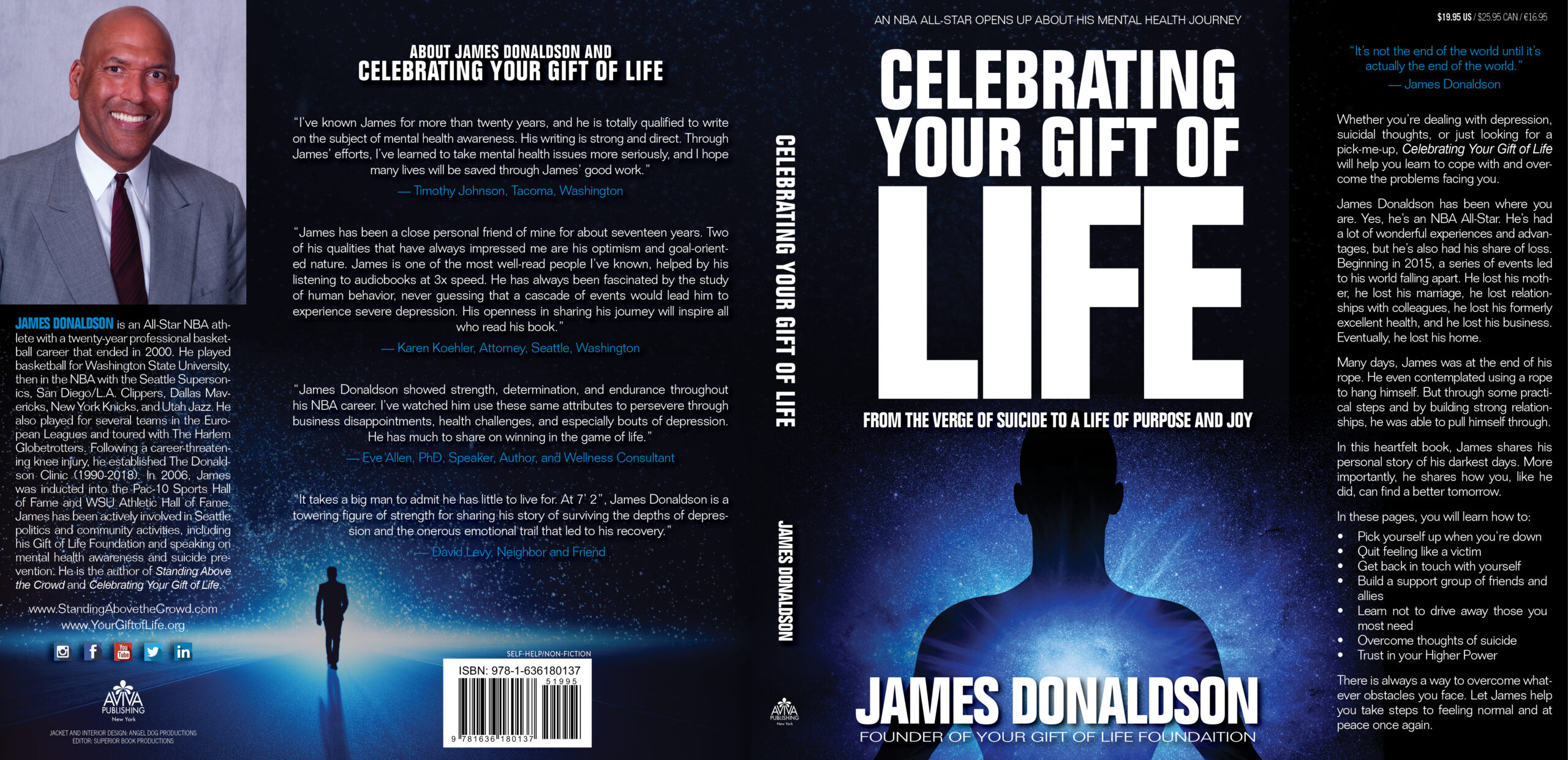


www.celebratingyourgiftoflife.com


Link for 40 Habits Signup
bit.ly/40HabitsofMentalHealth


If you'd like to follow and receive my daily blog in to your inbox, just click on it with Follow It. Here's the link https://follow.it/james-donaldson-s-standing-above-the-crowd-s-blog-a-view-from-above-on-things-that-make-the-world-go-round?action=followPub


“Youth must be sure of what they are going into. Like I always warn, if parents are saying no, please be careful. If you are a male like me and you have younger siblings who are female, if you bring somebody and they don’t approve, you need to be very careful.


“People must be careful. We must make an informed decision and be sure that we are making the right decision. If not, sometimes people will have to live with regret for the rest of their lives.”


On his part, a psychiatrist at the Federal Neuro-Psychiatric Hospital, Yaba, Lagos State, Dr. Oyebode Fadipe emphasized the importance of choosing the right partner.


According to him, marrying someone who is not compatible with you can lead to a lot of conflict and stress.


Fadipe explained that when individuals are in a relationship with someone who does not understand or support them, it can lead to feelings of loneliness and isolation.


He further stated that when individuals are in a relationship with someone who does not share their values or goals, it could lead to feelings of frustration and resentment.


He noted that marrying the wrong person can also lead to a loss of identity.


“When you’re in a relationship with someone who is controlling or manipulative, you can start to lose sense of who you are and what you want,” he said.


The psychiatrist noted that it is essential for individuals to take the time to get to know someone before committing to marriage.


He warned, “Rushing into a marriage without properly getting to know the person can lead to disastrous consequences.


“Being able to communicate effectively with your partner is crucial for building a strong and healthy relationship.”


The physician stressed the need for individuals to prioritize their mental health and well-being when choosing a partner.


“You should never feel like you are sacrificing your happiness or well-being for the sake of a relationship,” he said.


A man and woman argue in a kitchen with papers flying around. https://standingabovethecrowd.com/james-donaldson-on-mental-health-marriage-to-wrong-person-may-trigger-suicidal-thoughts-depression-psychiatrists/


James Donaldson on Mental Health - Marriage to wrong person may trigger suicidal thoughts, depression –Psychiatrists
By Sodiq Ojuroungbe

A toxic marriage with frequent conflicts due to marrying the wrong person could have a devastating impact on one’s mental health, according to psychiatrists.

The mental health experts cautioned that marrying the wrong partner could lead to depression, anxiety, and even suicidal thoughts, stressing that marital conflict negatively affects the mental health of both husbands and wives.

Speaking exclusively with PUNCH Healthwise, the physicians emphasized the importance of choosing the right partner, pointing out that marrying someone not compatible might also lead to persistent stress, regret, and anxiety.

There has been a disturbing trend of individuals taking their own lives due to marital problems and related issues.

PUNCH Healthwise reports that this alarming trend has been observed in various cases, including two recent incidents involving Nigerian nationals residing in the United States.

In one of the cases, a 64-year-old Nigerian professor at Kutztown University in Pennsylvania, Chukwudubem Okafor, fatally shot his Jamaican wife, Cheryl, before taking his own life in a tragic murder-suicide.

According to Detective Joel Vonnille of the Berks County Coroner’s Office, the investigation revealed that the couple had marital problems, which led to the devastating incident.

In another incident, a 36-year-old Nigerian cardiologist based in the United States, Dr. Ikenna Erinne, reportedly committed suicide after losing a child support case to his ex-wife.

The prolonged divorce battle, including the custody of their children, had taken a toll on Dr. Erinne, who was ordered to pay $15,000 in monthly child support.

These tragic incidents highlight the growing concern of marital problems leading to mental health issues and, in extreme cases, suicide.

Reacting, some mental health experts who spoke with our correspondent, stressed that marrying the wrong partner could have severe consequences on one’s mental health, including depression, anxiety, and even suicidal tendencies.

A Psychiatrist, Dr Sunday Amosu emphasized the significance of selecting a compatible marriage partner.

Amosu, who is the Head of Drug Addiction Treatment Education Research at Federal Neuropsychiatric Hospital, Aro, Abeokuta, Ogun State, noted that ignoring parental advice and proceeding with a marriage that was not approved could lead to a range of problems, including depression, anxiety, and suicidal tendencies.

According to the mental health physician, when individuals enter into a marriage without proper guidance and support, they may struggle with feelings of isolation, loneliness, and depression.

He explained that this can be particularly challenging when the relationship turns sour, and the individual feels unable to seek help from their parents or other trusted authorities.

Amosu stressed the importance of pre-marital counseling, noting that many people get into problems because they didn’t undergo counseling before getting married.

He advised individuals to seek the services of professional counselors, mentors, or accountability partners who can provide guidance and support during and after marriage.

The psychiatrist also noted that marital problems can have severe consequences on mental health, including depression, anxiety disorders, and even suicidal tendencies.

He emphasized that individuals should prioritize their mental health and well-being when choosing a partner, rather than ignoring potential red flags or sacrificing their happiness for the sake of the relationship.

“So, people should not die in suffering. When there is violence, don’t keep quiet. Don’t die in silence. Cry out. If you cry out, the solution may be on the way. Somebody may come to your rescue.

“We know that sometimes the couple may need to separate for some time and later come together again rather than being killed like a chicken. I think people should not die in silence. They should come out.

“What is yours will always be yours. We encourage people to come out and speak out. If this man will marry you, he will still marry you. If this lady will marry you, she will still marry you. If you go into marriage under deceit, and this person gets that discomfort, he or she may leave you. And the fear you had at the beginning of not losing, ultimately will still happen. Then is it worth the trouble? We must be sincere in marriage,” he stressed.

Speaking further on how marriage can lead to mental breakdown, the psychiatrist added, “It has also been found that marital discord usually precedes depression in those who are married. So, another group of people are those who have suffered a mental breakdown, because they didn’t tell their spouse, whether it is the husband or the wife, how exactly they feel. When either of the partners discovers, usually a lack of trust will come in.

“When there is a lack of trust, the person will not trust again; it will be a serious one. And sometimes the marriage may break down.

“Also, when there are major life challenges that people go through, maybe exit events, somebody suddenly dies, it is a sort of kidnapping, ritualism, an armed robber came to the house and raped the wife in the presence of the husband, they may not enjoy that relationship again.

“These are major life traumas. Even with the stresses that we go through, and the challenge of our children; maybe they are not doing well in school as expected. So, all those things will tend to people developing depression.

“Even physical illness. When they have some physical illness and they have to use medication for a long time, people have cancer. They also develop depression.

“So, all these are in the context of a relationship. If a partner is not aware, there will be a problem later.”

Continuing, the mental health physician said, “Today, it is important that our youth must be patient when it comes to relationships. Even for parents, we must be able to guide our children appropriately.

“What we need is to support them, remove sentiment, and be sure that they’ll be able to live together and all the necessary support that they need in marriage, we must be able to give them.”

“If they are not able to cope, if one partner is not happy, they may also have a mental breakdown. Most of the time, it is usually with depression.”

 So, parents need to be careful.

#James Donaldson notes:Welcome to the “next chapter” of my life… being a voice and an advocate for #mentalhealthawarenessandsuicideprevention, especially pertaining to our younger generation of students and student-athletes.Getting men to speak up and reach out for help and assistance is one of my passions. Us men need to not suffer in silence or drown our sorrows in alcohol, hang out at bars and strip joints, or get involved with drug use.Having gone through a recent bout of #depression and #suicidalthoughts myself, I realize now, that I can make a huge difference in the lives of so many by sharing my story, and by sharing various resources I come across as I work in this space.  #http://bit.ly/JamesMentalHealthArticleFind out more about the work I do on my 501c3 non-profit foundationwebsite www.yourgiftoflife.org Order your copy of James Donaldson's latest book,#CelebratingYourGiftofLife: From The Verge of Suicide to a Life of Purpose and Joy

www.celebratingyourgiftoflife.com

Link for 40 Habits Signupbit.ly/40HabitsofMentalHealth

If you'd like to follow and receive my daily blog in to your inbox, just click on it with Follow It. Here's the link https://follow.it/james-donaldson-s-standing-above-the-crowd-s-blog-a-view-from-above-on-things-that-make-the-world-go-round?action=followPub

“Youth must be sure of what they are going into. Like I always warn, if parents are saying no, please be careful. If you are a male like me and you have younger siblings who are female, if you bring somebody and they don’t approve, you need to be very careful.

“People must be careful. We must make an informed decision and be sure that we are making the right decision. If not, sometimes people will have to live with regret for the rest of their lives.”

On his part, a psychiatrist at the Federal Neuro-Psychiatric Hospital, Yaba, Lagos State, Dr. Oyebode Fadipe emphasized the importance of choosing the right partner.

According to him, marrying someone who is not compatible with you can lead to a lot of conflict and stress.

Fadipe explained that when individuals are in a relationship with someone who does not understand or support them, it can lead to feelings of loneliness and isolation.

He further stated that when individuals are in a relationship with someone who does not share their values or goals, it could lead to feelings of frustration and resentment.

He noted that marrying the wrong person can also lead to a loss of identity.

“When you’re in a relationship with someone who is controlling or manipulative, you can start to lose sense of who you are and what you want,” he said.

The psychiatrist noted that it is essential for individuals to take the time to get to know someone before committing to marriage.

He warned, “Rushing into a marriage without properly getting to know the person can lead to disastrous consequences.

“Being able to communicate effectively with your partner is crucial for building a strong and healthy relationship.”

The physician stressed the need for individuals to prioritize their mental health and well-being when choosing a partner.

“You should never feel like you are sacrificing your happiness or well-being for the sake of a relationship,” he said. https://standingabovethecrowd.com/james-donaldson-on-mental-health-marriage-to-wrong-person-may-trigger-suicidal-thoughts-depression-psychiatrists/

James Donaldson on Mental Health - Marriage to wrong person may trigger suicidal thoughts, depression –Psychiatrists
By Sodiq Ojuroungbe

A toxic marriage with frequent conflicts due to marrying the wrong person could have a devastating impact on one’s mental health, according to psychiatrists.

The mental health experts cautioned that marrying the wrong partner could lead to depression, anxiety, and even suicidal thoughts, stressing that marital conflict negatively affects the mental health of both husbands and wives.

Speaking exclusively with PUNCH Healthwise, the physicians emphasized the importance of choosing the right partner, pointing out that marrying someone not compatible might also lead to persistent stress, regret, and anxiety.

There has been a disturbing trend of individuals taking their own lives due to marital problems and related issues.

PUNCH Healthwise reports that this alarming trend has been observed in various cases, including two recent incidents involving Nigerian nationals residing in the United States.

In one of the cases, a 64-year-old Nigerian professor at Kutztown University in Pennsylvania, Chukwudubem Okafor, fatally shot his Jamaican wife, Cheryl, before taking his own life in a tragic murder-suicide.

According to Detective Joel Vonnille of the Berks County Coroner’s Office, the investigation revealed that the couple had marital problems, which led to the devastating incident.

In another incident, a 36-year-old Nigerian cardiologist based in the United States, Dr. Ikenna Erinne, reportedly committed suicide after losing a child support case to his ex-wife.

The prolonged divorce battle, including the custody of their children, had taken a toll on Dr. Erinne, who was ordered to pay $15,000 in monthly child support.

These tragic incidents highlight the growing concern of marital problems leading to mental health issues and, in extreme cases, suicide.

Reacting, some mental health experts who spoke with our correspondent, stressed that marrying the wrong partner could have severe consequences on one’s mental health, including depression, anxiety, and even suicidal tendencies.

A Psychiatrist, Dr Sunday Amosu emphasized the significance of selecting a compatible marriage partner.

Amosu, who is the Head of Drug Addiction Treatment Education Research at Federal Neuropsychiatric Hospital, Aro, Abeokuta, Ogun State, noted that ignoring parental advice and proceeding with a marriage that was not approved could lead to a range of problems, including depression, anxiety, and suicidal tendencies.

According to the mental health physician, when individuals enter into a marriage without proper guidance and support, they may struggle with feelings of isolation, loneliness, and depression.

He explained that this can be particularly challenging when the relationship turns sour, and the individual feels unable to seek help from their parents or other trusted authorities.

Amosu stressed the importance of pre-marital counseling, noting that many people get into problems because they didn’t undergo counseling before getting married.

He advised individuals to seek the services of professional counselors, mentors, or accountability partners who can provide guidance and support during and after marriage.

The psychiatrist also noted that marital problems can have severe consequences on mental health, including depression, anxiety disorders, and even suicidal tendencies.

He emphasized that individuals should prioritize their mental health and well-being when choosing a partner, rather than ignoring potential red flags or sacrificing their happiness for the sake of the relationship.

“So, people should not die in suffering. When there is violence, don’t keep quiet. Don’t die in silence. Cry out. If you cry out, the solution may be on the way. Somebody may come to your rescue.

“We know that sometimes the couple may need to separate for some time and later come together again rather than being killed like a chicken. I think people should not die in silence. They should come out.

“What is yours will always be yours. We encourage people to come out and speak out. If this man will marry you, he will still marry you. If this lady will marry you, she will still marry you. If you go into marriage under deceit, and this person gets that discomfort, he or she may leave you. And the fear you had at the beginning of not losing, ultimately will still happen. Then is it worth the trouble? We must be sincere in marriage,” he stressed.

Speaking further on how marriage can lead to mental breakdown, the psychiatrist added, “It has also been found that marital discord usually precedes depression in those who are married. So, another group of people are those who have suffered a mental breakdown, because they didn’t tell their spouse, whether it is the husband or the wife, how exactly they feel. When either of the partners discovers, usually a lack of trust will come in.

“When there is a lack of trust, the person will not trust again; it will be a serious one. And sometimes the marriage may break down.

“Also, when there are major life challenges that people go through, maybe exit events, somebody suddenly dies, it is a sort of kidnapping, ritualism, an armed robber came to the house and raped the wife in the presence of the husband, they may not enjoy that relationship again.

“These are major life traumas. Even with the stresses that we go through, and the challenge of our children; maybe they are not doing well in school as expected. So, all those things will tend to people developing depression.

“Even physical illness. When they have some physical illness and they have to use medication for a long time, people have cancer. They also develop depression.

“So, all these are in the context of a relationship. If a partner is not aware, there will be a problem later.”

Continuing, the mental health physician said, “Today, it is important that our youth must be patient when it comes to relationships. Even for parents, we must be able to guide our children appropriately.

“What we need is to support them, remove sentiment, and be sure that they’ll be able to live together and all the necessary support that they need in marriage, we must be able to give them.”

“If they are not able to cope, if one partner is not happy, they may also have a mental breakdown. Most of the time, it is usually with depression.”

 So, parents need to be careful.

#James Donaldson notes:Welcome to the “next chapter” of my life… being a voice and an advocate for #mentalhealthawarenessandsuicideprevention, especially pertaining to our younger generation of students and student-athletes.Getting men to speak up and reach out for help and assistance is one of my passions. Us men need to not suffer in silence or drown our sorrows in alcohol, hang out at bars and strip joints, or get involved with drug use.Having gone through a recent bout of #depression and #suicidalthoughts myself, I realize now, that I can make a huge difference in the lives of so many by sharing my story, and by sharing various resources I come across as I work in this space.  #http://bit.ly/JamesMentalHealthArticleFind out more about the work I do on my 501c3 non-profit foundationwebsite www.yourgiftoflife.org Order your copy of James Donaldson's latest book,#CelebratingYourGiftofLife: From The Verge of Suicide to a Life of Purpose and Joy

www.celebratingyourgiftoflife.com

Link for 40 Habits Signupbit.ly/40HabitsofMentalHealth

If you'd like to follow and receive my daily blog in to your inbox, just click on it with Follow It. Here's the link https://follow.it/james-donaldson-s-standing-above-the-crowd-s-blog-a-view-from-above-on-things-that-make-the-world-go-round?action=followPub

“Youth must be sure of what they are going into. Like I always warn, if parents are saying no, please be careful. If you are a male like me and you have younger siblings who are female, if you bring somebody and they don’t approve, you need to be very careful.

“People must be careful. We must make an informed decision and be sure that we are making the right decision. If not, sometimes people will have to live with regret for the rest of their lives.”

On his part, a psychiatrist at the Federal Neuro-Psychiatric Hospital, Yaba, Lagos State, Dr. Oyebode Fadipe emphasized the importance of choosing the right partner.

According to him, marrying someone who is not compatible with you can lead to a lot of conflict and stress.

Fadipe explained that when individuals are in a relationship with someone who does not understand or support them, it can lead to feelings of loneliness and isolation.

He further stated that when individuals are in a relationship with someone who does not share their values or goals, it could lead to feelings of frustration and resentment.

He noted that marrying the wrong person can also lead to a loss of identity.

“When you’re in a relationship with someone who is controlling or manipulative, you can start to lose sense of who you are and what you want,” he said.

The psychiatrist noted that it is essential for individuals to take the time to get to know someone before committing to marriage.

He warned, “Rushing into a marriage without properly getting to know the person can lead to disastrous consequences.

“Being able to communicate effectively with your partner is crucial for building a strong and healthy relationship.”

The physician stressed the need for individuals to prioritize their mental health and well-being when choosing a partner.

“You should never feel like you are sacrificing your happiness or well-being for the sake of a relationship,” he said. https://standingabovethecrowd.com/?p=13608

Sunday, March 2, 2025

James Donaldson on Mental Health - How to Change Negative Thinking Patterns

James Donaldson on Mental Health - How to Change Negative Thinking Patterns

Recognizing unhealthy thinking errors called 'cognitive distortions'


https://www.youtube.com/watch?v=VNGUjLOg9Mc&t=14s&ab_channel=ChildMindInstitute

Writer: Juliann Garey


Clinical Expert: Jeff DeRoche, LCSW


What You'll Learn


- How can negative thinking patterns affect kids’ lives?
- What are some of the most common negative thinking patterns?
- How can parents help kids change negative thinking patterns?
- Quick Read
- Full Article
- 1. All-or-Nothing Thinking (also referred to as Black-and-White Thinking or Dichotomous Thinking)
- 2. Emotional Reasoning
- 3. Overgeneralization
- 4. Labeling
- 5. Fortune-Telling
- 6. Mind Reading
- 7. Catastrophizing
- 8.Discounting the Positive
- 9. Mental Filter (also called Selective Abstraction)
- 10. Personalization
- 11. Imperatives
- How parents can help kids

Kids can be hard on themselves — especially kids with mental health challenges. They can get stuck in negative thinking patterns that may make depression, anxiety and upsetting feelings even worse.  


Repeated patterns of unrealistic negative thinking are called cognitive distortions. Cognitive distortions are basically thinking mistakes. Learning how to recognize cognitive distortions can make it easier for kids to think more positively and feel better about themselves. 


Mental health experts have identified several common cognitive distortions. One is all-or-nothing thinking, where kids think that one bad thing means that everything is bad. For instance, a child might think that if they don’t get perfect grades, they’re a terrible student.  


Several common cognitive distortions have to do with believing you know things that are impossible to know. For example, a child might think they know others’ thoughts (“I’m sure they think I’m stupid!”) or what will happen in the future (“I’m never going to get better at math.”). They may also focus on bad things (like one kid being mean) instead of good ones (like lots of other kids being nice). 


It’s also common for kids to view things as proof that there’s something wrong with them. They might think they caused things that they didn’t: “My parents are getting divorced because I cause too much trouble.” 


Learning about cognitive distortions and talking about them with your kids can help them think more positively. You can practice noticing negative thinking together. The goal is for kids to understand that we all make thinking mistakes sometimes and learn how to correct them.  


If you notice that your child makes a lot of cognitive distortions and gets very emotional about them, getting support from a mental health professional can also help. 


Children can be their own worst critics. This is particularly true for kids with mental health disorders, who may be especially down on themselves. They can get stuck in negative thinking patterns that contribute to depression, amp up their anxiety, or make painful emotions feel overwhelming.


If your daughter wasn’t invited to a birthday party, for example, she may decide that everyone who went to the party hates her. If she forgets a line in a school play, she may insist that she ruined the whole performance.


These negative thinking patterns are often unrealistic, but they can have significant impacts on our emotions, behaviors, and world views. Mental health experts call them cognitive distortions — they’re also sometimes referred to as cognitive errors, thinking mistakes, or thinking errors.


“Some amount of cognitive distortion is normal,” says Jeff DeRoche, LCSW, a clinical social worker. “We all make thinking mistakes. It’s when that kind of thinking is chronic and entrenched that the thoughts are likely doing a number on a child’s emotional life. I’ve never seen someone suffering under the weight of any kind of behavioral health problem who isn’t making cognitive errors quite regularly.”


In cognitive behavioral therapy (CBT), kids are taught to recognize common cognitive distortions that may be making them feel bad. But whether or not your child is in therapy, it can help to recognize and identify them when you see them. Here they are distilled into 11 common categories. DeRoche emphasizes that there’s a lot of overlap among them.


1. All-or-Nothing Thinking (also referred to as Black-and-White Thinking or Dichotomous Thinking)


What it is: Seeing things in only two categories, so they’re either good or bad, black or white, with no shades of grey. A common distortion that makes you think — and therefore feel — that if something is not all of what you want then it’s none of what you want. It’s also thinking that you have to perform well on everything — perfectionism — or you’ve totally failed.


For example: I didn’t get into my first choice school so my hopes for high school are totally dashed. Or: If I didn’t get that A+ then I’m a failure.


2. Emotional Reasoning


What it is: Believing that because you feel something it must be true, even when there’s no evidence other than the feeling.


For example: I feel lonely, therefore no one likes me. Or: I feel afraid to go in an elevator, therefore elevators are dangerous places.


3. Overgeneralization


What it is: Taking one negative event or detail about a situation and making it a universal pattern that is a truth about your whole life.


For example: This person didn’t want to hang out with me. No one ever wants to hang out with me! Or: I messed up my chemistry experiment today. I never do anything right!


4. Labeling


What it is: Putting a negative label on yourself – or someone else – so that you no longer see the person behind the label. When you lock someone in place like that, your understanding becomes so rigid that there’s no wiggle room to see yourself or another person differently.


For example: I fell down trying to score that goal in soccer today. I’m a horrible klutz. I didn’t have anything to say in that conversation. I’m totally uninteresting!


5. Fortune-Telling


What it is: Predicting something is going to turn out in a negative way. This can become a pessimistic way of viewing the future, and it can impact your behavior, making the event you’re fortune-telling more likely to turn out badly.


For example: I know that I’m going to do horribly on that test (so you panic and perform less effectively on it). Or: If I reach out to this person, they’re not going to want to talk to me or accept me (so you don’t reach out and take a chance on connecting with someone you want to know better or get help from).


6. Mind Reading


What it is: Assuming that you know and understand what another person is thinking, and typically being sure it reflects poorly on you.


For example: I’m talking, and the person I’m talking to doesn’t seem to be paying attention. I’m sure they don’t like me. (In fact it might be that they’re just distracted, or stressed about something unrelated to you and are having a hard time focusing.)


7. Catastrophizing


(also called Magnification)


What it is: Taking a problem or something negative and blowing it up out of proportion.


For example: This party is going to be the worst experience ever! Or: If I don’t get a base hit I’ll die of embarrassment.


8.Discounting the Positive


(also called Minimizing)


What it is: Taking something positive that happened and minimizing it so that it doesn’t “count” as a good thing in your life or experience. It discounts any evidence against our negative view of ourselves or our situation.


For example: I did well on that one quiz, but I just got lucky. Or: This person said, ‘I love hanging out with you,’ but she’s just being nice. She doesn’t really mean it.


9. Mental Filter (also called Selective Abstraction)


What it is: Seeing only the negative instead of looking at all the positive or neutral aspects of an experience.


For example: You write a paper for a teacher and they give you plenty of positive feedback on it, but you spelled someone’s name wrong. All you can think about is the misspelling. Or you have many positive conversations in a day, and one in which you say something embarrassing. You focus with total horror only on the embarrassing statement you made, forgetting all your other social interactions.


10. Personalization


What it is: Making things about you when they are not. This includes blaming yourself for what is beyond your control and also taking things personally when they are not  intended to be harmful to you.


For example: If I hadn’t demanded so much of my parents, maybe they wouldn’t be getting a divorce. Or: How dare that person walk in front of me – that was so disrespectful! (When the person just didn’t notice you and cutting you off was an honest mistake.)


11. Imperatives


What it is: Thinking in “shoulds” and “musts” (and the inverse, “should nots” and must nots”).


For example: I should be able to give presentations in class without feeling any anxiety. What’s wrong with me? (Of course, thinking this way, on top of feeling nervous, makes you even more nervous about speaking!)


How parents can help kids


CBT helps kids identify, challenge, and ultimately restructure their thinking so that they can live healthier, better adjusted lives.  Taking a cue from CBT, parents, too, can help kids recognize cognitive distortions, and reduce their intensity.


The best way to start is with your own cognitive distortions, says DeRoche. Once you’ve learned the different types, try recognizing them in your own patterns of thought. For example, if your child has anxiety, you might personalize this, assuming it’s your fault, and then label yourself a “terrible parent.”


“I can’t stress enough how important it is to notice cognitive distortions in a way that’s not judgmental,” says DeRoche. “When you get skillful at noticing distortions in your own thinking, you are in a much better place to help someone else notice theirs. And be humble about noticing your own – call them out in a playful way when you make them, and let your kids call yours out, too.”


The goal is to model for your children that we all make thinking mistakes, he adds, and “the act of noticing them and making corrections with levity and self-compassion is usually the best medicine.”


To learn the cognitive distortions, you can help your children make flash cards so you can quiz each other. The Internet is full of colorful posters of the various distortions as well, and CBT phone apps often ask the user to label the distortions in their thinking from menus of choices.


“Keep this work together light,” DeRoche advises. “Even very experienced therapists have to work hard to safeguard against inadvertently invalidating children by telling them their thinking is ‘in error’ or ‘illogical.’ Even when it is, we can’t assume they are always going to be ready or willing to see it that way. Sometimes we get stuck on how we feel and it’s tough to rationally evaluate how we’re thinking.”


Most importantly, if your child is making many cognitive distortions – if their thinking is very rigid, their expectations are chronically negative, or their feelings are too strong for them to be reflective about their thinking mistakes, it’s time to ask for help from experts. It’s great to collaborate with your child in learning and identifying cognitive distortions – especially as a supplement to good therapy – but a child who is seriously struggling may need treatment from a mental health professional.


#James Donaldson notes:
Welcome to the “next chapter” of my life… being a voice and an advocate for #mentalhealthawarenessandsuicideprevention, especially pertaining to our younger generation of students and student-athletes.
Getting men to speak up and reach out for help and assistance is one of my passions. Us men need to not suffer in silence or drown our sorrows in alcohol, hang out at bars and strip joints, or get involved with drug use.
Having gone through a recent bout of #depression and #suicidalthoughts myself, I realize now, that I can make a huge difference in the lives of so many by sharing my story, and by sharing various resources I come across as I work in this space.
  #http://bit.ly/JamesMentalHealthArticle
Find out more about the work I do on my 501c3 non-profit foundation
website www.yourgiftoflife.org Order your copy of James Donaldson's latest book,
#CelebratingYourGiftofLife: From The Verge of Suicide to a Life of Purpose and Joy


www.celebratingyourgiftoflife.com


Link for 40 Habits Signup
bit.ly/40HabitsofMentalHealth


If you'd like to follow and receive my daily blog in to your inbox, just click on it with Follow It. Here's the link https://follow.it/james-donaldson-s-standing-above-the-crowd-s-blog-a-view-from-above-on-things-that-make-the-world-go-round?action=followPub


Frequently Asked Questions


How can I change negative thinking?


You can change negative thinking by learning to recognize and correct patterns of unrealistic thoughts. Clinicians call these patterns “cognitive distortions.” Common cognitive distortions include all-or-nothing thinking, thinking you know other people’s thoughts (“I’m sure she hates me!”), and predicting the future (“I’m never going to get better at math.”).


https://standingabovethecrowd.com/james-donaldson-on-mental-health-how-to-change-negative-thinking-patterns/


James Donaldson on Mental Health - How to Change Negative Thinking Patterns
Recognizing unhealthy thinking errors called 'cognitive distortions'

https://www.youtube.com/watch?v=VNGUjLOg9Mc&t=14s&ab_channel=ChildMindInstitute

Writer: Juliann Garey

Clinical Expert: Jeff DeRoche, LCSW

What You'll Learn

- How can negative thinking patterns affect kids’ lives?

- What are some of the most common negative thinking patterns?

- How can parents help kids change negative thinking patterns?

- Quick Read

- Full Article

- 1. All-or-Nothing Thinking (also referred to as Black-and-White Thinking or Dichotomous Thinking)

- 2. Emotional Reasoning

- 3. Overgeneralization

- 4. Labeling

- 5. Fortune-Telling

- 6. Mind Reading

- 7. Catastrophizing

- 8.Discounting the Positive

- 9. Mental Filter (also called Selective Abstraction)

- 10. Personalization

- 11. Imperatives

- How parents can help kids

Kids can be hard on themselves — especially kids with mental health challenges. They can get stuck in negative thinking patterns that may make depression, anxiety and upsetting feelings even worse.  

Repeated patterns of unrealistic negative thinking are called cognitive distortions. Cognitive distortions are basically thinking mistakes. Learning how to recognize cognitive distortions can make it easier for kids to think more positively and feel better about themselves. 

Mental health experts have identified several common cognitive distortions. One is all-or-nothing thinking, where kids think that one bad thing means that everything is bad. For instance, a child might think that if they don’t get perfect grades, they’re a terrible student.  

Several common cognitive distortions have to do with believing you know things that are impossible to know. For example, a child might think they know others’ thoughts (“I’m sure they think I’m stupid!”) or what will happen in the future (“I’m never going to get better at math.”). They may also focus on bad things (like one kid being mean) instead of good ones (like lots of other kids being nice). 

It’s also common for kids to view things as proof that there’s something wrong with them. They might think they caused things that they didn’t: “My parents are getting divorced because I cause too much trouble.” 

Learning about cognitive distortions and talking about them with your kids can help them think more positively. You can practice noticing negative thinking together. The goal is for kids to understand that we all make thinking mistakes sometimes and learn how to correct them.  

If you notice that your child makes a lot of cognitive distortions and gets very emotional about them, getting support from a mental health professional can also help. 

Children can be their own worst critics. This is particularly true for kids with mental health disorders, who may be especially down on themselves. They can get stuck in negative thinking patterns that contribute to depression, amp up their anxiety, or make painful emotions feel overwhelming.

If your daughter wasn’t invited to a birthday party, for example, she may decide that everyone who went to the party hates her. If she forgets a line in a school play, she may insist that she ruined the whole performance.

These negative thinking patterns are often unrealistic, but they can have significant impacts on our emotions, behaviors, and world views. Mental health experts call them cognitive distortions — they’re also sometimes referred to as cognitive errors, thinking mistakes, or thinking errors.

“Some amount of cognitive distortion is normal,” says Jeff DeRoche, LCSW, a clinical social worker. “We all make thinking mistakes. It’s when that kind of thinking is chronic and entrenched that the thoughts are likely doing a number on a child’s emotional life. I’ve never seen someone suffering under the weight of any kind of behavioral health problem who isn’t making cognitive errors quite regularly.”

In cognitive behavioral therapy (CBT), kids are taught to recognize common cognitive distortions that may be making them feel bad. But whether or not your child is in therapy, it can help to recognize and identify them when you see them. Here they are distilled into 11 common categories. DeRoche emphasizes that there’s a lot of overlap among them.

1. All-or-Nothing Thinking (also referred to as Black-and-White Thinking or Dichotomous Thinking)

What it is: Seeing things in only two categories, so they’re either good or bad, black or white, with no shades of grey. A common distortion that makes you think — and therefore feel — that if something is not all of what you want then it’s none of what you want. It’s also thinking that you have to perform well on everything — perfectionism — or you’ve totally failed.

For example: I didn’t get into my first choice school so my hopes for high school are totally dashed. Or: If I didn’t get that A+ then I’m a failure.

2. Emotional Reasoning

What it is: Believing that because you feel something it must be true, even when there’s no evidence other than the feeling.

For example: I feel lonely, therefore no one likes me. Or: I feel afraid to go in an elevator, therefore elevators are dangerous places.

3. Overgeneralization

What it is: Taking one negative event or detail about a situation and making it a universal pattern that is a truth about your whole life.

For example: This person didn’t want to hang out with me. No one ever wants to hang out with me! Or: I messed up my chemistry experiment today. I never do anything right!

4. Labeling

What it is: Putting a negative label on yourself – or someone else – so that you no longer see the person behind the label. When you lock someone in place like that, your understanding becomes so rigid that there’s no wiggle room to see yourself or another person differently.

For example: I fell down trying to score that goal in soccer today. I’m a horrible klutz. I didn’t have anything to say in that conversation. I’m totally uninteresting!

5. Fortune-Telling

What it is: Predicting something is going to turn out in a negative way. This can become a pessimistic way of viewing the future, and it can impact your behavior, making the event you’re fortune-telling more likely to turn out badly.

For example: I know that I’m going to do horribly on that test (so you panic and perform less effectively on it). Or: If I reach out to this person, they’re not going to want to talk to me or accept me (so you don’t reach out and take a chance on connecting with someone you want to know better or get help from).

6. Mind Reading

What it is: Assuming that you know and understand what another person is thinking, and typically being sure it reflects poorly on you.

For example: I’m talking, and the person I’m talking to doesn’t seem to be paying attention. I’m sure they don’t like me. (In fact it might be that they’re just distracted, or stressed about something unrelated to you and are having a hard time focusing.)

7. Catastrophizing

(also called Magnification)

What it is: Taking a problem or something negative and blowing it up out of proportion.

For example: This party is going to be the worst experience ever! Or: If I don’t get a base hit I’ll die of embarrassment.

8.Discounting the Positive

(also called Minimizing)

What it is: Taking something positive that happened and minimizing it so that it doesn’t “count” as a good thing in your life or experience. It discounts any evidence against our negative view of ourselves or our situation.

For example: I did well on that one quiz, but I just got lucky. Or: This person said, ‘I love hanging out with you,’ but she’s just being nice. She doesn’t really mean it.

9. Mental Filter (also called Selective Abstraction)

What it is: Seeing only the negative instead of looking at all the positive or neutral aspects of an experience.

For example: You write a paper for a teacher and they give you plenty of positive feedback on it, but you spelled someone’s name wrong. All you can think about is the misspelling. Or you have many positive conversations in a day, and one in which you say something embarrassing. You focus with total horror only on the embarrassing statement you made, forgetting all your other social interactions.

10. Personalization

What it is: Making things about you when they are not. This includes blaming yourself for what is beyond your control and also taking things personally when they are not  intended to be harmful to you.

For example: If I hadn’t demanded so much of my parents, maybe they wouldn’t be getting a divorce. Or: How dare that person walk in front of me – that was so disrespectful! (When the person just didn’t notice you and cutting you off was an honest mistake.)

11. Imperatives

What it is: Thinking in “shoulds” and “musts” (and the inverse, “should nots” and must nots”).

For example: I should be able to give presentations in class without feeling any anxiety. What’s wrong with me? (Of course, thinking this way, on top of feeling nervous, makes you even more nervous about speaking!)

How parents can help kids

CBT helps kids identify, challenge, and ultimately restructure their thinking so that they can live healthier, better adjusted lives.  Taking a cue from CBT, parents, too, can help kids recognize cognitive distortions, and reduce their intensity.

The best way to start is with your own cognitive distortions, says DeRoche. Once you’ve learned the different types, try recognizing them in your own patterns of thought. For example, if your child has anxiety, you might personalize this, assuming it’s your fault, and then label yourself a “terrible parent.”

“I can’t stress enough how important it is to notice cognitive distortions in a way that’s not judgmental,” says DeRoche. “When you get skillful at noticing distortions in your own thinking, you are in a much better place to help someone else notice theirs. And be humble about noticing your own – call them out in a playful way when you make them, and let your kids call yours out, too.”

The goal is to model for your children that we all make thinking mistakes, he adds, and “the act of noticing them and making corrections with levity and self-compassion is usually the best medicine.”

To learn the cognitive distortions, you can help your children make flash cards so you can quiz each other. The Internet is full of colorful posters of the various distortions as well, and CBT phone apps often ask the user to label the distortions in their thinking from menus of choices.

“Keep this work together light,” DeRoche advises. “Even very experienced therapists have to work hard to safeguard against inadvertently invalidating children by telling them their thinking is ‘in error’ or ‘illogical.’ Even when it is, we can’t assume they are always going to be ready or willing to see it that way. Sometimes we get stuck on how we feel and it’s tough to rationally evaluate how we’re thinking.”

Most importantly, if your child is making many cognitive distortions – if their thinking is very rigid, their expectations are chronically negative, or their feelings are too strong for them to be reflective about their thinking mistakes, it’s time to ask for help from experts. It’s great to collaborate with your child in learning and identifying cognitive distortions – especially as a supplement to good therapy – but a child who is seriously struggling may need treatment from a mental health professional.

#James Donaldson notes:Welcome to the “next chapter” of my life… being a voice and an advocate for #mentalhealthawarenessandsuicideprevention, especially pertaining to our younger generation of students and student-athletes.Getting men to speak up and reach out for help and assistance is one of my passions. Us men need to not suffer in silence or drown our sorrows in alcohol, hang out at bars and strip joints, or get involved with drug use.Having gone through a recent bout of #depression and #suicidalthoughts myself, I realize now, that I can make a huge difference in the lives of so many by sharing my story, and by sharing various resources I come across as I work in this space.  #http://bit.ly/JamesMentalHealthArticleFind out more about the work I do on my 501c3 non-profit foundationwebsite www.yourgiftoflife.org Order your copy of James Donaldson's latest book,#CelebratingYourGiftofLife: From The Verge of Suicide to a Life of Purpose and Joy

www.celebratingyourgiftoflife.com

Link for 40 Habits Signupbit.ly/40HabitsofMentalHealth

If you'd like to follow and receive my daily blog in to your inbox, just click on it with Follow It. Here's the link https://follow.it/james-donaldson-s-standing-above-the-crowd-s-blog-a-view-from-above-on-things-that-make-the-world-go-round?action=followPub

Frequently Asked Questions

How can I change negative thinking?

You can change negative thinking by learning to recognize and correct patterns of unrealistic thoughts. Clinicians call these patterns “cognitive distortions.” Common cognitive distortions include all-or-nothing thinking, thinking you know other people’s thoughts (“I’m sure she hates me!”), and predicting the future (“I’m never going to get better at math.”). https://standingabovethecrowd.com/james-donaldson-on-mental-health-how-to-change-negative-thinking-patterns/

Saturday, March 1, 2025

James Donaldson on Mental Health - Protective factors for suicidal ideation and suicide attempts in adolescence: a longitudinal population-based cohort study examining sex differences

James Donaldson on Mental Health - Protective factors for suicidal ideation and suicide attempts in adolescence: a longitudinal population-based cohort study examining sex differences

- Victoria Bakken, 
- Stian Lydersen, 
- Norbert Skokauskas, 
- Anne Mari Sund & 
- Jannike Kaasbøll 
Background

Adolescence is a critical period with elevated vulnerability to suicidality. Despite the importance of protective factors in reducing suicidal ideation (SI) and suicide attempts (SA), research in this area remains limited. This study investigated the associations between protective factors in early adolescence and the subsequent outcomes of SI and SA a year later, while also examining sex differences in these associations.


Methods

This study utilized data from a representative sample at two timepoints, T1 (N?=?2464, 50.8% females, mean age?=?13.7, SD?=?0.6) in 1998 and T2 (N?=?2432, 50.4% females, mean age?=?14.9, SD?=?0.6) one year later, collected as part of the longitudinal Youth and Mental Health Study (YAMHS) in Norway. Individual, social and environmental protective factors were identified based on prior research and theoretical frameworks. We used linear (or ordinal logistic) regression analyses with SI (or SA) as dependent variable, and one protective factor, sex and their interaction as covariates.


Results

Positive self-perceptions (T1) were significantly associated with reduced SI and SA one year later (T2) for both sexes. Specifically, self-worth was more strongly associated with reduced SI in females (B = -0.16, 95% CI: -0.20 to -0.12, p?

https://standingabovethecrowd.com/james-donaldson-on-mental-health-protective-factors-for-suicidal-ideation-and-suicide-attempts-in-adolescence-a-longitudinal-population-based-cohort-study-examining-sex-differences-2/


James Donaldson on Mental Health - Protective factors for suicidal ideation and suicide attempts in adolescence: a longitudinal population-based cohort study examining sex differences
- Victoria Bakken, 

- Stian Lydersen, 

- Norbert Skokauskas, 

- Anne Mari Sund & 

- Jannike Kaasbøll 

Background

Adolescence is a critical period with elevated vulnerability to suicidality. Despite the importance of protective factors in reducing suicidal ideation (SI) and suicide attempts (SA), research in this area remains limited. This study investigated the associations between protective factors in early adolescence and the subsequent outcomes of SI and SA a year later, while also examining sex differences in these associations.

Methods

This study utilized data from a representative sample at two timepoints, T1 (N?=?2464, 50.8% females, mean age?=?13.7, SD?=?0.6) in 1998 and T2 (N?=?2432, 50.4% females, mean age?=?14.9, SD?=?0.6) one year later, collected as part of the longitudinal Youth and Mental Health Study (YAMHS) in Norway. Individual, social and environmental protective factors were identified based on prior research and theoretical frameworks. We used linear (or ordinal logistic) regression analyses with SI (or SA) as dependent variable, and one protective factor, sex and their interaction as covariates.

Results

Positive self-perceptions (T1) were significantly associated with reduced SI and SA one year later (T2) for both sexes. Specifically, self-worth was more strongly associated with reduced SI in females (B = -0.16, 95% CI: -0.20 to -0.12, p? https://standingabovethecrowd.com/james-donaldson-on-mental-health-protective-factors-for-suicidal-ideation-and-suicide-attempts-in-adolescence-a-longitudinal-population-based-cohort-study-examining-sex-differences-2/