Wednesday, May 28, 2025

James Donaldson on Mental Health - Breaking the stigma associated with treating men's mental health

James Donaldson on Mental Health - Breaking the stigma associated with treating men's mental health
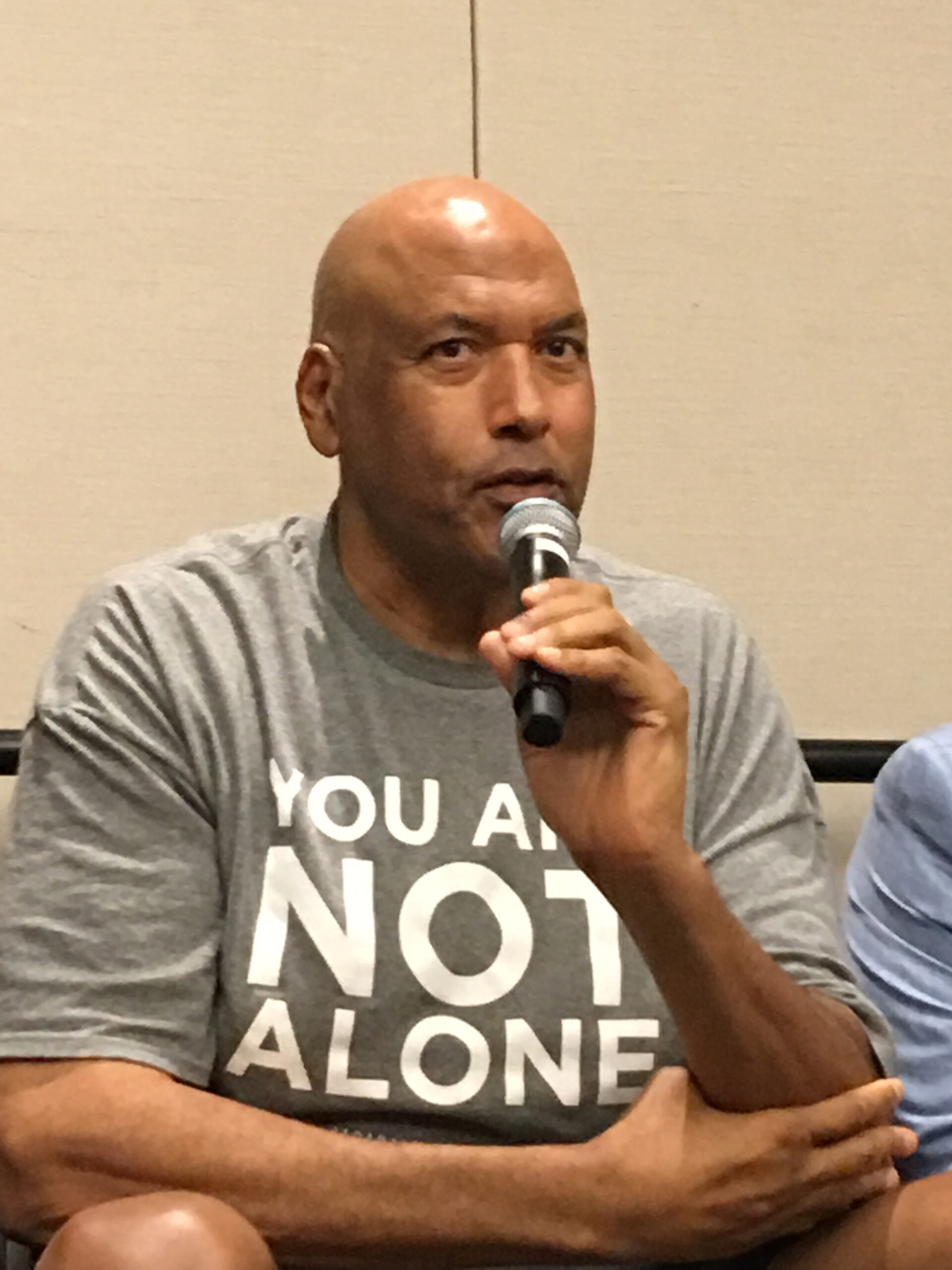
James Not Alone T-Shirt

BY Breanna Fuss


ORCHARD PARK, N.Y. — Men make up 80% of all suicides in the U.S. A mental health counselor is taking matters into his own therapy room, offering men a new way to get help.


Brian Costello says this men's group was born out of necessity. He noticed that men struggling was viewed as a failure, as if they were not doing something right or they have a character flaw. 


Costello says men tend to deal with isolation, anxiety, depression, substance use and struggles with relationships. That last part is key. 


Costello says not expressing your trauma or anxieties leads to struggles with your relationships. You're withholding information and that leads to a breakdown in communication and trust, not to mention the impact on mental and physical health.


#James Donaldson notes:
Welcome to the “next chapter” of my life… being a voice and an advocate for #mentalhealthawarenessandsuicideprevention, especially pertaining to our younger generation of students and student-athletes.
Getting men to speak up and reach out for help and assistance is one of my passions. Us men need to not suffer in silence or drown our sorrows in alcohol, hang out at bars and strip joints, or get involved with drug use.
Having gone through a recent bout of #depression and #suicidalthoughts myself, I realize now, that I can make a huge difference in the lives of so many by sharing my story, and by sharing various resources I come across as I work in this space.
  #http://bit.ly/JamesMentalHealthArticle
Find out more about the work I do on my 501c3 non-profit foundation
website www.yourgiftoflife.org Order your copy of James Donaldson's latest book,
#CelebratingYourGiftofLife: From The Verge of Suicide to a Life of Purpose and Joy


Click Here For More Information About James Donaldson


“Oftentimes people will develop a drinking problem and not even know it," Costello said. "You know, because it's our mind says it's because of work stress and family stress. But in reality, it's kind of developing or biting a substance use disorder, which creates a lot of emotional instability as well, and irritability.”


Enter 4teamBrock, a Buffalo-based nonprofit to help raise awareness and break the stigma of mental health and suicide. At just 24 years old, Brock Curtis took his life in 2021. Since then, his family has been doing major nationwide events. His sister Jen took on the challenge to run from Los Angeles to Las Vegas. Clocking 60 miles a day, she crossed the finish line this past Saturday.


His mom Debbie says Brock was diagnosed with bipolar disorder and struggled with a diagnosis before taking his life. She is urging anybody who is struggling to reach out and get help and for families to really watch loved ones who may be struggling.


“Don't be afraid to start the conversation," Curtis said. "And don't come in with you have all the answers. I mean, I wish I knew back when Brock was going through things. I wish I knew some of the things that I now know. I wish I could have helped him. But, you know, no amount of love can really cure a person of mental illness. But with support, we can also help people to reach out.”


Debbie goes on to say if you see your friend struggling, tell their parents. She says she's forever grateful for Brock's friends who did reach out when he didn't seem himself.


She reiterates the same thing as Costello, that mental illness is not a character flaw. It's a health situation. 


The number for the 24/7 lifeline is 988.


James Not Alone T-Shirt https://standingabovethecrowd.com/james-donaldson-on-mental-health-breaking-the-stigma-associated-with-treating-mens-mental-health/


James Donaldson on Mental Health - Breaking the stigma associated with treating men's mental health
BY Breanna Fuss

ORCHARD PARK, N.Y. — Men make up 80% of all suicides in the U.S. A mental health counselor is taking matters into his own therapy room, offering men a new way to get help.

Brian Costello says this men's group was born out of necessity. He noticed that men struggling was viewed as a failure, as if they were not doing something right or they have a character flaw. 

Costello says men tend to deal with isolation, anxiety, depression, substance use and struggles with relationships. That last part is key. 

Costello says not expressing your trauma or anxieties leads to struggles with your relationships. You're withholding information and that leads to a breakdown in communication and trust, not to mention the impact on mental and physical health.

#James Donaldson notes:Welcome to the “next chapter” of my life… being a voice and an advocate for #mentalhealthawarenessandsuicideprevention, especially pertaining to our younger generation of students and student-athletes.Getting men to speak up and reach out for help and assistance is one of my passions. Us men need to not suffer in silence or drown our sorrows in alcohol, hang out at bars and strip joints, or get involved with drug use.Having gone through a recent bout of #depression and #suicidalthoughts myself, I realize now, that I can make a huge difference in the lives of so many by sharing my story, and by sharing various resources I come across as I work in this space.  #http://bit.ly/JamesMentalHealthArticleFind out more about the work I do on my 501c3 non-profit foundationwebsite www.yourgiftoflife.org Order your copy of James Donaldson's latest book,#CelebratingYourGiftofLife: From The Verge of Suicide to a Life of Purpose and Joy

Click Here For More Information About James Donaldson

“Oftentimes people will develop a drinking problem and not even know it," Costello said. "You know, because it's our mind says it's because of work stress and family stress. But in reality, it's kind of developing or biting a substance use disorder, which creates a lot of emotional instability as well, and irritability.”

Enter 4teamBrock, a Buffalo-based nonprofit to help raise awareness and break the stigma of mental health and suicide. At just 24 years old, Brock Curtis took his life in 2021. Since then, his family has been doing major nationwide events. His sister Jen took on the challenge to run from Los Angeles to Las Vegas. Clocking 60 miles a day, she crossed the finish line this past Saturday.

His mom Debbie says Brock was diagnosed with bipolar disorder and struggled with a diagnosis before taking his life. She is urging anybody who is struggling to reach out and get help and for families to really watch loved ones who may be struggling.

“Don't be afraid to start the conversation," Curtis said. "And don't come in with you have all the answers. I mean, I wish I knew back when Brock was going through things. I wish I knew some of the things that I now know. I wish I could have helped him. But, you know, no amount of love can really cure a person of mental illness. But with support, we can also help people to reach out.”

Debbie goes on to say if you see your friend struggling, tell their parents. She says she's forever grateful for Brock's friends who did reach out when he didn't seem himself.

She reiterates the same thing as Costello, that mental illness is not a character flaw. It's a health situation. 

The number for the 24/7 lifeline is 988. https://standingabovethecrowd.com/james-donaldson-on-mental-health-breaking-the-stigma-associated-with-treating-mens-mental-health/

Tuesday, May 27, 2025

James Donaldson on Mental Health - How to Know if Your Child Is Being Bullied

James Donaldson on Mental Health - How to Know if Your Child Is Being Bullied

What are the signs of bullying? When does the teasing become torment?


Photo by Pixabay on Pexels.com

Writer: Jamie Howard, PhD


Clinical Expert: Jamie Howard, PhD


What You'll Learn


- What’s the difference between teasing and bullying?
- What questions should I ask my child if they say they’re being bullied?
- What should I do if I think my child is being bullied?
- Quick Read
- Full Article
- When does teasing or harassment become bullying?
- Before giving bullying advice, collect the facts
- Strategies on how to handle bullying

Kids can be really mean to each other. Even best friends are mean to each other sometimes. When a kid is teased or left out or someone is mean to them, it doesn’t always mean they’re being bullied.


So how do you know if your kid is being bullied? Bullies target kids who are smaller or younger or less popular. They hurt other kids physically or emotionally on purpose. They do it over and over and sometimes they get other kids to join in the bullying. Bullying can make kids feel anxious and depressed. It needs to be taken seriously.


If your kid tells you they’re being bullied, it’s important to let your child know you’ll help solve the problem. First, get the facts. Try acting like a reporter. You can ask questions like, “Were lots of kids around when they said that to you?” “Are they a really popular kid?” “What were the other kids doing?” This will give you a better idea of what happened. And if it happens two or three times you might need to get involved. This could mean contacting a teacher or the school principal. But try to get your kid’s permission before you do that. If they’re really against it, you can hold off but let them know it’s an option if things get worse.


Talking about bullying before it happens can prepare your child. You can practice having your child say things like, “Hey, don’t talk to me that way,” and other things that make them feel like they have some power. You can suggest that your child talk to their friends and ask them how they’ve handled bullies. Friends can also agree to stand up for each other. Bullies hate that!


We are all aware that being bullied as a child is not a trivial thing. It not only causes acute suffering, it has been linked to long-term emotional problems, and children who lack strong parental support seem to encounter the most lasting damage.


But we also know that it’s part of growing up to have painful or embarrassing social experiences, and that learning to rebound from these interactions is an important skill for kids to learn.


If our kids complain about bullying, we want to take their complaints very seriously, give them the support and tools to handle it, and intervene on their behalf when needed. But we don’t want to teach them that every negative experience with their peers is a form of bullying.


Kids I’m working with will say, “I was being bullied.” And when they describe what happened, sometimes it was really just teasing. Maybe someone was giving them a hard time and it was difficult to deal with. But not every incident of meanness, rejection or hostility is bullying.


#James Donaldson notes:
Welcome to the “next chapter” of my life… being a voice and an advocate for #mentalhealthawarenessandsuicideprevention, especially pertaining to our younger generation of students and student-athletes.
Getting men to speak up and reach out for help and assistance is one of my passions. Us men need to not suffer in silence or drown our sorrows in alcohol, hang out at bars and strip joints, or get involved with drug use.
Having gone through a recent bout of #depression and #suicidalthoughts myself, I realize now, that I can make a huge difference in the lives of so many by sharing my story, and by sharing various resources I come across as I work in this space.
  #http://bit.ly/JamesMentalHealthArticle
Find out more about the work I do on my 501c3 non-profit foundation
website www.yourgiftoflife.org Order your copy of James Donaldson's latest book,
#CelebratingYourGiftofLife: From The Verge of Suicide to a Life of Purpose and Joy


Click Here For More Information About James Donaldson


When does teasing or harassment become bullying?


- When there’s a power difference: Bullying is done by someone in a position of power — it might be in the form of physical strength, or popularity — and it is directed at someone who is perceived as less powerful.
- When there’s intention to cause harm. Bullying can take the form of a physical or verbal attack, making threats, spreading rumors, or excluding someone from a group on purpose. It’s not inadvertent.
- When it’s repeated: Bullying behavior is an ongoing pattern of hostile or abusive actions directed at the child who is the target.
- When it does cause harm: Behavior becomes bullying when it impairs the well-being or functioning of the child who’s targeted.

If your child reports to you that they have been bullied, my advice is to take it very seriously, because, if nothing else, it really hurt their feelings and they’re struggling with it. You want to listen and express empathy without treating them as if they’re fragile. You want to model a confident we-can-solve-this-problem attitude.


What you don’t want to do is express shock and anger and vow immediately to go to the school, or talk to the bully’s parents. Tempering your response encourages your child to open up.


Before giving bullying advice, collect the facts


Your first job is to try to get a detailed picture of what happened. It’s hard when you’re a parent because your stomach flips, your protective impulses kick in, and you just want to punish the kid who hurt your child’s feelings. But it’s more effective to be like a reporter: “Okay, who was there? What was going on? What was said, exactly? What did you do? How did you feel?”


You’re gathering all the data, the evidence of what happened. The details are important, not for the purpose of invalidating your child’s feelings or minimizing what happened — “Well, that doesn’t sound like it was really that bad” — but just so that you can tailor your strategies better.


Part of the goal of asking questions is to get a sense of the social hierarchy.


You might say, “Was it a big group of kids? Were lots of kids surrounding him when he said that to you? Is he a really popular kid? What were the other kids doing?” And it also gives you a sense of how embarrassing it might have been.


Strategies on how to handle bullying


Once you’ve asked your child exactly what happened, here’s some bullying advice to consider:


- Practice assertiveness. That means showing confidence both verbally and nonverbally. Suggest that your child try standing tall and saying, “Don’t talk to me like that!” It can help to script some things your child could say and role-play — you do it first, and then let your child try it out.
- Find allies. Suggest that your child talk to their friends about ways they might handle it and ways they’ve handled stuff that’s similar. Their friends may have some good ideas, and it will make them feel less isolated.
- Get involved. Activities that your child is good at, that they enjoy, are very protective. Because if they’re doing something they enjoy, and they’re thriving, they’re not going to care as much. The confidence they feel when they’re in their element will carry over to environments in which they’re less secure.
- Enlist adults. If your child needs an adult advocate, consider contacting a teacher or school administrator. First, try to get your child’s permission, telling them, “I really want to call the teacher and ask him to keep an eye on it.” If they’re adamantly against it, I would keep the option open, saying, “I’m not going to now, and I will tell you before I do.” So there’s some perception of control. But you’re also teaching them a lesson: “Listen, yes it might be embarrassing, but you need to stand up for yourself. And self-advocacy is more important.”
- Monitor incidents. One incident isn’t necessarily bullying, but you want to notice if it’s becoming a pattern. Tell your child to let you know if it happens again. You might say, “I want to stay on top of this and make sure we solve it.”
- Be prepared. It’s important to talk about bullying even if it hasn’t happened, so that if it does your child is better equipped to recognize it and more comfortable telling you about it.
- Form a partnership with the teacher. Let your child’s teacher know that you hope they’ll touch base with you whenever there’s something concerning, and that you hope they don’t mind if you do the same.
Photo by Pixabay on Pexels.com https://standingabovethecrowd.com/james-donaldson-on-mental-health-how-to-know-if-your-child-is-being-bullied-2/


James Donaldson on Mental Health - How to Know if Your Child Is Being Bullied
What are the signs of bullying? When does the teasing become torment?

Photo by Pixabay on Pexels.com

Writer: Jamie Howard, PhD

Clinical Expert: Jamie Howard, PhD

What You'll Learn

- What’s the difference between teasing and bullying?

- What questions should I ask my child if they say they’re being bullied?

- What should I do if I think my child is being bullied?

- Quick Read

- Full Article

- When does teasing or harassment become bullying?

- Before giving bullying advice, collect the facts

- Strategies on how to handle bullying

Kids can be really mean to each other. Even best friends are mean to each other sometimes. When a kid is teased or left out or someone is mean to them, it doesn’t always mean they’re being bullied.

So how do you know if your kid is being bullied? Bullies target kids who are smaller or younger or less popular. They hurt other kids physically or emotionally on purpose. They do it over and over and sometimes they get other kids to join in the bullying. Bullying can make kids feel anxious and depressed. It needs to be taken seriously.

If your kid tells you they’re being bullied, it’s important to let your child know you’ll help solve the problem. First, get the facts. Try acting like a reporter. You can ask questions like, “Were lots of kids around when they said that to you?” “Are they a really popular kid?” “What were the other kids doing?” This will give you a better idea of what happened. And if it happens two or three times you might need to get involved. This could mean contacting a teacher or the school principal. But try to get your kid’s permission before you do that. If they’re really against it, you can hold off but let them know it’s an option if things get worse.

Talking about bullying before it happens can prepare your child. You can practice having your child say things like, “Hey, don’t talk to me that way,” and other things that make them feel like they have some power. You can suggest that your child talk to their friends and ask them how they’ve handled bullies. Friends can also agree to stand up for each other. Bullies hate that!

We are all aware that being bullied as a child is not a trivial thing. It not only causes acute suffering, it has been linked to long-term emotional problems, and children who lack strong parental support seem to encounter the most lasting damage.

But we also know that it’s part of growing up to have painful or embarrassing social experiences, and that learning to rebound from these interactions is an important skill for kids to learn.

If our kids complain about bullying, we want to take their complaints very seriously, give them the support and tools to handle it, and intervene on their behalf when needed. But we don’t want to teach them that every negative experience with their peers is a form of bullying.

Kids I’m working with will say, “I was being bullied.” And when they describe what happened, sometimes it was really just teasing. Maybe someone was giving them a hard time and it was difficult to deal with. But not every incident of meanness, rejection or hostility is bullying.

#James Donaldson notes:Welcome to the “next chapter” of my life… being a voice and an advocate for #mentalhealthawarenessandsuicideprevention, especially pertaining to our younger generation of students and student-athletes.Getting men to speak up and reach out for help and assistance is one of my passions. Us men need to not suffer in silence or drown our sorrows in alcohol, hang out at bars and strip joints, or get involved with drug use.Having gone through a recent bout of #depression and #suicidalthoughts myself, I realize now, that I can make a huge difference in the lives of so many by sharing my story, and by sharing various resources I come across as I work in this space.  #http://bit.ly/JamesMentalHealthArticleFind out more about the work I do on my 501c3 non-profit foundationwebsite www.yourgiftoflife.org Order your copy of James Donaldson's latest book,#CelebratingYourGiftofLife: From The Verge of Suicide to a Life of Purpose and Joy

Click Here For More Information About James Donaldson

When does teasing or harassment become bullying?

- When there’s a power difference: Bullying is done by someone in a position of power — it might be in the form of physical strength, or popularity — and it is directed at someone who is perceived as less powerful.

- When there’s intention to cause harm. Bullying can take the form of a physical or verbal attack, making threats, spreading rumors, or excluding someone from a group on purpose. It’s not inadvertent.

- When it’s repeated: Bullying behavior is an ongoing pattern of hostile or abusive actions directed at the child who is the target.

- When it does cause harm: Behavior becomes bullying when it impairs the well-being or functioning of the child who’s targeted.

If your child reports to you that they have been bullied, my advice is to take it very seriously, because, if nothing else, it really hurt their feelings and they’re struggling with it. You want to listen and express empathy without treating them as if they’re fragile. You want to model a confident we-can-solve-this-problem attitude.

What you don’t want to do is express shock and anger and vow immediately to go to the school, or talk to the bully’s parents. Tempering your response encourages your child to open up.

Before giving bullying advice, collect the facts

Your first job is to try to get a detailed picture of what happened. It’s hard when you’re a parent because your stomach flips, your protective impulses kick in, and you just want to punish the kid who hurt your child’s feelings. But it’s more effective to be like a reporter: “Okay, who was there? What was going on? What was said, exactly? What did you do? How did you feel?”

You’re gathering all the data, the evidence of what happened. The details are important, not for the purpose of invalidating your child’s feelings or minimizing what happened — “Well, that doesn’t sound like it was really that bad” — but just so that you can tailor your strategies better.

Part of the goal of asking questions is to get a sense of the social hierarchy.

You might say, “Was it a big group of kids? Were lots of kids surrounding him when he said that to you? Is he a really popular kid? What were the other kids doing?” And it also gives you a sense of how embarrassing it might have been.

Strategies on how to handle bullying

Once you’ve asked your child exactly what happened, here’s some bullying advice to consider:

- Practice assertiveness. That means showing confidence both verbally and nonverbally. Suggest that your child try standing tall and saying, “Don’t talk to me like that!” It can help to script some things your child could say and role-play — you do it first, and then let your child try it out.

- Find allies. Suggest that your child talk to their friends about ways they might handle it and ways they’ve handled stuff that’s similar. Their friends may have some good ideas, and it will make them feel less isolated.

- Get involved. Activities that your child is good at, that they enjoy, are very protective. Because if they’re doing something they enjoy, and they’re thriving, they’re not going to care as much. The confidence they feel when they’re in their element will carry over to environments in which they’re less secure.

- Enlist adults. If your child needs an adult advocate, consider contacting a teacher or school administrator. First, try to get your child’s permission, telling them, “I really want to call the teacher and ask him to keep an eye on it.” If they’re adamantly against it, I would keep the option open, saying, “I’m not going to now, and I will tell you before I do.” So there’s some perception of control. But you’re also teaching them a lesson: “Listen, yes it might be embarrassing, but you need to stand up for yourself. And self-advocacy is more important.”

- Monitor incidents. One incident isn’t necessarily bullying, but you want to notice if it’s becoming a pattern. Tell your child to let you know if it happens again. You might say, “I want to stay on top of this and make sure we solve it.”

- Be prepared. It’s important to talk about bullying even if it hasn’t happened, so that if it does your child is better equipped to recognize it and more comfortable telling you about it.

- Form a partnership with the teacher. Let your child’s teacher know that you hope they’ll touch base with you whenever there’s something concerning, and that you hope they don’t mind if you do the same.

Photo by Pixabay on Pexels.com https://standingabovethecrowd.com/james-donaldson-on-mental-health-how-to-know-if-your-child-is-being-bullied-2/

Monday, May 26, 2025

James Donaldson on Mental Health - The Impact of Volunteer Work on Mental Wellbeing

James Donaldson on Mental Health - The Impact of Volunteer Work on Mental Wellbeing
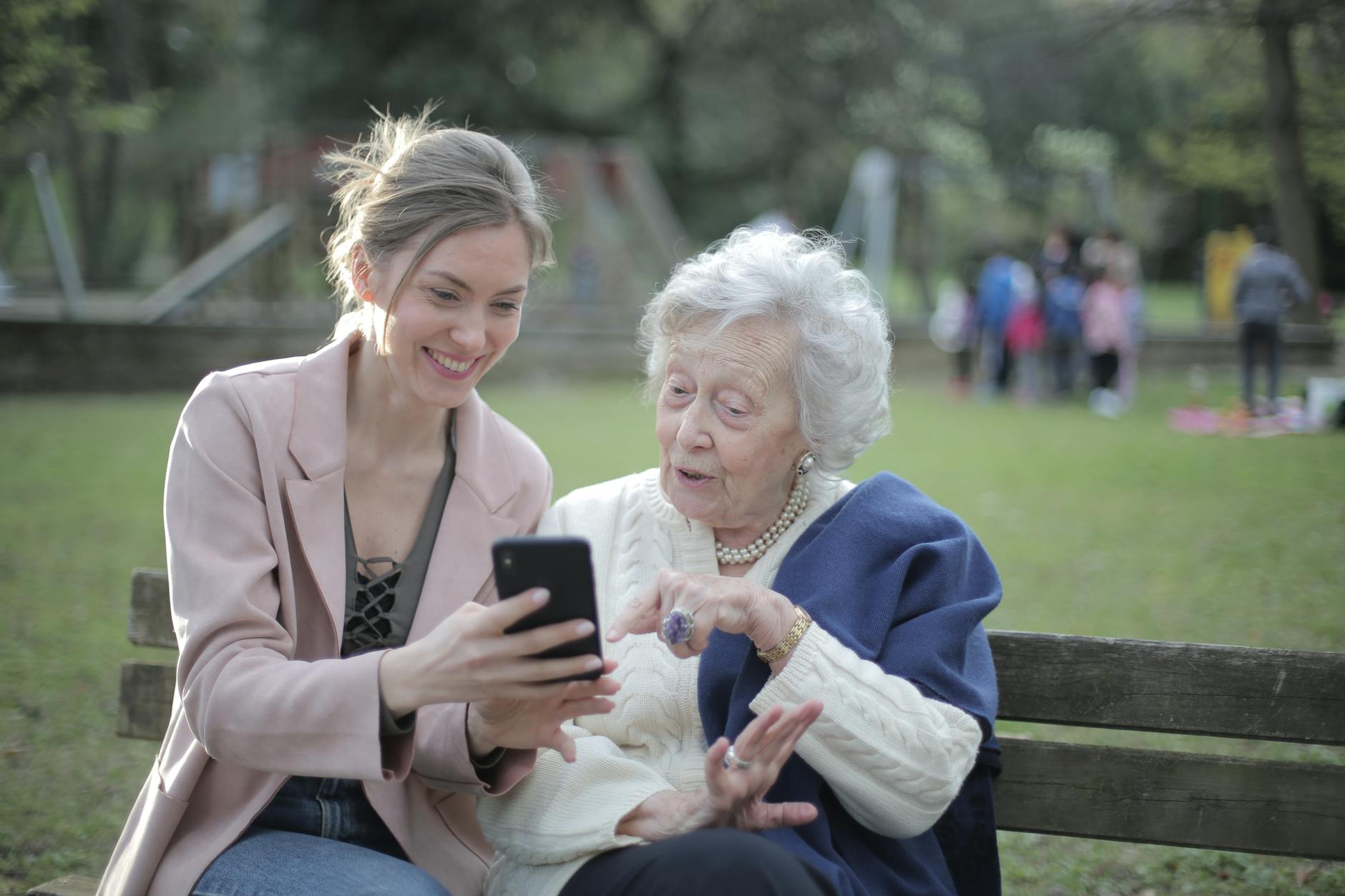
cheerful senior mother and adult daughter using smartphone togetherPhoto by Andrea Piacquadio on Pexels.com

In a world where stress and anxiety can sometimes feel overwhelming, volunteering offers a beacon of hope—not just for those who benefit from these acts of kindness but also for the volunteers themselves. Let's explore how giving back can significantly boost mental wellbeing. ?


Table of Contents


1. Introduction
2. Benefits of Volunteering
3. Building Connection and Community
4. Increase of Self-Esteem and Confidence
5. Stress Reduction
6. Conclusion
7. FAQ


Introduction


Feeling down? Consider volunteering! ? It might seem surprising, but dedicating your time and energy to help others can be a powerful remedy for improving your mental health. Let's delve into why volunteering is so beneficial for your mind and spirit.


Benefits of Volunteering


Volunteering is a win-win situation: while you help others, you also help yourself. Here's how:


Building Connection and Community


Humans are social creatures, and volunteering provides a unique opportunity to meet new people and build lasting connections. Whether you're helping out at a local shelter or participating in community clean-up events, these activities foster a sense of belonging and community. ?


Feeling connected to others can combat loneliness and isolation, common precursors to depression. By volunteering, you not only strengthen community ties but also enhance your support network.


Increase of Self-Esteem and Confidence


There's something incredibly empowering about making a difference. When you volunteer, you gain a sense of accomplishment and pride, which can significantly boost your self-esteem and confidence. ?


Knowing that your efforts are valued and impactful can help you develop a positive self-image and a sense of purpose, which are crucial for mental wellbeing.


Stress Reduction


Volunteering can also act as a natural stress reliever. Engaging in meaningful activities takes your mind off personal worries and reduces stress levels. ????


Moreover, the act of giving can trigger the release of endorphins, often referred to as the "helper's high," which can promote a sense of calm and happiness.


#James Donaldson notes:
Welcome to the “next chapter” of my life… being a voice and an advocate for #mentalhealthawarenessandsuicideprevention, especially pertaining to our younger generation of students and student-athletes.
Getting men to speak up and reach out for help and assistance is one of my passions. Us men need to not suffer in silence or drown our sorrows in alcohol, hang out at bars and strip joints, or get involved with drug use.
Having gone through a recent bout of #depression and #suicidalthoughts myself, I realize now, that I can make a huge difference in the lives of so many by sharing my story, and by sharing various resources I come across as I work in this space.
  #http://bit.ly/JamesMentalHealthArticle
Find out more about the work I do on my 501c3 non-profit foundation
website www.yourgiftoflife.org Order your copy of James Donaldson's latest book,
#CelebratingYourGiftofLife: From The Verge of Suicide to a Life of Purpose and Joy


Click Here For More Information About James Donaldson


Conclusion


Volunteering is more than just a noble act; it's a potent tool for enhancing mental wellbeing. From building connections to boosting self-esteem and reducing stress, the benefits are countless. So, why not take a step toward better mental health by giving back to your community? ?


FAQ


1. How much time should I dedicate to volunteering to see benefits?


Even a few hours a month can make a significant difference. It's all about finding a balance that works with your schedule while ensuring you're actively engaged.


2. What if I don't feel better after volunteering?


It might take some time to notice the mental benefits of volunteering. Consider trying different activities or organizations to find a cause that resonates deeply with you.


3. Can volunteering help with major depression?


While volunteering can be beneficial, it's not a substitute for professional treatment. It's always best to consult with a mental health professional for severe or persistent mental health issues.


4. How do I find volunteering opportunities?


Start by checking local community centers, non-profits, or online platforms dedicated to matching volunteers with organizations in need.


5. Can virtual volunteering be as beneficial as in-person?


Absolutely! Virtual volunteering can offer similar benefits, especially in terms of connection and purpose, though the experiences may differ slightly from in-person interactions.


cheerful senior mother and adult daughter using smartphone together https://standingabovethecrowd.com/the-impact-of-volunteer-work-on-mental-wellbeing/


James Donaldson on Mental Health - The Impact of Volunteer Work on Mental Wellbeing
Photo by Andrea Piacquadio on Pexels.com

In a world where stress and anxiety can sometimes feel overwhelming, volunteering offers a beacon of hope—not just for those who benefit from these acts of kindness but also for the volunteers themselves. Let's explore how giving back can significantly boost mental wellbeing. ?

Table of Contents

1. Introduction2. Benefits of Volunteering3. Building Connection and Community4. Increase of Self-Esteem and Confidence5. Stress Reduction6. Conclusion7. FAQ

Introduction

Feeling down? Consider volunteering! ? It might seem surprising, but dedicating your time and energy to help others can be a powerful remedy for improving your mental health. Let's delve into why volunteering is so beneficial for your mind and spirit.

Benefits of Volunteering

Volunteering is a win-win situation: while you help others, you also help yourself. Here's how:

Building Connection and Community

Humans are social creatures, and volunteering provides a unique opportunity to meet new people and build lasting connections. Whether you're helping out at a local shelter or participating in community clean-up events, these activities foster a sense of belonging and community. ?

Feeling connected to others can combat loneliness and isolation, common precursors to depression. By volunteering, you not only strengthen community ties but also enhance your support network.

Increase of Self-Esteem and Confidence

There's something incredibly empowering about making a difference. When you volunteer, you gain a sense of accomplishment and pride, which can significantly boost your self-esteem and confidence. ?

Knowing that your efforts are valued and impactful can help you develop a positive self-image and a sense of purpose, which are crucial for mental wellbeing.

Stress Reduction

Volunteering can also act as a natural stress reliever. Engaging in meaningful activities takes your mind off personal worries and reduces stress levels. ????

Moreover, the act of giving can trigger the release of endorphins, often referred to as the "helper's high," which can promote a sense of calm and happiness.

#James Donaldson notes:Welcome to the “next chapter” of my life… being a voice and an advocate for #mentalhealthawarenessandsuicideprevention, especially pertaining to our younger generation of students and student-athletes.Getting men to speak up and reach out for help and assistance is one of my passions. Us men need to not suffer in silence or drown our sorrows in alcohol, hang out at bars and strip joints, or get involved with drug use.Having gone through a recent bout of #depression and #suicidalthoughts myself, I realize now, that I can make a huge difference in the lives of so many by sharing my story, and by sharing various resources I come across as I work in this space.  #http://bit.ly/JamesMentalHealthArticleFind out more about the work I do on my 501c3 non-profit foundationwebsite www.yourgiftoflife.org Order your copy of James Donaldson's latest book,#CelebratingYourGiftofLife: From The Verge of Suicide to a Life of Purpose and Joy

Click Here For More Information About James Donaldson

Conclusion

Volunteering is more than just a noble act; it's a potent tool for enhancing mental wellbeing. From building connections to boosting self-esteem and reducing stress, the benefits are countless. So, why not take a step toward better mental health by giving back to your community? ?

FAQ

1. How much time should I dedicate to volunteering to see benefits?

Even a few hours a month can make a significant difference. It's all about finding a balance that works with your schedule while ensuring you're actively engaged.

2. What if I don't feel better after volunteering?

It might take some time to notice the mental benefits of volunteering. Consider trying different activities or organizations to find a cause that resonates deeply with you.

3. Can volunteering help with major depression?

While volunteering can be beneficial, it's not a substitute for professional treatment. It's always best to consult with a mental health professional for severe or persistent mental health issues.

4. How do I find volunteering opportunities?

Start by checking local community centers, non-profits, or online platforms dedicated to matching volunteers with organizations in need.

5. Can virtual volunteering be as beneficial as in-person?

Absolutely! Virtual volunteering can offer similar benefits, especially in terms of connection and purpose, though the experiences may differ slightly from in-person interactions. https://standingabovethecrowd.com/the-impact-of-volunteer-work-on-mental-wellbeing/

Sunday, May 25, 2025

James Donaldson on Mental Health - The Role of Cognitive-Behavioral Techniques in Anxiety Management

James Donaldson on Mental Health - The Role of Cognitive-Behavioral Techniques in Anxiety Management

Managing anxiety can often feel like a daunting task. However, cognitive-behavioral techniques offer practical solutions that can help you regain control and live a more peaceful life. In this blog post, we'll explore these techniques and how they can play a significant role in managing anxiety.


Table of Contents


1. Introduction to Cognitive-Behavioral Techniques
2. Understanding Anxiety and Its Impact
3. Key Cognitive-Behavioral Techniques for Anxiety Management
4. The Benefits of Cognitive-Behavioral Approaches
5. Conclusion
6. FAQ Section


Introduction to Cognitive-Behavioral Techniques


Cognitive-Behavioral Techniques (CBT) are a form of psychotherapy that aims to change patterns of thinking or behavior that are behind people's difficulties, and so change the way they feel. It's all about shifting your mindset and creating new, healthier habits.


Understanding Anxiety and Its Impact


Anxiety is more than just feeling stressed or worried. While stress and anxious feelings are a part of daily life, anxiety becomes a problem when these feelings are overwhelming or persistent, interfering with daily activities. It can affect anyone and manifest in various forms, including generalized anxiety disorder, social anxiety, and panic attacks.


Understanding anxiety means recognizing its symptoms, which can range from physical (like a racing heart) to emotional (such as constant worry). By identifying these, you can begin to tackle anxiety head-on.


Key Cognitive-Behavioral Techniques for Anxiety Management


Here are some CBT techniques that can help you manage anxiety effectively:


1. Cognitive Restructuring

This technique involves identifying and challenging negative thoughts. By questioning the validity of these thoughts, you can replace them with more realistic and positive ones. For instance, change "I can't handle this" to "I can handle this, and I have the skills to do so."


2. Exposure Therapy

Facing your fears might be scary, but gradual exposure to anxiety-inducing situations can significantly reduce anxiety over time. Start small and work your way up to more challenging scenarios.


3. Mindfulness and Relaxation Techniques

Mindfulness involves staying present and fully engaging with the current moment. Techniques such as deep breathing, meditation, and yoga can promote relaxation and reduce anxiety.


4. Behavioral Activation

This technique encourages you to engage in positive activities that align with your values, even when you don’t feel like it. It helps break the cycle of avoidance and inactivity often linked with anxiety.


#James Donaldson notes:
Welcome to the “next chapter” of my life… being a voice and an advocate for #mentalhealthawarenessandsuicideprevention, especially pertaining to our younger generation of students and student-athletes.
Getting men to speak up and reach out for help and assistance is one of my passions. Us men need to not suffer in silence or drown our sorrows in alcohol, hang out at bars and strip joints, or get involved with drug use.
Having gone through a recent bout of #depression and #suicidalthoughts myself, I realize now, that I can make a huge difference in the lives of so many by sharing my story, and by sharing various resources I come across as I work in this space.
  #http://bit.ly/JamesMentalHealthArticle
Find out more about the work I do on my 501c3 non-profit foundation
website www.yourgiftoflife.org Order your copy of James Donaldson's latest book,
#CelebratingYourGiftofLife: From The Verge of Suicide to a Life of Purpose and Joy


Click Here For More Information About James Donaldson


The Benefits of Cognitive-Behavioral Approaches


CBT is renowned for its effectiveness in treating anxiety. Here are some benefits:


- Structured and goal-oriented, providing a clear path to recovery.
- Practical and hands-on, allowing you to practice techniques in real life.
- Empowering, as it gives you the tools to manage anxiety independently.
- Supported by a wealth of research, showing positive outcomes.


Conclusion


Managing anxiety doesn't have to be overwhelming. Cognitive-behavioral techniques offer a toolkit of strategies to help you navigate anxiety with confidence. By understanding and applying these techniques, you can pave the way to a more balanced and peaceful life.


FAQ Section


Q1: Can CBT techniques be used alongside medication?


A1: Yes, CBT can be effectively combined with medication. It's best to consult a healthcare professional to tailor an approach that suits your needs.


Q2: How long does it take for CBT techniques to work?


A2: The timeline can vary, but many people start noticing improvements within a few weeks. Consistency and practice are key!


Q3: Can I practice CBT techniques on my own?


A3: Absolutely! While working with a therapist can be beneficial, many techniques can be self-taught and practiced independently.


Q4: Are there specific types of anxiety that CBT works best for?


A4: CBT is versatile and can be effective for a range of anxiety disorders, including generalized anxiety disorder, panic disorder, and social anxiety disorder.


Q5: What if CBT doesn't work for me?


A5: If CBT isn't effective, don't lose hope. It's important to find an approach that works for you, and other therapies or combinations may be more suitable. Discuss with a mental health professional for guidance.


https://standingabovethecrowd.com/the-role-of-cognitive-behavioral-techniques-in-anxiety-management-19/