Sunday, August 3, 2025


James Donaldson on Mental Health - Helping Kids Make Decisions
When to offer support — and when to step back

Writer: Gia Miller

Clinical Experts: Grace Berman, LCSW , Rachel Busman, PsyD, ABPP

What You'll Learn

- How old should a child be when they start making their own decisions?

- How can you help your child learn to make decisions?

- Should you let your kid make a bad decision?

- Quick Read

- Full Article

- Start early — even toddlers can make decisions

- Model your decision-making process

- Provide scaffolding as they learn

- When to step back

- Older children, bigger decisions

- Let them make bad decisions — and learn from them

Whether it’s a toddler choosing a toy or a teenager selecting a college, all kids have to make decisions. As they get older, decisions can get more difficult, so it’s important to teach them the right skills at an early age.

When they’re young, give them two options to choose from, such as what to eat at restaurant or what color shoes to wear. You can also model decision-making by thinking out loud when you’re weighing options.

If there’s a decision that affects them, ask them what they think and discuss the choices together. The earlier you can help kids be thoughtful about how their decisions may impact others, the better. Questions they can ask themselves include: What are all the options? What are the pros and cons of each? How will the decision impact others?

Once you trust your child with a decision, let them do it themselves. It will help them build skills and self-confidence. When they’re young, start with small decisions, such as what kind of ice cream to eat.

Tweens and teens will have bigger decisions to make. These may require negotiation and compromise. Even so, you shouldn’t always jump in if you see your child making a bad decision. Children often learn best from their mistakes. If it’s a safe situation, it may be good for them to let them make the bad decision.

When they do make mistakes, help them learn by staying calm and not placing blame. If they regret their choice, support them while they feel the difficult emotions and think about what they would do differently next time.

From a toddler choosing what toy to play with to a high school senior selecting a college, children of all ages must make decisions. While some decisions might seem easy to an adult, they could require skills a child may not have developed. And as kids get older, the decisions become more important, and more complicated.

That’s why it’s important to help children build decision-making skills from an early age, by giving them lots of practice in a developmentally appropriate way. Our experts outline how to provide proper scaffolding when they need it, and when to let them flex their decision-making muscles on their own.

Start early — even toddlers can make decisions

“Start teaching your young child how to make decisions by giving them two options, both of which you are okay with them selecting,” says Grace Berman, LCSW, a clinical social worker. “For example, let them decide if they want to wear their red shoes or blue shoes, or give them two options to choose from on a restaurant menu.”

This doesn’t mean that kids should have free rein and make all decisions — not everything requires options. Continue to set boundaries and limits, but give them options and flexibility within those parameters. For example, they can choose what kind of fruit they’d like for a snack, but they cannot make the decision to eat candy all day.

“As they get older, outline what everyday choices you’d like your child to be responsible for,” Berman advises. “Make a list and work with your child to shift the responsibility from you to them. The more decisions they can make, the more practice they will have.”

Model your decision-making process

By the time we’re adults, we’re so accustomed to making decisions that we may not think about the process we go through. But thinking out loud when you’re making choices — from what to make for dinner to where to go on vacation — can help clue kids in to the way you’re arriving at them. What are your alternatives? What are the pros and cons of each?

The next step is to involve your children in a dialogue about decisions that affect them. For example: the decision of whether to attend a classmate’s birthday party or go to a different friend’s house instead. Ask your child why they should go to the party versus the reasons not to go. But then discuss how the birthday child might feel if they learned your child skipped the party to play with a friend. The earlier you can help kids be thoughtful about how their decisions may impact others, the better.

“It’s really important to include kids in those conversations because you’re modeling a lot of really great skills,” says Rachel Busman, PsyD, a clinical psychologist. “You’re also conveying that your child’s thoughts and opinions are important, and that there are many points that go into making a decision.”

When modeling decision-making, focus on general questions that can help your child process all of the information they’ll need:

- What decision do I need to make?

- What are my options, including less-preferable ones?

- What are the pros and cons of each choice?

- Are there any rules (school policy, curfew, etc.) I need to consider when making my decision?

- How will this decision impact others?

- What is my gut telling me to do?

- How does that decision make me feel?

- What’s my plan B?

Provide scaffolding as they learn

When allowing children to make their own choices, you can still provide them with support to make it easier for them.

“If the child is fretting about what to wear every morning, it might be anxiety-based,” Berman explains. “If that’s the case, then it’s really helpful to not make the decisions for them. They need to practice building that skill. Give them two options and be patient so they have time to actually decide. Then praise them when they make the decision, especially if they do it quickly, so it reinforces that behavior.”

Also, help your child understand that some decisions are more important than others, and sometimes it’s important to practice making fast decisions. For example, it doesn’t matter if they choose chicken fingers or spaghetti for lunch today; it’s more important they decide quickly so they’re not late to their next activity. They like both options and they can have the other one for lunch tomorrow.

When to step back

Once you feel confident that you can trust your child with a decision, you can step away. Small decisions, such as what kind of ice cream to get or who to invite over for a playdate, are a great way to start. But don’t shy away from letting them make some slightly bigger decisions once they’ve proven capable of making smaller ones. For example:

- Allow them to pick out their own clothes, as long as they’re weather-appropriate.

- Let them choose what books they’d like to read.

- Ask them to decide how they’d like to celebrate their birthday.

Sometimes it can be hard to step away, but it’s important to convey your confidence in their growing abilities. When you do this, not only are you helping your child practice making decisions, but you’re also helping them shape their character by allowing them to develop the qualities all good decision-makers share, including:

- Trust in themselves and their opinions

- Self-confidence

- Decisiveness

- Thoughtfulness

- Analytical thinking

- Empathy

“If we give them little opportunities to make their own decisions, then they’ll know what to do in those bigger opportunities because they’ve had training,” says Dr. Busman. “When they come to you with a small decision, ask them if they really need your help and encourage them to make the decision on their own. Then, you can chat about it. But for bigger decisions, say, ‘I’m so glad you came to me. This actually seems like a medium or important decision. These are the kinds of things where you should come to me, so we can talk about it.’”

Older children, bigger decisions

As tweens and teens seek independence, they also begin to face bigger decisions, which may require negotiation and compromise. Dr. Busman gives the example of a teenage girl who spent hours doing her homework and frequently fought with her mom about chores. Instead of telling her how to remedy these problems, Dr. Busman worked with her to identify why she was struggling and how to make better choices.

“I asked her, ‘How is your homework situation working for you? Are you happy?’” Dr. Busman explains. “She admitted it wasn’t working well, and we discussed what gets in the way of her completing her homework faster. I learned that her problems were due to procrastination, so we made a plan to stop procrastinating, which included making decisions about when and how to spend her time.”

The fights with her mom were also about her procrastination — her mom would ask her to put her laundry away, but she procrastinated. She and Dr. Busman discussed how she could negotiate with her mom by deciding what her mom would consider reasonable and what consequences should exist. Instead of fighting, she learned how to compromise, make thoughtful decisions and hold herself accountable to an agreement.

Other big decisions kids face, such as following their friends even when they’re uncomfortable or making college choices based on other people’s preferences, can benefit from a similar dialogue. Help them decide if it’s working for them and then work together to create a plan.

#James Donaldson notes:Welcome to the “next chapter” of my life… being a voice and an advocate for #mentalhealthawarenessandsuicideprevention, especially pertaining to our younger generation of students and student-athletes.Getting men to speak up and reach out for help and assistance is one of my passions. Us men need to not suffer in silence or drown our sorrows in alcohol, hang out at bars and strip joints, or get involved with drug use.Having gone through a recent bout of #depression and #suicidalthoughts myself, I realize now, that I can make a huge difference in the lives of so many by sharing my story, and by sharing various resources I come across as I work in this space.  #http://bit.ly/JamesMentalHealthArticleFind out more about the work I do on my 501c3 non-profit foundationwebsite www.yourgiftoflife.org Order your copy of James Donaldson's latest book,#CelebratingYourGiftofLife: From The Verge of Suicide to a Life of Purpose and Joy

Click Here For More Information About James Donaldson

Let them make bad decisions — and learn from them

You shouldn’t always jump in if you see your child making a bad decision — children often learn best from their mistakes. As long as it’s a safe situation, let them make the bad decision. But, also consider when they may learn more by you weighing in. It’s a fine balance of letting kids learn, but rescuing them when necessary.

For example, don’t rescue your child if they:

- Would like to wear a silly outfit to school. As long as it’s weather-appropriate, let them. If they get teased, they may choose not to do it again.

- Choose to play a video game before soccer practice and don’t have enough time to get ready. If they arrive at the field without their jersey, don’t bring it to them.

- Want to spend their allowance money on a toy that breaks easily or will quickly become boring.

- Prefer to spend their time talking to friends instead of studying for a test.

Once they’ve experienced the consequence, help them learn from it. Remain calm, avoid placing blame, and help them examine and learn from mistakes. Even if they regret the choice they made, work to build their decision-making confidence.

“Validate their emotions and that it didn’t actually work out the way they expected,” Dr. Busman advises. “Parents sometimes want to shield their kids from difficult emotions, but those painful feelings give us feedback to help us make the right decisions. They’re not dangerous. We need to let kids experience the consequences of bad decisions and work through them. That’s how we’re going to help our kids become adults in the world.”

Frequently Asked Questions

How can I help my kid make good decisions?

You can help your child make good decisions by modeling your decision-making process aloud. You can start by including them in the conversation about decisions when they’re young and slowly allowing them to make their own decisions while providing support. Children often learn best from their mistakes, so letting them make bad decisions can be helpful. https://standingabovethecrowd.com/?p=14598

Saturday, August 2, 2025


In The Company Of Support, Burdens Feel Lighter https://youtube.com/shorts/WfKFC-GWPlQ?feature=share

James Donaldson on Mental Health - How to Help Children Calm Down

James Donaldson on Mental Health - How to Help Children Calm Down

Techniques for helping kids regulate their emotions and avoid explosive behavior


Divorce and Children

Writer: Caroline Miller


Clinical Experts: Lindsey Giller, PsyD , Stephanie Samar, PsyD , Alana Cooperman, LCSW


https://www.youtube.com/watch?v=IbtPS421MCg&t=8s

What You'll Learn


- How can parents help kids calm down?
- How can kids learn to understand their feelings better?
- How can you make it easier for kids to behave?
- Quick Read
- Full Article
- What is dysregulation?
- Rethinking emotions
- Model managing difficult feelings
- Validate your child’s feelings
- Active ignoring
- Positive attention
- Clear expectations
- Give options
- Coping ahead
- Problem solving
- Five special minutes a day

Some kids have big emotions that they can’t control, so they have tantrums and outbursts. This is called emotional dysregulation. The good news is that there are lots of calming techniques that parents can teach kids.  


An important first step is teaching kids to notice their emotions and name them. If they can say to themselves, “I’m feeling angry,” they’ll be more able to get control over that feeling before they hit someone or have a meltdown. It’s important for kids to know that big feelings are normal and validate how hard they can be. 


If a child’s misbehavior is minor, ignoring it often works best. The flip side of this is to give the child a lot of praise when they do a good job controlling their feelings, even something small like taking a deep breath.  


Often, moving from one activity to another is especially hard for kids. Try giving a warning: “In 15 minutes we’re going to sit down to dinner so you’ll have to stop playing.” Giving a child choices can help, too: “You can come to the grocery store with me or stay home with Mom.” 


You can also try making plans together to handle upsetting situations. For example, if your child often gets mad at the stricter rules at their grandparents’ house, you can talk before a visit about how they can handle those tough feelings. If your child does have a tantrum, talk with them later about what happened and what could have made it better.  


Finally, pick some time every day for your kid to choose an activity to do together. Knowing that they’ll have that time can reduce the stress they feel during the rest of the day. Consistent special time with you also reminds kids that you love them no matter what, even on hard days. 


Many children have difficulty regulating their emotions. Tantrums, outbursts, whining, defiance, fighting:  these are all behaviors you see when kids experience powerful feelings they can’t control. While some kids have learned to act out because it gets them what they want — attention or time on the iPad — other kids have trouble staying calm because they are unusually sensitive.


The good news is that learning to calm down instead of acting out is a skill that can be taught.


What is dysregulation?


“Some children’s reactions are just bigger than their peers or their siblings or their cousins,” explains Lindsey Giller, PsyD, a clinical psychologist. “Not only do they feel things more intensely and quickly, they’re often slower to return to being calm.” Unusually intense feelings can also make a child more prone to impulsive behaviors.


When kids are overwhelmed by feelings, adds Dr. Giller, the emotional side of the brain isn’t communicating with the rational side, which normally regulates emotions and plans the best way to deal with a situation. Experts call it being “dysregulated.” It’s not effective to try to reason with a child who’s dysregulated. To discuss what happened, you need to wait until a child’s rational faculties are back “online.”


Rethinking emotions


Parents can start by helping children understand how their emotions work. Kids don’t go from calm to sobbing on the floor in an instant. That emotion built over time, like a wave. Kids can learn control by noticing and labeling their feelings earlier, before the wave gets too big to handle.


Some kids are hesitant to acknowledge negative emotions. “A lot of kids are growing up thinking anxiety, anger, sadness are bad emotions,” says Stephanie Samar, PsyD, a clinical psychologist. But naming and accepting these emotions is “a foundation to problem-solving how to manage them.”


Parents may also minimize negative feelings, notes Dr. Samar, because they want their kids to be happy.  But children need to learn that we all have a range of feelings. “You don’t want to create a dynamic that only happy is good,” she says.


Model managing difficult feelings


“For younger children, describing your own feelings and modeling how you manage them is useful,” notes Dr. Samar. “They hear you strategizing about your own feelings, when you’re nervous or frustrated, and how you’re going to handle it, and they can use these words.”


For kids who feel like big emotions sneak up on them, you can help them practice recognizing their emotions, and model doing that yourself. Try ranking the intensity of your emotions from 1-10, with 1 being pretty calm and 10 being furious. If you forget something that you meant to bring to Grandma’s, you could acknowledge that you are feeling frustrated and say that you’re at a 4. It might feel a little silly at first, but it teaches kids to pause and notice what they are feeling.


If you see them starting to get upset about something, ask them what they are feeling, and how upset they are. Are they at a 6? For some younger kids, a visual aid like a feelings thermometer might help.


Validate your child’s feelings


Validation is a powerful tool for helping kids calm down by communicating that you understand and accept what they’re feeling. “Validation is showing acceptance, which is not the same thing as agreement,” Dr. Giller explains. “It’s nonjudgmental. And it’s not trying to change or fix anything.” Feeling understood, she explains, helps kids let go of powerful feelings.


Effective validation means paying undivided attention to your child. “You want to be fully attuned so you can notice their body language and facial expressions and really try to understand their perspective,” says Dr. Samar. “It can help to reflect back and ask, ‘Am I getting it right?’ Or if you’re truly not getting it, it’s okay to say, ‘I’m trying to understand.’ ”


Helping kids by showing them that you’re listening and trying to understand their experience can help avoid explosive behavior when a child is building towards a tantrum.


Active ignoring


Validating feelings doesn’t mean giving attention to bad behavior. Ignoring behaviors like whining, arguing, inappropriate language or outbursts is a way to reduce the chances of these behaviors being repeated. It’s called “active” because it’s withdrawing attention conspicuously.


“You’re turning your face, and sometimes body, away or leaving the room when your child is engaging in minor misbehaviors in order to withdraw your attention,” Dr. Giller explains. “But the key to its effectiveness is, as soon as your child is doing something you can praise, to turn your attention back on.”


Positive attention


The most powerful tool parents have in influencing behavior is attention. As Dr. Giller puts it, “It’s like candy for your kids.” Positive attention will increase the behaviors you are focusing on.


When you’re shaping a new behavior, you want to praise it and give a lot of attention to it. “So really, really focus in on it,” adds Dr. Giller. “Be sincere, enthusiastic and genuine. And you want it to be very specific, to make sure your child understands what you are praising.”


When helping your child deal with an emotion, notice the efforts to calm down, however small.  For example, if your child is in the midst of a tantrum and you see them take a deep inhale of air, you can say, “I like that you took a deep breath” and join them in taking additional deep breathes.


Clear expectations


Another key way to help prevent kids from getting dysregulated is to make your expectations clear and follow consistent routines. “It’s important to keep those expectations very clear and short,” notes Dr. Samar, and convey rules and expected behaviors when everyone is calm. Dependable structure helps kids feel in control.


When change is unavoidable, it’s good to give advance warning. Transitions are particularly tough for kids who have trouble with big emotions, especially when it means stopping an activity they’re very engaged in. Providing a warning before a transition happens can help kids feel more prepared. “In 15 minutes, we’re going to sit down at the table for dinner, so you’re going to need to shut off your PS4 at that time,” Dr. Giller suggests. “It may still be hard for them to comply, but knowing it’s coming helps kids feel more in control and stay calmer,” she explains.


Give options


When kids are asked to do things they’re not likely to feel enthusiastic about, giving them options may reduce outbursts and increase compliance. For instance: “You can either come with me to food shopping or you can go with Dad to pick up your sister.”  Or: “You can get ready for bed now and we can read a story together — or you can get ready for bed in 10 minutes and no story.”


“Giving two options reduces the negotiating that can lead to tension,” Dr. Samar suggests.


Coping ahead


Coping ahead is planning in advance for something that you predict may be an emotionally challenging situation for your child, or for both of you. It means talking, when you are both calm, about what’s coming, being direct about what negative emotions can arise, and strategizing how you will get through it.


If a child was upset last time they were at Grandma’s house because they weren’t allowed to do something they get to do at home, coping ahead for the next visit would be acknowledging that you saw that they were frustrated and angry, and discussing how they can handle those feelings. Together you might come up with something they are allowed to do at Grandma’s that they can have fun doing.


Talking about stressful situations in advance helps avoid meltdowns. “If you set up a plan in advance, it increases the likelihood that you’ll end up in a positive situation,” Dr. Samar notes.


Problem solving


If a child has a tantrum, parents are often hesitant to bring it up later, Dr. Samar notes. “It’s natural to want to put that behind us. But it’s good to revisit briefly, in a non-judgmental way.”


Revisiting an earlier event — say a meltdown at the toy store — engages the child in thinking about what happened, and to strategize about what could have been done differently. If you can come up with one or two things that might have led to a different outcome, your child might remember them next time they’re starting to feel overwhelmed.


#James Donaldson notes:
Welcome to the “next chapter” of my life… being a voice and an advocate for #mentalhealthawarenessandsuicideprevention, especially pertaining to our younger generation of students and student-athletes.
Getting men to speak up and reach out for help and assistance is one of my passions. Us men need to not suffer in silence or drown our sorrows in alcohol, hang out at bars and strip joints, or get involved with drug use.
Having gone through a recent bout of #depression and #suicidalthoughts myself, I realize now, that I can make a huge difference in the lives of so many by sharing my story, and by sharing various resources I come across as I work in this space.
  #http://bit.ly/JamesMentalHealthArticle
Find out more about the work I do on my 501c3 non-profit foundation
website www.yourgiftoflife.org Order your copy of James Donaldson's latest book,
#CelebratingYourGiftofLife: From The Verge of Suicide to a Life of Purpose and Joy


Click Here For More Information About James Donaldson


Five special minutes a day


Even a small amount of time set aside reliably, every day, for a parent to do something chosen by a child can help that child manage stress at other points in the day. It’s a time for positive connection, without parental commands, ignoring any minor misbehavior, just attending to your child and letting them be in charge.


It can help a child who’s having a tough time in school, for instance, to know they can look forward to that special time. “This five minutes of parental attention should not be contingent on good behavior,” says Dr. Samar. “It’s a time, no matter what happened that day, to reinforce that ‘I love you no matter what.’ ”


Frequently Asked Questions


How do you help an angry child calm down?


You can help an angry child calm down by validating their feelings and listening actively to understand what’s upsetting them. Your attention is your most powerful tool, so it helps to give your child lots of positive attention as soon as they do something to calm down: “I like that you took a deep breath!”


Divorce and Children https://standingabovethecrowd.com/james-donaldson-on-mental-health-how-to-help-children-calm-down/


James Donaldson on Mental Health - How to Help Children Calm Down
Techniques for helping kids regulate their emotions and avoid explosive behavior

Writer: Caroline Miller

Clinical Experts: Lindsey Giller, PsyD , Stephanie Samar, PsyD , Alana Cooperman, LCSW

https://www.youtube.com/watch?v=IbtPS421MCg&t=8s

What You'll Learn

- How can parents help kids calm down?

- How can kids learn to understand their feelings better?

- How can you make it easier for kids to behave?

- Quick Read

- Full Article

- What is dysregulation?

- Rethinking emotions

- Model managing difficult feelings

- Validate your child’s feelings

- Active ignoring

- Positive attention

- Clear expectations

- Give options

- Coping ahead

- Problem solving

- Five special minutes a day

Some kids have big emotions that they can’t control, so they have tantrums and outbursts. This is called emotional dysregulation. The good news is that there are lots of calming techniques that parents can teach kids.  

An important first step is teaching kids to notice their emotions and name them. If they can say to themselves, “I’m feeling angry,” they’ll be more able to get control over that feeling before they hit someone or have a meltdown. It’s important for kids to know that big feelings are normal and validate how hard they can be. 

If a child’s misbehavior is minor, ignoring it often works best. The flip side of this is to give the child a lot of praise when they do a good job controlling their feelings, even something small like taking a deep breath.  

Often, moving from one activity to another is especially hard for kids. Try giving a warning: “In 15 minutes we’re going to sit down to dinner so you’ll have to stop playing.” Giving a child choices can help, too: “You can come to the grocery store with me or stay home with Mom.” 

You can also try making plans together to handle upsetting situations. For example, if your child often gets mad at the stricter rules at their grandparents’ house, you can talk before a visit about how they can handle those tough feelings. If your child does have a tantrum, talk with them later about what happened and what could have made it better.  

Finally, pick some time every day for your kid to choose an activity to do together. Knowing that they’ll have that time can reduce the stress they feel during the rest of the day. Consistent special time with you also reminds kids that you love them no matter what, even on hard days. 

Many children have difficulty regulating their emotions. Tantrums, outbursts, whining, defiance, fighting:  these are all behaviors you see when kids experience powerful feelings they can’t control. While some kids have learned to act out because it gets them what they want — attention or time on the iPad — other kids have trouble staying calm because they are unusually sensitive.

The good news is that learning to calm down instead of acting out is a skill that can be taught.

What is dysregulation?

“Some children’s reactions are just bigger than their peers or their siblings or their cousins,” explains Lindsey Giller, PsyD, a clinical psychologist. “Not only do they feel things more intensely and quickly, they’re often slower to return to being calm.” Unusually intense feelings can also make a child more prone to impulsive behaviors.

When kids are overwhelmed by feelings, adds Dr. Giller, the emotional side of the brain isn’t communicating with the rational side, which normally regulates emotions and plans the best way to deal with a situation. Experts call it being “dysregulated.” It’s not effective to try to reason with a child who’s dysregulated. To discuss what happened, you need to wait until a child’s rational faculties are back “online.”

Rethinking emotions

Parents can start by helping children understand how their emotions work. Kids don’t go from calm to sobbing on the floor in an instant. That emotion built over time, like a wave. Kids can learn control by noticing and labeling their feelings earlier, before the wave gets too big to handle.

Some kids are hesitant to acknowledge negative emotions. “A lot of kids are growing up thinking anxiety, anger, sadness are bad emotions,” says Stephanie Samar, PsyD, a clinical psychologist. But naming and accepting these emotions is “a foundation to problem-solving how to manage them.”

Parents may also minimize negative feelings, notes Dr. Samar, because they want their kids to be happy.  But children need to learn that we all have a range of feelings. “You don’t want to create a dynamic that only happy is good,” she says.

Model managing difficult feelings

“For younger children, describing your own feelings and modeling how you manage them is useful,” notes Dr. Samar. “They hear you strategizing about your own feelings, when you’re nervous or frustrated, and how you’re going to handle it, and they can use these words.”

For kids who feel like big emotions sneak up on them, you can help them practice recognizing their emotions, and model doing that yourself. Try ranking the intensity of your emotions from 1-10, with 1 being pretty calm and 10 being furious. If you forget something that you meant to bring to Grandma’s, you could acknowledge that you are feeling frustrated and say that you’re at a 4. It might feel a little silly at first, but it teaches kids to pause and notice what they are feeling.

If you see them starting to get upset about something, ask them what they are feeling, and how upset they are. Are they at a 6? For some younger kids, a visual aid like a feelings thermometer might help.

Validate your child’s feelings

Validation is a powerful tool for helping kids calm down by communicating that you understand and accept what they’re feeling. “Validation is showing acceptance, which is not the same thing as agreement,” Dr. Giller explains. “It’s nonjudgmental. And it’s not trying to change or fix anything.” Feeling understood, she explains, helps kids let go of powerful feelings.

Effective validation means paying undivided attention to your child. “You want to be fully attuned so you can notice their body language and facial expressions and really try to understand their perspective,” says Dr. Samar. “It can help to reflect back and ask, ‘Am I getting it right?’ Or if you’re truly not getting it, it’s okay to say, ‘I’m trying to understand.’ ”

Helping kids by showing them that you’re listening and trying to understand their experience can help avoid explosive behavior when a child is building towards a tantrum.

Active ignoring

Validating feelings doesn’t mean giving attention to bad behavior. Ignoring behaviors like whining, arguing, inappropriate language or outbursts is a way to reduce the chances of these behaviors being repeated. It’s called “active” because it’s withdrawing attention conspicuously.

“You’re turning your face, and sometimes body, away or leaving the room when your child is engaging in minor misbehaviors in order to withdraw your attention,” Dr. Giller explains. “But the key to its effectiveness is, as soon as your child is doing something you can praise, to turn your attention back on.”

Positive attention

The most powerful tool parents have in influencing behavior is attention. As Dr. Giller puts it, “It’s like candy for your kids.” Positive attention will increase the behaviors you are focusing on.

When you’re shaping a new behavior, you want to praise it and give a lot of attention to it. “So really, really focus in on it,” adds Dr. Giller. “Be sincere, enthusiastic and genuine. And you want it to be very specific, to make sure your child understands what you are praising.”

When helping your child deal with an emotion, notice the efforts to calm down, however small.  For example, if your child is in the midst of a tantrum and you see them take a deep inhale of air, you can say, “I like that you took a deep breath” and join them in taking additional deep breathes.

Clear expectations

Another key way to help prevent kids from getting dysregulated is to make your expectations clear and follow consistent routines. “It’s important to keep those expectations very clear and short,” notes Dr. Samar, and convey rules and expected behaviors when everyone is calm. Dependable structure helps kids feel in control.

When change is unavoidable, it’s good to give advance warning. Transitions are particularly tough for kids who have trouble with big emotions, especially when it means stopping an activity they’re very engaged in. Providing a warning before a transition happens can help kids feel more prepared. “In 15 minutes, we’re going to sit down at the table for dinner, so you’re going to need to shut off your PS4 at that time,” Dr. Giller suggests. “It may still be hard for them to comply, but knowing it’s coming helps kids feel more in control and stay calmer,” she explains.

Give options

When kids are asked to do things they’re not likely to feel enthusiastic about, giving them options may reduce outbursts and increase compliance. For instance: “You can either come with me to food shopping or you can go with Dad to pick up your sister.”  Or: “You can get ready for bed now and we can read a story together — or you can get ready for bed in 10 minutes and no story.”

“Giving two options reduces the negotiating that can lead to tension,” Dr. Samar suggests.

Coping ahead

Coping ahead is planning in advance for something that you predict may be an emotionally challenging situation for your child, or for both of you. It means talking, when you are both calm, about what’s coming, being direct about what negative emotions can arise, and strategizing how you will get through it.

If a child was upset last time they were at Grandma’s house because they weren’t allowed to do something they get to do at home, coping ahead for the next visit would be acknowledging that you saw that they were frustrated and angry, and discussing how they can handle those feelings. Together you might come up with something they are allowed to do at Grandma’s that they can have fun doing.

Talking about stressful situations in advance helps avoid meltdowns. “If you set up a plan in advance, it increases the likelihood that you’ll end up in a positive situation,” Dr. Samar notes.

Problem solving

If a child has a tantrum, parents are often hesitant to bring it up later, Dr. Samar notes. “It’s natural to want to put that behind us. But it’s good to revisit briefly, in a non-judgmental way.”

Revisiting an earlier event — say a meltdown at the toy store — engages the child in thinking about what happened, and to strategize about what could have been done differently. If you can come up with one or two things that might have led to a different outcome, your child might remember them next time they’re starting to feel overwhelmed.

#James Donaldson notes:Welcome to the “next chapter” of my life… being a voice and an advocate for #mentalhealthawarenessandsuicideprevention, especially pertaining to our younger generation of students and student-athletes.Getting men to speak up and reach out for help and assistance is one of my passions. Us men need to not suffer in silence or drown our sorrows in alcohol, hang out at bars and strip joints, or get involved with drug use.Having gone through a recent bout of #depression and #suicidalthoughts myself, I realize now, that I can make a huge difference in the lives of so many by sharing my story, and by sharing various resources I come across as I work in this space.  #http://bit.ly/JamesMentalHealthArticleFind out more about the work I do on my 501c3 non-profit foundationwebsite www.yourgiftoflife.org Order your copy of James Donaldson's latest book,#CelebratingYourGiftofLife: From The Verge of Suicide to a Life of Purpose and Joy

Click Here For More Information About James Donaldson

Five special minutes a day

Even a small amount of time set aside reliably, every day, for a parent to do something chosen by a child can help that child manage stress at other points in the day. It’s a time for positive connection, without parental commands, ignoring any minor misbehavior, just attending to your child and letting them be in charge.

It can help a child who’s having a tough time in school, for instance, to know they can look forward to that special time. “This five minutes of parental attention should not be contingent on good behavior,” says Dr. Samar. “It’s a time, no matter what happened that day, to reinforce that ‘I love you no matter what.’ ”

Frequently Asked Questions

How do you help an angry child calm down?

You can help an angry child calm down by validating their feelings and listening actively to understand what’s upsetting them. Your attention is your most powerful tool, so it helps to give your child lots of positive attention as soon as they do something to calm down: “I like that you took a deep breath!” https://standingabovethecrowd.com/james-donaldson-on-mental-health-how-to-help-children-calm-down/

Friday, August 1, 2025


In Seeking Support You Open Yourself Up For Healing https://youtube.com/shorts/q3YyUO_N13M?feature=share

James Donaldson on Mental Health - I’m not OK: Breaking the silence around men’s mental health

James Donaldson on Mental Health - I’m not OK: Breaking the silence around men’s mental health

Comedians and a mental health expert get real about men, emotions and suicide prevention


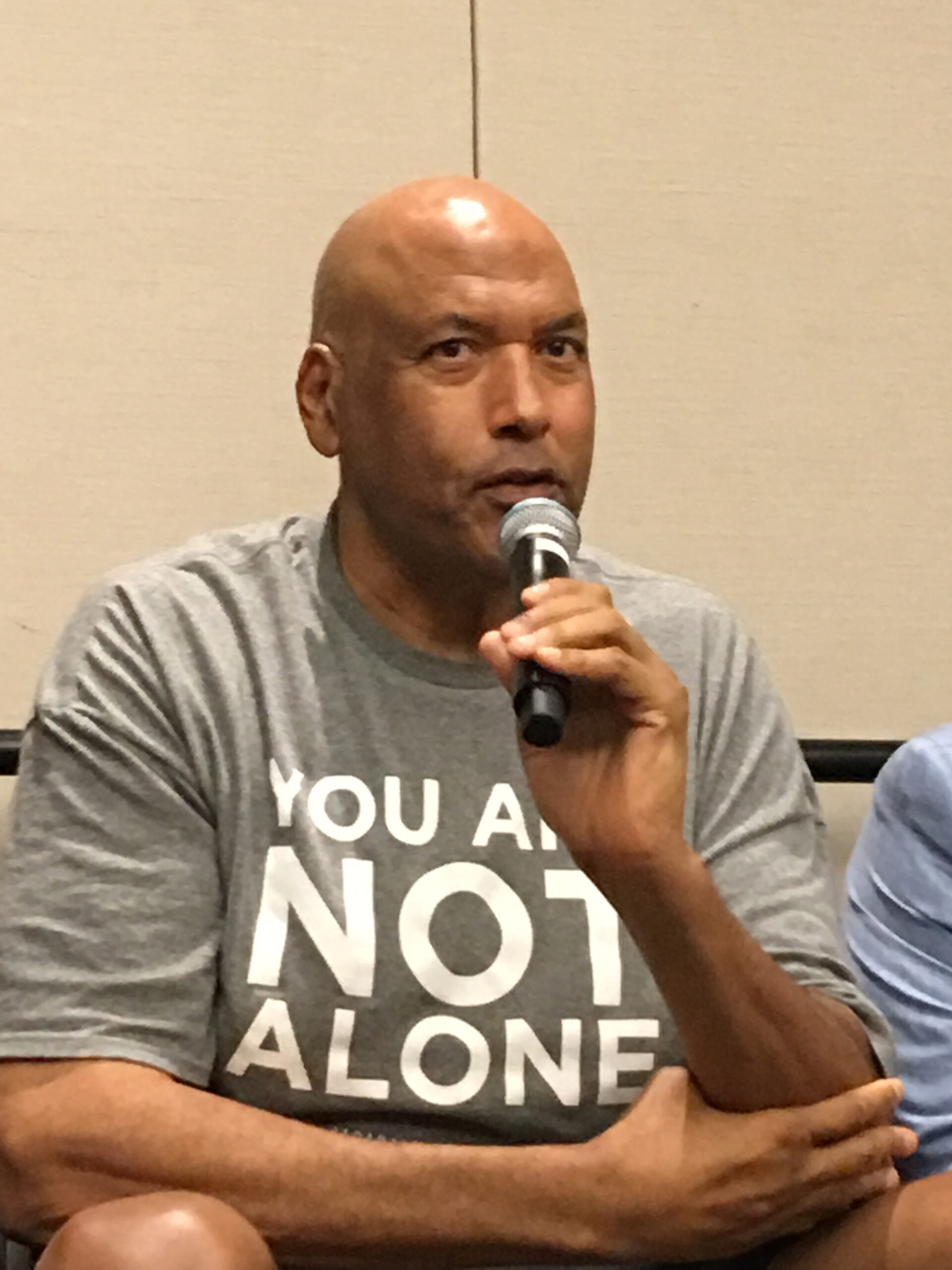
James Not Alone T-Shirt

Mental health struggles don’t discriminate, and when it comes to talking about them, many men still suffer in silence. That’s why we’re bringing the topic to the forefront in a KHOU 11+ Conversation focused on men’s mental health and suicide prevention.


KHOU 11 reporter and anchor Trason Bragg will sit down with a dynamic group of guests — comedians Chinedu Ogu, Will Roberson, and Anthony A who is also co host of Dana Cortez Show on Mix 96.5, along with mental health expert Dr. Donnell Cooper from the National Center for Urban Solutions — for a live, raw, real, and relatable conversation about emotional wellness, breaking stigmas, and where men can turn when they feel like they’re not OK.


From cultural pressures and outdated definitions of masculinity, to finding safe spaces to open up — whether it's the barbershop, a group chat, or the stage — this conversation doesn’t shy away from the tough questions:


- Why do so many men still see mental health as “not for them”?
- How do comedians balance laughter and personal pain?
- What signs should we look for when someone close to us is struggling?
- And how can we make therapy feel less intimidating — and more normal?

#James Donaldson notes:
Welcome to the “next chapter” of my life… being a voice and an advocate for #mentalhealthawarenessandsuicideprevention, especially pertaining to our younger generation of students and student-athletes.
Getting men to speak up and reach out for help and assistance is one of my passions. Us men need to not suffer in silence or drown our sorrows in alcohol, hang out at bars and strip joints, or get involved with drug use.
Having gone through a recent bout of #depression and #suicidalthoughts myself, I realize now, that I can make a huge difference in the lives of so many by sharing my story, and by sharing various resources I come across as I work in this space.
  #http://bit.ly/JamesMentalHealthArticle
Find out more about the work I do on my 501c3 non-profit foundation
website www.yourgiftoflife.org Order your copy of James Donaldson's latest book,
#CelebratingYourGiftofLife: From The Verge of Suicide to a Life of Purpose and Joy


Click Here For More Information About James Donaldson


James Not Alone T-Shirt https://standingabovethecrowd.com/james-donaldson-on-mental-health-im-not-ok-breaking-the-silence-around-mens-mental-health/


James Donaldson on Mental Health - I’m not OK: Breaking the silence around men’s mental health
Comedians and a mental health expert get real about men, emotions and suicide prevention

Mental health struggles don’t discriminate, and when it comes to talking about them, many men still suffer in silence. That’s why we’re bringing the topic to the forefront in a KHOU 11+ Conversation focused on men’s mental health and suicide prevention.

KHOU 11 reporter and anchor Trason Bragg will sit down with a dynamic group of guests — comedians Chinedu Ogu, Will Roberson, and Anthony A who is also co host of Dana Cortez Show on Mix 96.5, along with mental health expert Dr. Donnell Cooper from the National Center for Urban Solutions — for a live, raw, real, and relatable conversation about emotional wellness, breaking stigmas, and where men can turn when they feel like they’re not OK.

From cultural pressures and outdated definitions of masculinity, to finding safe spaces to open up — whether it's the barbershop, a group chat, or the stage — this conversation doesn’t shy away from the tough questions:

- Why do so many men still see mental health as “not for them”?

- How do comedians balance laughter and personal pain?

- What signs should we look for when someone close to us is struggling?

- And how can we make therapy feel less intimidating — and more normal?

#James Donaldson notes:Welcome to the “next chapter” of my life… being a voice and an advocate for #mentalhealthawarenessandsuicideprevention, especially pertaining to our younger generation of students and student-athletes.Getting men to speak up and reach out for help and assistance is one of my passions. Us men need to not suffer in silence or drown our sorrows in alcohol, hang out at bars and strip joints, or get involved with drug use.Having gone through a recent bout of #depression and #suicidalthoughts myself, I realize now, that I can make a huge difference in the lives of so many by sharing my story, and by sharing various resources I come across as I work in this space.  #http://bit.ly/JamesMentalHealthArticleFind out more about the work I do on my 501c3 non-profit foundationwebsite www.yourgiftoflife.org Order your copy of James Donaldson's latest book,#CelebratingYourGiftofLife: From The Verge of Suicide to a Life of Purpose and Joy

Click Here For More Information About James Donaldson https://standingabovethecrowd.com/james-donaldson-on-mental-health-im-not-ok-breaking-the-silence-around-mens-mental-health/