Wednesday, October 8, 2025

James Donaldson on Mental Health - Why School Has More Black Kids Thinking About Suicide

James Donaldson on Mental Health - Why School Has More Black Kids Thinking About Suicide

New national data shows steep rises in Black youth suicide, and experts say racism in schools is a major factor that’s costing them their lives and learning


by Quintessa Williams


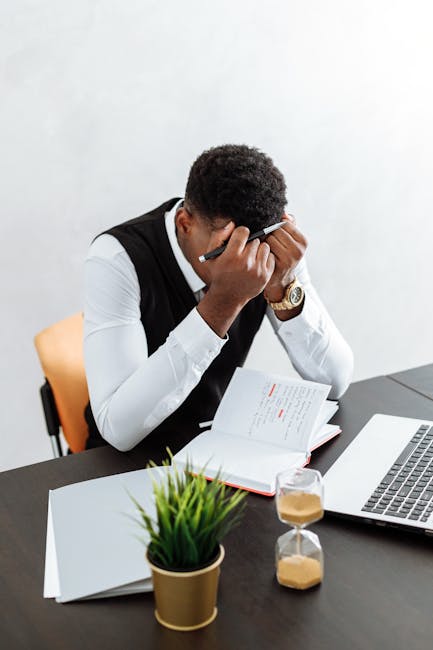
African American student overwhelmed

Overview:


A recent study found that Black K-12 students are experiencing a mental health crisis due to systemic racism in schools, with 40% of Black youth ages 13-17 seriously considering suicide in the past year. The study also found that nearly 1 in 3 Black youth who needed mental health care didn't receive it, and Black boys are among the least likely to receive care. Experts say schools must create welcoming and inclusive learning environments to support the mental and emotional health of students and the communities around them.


In November 2024, a Jacksonville, Florida, mother watched her 16-year-old son unravel.


Already the target of racist bullying at school, he was one of many Black students across the country who received racist text messages after the presidential election. It hit hard: the teenager became withdrawn, afraid to return to school, and was overwhelmed by a feeling that he didn’t belong.


He eventually returned a few weeks later, but much like the bullying, the school never addressed it publicly. The school and the world, his mother said, “just moved on from the story.” 


But the situation almost cost him his life.


“He told me later that he didn’t want to go back to school and that the reason he gave me his phone was that he had been thinking about ending his life,” says his mother, who asked Word in Black to remain anonymous to protect their privacy. “And that’s when I just broke down.”


The mother’s story is not an anomaly. Black K-12 students across the country are battling a growing mental health crisis that experts say is connected to their school environments. 


According to a new report from The AAKOMA Project, a nonprofit organization that helps address the mental health needs of youth of color, more than 40% of Black youth ages 13-17 seriously considered suicide in the past year. At the same time, 38% self-harmed in some way, and more than 16% attempted suicide at least once. 


“The fact that this is not a national crisis with all hands on deck trying to solve it is unconscionable to me,” says Dr. Alfiee Breland-Noble, a clinical psychologist and founder of The AAKOMA Project. “That the needs of so many Black youth have gone unnoticed — and remain sorely under-addressed — is devastating.”


#James Donaldson notes:
Welcome to the “next chapter” of my life… being a voice and an advocate for #mentalhealthawarenessandsuicideprevention, especially pertaining to our younger generation of students and student-athletes.
Getting men to speak up and reach out for help and assistance is one of my passions. Us men need to not suffer in silence or drown our sorrows in alcohol, hang out at bars and strip joints, or get involved with drug use.
Having gone through a recent bout of #depression and #suicidalthoughts myself, I realize now, that I can make a huge difference in the lives of so many by sharing my story, and by sharing various resources I come across as I work in this space.
  #http://bit.ly/JamesMentalHealthArticle
Find out more about the work I do on my 501c3 non-profit foundation
website www.yourgiftoflife.org Order your copy of James Donaldson's latest book,
#CelebratingYourGiftofLife: From The Verge of Suicide to a Life of Purpose and Joy


Click Here For More Information About James Donaldson


Schools as a Source of Racial Trauma


From disproportionately high discipline rates to biased teachers, experts say systemic racism in schools chips away at a young person’s sense of safety and self-worth. In AAKOMA’s 2025 State of Youth Mental Health report, 21% of Black youths reported suffering racial trauma from teachers and other school employees. Nearly 30% said they experienced racial discrimination at the hands of school police. 


“This is significant as it means that schools continue to be unwelcoming and unsafe places for many Black youth,” Breland-Noble says. “It shows that bias and discrimination hurts, and that these issues often hurt Black students at disproportionately higher rates than other students.”


The report also found that three-quarters of Black youth say they feel like a burden to others, and about as many reported feeling as though they don’t belong — feelings commonly linked to suicidal ideations. 


Breland-Noble adds that society, schools included, often compounds the racial trauma of Black youth by minimizing (and at times flat-out ignoring) the emotional hurt associated with the daily microaggressions and bias they experience. 


“Black youth need to feel seen, heard, and valued for exactly who they are,” she says. “But many of them are growing up in schools that ignore their reality and deny their pain.” 


The Price of Unmet Mental Health Needs


Despite the warning signs, many Black students still aren’t getting help.


According to the AAKOMA report, nearly 1 in 3 Black youth who needed mental health care didn’t receive it. For Black boys, the picture is even more alarming: they are among the least likely to receive care, and are more likely to view mental illness as a weakness. Breland-Noble says that belief is shaped by cultural stigma and a lack of safe spaces to express vulnerability.


Academic performance has long been linked to feelings of support at school. A recent Rutgers University study found that, as Black K-12 students’ sense of belonging decreased, their risk for suicidal ideation and attempts climbed by as much as 35%. 


Black youth need to feel seen, heard, and valued for exactly who they are,” she says. “But many of them are growing up in schools that ignore their reality and deny their pain.Dr. Alfiee Breland-Noble, psychologist and founder of the AAKOMA Project


“Mental health is a foundational aspect of the educational experience, and parents, teachers, and caregivers are the gatekeepers of that care,” Breland-Noble says. “So when stigma still exists in our schools and communities — especially around our youth (especially boys) needing help — it prevents access before it even begins.”


Rutgers researchers concluded that feeling accepted, valued, included, and encouraged in school could mitigate suicidal risk among Black kids. Breland-Noble agrees, adding that school districts must provide services that consider Black kids’ unique needs.


“Depression, anxiety, and suicidality do not all look the same in diverse youth,” she says. “Until we understand how these concerns manifest in different cultural groups, we cannot begin to develop effective approaches and interventions to support all youth.”


Healing Must Be the Goal


If schools want to care for Black students, Breland-Noble says, they must “create welcoming and inclusive learning environments that support the mental and emotional health of our students and the communities around them.” That means affirming their identities, rejecting punitive discipline models and design grassroots, culturally responsive systems of care. 


She points to models like the Comer School Development Program in Connecticut and LeBron James’ I PROMISE School in Ohio as examples of wraparound systems that treat students as whole people.


“A healthy child learns best,” she says. “And ‘healthy’ must include mental health.”


Back in Jacksonville, the mother of the 16-year-old says that she still carries the weight of what almost happened — and hopes stories like hers will finally be taken more seriously. 


“It takes a village, and I think schools need to be a part of that, too,” she adds. “Say something. Do something. Acknowledge what’s happening. Our kids can’t keep paying the price alone.”


https://standingabovethecrowd.com/james-donaldson-on-mental-health-why-school-has-more-black-kids-thinking-about-suicide/


James Donaldson on Mental Health - Why School Has More Black Kids Thinking About Suicide
New national data shows steep rises in Black youth suicide, and experts say racism in schools is a major factor that’s costing them their lives and learning

by Quintessa Williams

African American student overwhelmed

Overview:

A recent study found that Black K-12 students are experiencing a mental health crisis due to systemic racism in schools, with 40% of Black youth ages 13-17 seriously considering suicide in the past year. The study also found that nearly 1 in 3 Black youth who needed mental health care didn't receive it, and Black boys are among the least likely to receive care. Experts say schools must create welcoming and inclusive learning environments to support the mental and emotional health of students and the communities around them.

In November 2024, a Jacksonville, Florida, mother watched her 16-year-old son unravel.

Already the target of racist bullying at school, he was one of many Black students across the country who received racist text messages after the presidential election. It hit hard: the teenager became withdrawn, afraid to return to school, and was overwhelmed by a feeling that he didn’t belong.

He eventually returned a few weeks later, but much like the bullying, the school never addressed it publicly. The school and the world, his mother said, “just moved on from the story.” 

But the situation almost cost him his life.

“He told me later that he didn’t want to go back to school and that the reason he gave me his phone was that he had been thinking about ending his life,” says his mother, who asked Word in Black to remain anonymous to protect their privacy. “And that’s when I just broke down.”

The mother’s story is not an anomaly. Black K-12 students across the country are battling a growing mental health crisis that experts say is connected to their school environments. 

According to a new report from The AAKOMA Project, a nonprofit organization that helps address the mental health needs of youth of color, more than 40% of Black youth ages 13-17 seriously considered suicide in the past year. At the same time, 38% self-harmed in some way, and more than 16% attempted suicide at least once. 

“The fact that this is not a national crisis with all hands on deck trying to solve it is unconscionable to me,” says Dr. Alfiee Breland-Noble, a clinical psychologist and founder of The AAKOMA Project. “That the needs of so many Black youth have gone unnoticed — and remain sorely under-addressed — is devastating.”

#James Donaldson notes:Welcome to the “next chapter” of my life… being a voice and an advocate for #mentalhealthawarenessandsuicideprevention, especially pertaining to our younger generation of students and student-athletes.Getting men to speak up and reach out for help and assistance is one of my passions. Us men need to not suffer in silence or drown our sorrows in alcohol, hang out at bars and strip joints, or get involved with drug use.Having gone through a recent bout of #depression and #suicidalthoughts myself, I realize now, that I can make a huge difference in the lives of so many by sharing my story, and by sharing various resources I come across as I work in this space.  #http://bit.ly/JamesMentalHealthArticleFind out more about the work I do on my 501c3 non-profit foundationwebsite www.yourgiftoflife.org Order your copy of James Donaldson's latest book,#CelebratingYourGiftofLife: From The Verge of Suicide to a Life of Purpose and Joy

Click Here For More Information About James Donaldson

Schools as a Source of Racial Trauma

From disproportionately high discipline rates to biased teachers, experts say systemic racism in schools chips away at a young person’s sense of safety and self-worth. In AAKOMA’s 2025 State of Youth Mental Health report, 21% of Black youths reported suffering racial trauma from teachers and other school employees. Nearly 30% said they experienced racial discrimination at the hands of school police. 

“This is significant as it means that schools continue to be unwelcoming and unsafe places for many Black youth,” Breland-Noble says. “It shows that bias and discrimination hurts, and that these issues often hurt Black students at disproportionately higher rates than other students.”

The report also found that three-quarters of Black youth say they feel like a burden to others, and about as many reported feeling as though they don’t belong — feelings commonly linked to suicidal ideations. 

Breland-Noble adds that society, schools included, often compounds the racial trauma of Black youth by minimizing (and at times flat-out ignoring) the emotional hurt associated with the daily microaggressions and bias they experience. 

“Black youth need to feel seen, heard, and valued for exactly who they are,” she says. “But many of them are growing up in schools that ignore their reality and deny their pain.” 

The Price of Unmet Mental Health Needs

Despite the warning signs, many Black students still aren’t getting help.

According to the AAKOMA report, nearly 1 in 3 Black youth who needed mental health care didn’t receive it. For Black boys, the picture is even more alarming: they are among the least likely to receive care, and are more likely to view mental illness as a weakness. Breland-Noble says that belief is shaped by cultural stigma and a lack of safe spaces to express vulnerability.

Academic performance has long been linked to feelings of support at school. A recent Rutgers University study found that, as Black K-12 students’ sense of belonging decreased, their risk for suicidal ideation and attempts climbed by as much as 35%. 

Black youth need to feel seen, heard, and valued for exactly who they are,” she says. “But many of them are growing up in schools that ignore their reality and deny their pain.Dr. Alfiee Breland-Noble, psychologist and founder of the AAKOMA Project

“Mental health is a foundational aspect of the educational experience, and parents, teachers, and caregivers are the gatekeepers of that care,” Breland-Noble says. “So when stigma still exists in our schools and communities — especially around our youth (especially boys) needing help — it prevents access before it even begins.”

Rutgers researchers concluded that feeling accepted, valued, included, and encouraged in school could mitigate suicidal risk among Black kids. Breland-Noble agrees, adding that school districts must provide services that consider Black kids’ unique needs.

“Depression, anxiety, and suicidality do not all look the same in diverse youth,” she says. “Until we understand how these concerns manifest in different cultural groups, we cannot begin to develop effective approaches and interventions to support all youth.”

Healing Must Be the Goal

If schools want to care for Black students, Breland-Noble says, they must “create welcoming and inclusive learning environments that support the mental and emotional health of our students and the communities around them.” That means affirming their identities, rejecting punitive discipline models and design grassroots, culturally responsive systems of care. 

She points to models like the Comer School Development Program in Connecticut and LeBron James’ I PROMISE School in Ohio as examples of wraparound systems that treat students as whole people.

“A healthy child learns best,” she says. “And ‘healthy’ must include mental health.”

Back in Jacksonville, the mother of the 16-year-old says that she still carries the weight of what almost happened — and hopes stories like hers will finally be taken more seriously. 

“It takes a village, and I think schools need to be a part of that, too,” she adds. “Say something. Do something. Acknowledge what’s happening. Our kids can’t keep paying the price alone.” https://standingabovethecrowd.com/james-donaldson-on-mental-health-why-school-has-more-black-kids-thinking-about-suicide/


James Donaldson on Mental Health - How to Support LGBTQ+ Children
When kids are coming out, what do they need from parents?

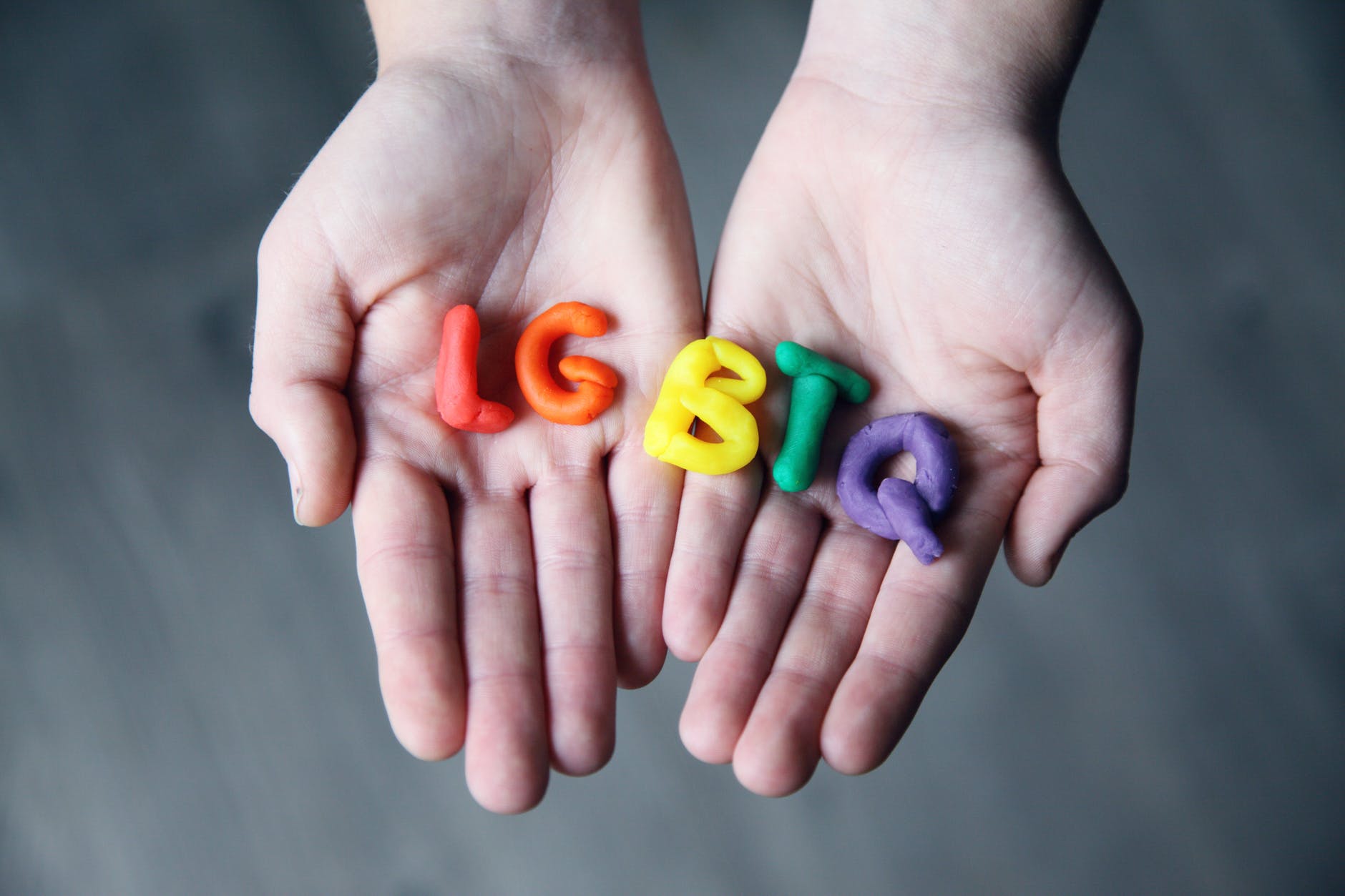
Photo by Sharon McCutcheon on Pexels.com

Writer: Caroline Miller

Clinical Experts: Paul Mitrani, MD, PhD , Alnardo Martinez, LMHC

https://www.youtube.com/watch?v=18yziablOH0

What You'll Learn

- How can families best support LGBTQ+ kids?

- How can parents help keep LGBTQ+ kids safe?

- What are some common challenges for LBGTQ+ young people?

- Quick Read

- Full Article

- How to be supportive

- Keeping kids safe

- Telling other family members

When a child is coming out as LGBTQ+, the most important thing for them to know is that their family supports and loves them. As a parent, you might worry about whether they will be accepted. But it’s important to stay positive around your child and make sure they know they can count on you.

If you’re having a hard time accepting your child’s coming out, talking to a support group can help. You can find one for parents of LGBTQ+ young people through an organization like PFLAG. You might also talk to a therapist or someone in your faith group. Dealing with your own feelings can help you be more supportive of your child.

If you’re worried about your child’s safety, open up a conversation with your child. Ask what they need and advocate for them. If they’re having a hard time at school, being able to count on you will make a big difference.

Most young people come out to their friends first. So don’t take it personally if you’re not the first one they tell. Some teens are afraid their parents will kick them out or withdraw financial support when they come out. Or they might be afraid of letting you down by being different from your expectations.

When it comes to telling other family members, let your child take the lead. They might know exactly how they want to do it, or they might not be sure. The most important thing is to respect what they want to do and keep the conversation open.

“I was worried about my parents not accepting me for who I am,” recalls Katie Green, who identifies as queer and came out to her family in her early twenties. “I was worried they would stop loving me.”

#James Donaldson notes:Welcome to the “next chapter” of my life… being a voice and an advocate for #mentalhealthawarenessandsuicideprevention, especially pertaining to our younger generation of students and student-athletes.Getting men to speak up and reach out for help and assistance is one of my passions. Us men need to not suffer in silence or drown our sorrows in alcohol, hang out at bars and strip joints, or get involved with drug use.Having gone through a recent bout of #depression and #suicidalthoughts myself, I realize now, that I can make a huge difference in the lives of so many by sharing my story, and by sharing various resources I come across as I work in this space.  #http://bit.ly/JamesMentalHealthArticleFind out more about the work I do on my 501c3 non-profit foundationwebsite www.yourgiftoflife.org Order your copy of James Donaldson's latest book,#CelebratingYourGiftofLife: From The Verge of Suicide to a Life of Purpose and Joy

Click Here For More Information About James Donaldson

Green’s worries are echoed by many LGBTQ+ teens and young adults facing the prospect of coming out to parents whose reaction they are less than sure about. Even when parents are likely to be understanding, coming out can be a source of intense stress and anxiety.

If you’re the parent of a child who you think might be LGBTQ+, but who hasn’t come out to you, you in turn might worry about what your role should be. What effect will your response have on your child’s mental health and well-being? What does your child need to hear?

“The most important thing is just being supportive,” says Paul Mitrani, MD, a child and adolescent psychiatrist at the Child Mind Institute. “When people feel loved and supported, they are more capable. They have greater resilience.”

“The best possible scenario in my opinion,” says Green, “is nothing changes — you’re still the same person, people just know more about you now, being LGBTQ is just one aspect of your life. Being reaffirmed in knowing you are loved for who you are is powerful.”

How to be supportive

Parents may have mixed feelings about finding that they have an LGBTQ+ child. This could be because they’re worried about how the child will fare in their community — will they be bullied in school or discriminated against in the workplace? — or because they have religious reservations. But whatever your feelings are, Dr. Mitrani urges, you still want to have the same approach: “You want to err on the side of being empathetic and being supportive.”

If a parent is very distressed about a child being LGBTQ+, Dr. Mitrani urges them not to express those feelings to the child. Talking about it with a support group like PFLAG, someone in your church or congregation, or a therapist could be helpful for you and your child, too. You may have strong feelings, he adds, “but as a parent you always have to come back to see what’s best for your child.”

Having a parent that a child feels they can be honest with is important both to your child’s well-being and to your relationship, in the short- and long-term.

With children, especially adolescents, it’s crucial to keep communication open, Dr. Mitrani notes. “You want the message to be, ‘I’m glad you told me,’ and ‘Help me understand what’s going on,’ as opposed to immediately shutting the communication down.”

Open communication, in which parents listen without judgment, is a form of validation for the child, adds Lauren Latella, PhD, a clinical psychologist. “If parents either minimize the importance of the child coming out, or jump right into problem solving,” she says, “it can leave the child feeling undermined.”

Above all, make sure your child knows that you love them and are there for them no matter what. Dr. Mitrani suggests language like: “I’m really glad that we can discuss this because we want to make sure that you’re safe and that you’re supported. And whatever decisions you need to make we want to be the best ones for you.”

Keeping kids safe

As a parent you may be worried about how your child will be treated, at school and in settings where LGBTQ+ people are not welcome, and how they will handle hostility, if they encounter it. Dr. Mitrani suggests opening the conversation by exploring whether the child is concerned about not being accepted or being targeted for bullying, as opposed to saying, “This is going to be harder for you.”

The child might say, “No, everybody already knows and they’re supportive and the teachers are great.” Or they might alert you to a lack of support.

“If they’re in school, you need to understand what your school’s policies are,” says Dr. Mitrani. “If you get the sense that they won’t be supportive of your child, you either need to make a stand and advocate for those supports or consider changing their school to someplace where they will be safe and protected.”

When parents are worried about whether an LGBTQ+ child will be safe, Green notes the importance of support from parents in making children able to speak up. “Providing a supportive home life is critical. Your child feeling comfortable enough to share their safety concerns can make a difference.”

Green, who is the Digital Giving Manager at the Trevor Project, which provides crisis intervention and suicide prevention services for LGBTQ youth, adds that by talking openly about these issues, parents can help create a safer world for LGBTQ+ kids. “Being an ambassador for your child and for LGBTQ+ rights has an impact in the community. By being an advocate for your child and speaking with pride about your child’s identity, you’re working to make the world a better place for other young people.”

Telling other family members

Coming out can be a huge relief for teens or young adults who are LGBTQ+, but the process is often rocky and sometimes painful. Your child may have opened up to friends or co-workers who didn’t respond well, or may be worried about how family members or other people who are important to them will react. Once your child seems ready to talk, check in with them about how they’re feeling, and how you can be supportive. Start by asking questions and listening to their answers calmly. Your goal is to let them know that you are hearing what they need to share with you.

Something parents often struggle with is the knowledge that they are, if not the last to know, certainly not the first. Try not to be surprised, or offended, if you find that your child has been more candid with their friends, and even some other adults. The Trevor Project’s LGBTQ Youth Mental Health Study found that most respondents disclose their sexual orientation and gender identity to friends first, then trusted adults, who may not always be their parents. Less than half were out to an adult at school. Green notes several reasons why they might be reluctant to tell parents:

- Unlike friends, parents have control over aspects of young people’s lives, including housing and financial support, which can be withdrawn.

- Parent’s expectations of who they should/could be growing up can create a lot of pressure for children. Coming out can put the child at risk of feeling they have disappointed their parents.

- Peers can have a like-minded approach to sexual orientation and gender identity, making them more likely to be accepting and supportive of the LGBTQ+ community.

When it comes to telling others in the family that a child is LGBTQ+, it’s recommended that you let the child take the lead. “Telling the rest of the family is up to the person who is coming out,” says Green. “They’ll either have a solid understanding of how they want to proceed or they may not know — just have an open conversation with them and be honest, clear and supportive to help them plan how to move forward. Being respectful of their wishes is a very important element to this conversation.”

Another concern parents express is the worry that their child’s announcement of their sexual orientation may be influenced by trends in their peer group.

“Adolescence, when most kids tend to come out, is a time of identity formation,” says Dr. Mitrani. “Kids experiment with different things, whether it’s hairstyles or clothing or music, and they’re trying to find themselves.” Sexual orientation and gender identity may be one of those things. But while that’s true,” he adds, “my experience is that it’s not in the majority of the cases.”

Frequently Asked Questions

What is some advice on how to support your LGBTQ child as they come out?

When a child is coming out as LGBTQ+, the most important thing for them to know is that their family supports and loves them. As a parent, you might worry about whether they will be accepted. But it’s important to stay positive around your child and make sure they know they can count on you.

What is some advice on how to support your LGBTQ child?

Photo by Sharon McCutcheon on Pexels.com https://standingabovethecrowd.com/?p=14834

Tuesday, October 7, 2025


James Donaldson on Mental Health - Why School Has More Black Kids Thinking About Suicide
New national data shows steep rises in Black youth suicide, and experts say racism in schools is a major factor that’s costing them their lives and learning

by Quintessa Williams

African American student overwhelmed

Overview:

A recent study found that Black K-12 students are experiencing a mental health crisis due to systemic racism in schools, with 40% of Black youth ages 13-17 seriously considering suicide in the past year. The study also found that nearly 1 in 3 Black youth who needed mental health care didn't receive it, and Black boys are among the least likely to receive care. Experts say schools must create welcoming and inclusive learning environments to support the mental and emotional health of students and the communities around them.

In November 2024, a Jacksonville, Florida, mother watched her 16-year-old son unravel.

Already the target of racist bullying at school, he was one of many Black students across the country who received racist text messages after the presidential election. It hit hard: the teenager became withdrawn, afraid to return to school, and was overwhelmed by a feeling that he didn’t belong.

He eventually returned a few weeks later, but much like the bullying, the school never addressed it publicly. The school and the world, his mother said, “just moved on from the story.” 

But the situation almost cost him his life.

“He told me later that he didn’t want to go back to school and that the reason he gave me his phone was that he had been thinking about ending his life,” says his mother, who asked Word in Black to remain anonymous to protect their privacy. “And that’s when I just broke down.”

The mother’s story is not an anomaly. Black K-12 students across the country are battling a growing mental health crisis that experts say is connected to their school environments. 

According to a new report from The AAKOMA Project, a nonprofit organization that helps address the mental health needs of youth of color, more than 40% of Black youth ages 13-17 seriously considered suicide in the past year. At the same time, 38% self-harmed in some way, and more than 16% attempted suicide at least once. 

“The fact that this is not a national crisis with all hands on deck trying to solve it is unconscionable to me,” says Dr. Alfiee Breland-Noble, a clinical psychologist and founder of The AAKOMA Project. “That the needs of so many Black youth have gone unnoticed — and remain sorely under-addressed — is devastating.”

#James Donaldson notes:Welcome to the “next chapter” of my life… being a voice and an advocate for #mentalhealthawarenessandsuicideprevention, especially pertaining to our younger generation of students and student-athletes.Getting men to speak up and reach out for help and assistance is one of my passions. Us men need to not suffer in silence or drown our sorrows in alcohol, hang out at bars and strip joints, or get involved with drug use.Having gone through a recent bout of #depression and #suicidalthoughts myself, I realize now, that I can make a huge difference in the lives of so many by sharing my story, and by sharing various resources I come across as I work in this space.  #http://bit.ly/JamesMentalHealthArticleFind out more about the work I do on my 501c3 non-profit foundationwebsite www.yourgiftoflife.org Order your copy of James Donaldson's latest book,#CelebratingYourGiftofLife: From The Verge of Suicide to a Life of Purpose and Joy

Click Here For More Information About James Donaldson

Schools as a Source of Racial Trauma

From disproportionately high discipline rates to biased teachers, experts say systemic racism in schools chips away at a young person’s sense of safety and self-worth. In AAKOMA’s 2025 State of Youth Mental Health report, 21% of Black youths reported suffering racial trauma from teachers and other school employees. Nearly 30% said they experienced racial discrimination at the hands of school police. 

“This is significant as it means that schools continue to be unwelcoming and unsafe places for many Black youth,” Breland-Noble says. “It shows that bias and discrimination hurts, and that these issues often hurt Black students at disproportionately higher rates than other students.”

The report also found that three-quarters of Black youth say they feel like a burden to others, and about as many reported feeling as though they don’t belong — feelings commonly linked to suicidal ideations. 

Breland-Noble adds that society, schools included, often compounds the racial trauma of Black youth by minimizing (and at times flat-out ignoring) the emotional hurt associated with the daily microaggressions and bias they experience. 

“Black youth need to feel seen, heard, and valued for exactly who they are,” she says. “But many of them are growing up in schools that ignore their reality and deny their pain.” 

The Price of Unmet Mental Health Needs

Despite the warning signs, many Black students still aren’t getting help.

According to the AAKOMA report, nearly 1 in 3 Black youth who needed mental health care didn’t receive it. For Black boys, the picture is even more alarming: they are among the least likely to receive care, and are more likely to view mental illness as a weakness. Breland-Noble says that belief is shaped by cultural stigma and a lack of safe spaces to express vulnerability.

Academic performance has long been linked to feelings of support at school. A recent Rutgers University study found that, as Black K-12 students’ sense of belonging decreased, their risk for suicidal ideation and attempts climbed by as much as 35%. 

Black youth need to feel seen, heard, and valued for exactly who they are,” she says. “But many of them are growing up in schools that ignore their reality and deny their pain.Dr. Alfiee Breland-Noble, psychologist and founder of the AAKOMA Project

“Mental health is a foundational aspect of the educational experience, and parents, teachers, and caregivers are the gatekeepers of that care,” Breland-Noble says. “So when stigma still exists in our schools and communities — especially around our youth (especially boys) needing help — it prevents access before it even begins.”

Rutgers researchers concluded that feeling accepted, valued, included, and encouraged in school could mitigate suicidal risk among Black kids. Breland-Noble agrees, adding that school districts must provide services that consider Black kids’ unique needs.

“Depression, anxiety, and suicidality do not all look the same in diverse youth,” she says. “Until we understand how these concerns manifest in different cultural groups, we cannot begin to develop effective approaches and interventions to support all youth.”

Healing Must Be the Goal

If schools want to care for Black students, Breland-Noble says, they must “create welcoming and inclusive learning environments that support the mental and emotional health of our students and the communities around them.” That means affirming their identities, rejecting punitive discipline models and design grassroots, culturally responsive systems of care. 

She points to models like the Comer School Development Program in Connecticut and LeBron James’ I PROMISE School in Ohio as examples of wraparound systems that treat students as whole people.

“A healthy child learns best,” she says. “And ‘healthy’ must include mental health.”

Back in Jacksonville, the mother of the 16-year-old says that she still carries the weight of what almost happened — and hopes stories like hers will finally be taken more seriously. 

“It takes a village, and I think schools need to be a part of that, too,” she adds. “Say something. Do something. Acknowledge what’s happening. Our kids can’t keep paying the price alone.” https://standingabovethecrowd.com/?p=14827

Monday, October 6, 2025

James Donaldson on Mental Health - The Mental Health Crisis No One Prepared Black Men For

James Donaldson on Mental Health - The Mental Health Crisis No One Prepared Black Men For

Drew Sanders


Just because we’re bruised doesn’t mean we’re broken. And even if we are—healing is still available


Over the years, I’ve sat in rooms full of brilliant, gifted, emotionally exhausted Black men. Whether entrepreneurs, creatives, or fathers, they shared a common thread. All of these men were suffering in silence.


When the laughs were loud, the weight was louder.


Even though they seemed good, deep down they were wondering:


Am I enough?


Will anyone care if I disappear?


How did I get so lost inside my own mind?


I want to speak to that version of Black men—those who quietly suffer. The ones who thinks healing is a luxury. For too long, we’ve been handed a blueprint for manhood that taught us to suppress, deny, and endure—but not to heal.


That has to change.


In the early 80s, the suicide rate among Black male teens (ages 15–19) rose by 146% over a 15-year span. By the early ’90s, we were seeing peak suicide rates—nearly 49 per 100,000 in some regions. That’s nearly four times the national average. Fast forward to now: from 2020 to 2021 alone, the suicide rate for Black males rose another 11%. Today, suicide is the third leading cause of death for Black youth aged 10 to 24.


The third.


Let that sink in.


These aren’t just numbers. These are our sons. Our cousins. Our brothers. Ourselves.


So what’s causing this?


It’s deeply rooted. I could take it back to slavery and epigenetics. But let’s start with structural racism, generational trauma, economic inequality, and emotional isolation.


In the ’80s and ’90s, it was the crack epidemic, mass incarceration, and welfare reform—policies that ripped through Black communities like hurricanes.
In the 2000s and beyond, it’s been technological shifts, the widening wealth gap, and the constant visibility of Black death on every screen.


#James Donaldson notes:
Welcome to the “next chapter” of my life… being a voice and an advocate for #mentalhealthawarenessandsuicideprevention, especially pertaining to our younger generation of students and student-athletes.
Getting men to speak up and reach out for help and assistance is one of my passions. Us men need to not suffer in silence or drown our sorrows in alcohol, hang out at bars and strip joints, or get involved with drug use.
Having gone through a recent bout of #depression and #suicidalthoughts myself, I realize now, that I can make a huge difference in the lives of so many by sharing my story, and by sharing various resources I come across as I work in this space.
  #http://bit.ly/JamesMentalHealthArticle
Find out more about the work I do on my 501c3 non-profit foundation
website www.yourgiftoflife.org Order your copy of James Donaldson's latest book,
#CelebratingYourGiftofLife: From The Verge of Suicide to a Life of Purpose and Joy


Click Here For More Information About James Donaldson


We’ve been surviving in a system that was never built to support our wholeness.


But awareness is the first step. If we’re not aware, we can’t take action.


We’ve normalized emotional numbness. We’ve been taught to “tough it out” instead of talk it out. That kind of unchecked toughness becomes toxic. Until we learn to nurture ourselves—to embrace our wholeness, including our emotional and spiritual needs—we’ll keep breaking silently.


Healing isn't a weakness. It’s restoration.


It’s transformation.


It’s a repositioning of the soul.


I know because I’ve been doing the work.


I’ve leaned into therapy. Plant medicine. Healing retreats. Yoga. Eastern wellness practices like tai chi. I’ve cried. Journaled. Prayed. Asked for help. Worked out. And even after all of that, I still consider myself a work in progress.


Healing isn’t linear. It’s not a quick fix. Some wounds go deeper than others—and that’s okay. You’re not late. You’re not weak. You’re just in the process.


We need balance—especially for our young brothers. From the music to the algorithms, they’re getting hit harder than we ever did. We’re living in a new kind of crack era—but 21st century crack is the media that focuses on sensationalized clickbait on the internet. It’s pulling our youth further from self every single day.


That’s why we need more spaces where we can be seen and safe.
More Black male therapists. More culturally competent care.
More mentorship circles. More conversations that start with “How are you really doing, fam?” and end with “I got you.” — and actually mean that.


We need healthier media that speaks life into our people. That shows our young men they’re more than hustle culture or YN fantasies. That manhood isn’t measured in money or bodies—but in wholeness, wisdom, and emotional freedom.


And if you’re a leader, a mentor, a connector—your responsibility is even greater.
Your vulnerability is someone else’s permission.
Your healing becomes someone else’s hope.


Don’t wait for a crisis to make healing your priority.
Make it your daily practice.


We don’t have to keep dying with our silence.


Let’s speak.


Let’s share.


Let’s save each other.


Our lives—and our futures—are worth it.


https://standingabovethecrowd.com/james-donaldson-on-mental-health-the-mental-health-crisis-no-one-prepared-black-men-for/


James Donaldson on Mental Health - The Mental Health Crisis No One Prepared Black Men For
Drew Sanders

Just because we’re bruised doesn’t mean we’re broken. And even if we are—healing is still available

Over the years, I’ve sat in rooms full of brilliant, gifted, emotionally exhausted Black men. Whether entrepreneurs, creatives, or fathers, they shared a common thread. All of these men were suffering in silence.

When the laughs were loud, the weight was louder.

Even though they seemed good, deep down they were wondering:

Am I enough?

Will anyone care if I disappear?

How did I get so lost inside my own mind?

I want to speak to that version of Black men—those who quietly suffer. The ones who thinks healing is a luxury. For too long, we’ve been handed a blueprint for manhood that taught us to suppress, deny, and endure—but not to heal.

That has to change.

In the early 80s, the suicide rate among Black male teens (ages 15–19) rose by 146% over a 15-year span. By the early ’90s, we were seeing peak suicide rates—nearly 49 per 100,000 in some regions. That’s nearly four times the national average. Fast forward to now: from 2020 to 2021 alone, the suicide rate for Black males rose another 11%. Today, suicide is the third leading cause of death for Black youth aged 10 to 24.

The third.

Let that sink in.

These aren’t just numbers. These are our sons. Our cousins. Our brothers. Ourselves.

So what’s causing this?

It’s deeply rooted. I could take it back to slavery and epigenetics. But let’s start with structural racism, generational trauma, economic inequality, and emotional isolation.

In the ’80s and ’90s, it was the crack epidemic, mass incarceration, and welfare reform—policies that ripped through Black communities like hurricanes.In the 2000s and beyond, it’s been technological shifts, the widening wealth gap, and the constant visibility of Black death on every screen.

#James Donaldson notes:Welcome to the “next chapter” of my life… being a voice and an advocate for #mentalhealthawarenessandsuicideprevention, especially pertaining to our younger generation of students and student-athletes.Getting men to speak up and reach out for help and assistance is one of my passions. Us men need to not suffer in silence or drown our sorrows in alcohol, hang out at bars and strip joints, or get involved with drug use.Having gone through a recent bout of #depression and #suicidalthoughts myself, I realize now, that I can make a huge difference in the lives of so many by sharing my story, and by sharing various resources I come across as I work in this space.  #http://bit.ly/JamesMentalHealthArticleFind out more about the work I do on my 501c3 non-profit foundationwebsite www.yourgiftoflife.org Order your copy of James Donaldson's latest book,#CelebratingYourGiftofLife: From The Verge of Suicide to a Life of Purpose and Joy

Click Here For More Information About James Donaldson

We’ve been surviving in a system that was never built to support our wholeness.

But awareness is the first step. If we’re not aware, we can’t take action.

We’ve normalized emotional numbness. We’ve been taught to “tough it out” instead of talk it out. That kind of unchecked toughness becomes toxic. Until we learn to nurture ourselves—to embrace our wholeness, including our emotional and spiritual needs—we’ll keep breaking silently.

Healing isn't a weakness. It’s restoration.

It’s transformation.

It’s a repositioning of the soul.

I know because I’ve been doing the work.

I’ve leaned into therapy. Plant medicine. Healing retreats. Yoga. Eastern wellness practices like tai chi. I’ve cried. Journaled. Prayed. Asked for help. Worked out. And even after all of that, I still consider myself a work in progress.

Healing isn’t linear. It’s not a quick fix. Some wounds go deeper than others—and that’s okay. You’re not late. You’re not weak. You’re just in the process.

We need balance—especially for our young brothers. From the music to the algorithms, they’re getting hit harder than we ever did. We’re living in a new kind of crack era—but 21st century crack is the media that focuses on sensationalized clickbait on the internet. It’s pulling our youth further from self every single day.

That’s why we need more spaces where we can be seen and safe.More Black male therapists. More culturally competent care.More mentorship circles. More conversations that start with “How are you really doing, fam?” and end with “I got you.” — and actually mean that.

We need healthier media that speaks life into our people. That shows our young men they’re more than hustle culture or YN fantasies. That manhood isn’t measured in money or bodies—but in wholeness, wisdom, and emotional freedom.

And if you’re a leader, a mentor, a connector—your responsibility is even greater.Your vulnerability is someone else’s permission.Your healing becomes someone else’s hope.

Don’t wait for a crisis to make healing your priority.Make it your daily practice.

We don’t have to keep dying with our silence.

Let’s speak.

Let’s share.

Let’s save each other.

Our lives—and our futures—are worth it. https://standingabovethecrowd.com/james-donaldson-on-mental-health-the-mental-health-crisis-no-one-prepared-black-men-for/

Sunday, October 5, 2025


James Donaldson on Mental Health - The Mental Health Crisis No One Prepared Black Men For
Drew Sanders

Just because we’re bruised doesn’t mean we’re broken. And even if we are—healing is still available

Over the years, I’ve sat in rooms full of brilliant, gifted, emotionally exhausted Black men. Whether entrepreneurs, creatives, or fathers, they shared a common thread. All of these men were suffering in silence.

When the laughs were loud, the weight was louder.

Even though they seemed good, deep down they were wondering:

Am I enough?

Will anyone care if I disappear?

How did I get so lost inside my own mind?

I want to speak to that version of Black men—those who quietly suffer. The ones who thinks healing is a luxury. For too long, we’ve been handed a blueprint for manhood that taught us to suppress, deny, and endure—but not to heal.

That has to change.

In the early 80s, the suicide rate among Black male teens (ages 15–19) rose by 146% over a 15-year span. By the early ’90s, we were seeing peak suicide rates—nearly 49 per 100,000 in some regions. That’s nearly four times the national average. Fast forward to now: from 2020 to 2021 alone, the suicide rate for Black males rose another 11%. Today, suicide is the third leading cause of death for Black youth aged 10 to 24.

The third.

Let that sink in.

These aren’t just numbers. These are our sons. Our cousins. Our brothers. Ourselves.

So what’s causing this?

It’s deeply rooted. I could take it back to slavery and epigenetics. But let’s start with structural racism, generational trauma, economic inequality, and emotional isolation.

In the ’80s and ’90s, it was the crack epidemic, mass incarceration, and welfare reform—policies that ripped through Black communities like hurricanes.In the 2000s and beyond, it’s been technological shifts, the widening wealth gap, and the constant visibility of Black death on every screen.

#James Donaldson notes:Welcome to the “next chapter” of my life… being a voice and an advocate for #mentalhealthawarenessandsuicideprevention, especially pertaining to our younger generation of students and student-athletes.Getting men to speak up and reach out for help and assistance is one of my passions. Us men need to not suffer in silence or drown our sorrows in alcohol, hang out at bars and strip joints, or get involved with drug use.Having gone through a recent bout of #depression and #suicidalthoughts myself, I realize now, that I can make a huge difference in the lives of so many by sharing my story, and by sharing various resources I come across as I work in this space.  #http://bit.ly/JamesMentalHealthArticleFind out more about the work I do on my 501c3 non-profit foundationwebsite www.yourgiftoflife.org Order your copy of James Donaldson's latest book,#CelebratingYourGiftofLife: From The Verge of Suicide to a Life of Purpose and Joy

Click Here For More Information About James Donaldson

We’ve been surviving in a system that was never built to support our wholeness.

But awareness is the first step. If we’re not aware, we can’t take action.

We’ve normalized emotional numbness. We’ve been taught to “tough it out” instead of talk it out. That kind of unchecked toughness becomes toxic. Until we learn to nurture ourselves—to embrace our wholeness, including our emotional and spiritual needs—we’ll keep breaking silently.

Healing isn't a weakness. It’s restoration.

It’s transformation.

It’s a repositioning of the soul.

I know because I’ve been doing the work.

I’ve leaned into therapy. Plant medicine. Healing retreats. Yoga. Eastern wellness practices like tai chi. I’ve cried. Journaled. Prayed. Asked for help. Worked out. And even after all of that, I still consider myself a work in progress.

Healing isn’t linear. It’s not a quick fix. Some wounds go deeper than others—and that’s okay. You’re not late. You’re not weak. You’re just in the process.

We need balance—especially for our young brothers. From the music to the algorithms, they’re getting hit harder than we ever did. We’re living in a new kind of crack era—but 21st century crack is the media that focuses on sensationalized clickbait on the internet. It’s pulling our youth further from self every single day.

That’s why we need more spaces where we can be seen and safe.More Black male therapists. More culturally competent care.More mentorship circles. More conversations that start with “How are you really doing, fam?” and end with “I got you.” — and actually mean that.

We need healthier media that speaks life into our people. That shows our young men they’re more than hustle culture or YN fantasies. That manhood isn’t measured in money or bodies—but in wholeness, wisdom, and emotional freedom.

And if you’re a leader, a mentor, a connector—your responsibility is even greater.Your vulnerability is someone else’s permission.Your healing becomes someone else’s hope.

Don’t wait for a crisis to make healing your priority.Make it your daily practice.

We don’t have to keep dying with our silence.

Let’s speak.

Let’s share.

Let’s save each other.

Our lives—and our futures—are worth it. https://standingabovethecrowd.com/?p=14825