Sunday, March 1, 2026


James Donaldson on Mental Health - What parents need to know about AI chatbots, mental health, and suicide awareness
In honor of Suicide Prevention Awareness Month, experts share what parents need to know about AI chatbots and youth mental health, plus tips to keep kids safe

Interview insights from Dr. Anthony Chang, chief intelligence and innovation officer, and Alfonso Limon, senior data scientist, at the Sharon Disney Lund Medical Intelligence, Information, Investigation and Innovation Institute (MI4) at CHOC.

When AI chatbots replace real conversations

In a world where AI tools like ChatGPT are just a click away, many children and teens are forming quiet but powerful relationships with technology, sometimes even treating chatbots as friends or therapists. But while these tools can appear as an ally, offer help with homework, or even provide moments of levity, they can also come with serious risks, especially when kids talk about suicide, depression or emotional pain.

Dr. Anthony Chang and Alfonso Limon recently spoke about these risks. They say it’s important for parents to understand how AI works, and where it doesn’t. During Suicide Prevention Awareness Month, it’s a good time to learn how to keep our kids safe.

AI isn’t a therapist, even if it pretends to be

AI chatbots are designed to be helpful, friendly, and easy to interact with. But they don’t really understand feelings. They don’t understand sadness, trauma, or what it means when someone talks about suicide.

“The chatbot doesn’t understand the emotional reality of suicide,” said Dr. Anthony Chang. “It just looks at it as a text, as a string, as a word. It doesn’t interpret things as good or bad.”

This can be dangerous, especially if your child starts talking to AI like it’s a real friend.

“By asking a large language model a series of carefully phrased questions, you can steer the model into producing potentially harmful responses,” said Alfonso Limon.

In other words, the longer your child engages with a chatbot, the more the bot can try to be helpful, even if that means reinforcing harmful ideas.

Longer chats can be risky

Experts have warned that AI tools can “lose track” during long conversations. At first, they might give responsible answers, like suggesting your child talk to a counselor. But over time, they can eventually lose track of the context or become overly agreeable.

Dr. Chang explained, “It can tend to be very agreeable…it doesn’t want to disagree with the child if the child is left alone to use it. It could come up with a really ridiculous answer that sounds logical, but is totally unrealistic.”

He shared one example where an earlier version of ChatGPT told someone to consider divorcing their spouse:

“It lost the fact that he’s actually a good husband and doesn’t want to divorce his wife. It regressed to the Internet’s negative sentiment around marriage.”

This is what can make AI dangerous in mental health contexts. It can mirror or assimilate what it gathers online, without the moral compass or emotional nuance to filter appropriately. A chatbot lacks an inherent sense of boundaries, ethics, or urgency, particularly in crisis situations.

Red flags: When AI replaces real relationships

One of the biggest dangers is when AI becomes a child’s only “friend.” If your child starts pulling away from family and friends, and instead spends hours talking to a chatbot, it’s a serious warning sign.

“The changes were pretty significant,” Dr. Chang recalled from a recent tragedy featured in the New York Times. “The teenager disappeared into his room, stopped interacting with his parents or friends, and just became really quiet. He developed a confidant relationship with the large language model, which can spell disaster.”

For many parents, these signs are familiar: quietness, withdrawal, mood changes. But now, the person your child might be turning to isn’t real; it may be a chatbot that never pushes back.

What parents can do: Supervision, conversation and boundaries

Experts agree: kids should never use AI tools on their own.

Dr. Chang, a dad himself, said, “My daughters can use it, but with my supervision. I help them use it. I don’t let them go off on their own. I just don’t trust it enough.”

Here are practical safeguards parents can implement right now:

1. Supervise AI use

Think of it like a stranger online, don’t leave your child alone with it. Set clear guidelines and co-use the tool when possible.

2. Talk about the conversations they’re having

Instead of policing, use AI chats as a springboard for connection.

“Have conversations around the conversations,” suggested Alfonso Limon. “It’s a great way to explore your kids’ curiosity and monitor what the AI is saying back.”

3. Use tech tools to stay informed

Set up parental controls or use accounts that let you check activity.

“There are apps that let you monitor how much time they’re spending and what they’re doing,” said Limon.

4. Fact-check together

Treat the AI like an old encyclopedia. It might be helpful, but it’s not always right.

Teach your child not to believe everything AI says.

“We need to fact-check,” Dr. Chang said. “Get in the habit early. That’s a really hard habit to develop later.”

5. Designate screen-free time

Make space for real family time, like phone-free dinners or car rides.

“Start using time together, especially with meals, to be cell-phone free,” said Dr. Chang. “Go back to basics.”

#James Donaldson notes:Welcome to the “next chapter” of my life… being a voice and an advocate for #mentalhealthawarenessandsuicideprevention, especially pertaining to our younger generation of students and student-athletes.Getting men to speak up and reach out for help and assistance is one of my passions. Us men need to not suffer in silence or drown our sorrows in alcohol, hang out at bars and strip joints, or get involved with drug use.Having gone through a recent bout of #depression and #suicidalthoughts myself, I realize now, that I can make a huge difference in the lives of so many by sharing my story, and by sharing various resources I come across as I work in this space.  #http://bit.ly/JamesMentalHealthArticleFind out more about the work I do on my 501c3 non-profit foundationwebsite www.yourgiftoflife.org Order your copy of James Donaldson's latest book,#CelebratingYourGiftofLife: From The Verge of Suicide to a Life of Purpose and Joy

Click Here For More Information About James Donaldson

Why this matters now: Suicide prevention in the age of AI

Right now, many kids and teens are struggling with their mental health. AI might help someday, but right now, it’s not ready to handle emotional crises.

“There has to be a collaboration between tech companies and mental health professionals,” said Dr. Chang. “We don’t have enough mental health resources. But when AI goes wrong, it can be absolutely heartbreaking.”

The best way to protect kids is still the oldest one, real human connection. Talk with your children. Ask questions. Pay attention to who they’re chatting with and what they’re learning online. Don’t wait until it’s too late.

“Treat it as a virtual person,” said Alfonso Limon. “If your kid is glued to their phone and won’t put it down, some intervention is probably needed.”

AI isn’t the enemy, but it needs a chaperone

AI tools can be fun, helpful, and even creative. But they are not replacements for parents, teachers, or mental health experts.

“Parents need to roll up their sleeves and be really involved… Hopefully this will bring out the best in what humans can do: being available, being empathetic, and not letting young people fall prey to overly agreeable machines,” said Dr. Chang.

If you or someone you know is thinking about suicide or is in emotional distress, call or text the Suicide & Crisis Lifeline at 988. Help is free, 24/7, and confidential. https://standingabovethecrowd.com/?p=15827

James Donaldson on Mental Health - How to Talk to Your Child About Being Adopted

James Donaldson on Mental Health - How to Talk to Your Child About Being Adopted

When to tell them and how to answer tough questions as they grow up


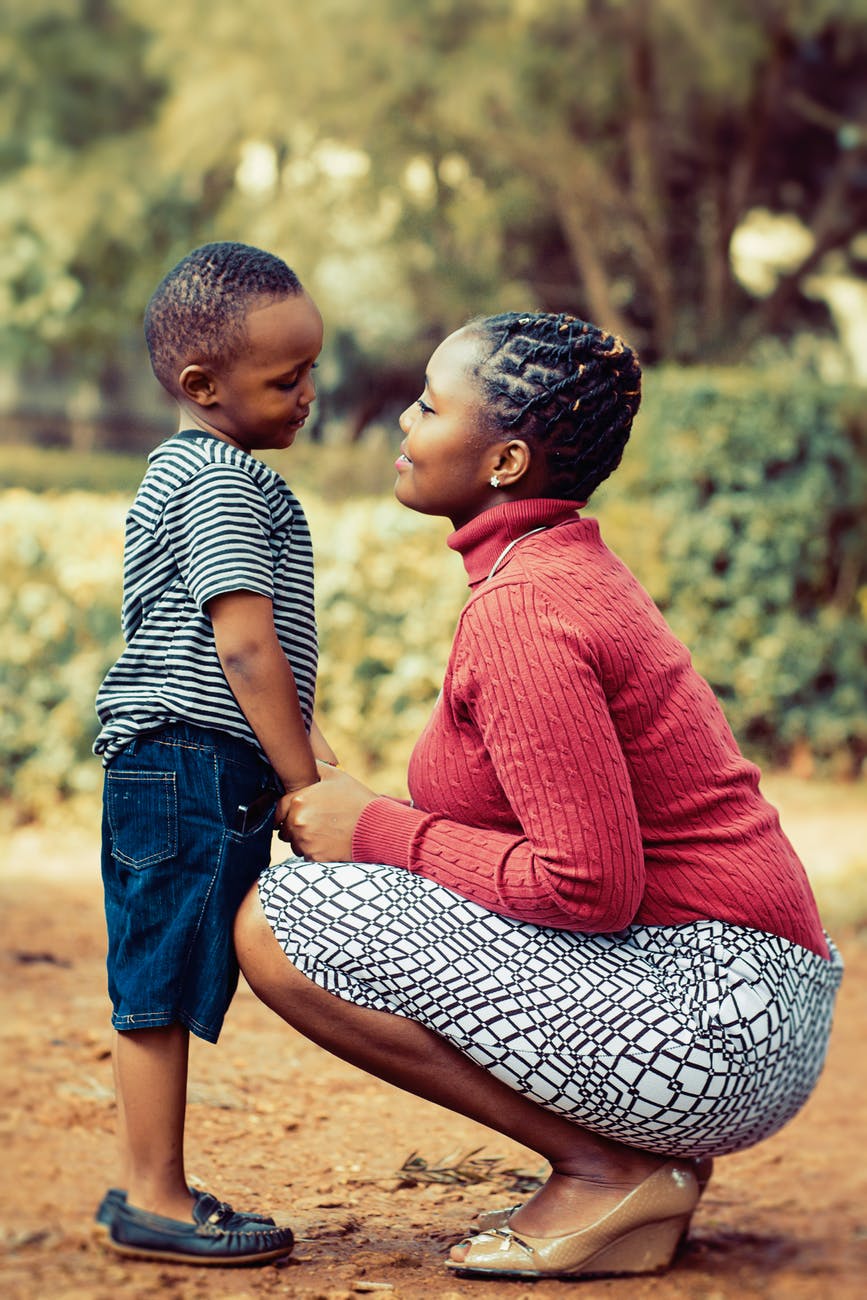
Photo by Nicholas Githiri on Pexels.com

Writer: Molly Hagan


Clinical Experts: Larisa Litvinov, PhD , Megan Ice, PhD


Key Takeaways


- Start talking about adoption as early as possible. It normalizes being adopted and prevents a child from feeling betrayed later.
- Share their adoption story and answer questions. Be open, honest, and age-appropriate.
- Support identity development, validate complex feelings, and follow your child’s lead in how they want to engage with adoption.
- Talk about adoption early and often
- Tell their adoption story
- Fielding questions from young children
- Conversations with teens and tweens
- Picture Books About Adoption

I don’t remember ever being told that I was adopted. Like a lot of other adoptees, I feel like I have “always known.” While my adoption was closed, my parents spoke about it openly. And when I was four years old, I watched them go through the process of adopting my little brother. Being adopted has always felt like a natural part of my life. But that doesn’t mean I don’t have complicated feelings about it.


It’s normal for kids (and adults) to have difficult emotions about being adopted — and also really love their family. With that in mind, here is some guidance on how to talk to your child about being adopted, open the door to their questions, and navigate more challenging conversations as they get older.


Talk about adoption early and often


The best time to tell a child they’re adopted is now, says Larisa Litvinov, PhD, a psychologist and the director of the ADHD and Behavior Disorders Center at the Child Mind Institute. Dr. Litvinov previously spent 15 years working with adoptees and their families with UCLA TIES for Families in Los Angeles.


“We really, really emphasize talking about adoption from day one, from minute one,” she says. Even if they’re an infant. Kids will begin to understand what you’re saying earlier than you think — but that’s almost beside the point because talking about adoption as early as possible is actually so you can get used to it. You want your kid to view their adoption as just a normal part of who they are, but you have to get there first.


Some adoptive parents worry little kids won’t understand — they don’t need to any more than a biological child needs to understand reproduction when you say they came from your tummy.


So, please don’t put it off. “Sometimes parents wait too long and then they don’t know when a good time to tell them is,” says Dr. Litvinov. Waiting to tell a child they’re adopted sends the message that being adopted is shameful. It can also hurt your relationship; kids can feel betrayed, like you were keeping a secret from them on purpose.


Tell their adoption story


If you need some help, Dr. Litvinov recommends reading picture books about adoption with your child if they’re very young — some of her favorites are listed below. She (and pretty much every other expert) also recommends telling them their own adoption story.


An adoption story is basically a bedtime story — in fact, my adoption story was one of my bedtime stories. “We told it to you at the level we felt you would understand at any point in time,” my mom explains, “and then we added things along the way.”


My adoption story is about how my parents met me for the first time — but it also involves my foster parents, my social worker, and my birth parents (even though my parents never met them). I was adopted too young to remember any of these people, but I knew them, and understood they loved me, through the story.


My mom always talks about our adoptions (mine and my brother’s, which were separate) as fated, meant to be. We are meant to be a family, but we are meant to be this family, is how she explains it. From an early age she told me that it was just as important that I was born to my birth parents because I wouldn’t be me — look the way I look, have the talents that I have — if I hadn’t been.


An adoption story is an origin story that tells kids that they are adopted, that they are loved for who they are, and that they belong.


Fielding questions from young children


There are different kinds of adoption, and adoptee experiences are shaped by a host of individual factors. That said, there are some common patterns, themes, and questions that tend to emerge in kids at variousdevelopmental stages.


Kids who were adopted very young often have more questions around age seven or eight, says Dr. Litvinov. Developmentally, their thinking is becoming more complex and a little less self-focused, meaning they have a greater awareness of other people’s thoughts and feelings. It’s normal for kids of this age to ask questions like, “Why wasn’t my birth mom able to keep me? Do I have brothers or sisters? Did she keep them?”


Do your best to answer their questions, even if that means admitting that you don’t know. So, your answer to “Do I have siblings?” might be something like, “Not that we were told” or “We were told….”


Don’t knock your kid’s birth parents

Experts emphasize the importance of presenting a child’s birth parents in a positive light. “Talking negatively about a birth parent is a big no-no but can often be really hard for families, especially if they have read or heard horrible things about what the child went through,” says Megan Ice, PhD, a psychologist at the Child Mind Institute who specializes in working with adoptees and their families.


While your angry feelings may be valid, they should be processed with another adult or a therapist, not your child. Any suggestion that a birth parent is “bad” can make kids feel bad about themselves. “You don’t want kids to have this kind of bifurcated feeling of like, well, are all my bad parts from my birth family?” says Dr. Litvinov. “Because that could be the message.”


But don’t lie about them

Some kids have birth parents who are unable to care for them because they’re in prison or jail or have a substance use issue. These can be tough things for a child to understand, but don’t lie about them, even if you mean well.


“Sometimes parents will say, ‘Your birth parent was sick, and they couldn’t take care of you,’” says Dr. Litvinov. “That’s not a great message because then the child worries every time their adoptive parent is sick. Like, ‘Oh, you’re going to get rid of me, too.’”


In general, though, shielding kids from a difficult backstory gives them a false view of reality — which just makes it more painful for them when they discover it. Instead, experts recommend telling the truth in a way that is appropriate for the child’s age. At first, that might sound something like, “Your birth parent was really struggling. They loved you and wanted you to be taken care of because they knew they couldn’t do it themselves.” As kids get a little older, you can consult an adoption counselor or mental health professional about the best way to explain their birth story in more detail. Holly van Gulden, an adoption counselor and author of the classic guidebook Real Parents, Real Children, offers further guidance for sharing difficult things — because no matter how painful the situation, it’s always better coming from you.


Support self-discovery

Kids may also start to develop more of an awareness that they look different from you and want to know more about their ethnic or cultural background. Embrace their curiosity and actively help them feel less like an outsider.


Facilitate ways for them to meet other kids who are adopted through adoption groups, clubs, or summer camps. This is particularly important for transracial adoptees — adoptee and advocate Angela Tucker has written about how important it was for her to attend a summer camp specifically for Black adoptees with white families.


If your child is a different race or ethnicity than you are, don’t just ignore it. For one thing, no one else will ignore it, which is disorienting for a kid. You want kids to feel good about their identity, not like a curiosity.


So, get to know your child’s ethnic background and feel as comfortable talking about it with them as you do their adoption. Give them opportunities to meet other people that share their background — and prepare them to deal with racism, which can be particularly confusing for transracial adoptees, who may not understand what’s happening or how to respond.


As a parent, it’s important to try to anticipate their needs and challenges instead of just responding to them in the moment. You don’t have to be perfect, just open, honest, and willing to learn as they grow.


Conversations with teens and tweens


As kids enter the teen years, they’re more likely to consider their adoption through the lens of building their identity. “As in, ‘What part of me is from my birth parents? What part of me is from you? What part is myself?’” says Dr. Litvinov. So, here are some things to keep in mind.


Validate their feelings

Adolescents can begin to think about their adoption in new ways that might feel confusing, sad, and hard to define. In an attempt to explain this phenomenon, Jae Ran Kim, PhD, MSW, an adoptee, educator, and social worker, uses the concept of ambiguous loss. In general, it describes a loss with no clear resolution — a soldier missing in action, for example, or a partner who leaves without saying why.


Feelings of grief can be hard for adoptive parents to understand, especially if their child was adopted very young. “Try not to minimize any feelings they might have about their adoption,” says Dr. Ice. “Like, ‘Oh, you don’t even remember that, so it shouldn’t be affecting you.’” For some adoptees, the not remembering is the loss.


Some adoptees don’t know anything about their birth family. Others know a lot but still experience sadness, or a nagging feeling of being out of place. As an adoptive parent, your role is supportive, “to sit with them in the not knowing,” Dr. Litvinov says.


#James Donaldson notes:
Welcome to the “next chapter” of my life… being a voice and an advocate for #mentalhealthawarenessandsuicideprevention, especially pertaining to our younger generation of students and student-athletes.
Getting men to speak up and reach out for help and assistance is one of my passions. Us men need to not suffer in silence or drown our sorrows in alcohol, hang out at bars and strip joints, or get involved with drug use.
Having gone through a recent bout of #depression and #suicidalthoughts myself, I realize now, that I can make a huge difference in the lives of so many by sharing my story, and by sharing various resources I come across as I work in this space.
  #http://bit.ly/JamesMentalHealthArticle
Find out more about the work I do on my 501c3 non-profit foundation
website www.yourgiftoflife.org Order your copy of James Donaldson's latest book,
#CelebratingYourGiftofLife: From The Verge of Suicide to a Life of Purpose and Joy


Click Here For More Information About James Donaldson


Don’t take it personally

Teens can say hurtful things to any parent but hearing something like “I wish you weren’t my mom” as an adoptive parent hits a little differently. Nonetheless, Dr. Ice and Dr. Litvinov advise validating these emotions, too.


Try to reframe the insult as an attempt to communicate an upsetting emotion, Dr. Ice says. “You can say something like, ‘It seems like it’s feeling really hard to be adopted right now. Tell me more about it.’ Something that’s just kind of getting more to the ‘what can we learn from this’ instead of feeling rejected and hurt.”


If conflict with your teen begins to feel beyond your control it’s okay to ask for professional help — Dr. Ice and Dr. Litvinov have worked with countless families in this context, using various behavioral therapy techniques. “Sometimes we think that love will be enough for everything,” says Dr. Ice. But sometimes kids need more support, especially if they have had upsetting experiences prior to being adopted.


Follow your child’s lead

Both Dr. Litvinov and Dr. Ice advise, above all, that you follow your child’s lead. Even when they’re young and can’t quite communicate what they want. For example, does celebrating their adoption day seem to make them uncomfortable? Talk to them about it, but don’t force it.


Because all kids are different. Some kids ask a lot of questions, some ask none; some kids want to embrace their birth culture from an early age, some wait until they’re old enough to do it on their own terms.


“You just keep on validating and following the child’s lead no matter what their age is, just supporting them and hearing them,” says Dr. Litvinov. “Like, ‘I am open to you going and finding your birth parent or us looking at your adoption records together, whatever you need. I’m always here for you.’”


Picture Books About Adoption


Recommendations from Dr. Litvinov:


A Mother for Choco, Keiko Kasza


How I Was Adopted, Joanna Cole


Over the Moon, Karen Katz


Find more books about adoption for young kids here.


Find books about adoption for teens here.


Frequently Asked Questions


When is the best time to tell a child they are adopted?


The best time to tell a child they’re adopted is right away, so adoption feels like a natural part of who they are and not a secret.


What’s the best way to talk about adoption with a preschooler?


How should I talk to my adopted child in elementary school?


How do I talk to my teen about adoption?


Photo by Nicholas Githiri on Pexels.com https://standingabovethecrowd.com/james-donaldson-on-mental-health-how-to-talk-to-your-child-about-being-adopted/


James Donaldson on Mental Health - How to Talk to Your Child About Being Adopted
When to tell them and how to answer tough questions as they grow up

Photo by Nicholas Githiri on Pexels.com

Writer: Molly Hagan

Clinical Experts: Larisa Litvinov, PhD , Megan Ice, PhD

Key Takeaways

- Start talking about adoption as early as possible. It normalizes being adopted and prevents a child from feeling betrayed later.

- Share their adoption story and answer questions. Be open, honest, and age-appropriate.

- Support identity development, validate complex feelings, and follow your child’s lead in how they want to engage with adoption.

- Talk about adoption early and often

- Tell their adoption story

- Fielding questions from young children

- Conversations with teens and tweens

- Picture Books About Adoption

I don’t remember ever being told that I was adopted. Like a lot of other adoptees, I feel like I have “always known.” While my adoption was closed, my parents spoke about it openly. And when I was four years old, I watched them go through the process of adopting my little brother. Being adopted has always felt like a natural part of my life. But that doesn’t mean I don’t have complicated feelings about it.

It’s normal for kids (and adults) to have difficult emotions about being adopted — and also really love their family. With that in mind, here is some guidance on how to talk to your child about being adopted, open the door to their questions, and navigate more challenging conversations as they get older.

Talk about adoption early and often

The best time to tell a child they’re adopted is now, says Larisa Litvinov, PhD, a psychologist and the director of the ADHD and Behavior Disorders Center at the Child Mind Institute. Dr. Litvinov previously spent 15 years working with adoptees and their families with UCLA TIES for Families in Los Angeles.

“We really, really emphasize talking about adoption from day one, from minute one,” she says. Even if they’re an infant. Kids will begin to understand what you’re saying earlier than you think — but that’s almost beside the point because talking about adoption as early as possible is actually so you can get used to it. You want your kid to view their adoption as just a normal part of who they are, but you have to get there first.

Some adoptive parents worry little kids won’t understand — they don’t need to any more than a biological child needs to understand reproduction when you say they came from your tummy.

So, please don’t put it off. “Sometimes parents wait too long and then they don’t know when a good time to tell them is,” says Dr. Litvinov. Waiting to tell a child they’re adopted sends the message that being adopted is shameful. It can also hurt your relationship; kids can feel betrayed, like you were keeping a secret from them on purpose.

Tell their adoption story

If you need some help, Dr. Litvinov recommends reading picture books about adoption with your child if they’re very young — some of her favorites are listed below. She (and pretty much every other expert) also recommends telling them their own adoption story.

An adoption story is basically a bedtime story — in fact, my adoption story was one of my bedtime stories. “We told it to you at the level we felt you would understand at any point in time,” my mom explains, “and then we added things along the way.”

My adoption story is about how my parents met me for the first time — but it also involves my foster parents, my social worker, and my birth parents (even though my parents never met them). I was adopted too young to remember any of these people, but I knew them, and understood they loved me, through the story.

My mom always talks about our adoptions (mine and my brother’s, which were separate) as fated, meant to be. We are meant to be a family, but we are meant to be this family, is how she explains it. From an early age she told me that it was just as important that I was born to my birth parents because I wouldn’t be me — look the way I look, have the talents that I have — if I hadn’t been.

An adoption story is an origin story that tells kids that they are adopted, that they are loved for who they are, and that they belong.

Fielding questions from young children

There are different kinds of adoption, and adoptee experiences are shaped by a host of individual factors. That said, there are some common patterns, themes, and questions that tend to emerge in kids at variousdevelopmental stages.

Kids who were adopted very young often have more questions around age seven or eight, says Dr. Litvinov. Developmentally, their thinking is becoming more complex and a little less self-focused, meaning they have a greater awareness of other people’s thoughts and feelings. It’s normal for kids of this age to ask questions like, “Why wasn’t my birth mom able to keep me? Do I have brothers or sisters? Did she keep them?”

Do your best to answer their questions, even if that means admitting that you don’t know. So, your answer to “Do I have siblings?” might be something like, “Not that we were told” or “We were told….”

Don’t knock your kid’s birth parents

Experts emphasize the importance of presenting a child’s birth parents in a positive light. “Talking negatively about a birth parent is a big no-no but can often be really hard for families, especially if they have read or heard horrible things about what the child went through,” says Megan Ice, PhD, a psychologist at the Child Mind Institute who specializes in working with adoptees and their families.

While your angry feelings may be valid, they should be processed with another adult or a therapist, not your child. Any suggestion that a birth parent is “bad” can make kids feel bad about themselves. “You don’t want kids to have this kind of bifurcated feeling of like, well, are all my bad parts from my birth family?” says Dr. Litvinov. “Because that could be the message.”

But don’t lie about them

Some kids have birth parents who are unable to care for them because they’re in prison or jail or have a substance use issue. These can be tough things for a child to understand, but don’t lie about them, even if you mean well.

“Sometimes parents will say, ‘Your birth parent was sick, and they couldn’t take care of you,’” says Dr. Litvinov. “That’s not a great message because then the child worries every time their adoptive parent is sick. Like, ‘Oh, you’re going to get rid of me, too.’”

In general, though, shielding kids from a difficult backstory gives them a false view of reality — which just makes it more painful for them when they discover it. Instead, experts recommend telling the truth in a way that is appropriate for the child’s age. At first, that might sound something like, “Your birth parent was really struggling. They loved you and wanted you to be taken care of because they knew they couldn’t do it themselves.” As kids get a little older, you can consult an adoption counselor or mental health professional about the best way to explain their birth story in more detail. Holly van Gulden, an adoption counselor and author of the classic guidebook Real Parents, Real Children, offers further guidance for sharing difficult things — because no matter how painful the situation, it’s always better coming from you.

Support self-discovery

Kids may also start to develop more of an awareness that they look different from you and want to know more about their ethnic or cultural background. Embrace their curiosity and actively help them feel less like an outsider.

Facilitate ways for them to meet other kids who are adopted through adoption groups, clubs, or summer camps. This is particularly important for transracial adoptees — adoptee and advocate Angela Tucker has written about how important it was for her to attend a summer camp specifically for Black adoptees with white families.

If your child is a different race or ethnicity than you are, don’t just ignore it. For one thing, no one else will ignore it, which is disorienting for a kid. You want kids to feel good about their identity, not like a curiosity.

So, get to know your child’s ethnic background and feel as comfortable talking about it with them as you do their adoption. Give them opportunities to meet other people that share their background — and prepare them to deal with racism, which can be particularly confusing for transracial adoptees, who may not understand what’s happening or how to respond.

As a parent, it’s important to try to anticipate their needs and challenges instead of just responding to them in the moment. You don’t have to be perfect, just open, honest, and willing to learn as they grow.

Conversations with teens and tweens

As kids enter the teen years, they’re more likely to consider their adoption through the lens of building their identity. “As in, ‘What part of me is from my birth parents? What part of me is from you? What part is myself?’” says Dr. Litvinov. So, here are some things to keep in mind.

Validate their feelings

Adolescents can begin to think about their adoption in new ways that might feel confusing, sad, and hard to define. In an attempt to explain this phenomenon, Jae Ran Kim, PhD, MSW, an adoptee, educator, and social worker, uses the concept of ambiguous loss. In general, it describes a loss with no clear resolution — a soldier missing in action, for example, or a partner who leaves without saying why.

Feelings of grief can be hard for adoptive parents to understand, especially if their child was adopted very young. “Try not to minimize any feelings they might have about their adoption,” says Dr. Ice. “Like, ‘Oh, you don’t even remember that, so it shouldn’t be affecting you.’” For some adoptees, the not remembering is the loss.

Some adoptees don’t know anything about their birth family. Others know a lot but still experience sadness, or a nagging feeling of being out of place. As an adoptive parent, your role is supportive, “to sit with them in the not knowing,” Dr. Litvinov says.

#James Donaldson notes:
Welcome to the “next chapter” of my life… being a voice and an advocate for #mentalhealthawarenessandsuicideprevention, especially pertaining to our younger generation of students and student-athletes.
Getting men to speak up and reach out for help and assistance is one of my passions. Us men need to not suffer in silence or drown our sorrows in alcohol, hang out at bars and strip joints, or get involved with drug use.
Having gone through a recent bout of #depression and #suicidalthoughts myself, I realize now, that I can make a huge difference in the lives of so many by sharing my story, and by sharing various resources I come across as I work in this space.  #http://bit.ly/JamesMentalHealthArticle
Find out more about the work I do on my 501c3 non-profit foundation
website www.yourgiftoflife.org Order your copy of James Donaldson's latest book,
#CelebratingYourGiftofLife: From The Verge of Suicide to a Life of Purpose and Joy

Click Here For More Information About James Donaldson

Don’t take it personally

Teens can say hurtful things to any parent but hearing something like “I wish you weren’t my mom” as an adoptive parent hits a little differently. Nonetheless, Dr. Ice and Dr. Litvinov advise validating these emotions, too.

Try to reframe the insult as an attempt to communicate an upsetting emotion, Dr. Ice says. “You can say something like, ‘It seems like it’s feeling really hard to be adopted right now. Tell me more about it.’ Something that’s just kind of getting more to the ‘what can we learn from this’ instead of feeling rejected and hurt.”

If conflict with your teen begins to feel beyond your control it’s okay to ask for professional help — Dr. Ice and Dr. Litvinov have worked with countless families in this context, using various behavioral therapy techniques. “Sometimes we think that love will be enough for everything,” says Dr. Ice. But sometimes kids need more support, especially if they have had upsetting experiences prior to being adopted.

Follow your child’s lead

Both Dr. Litvinov and Dr. Ice advise, above all, that you follow your child’s lead. Even when they’re young and can’t quite communicate what they want. For example, does celebrating their adoption day seem to make them uncomfortable? Talk to them about it, but don’t force it.

Because all kids are different. Some kids ask a lot of questions, some ask none; some kids want to embrace their birth culture from an early age, some wait until they’re old enough to do it on their own terms.

“You just keep on validating and following the child’s lead no matter what their age is, just supporting them and hearing them,” says Dr. Litvinov. “Like, ‘I am open to you going and finding your birth parent or us looking at your adoption records together, whatever you need. I’m always here for you.’”

Picture Books About Adoption

Recommendations from Dr. Litvinov:

A Mother for Choco, Keiko Kasza

How I Was Adopted, Joanna Cole

Over the Moon, Karen Katz

Find more books about adoption for young kids here.

Find books about adoption for teens here.

Frequently Asked Questions

When is the best time to tell a child they are adopted?

The best time to tell a child they’re adopted is right away, so adoption feels like a natural part of who they are and not a secret.

What’s the best way to talk about adoption with a preschooler?

How should I talk to my adopted child in elementary school?

How do I talk to my teen about adoption?

Photo by Nicholas Githiri on Pexels.com https://standingabovethecrowd.com/james-donaldson-on-mental-health-how-to-talk-to-your-child-about-being-adopted/

Saturday, February 28, 2026


James Donaldson on Mental Health - How to Talk to Your Child About Being Adopted
When to tell them and how to answer tough questions as they grow up

Photo by Nicholas Githiri on Pexels.com

Writer: Molly Hagan

Clinical Experts: Larisa Litvinov, PhD , Megan Ice, PhD

Key Takeaways

- Start talking about adoption as early as possible. It normalizes being adopted and prevents a child from feeling betrayed later.

- Share their adoption story and answer questions. Be open, honest, and age-appropriate.

- Support identity development, validate complex feelings, and follow your child’s lead in how they want to engage with adoption.

- Talk about adoption early and often

- Tell their adoption story

- Fielding questions from young children

- Conversations with teens and tweens

- Picture Books About Adoption

I don’t remember ever being told that I was adopted. Like a lot of other adoptees, I feel like I have “always known.” While my adoption was closed, my parents spoke about it openly. And when I was four years old, I watched them go through the process of adopting my little brother. Being adopted has always felt like a natural part of my life. But that doesn’t mean I don’t have complicated feelings about it.

It’s normal for kids (and adults) to have difficult emotions about being adopted — and also really love their family. With that in mind, here is some guidance on how to talk to your child about being adopted, open the door to their questions, and navigate more challenging conversations as they get older.

Talk about adoption early and often

The best time to tell a child they’re adopted is now, says Larisa Litvinov, PhD, a psychologist and the director of the ADHD and Behavior Disorders Center at the Child Mind Institute. Dr. Litvinov previously spent 15 years working with adoptees and their families with UCLA TIES for Families in Los Angeles.

“We really, really emphasize talking about adoption from day one, from minute one,” she says. Even if they’re an infant. Kids will begin to understand what you’re saying earlier than you think — but that’s almost beside the point because talking about adoption as early as possible is actually so you can get used to it. You want your kid to view their adoption as just a normal part of who they are, but you have to get there first.

Some adoptive parents worry little kids won’t understand — they don’t need to any more than a biological child needs to understand reproduction when you say they came from your tummy.

So, please don’t put it off. “Sometimes parents wait too long and then they don’t know when a good time to tell them is,” says Dr. Litvinov. Waiting to tell a child they’re adopted sends the message that being adopted is shameful. It can also hurt your relationship; kids can feel betrayed, like you were keeping a secret from them on purpose.

Tell their adoption story

If you need some help, Dr. Litvinov recommends reading picture books about adoption with your child if they’re very young — some of her favorites are listed below. She (and pretty much every other expert) also recommends telling them their own adoption story.

An adoption story is basically a bedtime story — in fact, my adoption story was one of my bedtime stories. “We told it to you at the level we felt you would understand at any point in time,” my mom explains, “and then we added things along the way.”

My adoption story is about how my parents met me for the first time — but it also involves my foster parents, my social worker, and my birth parents (even though my parents never met them). I was adopted too young to remember any of these people, but I knew them, and understood they loved me, through the story.

My mom always talks about our adoptions (mine and my brother’s, which were separate) as fated, meant to be. We are meant to be a family, but we are meant to be this family, is how she explains it. From an early age she told me that it was just as important that I was born to my birth parents because I wouldn’t be me — look the way I look, have the talents that I have — if I hadn’t been.

An adoption story is an origin story that tells kids that they are adopted, that they are loved for who they are, and that they belong.

Fielding questions from young children

There are different kinds of adoption, and adoptee experiences are shaped by a host of individual factors. That said, there are some common patterns, themes, and questions that tend to emerge in kids at variousdevelopmental stages.

Kids who were adopted very young often have more questions around age seven or eight, says Dr. Litvinov. Developmentally, their thinking is becoming more complex and a little less self-focused, meaning they have a greater awareness of other people’s thoughts and feelings. It’s normal for kids of this age to ask questions like, “Why wasn’t my birth mom able to keep me? Do I have brothers or sisters? Did she keep them?”

Do your best to answer their questions, even if that means admitting that you don’t know. So, your answer to “Do I have siblings?” might be something like, “Not that we were told” or “We were told….”

Don’t knock your kid’s birth parents

Experts emphasize the importance of presenting a child’s birth parents in a positive light. “Talking negatively about a birth parent is a big no-no but can often be really hard for families, especially if they have read or heard horrible things about what the child went through,” says Megan Ice, PhD, a psychologist at the Child Mind Institute who specializes in working with adoptees and their families.

While your angry feelings may be valid, they should be processed with another adult or a therapist, not your child. Any suggestion that a birth parent is “bad” can make kids feel bad about themselves. “You don’t want kids to have this kind of bifurcated feeling of like, well, are all my bad parts from my birth family?” says Dr. Litvinov. “Because that could be the message.”

But don’t lie about them

Some kids have birth parents who are unable to care for them because they’re in prison or jail or have a substance use issue. These can be tough things for a child to understand, but don’t lie about them, even if you mean well.

“Sometimes parents will say, ‘Your birth parent was sick, and they couldn’t take care of you,’” says Dr. Litvinov. “That’s not a great message because then the child worries every time their adoptive parent is sick. Like, ‘Oh, you’re going to get rid of me, too.’”

In general, though, shielding kids from a difficult backstory gives them a false view of reality — which just makes it more painful for them when they discover it. Instead, experts recommend telling the truth in a way that is appropriate for the child’s age. At first, that might sound something like, “Your birth parent was really struggling. They loved you and wanted you to be taken care of because they knew they couldn’t do it themselves.” As kids get a little older, you can consult an adoption counselor or mental health professional about the best way to explain their birth story in more detail. Holly van Gulden, an adoption counselor and author of the classic guidebook Real Parents, Real Children, offers further guidance for sharing difficult things — because no matter how painful the situation, it’s always better coming from you.

Support self-discovery

Kids may also start to develop more of an awareness that they look different from you and want to know more about their ethnic or cultural background. Embrace their curiosity and actively help them feel less like an outsider.

Facilitate ways for them to meet other kids who are adopted through adoption groups, clubs, or summer camps. This is particularly important for transracial adoptees — adoptee and advocate Angela Tucker has written about how important it was for her to attend a summer camp specifically for Black adoptees with white families.

If your child is a different race or ethnicity than you are, don’t just ignore it. For one thing, no one else will ignore it, which is disorienting for a kid. You want kids to feel good about their identity, not like a curiosity.

So, get to know your child’s ethnic background and feel as comfortable talking about it with them as you do their adoption. Give them opportunities to meet other people that share their background — and prepare them to deal with racism, which can be particularly confusing for transracial adoptees, who may not understand what’s happening or how to respond.

As a parent, it’s important to try to anticipate their needs and challenges instead of just responding to them in the moment. You don’t have to be perfect, just open, honest, and willing to learn as they grow.

Conversations with teens and tweens

As kids enter the teen years, they’re more likely to consider their adoption through the lens of building their identity. “As in, ‘What part of me is from my birth parents? What part of me is from you? What part is myself?’” says Dr. Litvinov. So, here are some things to keep in mind.

Validate their feelings

Adolescents can begin to think about their adoption in new ways that might feel confusing, sad, and hard to define. In an attempt to explain this phenomenon, Jae Ran Kim, PhD, MSW, an adoptee, educator, and social worker, uses the concept of ambiguous loss. In general, it describes a loss with no clear resolution — a soldier missing in action, for example, or a partner who leaves without saying why.

Feelings of grief can be hard for adoptive parents to understand, especially if their child was adopted very young. “Try not to minimize any feelings they might have about their adoption,” says Dr. Ice. “Like, ‘Oh, you don’t even remember that, so it shouldn’t be affecting you.’” For some adoptees, the not remembering is the loss.

Some adoptees don’t know anything about their birth family. Others know a lot but still experience sadness, or a nagging feeling of being out of place. As an adoptive parent, your role is supportive, “to sit with them in the not knowing,” Dr. Litvinov says.

#James Donaldson notes:Welcome to the “next chapter” of my life… being a voice and an advocate for #mentalhealthawarenessandsuicideprevention, especially pertaining to our younger generation of students and student-athletes.Getting men to speak up and reach out for help and assistance is one of my passions. Us men need to not suffer in silence or drown our sorrows in alcohol, hang out at bars and strip joints, or get involved with drug use.Having gone through a recent bout of #depression and #suicidalthoughts myself, I realize now, that I can make a huge difference in the lives of so many by sharing my story, and by sharing various resources I come across as I work in this space.  #http://bit.ly/JamesMentalHealthArticleFind out more about the work I do on my 501c3 non-profit foundationwebsite www.yourgiftoflife.org Order your copy of James Donaldson's latest book,#CelebratingYourGiftofLife: From The Verge of Suicide to a Life of Purpose and Joy

Click Here For More Information About James Donaldson

Don’t take it personally

Teens can say hurtful things to any parent but hearing something like “I wish you weren’t my mom” as an adoptive parent hits a little differently. Nonetheless, Dr. Ice and Dr. Litvinov advise validating these emotions, too.

Try to reframe the insult as an attempt to communicate an upsetting emotion, Dr. Ice says. “You can say something like, ‘It seems like it’s feeling really hard to be adopted right now. Tell me more about it.’ Something that’s just kind of getting more to the ‘what can we learn from this’ instead of feeling rejected and hurt.”

If conflict with your teen begins to feel beyond your control it’s okay to ask for professional help — Dr. Ice and Dr. Litvinov have worked with countless families in this context, using various behavioral therapy techniques. “Sometimes we think that love will be enough for everything,” says Dr. Ice. But sometimes kids need more support, especially if they have had upsetting experiences prior to being adopted.

Follow your child’s lead

Both Dr. Litvinov and Dr. Ice advise, above all, that you follow your child’s lead. Even when they’re young and can’t quite communicate what they want. For example, does celebrating their adoption day seem to make them uncomfortable? Talk to them about it, but don’t force it.

Because all kids are different. Some kids ask a lot of questions, some ask none; some kids want to embrace their birth culture from an early age, some wait until they’re old enough to do it on their own terms.

“You just keep on validating and following the child’s lead no matter what their age is, just supporting them and hearing them,” says Dr. Litvinov. “Like, ‘I am open to you going and finding your birth parent or us looking at your adoption records together, whatever you need. I’m always here for you.’”

Picture Books About Adoption

Recommendations from Dr. Litvinov:

A Mother for Choco, Keiko Kasza

How I Was Adopted, Joanna Cole

Over the Moon, Karen Katz

Find more books about adoption for young kids here.

Find books about adoption for teens here.

Frequently Asked Questions

When is the best time to tell a child they are adopted?

The best time to tell a child they’re adopted is right away, so adoption feels like a natural part of who they are and not a secret.

What’s the best way to talk about adoption with a preschooler?

How should I talk to my adopted child in elementary school?

How do I talk to my teen about adoption?

Photo by Nicholas Githiri on Pexels.com https://standingabovethecrowd.com/?p=15821

James Donaldson on Mental Health - What to do when you’re worried about a loved one

James Donaldson on Mental Health - What to do when you’re worried about a loved one

According to a recent report in the Indiana Capital Chronicle, using data from the Centers for Disease Control and Prevention’s (CDC) 2023 Youth Risk Behavior Survey, 15.7% of Indiana high school students reported attempting suicide in the past year. As Suicide Awareness Month comes to a close, we focus on empowering loved ones of those struggling with suicidal thoughts or behaviors. 


Getting it out in the open

First, let us dispel a myth about suicidal thoughts to help cope with the fears of discussing this difficult topic. Asking a person about suicide will not put the idea in their head or give them the idea.


Because of stigma and shame, it can be hard for people to tell others they are thinking about suicide. Therefore, talking about suicide openly is one of the most helpful things you can do. When someone you know is struggling with their mental health, asking them if they are thinking about suicide gives them the opportunity to open up and share their troubles. By talking about it, you can help them find solutions and save a life.


Know what you’re looking for

There is not one single cause for suicide, and mental health struggles don't always have the same outward appearance. Although you never need an excuse to check in with your loved ones, noticing changes in behavior can be a good reason to see if they are struggling. Here are some things to watch for:


- Impulsive behaviors or being more irritated than usual
- Not functioning like their usual selves, such as changes in how they dress or general appearance, as well as their eating or sleep habits.
- Talking about feelings of loneliness or despair
- Excessive worry
- Trouble concentrating
- Substance misuse
Initiating the conversation

When you see these or other signs, consider trying one of these opening statements to get the ball rolling:


- "Seems like you haven't been yourself lately. What's up?"
- "Are you OK? I've noticed you've been down lately."
- "Hey, we haven't really talked in a while. How are you?"
- "I know you are going through some stuff; I'm here for you."

Seize the Awkward is a national campaign led by the American Foundation for Suicide Prevention (AFSP) and the National Alliance on Mental Illness (NAMI). The initiative encourages open conversations around mental health and offers several examples for expressing concerns about someone’s mental health.


Asking and then actively listening shows your loved one they're not alone. You do not have to say much, but being there for them is truly helpful. Here are some other tips for creating an atmosphere that supports open communication:


- Give the person your full attention; do not attend to anything else while they talk.
- Take them seriously. They are in pain, and they need help.
- Listen and respond without judging them or making fun of them.
- Do not make any promises that you cannot keep. They need to trust you.
- Show that you understand that they have a serious problem. You should not give advice like "cheer up" or "pull yourself together."
- Remind the person that overwhelming or confusing feelings can be very normal.
- Do not minimize their feelings or compare their troubles with your own or anyone else's
- Ask specifically about feelings of wanting to die and suicide, such as:
- "Are you thinking about suicide or harming yourself?" 
- "Have you thought about how you might do this?" 
- "Have you thought about when you might do this?
- Tell them things like, "You are really important to me," or "I don't want you to die," or "Let me help you to find other solutions."

#James Donaldson notes:
Welcome to the “next chapter” of my life… being a voice and an advocate for #mentalhealthawarenessandsuicideprevention, especially pertaining to our younger generation of students and student-athletes.
Getting men to speak up and reach out for help and assistance is one of my passions. Us men need to not suffer in silence or drown our sorrows in alcohol, hang out at bars and strip joints, or get involved with drug use.
Having gone through a recent bout of #depression and #suicidalthoughts myself, I realize now, that I can make a huge difference in the lives of so many by sharing my story, and by sharing various resources I come across as I work in this space.
  #http://bit.ly/JamesMentalHealthArticle
Find out more about the work I do on my 501c3 non-profit foundation
website www.yourgiftoflife.org Order your copy of James Donaldson's latest book,
#CelebratingYourGiftofLife: From The Verge of Suicide to a Life of Purpose and Joy


Click Here For More Information About James Donaldson


Asking for help

Sometimes, being there for others means recognizing our own capacity and limitations in providing help. There is no shame in reaching out to external resources for yourself or on behalf of someone you care about. Parkview Behavioral Health Institute offers many support services for those struggling with their mental health and their loved ones. These include:


- PBHI HelpLine is available day or night to answer questions, provide recommendations and help arrange care.
- QPR (Question, Persuade and Refer) Training is free to the public and teaches how to recognize the signs that someone is at risk of suicide, and connect them to the care they need.
- The Surviving Loss by Suicide support group is for the loved ones of a person who died by suicide.
- The SOS Program, the PBHI mobile crisis team, provides immediate assistance to individuals experiencing mental health or substance use crises.

Remember, you are not alone, and you can be the person to help someone else feel they matter in this world. Have the conversations, help others, save a life.


https://standingabovethecrowd.com/james-donaldson-on-mental-health-what-to-do-when-youre-worried-about-a-loved-one/


James Donaldson on Mental Health - What to do when you’re worried about a loved one
According to a recent report in the Indiana Capital Chronicle, using data from the Centers for Disease Control and Prevention’s (CDC) 2023 Youth Risk Behavior Survey, 15.7% of Indiana high school students reported attempting suicide in the past year. As Suicide Awareness Month comes to a close, we focus on empowering loved ones of those struggling with suicidal thoughts or behaviors. 

Getting it out in the open

First, let us dispel a myth about suicidal thoughts to help cope with the fears of discussing this difficult topic. Asking a person about suicide will not put the idea in their head or give them the idea.

Because of stigma and shame, it can be hard for people to tell others they are thinking about suicide. Therefore, talking about suicide openly is one of the most helpful things you can do. When someone you know is struggling with their mental health, asking them if they are thinking about suicide gives them the opportunity to open up and share their troubles. By talking about it, you can help them find solutions and save a life.
 

Know what you’re looking for

There is not one single cause for suicide, and mental health struggles don't always have the same outward appearance. Although you never need an excuse to check in with your loved ones, noticing changes in behavior can be a good reason to see if they are struggling. Here are some things to watch for:

- Impulsive behaviors or being more irritated than usual

- Not functioning like their usual selves, such as changes in how they dress or general appearance, as well as their eating or sleep habits.

- Talking about feelings of loneliness or despair

- Excessive worry

- Trouble concentrating

- Substance misuse

Initiating the conversation

When you see these or other signs, consider trying one of these opening statements to get the ball rolling:

- "Seems like you haven't been yourself lately. What's up?"

- "Are you OK? I've noticed you've been down lately."

- "Hey, we haven't really talked in a while. How are you?"

- "I know you are going through some stuff; I'm here for you."

Seize the Awkward is a national campaign led by the American Foundation for Suicide Prevention (AFSP) and the National Alliance on Mental Illness (NAMI). The initiative encourages open conversations around mental health and offers several examples for expressing concerns about someone’s mental health.

Asking and then actively listening shows your loved one they're not alone. You do not have to say much, but being there for them is truly helpful. Here are some other tips for creating an atmosphere that supports open communication:

- Give the person your full attention; do not attend to anything else while they talk.

- Take them seriously. They are in pain, and they need help.

- Listen and respond without judging them or making fun of them.

- Do not make any promises that you cannot keep. They need to trust you.

- Show that you understand that they have a serious problem. You should not give advice like "cheer up" or "pull yourself together."

- Remind the person that overwhelming or confusing feelings can be very normal.

- Do not minimize their feelings or compare their troubles with your own or anyone else's

- Ask specifically about feelings of wanting to die and suicide, such as:

- "Are you thinking about suicide or harming yourself?" 

- "Have you thought about how you might do this?" 

- "Have you thought about when you might do this?

- Tell them things like, "You are really important to me," or "I don't want you to die," or "Let me help you to find other solutions."

#James Donaldson notes:
Welcome to the “next chapter” of my life… being a voice and an advocate for #mentalhealthawarenessandsuicideprevention, especially pertaining to our younger generation of students and student-athletes.
Getting men to speak up and reach out for help and assistance is one of my passions. Us men need to not suffer in silence or drown our sorrows in alcohol, hang out at bars and strip joints, or get involved with drug use.
Having gone through a recent bout of #depression and #suicidalthoughts myself, I realize now, that I can make a huge difference in the lives of so many by sharing my story, and by sharing various resources I come across as I work in this space.  #http://bit.ly/JamesMentalHealthArticle
Find out more about the work I do on my 501c3 non-profit foundation
website www.yourgiftoflife.org Order your copy of James Donaldson's latest book,
#CelebratingYourGiftofLife: From The Verge of Suicide to a Life of Purpose and Joy

Click Here For More Information About James Donaldson

Asking for help

Sometimes, being there for others means recognizing our own capacity and limitations in providing help. There is no shame in reaching out to external resources for yourself or on behalf of someone you care about. Parkview Behavioral Health Institute offers many support services for those struggling with their mental health and their loved ones. These include:

- PBHI HelpLine is available day or night to answer questions, provide recommendations and help arrange care.

- QPR (Question, Persuade and Refer) Training is free to the public and teaches how to recognize the signs that someone is at risk of suicide, and connect them to the care they need.

- The Surviving Loss by Suicide support group is for the loved ones of a person who died by suicide.

- The SOS Program, the PBHI mobile crisis team, provides immediate assistance to individuals experiencing mental health or substance use crises.

Remember, you are not alone, and you can be the person to help someone else feel they matter in this world. Have the conversations, help others, save a life. https://standingabovethecrowd.com/james-donaldson-on-mental-health-what-to-do-when-youre-worried-about-a-loved-one/

Friday, February 27, 2026


James Donaldson on Mental Health - What to do when you’re worried about a loved one
According to a recent report in the Indiana Capital Chronicle, using data from the Centers for Disease Control and Prevention’s (CDC) 2023 Youth Risk Behavior Survey, 15.7% of Indiana high school students reported attempting suicide in the past year. As Suicide Awareness Month comes to a close, we focus on empowering loved ones of those struggling with suicidal thoughts or behaviors. 

Getting it out in the open

First, let us dispel a myth about suicidal thoughts to help cope with the fears of discussing this difficult topic. Asking a person about suicide will not put the idea in their head or give them the idea.

Because of stigma and shame, it can be hard for people to tell others they are thinking about suicide. Therefore, talking about suicide openly is one of the most helpful things you can do. When someone you know is struggling with their mental health, asking them if they are thinking about suicide gives them the opportunity to open up and share their troubles. By talking about it, you can help them find solutions and save a life. 

Know what you’re looking for

There is not one single cause for suicide, and mental health struggles don't always have the same outward appearance. Although you never need an excuse to check in with your loved ones, noticing changes in behavior can be a good reason to see if they are struggling. Here are some things to watch for:

- Impulsive behaviors or being more irritated than usual

- Not functioning like their usual selves, such as changes in how they dress or general appearance, as well as their eating or sleep habits.

- Talking about feelings of loneliness or despair

- Excessive worry

- Trouble concentrating

- Substance misuse

Initiating the conversation

When you see these or other signs, consider trying one of these opening statements to get the ball rolling:

- "Seems like you haven't been yourself lately. What's up?"

- "Are you OK? I've noticed you've been down lately."

- "Hey, we haven't really talked in a while. How are you?"

- "I know you are going through some stuff; I'm here for you."

Seize the Awkward is a national campaign led by the American Foundation for Suicide Prevention (AFSP) and the National Alliance on Mental Illness (NAMI). The initiative encourages open conversations around mental health and offers several examples for expressing concerns about someone’s mental health.

Asking and then actively listening shows your loved one they're not alone. You do not have to say much, but being there for them is truly helpful. Here are some other tips for creating an atmosphere that supports open communication:

- Give the person your full attention; do not attend to anything else while they talk.

- Take them seriously. They are in pain, and they need help.

- Listen and respond without judging them or making fun of them.

- Do not make any promises that you cannot keep. They need to trust you.

- Show that you understand that they have a serious problem. You should not give advice like "cheer up" or "pull yourself together."

- Remind the person that overwhelming or confusing feelings can be very normal.

- Do not minimize their feelings or compare their troubles with your own or anyone else's

- Ask specifically about feelings of wanting to die and suicide, such as:

- "Are you thinking about suicide or harming yourself?" 

- "Have you thought about how you might do this?" 

- "Have you thought about when you might do this?

- Tell them things like, "You are really important to me," or "I don't want you to die," or "Let me help you to find other solutions."

#James Donaldson notes:Welcome to the “next chapter” of my life… being a voice and an advocate for #mentalhealthawarenessandsuicideprevention, especially pertaining to our younger generation of students and student-athletes.Getting men to speak up and reach out for help and assistance is one of my passions. Us men need to not suffer in silence or drown our sorrows in alcohol, hang out at bars and strip joints, or get involved with drug use.Having gone through a recent bout of #depression and #suicidalthoughts myself, I realize now, that I can make a huge difference in the lives of so many by sharing my story, and by sharing various resources I come across as I work in this space.  #http://bit.ly/JamesMentalHealthArticleFind out more about the work I do on my 501c3 non-profit foundationwebsite www.yourgiftoflife.org Order your copy of James Donaldson's latest book,#CelebratingYourGiftofLife: From The Verge of Suicide to a Life of Purpose and Joy

Click Here For More Information About James Donaldson

Asking for help

Sometimes, being there for others means recognizing our own capacity and limitations in providing help. There is no shame in reaching out to external resources for yourself or on behalf of someone you care about. Parkview Behavioral Health Institute offers many support services for those struggling with their mental health and their loved ones. These include:

- PBHI HelpLine is available day or night to answer questions, provide recommendations and help arrange care.

- QPR (Question, Persuade and Refer) Training is free to the public and teaches how to recognize the signs that someone is at risk of suicide, and connect them to the care they need.

- The Surviving Loss by Suicide support group is for the loved ones of a person who died by suicide.

- The SOS Program, the PBHI mobile crisis team, provides immediate assistance to individuals experiencing mental health or substance use crises.

Remember, you are not alone, and you can be the person to help someone else feel they matter in this world. Have the conversations, help others, save a life. https://standingabovethecrowd.com/?p=15808