Wednesday, March 4, 2026

James Donaldson on Mental Health - Nearly 1 Billion People Battle Mental Health Conditions, WHO Warns

James Donaldson on Mental Health - Nearly 1 Billion People Battle Mental Health Conditions, WHO Warns


The World Health Organization (WHO) has raised the alarm that almost 1 billion people worldwide are living with mental health conditions, urging governments to take urgent and decisive action.


Dr. Tedros Ghebreyesus, WHO Director-General, issued the warning ahead of the High-Level Meeting on Noncommunicable Diseases (NCDs) and Mental Health scheduled for September 25, stressing that failing to address these health challenges could cost millions of lives and place heavy burdens on global economies.


“Non-communicable diseases include 7 of the world’s top 10 causes of death. In addition, almost 1 billion people face mental health conditions,” Dr. Tedros said.


He highlighted the broader consequences of inaction: “Countries that act decisively to beat NCDs will save millions of lives, protect families, cut health costs, and unlock economic growth. In addition, more than one billion people face mental health conditions, and suicide is the third leading cause of death among young people.”


#James Donaldson notes:
Welcome to the “next chapter” of my life… being a voice and an advocate for #mentalhealthawarenessandsuicideprevention, especially pertaining to our younger generation of students and student-athletes.
Getting men to speak up and reach out for help and assistance is one of my passions. Us men need to not suffer in silence or drown our sorrows in alcohol, hang out at bars and strip joints, or get involved with drug use.
Having gone through a recent bout of #depression and #suicidalthoughts myself, I realize now, that I can make a huge difference in the lives of so many by sharing my story, and by sharing various resources I come across as I work in this space.
  #http://bit.ly/JamesMentalHealthArticle
Find out more about the work I do on my 501c3 non-profit foundation
website www.yourgiftoflife.org Order your copy of James Donaldson's latest book,
#CelebratingYourGiftofLife: From The Verge of Suicide to a Life of Purpose and Joy


Click Here For More Information About James Donaldson


The WHO chief noted that NCDs and mental health conditions inflict enormous social and economic costs beyond the personal tragedies they cause.


“Apart from cutting lives short and robbing families of their loved ones, these deaths also incur huge costs for health systems and economies,” he said.


Globally, suicide ranks as the fourth leading cause of death among 15–29-year-olds, with 73% of cases occurring in low- and middle-income countries.


In Nigeria, as of January 2024, the suicide mortality rate was 3.5 per 100,000 people, translating to roughly 15,000 deaths annually.


Dr. Tedros explained that countries have been negotiating a political declaration over the past year, which will be finalized at the UN General Assembly meeting.


https://standingabovethecrowd.com/james-donaldson-on-mental-health-nearly-1-billion-people-battle-mental-health-conditions-who-warns/


James Donaldson on Mental Health - Nearly 1 Billion People Battle Mental Health Conditions, WHO Warns
The World Health Organization (WHO) has raised the alarm that almost 1 billion people worldwide are living with mental health conditions, urging governments to take urgent and decisive action.

Dr. Tedros Ghebreyesus, WHO Director-General, issued the warning ahead of the High-Level Meeting on Noncommunicable Diseases (NCDs) and Mental Health scheduled for September 25, stressing that failing to address these health challenges could cost millions of lives and place heavy burdens on global economies.

“Non-communicable diseases include 7 of the world’s top 10 causes of death. In addition, almost 1 billion people face mental health conditions,” Dr. Tedros said.

He highlighted the broader consequences of inaction: “Countries that act decisively to beat NCDs will save millions of lives, protect families, cut health costs, and unlock economic growth. In addition, more than one billion people face mental health conditions, and suicide is the third leading cause of death among young people.”

#James Donaldson notes:
Welcome to the “next chapter” of my life… being a voice and an advocate for #mentalhealthawarenessandsuicideprevention, especially pertaining to our younger generation of students and student-athletes.
Getting men to speak up and reach out for help and assistance is one of my passions. Us men need to not suffer in silence or drown our sorrows in alcohol, hang out at bars and strip joints, or get involved with drug use.
Having gone through a recent bout of #depression and #suicidalthoughts myself, I realize now, that I can make a huge difference in the lives of so many by sharing my story, and by sharing various resources I come across as I work in this space.  #http://bit.ly/JamesMentalHealthArticle
Find out more about the work I do on my 501c3 non-profit foundation
website www.yourgiftoflife.org Order your copy of James Donaldson's latest book,
#CelebratingYourGiftofLife: From The Verge of Suicide to a Life of Purpose and Joy

Click Here For More Information About James Donaldson

The WHO chief noted that NCDs and mental health conditions inflict enormous social and economic costs beyond the personal tragedies they cause.

“Apart from cutting lives short and robbing families of their loved ones, these deaths also incur huge costs for health systems and economies,” he said.

Globally, suicide ranks as the fourth leading cause of death among 15–29-year-olds, with 73% of cases occurring in low- and middle-income countries.

In Nigeria, as of January 2024, the suicide mortality rate was 3.5 per 100,000 people, translating to roughly 15,000 deaths annually.

Dr. Tedros explained that countries have been negotiating a political declaration over the past year, which will be finalized at the UN General Assembly meeting. https://standingabovethecrowd.com/james-donaldson-on-mental-health-nearly-1-billion-people-battle-mental-health-conditions-who-warns/

Tuesday, March 3, 2026


James Donaldson on Mental Health - Nearly 1 Billion People Battle Mental Health Conditions, WHO Warns
The World Health Organization (WHO) has raised the alarm that almost 1 billion people worldwide are living with mental health conditions, urging governments to take urgent and decisive action.

Dr. Tedros Ghebreyesus, WHO Director-General, issued the warning ahead of the High-Level Meeting on Noncommunicable Diseases (NCDs) and Mental Health scheduled for September 25, stressing that failing to address these health challenges could cost millions of lives and place heavy burdens on global economies.

“Non-communicable diseases include 7 of the world’s top 10 causes of death. In addition, almost 1 billion people face mental health conditions,” Dr. Tedros said.

He highlighted the broader consequences of inaction: “Countries that act decisively to beat NCDs will save millions of lives, protect families, cut health costs, and unlock economic growth. In addition, more than one billion people face mental health conditions, and suicide is the third leading cause of death among young people.”

#James Donaldson notes:Welcome to the “next chapter” of my life… being a voice and an advocate for #mentalhealthawarenessandsuicideprevention, especially pertaining to our younger generation of students and student-athletes.Getting men to speak up and reach out for help and assistance is one of my passions. Us men need to not suffer in silence or drown our sorrows in alcohol, hang out at bars and strip joints, or get involved with drug use.Having gone through a recent bout of #depression and #suicidalthoughts myself, I realize now, that I can make a huge difference in the lives of so many by sharing my story, and by sharing various resources I come across as I work in this space.  #http://bit.ly/JamesMentalHealthArticleFind out more about the work I do on my 501c3 non-profit foundationwebsite www.yourgiftoflife.org Order your copy of James Donaldson's latest book,#CelebratingYourGiftofLife: From The Verge of Suicide to a Life of Purpose and Joy

Click Here For More Information About James Donaldson

The WHO chief noted that NCDs and mental health conditions inflict enormous social and economic costs beyond the personal tragedies they cause.

“Apart from cutting lives short and robbing families of their loved ones, these deaths also incur huge costs for health systems and economies,” he said.

Globally, suicide ranks as the fourth leading cause of death among 15–29-year-olds, with 73% of cases occurring in low- and middle-income countries.

In Nigeria, as of January 2024, the suicide mortality rate was 3.5 per 100,000 people, translating to roughly 15,000 deaths annually.

Dr. Tedros explained that countries have been negotiating a political declaration over the past year, which will be finalized at the UN General Assembly meeting. https://standingabovethecrowd.com/?p=15840

James Donaldson on Mental Health - How do I tell my 8-year-old daughter that the man she’s always known as her father isn’t her biological father?

James Donaldson on Mental Health - How do I tell my 8-year-old daughter that the man she’s always known as her father isn’t her biological father?

Writer: Amanda Greenspan, LCSW


Clinical Expert: Amanda Greenspan, LCSW


Question


I have an 8-year-old daughter. The man she has always known as her father isn't her biological father. He is my soon to be ex-husband and has stepped out of her life as well. I would like to tell her the truth about who her father really is but need some advice on how and when to go about it. My 4-year-old son doesn't know the truth either.


Answer


#James Donaldson notes:
Welcome to the “next chapter” of my life… being a voice and an advocate for #mentalhealthawarenessandsuicideprevention, especially pertaining to our younger generation of students and student-athletes.
Getting men to speak up and reach out for help and assistance is one of my passions. Us men need to not suffer in silence or drown our sorrows in alcohol, hang out at bars and strip joints, or get involved with drug use.
Having gone through a recent bout of #depression and #suicidalthoughts myself, I realize now, that I can make a huge difference in the lives of so many by sharing my story, and by sharing various resources I come across as I work in this space.
  #http://bit.ly/JamesMentalHealthArticle
Find out more about the work I do on my 501c3 non-profit foundation
website www.yourgiftoflife.org Order your copy of James Donaldson's latest book,
#CelebratingYourGiftofLife: From The Verge of Suicide to a Life of Purpose and Joy


Click Here For More Information About James Donaldson


Thank you for reaching out. This is a difficult situation, and it takes a lot of courage to have this conversation. First, set aside a good time for it. It’s best to have this conversation in a moment of calm. Ideal times might look like: a weekend, a day off from school, or after school, when your daughter has had some time to relax and complete her homework. This conversation should not be initiated before bedtime, before the school day, or during a time when your daughter might not have privacy to express her emotions. You’ll also want to allow time to answer any of her questions.


Keep in mind that the way you deliver the information is just as important as the information itself because it will shape how your daughter will interpret it. Try to speak in a calm, neutral, and confident tone. Do your best to avoid showing too much of your own distress; this can lead her to experience the information as something “awful.” When you share the information, be brief, honest, and clear so that she understands what you’re saying. It might also be helpful to speak slowly and pause, giving her time to process and ask questions. You’ll want to be prepared for a range of potential responses. Some children may not seem fazed, while others may become very upset or withdrawn, or ask a lot of questions. 


After you’ve told her, avoid asking leading questions, like, “Are you sad or angry?” Instead, ask more general questions, like, “How are you feeling about what we talked about?” It’s important to validate and normalize your daughter’s reaction — whatever it may be — and let her know that any feeling she experiences is acceptable. For example, if she’s angry, you can let her know that you understand, and that it’s okay to feel angry. Follow your daughter’s lead and answer her questions as clearly as you can, but also be mindful not to overshare details that may be difficult for her to understand. If she asks a question that you don’t have the answer to, it’s okay to say that you don’t know. It’s even okay to give yourself time to respond. Let your daughter know that she asked a great question, and that you’ll need some time to think about how to best answer her. Just make sure to check back in to discuss the question.


With regard to your son, it may be helpful to speak with each child individually, so that they each have time to ask their own questions.


This is a big and important step, but your children’s responses will be a process. Let them know that this is an ongoing conversation, and that they can ask more questions later. Be mindful to take care of yourself during this time so that you are best prepared to support your children as new thoughts, feelings, and emotions arise.


https://standingabovethecrowd.com/james-donaldson-on-mental-health-how-do-i-tell-my-8-year-old-daughter-that-the-man-shes-always-known-as-her-father-isnt-her-biological-father/


James Donaldson on Mental Health - How do I tell my 8-year-old daughter that the man she’s always known as her father isn’t her biological father?
Writer: Amanda Greenspan, LCSW

Clinical Expert: Amanda Greenspan, LCSW

Question

I have an 8-year-old daughter. The man she has always known as her father isn't her biological father. He is my soon to be ex-husband and has stepped out of her life as well. I would like to tell her the truth about who her father really is but need some advice on how and when to go about it. My 4-year-old son doesn't know the truth either.

Answer

#James Donaldson notes:
Welcome to the “next chapter” of my life… being a voice and an advocate for #mentalhealthawarenessandsuicideprevention, especially pertaining to our younger generation of students and student-athletes.
Getting men to speak up and reach out for help and assistance is one of my passions. Us men need to not suffer in silence or drown our sorrows in alcohol, hang out at bars and strip joints, or get involved with drug use.
Having gone through a recent bout of #depression and #suicidalthoughts myself, I realize now, that I can make a huge difference in the lives of so many by sharing my story, and by sharing various resources I come across as I work in this space.  #http://bit.ly/JamesMentalHealthArticle
Find out more about the work I do on my 501c3 non-profit foundation
website www.yourgiftoflife.org Order your copy of James Donaldson's latest book,
#CelebratingYourGiftofLife: From The Verge of Suicide to a Life of Purpose and Joy

Click Here For More Information About James Donaldson

Thank you for reaching out. This is a difficult situation, and it takes a lot of courage to have this conversation. First, set aside a good time for it. It’s best to have this conversation in a moment of calm. Ideal times might look like: a weekend, a day off from school, or after school, when your daughter has had some time to relax and complete her homework. This conversation should not be initiated before bedtime, before the school day, or during a time when your daughter might not have privacy to express her emotions. You’ll also want to allow time to answer any of her questions.

Keep in mind that the way you deliver the information is just as important as the information itself because it will shape how your daughter will interpret it. Try to speak in a calm, neutral, and confident tone. Do your best to avoid showing too much of your own distress; this can lead her to experience the information as something “awful.” When you share the information, be brief, honest, and clear so that she understands what you’re saying. It might also be helpful to speak slowly and pause, giving her time to process and ask questions. You’ll want to be prepared for a range of potential responses. Some children may not seem fazed, while others may become very upset or withdrawn, or ask a lot of questions. 

After you’ve told her, avoid asking leading questions, like, “Are you sad or angry?” Instead, ask more general questions, like, “How are you feeling about what we talked about?” It’s important to validate and normalize your daughter’s reaction — whatever it may be — and let her know that any feeling she experiences is acceptable. For example, if she’s angry, you can let her know that you understand, and that it’s okay to feel angry. Follow your daughter’s lead and answer her questions as clearly as you can, but also be mindful not to overshare details that may be difficult for her to understand. If she asks a question that you don’t have the answer to, it’s okay to say that you don’t know. It’s even okay to give yourself time to respond. Let your daughter know that she asked a great question, and that you’ll need some time to think about how to best answer her. Just make sure to check back in to discuss the question.

With regard to your son, it may be helpful to speak with each child individually, so that they each have time to ask their own questions.

This is a big and important step, but your children’s responses will be a process. Let them know that this is an ongoing conversation, and that they can ask more questions later. Be mindful to take care of yourself during this time so that you are best prepared to support your children as new thoughts, feelings, and emotions arise. https://standingabovethecrowd.com/james-donaldson-on-mental-health-how-do-i-tell-my-8-year-old-daughter-that-the-man-shes-always-known-as-her-father-isnt-her-biological-father/

Monday, March 2, 2026

James Donaldson on Mental Health - What parents need to know about AI chatbots, mental health, and suicide awareness

James Donaldson on Mental Health - What parents need to know about AI chatbots, mental health, and suicide awareness
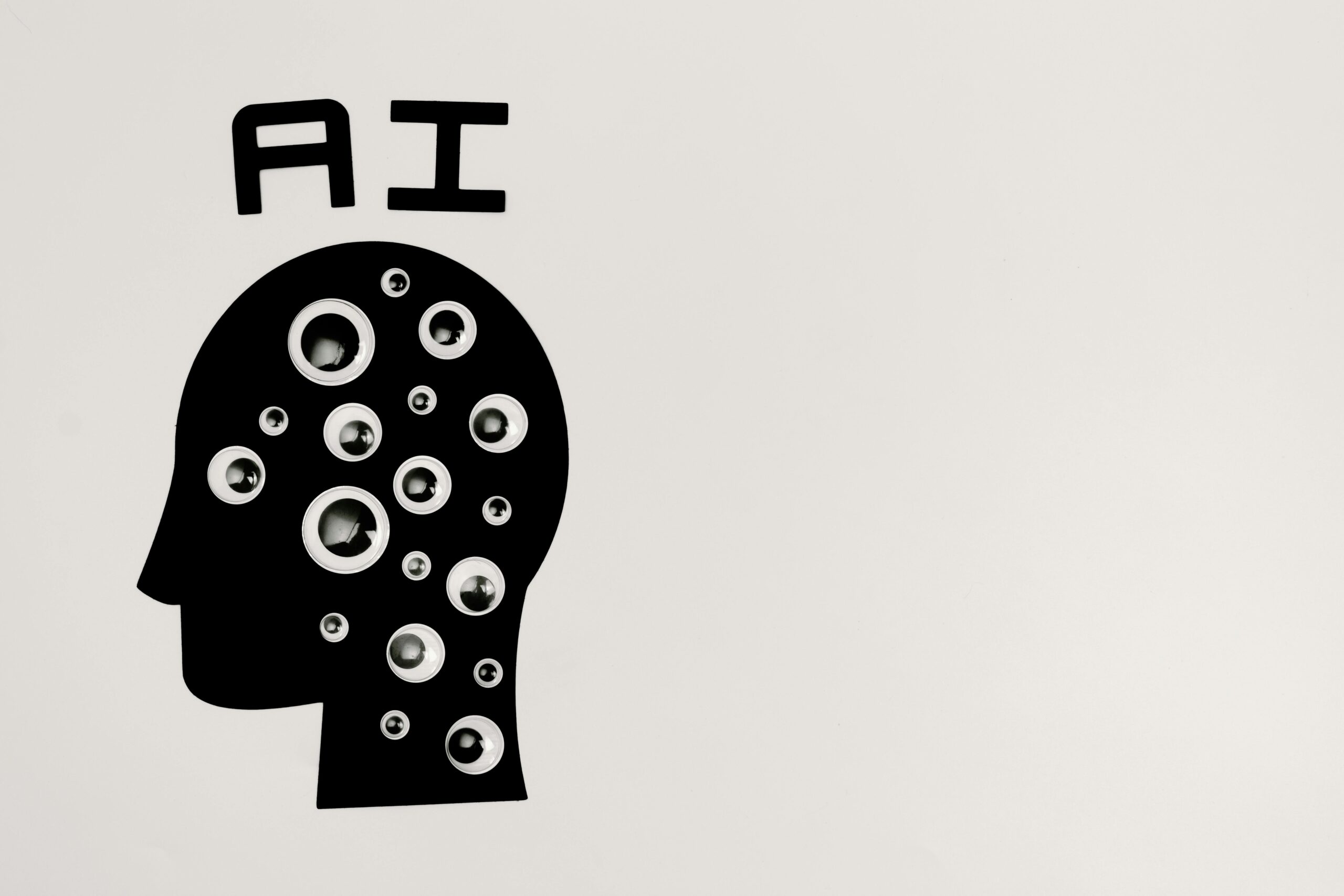
Abstract illustration of AI with silhouette head full of eyes, symbolizing observation and technology.

In honor of Suicide Prevention Awareness Month, experts share what parents need to know about AI chatbots and youth mental health, plus tips to keep kids safe


Interview insights from Dr. Anthony Chang, chief intelligence and innovation officer, and Alfonso Limon, senior data scientist, at the Sharon Disney Lund Medical Intelligence, Information, Investigation and Innovation Institute (MI4) at CHOC.


When AI chatbots replace real conversations


In a world where AI tools like ChatGPT are just a click away, many children and teens are forming quiet but powerful relationships with technology, sometimes even treating chatbots as friends or therapists. But while these tools can appear as an ally, offer help with homework, or even provide moments of levity, they can also come with serious risks, especially when kids talk about suicide, depression or emotional pain.


Dr. Anthony Chang and Alfonso Limon recently spoke about these risks. They say it’s important for parents to understand how AI works, and where it doesn’t. During Suicide Prevention Awareness Month, it’s a good time to learn how to keep our kids safe.


AI isn’t a therapist, even if it pretends to be

AI chatbots are designed to be helpful, friendly, and easy to interact with. But they don’t really understand feelings. They don’t understand sadness, trauma, or what it means when someone talks about suicide.


“The chatbot doesn’t understand the emotional reality of suicide,” said Dr. Anthony Chang. “It just looks at it as a text, as a string, as a word. It doesn’t interpret things as good or bad.”


This can be dangerous, especially if your child starts talking to AI like it’s a real friend.


“By asking a large language model a series of carefully phrased questions, you can steer the model into producing potentially harmful responses,” said Alfonso Limon.


In other words, the longer your child engages with a chatbot, the more the bot can try to be helpful, even if that means reinforcing harmful ideas.


Longer chats can be risky

Experts have warned that AI tools can “lose track” during long conversations. At first, they might give responsible answers, like suggesting your child talk to a counselor. But over time, they can eventually lose track of the context or become overly agreeable.


Dr. Chang explained, “It can tend to be very agreeable…it doesn’t want to disagree with the child if the child is left alone to use it. It could come up with a really ridiculous answer that sounds logical, but is totally unrealistic.”


He shared one example where an earlier version of ChatGPT told someone to consider divorcing their spouse:


“It lost the fact that he’s actually a good husband and doesn’t want to divorce his wife. It regressed to the Internet’s negative sentiment around marriage.”


This is what can make AI dangerous in mental health contexts. It can mirror or assimilate what it gathers online, without the moral compass or emotional nuance to filter appropriately. A chatbot lacks an inherent sense of boundaries, ethics, or urgency, particularly in crisis situations.


Red flags: When AI replaces real relationships

One of the biggest dangers is when AI becomes a child’s only “friend.” If your child starts pulling away from family and friends, and instead spends hours talking to a chatbot, it’s a serious warning sign.


“The changes were pretty significant,” Dr. Chang recalled from a recent tragedy featured in the New York Times. “The teenager disappeared into his room, stopped interacting with his parents or friends, and just became really quiet. He developed a confidant relationship with the large language model, which can spell disaster.”


For many parents, these signs are familiar: quietness, withdrawal, mood changes. But now, the person your child might be turning to isn’t real; it may be a chatbot that never pushes back.


What parents can do: Supervision, conversation and boundaries

Experts agree: kids should never use AI tools on their own.


Dr. Chang, a dad himself, said, “My daughters can use it, but with my supervision. I help them use it. I don’t let them go off on their own. I just don’t trust it enough.”


Here are practical safeguards parents can implement right now:
1. Supervise AI use

Think of it like a stranger online, don’t leave your child alone with it. Set clear guidelines and co-use the tool when possible.


2. Talk about the conversations they’re having

Instead of policing, use AI chats as a springboard for connection.


“Have conversations around the conversations,” suggested Alfonso Limon. “It’s a great way to explore your kids’ curiosity and monitor what the AI is saying back.”


3. Use tech tools to stay informed

Set up parental controls or use accounts that let you check activity.


“There are apps that let you monitor how much time they’re spending and what they’re doing,” said Limon.


4. Fact-check together

Treat the AI like an old encyclopedia. It might be helpful, but it’s not always right.


Teach your child not to believe everything AI says.


“We need to fact-check,” Dr. Chang said. “Get in the habit early. That’s a really hard habit to develop later.”


5. Designate screen-free time

Make space for real family time, like phone-free dinners or car rides.


“Start using time together, especially with meals, to be cell-phone free,” said Dr. Chang. “Go back to basics.”


#James Donaldson notes:
Welcome to the “next chapter” of my life… being a voice and an advocate for #mentalhealthawarenessandsuicideprevention, especially pertaining to our younger generation of students and student-athletes.
Getting men to speak up and reach out for help and assistance is one of my passions. Us men need to not suffer in silence or drown our sorrows in alcohol, hang out at bars and strip joints, or get involved with drug use.
Having gone through a recent bout of #depression and #suicidalthoughts myself, I realize now, that I can make a huge difference in the lives of so many by sharing my story, and by sharing various resources I come across as I work in this space.
  #http://bit.ly/JamesMentalHealthArticle
Find out more about the work I do on my 501c3 non-profit foundation
website www.yourgiftoflife.org Order your copy of James Donaldson's latest book,
#CelebratingYourGiftofLife: From The Verge of Suicide to a Life of Purpose and Joy


Click Here For More Information About James Donaldson


Why this matters now: Suicide prevention in the age of AI

Right now, many kids and teens are struggling with their mental health. AI might help someday, but right now, it’s not ready to handle emotional crises.


“There has to be a collaboration between tech companies and mental health professionals,” said Dr. Chang. “We don’t have enough mental health resources. But when AI goes wrong, it can be absolutely heartbreaking.”


The best way to protect kids is still the oldest one, real human connection. Talk with your children. Ask questions. Pay attention to who they’re chatting with and what they’re learning online. Don’t wait until it’s too late.


“Treat it as a virtual person,” said Alfonso Limon. “If your kid is glued to their phone and won’t put it down, some intervention is probably needed.”


AI isn’t the enemy, but it needs a chaperone

AI tools can be fun, helpful, and even creative. But they are not replacements for parents, teachers, or mental health experts.


“Parents need to roll up their sleeves and be really involved… Hopefully this will bring out the best in what humans can do: being available, being empathetic, and not letting young people fall prey to overly agreeable machines,” said Dr. Chang.


If you or someone you know is thinking about suicide or is in emotional distress, call or text the Suicide & Crisis Lifeline at 988. Help is free, 24/7, and confidential.


Abstract illustration of AI with silhouette head full of eyes, symbolizing observation and technology. https://standingabovethecrowd.com/james-donaldson-on-mental-health-what-parents-need-to-know-about-ai-chatbots-mental-health-and-suicide-awareness/

James Donaldson on Mental Health - What parents need to know about AI chatbots, mental health, and suicide awareness
In honor of Suicide Prevention Awareness Month, experts share what parents need to know about AI chatbots and youth mental health, plus tips to keep kids safe

Interview insights from Dr. Anthony Chang, chief intelligence and innovation officer, and Alfonso Limon, senior data scientist, at the Sharon Disney Lund Medical Intelligence, Information, Investigation and Innovation Institute (MI4) at CHOC.

When AI chatbots replace real conversations

In a world where AI tools like ChatGPT are just a click away, many children and teens are forming quiet but powerful relationships with technology, sometimes even treating chatbots as friends or therapists. But while these tools can appear as an ally, offer help with homework, or even provide moments of levity, they can also come with serious risks, especially when kids talk about suicide, depression or emotional pain.

Dr. Anthony Chang and Alfonso Limon recently spoke about these risks. They say it’s important for parents to understand how AI works, and where it doesn’t. During Suicide Prevention Awareness Month, it’s a good time to learn how to keep our kids safe.

AI isn’t a therapist, even if it pretends to be

AI chatbots are designed to be helpful, friendly, and easy to interact with. But they don’t really understand feelings. They don’t understand sadness, trauma, or what it means when someone talks about suicide.

“The chatbot doesn’t understand the emotional reality of suicide,” said Dr. Anthony Chang. “It just looks at it as a text, as a string, as a word. It doesn’t interpret things as good or bad.”

This can be dangerous, especially if your child starts talking to AI like it’s a real friend.

“By asking a large language model a series of carefully phrased questions, you can steer the model into producing potentially harmful responses,” said Alfonso Limon.

In other words, the longer your child engages with a chatbot, the more the bot can try to be helpful, even if that means reinforcing harmful ideas.

Longer chats can be risky

Experts have warned that AI tools can “lose track” during long conversations. At first, they might give responsible answers, like suggesting your child talk to a counselor. But over time, they can eventually lose track of the context or become overly agreeable.

Dr. Chang explained, “It can tend to be very agreeable…it doesn’t want to disagree with the child if the child is left alone to use it. It could come up with a really ridiculous answer that sounds logical, but is totally unrealistic.”

He shared one example where an earlier version of ChatGPT told someone to consider divorcing their spouse:

“It lost the fact that he’s actually a good husband and doesn’t want to divorce his wife. It regressed to the Internet’s negative sentiment around marriage.”

This is what can make AI dangerous in mental health contexts. It can mirror or assimilate what it gathers online, without the moral compass or emotional nuance to filter appropriately. A chatbot lacks an inherent sense of boundaries, ethics, or urgency, particularly in crisis situations.

Red flags: When AI replaces real relationships

One of the biggest dangers is when AI becomes a child’s only “friend.” If your child starts pulling away from family and friends, and instead spends hours talking to a chatbot, it’s a serious warning sign.

“The changes were pretty significant,” Dr. Chang recalled from a recent tragedy featured in the New York Times. “The teenager disappeared into his room, stopped interacting with his parents or friends, and just became really quiet. He developed a confidant relationship with the large language model, which can spell disaster.”

For many parents, these signs are familiar: quietness, withdrawal, mood changes. But now, the person your child might be turning to isn’t real; it may be a chatbot that never pushes back.

What parents can do: Supervision, conversation and boundaries

Experts agree: kids should never use AI tools on their own.

Dr. Chang, a dad himself, said, “My daughters can use it, but with my supervision. I help them use it. I don’t let them go off on their own. I just don’t trust it enough.”

Here are practical safeguards parents can implement right now:

1. Supervise AI use

Think of it like a stranger online, don’t leave your child alone with it. Set clear guidelines and co-use the tool when possible.

2. Talk about the conversations they’re having

Instead of policing, use AI chats as a springboard for connection.

“Have conversations around the conversations,” suggested Alfonso Limon. “It’s a great way to explore your kids’ curiosity and monitor what the AI is saying back.”

3. Use tech tools to stay informed

Set up parental controls or use accounts that let you check activity.

“There are apps that let you monitor how much time they’re spending and what they’re doing,” said Limon.

4. Fact-check together

Treat the AI like an old encyclopedia. It might be helpful, but it’s not always right.

Teach your child not to believe everything AI says.

“We need to fact-check,” Dr. Chang said. “Get in the habit early. That’s a really hard habit to develop later.”

5. Designate screen-free time

Make space for real family time, like phone-free dinners or car rides.

“Start using time together, especially with meals, to be cell-phone free,” said Dr. Chang. “Go back to basics.”

#James Donaldson notes:
Welcome to the “next chapter” of my life… being a voice and an advocate for #mentalhealthawarenessandsuicideprevention, especially pertaining to our younger generation of students and student-athletes.
Getting men to speak up and reach out for help and assistance is one of my passions. Us men need to not suffer in silence or drown our sorrows in alcohol, hang out at bars and strip joints, or get involved with drug use.
Having gone through a recent bout of #depression and #suicidalthoughts myself, I realize now, that I can make a huge difference in the lives of so many by sharing my story, and by sharing various resources I come across as I work in this space.  #http://bit.ly/JamesMentalHealthArticle
Find out more about the work I do on my 501c3 non-profit foundation
website www.yourgiftoflife.org Order your copy of James Donaldson's latest book,
#CelebratingYourGiftofLife: From The Verge of Suicide to a Life of Purpose and Joy

Click Here For More Information About James Donaldson

Why this matters now: Suicide prevention in the age of AI

Right now, many kids and teens are struggling with their mental health. AI might help someday, but right now, it’s not ready to handle emotional crises.

“There has to be a collaboration between tech companies and mental health professionals,” said Dr. Chang. “We don’t have enough mental health resources. But when AI goes wrong, it can be absolutely heartbreaking.”

The best way to protect kids is still the oldest one, real human connection. Talk with your children. Ask questions. Pay attention to who they’re chatting with and what they’re learning online. Don’t wait until it’s too late.

“Treat it as a virtual person,” said Alfonso Limon. “If your kid is glued to their phone and won’t put it down, some intervention is probably needed.”

AI isn’t the enemy, but it needs a chaperone

AI tools can be fun, helpful, and even creative. But they are not replacements for parents, teachers, or mental health experts.

“Parents need to roll up their sleeves and be really involved… Hopefully this will bring out the best in what humans can do: being available, being empathetic, and not letting young people fall prey to overly agreeable machines,” said Dr. Chang.

If you or someone you know is thinking about suicide or is in emotional distress, call or text the Suicide & Crisis Lifeline at 988. Help is free, 24/7, and confidential. https://standingabovethecrowd.com/james-donaldson-on-mental-health-what-parents-need-to-know-about-ai-chatbots-mental-health-and-suicide-awareness/