Friday, May 27, 2022

#JamesDonaldson On #MentalHealth - Talking About #Anxiety And #Depression With Older Loved Ones Can Be Hard. Here's How To Start.
Amanda Pérez Pintado, USA TODAY The arrival of #COVID-19 brought a rise in #mentalhealth concerns and most #Americans say the country faces a crisis. Older #adults haven't been exempt from the mental toll of the #pandemic, which has left them with increased rates of #depression. The #stigma surrounding #mentalillness has contributed to the perception that #depression is a normal part of aging and makes it harder for older #adults to seek professional help, said Marcia Ory, a regents and distinguished professor at the Texas A&M School of Public Health. "#Depression is common in old age, but aging is not in itself a factor in who's going to be depressed or not," Ory said. Estimates put the rate of #depression among older #adults at or below 5%, according to the #CentersforDiseaseControlandPrevention. That rate, however, rises among older #adults who are hospitalized – 11.5% – or need home healthcare – 13.5%. Older #adults are at a higher risk of #depression, in part, due to the relationship between the #mentalillness and other conditions. The #CDC estimates about 80% of older #adults deal with at least one chronic health condition. Factors like other medical conditions, #loneliness and #socialisolation, lack of physical activity, sleep problems and functional limitations can be related to #depression, but do not necessarily cause #depression, according to the National Institute on Aging. "When there's new onset of #depression for older #adults, it's brought on by the many changes that they're going through, as they get older," said Kathleen Cameron, Senior Director of the National Council on Aging's Center for Healthy Aging. What are signs of #depression? Common symptoms of #depression include feelings of sadness or anxiety that last for weeks at a time, according to the #CDC. Some other signs of #depression are changes in appetite or sleep, irritability, fatigue, feelings of #hopelessness, and loss of interest in once pleasurable activities. "#Depression often manifests itself differently in older people, where they don't say they're sad and blue, but they lose interest or they don't sleep as well or they're not eating as well," Ory said. "The symptomatology is unique for every single person." #Suicidalthoughts may be symptoms of #depression. #Adults ages 75 and up account for fewer than 10% of all #suicides, but have the highest rate, according to the #CDC. Older #men have the highest #suicide rate compared to other groups. "Older #men, particularly, they tend to be more stoic and have kind of succumb to the #stigma associated with #mentalhealth and don't seek help," Cameron said. ?#Suicideprevention: Self-care tips, true stories on how survivors cope When to talk to a #doctor Older #adults who recognize signs of #depression that last for more than two or three weeks should consult with their primary care #doctor to rule out whether the symptoms may be caused by other factors, such as medication or medical conditions, said María P. Aranda, a professor of social work and gerontology at the University of Southern California. "It could be something else that's occurring that may be precipitating the the #anxiety or the #insomnia," Aranda said. "It'd be important that they consult with their #physician to identify how it started, the severity of the symptoms, what type of evaluation or assessment would they need to rule out any other things." Aranda said older #adults experiencing #depression shouldn't lose hope, as there are effective treatments for the condition, such as medication and psychotherapy. In cases of #suicidalideation, it's important to seek help as soon as possible, Ory said. "Immediately somebody starts expressing #suicidalideation, you want to get them help right away, which usually the first thing would be calling a #suicidehotline and then making an appointment with their healthcare provider," Ory said. ?Helping through the hard to hear: Thousands of messages show what it really means to help someone who’s suicidal #James Donaldson notes: Welcome to the “next chapter” of my life… being a voice and an advocate for #mentalhealthawarenessandsuicideprevention, especially pertaining to our younger generation of students and student-athletes. Getting men to speak up and reach out for help and assistance is one of my passions. Us men need to not suffer in silence or drown our sorrows in alcohol, hang out at bars and strip joints, or get involved with drug use. Having gone through a recent bout of #depression and #suicidalthoughts myself, I realize now, that I can make a huge difference in the lives of so many by sharing my story, and by sharing various resources I come across as I work in this space.  #http://bit.ly/JamesMentalHealthArticle Order your copy of James Donaldson's latest book, Celebrating Your Gift of Life: From The Verge of Suicide to a Life of Purpose and Joy http://www.celebratingyourgiftoflife.com What family and friends can do Family members, Ory said, can sometimes pick up first on whether a person's mood has changed over time and there are things they can do to help an older #adult in their lives experiencing #depression. "They're not clinicians, so they can't treat #depression, particularly the more serious and long lasting #depression, but they can offer support," Ory said. If an older loved one is showing signs of #depression, here's what you can do: Start the conversation. Show empathetic concern about the changes you have noticed in them, experts suggested. Ory recommended avoiding using the word "depressed" outright and instead talking about the signs they have noted. Aranda suggested family and friends communicate they want to be supportive and "they're in their corner."Help set up a medical appointment and accompany them. Family members and friends can encourage loved ones to seek medical treatment. "But it's not just saying, 'Oh, I think you should talk to your #doctor,'" Ory said. "(It's) 'Let me make an appointment and go with you.'"Participate in activities the person enjoys. "Going out on outings with their grandchildren, getting together with friends," Cameron said. "Better understanding what the older person wants to achieve in their life will help to seek out some solutions and help the person get to the place where they're back to doing those things that they truly enjoy."Keep in mind that it might take more than one try for them to open up. "It might take multiple times to have that conversation," Cameron said. "You don't want to alienate the person that you tried to have the conversation with if you're pushing too much, so don't give up. Keep going back but sometimes you have to do it in a kind of in a gentle manner." If you or someone you know is struggling with #suicidalthoughts, you can call the #NationalSuicidePreventionLifeline at 800-273-TALK (8255) or chat online any day or time. If your or someone you know is struggling with substance use disorders, you can call the Substance Abuse and #MentalHealthServices Administration National Helpline at 1-800-662-4357.
https://standingabovethecrowd.com/?p=9396

Thursday, May 26, 2022

#JamesDonaldson On #MentalHealth - Tips For Helping Special Needs #Kids Change #Schools
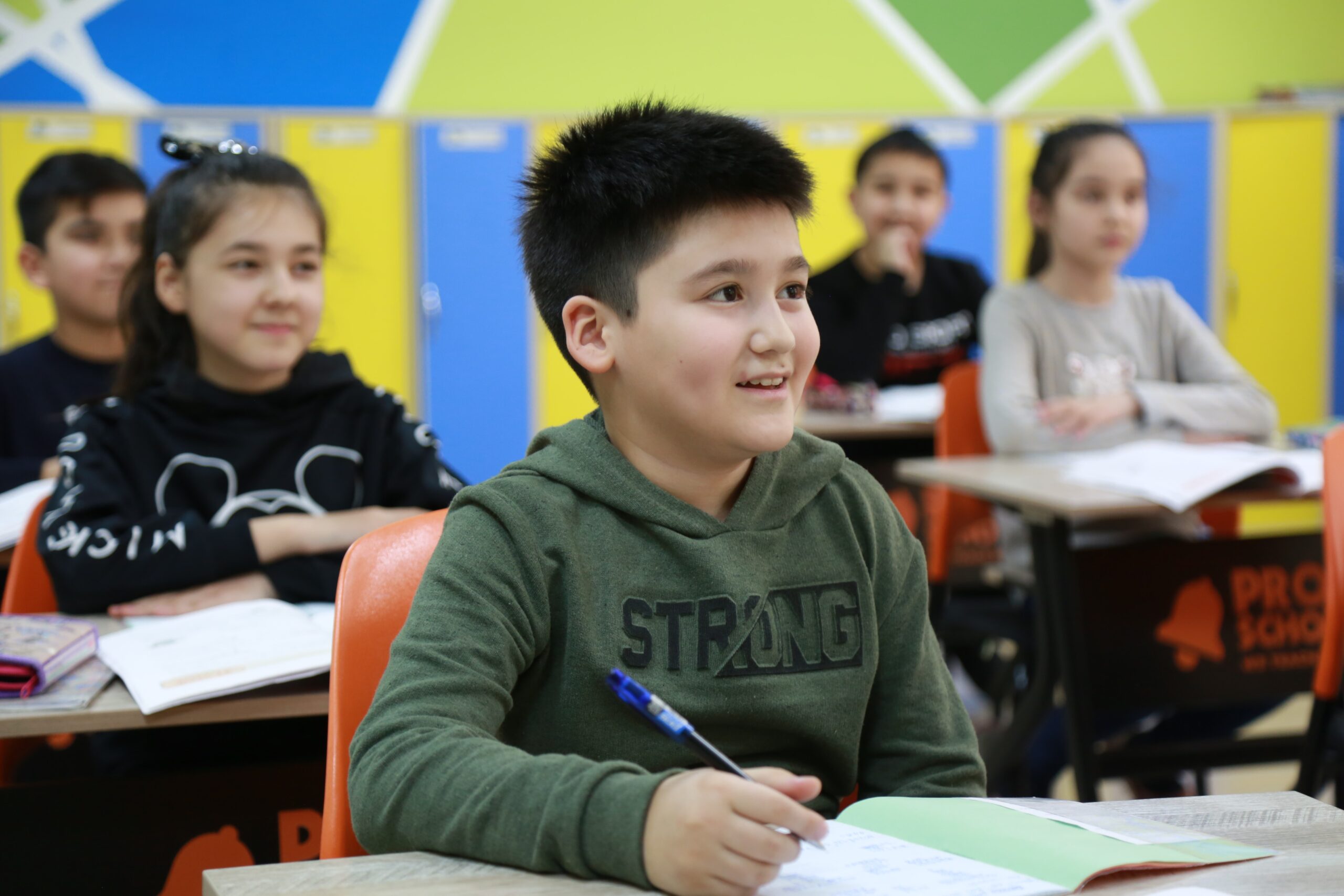
How to ease #anxiety-provoking transitions Beth Arky What You'll Learn Why is it hard for #children with special needs to change #schools?What can #parents do to support their #kids with special needs when changing #schools?What tools can #parents use to help #kids prepare for a new #school? Quick ReadFull ArticleCommunication is keyAccentuate the positiveFamiliarize your #child with her new surroundingsUse social stories and schedulesArrange play dates before #school startsRead engaging get-ready-for-#school booksBrief #teachers and #therapists about your #child No one likes to be the new #kid in #school. #Kids with #autism, #OCD, #anxiety, or learning disabilities may have an especially hard time adjusting to a new setting and new people. But by planning ahead, #parents can help #kids with special needs make an easier transition. Start by talking about the change often. Tell your #child about the new #school so they learn what to expect. Focus on the positive aspects such as the playground or the lunches. By learning details about the new #school, #children start to feel more comfortable before they even get there. You can also visit the #school ahead of the first day so your #child can see what the classroom looks like. Walk down the hallways, visit the music room, find the bathrooms — whatever helps your #child feel more comfortable in the new environment. You can also introduce your #child to their #teachers and set up playdates with other #children in their class. Starting #school surrounded by friendly faces can help a lot. This also gives you the chance to fill the #teacher in on your #child’s needs and what works best for them. Thinking of the transition as a story can help, too. Social Stories is a tool that helps #kids prepare for new experiences. You make your #child the main character in the story, and cover a lot of the things they’ll experience in changing #schools, including what makes them nervous and how they’ll deal with it. You can even include details of your #child’s new #teacher and day-to-day schedule so they know what to expect. Reading children’s books about new #schools together can also help #kids feel more prepared. With the new #school year on the horizon, most #parents are busy stocking up on fall clothes and folders. But those of you with special-needs #children have more than shopping on your mind. #Kids and #teens with #autism, #ADHD, learning disabilities, or #anxiety issues are already going to need more of your support than typically developing #kids as they say goodbye to summer and prepare for the return to #school. But if your #child is transitioning to a less (or more) restrictive setting, that need will be even greater. When you create your #child’s annual individualized educational program (IEP) with your team of educators, the goal should always be to provide whatever support she needs to learn and grow in the least-restrictive setting. For instance, you and your team may have determined that she is ready to move from a small, self-contained class of special-needs children with a very low #student-to-#teacher ratio to a less restrictive setting. This could mean a bigger class where the majority of the #students are typically developing, with fewer #adults in the room. This new setting will require your #child to be more independent, organized and self-regulating. Conversely, you may have agreed that she would benefit from a smaller, more restrictive setting, possibly with additional therapies. “Change is inevitable and ought to be the goal,” says Kim Wombles, who has three #children on the #autism spectrum. “Change should signal progress.” Wombles has had to transition her oldest back and forth between less- and more-restrictive settings. “If the more restrictive environment is the right place, it’s easier,” she says. Still, “it’s all scary, no matter what direction it’s going.” But with planning and proactivity, you can do much to alleviate your #child’s #stress, not to mention your own. Bear in mind that these tips should be tailored according to your child’s age, challenges and developmental level: Communication is key Let your #child know she’s not doing this alone. Reassure her that change makes a lot of people nervous, even you, but a new #school or setting can also mean fun and new friends. Get others—family members, friends, #therapists and sitters—to also talk about the excitement and #anxiety around trying new things. “The more information you can give a #child,” Wombles says, “the more in control he or she will feel of the situation. Letting them get comfortable and helping them to imagine variations, and what to do if something doesn’t go as planned, is important.” Accentuate the positive You don’t have go overboard with statements like “You’re going to love your new #school!” but you can help your #child focus on the good things about the change while acknowledging that she’s going to miss her old friends. (If appropriate, assure her that you’ll make play dates with them.) Let her know how proud you are of her and ways this new setting is going to help her with her strengths—and weaknesses. Obviously, this is easier to do when you welcome the change. Perhaps you’re angry and bitter because the old #school has told you your #child can’t stay, which can lead to a more-restrictive placement; you may see it as a setback. But if you have any negative feelings, keep them to yourself; it’s unfair to burden your #child with your baggage. #Children with special needs are already at risk for low self-esteem, so frame any move in the best possible light. And keep in mind that a #child may transition several times until she’s settled in the most appropriate setting. Familiarize your #child with her new surroundings Your #child may have already sat in on a class at her new #school for one or more days as part of the application process. One dad, Phil, says the half-day visit required by the #school before admitting son Peter helped him transition easily from a mainstream class to a more restrictive setting of 12 #students, one #teacher, and one assistant #teacher. Peter “sat in on the class that he was eventually placed in so he got to meet the #teacher and some of those #students were in his class the following fall,” she says. Whether your #child had that opportunity or not, it’s something to keep in mind for the future. And there are other ways to help your #child become comfortable. Ask if you can wander the halls, allowing her to peek in on rooms and possibly meet #teachers and other professionals. See if you can take videos or pictures she can look at later. Short of getting inside the building, walk around the grounds, travel the likely bus route, and, if the #school has a web site, invite her to check it out with you. Joslyn Gray, who has blogged as Stark.Raving.Mad.Mommy, believes that her “Little Dude,” a 5-year-old with Asperger’s, is ready to transition to a full-day mainstream kindergarten “with lots of supports.” She’s excited about the change, but wary of leaving the “cocoon” of specialized classrooms where there’s “less chance of bullying, less chance that another #child is going to be completely freaked out by something Little Dude does, less chance that someone is going to laugh at him, or make him feel badly, or inadvertently terrify him.” To ease the transition, they’re visiting the new building once a week until #school starts “to help him feel more familiar with the layout, the office staff, etc. We’ve also been playing on that playground almost exclusively, so that he’ll feel like it’s ‘his’ playground.” Use social stories and schedules If you have a #child on the autism spectrum, you may already know about Social Stories™, created by Carol Gray. But #kids with other diagnoses may also find them both comforting and empowering. In a social story, which can be kept short and simple, your #child is the main character, using narration, photos and drawings to prepare her for any situation, i.e. a vacation, a first trip to the dentist, even using a public bathroom. A story about starting at a new #school or class might include things she might be nervous about, the fact that the other #kids will also be nervous, the names of her #teachers, ways to make a friend, and reminders about things she liked about the school, i.e. the computers, the library books, etc. If you can get those video recordings during a visit, you can incorporate these as well. Using schedules can also be a real help, making expected tasks concrete and breaking down the days and weeks into manageable chunks. Find out as much as possible about your child’s #school day beforehand so those details can be incorporated. “Once an event is scheduled,” Wombles says, “we start planning for it without it being the overwhelming focus. It goes on the calendar, we discuss it intermittently, and if it requires preparation, we figure out how far in advance we need to start preparing.” #James Donaldson notes: Welcome to the “next chapter” of my life… being a voice and an advocate for #mentalhealthawarenessandsuicideprevention, especially pertaining to our younger generation of students and student-athletes. Getting men to speak up and reach out for help and assistance is one of my passions. Us men need to not suffer in silence or drown our sorrows in alcohol, hang out at bars and strip joints, or get involved with drug use. Having gone through a recent bout of #depression and #suicidalthoughts myself, I realize now, that I can make a huge difference in the lives of so many by sharing my story, and by sharing various resources I come across as I work in this space.  #http://bit.ly/JamesMentalHealthArticle Order your copy of James Donaldson's latest book, Celebrating Your Gift of Life: From The Verge of Suicide to a Life of Purpose and Joy www.celebratingyourgiftoflife.com Arrange play dates before #school starts Typically developing #kids who attend the local #school will already have friends, or at least recognize familiar faces when they walk into their new classrooms. But many special-needs #kids and #teens have to travel to #schools outside their neighborhoods, so they don’t have that advantage. You can alleviate #stress by arranging get-togethers with other kids who will be or already are attending your #child’s new #school; check out social networking sites to find like-minded #parents. You might lay the groundwork for new friendships for both your #child and yourself. These #parents will “get” your kid and won’t judge you—plus you’ll add to your informational network. Related: #Kids Who Need a Little Help To Make Friends Read engaging get-ready-for-#school books Gray says most of the other things she’s doing to help Little Dude are the same steps #parents take for their typically developing #kids. Along with having his older sisters tell stories about the fun they had in kindergarten and how many friends they made there, “We’re reading Miss Bindergarten Gets Ready for Kindergarten; it’s upbeat and doesn’t feature #kids and #parents crying like lots of books about kindergarten.” Other titles include Yoko and My Kindergarten, both by Rosemary Wells (Max & Ruby), and I Am Too Absolutely Small for Kindergarten by Lauren Childs. Younger middle grade #kids may enjoy Invisible Inkling by Emily Jenkins, about a #boy who has to deal with a bully and a best friend moving away. For older middle graders, check out The Detention Club by David Yoo, in which two best friends struggle with the transition from elementary to middle #school. Brief #teachers and #therapists about your #child It takes time for new professionals to get to know your #child and begin figuring out her strengths and weaknesses. Dan Coulter, who has produced videos about life with Asperger’s, says that you can speed this process along by providing them with a short, easy-to-digest briefing document. Coulter, who was diagnosed with Asperger’s as an #adult only after his son’s diagnosis, suggests keeping it to one page, increasing the chances that busy #teachers will read it. “What are the most important things you want your #child’s #teacher to know?” he asks. “Consider putting key points in a summary at the top of the document.” If possible, try to meet with your #child’s new #teacher(s) as early as possible; the briefing document will help focus the conversation. Of course, none of this prep work guarantees that your child won’t dig in his or her heels at least some of the time. “Some days he’s excited for kindergarten, and some days he says he’s not going,” Gray says of Little Dude. “That, at least, seems completely typical.” Beth Arky Beth Arky is a freelance writer and editor covering parenting, health and children's learning and developmental issues, including #autism.
https://standingabovethecrowd.com/2022/05/jamesdonaldson-on-mentalhealth-tips-for-helping-special-needs-kids-change-schools/
#JamesDonaldson On #MentalHealth - Tips For Helping Special Needs #Kids Change #Schools
How to ease #anxiety-provoking transitions Beth Arky What You'll Learn Why is it hard for #children with special needs to change #schools?What can #parents do to support their #kids with special needs when changing #schools?What tools can #parents use to help #kids prepare for a new #school? Quick ReadFull ArticleCommunication is keyAccentuate the positiveFamiliarize your #child with her new surroundingsUse social stories and schedulesArrange play dates before #school startsRead engaging get-ready-for-#school booksBrief #teachers and #therapists about your #child No one likes to be the new #kid in #school. #Kids with #autism, #OCD, #anxiety, or learning disabilities may have an especially hard time adjusting to a new setting and new people. But by planning ahead, #parents can help #kids with special needs make an easier transition. Start by talking about the change often. Tell your #child about the new #school so they learn what to expect. Focus on the positive aspects such as the playground or the lunches. By learning details about the new #school, #children start to feel more comfortable before they even get there. You can also visit the #school ahead of the first day so your #child can see what the classroom looks like. Walk down the hallways, visit the music room, find the bathrooms — whatever helps your #child feel more comfortable in the new environment. You can also introduce your #child to their #teachers and set up playdates with other #children in their class. Starting #school surrounded by friendly faces can help a lot. This also gives you the chance to fill the #teacher in on your #child’s needs and what works best for them. Thinking of the transition as a story can help, too. Social Stories is a tool that helps #kids prepare for new experiences. You make your #child the main character in the story, and cover a lot of the things they’ll experience in changing #schools, including what makes them nervous and how they’ll deal with it. You can even include details of your #child’s new #teacher and day-to-day schedule so they know what to expect. Reading children’s books about new #schools together can also help #kids feel more prepared. With the new #school year on the horizon, most #parents are busy stocking up on fall clothes and folders. But those of you with special-needs #children have more than shopping on your mind. #Kids and #teens with #autism, #ADHD, learning disabilities, or #anxiety issues are already going to need more of your support than typically developing #kids as they say goodbye to summer and prepare for the return to #school. But if your #child is transitioning to a less (or more) restrictive setting, that need will be even greater. When you create your #child’s annual individualized educational program (IEP) with your team of educators, the goal should always be to provide whatever support she needs to learn and grow in the least-restrictive setting. For instance, you and your team may have determined that she is ready to move from a small, self-contained class of special-needs children with a very low #student-to-#teacher ratio to a less restrictive setting. This could mean a bigger class where the majority of the #students are typically developing, with fewer #adults in the room. This new setting will require your #child to be more independent, organized and self-regulating. Conversely, you may have agreed that she would benefit from a smaller, more restrictive setting, possibly with additional therapies. “Change is inevitable and ought to be the goal,” says Kim Wombles, who has three #children on the #autism spectrum. “Change should signal progress.” Wombles has had to transition her oldest back and forth between less- and more-restrictive settings. “If the more restrictive environment is the right place, it’s easier,” she says. Still, “it’s all scary, no matter what direction it’s going.” But with planning and proactivity, you can do much to alleviate your #child’s #stress, not to mention your own. Bear in mind that these tips should be tailored according to your child’s age, challenges and developmental level: Communication is key Let your #child know she’s not doing this alone. Reassure her that change makes a lot of people nervous, even you, but a new #school or setting can also mean fun and new friends. Get others—family members, friends, #therapists and sitters—to also talk about the excitement and #anxiety around trying new things. “The more information you can give a #child,” Wombles says, “the more in control he or she will feel of the situation. Letting them get comfortable and helping them to imagine variations, and what to do if something doesn’t go as planned, is important.” Accentuate the positive You don’t have go overboard with statements like “You’re going to love your new #school!” but you can help your #child focus on the good things about the change while acknowledging that she’s going to miss her old friends. (If appropriate, assure her that you’ll make play dates with them.) Let her know how proud you are of her and ways this new setting is going to help her with her strengths—and weaknesses. Obviously, this is easier to do when you welcome the change. Perhaps you’re angry and bitter because the old #school has told you your #child can’t stay, which can lead to a more-restrictive placement; you may see it as a setback. But if you have any negative feelings, keep them to yourself; it’s unfair to burden your #child with your baggage. #Children with special needs are already at risk for low self-esteem, so frame any move in the best possible light. And keep in mind that a #child may transition several times until she’s settled in the most appropriate setting. Familiarize your #child with her new surroundings Your #child may have already sat in on a class at her new #school for one or more days as part of the application process. One dad, Phil, says the half-day visit required by the #school before admitting son Peter helped him transition easily from a mainstream class to a more restrictive setting of 12 #students, one #teacher, and one assistant #teacher. Peter “sat in on the class that he was eventually placed in so he got to meet the #teacher and some of those #students were in his class the following fall,” she says. Whether your #child had that opportunity or not, it’s something to keep in mind for the future. And there are other ways to help your #child become comfortable. Ask if you can wander the halls, allowing her to peek in on rooms and possibly meet #teachers and other professionals. See if you can take videos or pictures she can look at later. Short of getting inside the building, walk around the grounds, travel the likely bus route, and, if the #school has a web site, invite her to check it out with you. Joslyn Gray, who has blogged as Stark.Raving.Mad.Mommy, believes that her “Little Dude,” a 5-year-old with Asperger’s, is ready to transition to a full-day mainstream kindergarten “with lots of supports.” She’s excited about the change, but wary of leaving the “cocoon” of specialized classrooms where there’s “less chance of bullying, less chance that another #child is going to be completely freaked out by something Little Dude does, less chance that someone is going to laugh at him, or make him feel badly, or inadvertently terrify him.” To ease the transition, they’re visiting the new building once a week until #school starts “to help him feel more familiar with the layout, the office staff, etc. We’ve also been playing on that playground almost exclusively, so that he’ll feel like it’s ‘his’ playground.” Use social stories and schedules If you have a #child on the autism spectrum, you may already know about Social Stories™, created by Carol Gray. But #kids with other diagnoses may also find them both comforting and empowering. In a social story, which can be kept short and simple, your #child is the main character, using narration, photos and drawings to prepare her for any situation, i.e. a vacation, a first trip to the dentist, even using a public bathroom. A story about starting at a new #school or class might include things she might be nervous about, the fact that the other #kids will also be nervous, the names of her #teachers, ways to make a friend, and reminders about things she liked about the school, i.e. the computers, the library books, etc. If you can get those video recordings during a visit, you can incorporate these as well. Using schedules can also be a real help, making expected tasks concrete and breaking down the days and weeks into manageable chunks. Find out as much as possible about your child’s #school day beforehand so those details can be incorporated. “Once an event is scheduled,” Wombles says, “we start planning for it without it being the overwhelming focus. It goes on the calendar, we discuss it intermittently, and if it requires preparation, we figure out how far in advance we need to start preparing.” #James Donaldson notes: Welcome to the “next chapter” of my life… being a voice and an advocate for #mentalhealthawarenessandsuicideprevention, especially pertaining to our younger generation of students and student-athletes. Getting men to speak up and reach out for help and assistance is one of my passions. Us men need to not suffer in silence or drown our sorrows in alcohol, hang out at bars and strip joints, or get involved with drug use. Having gone through a recent bout of #depression and #suicidalthoughts myself, I realize now, that I can make a huge difference in the lives of so many by sharing my story, and by sharing various resources I come across as I work in this space.  #http://bit.ly/JamesMentalHealthArticle Order your copy of James Donaldson's latest book, Celebrating Your Gift of Life: From The Verge of Suicide to a Life of Purpose and Joy www.celebratingyourgiftoflife.com Arrange play dates before #school starts Typically developing #kids who attend the local #school will already have friends, or at least recognize familiar faces when they walk into their new classrooms. But many special-needs #kids and #teens have to travel to #schools outside their neighborhoods, so they don’t have that advantage. You can alleviate #stress by arranging get-togethers with other kids who will be or already are attending your #child’s new #school; check out social networking sites to find like-minded #parents. You might lay the groundwork for new friendships for both your #child and yourself. These #parents will “get” your kid and won’t judge you—plus you’ll add to your informational network. Related: #Kids Who Need a Little Help To Make Friends Read engaging get-ready-for-#school books Gray says most of the other things she’s doing to help Little Dude are the same steps #parents take for their typically developing #kids. Along with having his older sisters tell stories about the fun they had in kindergarten and how many friends they made there, “We’re reading Miss Bindergarten Gets Ready for Kindergarten; it’s upbeat and doesn’t feature #kids and #parents crying like lots of books about kindergarten.” Other titles include Yoko and My Kindergarten, both by Rosemary Wells (Max & Ruby), and I Am Too Absolutely Small for Kindergarten by Lauren Childs. Younger middle grade #kids may enjoy Invisible Inkling by Emily Jenkins, about a #boy who has to deal with a bully and a best friend moving away. For older middle graders, check out The Detention Club by David Yoo, in which two best friends struggle with the transition from elementary to middle #school. Brief #teachers and #therapists about your #child It takes time for new professionals to get to know your #child and begin figuring out her strengths and weaknesses. Dan Coulter, who has produced videos about life with Asperger’s, says that you can speed this process along by providing them with a short, easy-to-digest briefing document. Coulter, who was diagnosed with Asperger’s as an #adult only after his son’s diagnosis, suggests keeping it to one page, increasing the chances that busy #teachers will read it. “What are the most important things you want your #child’s #teacher to know?” he asks. “Consider putting key points in a summary at the top of the document.” If possible, try to meet with your #child’s new #teacher(s) as early as possible; the briefing document will help focus the conversation. Of course, none of this prep work guarantees that your child won’t dig in his or her heels at least some of the time. “Some days he’s excited for kindergarten, and some days he says he’s not going,” Gray says of Little Dude. “That, at least, seems completely typical.” Beth Arky Beth Arky is a freelance writer and editor covering parenting, health and children's learning and developmental issues, including #autism.
https://standingabovethecrowd.com/?p=9394

Wednesday, May 25, 2022

#JamesDonaldson On #MentalHealth - #AshleyJudd Reveals Details About #NaomiJudd's #Suicide
ANDREW LIMBONG Country star #NaomiJudd died by #suicide following a long struggle with #mentalillness. Her daughter, #AshleyJudd, said that it was important to make a distinction "between our loved one and the disease." #AshleyJudd revealed a number of details about the death of her mother, country star #NaomiJudd, in an interview with Diane Sawyer on Good Morning America. Judd said that her mother struggled with #mentalhealth. "Her brain hurt," Judd said. "It physically hurt." Judd revealed that her mother killed herself, saying the family was very uncomfortable sharing the information, "but understand that we're in a position that if we don't say it someone else is going to." #NaomiJudd was part of the famed duo The Judds, with her daughter #Wynonna. They dominated the country charts in the 1980s until #NaomiJudd was diagnosed with hepatitis C in 1991. Her death was announced in April, a day before she was inducted in to the #CountryMusicHallofFame. #NaomiJudd, country music matriarch of The Judds, is dead at 76 #James Donaldson notes: Welcome to the “next chapter” of my life… being a voice and an advocate for #mentalhealthawarenessandsuicideprevention, especially pertaining to our younger generation of students and student-athletes. Getting men to speak up and reach out for help and assistance is one of my passions. Us men need to not suffer in silence or drown our sorrows in alcohol, hang out at bars and strip joints, or get involved with drug use. Having gone through a recent bout of #depression and #suicidalthoughts myself, I realize now, that I can make a huge difference in the lives of so many by sharing my story, and by sharing various resources I come across as I work in this space.  #http://bit.ly/JamesMentalHealthArticle Order your copy of James Donaldson's latest book, Celebrating Your Gift of Life: From The Verge of Suicide to a Life of Purpose and Joy http://www.celebratingyourgiftoflife.com #AshleyJudd said that the praise and accolades of her peers couldn't penetrate her mother's #mentalillness. Judd also revealed that she was the one who found her mother the day she died. "I have both grief and trauma from discovering her," said Judd. There are other details that the family is hoping to keep private, but Judd encouraged anyone else struggling with #mentalillness to reach out and talk to someone. If you or someone you know may be considering #suicide, contact the #NationalSuicidePreventionLifeline at 1-800-273-8255 (En Español: 1-888-628-9454; Deaf and Hard of Hearing: 1-800-799-4889) or the Crisis Text Line by texting HOME to 741741.
https://standingabovethecrowd.com/2022/05/jamesdonaldson-on-mentalhealth-ashleyjudd-reveals-details-about-naomijudds-suicide/
#JamesDonaldson On #MentalHealth - #AshleyJudd Reveals Details About #NaomiJudd's #Suicide
ANDREW LIMBONG Country star #NaomiJudd died by #suicide following a long struggle with #mentalillness. Her daughter, #AshleyJudd, said that it was important to make a distinction "between our loved one and the disease." #AshleyJudd revealed a number of details about the death of her mother, country star #NaomiJudd, in an interview with Diane Sawyer on Good Morning America. Judd said that her mother struggled with #mentalhealth. "Her brain hurt," Judd said. "It physically hurt." Judd revealed that her mother killed herself, saying the family was very uncomfortable sharing the information, "but understand that we're in a position that if we don't say it someone else is going to." #NaomiJudd was part of the famed duo The Judds, with her daughter #Wynonna. They dominated the country charts in the 1980s until #NaomiJudd was diagnosed with hepatitis C in 1991. Her death was announced in April, a day before she was inducted in to the #CountryMusicHallofFame. #NaomiJudd, country music matriarch of The Judds, is dead at 76 #James Donaldson notes: Welcome to the “next chapter” of my life… being a voice and an advocate for #mentalhealthawarenessandsuicideprevention, especially pertaining to our younger generation of students and student-athletes. Getting men to speak up and reach out for help and assistance is one of my passions. Us men need to not suffer in silence or drown our sorrows in alcohol, hang out at bars and strip joints, or get involved with drug use. Having gone through a recent bout of #depression and #suicidalthoughts myself, I realize now, that I can make a huge difference in the lives of so many by sharing my story, and by sharing various resources I come across as I work in this space.  #http://bit.ly/JamesMentalHealthArticle Order your copy of James Donaldson's latest book, Celebrating Your Gift of Life: From The Verge of Suicide to a Life of Purpose and Joy http://www.celebratingyourgiftoflife.com #AshleyJudd said that the praise and accolades of her peers couldn't penetrate her mother's #mentalillness. Judd also revealed that she was the one who found her mother the day she died. "I have both grief and trauma from discovering her," said Judd. There are other details that the family is hoping to keep private, but Judd encouraged anyone else struggling with #mentalillness to reach out and talk to someone. If you or someone you know may be considering #suicide, contact the #NationalSuicidePreventionLifeline at 1-800-273-8255 (En Español: 1-888-628-9454; Deaf and Hard of Hearing: 1-800-799-4889) or the Crisis Text Line by texting HOME to 741741.
https://standingabovethecrowd.com/?p=9392

Tuesday, May 24, 2022

#JamesDonaldson On #MentalHealth - #Homeless #Teens At Increased Risk For #Suicide, Substance Use
#Adolescents of color and #teens who identify as #gay, #lesbian, or #bisexual are much more likely to experience #homelessness, a new study suggests. By Lisa Rapaport #Teens who experienced #homelessness were more than twice as likely to seriously consider, plan, or attempt #suicide. More than 1 in 20 U.S. #highschool #students have experienced #homelessness, putting them at increased risk for a wide range of #mentalhealth and substance use problems, a new study suggests. As of 2019, before the #COVID-19 #pandemic shuttered #schools and created an avalanche of emotional and financial challenges for #American families, 5.6 percent of U.S. #highschool #students were #homeless, the study found. #Youths without housing were significantly more likely to be #male, #Black, #Hispanic, or identify as #gay or #lesbian, researchers report yesterday in JAMA. Compared with #teens with secure housing, those who experienced #homelessness were more than twice as likely to seriously consider, plan, or attempt #suicide, the study found. #Homeless #teens were also more than twice as likely to binge drink or misuse prescription opioids, and roughly 13 times more likely to use heroin, approximately 8 times more likely to use cocaine, about 7 times more prone to using methamphetamine or injected drugs, and more than 5 times more likely to use ecstasy. “Our study found that #homeless #adolescents experienced significantly worse #mentalhealth and more substance use than their housed counterparts,” senior study author Rishi Wadhera, MD, of Beth Israel Deaconess Medical in Boston, said in a statement. For the study, researchers examined data from the National #Youth #Behavior Survey, which #highschool #students can complete voluntarily and anonymously. Overall, the study included data on almost 106,000 #teens who had secure housing and roughly 4,500 #adolescents who experienced #homelessness, which researchers defined as lacking a “fixed, regular, or adequate nighttime residence.” One limitation of the study is the possibility that it underestimated the disproportionate burden of #homelessness among #LGBTQ+ #youth because most high #school #students left questions about their #sexualorientation and gender identity blank. Another drawback is that researchers lacked data on whether #homeless #teens were on their own or living with a family. #James Donaldson notes: Welcome to the “next chapter” of my life… being a voice and an advocate for #mentalhealthawarenessandsuicideprevention, especially pertaining to our younger generation of students and student-athletes. Getting men to speak up and reach out for help and assistance is one of my passions. Us men need to not suffer in silence or drown our sorrows in alcohol, hang out at bars and strip joints, or get involved with drug use. Having gone through a recent bout of #depression and #suicidalthoughts myself, I realize now, that I can make a huge difference in the lives of so many by sharing my story, and by sharing various resources I come across as I work in this space.  #http://bit.ly/JamesMentalHealthArticle Order your copy of James Donaldson's latest book, Celebrating Your Gift of Life: From The Verge of Suicide to a Life of Purpose and Joy http://www.celebratingyourgiftoflife.com Beyond this, it’s likely that the problem has only gotten worse since the start of the #pandemic, Dr. Wadhera said. “The U.S. is facing a #youth #homelessness crisis, which will only be exacerbated by challenges presented by the #COVID-19 #pandemic, including parental deaths, housing evictions, and worsening poverty,” Wadhera said. “We need to implement policies and interventions that improve broad health, social, and educational outcomes among homeless #adolescents, and perhaps more importantly, prevent and end #adolescent #homelessness altogether.” 
https://standingabovethecrowd.com/2022/05/jamesdonaldson-on-mentalhealth-homeless-teens-at-increased-risk-for-suicide-substance-use/
#JamesDonaldson On #MentalHealth - #Homeless #Teens At Increased Risk For #Suicide, Substance Use
#Adolescents of color and #teens who identify as #gay, #lesbian, or #bisexual are much more likely to experience #homelessness, a new study suggests. By Lisa Rapaport #Teens who experienced #homelessness were more than twice as likely to seriously consider, plan, or attempt #suicide. More than 1 in 20 U.S. #highschool #students have experienced #homelessness, putting them at increased risk for a wide range of #mentalhealth and substance use problems, a new study suggests. As of 2019, before the #COVID-19 #pandemic shuttered #schools and created an avalanche of emotional and financial challenges for #American families, 5.6 percent of U.S. #highschool #students were #homeless, the study found. #Youths without housing were significantly more likely to be #male, #Black, #Hispanic, or identify as #gay or #lesbian, researchers report yesterday in JAMA. Compared with #teens with secure housing, those who experienced #homelessness were more than twice as likely to seriously consider, plan, or attempt #suicide, the study found. #Homeless #teens were also more than twice as likely to binge drink or misuse prescription opioids, and roughly 13 times more likely to use heroin, approximately 8 times more likely to use cocaine, about 7 times more prone to using methamphetamine or injected drugs, and more than 5 times more likely to use ecstasy. “Our study found that #homeless #adolescents experienced significantly worse #mentalhealth and more substance use than their housed counterparts,” senior study author Rishi Wadhera, MD, of Beth Israel Deaconess Medical in Boston, said in a statement. For the study, researchers examined data from the National #Youth #Behavior Survey, which #highschool #students can complete voluntarily and anonymously. Overall, the study included data on almost 106,000 #teens who had secure housing and roughly 4,500 #adolescents who experienced #homelessness, which researchers defined as lacking a “fixed, regular, or adequate nighttime residence.” One limitation of the study is the possibility that it underestimated the disproportionate burden of #homelessness among #LGBTQ+ #youth because most high #school #students left questions about their #sexualorientation and gender identity blank. Another drawback is that researchers lacked data on whether #homeless #teens were on their own or living with a family. #James Donaldson notes: Welcome to the “next chapter” of my life… being a voice and an advocate for #mentalhealthawarenessandsuicideprevention, especially pertaining to our younger generation of students and student-athletes. Getting men to speak up and reach out for help and assistance is one of my passions. Us men need to not suffer in silence or drown our sorrows in alcohol, hang out at bars and strip joints, or get involved with drug use. Having gone through a recent bout of #depression and #suicidalthoughts myself, I realize now, that I can make a huge difference in the lives of so many by sharing my story, and by sharing various resources I come across as I work in this space.  #http://bit.ly/JamesMentalHealthArticle Order your copy of James Donaldson's latest book, Celebrating Your Gift of Life: From The Verge of Suicide to a Life of Purpose and Joy http://www.celebratingyourgiftoflife.com Beyond this, it’s likely that the problem has only gotten worse since the start of the #pandemic, Dr. Wadhera said. “The U.S. is facing a #youth #homelessness crisis, which will only be exacerbated by challenges presented by the #COVID-19 #pandemic, including parental deaths, housing evictions, and worsening poverty,” Wadhera said. “We need to implement policies and interventions that improve broad health, social, and educational outcomes among homeless #adolescents, and perhaps more importantly, prevent and end #adolescent #homelessness altogether.” 
https://standingabovethecrowd.com/?p=9389