Thursday, July 27, 2023

#JamesDonaldson On #MentalHealth – Early Treatment For #Schizophrenia Improves Outcomes

#JamesDonaldson On #MentalHealth – Early Treatment For #Schizophrenia Improves Outcomes

The right care for #teenagers and young #adults after a first #psychotic episode decreases later relapses by more than 50%


Writer: Caroline Miller


Clinical Expert: Michael Birnbaum, MD


What You'll Learn


- What is a psychotic break, and what are its symptoms?

- What kind of treatment helps young people get back on track after a psychotic episode?

- Why is it important for people to get treatment quickly?

- Quick Read

- Full Article

- Breakthrough psychosis treatment

- What is early treatment?

- A team approach

- Empowering the patient

- A message of hope

A #teen stops paying attention to family, school and fun. They worry more and more that someone is out to get them. They start seeing or hearing things that aren’t there. They believe in strange things, like aliens tracking them. They stop trusting people close to them. Their speech might stop making sense.


These are signs of a psychotic break. That’s when someone loses touch with reality. It’s often a symptom of #schizophrenia. Sometimes it’s part of #bipolardisorder or #depression. It usually happens to someone for the first time when they’re 15–25 years old. It’s truly scary, both for the young person and their loved ones.


The good news is that getting a treatment called #CoordinatedSpecialtyCare, or #CSC, right after a first episode cuts the chances of later ones in half. It’s called “coordinated” because a team of different people helps the person get back on track.


Often when someone has a psychotic break for the first time, they wind up in the hospital. There, they get medicine that helps but might not make all their symptoms go away. The best time to start CSC is right after they get out of the hospital.


The goal of CSC is to help a person learn to manage their symptoms and build a support network. A doctor fine-tunes their medication, usually a low dose of an anti-psychotic. A #therapist teaches them skills to deal with symptoms and “reality test” whether a sound is really there, or whether a thought makes sense. Another specialist works with patients to get them back on track with school and work.


CSC also teaches families how to deal with a crisis. And it gives them skills to support the person in treatment. Families help make sure kids take their meds, keep appointments, eat and get sleep. These are important because #stress can bring on a psychotic episode.


Patients have a say in treatment. They can try a different dose of their meds or wean off them to see if symptoms come back. The goal is for them to be able to go about their lives without many side effects and with their symptoms under control.


The first sign of #psychosis is usually withdrawal. A #teenager or young #adult, often someone who’s had no prior emotional or #behavioralissues, begins to be less engaged with what’s going on around them. Instead of school, work, friends, family and fun, they are preoccupied with what’s going on internally, increasingly fixated on disturbing ideas that are bubbling up.


They’re being monitored by the FBI. There’s a chip implanted in their brain. Their parents are trying to poison them. They begin seeing and hearing things that others don’t see and hear, and becomes suspicious even of people they are closest to. In turn, their speech and #behavior no longer make sense to them.


This is a psychotic break — when someone loses touch with reality, experiencing delusions (false beliefs) or hallucinations (seeing or hearing things that are not there) and what’s called “disorganized” speech. In the #UnitedStates, about 100,000 #teenagers and young adults each year experience a first episode of psychosis, with the peak onset between the ages of 15 and 25.


A first psychotic break is terrifying both for the person experiencing it and those who are close to them, says #child and #adolescent #psychiatrist Michael Birnbaum, MD, who is an expert in first episode psychosis. Neither understands what’s happening. “#Behavior can drastically change in a very scary way. People stop communicating in the same way. The way they use words and sentences to express what they’re thinking becomes totally disorganized.”


A person experiencing a psychotic episode usually ends up in the hospital when their #behavior escalates to a point of crisis. “Sometimes people are picked up by the #police,” says Dr. Birnbaum. “Sometimes parents or #teachers are so frightened that they call 911.”


Breakthrough psychosis treatment


The most common cause of psychosis is a psychiatric disorder: #schizophrenia or, less often, #bipolardisorder or severe #depression. Psychosis can recur episodically with these illnesses, severely undermining a young person’s developing sense of self, along with school, work and relationships. But there’s substantial good news in the treatment of psychosis: evidence shows that treatment after the initial episode can dramatically reduce the number and intensity of future recurrences.


The right treatment within the first two to three years after the first episode has been shown to decrease relapses of psychosis by more than 50 percent and prevent much of the disability associated with a psychotic illness.


“The earlier we intervene, the better the outcome,” says Dr. Birnbaum. “This is the take-home message. Get help as soon as possible.”


What is early treatment?


Dr. Birnbaum is director of an early treatment program for #teenagers and young #adults who’ve experienced psychotic symptoms for the first time. The program has two locations, at Zucker Hillside Hospital in Queens, New York, and at Lenox Hill Hospital in Manhattan. The specialized treatment that’s offered in centers like Dr. Birnbaum’s  has proven so successful that the federal government earmarked $25 million to aid development of these programs across the country — and then doubled it to $50 million.


Patients generally enter these early treatment programs following their release from the hospital. In the hospital they’ve been given medication that reduces their symptoms, but they may not be symptom-free, since anti-psychotic medication takes 6 to 8 weeks to take full effect. So even if they’re considered safe to go home, Dr. Birnbaum explains, patients and their families both have a lot to deal with. Getting into an outpatient program as soon as possible helps them do just that.


The treatment that has been shown to be successful, called Coordinated Specialty Care, involves a combination of services coordinated by a group of professionals working with the patient and the family. They include:


- Low doses of antipsychotic medication

- #Cognitivebehavioraltherapy for psychosis (#CBTp)

- Family education and support

- Educational and vocational rehabilitation

Unlike the old standard treatment for #schizophrenia, which involved higher doses of medication and no follow-up after hospitalization, the goal of early treatment is not only to reduce psychotic symptoms, but also to help young people learn to manage them and to construct a support network to prevent relapse.


#James Donaldson notes:
Welcome to the “next chapter” of my life… being a voice and an advocate for #mentalhealthawarenessandsuicideprevention, especially pertaining to our younger generation of students and student-athletes.
Getting men to speak up and reach out for help and assistance is one of my passions. Us men need to not suffer in silence or drown our sorrows in alcohol, hang out at bars and strip joints, or get involved with drug use.
Having gone through a recent bout of #depression and #suicidalthoughts myself, I realize now, that I can make a huge difference in the lives of so many by sharing my story, and by sharing various resources I come across as I work in this space.
  #http://bit.ly/JamesMentalHealthArticle
Find out more about the work I do on my 501c3 non-profit foundation
website www.yourgiftoflife.org Order your copy of James Donaldson's latest book,
#CelebratingYourGiftofLife: From The Verge of Suicide to a Life of Purpose and Joy
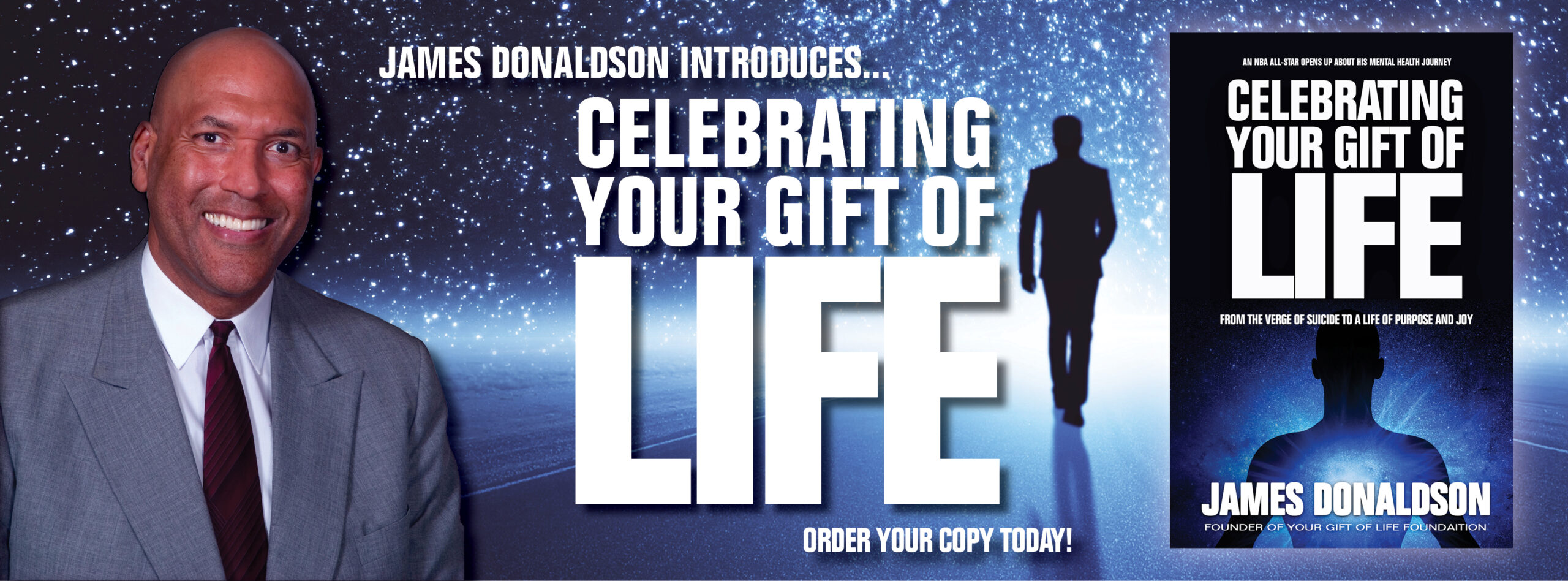

Book

www.celebratingyourgiftoflife.com

A team approach


At Zucker Hillside, after an extensive initial assessment, patients meet once a week with a #therapist for a session of #CBTp, which is aimed at helping them handle ongoing symptoms and develop healthy coping strategies. For example, a patient might work on identifying delusional beliefs, figuring out strategies for “reality testing” them, and coming up with alternative, more helpful ways of thinking.


Patients are each assigned to a psychiatrist on staff, who monitors their medication to make sure they’re getting the most benefit, at the lowest dose, with the fewest problematic side effects.


The team also works with families, who are essential to recovery. Young people  who’ve experienced #psychosis do better when families support their keeping appointments, taking their medications and eating, sleeping and taking care of themselves. These are important skills, since stress can trigger a relapse. #Parents also learn how to respond when a son or daughter talks about aliens and the FBI — “how to express love without supporting delusions,” as Dr. Birnbaum puts it — and skills for dealing with a crisis and with suicidality.


Finally, staff members work with patients to get them back on track with school and work. “We don’t want people to assume the role of a sick person,” Dr. Birnbaum notes. “We want them to go back to #school despite having these obstacles. Go back to work despite having a temporary handicap. The idea is that this is a bump in the road that we can get over. The best way to start feeling better is to start doing things again.”


At Zucker Hillside there is also an assortment of groups to build recovery skills and encourage exercise and social interaction. And there are competitive game nights to help strengthen cognitive functions such as memory and processing speed, which can be weakened in the wake of a psychotic episode. “Some people feel that their brain just isn’t working the way it used to,” Dr. Birnbaum says.


Some activities are designed to make staying in treatment attractive for young patients, so they remain long enough to get the benefit of early intervention.


Empowering the patient


After an episode, some patients are quickly back to normal, with medicine, while others continue to have psychotic symptoms, but at a less acute level. Delusions and hallucinations might not go away completely, but they are less intense, and the patient can give them less weight and learn to manage them, Dr. Birnbaum says. “They’re in the back of their minds, rather than at the front.”


Patients also vary in their receptiveness to therapy and taking medication. An important part of the program is empowering the individuals who are being treated to participate with the professionals in joint decision-making about their treatment.


“Young people who don’t want to take medication don’t have to,” says Dr. Birnbaum. “We strongly encourage it. I know the medication is incredibly helpful. But it’s an individual decision how much medication they want to take for how long.”


Patients who’ve been taking medication may decide they want to try a lower dose, or go off meds, to see if their symptoms will return. The team approaches it as an experiment, a learning opportunity. Sometimes symptoms don’t return, and the #patient stays at the lower dose; other times they do, and the patient will ask to go back to the higher dose.


“I would rather have these open and honest discussions than have them say, ‘Yes #doctor, I’m taking the medication,’ and then go home and not take anything — lie to me about it. Or just disappear and don’t come back.”


A message of hope


Part of the goal of early treatment is to eliminate the #stigma attached to #schizophrenia, and to show patients, and their families, that it is a more manageable illness than they may think. #Patients “graduate” from the Early Treatment Program at Zucker Hillside when they have a good grasp of their illness and they know what they need to do to stay better.


The national initiative to expand these programs aims to change not only the model of treatment but to send a message of hope and optimism.


What Dr. Birnbaum calls “the old story” of #schizophrenia was a grim one. But thanks to early intervention programs there is a new story that recovery is possible. These programs are designed, as he puts it, “to stop #mentalillness in its tracks before it has a chance to take over somebody’s life.”


To find a treatment center near you, check out the list of programs around the country compiled by Strong 365, a group that aims to fight #stigma surrounding #psychosis and encourage more young people to get early treatment.


https://standingabovethecrowd.com/2023/07/jamesdonaldson-on-mentalhealth-early-treatment-for-schizophrenia-improves-outcomes/

Wednesday, July 26, 2023

#JamesDonaldson On #MentalHealth – In Their Words — #Teens Talk About #MentalHealth: Thoughts Of #Suicide And #SelfHarm
- By SOPHIA STONE

Editor’s Note: Sophia Stone is the editor of the Hilltopper Herald, Science Hill High School’s #student newspaper. For our #Teens in Crisis series, Sophia conducted in-depth interviews with students to find out, in their words, what they are struggling with when it comes to their #mentalhealth. To protect their privacy, the story does not use any of the teen’s actual names.

In some teens’ cases, their personal struggles drove them to dark places. Everyone who I talked to had either struggled with #self-harm or #suicidalthoughts or knew someone who had. Here are some of their words on the subject:

“I have had #suicidalthoughts, but I never actually did anything. I just thought about it, you know? How would people react if I were gone?”

“I’ve definitely had moments where I thought, ‘What if I didn’t have to do this anymore?”

“I used to scratch at my arm to #self-harm, but I’ve been clean of that ever since I got out of the hospital. I still struggle with skin picking, but I’m working with my #therapist and people around me to help me through that.”

“I know people who struggle with #self-harm. I don’t know how to help them and that hurts.”

“I don’t want to say the wrong thing; what if I make it worse?”

“There was an #adult in my life who committed suicide. And I know they were driven to it, but at the time it felt almost selfish. We were all just left here. You couldn’t have talked to someone? It sounds so terrible to say.”

Breaking the #Stigma

All the #teens I talked to faced similar situations at home. Jane sums it up, saying, “My #parents are very iffy about #mentalhealth; sometimes it’s hard for them to understand that my small problems are still important compared to other people’s big ones.”

Erica gives a specific example. “I once told my mom that I was depressed,” she says, “but she was just really doubtful about the whole thing. It really invalidated what I was going through.”

Josh’s experiences parallel those of Erica. “There was a period where I would try to tell them about stuff, but they shunned it, they didn’t accept it,” he tells me.

John addresses the issue broadly. “There is a large #stigma around a lot of #mentalhealth related things,” he tells me. “People don’t want to see the ugly side of it, the non-romanticized version. People don’t know how to respond when someone mentions #self-harm when they haven’t ever done it themself.”

That’s why stories like these are important. They’re ugly, non-romanticized, and real. They’re the voices of people you know, people you pass in the hallways at #school, people who work at the grocery down the street.

#James Donaldson notes:Welcome to the “next chapter” of my life… being a voice and an advocate for #mentalhealthawarenessandsuicideprevention, especially pertaining to our younger generation of students and student-athletes.Getting men to speak up and reach out for help and assistance is one of my passions. Us men need to not suffer in silence or drown our sorrows in alcohol, hang out at bars and strip joints, or get involved with drug use.Having gone through a recent bout of #depression and #suicidalthoughts myself, I realize now, that I can make a huge difference in the lives of so many by sharing my story, and by sharing various resources I come across as I work in this space.  #http://bit.ly/JamesMentalHealthArticleFind out more about the work I do on my 501c3 non-profit foundationwebsite www.yourgiftoflife.org Order your copy of James Donaldson's latest book,#CelebratingYourGiftofLife: From The Verge of Suicide to a Life of Purpose and Joy

www.celebratingyourgiftoflife.com

I’d like to thank all the #teens who contributed to this series for sharing these moments and emotions. The rawness in the deeply personal conversations of this series is something that breaks barriers and builds bridges. “Talking seriously about a topic like this is hard,” Alex says, “but it’s necessary. It brings us closer together and creates belonging. It gives us hope.”
https://standingabovethecrowd.com/2023/07/jamesdonaldson-on-mentalhealth-in-their-words-teens-talk-about-mentalhealth-thoughts-of-suicide-and-selfharm/

#JamesDonaldson On #MentalHealth – In Their Words — #Teens Talk About #MentalHealth: Thoughts Of #Suicide And #SelfHarm

#JamesDonaldson On #MentalHealth – In Their Words — #Teens Talk About #MentalHealth: Thoughts Of #Suicide And #SelfHarm


- By SOPHIA STONE

Editor’s Note: Sophia Stone is the editor of the Hilltopper Herald, Science Hill High School’s #student newspaper. For our #Teens in Crisis series, Sophia conducted in-depth interviews with students to find out, in their words, what they are struggling with when it comes to their #mentalhealth. To protect their privacy, the story does not use any of the teen’s actual names.


In some teens’ cases, their personal struggles drove them to dark places. Everyone who I talked to had either struggled with #self-harm or #suicidalthoughts or knew someone who had. Here are some of their words on the subject:


“I have had #suicidalthoughts, but I never actually did anything. I just thought about it, you know? How would people react if I were gone?”


“I’ve definitely had moments where I thought, ‘What if I didn’t have to do this anymore?”


“I used to scratch at my arm to #self-harm, but I’ve been clean of that ever since I got out of the hospital. I still struggle with skin picking, but I’m working with my #therapist and people around me to help me through that.”


“I know people who struggle with #self-harm. I don’t know how to help them and that hurts.”


“I don’t want to say the wrong thing; what if I make it worse?”


“There was an #adult in my life who committed suicide. And I know they were driven to it, but at the time it felt almost selfish. We were all just left here. You couldn’t have talked to someone? It sounds so terrible to say.”


Breaking the #Stigma


All the #teens I talked to faced similar situations at home. Jane sums it up, saying, “My #parents are very iffy about #mentalhealth; sometimes it’s hard for them to understand that my small problems are still important compared to other people’s big ones.”


Erica gives a specific example. “I once told my mom that I was depressed,” she says, “but she was just really doubtful about the whole thing. It really invalidated what I was going through.”


Josh’s experiences parallel those of Erica. “There was a period where I would try to tell them about stuff, but they shunned it, they didn’t accept it,” he tells me.


John addresses the issue broadly. “There is a large #stigma around a lot of #mentalhealth related things,” he tells me. “People don’t want to see the ugly side of it, the non-romanticized version. People don’t know how to respond when someone mentions #self-harm when they haven’t ever done it themself.”


That’s why stories like these are important. They’re ugly, non-romanticized, and real. They’re the voices of people you know, people you pass in the hallways at #school, people who work at the grocery down the street.


#James Donaldson notes:
Welcome to the “next chapter” of my life… being a voice and an advocate for #mentalhealthawarenessandsuicideprevention, especially pertaining to our younger generation of students and student-athletes.
Getting men to speak up and reach out for help and assistance is one of my passions. Us men need to not suffer in silence or drown our sorrows in alcohol, hang out at bars and strip joints, or get involved with drug use.
Having gone through a recent bout of #depression and #suicidalthoughts myself, I realize now, that I can make a huge difference in the lives of so many by sharing my story, and by sharing various resources I come across as I work in this space.
  #http://bit.ly/JamesMentalHealthArticle
Find out more about the work I do on my 501c3 non-profit foundation
website www.yourgiftoflife.org Order your copy of James Donaldson's latest book,
#CelebratingYourGiftofLife: From The Verge of Suicide to a Life of Purpose and Joy


Book

www.celebratingyourgiftoflife.com

I’d like to thank all the #teens who contributed to this series for sharing these moments and emotions. The rawness in the deeply personal conversations of this series is something that breaks barriers and builds bridges. “Talking seriously about a topic like this is hard,” Alex says, “but it’s necessary. It brings us closer together and creates belonging. It gives us hope.”


https://standingabovethecrowd.com/2023/07/jamesdonaldson-on-mentalhealth-in-their-words-teens-talk-about-mentalhealth-thoughts-of-suicide-and-selfharm/

Tuesday, July 25, 2023

#JamesDonaldson On #MentalHealth – #Black #SuicideRates, Once Among The Nation's Lowest, Have Risen Dramatically Among #Youths
Photo by Nicholas Githiri on Pexels.com

Marc Ramirez

As a kid, Kamesha Spates occasionally endured #racial taunts or joking from other #kids at #school, knowing she could find comfort in the safety of home. But Spates, who is now a medical sociologist, worries that the rise of #socialmedia means the #racism and discrimination #children might experience is ever-present.

“When we were growing up there was #bullying and teasing, but at the end of the #school day when the bell rang you would go home and have a reprieve from those peer interactions,” said Spates, an associate professor of Africana Studies at the University of Pittsburgh. “Now, when #kids are home, #socialmedia continues to find its way into their lives.”

That’s one factor Spates thinks could explain a troubling rise in #suiciderates among #Black #youths in recent years, a crisis that has been simmering for two decades. #Black #suiciderates, among the nation’s lowest prior to 2000, have steadily climbed in the past two decades – and young #Black people are most at risk: According to the U.S. #CentersforDiseaseControlandPrevention, rates among those ages 10 to 24 rose 36.6% from 2018 to 2021, the largest percentage jump among any demographic.

The problem is particularly acute among girls: In 2020, #suicide was the leading cause of death for #Black #girls aged 12 to 14, said Arielle Sheftall, an associate professor of psychiatry at the University of Rochester Medical Center in New York.

“We don’t know why, and that hinders our ability to prevent these deaths from occurring,” Sheftall said. “That’s the scariest piece of all.”

A developing storm of contributing factors

Experts say the #isolation of the #pandemic worsened a situation already complicated by #racism and discrimination, proliferating images of #police brutality, community #stigma around seeking #mentalhealthtreatment, distrust of the healthcare system and a lack of culturally competent providers and #Black representation in the field.

“In recent years, #Black #youth have witnessed increased inequities related to #COVID, #police brutality, #racial unrest and hate crimes,” said Jenny Cureton, an associate professor of lifespan development and educational sciences at Kent State University in Kent, Ohio. #Black #youths who are multiracial, members of the #LGBTQ community or in the criminal justice system are doubly vulnerable, she added.

A recent study found that #Black #children experience or perceive #racism and discrimination at as young as 6 years of age; both are known factors for #suicidal #behaviors and thoughts among #Black #adolescents, “and unfortunately, that is trickling down to our younger #Black #youth,” Sheftall said.

Sheftall cited what researchers in the field call “#adversechildhoodexperiences,” or #ACES, as contributing factors; those can include #domesticviolence, loss of a #parent or #financial hardship. #Blackyouth are more likely to be in environments – such as low-income neighborhoods or the foster care system – that expose them to such experiences, she said, and some, like #racial discrimination, are culturally specific.

While the issues of systemic #racism are not new, awareness of its realities has grown, with the internet and #socialmedia making it more visible to #youths, whether through news coverage, hate speech, #bullying or video footage.  A 2022 Pew Research Center study found #Black #teens were more likely than any other group to say they were online almost constantly.

“Young people can clearly see that #Black lives are devalued when they see images of people being brutalized on the internet and on TV,” said Sherry Molock, an associate professor of clinical #psychology at The George Washington University in Washington, D.C. “And it’s not lost on young people that there are different consequences to their #behavior. Those are systemic issues.”

Tapping the power of church networks

Molock, an ordained minister who has co-pastored a church in the Maryland suburbs for 15 years, was happy to listen when churchgoers would pull her aside before or after services to confess their feelings of #depression, #anxiety or #suicide.

“But when I’d say, ‘Let’s talk about getting you into treatment’ – well, nobody really wanted to do that,” she said.

She knew that churches were trusted places in the #Blackcommunity, that many people felt their problems could be solved there. But as a clinical #psychologist, she also knew that while “praying is an important component, it’s not the only component.”

There had to be a way to bridge the gap between the church community, the #mentalhealth community and the research community, she thought. Eventually she developed a model that borrowed from both her ministry and clinical work.

With the help of New York state seed money, she partnered with two #mentalhealth colleagues to launch a #suicideprevention program targeting #middle-#school- and ##highschool-age #Black #youths at #AfricanAmerican churches in upstate New York. Called HAVEN (Helping to Alleviate Valley Experiences Now) Connect, the program educates pastors and church #youth leaders about #mentalhealthissues, teaching them to use existing networks such as youth ministry and summer Bible camps to further a protective sense of belonging for young people.

It’s not so much crisis intervention, she said, as trying to prevent people from having crises in the first place.

“This is an underserved group of people, who don’t have access to treatment and face a lot of barriers,” Molock said. “When the three leading causes of death for #Black #youth are homicides, #suicides and accidents, which are all preventable, that’s a disgrace. We should not live in a society where #Black #youth can’t thrive.”

#James Donaldson notes:Welcome to the “next chapter” of my life… being a voice and an advocate for #mentalhealthawarenessandsuicideprevention, especially pertaining to our younger generation of students and student-athletes.Getting men to speak up and reach out for help and assistance is one of my passions. Us men need to not suffer in silence or drown our sorrows in alcohol, hang out at bars and strip joints, or get involved with drug use.Having gone through a recent bout of #depression and #suicidalthoughts myself, I realize now, that I can make a huge difference in the lives of so many by sharing my story, and by sharing various resources I come across as I work in this space.  #http://bit.ly/JamesMentalHealthArticleFind out more about the work I do on my 501c3 non-profit foundationwebsite www.yourgiftoflife.org Order your copy of James Donaldson's latest book,#CelebratingYourGiftofLife: From The Verge of Suicide to a Life of Purpose and Joy

www.celebratingyourgiftoflife.com

Are communities prepared to handle the crisis?

#Suicides in the U.S. had fallen for two years before rising to 48,183 in 2021, according to the #CDC, nearly matching a peak of 48,344 in 2018.

Rates were highest among #AmericanIndians and Alaska Natives (28 per 100,000 people); that group also experienced the largest percentage rise in those three years, climbing by 26% compared with #Black people (19.2%) and Latinos (6.8%). Meanwhile, rates fell by 4% among non-#Hispanic #white #Americans.

Spates, of the University of Pittsburgh, recently led a team of researchers to a region of northeast Ohio where #suiciderates among the local #Black population had more than doubled from 2011 to 2021. They wanted to measure the readiness of local communities to address the issue, using various metrics to gauge their awareness of the problem and to what extent, if any, it was being addressed.

The team found that on average, communities were only vaguely aware of the situation, more often consumed with other issues such as substance abuse or mass incarceration.

Spates said the researchers plan to return to work with those communities to develop culturally relevant strategies tailored to their needs, citing the importance of involving communities in developing solutions.

“If you go in with a prevention effort and don’t talk to the community, it’s probably going to flop,” Spates said. “We want communities to be more ready than not. The more ready a community is, the more likely it is that their prevention efforts will be effective.”

'Kids deserve to have good lives'

Sheftall, of the University of Rochester Medical Center, said one thing is clear: Whatever efforts have been made so far are not enough.

“The field of #youth #suicide has not really focused on subgroups so we are far behind in looking at what risk factors are for #Black #youth specifically,” she said. “We are now on the brink of folks paying attention to the problem.”

The solutions won’t be easy and will take cooperation between medical and grassroots institutions, community and faith-based organizations. #Black #youths themselves, she said, also need to be at the table.

Molock agreed.

“We shouldn’t wait until there’s a crisis in the village to respond,” she said. “#Kids deserve to have good lives.”

#Mentalhealth and crisis resources

If you or someone you know needs #mentalhealthsupport, contact the national #Suicide&CrisisLifeline by dialing #988. 

Photo by Nicholas Githiri on Pexels.com
https://standingabovethecrowd.com/2023/07/jamesdonaldson-on-mentalhealth-black-suiciderates-once-among-the-nations-lowest-have-risen-dramatically-among-youths/

#JamesDonaldson On #MentalHealth – #Black #SuicideRates, Once Among The Nation's Lowest, Have Risen Dramatically Among #Youths

#JamesDonaldson On #MentalHealth – #Black #SuicideRates, Once Among The Nation's Lowest, Have Risen Dramatically Among #Youths
Photo by Nicholas Githiri on Pexels.com

Marc Ramirez


As a kid, Kamesha Spates occasionally endured #racial taunts or joking from other #kids at #school, knowing she could find comfort in the safety of home. But Spates, who is now a medical sociologist, worries that the rise of #socialmedia means the #racism and discrimination #children might experience is ever-present.


“When we were growing up there was #bullying and teasing, but at the end of the #school day when the bell rang you would go home and have a reprieve from those peer interactions,” said Spates, an associate professor of Africana Studies at the University of Pittsburgh. “Now, when #kids are home, #socialmedia continues to find its way into their lives.”


That’s one factor Spates thinks could explain a troubling rise in #suiciderates among #Black #youths in recent years, a crisis that has been simmering for two decades. #Black #suiciderates, among the nation’s lowest prior to 2000, have steadily climbed in the past two decades – and young #Black people are most at risk: According to the U.S. #CentersforDiseaseControlandPrevention, rates among those ages 10 to 24 rose 36.6% from 2018 to 2021, the largest percentage jump among any demographic.


The problem is particularly acute among girls: In 2020, #suicide was the leading cause of death for #Black #girls aged 12 to 14, said Arielle Sheftall, an associate professor of psychiatry at the University of Rochester Medical Center in New York.


“We don’t know why, and that hinders our ability to prevent these deaths from occurring,” Sheftall said. “That’s the scariest piece of all.”


A developing storm of contributing factors


Experts say the #isolation of the #pandemic worsened a situation already complicated by #racism and discrimination, proliferating images of #police brutality, community #stigma around seeking #mentalhealthtreatment, distrust of the healthcare system and a lack of culturally competent providers and #Black representation in the field.


“In recent years, #Black #youth have witnessed increased inequities related to #COVID, #police brutality, #racial unrest and hate crimes,” said Jenny Cureton, an associate professor of lifespan development and educational sciences at Kent State University in Kent, Ohio. #Black #youths who are multiracial, members of the #LGBTQ community or in the criminal justice system are doubly vulnerable, she added.


A recent study found that #Black #children experience or perceive #racism and discrimination at as young as 6 years of age; both are known factors for #suicidal #behaviors and thoughts among #Black #adolescents, “and unfortunately, that is trickling down to our younger #Black #youth,” Sheftall said.


Arielle Sheftall, associate professor of psychiatry at the University of Rochester Medical Center in New York, is working to address rising suicide rates among young Black people.

Sheftall cited what researchers in the field call “#adversechildhoodexperiences,” or #ACES, as contributing factors; those can include #domesticviolence, loss of a #parent or #financial hardship. #Blackyouth are more likely to be in environments – such as low-income neighborhoods or the foster care system – that expose them to such experiences, she said, and some, like #racial discrimination, are culturally specific.


While the issues of systemic #racism are not new, awareness of its realities has grown, with the internet and #socialmedia making it more visible to #youths, whether through news coverage, hate speech, #bullying or video footage.  A 2022 Pew Research Center study found #Black #teens were more likely than any other group to say they were online almost constantly.


“Young people can clearly see that #Black lives are devalued when they see images of people being brutalized on the internet and on TV,” said Sherry Molock, an associate professor of clinical #psychology at The George Washington University in Washington, D.C. “And it’s not lost on young people that there are different consequences to their #behavior. Those are systemic issues.”


Tapping the power of church networks


Molock, an ordained minister who has co-pastored a church in the Maryland suburbs for 15 years, was happy to listen when churchgoers would pull her aside before or after services to confess their feelings of #depression, #anxiety or #suicide.


“But when I’d say, ‘Let’s talk about getting you into treatment’ – well, nobody really wanted to do that,” she said.


She knew that churches were trusted places in the #Blackcommunity, that many people felt their problems could be solved there. But as a clinical #psychologist, she also knew that while “praying is an important component, it’s not the only component.”


Actress and mental health advocate Taraji P. Henson, founder of The Boris Lawrence Henson Foundation, wipes tears during a hearing before the Congressional Black Caucus Taskforce on Black Youth Suicide and Mental Health June 7, 2019 on Capitol Hill in Washington, DC. Henson spoke on a personal perspective on managing mental health challenges, and the benefits of shining light on this topic in Black households.

There had to be a way to bridge the gap between the church community, the #mentalhealth community and the research community, she thought. Eventually she developed a model that borrowed from both her ministry and clinical work.


With the help of New York state seed money, she partnered with two #mentalhealth colleagues to launch a #suicideprevention program targeting #middle-#school- and ##highschool-age #Black #youths at #AfricanAmerican churches in upstate New York. Called HAVEN (Helping to Alleviate Valley Experiences Now) Connect, the program educates pastors and church #youth leaders about #mentalhealthissues, teaching them to use existing networks such as youth ministry and summer Bible camps to further a protective sense of belonging for young people.


It’s not so much crisis intervention, she said, as trying to prevent people from having crises in the first place.


“This is an underserved group of people, who don’t have access to treatment and face a lot of barriers,” Molock said. “When the three leading causes of death for #Black #youth are homicides, #suicides and accidents, which are all preventable, that’s a disgrace. We should not live in a society where #Black #youth can’t thrive.”


#James Donaldson notes:
Welcome to the “next chapter” of my life… being a voice and an advocate for #mentalhealthawarenessandsuicideprevention, especially pertaining to our younger generation of students and student-athletes.
Getting men to speak up and reach out for help and assistance is one of my passions. Us men need to not suffer in silence or drown our sorrows in alcohol, hang out at bars and strip joints, or get involved with drug use.
Having gone through a recent bout of #depression and #suicidalthoughts myself, I realize now, that I can make a huge difference in the lives of so many by sharing my story, and by sharing various resources I come across as I work in this space.
  #http://bit.ly/JamesMentalHealthArticle
Find out more about the work I do on my 501c3 non-profit foundation
website www.yourgiftoflife.org Order your copy of James Donaldson's latest book,
#CelebratingYourGiftofLife: From The Verge of Suicide to a Life of Purpose and Joy


Book

www.celebratingyourgiftoflife.com

Are communities prepared to handle the crisis?


#Suicides in the U.S. had fallen for two years before rising to 48,183 in 2021, according to the #CDC, nearly matching a peak of 48,344 in 2018.


Rates were highest among #AmericanIndians and Alaska Natives (28 per 100,000 people); that group also experienced the largest percentage rise in those three years, climbing by 26% compared with #Black people (19.2%) and Latinos (6.8%). Meanwhile, rates fell by 4% among non-#Hispanic #white #Americans.


Kamesha Spates, associate professor of Africana Studies, at the University of Pittsburgh, led a team of researchers to northeast Ohio to assess community readiness in several counties where suicide rates among Black people had more than doubled in the decade ending 2021.

Spates, of the University of Pittsburgh, recently led a team of researchers to a region of northeast Ohio where #suiciderates among the local #Black population had more than doubled from 2011 to 2021. They wanted to measure the readiness of local communities to address the issue, using various metrics to gauge their awareness of the problem and to what extent, if any, it was being addressed.


The team found that on average, communities were only vaguely aware of the situation, more often consumed with other issues such as substance abuse or mass incarceration.


Spates said the researchers plan to return to work with those communities to develop culturally relevant strategies tailored to their needs, citing the importance of involving communities in developing solutions.


“If you go in with a prevention effort and don’t talk to the community, it’s probably going to flop,” Spates said. “We want communities to be more ready than not. The more ready a community is, the more likely it is that their prevention efforts will be effective.”


'Kids deserve to have good lives'


Sheftall, of the University of Rochester Medical Center, said one thing is clear: Whatever efforts have been made so far are not enough.


“The field of #youth #suicide has not really focused on subgroups so we are far behind in looking at what risk factors are for #Black #youth specifically,” she said. “We are now on the brink of folks paying attention to the problem.”


The solutions won’t be easy and will take cooperation between medical and grassroots institutions, community and faith-based organizations. #Black #youths themselves, she said, also need to be at the table.


Molock agreed.


“We shouldn’t wait until there’s a crisis in the village to respond,” she said. “#Kids deserve to have good lives.”


#Mentalhealth and crisis resources


If you or someone you know needs #mentalhealthsupport, contact the national #Suicide&CrisisLifeline by dialing #988. 


Photo by Nicholas Githiri on Pexels.com
https://standingabovethecrowd.com/2023/07/jamesdonaldson-on-mentalhealth-black-suiciderates-once-among-the-nations-lowest-have-risen-dramatically-among-youths/

Monday, July 24, 2023

#JamesDonaldson On #MentalHealth – What #Parents Should Know About #Teens, Drinking And #Drugs
And how to help your #child make good choices

#James Donaldson notes:Welcome to the “next chapter” of my life… being a voice and an advocate for #mentalhealthawarenessandsuicideprevention, especially pertaining to our younger generation of students and student-athletes.Getting men to speak up and reach out for help and assistance is one of my passions. Us men need to not suffer in silence or drown our sorrows in alcohol, hang out at bars and strip joints, or get involved with drug use.Having gone through a recent bout of #depression and #suicidalthoughts myself, I realize now, that I can make a huge difference in the lives of so many by sharing my story, and by sharing various resources I come across as I work in this space.  #http://bit.ly/JamesMentalHealthArticleFind out more about the work I do on my 501c3 non-profit foundationwebsite www.yourgiftoflife.org Order your copy of James Donaldson's latest book,#CelebratingYourGiftofLife: From The Verge of Suicide to a Life of Purpose and Joy

www.celebratingyourgiftoflife.com

Talk to any group of teenagers and you are likely to hear about #stress: the pressure to achieve academically, to get into a good college, to be well-rounded, to be beautiful, to be thin, to be popular, to find their passion.

In their book, Stay Connected: Helping Your Teen Navigate Tough Choices, the Freedom Institute, a New York #substanceabuse treatment center, offers parents a guide to some of the stresses and scenarios that can lead kids to get deeply into substance use. They offer practical advice on how to steer your child away from those risky situations. What follows is an excerpt from the book.

With the increasing demands put on teens today, they are especially vulnerable to the dangers of abusing drugs and developing addiction. Below you will find trends in teen behavior regarding the use of alcohol and other drugs—and strategies for you to use to counteract the beliefs and practices that your teen is likely to encounter.

Pre-gaming

This form of socializing involves imbibing large amounts of alcohol and/or other drugs with the goal of becoming intoxicated quickly and intensely, so that the “high” can be sustained over several hours. Teens often “pre-game” before school-sanctioned events, family functions, or other social situations where access to substances will be restricted or limited. Often pre-gaming occurs in the taxi or limo on the way to the event, or on the street corner outside the event. It may also take place at the home of a child whose parents are out, unaware, or permissive. Alcohol may be hidden in water bottles, soda cans, or other harmless looking containers and taken along on the way to the event.

What to do: Talk to your child about the dangers of pre-gaming and your prohibition of it in your house. If you know your #child is going to a school dance or to a private party, remind them that your non-negotiable rule is NO drinking before they go. Know your child’s plan for the time leading up to the event. Plan to spend that time with your child (i.e., dinner, movie, theater or concert) or have your child’s friends over for dinner and a movie at your house before the event, and then escort them to the location. If teens come over to your house to get ready together, make sure you are present and involved.

Work hard, play hard

Teens at competitive secondary schools often say the rigor of their academic weeks necessitates weekends spent kicking back and getting drunk and/or high. Many teens believe that alcohol and other drugs are their reward for hard work, a notion gleaned from a culture that presents recreational drug use as the ideal antidote for the stresses of high achievement and success. Indeed, some students even report that their #parents support their partying, so long as it is done “responsibly” and does not have immediate effects on academic or athletic performance. We see this most dramatically in the form of such rewards as a Spring Break trip to the Bahamas unchaperoned. Such trips are notorious for heavy drinking and other drug use.

What to do: If your teen pleads that stress-filled weeks of hard work deserve a reward, first acknowledge and praise your teen’s achievements. Point out that attaining academic goals carries intrinsic rewards that build far more confidence and satisfaction than a night of drinking. Support your teen by saying, “I am so proud of your efforts and hard work. I want you to relax and enjoy yourself in healthy and safe ways.” Mark appreciation of your teen’s efforts by offering to make a favorite meal, go to a favorite restaurant, host friends at your home, or plan a fun weekend activity of your teen’s choosing.

Social lubricant

Teens often admit that they use alcohol to diminish the awkwardness and insecurity that they feel in social situations. If teens expect they will meet up with peers on whom they have crushes or with whom they would like to “hook up,” they use alcohol to temporarily ease their anxiety and facilitate interaction. As time goes on, however, many #adolescents come to rely heavily on substances in social situations, creating a false perception that socializing without the crutch of a psychoactive substance is impossible. We hear about this phenomenon too often from addicts who spent their formative years in the haze of alcohol and other drugs. Once in recovery, they struggle to learn how to face the risks and fears of socializing substance-free.

What to do: Talk to your teens about how normal it is to feel self-conscious in new social situations. Let them know that the only way to overcome this feeling is to experience the awkwardness without reaching for alcohol or marijuana or any other drug. The feeling will diminish with practice, as they become more comfortable with themselves. Tell teens that if they drink to take away the feeling, the feeling just goes underground, but does not decrease, and eventually they will always have to have a drink in order to feel normal. This is how addiction gets started.

Substances and sexual #behavior

Many students report that “hook-ups” occur exclusively under the influence of alcohol and/or other drugs. The combination of substances and teenage sexuality can lead to damaging experiences, both psychological and physical, that leave teens feeling uncomfortable and unsafe. Potentially traumatizing experiences include engaging in unprotected sex; having cloudy, upsetting memories of important emotional events; and sexual assault. Indeed, the majority of sexual experiences that students report to us as upsetting and/or regrettable involve alcohol.

What to do: Talk to your teen about your hopes that for their sex will be a choice they make when they are ready and that it will be private, intimate, safe, and consensual. Explain that alcohol and other drugs not only suppress or mask those qualities that make sex a positive experience but also are highly likely to make a sexual encounter unsafe emotionally and physically.

The medicine cabinet

Many students report widespread experimentation with prescription drugs in their social milieu. These drugs are easy to access and are often perceived as both glamorous and innocuous. Some younger students report being pressured to sell their prescriptions for #ADHD medications, such as Ritalin and Adderall, to older peers. Among those who do not have ADHD, Ritalin, and Adderall are viewed as performance-enhancing drugs essential to achieving front-runner status in the academic arena.

What to do: Talk with your teen about the hazards of prescription drug abuse. Not only is prescription drug abuse emotionally dangerous, it is a fast route to addiction, and it is illegal. Support your teen in developing the confidence to do their best academically without the aid of prescription medication. Make sure you give positive attention to your teen at times other than simply around notable achievements or performance. Be very concerned if mood-altering prescription drugs are missing from your medicine chest. Closely monitor your teen’s prescription medications and ask the school #nurse to assist in their safekeeping if your teen needs access to them at #school.

Drinking games

Students today engage in drinking games popularized by #college #students, the sole objectives of which are to grow intoxicated quickly and intensely. Teens often believe that having a high tolerance and being able to stay in these games longer than others is a sign of strength rather than one’s susceptibility to alcoholism. As a result, teens who play these games expose their brains to toxic levels of alcohol as often as twice weekly (usually Friday and Saturday nights). This puts them at an alarmingly high risk of developing alcoholism. In addition, because of the fast pace and quantity of alcohol, teens often experience #alcohol poisoning and/or blackouts, both of which are extremely dangerous to teens’ immediate and long-term health.

What to do: Talk with your #teen about the dangers of drinking games. State plainly your expectation that they steer clear of drinking games not only to keep them from getting swept up in them but to protect them from exposure to the #behavior and consequences of others’ heavy drinking. In particular, emphasize that binge drinking puts a person at great risk for developing #alcoholism.
https://standingabovethecrowd.com/2023/07/jamesdonaldson-on-mentalhealth-what-parents-should-know-about-teens-drinking-and-drugs/
#JamesDonaldson On #MentalHealth – #BorderlinePersonalityDisorder Increases #SuicideRisk In #Depression, #BipolarDisorder
Giuliana Grossi

The findings underscore the importance of considering both the severity of #BPD features and changes in depressive symptoms when assessing risk of #suicide.

John Söderholm, MD

A new study aimed to further the understanding of #suiciderisk in individuals with #majordepressivedisorder (#MDD), #bipolardisorder (#BD), and #borderlinepersonalitydisorder (#BPD), revealing the significant impact of comorbid BPD on the risk of #suicideattempt.1

#Suicide claims the lives of millions of people worldwide each year. The findings underscore the importance of considering both the severity of BPD features and changes in depressive symptoms when assessing risk of #suicide.

“Don’t try to manage their suicidality with repeated hospitalizations if you can do something different,” Choi-Kain said in a previous interview with HCPLive. “Don’t give them polypharmacy if it’s not guided. Give them reasonable expectations for what those medications could do.”2

Among individuals with #mentalhealthdisorders, those diagnosed with MDD, BD, and BPD face particularly high #suiciderisks. However, understanding the similarities and differences in suicidal ideation and #suicideattempts between these disorders is still an area of ongoing research.1

#James Donaldson notes:Welcome to the “next chapter” of my life… being a voice and an advocate for #mentalhealthawarenessandsuicideprevention, especially pertaining to our younger generation of students and student-athletes.Getting men to speak up and reach out for help and assistance is one of my passions. Us men need to not suffer in silence or drown our sorrows in alcohol, hang out at bars and strip joints, or get involved with drug use.Having gone through a recent bout of #depression and #suicidalthoughts myself, I realize now, that I can make a huge difference in the lives of so many by sharing my story, and by sharing various resources I come across as I work in this space.  #http://bit.ly/JamesMentalHealthArticleFind out more about the work I do on my 501c3 non-profit foundationwebsite www.yourgiftoflife.org Order your copy of James Donaldson's latest book,#CelebratingYourGiftofLife: From The Verge of Suicide to a Life of Purpose and Joy

www.celebratingyourgiftoflife.com

John J Söderholm, Department of Psychiatry, University of Helsinki and Helsinki University Hospital, and investigators sought to summarize the findings of a study that examined the risk levels and factors associated with #suicideideation and #suicideattempt in #patients with MDD, BD, and BPD.

The cohort study followed a group of treatment-seeking #patients experiencing a major depressive episode (MDE) over a period of 6 months. The #patients were divided into 3 subcohorts: MDE/MDD, MDE/BD, and MDE/BPD.

Investigators utilized biweekly online surveys, specifically modified versions of the Patient Health Questionnaire 9, to assess #depression severity and #suicideideation. Multi-level modeling was employed to analyze the relationship between changes in #depression symptoms and #suicideideation over time.

Results revealed individuals diagnosed with BPD had a significantly higher risk of #suicideattempt (22.2%) compared with non-BPD #patients (4.23%). Regression models demonstrated that the severity of BPD symptoms was strongly correlated with the risk of #suicideattempt and clinically significant #suicide ideation.

Investigators noted that regardless of the specific diagnosis, the mean #depression severity and changes in depressive symptoms were associated with #suicideideation risk during the follow-up period.

These findings suggest an emphasis of consideration on comorbid BPD in individuals with #depression, as it appears to be a significant predictor of higher #suicideattempt risk. The severity of BPD features should be taken into account when assessing the risk of both #suicideattempt and #suicideideation in #patients experiencing a MDE.

Investigators wrote these changes in depressive symptoms can serve as an indicator of concurrent fluctuations in #suicideideation risk and monitoring depressive symptoms continuously may prove to be a useful index for assessing #suicide risk.

Further, the results highlight the need for clinicians to be vigilant in identifying and addressing #suiciderisk, particularly in #patients with comorbid BPD and depression, the study noted. The findings also emphasized the importance of ongoing monitoring of depressive symptoms to assess changes in #suiciderisk over time.

Investigators acknowledged further research is needed explore effective intervention strategies and identify specific factors contributing to the heightened #suiciderisk associated with BPD, as well as evaluate the impact of targeted treatments for reducing #suiciderisk in this population.

“Concurrent BPD in #depression seems predictive for high risk of SA. Severity of BPD features is relevant for assessing risk of SA and SI in MDE,” the team wrote. “Changes in depressive symptoms indicate concurrent changes in risk of SI. BPD status at intake can index risk for future SA, whereas depressive symptoms appear a useful continuously monitored risk index.”
https://standingabovethecrowd.com/2023/07/jamesdonaldson-on-mentalhealth-borderlinepersonalitydisorder-increases-suiciderisk-in-depression-bipolardisorder/