James Donaldson on Mental Health - How to Support a Friend Struggling with Suicidal Thoughts
How to Support a Friend Struggling with Suicidal Thoughts
Supporting a friend who is struggling with suicidal thoughts can be incredibly challenging and emotionally draining. However, your support can make a profound difference in their life. This guide will provide you with actionable tips, important statistics, and real-life examples to help you navigate this difficult situation.
Understanding Suicidal Thoughts
Before offering support, it’s crucial to understand what suicidal thoughts are and why they occur. Suicidal thoughts, also known as suicidal ideation, can range from fleeting thoughts about death to detailed plans for taking one's own life. According to the World Health Organization, nearly 800,000 people die by suicide each year, making it a significant public health issue.
Recognizing the Signs
Recognizing the signs of suicidal thoughts in a friend is the first step in providing support. Here are some common indicators:
- Talking about wanting to die or to kill themselves
- Expressing feelings of hopelessness or having no reason to live
- Withdrawing from friends, family, and social activities
- Exhibiting extreme mood swings
- Giving away prized possessions
- Increased use of alcohol or drugs
- Engaging in risky or self-destructive behavior
How to Start the Conversation
One of the most challenging aspects of supporting a friend with suicidal thoughts is starting the conversation. Here are some tips to help you approach the subject:
Choose the Right Time and Place
Find a quiet, private setting where you won't be interrupted. Make sure you have enough time to talk without feeling rushed.
Be Direct and Compassionate
It's essential to be direct yet compassionate when discussing suicidal thoughts. You could start with something like, "I've noticed you've been going through a tough time lately, and I'm really worried about you. Are you thinking about hurting yourself?"
Listen Without Judgment
Let your friend talk about their feelings without interrupting or offering immediate solutions. Sometimes, just being heard can make a significant difference.
Providing Immediate Support
Once your friend opens up about their suicidal thoughts, your immediate support can be crucial. Here’s how you can help:
Encourage Professional Help
Encourage your friend to seek professional help from a therapist, counselor, or psychiatrist. Offer to help them find resources or even accompany them to their first appointment.
Create a Safety Plan
Work with your friend to create a safety plan that includes:
- Emergency contacts
- Warning signs that a crisis may be developing
- Steps to take if suicidal thoughts return
- Safe places they can go
Remove Potential Means
If possible, help your friend remove any means they could use to harm themselves, such as firearms, sharp objects, or medications.
Long-Term Support Strategies
Supporting a friend with suicidal thoughts is not a one-time effort. Here are some long-term strategies to consider:
Stay Connected
Regularly check in with your friend to see how they are doing. Simple gestures like sending a text or inviting them out for coffee can show that you care.
Encourage Healthy Habits
Encourage your friend to engage in activities that promote mental well-being, such as exercise, healthy eating, and adequate sleep.
Promote a Supportive Environment
Help create a supportive environment by encouraging open communication and reducing stigma around mental health issues.
Knowing When to Seek Emergency Help
If your friend is in immediate danger, do not hesitate to seek emergency help. Call emergency services or take them to the nearest emergency room. It's better to be safe and ensure they get the help they need.
Conclusion
Supporting a friend struggling with suicidal thoughts is a challenging but incredibly important task. By recognizing the signs, starting a compassionate conversation, providing immediate and long-term support, and knowing when to seek emergency help, you can make a significant impact on your friend's life. Remember, you are not alone in this—resources and professionals are available to help both you and your friend navigate this difficult time.
For more information and resources, visit the National Suicide Prevention Lifeline or call 1-800-273-8255.
For more information please go to
https://standingabovethecrowd.com/how-to-support-a-friend-struggling-with-suicidal-thoughts/
Tuesday, June 25, 2024



James Donaldson on Mental Health - Supporting men's mental health: A guide for women
By Alyssa Hunt
In recent years, the conversation around mental health has gained significant traction, highlighting the importance of emotional well-being for everyone, regardless of gender. However, reports from Statista show that men are still far less likely to receive mental health treatment compared to women, and the suicide rate among men is around 3.6 times higher than that of women.
“Men face unique challenges when it comes to mental health that discourages them from pursuing professional support, resulting in untreated conditions that may worsen over time,” says Paola Vidauri, LMFT, Clinical Therapist II in the Substance Abuse and Recovery Program at the Loma Linda University Behavioral Medical Center. “Women can play a crucial role in supporting the men in their lives to help them navigate the stigma around mental health and foster an environment of understanding and acceptance.”
Acknowledge the ‘unspoken rule’
Mental health stigmas in men are often formed early in life, shaped by societal, cultural, and familial influences. As adolescents, boys are typically told to “stop crying” or “suck it up” when faced with emotional stress. This type of emotional discouragement is just one facet of what Vidauri calls the unspoken rule, which includes stereotypes such as:
- If a man shows his feelings, he is weak.
- A man is the provider of the family, his worth is tied to financial success.
- Men are independent and should rely on self-sufficiency to not burden others.
When adolescent boys have feelings of sadness, anger, or grief, they may feel pressure to conform to masculine norms and suppress their emotions, which can lead to unhealthy coping skills.
When adults downplay young boys' emotions, it essentially tells them not to talk, which leads to men feeling uncomfortable if they talk about their feelings as adults, Vidauri says.
“When we get men in our programs who don’t want to talk, it has a lot to do with the unspoken ground rules they learned growing up, the idea that expressing emotions is reserved for women,” she says.
How women can help
If you are supporting a male loved one through their mental health journey, “don’t give up,” Vidauri reinforces. “I know it’s hard, especially because men must first express themselves in ways they were told wasn’t okay when they were growing up, but don’t give up.”
Here are some ways women Vidauri says can help men navigate their mental health journey:
SHARING EXPERIENCES
Discussing mental health helps normalize and destigmatize the topic. Exposure to the topic helps serve as a motivator for men to talk more openly about what they are going through.
PAUSING TO LISTEN
Women often find it easier to discuss their experiences, but when conversing with a man who might not be accustomed to opening up, Vidauri suggests taking a moment to listen, as it's important to include his opinions and viewpoints in the conversation.
INVITE THEM TO YOUR THERAPY
When dealing with a man who is reluctant to attend therapy, Vidauri suggests inviting him to your sessions so that they can see what the process is like. “If a woman tells a man he needs to go to therapy, he might get defensive and resist. However, it’s different if she invites him to join her as a part of her supportive network.” The idea is that when a hesitant person sees someone benefiting from therapy, they may become interested and start to view mental health care more positively.
SET BOUNDARIES
Nobody likes feeling uncomfortable, so it's essential to be patient and set boundaries for yourself. While it's important to help those around us, women must remember not to overextend themselves to the point where they become passive and neglect their boundaries.
WHAT IF THEY DON’T WANT HELP?
Dealing with a loved one who doesn’t want help can be tricky because you don’t want them to shut down or shut you out. “Love them, but don’t work harder than them,” Vidauri says, “because that can make them push back.” The more you ask them to get help, the more likely they will avoid discussing personal topics with you.
To help with this, Viduari suggests using the “three rules” method. Instead of bombarding a loved one with texts, calls, and visits, you check on them every three days. This lets them know that you are still there for them, but you respect them enough not to unintentionally burden them or push them away.
#James Donaldson notes:Welcome to the “next chapter” of my life… being a voice and an advocate for #mentalhealthawarenessandsuicideprevention, especially pertaining to our younger generation of students and student-athletes.Getting men to speak up and reach out for help and assistance is one of my passions. Us men need to not suffer in silence or drown our sorrows in alcohol, hang out at bars and strip joints, or get involved with drug use.Having gone through a recent bout of #depression and #suicidalthoughts myself, I realize now, that I can make a huge difference in the lives of so many by sharing my story, and by sharing various resources I come across as I work in this space. #http://bit.ly/JamesMentalHealthArticleFind out more about the work I do on my 501c3 non-profit foundationwebsite www.yourgiftoflife.org Order your copy of James Donaldson's latest book,#CelebratingYourGiftofLife: From The Verge of Suicide to a Life of Purpose and Joy
www.celebratingyourgiftoflife.com
Link for 40 Habits Signupbit.ly/40HabitsofMentalHealth
If you'd like to follow and receive my daily blog in to your inbox, just click on it with Follow It. Here's the link https://follow.it/james-donaldson-s-standing-above-the-crowd-s-blog-a-view-from-above-on-things-that-make-the-world-go-round?action=followPub
Tips for men
It can be challenging for men to deal with their mental health. Vidauri offers these simple tips to help men manage and improve their mental health.
- Exercise: Regular exercise can help reduce the symptoms of depression and anxiety.
- Vitamin D: Boosting your vitamin D levels by going outside or being near a window helps regulate the mood and ward off depression.
- Avoid isolation: Maintaining in-person friendships rather than relying solely on online friends fosters interpersonal support with loved ones.
- Build a community: If you can’t surround yourself with friends and family, or you need additional community, there are numerous support groups for issues like depression and addiction.
- Eat well: Processed foods might taste good, but a balanced meal benefits the body and mental health.
- Get a checkup: Sometimes, a person experiencing mental health issues may have a deficiency in a specific hormone or vitamin, which a doctor can assess.
- Self-care: In today's fast-paced society, taking a mental break can be challenging, but stepping back to relax and express gratitude can help a man regain focus on the positive aspects of life.
Photo by Mental Health America (MHA) on Pexels.com
https://standingabovethecrowd.com/james-donaldson-on-mental-health-supporting-mens-mental-health-a-guide-for-women/
James Donaldson on Mental Health - Supporting men's mental health: A guide for women
James Donaldson on Mental Health - Supporting men's mental health: A guide for women
By Alyssa Hunt

In recent years, the conversation around mental health has gained significant traction, highlighting the importance of emotional well-being for everyone, regardless of gender. However, reports from Statista show that men are still far less likely to receive mental health treatment compared to women, and the suicide rate among men is around 3.6 times higher than that of women.
“Men face unique challenges when it comes to mental health that discourages them from pursuing professional support, resulting in untreated conditions that may worsen over time,” says Paola Vidauri, LMFT, Clinical Therapist II in the Substance Abuse and Recovery Program at the Loma Linda University Behavioral Medical Center. “Women can play a crucial role in supporting the men in their lives to help them navigate the stigma around mental health and foster an environment of understanding and acceptance.”
Acknowledge the ‘unspoken rule’
Mental health stigmas in men are often formed early in life, shaped by societal, cultural, and familial influences. As adolescents, boys are typically told to “stop crying” or “suck it up” when faced with emotional stress. This type of emotional discouragement is just one facet of what Vidauri calls the unspoken rule, which includes stereotypes such as:
- If a man shows his feelings, he is weak.
- A man is the provider of the family, his worth is tied to financial success.
- Men are independent and should rely on self-sufficiency to not burden others.
When adolescent boys have feelings of sadness, anger, or grief, they may feel pressure to conform to masculine norms and suppress their emotions, which can lead to unhealthy coping skills.
When adults downplay young boys' emotions, it essentially tells them not to talk, which leads to men feeling uncomfortable if they talk about their feelings as adults, Vidauri says.
“When we get men in our programs who don’t want to talk, it has a lot to do with the unspoken ground rules they learned growing up, the idea that expressing emotions is reserved for women,” she says.
How women can help
If you are supporting a male loved one through their mental health journey, “don’t give up,” Vidauri reinforces. “I know it’s hard, especially because men must first express themselves in ways they were told wasn’t okay when they were growing up, but don’t give up.”
Here are some ways women Vidauri says can help men navigate their mental health journey:
SHARING EXPERIENCES
Discussing mental health helps normalize and destigmatize the topic. Exposure to the topic helps serve as a motivator for men to talk more openly about what they are going through.
PAUSING TO LISTEN
Women often find it easier to discuss their experiences, but when conversing with a man who might not be accustomed to opening up, Vidauri suggests taking a moment to listen, as it's important to include his opinions and viewpoints in the conversation.
INVITE THEM TO YOUR THERAPY
When dealing with a man who is reluctant to attend therapy, Vidauri suggests inviting him to your sessions so that they can see what the process is like. “If a woman tells a man he needs to go to therapy, he might get defensive and resist. However, it’s different if she invites him to join her as a part of her supportive network.” The idea is that when a hesitant person sees someone benefiting from therapy, they may become interested and start to view mental health care more positively.
SET BOUNDARIES
Nobody likes feeling uncomfortable, so it's essential to be patient and set boundaries for yourself. While it's important to help those around us, women must remember not to overextend themselves to the point where they become passive and neglect their boundaries.
WHAT IF THEY DON’T WANT HELP?
Dealing with a loved one who doesn’t want help can be tricky because you don’t want them to shut down or shut you out. “Love them, but don’t work harder than them,” Vidauri says, “because that can make them push back.” The more you ask them to get help, the more likely they will avoid discussing personal topics with you.
To help with this, Viduari suggests using the “three rules” method. Instead of bombarding a loved one with texts, calls, and visits, you check on them every three days. This lets them know that you are still there for them, but you respect them enough not to unintentionally burden them or push them away.
#James Donaldson notes:
Welcome to the “next chapter” of my life… being a voice and an advocate for #mentalhealthawarenessandsuicideprevention, especially pertaining to our younger generation of students and student-athletes.
Getting men to speak up and reach out for help and assistance is one of my passions. Us men need to not suffer in silence or drown our sorrows in alcohol, hang out at bars and strip joints, or get involved with drug use.
Having gone through a recent bout of #depression and #suicidalthoughts myself, I realize now, that I can make a huge difference in the lives of so many by sharing my story, and by sharing various resources I come across as I work in this space. #http://bit.ly/JamesMentalHealthArticle
Find out more about the work I do on my 501c3 non-profit foundation
website www.yourgiftoflife.org Order your copy of James Donaldson's latest book,
#CelebratingYourGiftofLife: From The Verge of Suicide to a Life of Purpose and Joy

www.celebratingyourgiftoflife.com
Link for 40 Habits Signup
bit.ly/40HabitsofMentalHealth
If you'd like to follow and receive my daily blog in to your inbox, just click on it with Follow It. Here's the link https://follow.it/james-donaldson-s-standing-above-the-crowd-s-blog-a-view-from-above-on-things-that-make-the-world-go-round?action=followPub
Tips for men
It can be challenging for men to deal with their mental health. Vidauri offers these simple tips to help men manage and improve their mental health.
- Exercise: Regular exercise can help reduce the symptoms of depression and anxiety.
- Vitamin D: Boosting your vitamin D levels by going outside or being near a window helps regulate the mood and ward off depression.
- Avoid isolation: Maintaining in-person friendships rather than relying solely on online friends fosters interpersonal support with loved ones.
- Build a community: If you can’t surround yourself with friends and family, or you need additional community, there are numerous support groups for issues like depression and addiction.
- Eat well: Processed foods might taste good, but a balanced meal benefits the body and mental health.
- Get a checkup: Sometimes, a person experiencing mental health issues may have a deficiency in a specific hormone or vitamin, which a doctor can assess.
- Self-care: In today's fast-paced society, taking a mental break can be challenging, but stepping back to relax and express gratitude can help a man regain focus on the positive aspects of life.
Photo by Mental Health America (MHA) on Pexels.com https://standingabovethecrowd.com/james-donaldson-on-mental-health-supporting-mens-mental-health-a-guide-for-women/
Monday, June 24, 2024
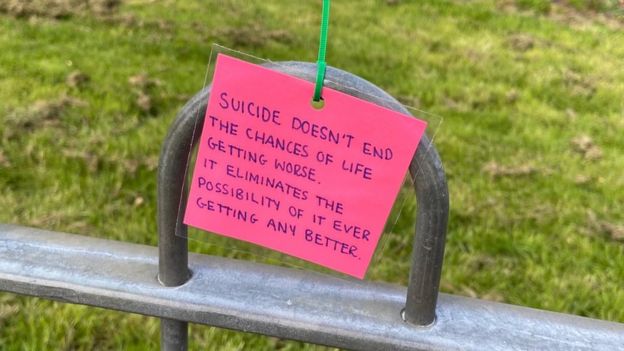
James Donaldson on Mental Health - Why It's Important to Talk About Suicide
By Hadassah Zirkind
When you hear of a suicide, who do you picture? Perhaps a depressed teenager, a single and lonely middle-aged person, or an anxious criminal who kills himself rather than face a court? The person who most likely does not come to mind is me: a young mother.
Self-harm and suicide are two topics that are rarely discussed in relation to our community, but we are not exempt from these issues. According to the National Institute of Mental Health, suicide is the second-leading cause of death for people aged 10-34. With a statistic like that, you likely know someone who has, at one point or another, dealt with suicidal ideation.
Before you panic that talking about such topics only encourages them, take a deep breath. There is a misconception that speaking so openly will cause someone who did not previously entertain such thoughts to not only have them, but to act on them, Heaven forbid. In fact, the opposite is true. When a person knows that others are going through the same thing, it can make it easier to cope. Knowing that support already exists eases the burden. Feeling alone in the struggle simply exacerbates the struggle itself.
My journey into the darker part of depression began, like so many others, as a teenager. I was around 14 when I self-harmed for the first time. I came to believe that hurting myself caused a large release of the tension and anger I was holding onto. Although I knew it was not healthy or proper behavior, I never told anyone. Instead, I made sure to use parts of my body such as my thighs or upper arms where nobody would ever see the marks left. This behavior continued on and off throughout high school and seminary.
Once I got married and became pregnant, my mental health took a downward plunge. I dealt with depression and anxiety throughout all of my pregnancies and postpartum stages. I tried therapy a few times for short periods but never stuck it out. After I gave birth to my third, my depression went from bad to worse. I began to regularly hurt myself to the point that my thigh was a constant bruise.
After a major depressive episode which could have ended much worse than it did, I went to the doctor to get a prescription for antidepressants. Since this was an emergency, I was forced to go to a regular GP instead of waiting for an appointment with a psychiatrist. Unfortunately, the doctor decided that I must be fine since I have a solid community and did not even give me the option of saying that I was suicidal. When he reached that question on the mental health assessment, he skipped over it, saying, “Nah, you definitely are not suicidal.” Unsurprisingly, in my vulnerable state, I did not feel comfortable correcting him, although in truth I was very close to being actively suicidal.
I would love to say that once I began taking medication, everything straightened out. For those who are thankfully unaware, antidepressants are not magic. It can take many tries to find the correct medication and dosage. And even once that perfect recipe is found, one’s body can get used to the medication causing it to lose its effectiveness, which is exactly what happened to me.
About a year and a half after I started taking my medications, I had my first real flirtation with suicide and spent half the night with our local police force, sheriff, and state crisis workers. Thankfully, this episode ended without me getting hurt in any way or having to be brought to the hospital. However, for the next week, I had no energy whatsoever, and for the next six months, I had constant flashbacks.
A year later, suicidal thoughts struck again. This time I was out of town, traveling for a family celebration. The urge was so strong that I sat in bed shaking and crying, trying to rationalize with myself why I didn’t dare ruin the celebration by killing myself. I told my husband about my thoughts and had him hide my medication. Otherwise, I would almost certainly have overdosed.
There was a third and fourth time that I contemplated taking my life, and thank G?d I was able to make it through that time as well.
Thank G?d, I am doing much better now. I am still on medication and see a therapist regularly. But my depression and the fact that I have contemplated suicide in the past are a constant. It’s almost as if I feel the need to be aware at every given moment that this is my challenge, that this is my journey.
#James Donaldson notes:Welcome to the “next chapter” of my life… being a voice and an advocate for #mentalhealthawarenessandsuicideprevention, especially pertaining to our younger generation of students and student-athletes.Getting men to speak up and reach out for help and assistance is one of my passions. Us men need to not suffer in silence or drown our sorrows in alcohol, hang out at bars and strip joints, or get involved with drug use.Having gone through a recent bout of #depression and #suicidalthoughts myself, I realize now, that I can make a huge difference in the lives of so many by sharing my story, and by sharing various resources I come across as I work in this space. #http://bit.ly/JamesMentalHealthArticleFind out more about the work I do on my 501c3 non-profit foundationwebsite www.yourgiftoflife.org Order your copy of James Donaldson's latest book,#CelebratingYourGiftofLife: From The Verge of Suicide to a Life of Purpose and Joy
www.celebratingyourgiftoflife.com
Link for 40 Habits Signupbit.ly/40HabitsofMentalHealth
If you'd like to follow and receive my daily blog in to your inbox, just click on it with Follow It. Here's the link https://follow.it/james-donaldson-s-standing-above-the-crowd-s-blog-a-view-from-above-on-things-that-make-the-world-go-round?action=followPub
I often wonder if one of the reasons that I just can’t seem to get over it is the lack of support for suicide attempt survivors or those who have struggled with suicidal ideation in our community. I even reached out to one of the mental health organizations geared towards Jewish women and was not allowed to join since they are not open to discussing suicide or self-harm. I once heard a nurse who worked in a psychiatric ward say that patients in our community have a much higher return rate. I would venture a guess that this is due to the feelings of loneliness—and therefore unworthiness—that come from dealing with these struggles alone.
Because of my experiences, I realized that changes need to be made, and so, A Drop of Light was born. A Drop of Light is an organization aimed at raising awareness of and preventing suicides within our community. From dispelling common myths to providing information on both Jewish and national mental health organizations, as well as compiling a list of Rabbinic authorities well-versed in the intersection of mental health and halachah, our website is a treasure trove of vital and potentially life-saving information. Without dialogue, there can be no change. And if there is no change, then the risk of losing loved ones to suicide remains all too real. A Drop of Light aims to start that conversation.
What do I hope to gain by going public with my story?
First and foremost, I want others who have struggled or are struggling with mental health—specifically self-harm or suicide—to know that they are not alone. There are others with the same struggles. In my experience, being open only helps. Find that person (or people) you can trust and speak with them. Having someone who checks in on you and keeps you grounded is very important.
The day after my first suicide attempt, my husband sent a letter to the Ohel, begging the Lubavitcher Rebbe, Rabbi Menachem M. Schneerson, of righteous memory, to bless me with a complete recovery. We read many letters the Rebbe wrote to people who were struggling with depression, and the Rebbe consistently suggested learning Sha’ar Habitachon and doing things for others.
Prayer helps, even just speaking to G?d in your own words. It’s also important to connect with a qualified rabbi who is knowledgeable about mental health and halachah, and can advise you which things you must do and which things can wait while you focus on becoming stable.
Most importantly, keep fighting. If you fall one day, try to get up again the next day. Don’t give up; you are brave, strong, capable, and can make it through this battle.
And now, to everyone else, we need your help: Please, check in on your friends, children, and loved ones. Even a monthly “How are you?” text can be enough. Be genuinely open to hearing and holding space for the other person. Learn the signs of suicidal ideation. Look out for sudden radical changes in behavior. And if you do suspect that your friend is suicidal, don’t be afraid to ask them point blank. Let them know in clear terms that you are there for them, to support without judgment.
Thank G?d, the last few years have brought much more awareness and openness to the topic of mental health. But suicide and self-harm are still taboo. It should not be this way. If people were more open about the fact that this problem exists, those struggling would be much more inclined to seek help. As it currently stands, admitting to these struggles is a permanent black mark. For this battle to be won, we need all the support we can get. So please, let’s break the silence, stop the judgment, and help each and every person lead a healthy and happy life.
If you or someone you know is struggling with suicidal thoughts, do not hesitate to use these resources including on Shabbat or yom tov.
Call 988 or text “HELP” to 741-741
If the thoughts present immediate danger, call 911
For countries out of the USA, it is worthwhile to know your country’s crisis line number
Learn the signs of suicidal ideation: https://www.suicideispreventable.org/
https://standingabovethecrowd.com/?p=12790
Sunday, June 23, 2024
James Donaldson on Mental Health - June is Men's Mental Health Month and its importance is sparking conversation

by Tyonna Baxter
SOUTH BEND, Ind. (WSBT) — June is Men’s Mental Health Month and it’s sparking conversations on the importance of breaking that silence. Mental health is a crucial, but often overlooked issue.
Often men do not seek help when they are struggling, and there are many reasons for that.
One is the pressure men face to “man up” or “tough it out.”
June is Men's Mental Health Month and it's importance is sparking conversation.
They are also less likely to be diagnosed because of this.
“Men are human and human beings need to talk and they need a safe space to do it,“ said Dr.Erin Leonard, a psychotherapist and owner at Recore Counseling.
A study by Mental Health America found six million American men suffer from depression every year and three million struggle with anxiety.
Suicide is the 7th leading cause of deaths among men.
Asking for help may be hard, but going without treatment can negatively impact not only personal health but the relationships with those around you.
Experts say men are less likely to seek needed help than women.
“Socialized to be brave and put on a brave face and keep your feelings to yourself and not be too sensitive because that’s associated sometimes with being weak and a lot of that has changed,” said Leonard.
As far as where mental health issues stem from, experts say it varies. It could be rooted from childhood, isolation, genetics, traumatic events, drug and alcohol abuse and more.
While effects may be different for everyone, Leonard says the big signs that it's time to seek help are changes in mood, appetite and sleep, loss of joy, and low energy.
Mental health problems will not just disappear, and officials are pushing men to seek counseling, especially if they find themselves stuck in a depressive state.
“It’s a good place to go to sort out what they need to change, how they need to change it what are healthier ways to get themselves to a better place mental health wise and emotionally,” said Leonard.
In addition to therapy, Leonard says there are many other ways to cope, and release built up feelings such as exercise, meditation, bettering your diet, and getting regular sleep.
If you or someone you know is in a crisis, get help immediately. You can call 911 or call or text the Suicide & Crisis Lifeline at 988.
#James Donaldson notes:
Welcome to the “next chapter” of my life… being a voice and an advocate for #mentalhealthawarenessandsuicideprevention, especially pertaining to our younger generation of students and student-athletes.
Getting men to speak up and reach out for help and assistance is one of my passions. Us men need to not suffer in silence or drown our sorrows in alcohol, hang out at bars and strip joints, or get involved with drug use.
Having gone through a recent bout of #depression and #suicidalthoughts myself, I realize now, that I can make a huge difference in the lives of so many by sharing my story, and by sharing various resources I come across as I work in this space. #http://bit.ly/JamesMentalHealthArticle
Find out more about the work I do on my 501c3 non-profit foundation
website www.yourgiftoflife.org Order your copy of James Donaldson's latest book,
#CelebratingYourGiftofLife: From The Verge of Suicide to a Life of Purpose and Joy
www.celebratingyourgiftoflife.com
Link for 40 Habits Signup
bit.ly/40HabitsofMentalHealth
If you'd like to follow and receive my daily blog in to your inbox, just click on it with Follow It. Here's the link https://follow.it/james-donaldson-s-standing-above-the-crowd-s-blog-a-view-from-above-on-things-that-make-the-world-go-round?action=followPub
https://standingabovethecrowd.com/james-donaldson-on-mental-health-june-is-mens-mental-health-month-and-its-importance-is-sparking-conversation/

James Donaldson on Mental Health - How to Keep Kids Reading This Summer
Tips for avoiding the 'summer slide'
Photo by Pragyan Bezbaruah on Pexels.com
Writer: Rachel Ehmke
Clinical Expert: Matthew Cruger, PhD
What You'll Learn
- Why is summer reading important for kids?
- How can you pick the right books for your child?
- How can you make reading a fun social activity?
- Quick Read
- Full Article
- Find some good reads
- Reading at the right level
- Keep reading out loud
- An opportunity to build skills
Summer reading doesn’t just keep kids from losing the skills they learned at school. It also helps them build confidence and a love of reading.
Giving kids easy access to books helps keep them reading over the summer. Your local librarian can help you and your child find books at the right level that fit their interests. They might have great suggestions even if your kid doesn’t like reading usually. Many libraries also have summer reading programs that offer prizes for kids who join.
It’s normal for kids to read at a lower level by themselves than they do in class. That actually builds confidence. To pick a book at the right level, use the “five finger” test. Have your kid read the first page and put a finger up for every word they don’t know. If they’ve got more than five fingers up at the end of the page, the book is too hard.
Your kid doesn’t just have to read books, either. Kids love to get mail, so a kids’ magazine can be a great choice. Comics and graphic novels are good options, too.
To make reading social and build skills, parents can read harder books aloud. It’s great to make that an everyday habit. Audiobooks can also be a great choice when you’re busy or on long car rides. Reading aloud to younger siblings is good, too.
If your child needs to build reading skills, talk to their teacher. They might offer workbooks or suggest tutoring. It’s still summer though, so take it easy. Twenty minutes of tutoring twice a week is better than an hour once a week.
For young kids, it can help to make flashcards of tricky words before they start a hard book. This gives them practice reading them in advance.
For kids of all ages, it helps to discuss a harder book before they read it. That way they don’t lose track of the story.
Summer means a much-needed break for kids, but it can also mean a break in learning and, in many cases, a regrettable loss of newly developed reading skills.
The so-called “summer slide” is particularly problematic for kids who are already struggling with reading. If you don’t want to risk a child losing ground over the summer, it’s important to make sure he has opportunities to practice his growing reading skills. Summer doesn’t need to stall your child’s progress, and it can even be an opportunity to gain reading fluency and enthusiasm.
Find some good reads
The first thing kids need to keep reading during the summer is easy access to books. During the school year, most of the books they read may be assigned for class. Summer gives you the chance to spice things up by introducing reading that is more fun and tailored to your child’s interests. The library is always a good place to start looking for children’s books. Many libraries keep lists of good books broken down by reading level to help guide you. Reading experts also suggest following the “five finger rule” when choosing books: have your child open up a book and read the first page. For every word she doesn’t know, have her raise one finger. If she has more than five fingers raised at the end of the page, the book is probably too hard.
Choosing books gets trickier when kids are older and have developed more definite tastes—including, for some, an established aversion to reading. Recommendations from librarians can still be helpful here, since they see a wide range of kids and know all the resources the library provides. Also, their suggestions might surprise you. A child who likes to play sports might find books more interesting if they are biographies of famous athletes. Remember, traditional story-driven narratives aren’t appealing for every kid. Books about computers or animals or science will sometimes capture attention when a novel does not.
Don’t limit yourself to books, either. Kids like getting mail, and a magazine subscription in their name to a children’s magazine like National Geographic Kids or American Girl provides a variety of new things to read each month. Many kids who avoid traditional books also find that they enjoy reading comics, which can be slightly more accessible and still offer a solid reading experience. Graphic novels for kids like the enormously popular Diary of a Wimpy Kid series have converted many an unenthusiastic reader.
Reading at the right level
Summer reading books shouldn’t be so easy that they are boring, but they also shouldn’t be so challenging that they frustrate a child. It is important for kids to experience the confidence that comes from succeeding with a book. The best part about summer reading is that it gives kids the opportunity to build up positive experiences—reading doesn’t always need to feel like work.
Teachers and tutors who have been working with your child during the school year are another great resource for recommending books. They’ll be more attuned to books that are at your child’s “independent level”—books he can comfortably read by himself—and books at his “instructional level,” which are a little more difficult. Kids actually need to experience both.
#James Donaldson notes:Welcome to the “next chapter” of my life… being a voice and an advocate for #mentalhealthawarenessandsuicideprevention, especially pertaining to our younger generation of students and student-athletes.Getting men to speak up and reach out for help and assistance is one of my passions. Us men need to not suffer in silence or drown our sorrows in alcohol, hang out at bars and strip joints, or get involved with drug use.Having gone through a recent bout of #depression and #suicidalthoughts myself, I realize now, that I can make a huge difference in the lives of so many by sharing my story, and by sharing various resources I come across as I work in this space. #http://bit.ly/JamesMentalHealthArticleFind out more about the work I do on my 501c3 non-profit foundationwebsite www.yourgiftoflife.org Order your copy of James Donaldson's latest book,#CelebratingYourGiftofLife: From The Verge of Suicide to a Life of Purpose and Joy
www.celebratingyourgiftoflife.com
Link for 40 Habits Signupbit.ly/40HabitsofMentalHealth
If you'd like to follow and receive my daily blog in to your inbox, just click on it with Follow It. Here's the link https://follow.it/james-donaldson-s-standing-above-the-crowd-s-blog-a-view-from-above-on-things-that-make-the-world-go-round?action=followPub
Keep reading out loud
A great way to expose kids to books that are slightly outside their range is by reading more difficult books aloud. As a general rule, it is good for kids to read things at their independent level and be read to at a higher level because it helps to build vocabulary and actually makes the listener a better reader. Learning and educational specialist Susan Schwartz says reading aloud is actually one of the best ways parents can help improve reading skills. “Never stop reading to your kids,” Schwartz says. “You should read to your children every day, especially during the summer. Not only is it a fun, immersive experience for your child, it’s also a learning one.”
Schwartz recommends The Read-Aloud Handbook by Jim Trelease as a great resource for parents looking for good stories that lend themselves to being read out loud. Books on tape are also good for immersing kids in harder books, and they are ideal during car rides or while you are cooking dinner. You could even turn off the television and listen to an audiobook for some family entertainment. Schwartz also suggests using audiobooks to listen to a popular series like the Harry Potter books, which can be a tough read for some kids.
Whenever possible, it’s a good idea to make reading more interactive. Reading is generally a solitary endeavor, and likely a lonely one if you’ve been struggling in school, but it didn’t start out that way. “For most kids, their first experience with reading is sitting with their mom or their dad reading to them, and they’re surrounded with lots of love,” notes Matthew Cruger, PhD, the director of the Child Mind Institute’s Learning and Development Center. “What you want to do is continue that first positive experience.” That’s part of why reading aloud every day to kids is so important. But your child should be reading out loud, too. If there are any younger children around, it’s a great idea to have your child practice reading a storybook to them. You can also take turns reading pages with your child.
When a child is reading independently, it’s good to discuss what he’s reading. Kids will appreciate the interest, and it doubles as a way to monitor comprehension. Talk about the characters and the problems they are facing, and encourage your child to ask questions and reread tough parts with you. Consider reading the book at the same time as your child for a better conversation.
Most public libraries also have a summer reading program, which is another great way to make reading more interactive. The programs typically offer built-in incentives like prizes and pizza parties as a reward for kids who participate.
An opportunity to build skills
Some kids need extra reinforcement to keep up their reading skills. Ask your child’s teacher or reading specialist if they would recommend any specific skill building during the summer. They could suggest doing certain workbook pages or might recommend tutoring. Schwartz says she loves tutoring kids in the summer because “it’s the perfect time to develop mastery. Summer gives kids greater opportunity to focus.” But remember, it’s still the summer so you should try to take things easy. Schwartz actually finds that tutoring a child twice a week for twenty minutes is much more effective than tutoring them once a week for an hour. Kids are better able to concentrate and less likely to get frustrated during shorter sessions.
If your child is reading a tough book at home, there are a few skill-building things you can do yourself to increase comprehension. For younger children especially, Dr. Cruger suggests that parents go through a storybook first to make flashcards with vocabulary words from the story. That way kids can learn the words ahead of time. Then parents can group the flashcards into different orders, making simple phrases and sentences. This drill gets kids very familiar with the words appearing in the book—essentially you are practicing reading the book ahead of time. Then, when it’s time to sit down and read, your child will already have the necessary vocabulary and reading should be much easier.
For older and younger kids, it’s also a good idea to discuss a difficult book before reading it. Dr. Cruger notes, “Kids can get caught up decoding a hard book and they’ll miss out on the story itself. It’s easier to follow along when you already know what to expect, and you’re much more likely to get something out of it.”
Whether you decide to practice drills, try tutoring, or just join the library reading challenge, the most important rule to summer reading is to be encouraging. Help your child have fun, positive reading experiences, and you’ll see his skills mastery and confidence grow, too.
Photo by Pragyan Bezbaruah on Pexels.com
https://standingabovethecrowd.com/?p=12788
Saturday, June 22, 2024
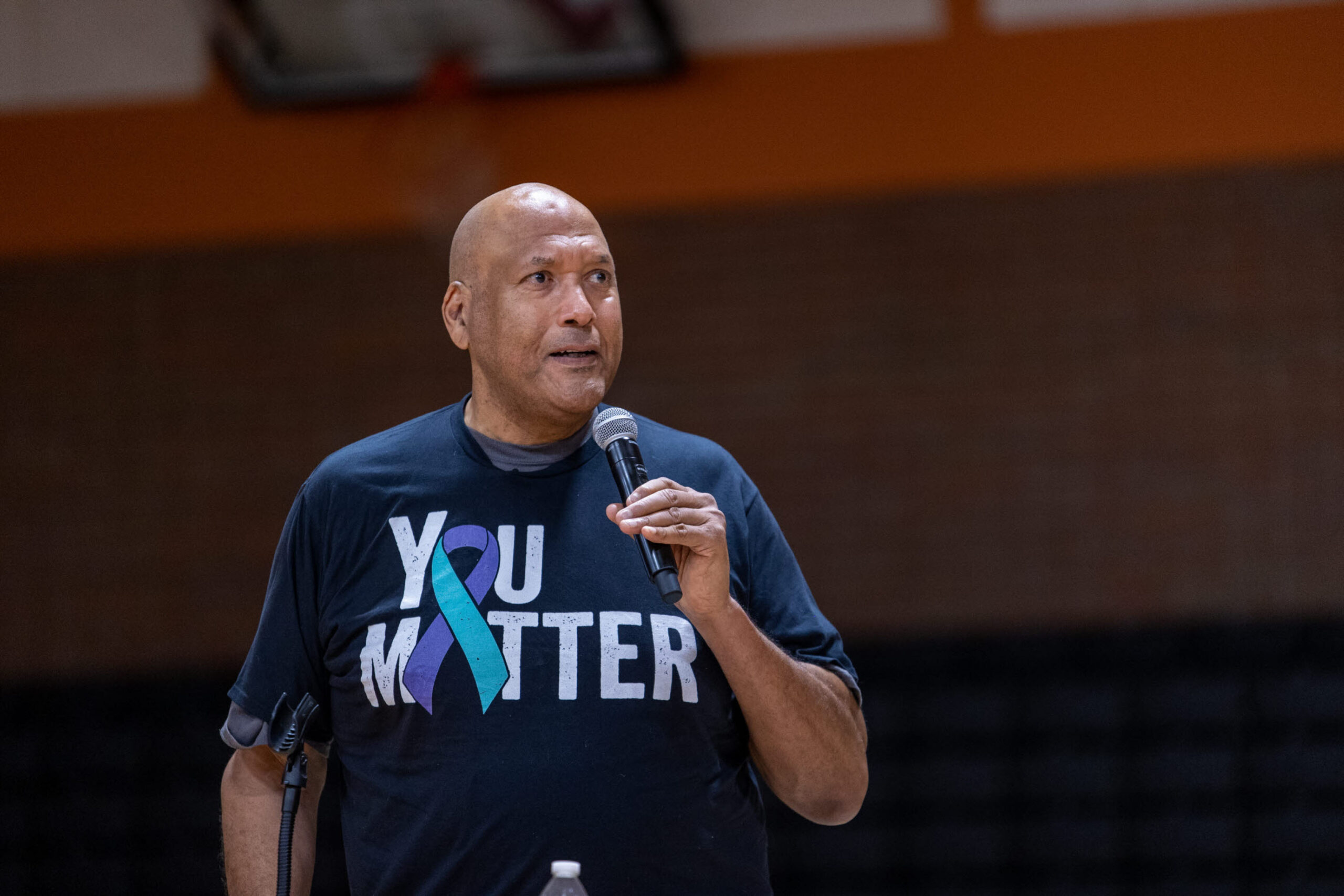
About James Donaldson, Author of Standing Above The Crowd and Celebrating Your Gift of Life
To Order Your Copy of Standing Above The CrowdClick Here
To Order Your Personally Signed Copy of Celebrating Your Gift of LifeClick Here
James Donaldson is a Washington State University graduate (’79). After an outstanding basketball career with WSU, he went on to play professional basketball in the NBA with the Seattle Supersonics, San Diego/L.A. Clippers, Dallas Mavericks, New York Knicks, and Utah Jazz. He also played for several teams in the European Leagues in Spain, Italy, and Greece, and he toured with The Harlem Globetrotters to wrap up his career. James was an NBA All-Star in 1988 while playing center for the Dallas Mavericks. In 2006, James was inducted into the Pac-10 Sports Hall of Fame and also the Washington State University Athletic Hall of Fame. In 2010, James was elected as a board member for the NBA Retired Players Association.
James frequently conducts speaking engagements (motivational, inspirational, educational) for organizations, schools, and youth groups.
In 2010, James was the recipient of the NBA Legends of Basketball ABC Award, awarded for outstanding contributions in Athletics–Business–Community.
James is a long-time resident of the Greater Seattle area. He believes in being a role model for success and professionalism to the scores of young people to whom he devotes so much of his time. He currently serves on several boards and committees and is a member of many organizations.
James believes in developing relationships that create a “Win-Win” environment for everyone involved, and in being the best he can be!
For more information about James Donaldson or to request he speak at your event, contact him at:
www.StandingAboveTheCrowd.com
JamesD@StandingAboveTheCrowd.com
https://standingabovethecrowd.com/about/
Subscribe to:
Posts (Atom)

