Saturday, July 27, 2024

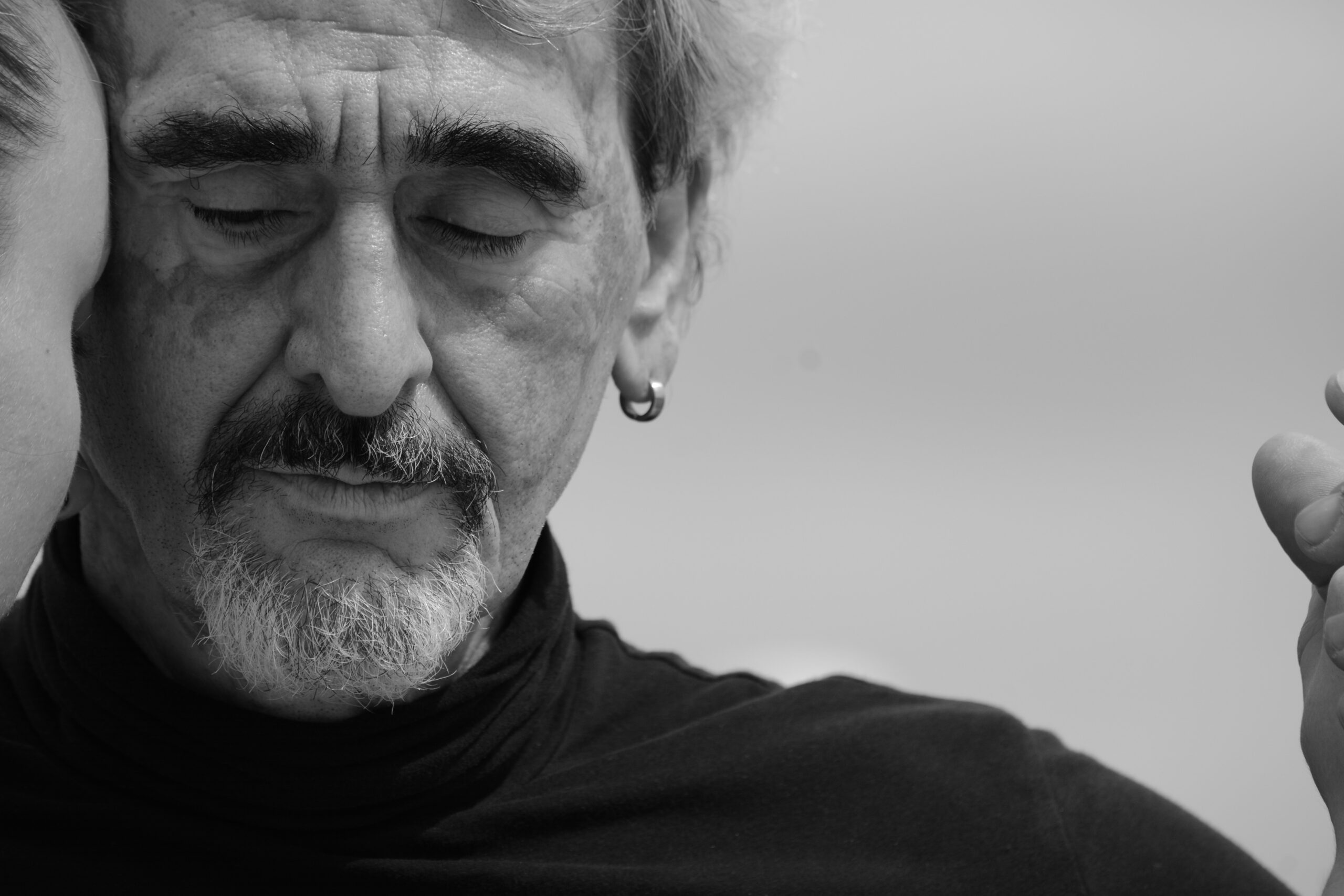
James Donaldson on Mental Health - Depression Shows Up Differently in Men. Here are 5 Ways to Spot It and Help

James Donaldson on Mental Health - Depression Shows Up Differently in Men. Here are 5 Ways to Spot It and Help

James Donaldson on Mental Health - Depression Shows Up Differently in Men. Here are 5 Ways to Spot It and Help


By Steven Petrow


I’m not being hyperbolic, or overdramatic, when I say a little part of me died when I read about the recent suicide of golfer Grayson Murray. I felt the same way after the suicides of Robin Williams, Anthony Bourdain, and Stephen “tWitch” Boss. As someone who has suffered from depression for most of my life (and suicidal ideation at certain moments), I feel a kinship with these men who could not get out from under the weight of their darkness.


As a health journalist, however, I worry about the larger issue. Men tend to hide signs of depression or other mental health issues, often out of stigma and shame. When we do exhibit symptoms, we don’t always recognize them for what they are (nor do our loved ones). Worse, if that’s possible, many of us don’t seem to know how to help, or what to say to better understand when a brother, husband, son, or friend is standing at the precipice.


With each of these suicides there’s been a flurry of headlines about men and mental health. A recent Golf Digest news story noted that “Murray’s death pushes the hard questions into the open,” adding, “It’s never been made real until now.” That is hardly the case—in 2022 about 70 percent of all suicides were men, according to KFF, a health policy non-profit. That’s about 40,000 men, making it very real indeed to their friends, families, and colleagues. One woman I know—a mother of two sons, sister of four brothers, and a friend to two men suffering from depression—told me, “I really want to know how it manifests differently in men than in women, so I can be more helpful.”


Therein lies the key: The symptoms of depression, which can be a driver to suicide, tend to be very different in men than in women. Women are more frequently diagnosed with depression than men are, based on classic symptoms including mood changes, eating disorders, anxiety, and irritability. Depression in men, however, may manifest itself as aggression, anger, changes in sexual performance, risky behaviors, and substance abuse. Multiple studies have confirmed that the stigma attached to depression in men prevents many of them from seeking help or admitting to feeling depressed. If they don’t ask for help, and nobody recognizes the signs, we end up with an epidemic of undiagnosed, untreated mental health issues.


Depression in men may get so little attention because it appears more common among women. A 2023 Gallup poll suggests that 23.8 percent of American women are currently suffering from depression, compared with only 11.4 percent of American men. Those are diagnosed cases. According to the National Institute of Mental Health, more than 6 million American men are known to have depression, with the actual number thought to be significantly higher. By the way, this is not just an American problem: A recent British study reported that 40 percent of men won’t talk to anyone about their mental health, including close friends, family members, or a medical professional.


“Men are socialized to minimize expression of emotional pain. It’s seen as weak or unmanly to cry, or admit to any sense of vulnerability or failure,” Richard A. Friedman, a psychiatrist at Weill Cornell Medicine specializing in depression, anxiety, and mood disorders, told me. Due to that stigma, men are more likely to externalize emotions, resulting in aggressive, impulsive, coercive, and risky behaviors.  


Addressing the stigma and shame of mental health issues is central to making changes, and I have some personal experience with this. Nearly ten years ago I took a giant step in publicly disclosing my depression diagnosis and how debilitating it had become. I wrote an essay in The New York Times titled, “Opening Up About Depression.” In the column I reached back to my teen years when I created a “secret code” to record my darkish feelings in a daily journal, which I recognized as a heaviness in my head or a pervasive lethargy that sapped my hormone-driven teen self. Most days of the week I scribbled either A1 (for depression) or its first cousin, A2 (for anxiety) in my journal.


It was terrifying to come out in The Times like this, but keeping that secret had become even more challenging. By then, I knew secrets to be insidious, like a cancer that eats you alive. Did I feel exposed or vulnerable? Yes. Did I fear rejection? Yes. Did I feel I might be labeled as mentally ill or worse, nuts? You bet.


Did I help others? I believe so. Did it help me? Yes! Readers posted hundreds of supportive comments in response to that column. In particular, I felt seen by this one man, “Jackson,” who wrote as if describing my own experience:


“In one terrible year, a friend died suddenly, my son battled a mysterious and frightening medical condition, and one of my parents was dying. Even with all those obvious reasons to be depressed I didn't recognize the classic symptoms: poor appetite, insomnia, and a sense of numbness, as if watching the world from afar.


The reality was that constant stress had seriously disrupted my biochemistry and overwhelmed my usual resilience. My therapist urged me to consider medication—along with intense counseling. I was too committed to ‘toughing it out’ but eventually I did and, as the therapist said, “ it turned down the volume" of my depression. Eventually it passed. If I am ever hit with another bout, I won't hesitate to seek help. Depression is as real an illness as cancer—and it can be as deadly.”


By the time I hit the mid-century mark, I’d confided my diagnosis privately to a few others. But it was my friend Erik’s death by suicide in 2015 that jumpstarted my own greater openness and The Times essay. Erik and I had had a lot in common: We’d both gone to Duke University, where we’d led closeted lives. We had sisters (and other family) who loved us and whom we loved in return. And we were gay. One hot summer day, Erik left work to eat lunch at home. From all accounts he retrieved the gun he’d bought some time before, went into his bathroom, and shot himself in the head.


(Suicide attempts among men are eight times more likely to involve a gun than attempts by women.)


Erik’s friends and family were shocked. Me, too. Only a few days before his death he had talked excitedly about buying a house, and his hopes for a promotion. I’d had no clue that he was at such risk. All these years later, I still recall what one of his friends told me after his passing: “You never know where depression lives.”


I’ve repeated that line quietly to myself many times since then. Some days, when I look in the mirror, I understand it even more personally. My face is often a mask, hiding the deeper stew of emotions within. If I can’t see me, how can I expect others to?


Here’s what haunts me about Erik’s death. Sure, he kept his pain to himself. But I’d never told Erik about the extent of my suffering, either. Like him, I was well practiced in camouflaging my illness, and as a high-functioning depressive I could hide my symptoms. I relied on medication and meditation, psychotherapy, sober weeks and months, healthy eating and regular exercise. I also knew that at times I had to go home, retreat from the world, because I’d become irritable or angry or aggressive—what I now know to be signs of depression in men.


#James Donaldson notes:
Welcome to the “next chapter” of my life… being a voice and an advocate for #mentalhealthawarenessandsuicideprevention, especially pertaining to our younger generation of students and student-athletes.
Getting men to speak up and reach out for help and assistance is one of my passions. Us men need to not suffer in silence or drown our sorrows in alcohol, hang out at bars and strip joints, or get involved with drug use.
Having gone through a recent bout of #depression and #suicidalthoughts myself, I realize now, that I can make a huge difference in the lives of so many by sharing my story, and by sharing various resources I come across as I work in this space.
  #http://bit.ly/JamesMentalHealthArticle
Find out more about the work I do on my 501c3 non-profit foundation
website www.yourgiftoflife.org Order your copy of James Donaldson's latest book,
#CelebratingYourGiftofLife: From The Verge of Suicide to a Life of Purpose and Joy



www.celebratingyourgiftoflife.com


Link for 40 Habits Signup
bit.ly/40HabitsofMentalHealth


If you'd like to follow and receive my daily blog in to your inbox, just click on it with Follow It. Here's the link https://follow.it/james-donaldson-s-standing-above-the-crowd-s-blog-a-view-from-above-on-things-that-make-the-world-go-round?action=followPub


What can we do? Here are five ways you can help:


No. 1: Learn more about the symptoms of depression and other mental health issues, especially as they apply to men. Don’t be surprised if you feel helpless. Information and resources will help you and them.


No. 2: Urge the men in your life to get help. Some men don’t even know that they’re depressed. Others may feel ashamed, thinking they can overcome it by sheer willpower. According to the Mayo Clinic, “depression seldom gets better without treatment and may get worse.”


No. 3: Explain why you’re worried. And offer to help find a trained—and affordable—mental health professional. You could even put together a list of questions for their first appointment or offer to take or accompany them to the visit.


No. 4: Be on the lookout for worsening signs of depression. For men, this may include increased drinking, deepening anger, or more frequent outbursts. Don’t forget that depression manifests differently. Pay attention. Ask questions.


No. 5: Learn and stay alert for the warning signs of suicide. If necessary, contact your friend’s doctor, therapist, friends or family. Reach out to a suicide hotline for additional resources. Call 911 or your local emergency number if your friend appears to be in crisis.


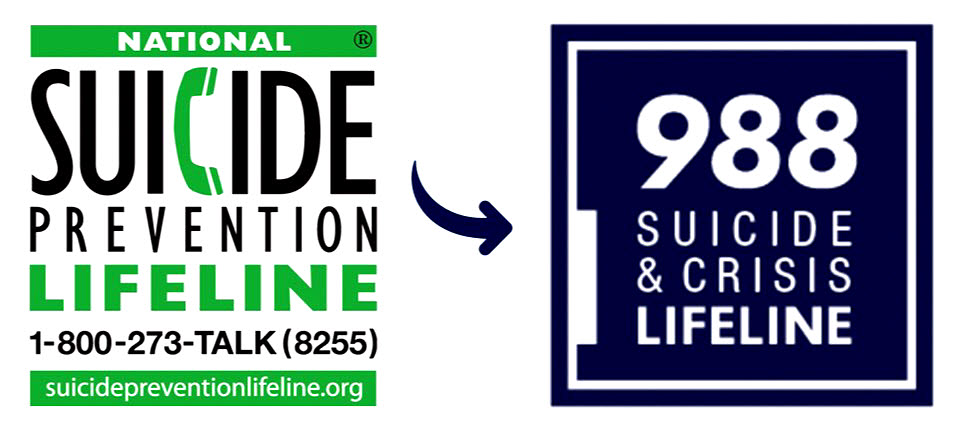
If you or someone you know is struggling or in crisis, help is available at the Suicide and Crisis Lifeline. Call or text 988 or chat 988lifeline.org


https://standingabovethecrowd.com/james-donaldson-on-mental-health-depression-shows-up-differently-in-men-here-are-5-ways-to-spot-it-and-help/

Friday, July 26, 2024

James Donaldson on Mental Health - Breaking the Stigma Around Mental Health in Men

Breaking the Stigma Around Mental Health in Men
Mental health is a critical aspect of overall well-being, yet it remains a topic shrouded in stigma, especially among men. Despite growing awareness, many men still feel uncomfortable discussing their mental health struggles. This blog post aims to break down the barriers and provide actionable tips for addressing mental health issues in men.
Understanding the Stigma
The stigma surrounding mental health issues in men is deeply rooted in societal norms and expectations. Traditionally, men are expected to be strong, stoic, and self-reliant. These stereotypes often lead to the belief that expressing vulnerability or seeking help is a sign of weakness. According to the National Institute of Mental Health (NIMH), men are less likely than women to seek help for mental health issues, which can contribute to worsening symptoms and an overall decline in well-being.
The Impact of Stigma on Men's Mental Health
The stigma surrounding mental health can have severe consequences for men. According to the American Foundation for Suicide Prevention, men are nearly four times more likely to die by suicide than women. This alarming statistic underscores the urgent need to address the stigma and encourage men to seek help. Additionally, untreated mental health issues can lead to substance abuse, relationship problems, and decreased productivity at work.
Common Mental Health Issues in Men
While men can experience a wide range of mental health issues, some conditions are more prevalent. Understanding these common issues can help in identifying and addressing them effectively.
Depression
Depression is a common mental health condition that affects millions of men worldwide. Symptoms may include persistent sadness, loss of interest in activities, changes in appetite and sleep patterns, and difficulty concentrating. Men may also experience irritability, anger, and physical symptoms such as headaches and digestive problems.
Anxiety
Anxiety disorders, including generalized anxiety disorder, panic disorder, and social anxiety disorder, are prevalent among men. Symptoms can include excessive worry, restlessness, fatigue, and physical symptoms such as rapid heartbeat and sweating. Men may be less likely to discuss their anxiety, leading to untreated symptoms and potential complications.
Substance Abuse
Substance abuse is often linked to underlying mental health issues. Men may turn to alcohol or drugs as a way to cope with stress, anxiety, depression, or other mental health challenges. However, substance abuse can exacerbate mental health problems and lead to addiction, further complicating the path to recovery.
Breaking the Stigma: Practical Steps
Breaking the stigma surrounding mental health in men requires a multi-faceted approach. Here are some actionable steps to help men feel more comfortable seeking help and discussing their mental health.
1. Promote Open Conversations
Encouraging open and honest conversations about mental health is crucial. Create safe spaces where men feel comfortable discussing their feelings and experiences. This can be done through support groups, workplace initiatives, or community programs. Normalize the conversation by sharing personal stories and experiences, and encourage others to do the same.
2. Educate and Raise Awareness
Education is a powerful tool in breaking the stigma. Provide information about common mental health issues, symptoms, and treatment options. Use social media, blogs, and community events to spread awareness and dispel myths surrounding mental health. Highlight the importance of seeking help and the benefits of early intervention.
3. Encourage Professional Help
Seeking professional help is a critical step in addressing mental health issues. Encourage men to reach out to mental health professionals, such as therapists, counselors, or psychiatrists. Provide information about available resources, such as hotlines, online therapy platforms, and local mental health services. Emphasize that seeking help is a sign of strength, not weakness.
4. Challenge Societal Norms
Societal norms and expectations play a significant role in the stigma surrounding mental health. Challenge these norms by promoting healthier, more inclusive definitions of masculinity. Encourage men to embrace vulnerability, express emotions, and prioritize self-care. Highlight positive role models who exemplify these qualities and share their stories.
5. Foster Supportive Environments
Creating supportive environments is essential for breaking the stigma. Whether at home, in the workplace, or within the community, foster a culture of empathy, understanding, and support. Encourage open dialogue, provide resources, and offer assistance to those in need. By creating a supportive environment, we can help men feel more comfortable seeking help and discussing their mental health.
Success Stories: Breaking the Stigma
Sharing success stories of men who have overcome mental health challenges can inspire others to seek help and break the stigma. Here are a few examples:
Dwayne "The Rock" Johnson
Dwayne "The Rock" Johnson, a well-known actor and former professional wrestler, has openly discussed his struggles with depression. By sharing his story, he has helped to break the stigma and encourage other men to seek help.
Prince Harry
Prince Harry has been a vocal advocate for mental health awareness. He has shared his own experiences with grief and mental health challenges, and has worked to destigmatize seeking help through initiatives like the Heads Together campaign.
Kevin Love
NBA player Kevin Love has been open about his struggles with anxiety and depression. By sharing his story, he has helped to raise awareness and encourage other men to seek help and support.
Conclusion
Breaking the stigma surrounding mental health in men is a critical step towards improving overall well-being and reducing the risk of severe consequences such as suicide and substance abuse. By promoting open conversations, educating and raising awareness, encouraging professional help, challenging societal norms, and fostering supportive environments, we can help men feel more comfortable discussing their mental health and seeking the help they need. Together, we can create a more inclusive and supportive society where mental health is prioritized for everyone.
For more information please go to
https://standingabovethecrowd.com/?p=12846

James Donaldson on Mental Health - How Early Puberty Affects Children’s Mental Health

James Donaldson on Mental Health - How Early Puberty Affects Children’s Mental Health

James Donaldson on Mental Health - How Early Puberty Affects Children’s Mental Health


Tips for supporting kids through a challenging transition


Writer: Jessica Souza


Clinical Experts: Sandra L. Whitehouse, PhD , Paul Mitrani, MD, PhD


What You'll Learn


- What is early puberty?
- What are the mental health impacts of early puberty?
- How can parents help kids experiencing early puberty?
- Quick Read
- Full Article
- What makes early puberty difficult?
- What are the mental health impacts of early puberty?
- How can you help your child manage early puberty?
- When should parents seek mental health support?

The average age of puberty in the United States is dropping. Early puberty, or a child’s body maturing at an unusually early age – generally before age 8 for girls and 9 for boys – can cause anxiety, depression, and body image issues. It’s important for parents to understand the emotional changes that accompany puberty so they can help their children cope. 


Puberty causes physical and mental changes. In early puberty, children do not yet have the tools to cope with the intense and overwhelming feelings that often come with puberty. This can cause moodiness and outbursts. 


At this stage of development, children form their identities and want to fit in. They can feel uncomfortable and alienated if they don’t see their peers’ bodies changing too. Early maturation can also make children look older, leading to unwanted sexual attention or unrealistic behavioral expectations.  


Research indicates that anxiety and depression related to early puberty may affect girls more than boys, as early physical growth could act as a social advantage for boys. But boys may experience feelings of aggression and a sudden sexual drive that they might not know how to manage. Children who are transgender or nonbinary may feel even more distress as the changes in their bodies don’t align with their gender identity.  


Parents can help by talking to their kids before puberty starts. Removing stigma and teaching children what is happening to them can keep the conversation open and give them a chance to ask questions. Modeling healthy coping skills at home is an excellent way to help kids learn to handle their feelings. If your child struggles to communicate about their experiences with early puberty or manage its effects, treatment like cognitive behavioral therapy can be effective. 


Puberty is an intense time of transition for all children and adolescents, but it can be especially difficult for younger kids who are experiencing early puberty.


Early puberty, also called precocious puberty, is when a child’s body begins to mature at an unusually young age — generally before age 8 for girls and age 9 for boys. Until recently, the average age for puberty was age 11 for girls and age 12 for boys, but now many experts consider any age above 8 or 9 to be normal. Experts cite many possible causes for early puberty, including genetics, nutrition and/or obesity, environmental cues, and trauma. Early puberty can cause emotional distress and increase the risks for mental health issues like anxiety and depression.


Many studies indicate that the average age of puberty in the United States is falling. As more and more children are maturing earlier than expected, it’s important for parents to understand the emotional changes that puberty brings, and how to help kids develop coping skills to prevent long-term negative impacts.


#James Donaldson notes:
Welcome to the “next chapter” of my life… being a voice and an advocate for #mentalhealthawarenessandsuicideprevention, especially pertaining to our younger generation of students and student-athletes.
Getting men to speak up and reach out for help and assistance is one of my passions. Us men need to not suffer in silence or drown our sorrows in alcohol, hang out at bars and strip joints, or get involved with drug use.
Having gone through a recent bout of #depression and #suicidalthoughts myself, I realize now, that I can make a huge difference in the lives of so many by sharing my story, and by sharing various resources I come across as I work in this space.
  #http://bit.ly/JamesMentalHealthArticle
Find out more about the work I do on my 501c3 non-profit foundation
website www.yourgiftoflife.org Order your copy of James Donaldson's latest book,
#CelebratingYourGiftofLife: From The Verge of Suicide to a Life of Purpose and Joy


www.celebratingyourgiftoflife.com


Link for 40 Habits Signup
bit.ly/40HabitsofMentalHealth


If you'd like to follow and receive my daily blog in to your inbox, just click on it with Follow It. Here's the link https://follow.it/james-donaldson-s-standing-above-the-crowd-s-blog-a-view-from-above-on-things-that-make-the-world-go-round?action=followPub


What makes early puberty difficult?


Children experiencing early puberty may be going through physical and mental changes before they’re emotionally mature enough to handle them. Sandra L. Whitehouse, PhD, a clinical psychologist at the Child Mind Institute, explains: “With precocious puberty, they don’t have the executive functioning or self-control that would allow them to manage their intense feelings. It’s like a car where the accelerator is fully online, but kids can’t reach the brakes or steering.”


Beyond the physical transitions that come with puberty, there are emotional and social changes as well. Pubescent kids are starting to think about their identity — who they are, what they like, who they’re attracted to. They may have overwhelming feelings, moodiness, and outbursts. Their relationship with their parents may become strained.


It’s common at this stage of development to desperately want to fit in with your peers. Paul Mitrani, MD, PhD, a child and adolescent psychiatrist at the Child Mind Institute, says that kids may feel uncomfortable because their bodies are changing before their peers’ bodies. “It is a time where you really want to be like your friends, and if you can’t be, that can cause a lot more stress.”


Children going through early puberty may experience bullying or sexual harassment (especially girls). They also may find that some people think they’re older than they really are, which can lead to unrealistic behavioral expectations and risk of early exposure to mature behaviors like sexual activity and drug use.


“When someone assumes you’re older than you are, you’re exposed to different things and they may treat you in a different way,” Dr. Mitrani explains. “And you may be ostracized from kids your age if you’re taller or more developed.”


What are the mental health impacts of early puberty?


Early puberty puts children at an increased risk for emotional and mental health issues, such as anxiety, depression, low self-esteem, and poor body image or body dysmorphia.


As they continue to mature, children who went through early puberty may also be more likely to abuse substances, engage in earlier sexual activity (which is associated with higher risks of teen pregnancy), and suffer from eating disorders.


“It’s like you’re trying to fit into a certain mold, and when you can’t, sometimes you’re self-medicating or you’re doing other things to try to control your body,” explains Dr. Mitrani.


There can be important gender differences in the psychological impacts of early puberty. Some research indicates that early-developing girls seem to be more vulnerable to anxiety and depression, and that they can carry that risk for several years. For boys, early puberty may not be as distressing. “Early-maturing boys have some social advantages because they’re bigger and stronger,” explains Dr. Whitehouse.


But that doesn’t mean that boys aren’t at risk for emotional issues. With increased testosterone, they may have stronger emotions, a possible increase in aggressive behavior, and a sudden sex drive that they might not know how to manage. Since early puberty may cause stunted growth, boys may feel self-conscious about their height later on if they end up being shorter than their peers.


And for children who are transgender or nonbinary — who often experience extreme distress called gender dysphoria — puberty at any age can be especially difficult, and early puberty can exacerbate their challenges. “If you have gender dysphoria and your body is changing into something that is not aligned with your gender identity,” Dr.Mitrani adds, “it’s just going to be that much more stressful.”


A child’s racial or ethnic identity can also shape how early puberty impacts them. For example, Black girls often experience what’s called adultification bias — they’re perceived as less innocent and are expected to act older than they are. This can result in harsher discipline at school for the same infractions as their white counterparts. Undergoing early puberty only exacerbates this unfair treatment.


How can you help your child manage early puberty?


Parents can’t control the changes that puberty will bring, but there are many ways to help your child prepare for and manage the transition.


Regardless of their age, when you first start to notice that your child is showing signs of puberty, it’s best to check in with your pediatrician. For girls, puberty usually begins with growing breasts and underarm or pubic hair. For boys, larger testicles and body hair may be the first signs.


But the best way to help prepare your child for puberty starts long before the signs appear. “The earlier you can talk about these things in an age-appropriate way, the better,” says Dr. Mitrani. Start discussing puberty with your child early, even around seven or eight years old. It’s important to remove any stigma around it and allow your child to ask questions.


Keep in mind that you don’t have to explain everything to them at once. In fact, that might overwhelm or confuse them. Take it slowly and let your child’s questions guide the conversation.


“If your kid has a question, ask them why they want to know. Try to get more information about what they’re asking you, and just give them the information that they’re asking for,” advises Dr. Mitrani. “You want to have these conversations early, but you also want to read the room.”


When should parents seek mental health support?


If your child is undergoing early puberty and you’re concerned about their mental health, you can help arm them with coping skills. And consulting with a therapist is often an effective way to do that.


“A lot of what therapy is all about —cognitive behavioral therapy, dialectical behavior therapy —


is teaching kids the skills they need to become aware of themselves and aware of their emotions,” explains Dr. Whitehouse. “And to learn strategies for recognizing when they’re having thoughts that maybe they could challenge.”


Parents can start teaching these skills early on, but during puberty, communicating effectively with your child can get harder.


“The relationship gets stressed when puberty hits, because naturally the developmental task of teenagers is to separate and individuate from their parents,” Dr. Whitehouse says. “So they have a harder time talking to their parents, and there’s more conflict where there used to not be. Parents feel like their child was just taken over by a monster, and kids feel the same way about their parents! And so a therapist can help to bridge the communication.”


It’s also helpful for parents to reinforce coping skills and emotional regulation at home. One of the best ways is to model healthy coping skills themselves, since children pick up behavior patterns from the adults around them.


https://standingabovethecrowd.com/james-donaldson-on-mental-health-how-early-puberty-affects-childrens-mental-health/

Thursday, July 25, 2024

#JamesDonaldson on #MentalHealth - The Crisis in Youth #Suicide

#JamesDonaldson on #MentalHealth - The Crisis in Youth #Suicide

Too often, #suicide attempts and deaths by #suicide, especially among the young, become family secrets that are not investigated and dealt with in ways that might protect others from a similar fate.


Jane E. Brody

By Jane E. Brody


The death of a child is most parents’ worst nightmare, one made even worse when it is self-inflicted. This very tragedy has become increasingly common among young people in recent years. And adults — parents, teachers, clinicians and politicians — should be asking why and what they can do to prevent it.


In October, the #CentersforDiseaseControlandPrevention reported that after a stable period from 2000 to 2007, the rate of #suicide among those aged 10 to 24 increased dramatically — by 56 percent — between 2007 and 2017, making #suicide the second leading cause of death in this age group, following accidents like car crashes.


“We’re in the middle of a full-blown #mentalhealth crisis for adolescents and young adults,” said Jean M. Twenge, research psychologist at San Diego State University and author of the book “iGen,” about #mentalhealth trends among those born since 1995. “The evidence is strong and consistent both for symptoms and behavior.”


Along with suicides, since 2011, there’s been nearly a 400 percent increase nationally in #suicide attempts by self-poisoning among young people. “#Suicide attempts by the young have quadrupled over six years, and that is likely an undercount,” said Henry A. Spiller, director of the Central Ohio Poison Center, who called the trend “devastating.” “These are just the ones that show up in the E.R.”


Sign Up for NYT Parenting


From the team at NYT Parenting: Get the latest news and guidance for parents. We'll celebrate the little parenting moments that mean a lot — and share stories that matter to families.


Had any other fatal or potentially fatal condition leapfrogged like this, the resulting alarm would surely have initiated a frantic search for its cause and cure. But too often #suicide attempts and deaths by #suicide, especially among the young, become family secrets that are not investigated and dealt with in ways that might protect others from a similar fate.


“We’re at a point now where this issue really can’t be ignored,” said John P. Ackerman, clinical psychologist and coordinator of #suicideprevention at Nationwide Children’s Hospital in Columbus, Ohio. “We invest heavily in crisis care, which is the most expensive and least effective means of preventing #suicide.”


He proposed instead that more time and money be spent “on identifying kids who are most vulnerable, helping them respond effectively to #stress, and teaching them what they can do in a crisis. And we need to start early, in the elementary grades. We haven’t even begun to use the resources that we know work. We have to be proactive.”


In Ohio, he said, “about 40,000 students have been screened for #depression and #suicide risk, and hundreds of kids have been linked to services. It’s not putting ideas in their heads to ask directly whether they’ve had thoughts of #suicide or dying. That doesn’t increase their risk. Rather, it’s relieving. You actually reduce the risk if you help kids talk through these difficult feelings.”


Although no one can say with certainty why #suicide has become such a crisis among the young, experts cite several factors that parents, schools and others might be able to modify or control. Dr. Spiller, for example, attributes the rise in #suicide attempts largely to the effects of #socialmedia and how teens and young adults communicate with their peers.


“Kids now never disconnect,” he said. “They’re connected 24/7. They go to bed with their smartphones. It may be cyberbullying. It may be envy. Maybe many things are going on here.”


One thing the research didn’t find was a link of teen suicides to the opioid crisis. Instead, in school-age adolescents, it found a rise in #suicide attempts during school months — September until December, then again January through May — that doesn’t happen in adults.


The rise in attempted and completed #suicides by young people correlates directly with their access to smartphones, Dr. Twenge said. “Developmentally, these ages have always been difficult, but that’s been taken to the next level by smartphones, #socialmedia and the constant pressure to be online.”


“Eighty-five percent of #teens are looking at #socialmedia,” she said. “There’s less face-to-face time spent with friends. It’s now the norm to sit home Saturday night on Instagram. Who’s popular and who’s not is now quantifiable by how many people are following you. Kids are spending as much as eight hours a day on #socialmedia, where there’s a lot of negativity, competition and jockeying for status and unfiltered access to sites that tell them how to harm themselves.”


Dr. Ackerman, who noted that “young brains are less adept at dealing with complex situations,” likewise believes #socialmedia plays an important role in the #suicide crisis among the young. But he sees the problem more broadly and said there is a need for schools to help counter it. Staff can be trained and screening done within schools, he said.


“Ultimately it’s a combination of economic, social and technological factors that come together along with family and school issues, and kids are less equipped to tackle these problems,” he said.


Sleep, or rather, not enough of it, is another issue undermining the resilience of today’s teens.


Several studies have found a link between “problematic internet and social media use and sleep disturbance among youth,” and that “these associations contribute to depressive symptoms in this group,” Dr. Twenge and co-authors reported in the Journal of Abnormal Psychology.


“Two surveys have shown that teens are not sleeping enough, and having a smartphone in the bedroom results in less sleep and poorer quality sleep,” she said. “It’s too tempting to stay up late looking at the phone, and the blue light it emits keeps the brain thinking it’s daytime. Almost everything done on devices is psychologically stimulating. The brain can’t slow down and relax.”


Her advice: “Avoid looking at devices within an hour of bedtime, and buy an alarm clock. It’s not the technology itself that’s the problem — it’s how we use it. We have to use it more mindfully.”


She urges parents to set reasonable limits about kids’ use of technology. Setting such limits is “not only good for kids, but they appreciate it in the long run,” she said. She noted that modern smartphones have parental control systems built in and parents can set kids’ phones to shut down at 9 p.m.


Experts also urge parents to check in with their teenage children regularly, asking how they’re feeling and whether they ever think about dying. “As early as elementary school, children can have responsible conversations about #suicide,” Dr. Ackerman said. “We need to prepare young people to talk about their emotions early in life.”


He and others also emphasized the importance of controlling access to possible means of #suicide, which they note is most often an impulsive act. Youngsters should never have uncontrolled access to guns, drugs or other substances that can result in a fatal overdose.


If you are having thoughts of #suicide, call the #NationalSuicidePreventionLifeline at 1-800-273-8255 (TALK). You can find a list of additional resources at SpeakingOfSuicide.com/resources.


#James Donaldson notes:
Welcome to the “next chapter” of my life… being a voice and an advocate for #mentalhealthawarenessandsuicideprevention, especially pertaining to our younger generation of students and student-athletes.
Getting men to speak up and reach out for help and assistance is one of my passions. Us men need to not suffer in silence or drown our sorrows in alcohol, hang out at bars and strip joints, or get involved with drug use.
Having gone through a recent bout of #depression and #suicidalthoughts myself, I realize now, that I can make a huge difference in the lives of so many by sharing my story, and by sharing various resources I come across as I work in this space.
  #http://bit.ly/JamesMentalHealthArticle
Find out more about the work I do on my 501c3 non-profit foundation
website www.yourgiftoflife.org Order your copy of James Donaldson's latest book,
#CelebratingYourGiftofLife: From The Verge of Suicide to a Life of Purpose and Joy


www.celebratingyourgiftoflife.com


Link for 40 Habits Signup
bit.ly/40HabitsofMentalHealth


If you'd like to follow and receive my daily blog in to your inbox, just click on it with Follow It. Here's the link https://follow.it/james-donaldson-s-standing-above-the-crowd-s-blog-a-view-from-above-on-things-that-make-the-world-go-round?action=followPub


pokemon-pokemon-go-phone-game-159395.jpegPhoto by Pixabay on Pexels.com
https://standingabovethecrowd.com/?page_id=5321

#JamesDonaldson on #MentalHealth - The Crisis in Youth #Suicide

#JamesDonaldson on #MentalHealth - The Crisis in Youth #Suicide

Too often, #suicide attempts and deaths by #suicide, especially among the young, become family secrets that are not investigated and dealt with in ways that might protect others from a similar fate.


Jane E. Brody

By Jane E. Brody


The death of a child is most parents’ worst nightmare, one made even worse when it is self-inflicted. This very tragedy has become increasingly common among young people in recent years. And adults — parents, teachers, clinicians and politicians — should be asking why and what they can do to prevent it.


In October, the #CentersforDiseaseControlandPrevention reported that after a stable period from 2000 to 2007, the rate of #suicide among those aged 10 to 24 increased dramatically — by 56 percent — between 2007 and 2017, making #suicide the second leading cause of death in this age group, following accidents like car crashes.


“We’re in the middle of a full-blown #mentalhealth crisis for adolescents and young adults,” said Jean M. Twenge, research psychologist at San Diego State University and author of the book “iGen,” about #mentalhealth trends among those born since 1995. “The evidence is strong and consistent both for symptoms and behavior.”


Along with suicides, since 2011, there’s been nearly a 400 percent increase nationally in #suicide attempts by self-poisoning among young people. “#Suicide attempts by the young have quadrupled over six years, and that is likely an undercount,” said Henry A. Spiller, director of the Central Ohio Poison Center, who called the trend “devastating.” “These are just the ones that show up in the E.R.”


Sign Up for NYT Parenting


From the team at NYT Parenting: Get the latest news and guidance for parents. We'll celebrate the little parenting moments that mean a lot — and share stories that matter to families.


Had any other fatal or potentially fatal condition leapfrogged like this, the resulting alarm would surely have initiated a frantic search for its cause and cure. But too often #suicide attempts and deaths by #suicide, especially among the young, become family secrets that are not investigated and dealt with in ways that might protect others from a similar fate.


“We’re at a point now where this issue really can’t be ignored,” said John P. Ackerman, clinical psychologist and coordinator of #suicideprevention at Nationwide Children’s Hospital in Columbus, Ohio. “We invest heavily in crisis care, which is the most expensive and least effective means of preventing #suicide.”


He proposed instead that more time and money be spent “on identifying kids who are most vulnerable, helping them respond effectively to #stress, and teaching them what they can do in a crisis. And we need to start early, in the elementary grades. We haven’t even begun to use the resources that we know work. We have to be proactive.”


In Ohio, he said, “about 40,000 students have been screened for #depression and #suicide risk, and hundreds of kids have been linked to services. It’s not putting ideas in their heads to ask directly whether they’ve had thoughts of #suicide or dying. That doesn’t increase their risk. Rather, it’s relieving. You actually reduce the risk if you help kids talk through these difficult feelings.”


Although no one can say with certainty why #suicide has become such a crisis among the young, experts cite several factors that parents, schools and others might be able to modify or control. Dr. Spiller, for example, attributes the rise in #suicide attempts largely to the effects of #socialmedia and how teens and young adults communicate with their peers.


“Kids now never disconnect,” he said. “They’re connected 24/7. They go to bed with their smartphones. It may be cyberbullying. It may be envy. Maybe many things are going on here.”


One thing the research didn’t find was a link of teen suicides to the opioid crisis. Instead, in school-age adolescents, it found a rise in #suicide attempts during school months — September until December, then again January through May — that doesn’t happen in adults.


The rise in attempted and completed #suicides by young people correlates directly with their access to smartphones, Dr. Twenge said. “Developmentally, these ages have always been difficult, but that’s been taken to the next level by smartphones, #socialmedia and the constant pressure to be online.”


“Eighty-five percent of #teens are looking at #socialmedia,” she said. “There’s less face-to-face time spent with friends. It’s now the norm to sit home Saturday night on Instagram. Who’s popular and who’s not is now quantifiable by how many people are following you. Kids are spending as much as eight hours a day on #socialmedia, where there’s a lot of negativity, competition and jockeying for status and unfiltered access to sites that tell them how to harm themselves.”


Dr. Ackerman, who noted that “young brains are less adept at dealing with complex situations,” likewise believes #socialmedia plays an important role in the #suicide crisis among the young. But he sees the problem more broadly and said there is a need for schools to help counter it. Staff can be trained and screening done within schools, he said.


“Ultimately it’s a combination of economic, social and technological factors that come together along with family and school issues, and kids are less equipped to tackle these problems,” he said.


Sleep, or rather, not enough of it, is another issue undermining the resilience of today’s teens.


Several studies have found a link between “problematic internet and social media use and sleep disturbance among youth,” and that “these associations contribute to depressive symptoms in this group,” Dr. Twenge and co-authors reported in the Journal of Abnormal Psychology.


“Two surveys have shown that teens are not sleeping enough, and having a smartphone in the bedroom results in less sleep and poorer quality sleep,” she said. “It’s too tempting to stay up late looking at the phone, and the blue light it emits keeps the brain thinking it’s daytime. Almost everything done on devices is psychologically stimulating. The brain can’t slow down and relax.”


Her advice: “Avoid looking at devices within an hour of bedtime, and buy an alarm clock. It’s not the technology itself that’s the problem — it’s how we use it. We have to use it more mindfully.”


She urges parents to set reasonable limits about kids’ use of technology. Setting such limits is “not only good for kids, but they appreciate it in the long run,” she said. She noted that modern smartphones have parental control systems built in and parents can set kids’ phones to shut down at 9 p.m.


Experts also urge parents to check in with their teenage children regularly, asking how they’re feeling and whether they ever think about dying. “As early as elementary school, children can have responsible conversations about #suicide,” Dr. Ackerman said. “We need to prepare young people to talk about their emotions early in life.”


He and others also emphasized the importance of controlling access to possible means of #suicide, which they note is most often an impulsive act. Youngsters should never have uncontrolled access to guns, drugs or other substances that can result in a fatal overdose.


If you are having thoughts of #suicide, call the #NationalSuicidePreventionLifeline at 1-800-273-8255 (TALK). You can find a list of additional resources at SpeakingOfSuicide.com/resources.


#James Donaldson notes:
Welcome to the “next chapter” of my life… being a voice and an advocate for #mentalhealthawarenessandsuicideprevention, especially pertaining to our younger generation of students and student-athletes.
Getting men to speak up and reach out for help and assistance is one of my passions. Us men need to not suffer in silence or drown our sorrows in alcohol, hang out at bars and strip joints, or get involved with drug use.
Having gone through a recent bout of #depression and #suicidalthoughts myself, I realize now, that I can make a huge difference in the lives of so many by sharing my story, and by sharing various resources I come across as I work in this space.
  #http://bit.ly/JamesMentalHealthArticle
Find out more about the work I do on my 501c3 non-profit foundation
website www.yourgiftoflife.org Order your copy of James Donaldson's latest book,
#CelebratingYourGiftofLife: From The Verge of Suicide to a Life of Purpose and Joy


www.celebratingyourgiftoflife.com


Link for 40 Habits Signup
bit.ly/40HabitsofMentalHealth


If you'd like to follow and receive my daily blog in to your inbox, just click on it with Follow It. Here's the link https://follow.it/james-donaldson-s-standing-above-the-crowd-s-blog-a-view-from-above-on-things-that-make-the-world-go-round?action=followPub


pokemon-pokemon-go-phone-game-159395.jpegPhoto by Pixabay on Pexels.com
https://standingabovethecrowd.com/?page_id=5321

James Donaldson on Mental Health - Why It's Important to Talk About Suicide

James Donaldson on Mental Health - Why It's Important to Talk About Suicide

James Donaldson on Mental Health - Why It's Important to Talk About Suicide


By Hadassah Zirkind


Art by Rivka Korf Studio

When you hear of a suicide, who do you picture? Perhaps a depressed teenager, a single and lonely middle-aged person, or an anxious criminal who kills himself rather than face a court? The person who most likely does not come to mind is me: a young mother.


Self-harm and suicide are two topics that are rarely discussed in relation to our community, but we are not exempt from these issues. According to the National Institute of Mental Health, suicide is the second-leading cause of death for people aged 10-34. With a statistic like that, you likely know someone who has, at one point or another, dealt with suicidal ideation.


Before you panic that talking about such topics only encourages them, take a deep breath. There is a misconception that speaking so openly will cause someone who did not previously entertain such thoughts to not only have them, but to act on them, Heaven forbid. In fact, the opposite is true. When a person knows that others are going through the same thing, it can make it easier to cope. Knowing that support already exists eases the burden. Feeling alone in the struggle simply exacerbates the struggle itself.


My journey into the darker part of depression began, like so many others, as a teenager. I was around 14 when I self-harmed for the first time. I came to believe that hurting myself caused a large release of the tension and anger I was holding onto. Although I knew it was not healthy or proper behavior, I never told anyone. Instead, I made sure to use parts of my body such as my thighs or upper arms where nobody would ever see the marks left. This behavior continued on and off throughout high school and seminary.


Once I got married and became pregnant, my mental health took a downward plunge. I dealt with depression and anxiety throughout all of my pregnancies and postpartum stages. I tried therapy a few times for short periods but never stuck it out. After I gave birth to my third, my depression went from bad to worse. I began to regularly hurt myself to the point that my thigh was a constant bruise.


After a major depressive episode which could have ended much worse than it did, I went to the doctor to get a prescription for antidepressants. Since this was an emergency, I was forced to go to a regular GP instead of waiting for an appointment with a psychiatrist. Unfortunately, the doctor decided that I must be fine since I have a solid community and did not even give me the option of saying that I was suicidal. When he reached that question on the mental health assessment, he skipped over it, saying, “Nah, you definitely are not suicidal.” Unsurprisingly, in my vulnerable state, I did not feel comfortable correcting him, although in truth I was very close to being actively suicidal.


I would love to say that once I began taking medication, everything straightened out. For those who are thankfully unaware, antidepressants are not magic. It can take many tries to find the correct medication and dosage. And even once that perfect recipe is found, one’s body can get used to the medication causing it to lose its effectiveness, which is exactly what happened to me.


About a year and a half after I started taking my medications, I had my first real flirtation with suicide and spent half the night with our local police force, sheriff, and state crisis workers. Thankfully, this episode ended without me getting hurt in any way or having to be brought to the hospital. However, for the next week, I had no energy whatsoever, and for the next six months, I had constant flashbacks.


A year later, suicidal thoughts struck again. This time I was out of town, traveling for a family celebration. The urge was so strong that I sat in bed shaking and crying, trying to rationalize with myself why I didn’t dare ruin the celebration by killing myself. I told my husband about my thoughts and had him hide my medication. Otherwise, I would almost certainly have overdosed.


There was a third and fourth time that I contemplated taking my life, and thank G?d I was able to make it through that time as well.


Thank G?d, I am doing much better now. I am still on medication and see a therapist regularly. But my depression and the fact that I have contemplated suicide in the past are a constant. It’s almost as if I feel the need to be aware at every given moment that this is my challenge, that this is my journey.


#James Donaldson notes:
Welcome to the “next chapter” of my life… being a voice and an advocate for #mentalhealthawarenessandsuicideprevention, especially pertaining to our younger generation of students and student-athletes.
Getting men to speak up and reach out for help and assistance is one of my passions. Us men need to not suffer in silence or drown our sorrows in alcohol, hang out at bars and strip joints, or get involved with drug use.
Having gone through a recent bout of #depression and #suicidalthoughts myself, I realize now, that I can make a huge difference in the lives of so many by sharing my story, and by sharing various resources I come across as I work in this space.
  #http://bit.ly/JamesMentalHealthArticle
Find out more about the work I do on my 501c3 non-profit foundation
website www.yourgiftoflife.org Order your copy of James Donaldson's latest book,
#CelebratingYourGiftofLife: From The Verge of Suicide to a Life of Purpose and Joy


www.celebratingyourgiftoflife.com


Link for 40 Habits Signup
bit.ly/40HabitsofMentalHealth


If you'd like to follow and receive my daily blog in to your inbox, just click on it with Follow It. Here's the link https://follow.it/james-donaldson-s-standing-above-the-crowd-s-blog-a-view-from-above-on-things-that-make-the-world-go-round?action=followPub


I often wonder if one of the reasons that I just can’t seem to get over it is the lack of support for suicide attempt survivors or those who have struggled with suicidal ideation in our community. I even reached out to one of the mental health organizations geared towards Jewish women and was not allowed to join since they are not open to discussing suicide or self-harm. I once heard a nurse who worked in a psychiatric ward say that patients in our community have a much higher return rate. I would venture a guess that this is due to the feelings of loneliness—and therefore unworthiness—that come from dealing with these struggles alone.


Because of my experiences, I realized that changes need to be made, and so, A Drop of Light was born. A Drop of Light is an organization aimed at raising awareness of and preventing suicides within our community. From dispelling common myths to providing information on both Jewish and national mental health organizations, as well as compiling a list of Rabbinic authorities well-versed in the intersection of mental health and halachah, our website is a treasure trove of vital and potentially life-saving information. Without dialogue, there can be no change. And if there is no change, then the risk of losing loved ones to suicide remains all too real. A Drop of Light aims to start that conversation.


What do I hope to gain by going public with my story?


First and foremost, I want others who have struggled or are struggling with mental health—specifically self-harm or suicide—to know that they are not alone. There are others with the same struggles. In my experience, being open only helps. Find that person (or people) you can trust and speak with them. Having someone who checks in on you and keeps you grounded is very important.


The day after my first suicide attempt, my husband sent a letter to the Ohel, begging the Lubavitcher Rebbe, Rabbi Menachem M. Schneerson, of righteous memory, to bless me with a complete recovery. We read many letters the Rebbe wrote to people who were struggling with depression, and the Rebbe consistently suggested learning Sha’ar Habitachon and doing things for others.


Prayer helps, even just speaking to G?d in your own words. It’s also important to connect with a qualified rabbi who is knowledgeable about mental health and halachah, and can advise you which things you must do and which things can wait while you focus on becoming stable.


Most importantly, keep fighting. If you fall one day, try to get up again the next day. Don’t give up; you are brave, strong, capable, and can make it through this battle.


And now, to everyone else, we need your help: Please, check in on your friends, children, and loved ones. Even a monthly “How are you?” text can be enough. Be genuinely open to hearing and holding space for the other person. Learn the signs of suicidal ideation. Look out for sudden radical changes in behavior. And if you do suspect that your friend is suicidal, don’t be afraid to ask them point blank. Let them know in clear terms that you are there for them, to support without judgment.


Thank G?d, the last few years have brought much more awareness and openness to the topic of mental health. But suicide and self-harm are still taboo. It should not be this way. If people were more open about the fact that this problem exists, those struggling would be much more inclined to seek help. As it currently stands, admitting to these struggles is a permanent black mark. For this battle to be won, we need all the support we can get. So please, let’s break the silence, stop the judgment, and help each and every person lead a healthy and happy life.


If you or someone you know is struggling with suicidal thoughts, do not hesitate to use these resources including on Shabbat or yom tov.


Call 988 or text “HELP” to 741-741


If the thoughts present immediate danger, call 911


For countries out of the USA, it is worthwhile to know your country’s crisis line number


Learn the signs of suicidal ideation: https://www.suicideispreventable.org/


https://standingabovethecrowd.com/james-donaldson-on-mental-health-why-its-important-to-talk-about-suicide/

Wednesday, July 24, 2024

#JamesDonaldsononMentalHealth - Minority College #Students Might Not Get #MentalHealth Help Despite Needs, Study Finds
                                                        #JamesDonaldson notes:

Welcome to the “next chapter” of my life… being a voice and an advocate for #mentalhealthawarenessandsuicideprevention, especially pertaining to our younger generation of students and student-athletes.

Getting men to speak up and reach out for help and assistance is one of my passions. Us men need to not suffer in silence or drown our sorrows in alcohol, hang out at bars and strip joints, or get involved with drug use.

Having gone through a recent bout of #depression and #suicidalthoughts myself, I realize now, that I can make a huge difference in the lives of so many by sharing my story, and by sharing various resources I come across as I work in this space.  #http://bit.ly/JamesMentalHealthArticle

By Charles Lam

#AsianAmerican, #PacificIslander and #multiracial #collegestudents are more likely than #whitestudents to have considered or attempted #suicide despite reporting lower rates of psychiatric diagnosis, a new analysis has found.
The research, published last month in the journal Psychiatric Services, analyzed survey responses from more than 60,000 college students at 108 schools. It found that while #minoritystudents generally reported lower rates of psychiatric diagnoses and symptoms of #mentalillness, there were notable exceptions.

For example, all #minoritystudents had either statistically equal or higher rates of #suicide attempts compared to #whitestudents, depending on the statistical analysis used. And #AsianAmerican and #PacificIslander students were more likely to say they felt #hopeless, so #depressed that it was difficult to function, and overwhelmed by anger, the study said.
“To me, it suggests that there may be a mismatch between the attention #minoritystudents get from #healthcare services and what they may actually be struggling with,” Dr. Justin Chen, a psychiatrist at Harvard Medical School and an author of the study, told NBC News.
The analysis found that 10.4 percent of #AsianAmerican and #PacificIslander students had thought about #suicide compared to 9.5 percent of #whitestudents. Yet while 28.2 percent of #whitestudents said they had received a psychiatric diagnosis, only 13.8 percent of #AsianAmerican and #PacificIslander students said they had.

Researchers wrote that their analysis was consistent with prior research that found that #minoritystudents experienced #depressive symptoms at greater severity than #whitestudents but used #mentalhealth services at lower rates.
#Minoritystudents may also think of and express #mentalhealth symptoms differently from #whitestudents or be reluctant to seek aid, researchers noted.
“Psychiatric illness affects all students, but #students from #minoritygroups appear to be particularly vulnerable to being left behind by mainstream providers of #mentalhealth support,” researchers wrote.

Researchers said that universities could consider putting in place culturally informed #mentalhealth programs to address these issues. Chen referenced AWARE, a project at Boston University targeted at issues faced by #AsianAmericanwomen. The Massachusetts General Hospital’s Center for Cross-Cultural Student Emotional Wellness, which Chen founded, is also developing #mentalhealth programs focused on communication among family members.
“I think we are increasingly realizing that diverse populations have diverse ways of understanding their symptoms or even talking about them,” Chen said. “And, of course, stigma is a major issue in many communities.”
Chen said future research could explore the experiences of #minoritystudents seeking help for their #mentalhealth as well as how attributes like #race, #sexualorientation and #gender interact.

Charles Lam
Charles Lam is an editor at NBCNews.com.
https://standingabovethecrowd.com/?page_id=3598