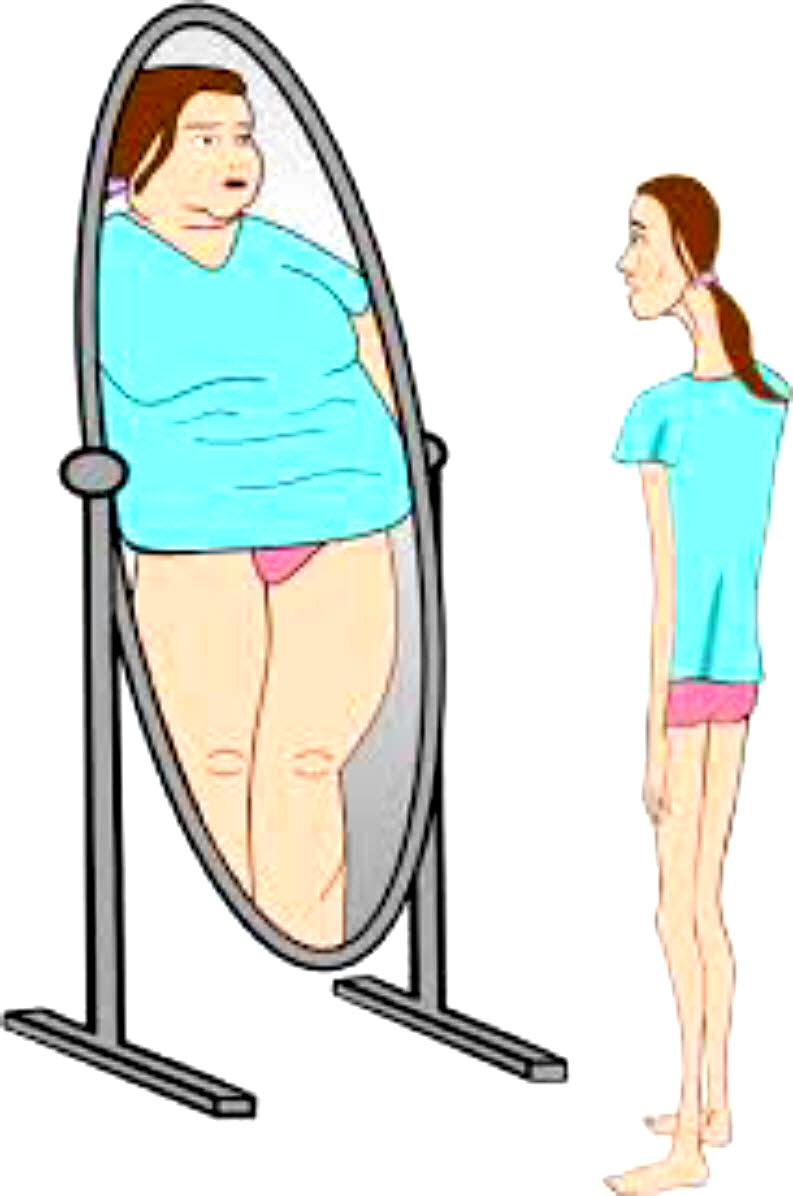
Eating Disorder
- Una Foye, Saakshi Kakar, Niamh McNamara, Agnieszka Musial, Tom Jewell, Jessica R. Griffiths, Carol Kan, Gerome Breen, Rachel Rowan Olive, T. Suratwala, Aman Sidhu, Lizzie Mitchell, George Mycock, Katie Graden, Saskia Evans Perks, Elia Chitwa, Holly Whitehead, Ulrike Schmidt, Rina Dutta & Moritz Herle
Abstract
Background
Eating disorders (EDs) are associated with elevated all-cause mortality, with suicide cited as the second leading cause of death among individuals with EDs. Evidence suggests that individuals with anorexia nervosa are 18 times, and those with bulimia nervosa seven times more likely to die by suicide, relative to gender- and age-matched comparison groups. Limited research has focused on why people with EDs experience such high rates of suicidality. The study aims to gather perspectives from people with lived experience of an ED and clinicians working with EDs to understand suicidality among people with EDs.
Methods
Using a qualitative design, we conducted semi-structured interviews with people with lived experience of an ED (n?=?30), and clinicians who work with people with EDs (n?=?19). Participants with lived experience presented with a range of EDs. Clinicians worked across a range of service settings as well as adolescent and adult services. We used a multi-perspective reflexive thematic analysis to code the data and generate the themes.
Results
Key themes identified include ‘no way out’: the unique role of eating disorders in suicidality across illness and recovery, the outsider experience: feeling unseen, misunderstood, and burdensome, sparks of hope: protective Factors against suicidality, and ‘they only see weight’: how gaps in ED care reinforce isolation and risk. These findings underscore the complex and multifaceted reasons why people with EDs are at risk of suicide, acknowledging the unique risk factors associated with the illness itself as well as the various risk periods that affect those with EDs.
Conclusions
The results are novel and illuminate psychological processes that are not currently incorporated within existing theoretical models of suicide, indicating that prevailing frameworks may lack the specificity or sensitivity required to account for the distinctive experiences of individuals with EDs. Consequently, these findings provide preliminary evidence to inform the development of a more nuanced theoretical model of suicidality specific to this population. Moreover, they suggest potential targets for intervention and highlight the need to critically evaluate treatment approaches that prioritise rapid symptom remission, which may, at times, exceed individuals’ psychological capacity to cope.
Peer Review reports
Background
Eating disorders (EDs), such as anorexia nervosa (AN), bulimia nervosa (BN), binge eating disorder (BED), avoidant/restrictive food intake disorder (ARFID), and otherwise specified feeding and eating disorder (OSFED), are a major global health concern, with rising incidence rates internationally since the COVID-19 pandemic . While reported mortality rates have decreased over time , EDs remain associated with elevated all-cause mortality risk . Suicide is a leading cause of death among people with EDs, and suicidal behaviour and self-harm are elevated in this group relative to the general population . Studies have found that people with AN are 18 times more likely to die by suicide, and those with BN are seven times more likely to die by suicide, relative to gender and age-matched comparison groups . Figures show that up to a third of people with lived experience of EDs, across the range of diagnoses, have attempted suicide . Furthermore, studies have shown that people with EDs have significantly higher rates of both non-suicidal self-injury (NSSI) and suicidal ideation compared to healthy and psychiatric control groups .
Although previous literature has consistently demonstrated that individuals with EDs are at heightened risk of suicide, limited research explores the underlying reasons for the elevated rates of suicidal ideation and behaviour in this population. A meta-analysis found that having an ED alone does not fully explain the high suicide rates observed in this population . The findings indicate that disordered eating symptoms are weak predictors of suicide attempts and do not predict death by suicide.
Various explanations for the co-occurrence of suicidality and EDs have been suggested. Previous explanations explored this link using existing psychological theories of suicidality, such as the Interpersonal Theory of Suicide (IPTS) . The IPTS is one of the most influential theories in suicidality and proposes that individuals are at risk of suicide if they simultaneously experience three factors: thwarted belonging (e.g. the feeling of being alienated from others), perceived burdensomeness (e.g. the feeling of being a burden or liability to others and belief that others would benefit from one’s death) and Acquired Capability for Suicide (ACS) (e.g. lowered fearlessness about death and an elevated tolerance of physical pain resulting from habituation to painful and/or provocative events) . Reviews of research findings suggest this theoretical framework does not fully explain the complex nature of EDs increased risk of suicide . Reviews have identified a wide range of factors, including illness severity, co-occurring psychiatric illnesses (including borderline personality disorder and substance abuse), excessive exercise, and alexithymia, as possible risk factors explaining the ED-suicide link . These exemplify the complex challenges faced by suicide theories in accounting for the ED–suicide link .
Overall, the literature highlights that EDs are consistently associated with elevated rates of suicidality, including suicidal ideation, attempts, and completed suicide. However, the nature of this relationship remains poorly understood. While numerous studies have demonstrated a strong link between EDs and suicidality, it is unclear to what extent EDs directly contribute to increased suicide risk or whether this association is influenced by other psychological, biological, or social factors. Existing theoretical models of suicide do not fully account for the unique experiences and risk mechanisms specific to individuals with EDs. Therefore, further research is needed to elucidate the pathways through which EDs may elevate suicidality, which could inform the development of targeted interventions and refined theoretical frameworks.
Qualitative research can support such development by exploring novel themes that intertwine across theories and thus provide insights into the driving factors for suicidality in this group, as exemplified by qualitative work in the area of self-harm . To the authors’ knowledge, there are no studies to date that utilise a qualitative interview methodology to explore suicidality risk for people with EDs.
Aim
The purpose of this research was to develop a more detailed and nuanced understanding of the inter-relationship between EDs and increased risk of suicidality. We aimed to do this through exploring the experiences and perspectives of people living with an ED and healthcare participants who work with EDs. By including both perspectives, we aimed to provide a range of diverse perspectives on this issue to further inform treatment interventions.
#James Donaldson notes:Welcome to the “next chapter” of my life… being a voice and an advocate for #mentalhealthawarenessandsuicideprevention, especially pertaining to our younger generation of students and student-athletes.Getting men to speak up and reach out for help and assistance is one of my passions. Us men need to not suffer in silence or drown our sorrows in alcohol, hang out at bars and strip joints, or get involved with drug use.Having gone through a recent bout of #depression and #suicidalthoughts myself, I realize now, that I can make a huge difference in the lives of so many by sharing my story, and by sharing various resources I come across as I work in this space. #http://bit.ly/JamesMentalHealthArticleFind out more about the work I do on my 501c3 non-profit foundationwebsite www.yourgiftoflife.org Order your copy of James Donaldson's latest book,#CelebratingYourGiftofLife: From The Verge of Suicide to a Life of Purpose and Joy
Click Here For More Information About James Donaldson
Methods
Design
We used an exploratory qualitative approach and conducted semi-structured interviews with people with lived experience of EDs and suicidality, and healthcare professionals who have experience working with individuals with EDs.
Sample selection, eligibility, and recruitment
The study recruited two groups of participants: those with lived experience of an ED and suicidality (lived experience participants), and those who had experience working with people with EDs (healthcare participants). Inclusion and exclusion criteria are described in Table 1.Table 1 Eligibility criteria for participants
Full size table
The study was advertised via social media platforms (e.g. personal and institutional X accounts), the MQ Participate platform (a platform that connects researchers who are looking for participants for their research), and via a range of healthcare professional and charity networks, e.g. First Steps ED. Advertisement posters included information about the study, e.g. the study title and aim (‘we are recruiting for a new study entitled ‘Why are people with eating disorders at high risk of suicide?’ that we would like to invite you to take part in. This project will help us to better understand why people with eating disorders are at a high risk of suicide.’), inclusion criteria, and a link to a Microsoft Forms screening questionnaire in which participants were provided with additional information about study participation (e.g. ‘taking part in this study would involve having a 1–2-1 interview with a member of our research team about your experiences and views on this topic, which may involve asking some sensitive questions about suicide, self-harm, eating disorders’) followed by a list of questions to register their interest in participation, their contact details, and screening questions to confirm eligibility. Eligible participants were sent the relevant Participant Information Sheet (PIS), with separate versions for lived experience and healthcare participants. Participants were asked to read the PIS and consider if they wished to participate and were given time to ask any questions about the study. Interested participants were placed on a waiting list for an interview date. Due to high interest, quota sampling was used to ensure diversity of participants. Quota sampling is a method for selecting numbers of subjects to represent the conditions to be studied with the goal of inclusion of people who may be underrepresented by convenience or purposeful sampling techniques . For those with lived experience of an ED, we considered diversity in recruitment related to key demographics such as gender (to ensure the inclusion of male, non-binary and trans people), a range of ethnic and cultural backgrounds, those with neurodivergence, a range of ED diagnoses, and a range of treatment experiences (including those with no experience of treatment, community only and inpatient treatment experience). For healthcare professionals, we aimed to include a diverse range of participants from a range of disciplines, care settings, and years of experience working with ED. To ensure diversity, we used targeted recruitment (e.g. contacting organisations such as male ED charities to circulate recruitment materials via their networks) and kept an ongoing record of the key demographics and backgrounds of people we interviewed, reviewing this routinely to ensure we were accessing a range of experiences and views from a diverse group of participants. Ineligible participants and those who were not selected for interview due to high interest were sent an email thanking them for their interest.
Procedure
Semi-structured individual research interviews were conducted between December 2023 and April 2024. Drawing on existing literature, semi-structured interview topic guides were developed in collaboration with our Lived Experience Advisory Panel (LEAP). Guides consisted of key questions on topics related to EDs and suicidality, including asking about their experience of this, why they felt people with EDs were at high risk of suicide, and what protective factors against suicidality exist for people with EDs. Questions included asking about participants’ experience of having an ED and suicidality or working with people with EDs who experienced suicidality, exploring if participants’ view on the ED-suicide link (e.g. ‘thinking about your own experiences, do you think eating disorders are linked to high rates of suicidality, and why/why not?’, ‘why do you think people with EDs might experience suicidality?’), what factors may be associated with suicide risk for people with EDs, and what protective factors help people who have EDs and experience these risks/suicidality. These topic guides were used as a flexible tool to direct participants towards the key research questions.
Participants were invited to take part in an interview with the lead author (UF) at a time and date that was convenient to them, either remotely or within the university. Prior to the interview, participants were provided with a copy of the PIS and consent form that would be used on the day of the interview. Eligible participants were sent copies of the participant information sheet at least 24 h before the interview. Due to the sensitive nature of the interview, the lived experience participants were asked to provide contact details for a family member or friend that the research team could contact if they had concerns for the participant’s safety during the interview.
Interviews were scheduled for 1 h with an additional 15 min before and after to obtain informed consent and answer any questions. Participation was voluntary and participants were free to withdraw at any time. Informed consent was obtained from all participants prior to the interview, either in written form or verbally recorded. Interviews were audio-recorded and saved to an encrypted server. To thank participants for their time and sharing their experiences, we offered a £25 voucher following the interview. Audio recordings were transcribed verbatim by an external company, and the research team checked the transcripts for accuracy and pseudonymised data. All transcripts were allocated a unique ID number and imported to NVivo for analysis.
Philosophical positioning and analytic approach
This study employed reflexive thematic analysis (RTA) , underpinned by a critical realist perspective. This position recognises that participants’ experiences are real and meaningful, while also shaped by wider social, cultural, and relational contexts . The analysis aimed to explore not only what participants reported, but how they made sense of their experiences.
Interpretation was informed by existing literature on EDs, suicidality, and mental health, which helped contextualise findings and highlight meaningful patterns. Themes were viewed as constructed through the analytic process, shaped by the studies’ questions, and researchers’ values and interpretive lens.
Data analysis
Interviews were recorded, transcribed, and anonymised prior to coding. We undertook a multi-perspective RTA following the phases and definitions outlined by Braun and Clarke . The aim of this data analysis was to develop an understanding of participants’ experiences and beliefs around if and why suicide risk is high among people with EDs, and the risk and protective factors associated with suicide among people with EDs. The analysis used an inductive approach to the data coding in which themes were selected based on the data collected rather than to fit pre-existing codes. This method enabled deep exploration of the data due to its flexibility, which allowed themes to highlight the similarities and differences between differing participant groups involved in the research. Guided by the overarching study aim, members of the research team (authors UF, SK, AM, and MH) read and re-read the interview transcripts to identify preliminary codes. All transcripts were double coded to help check interpretations against the data. Codes were defined as a single idea identifying what is of interest in the data. A line-by-line coding approach was used to ensure that data across the entire interview was coded to avoid missing out on key points. During coding, lived experience data and healthcare professionals’ data were coded as separate datasets. Following initial coding, each data set was reviewed and related codes were sorted, grouped, and labelled as preliminary themes, which are central concepts that capture and summarise the core point of a meaningful pattern in the data. The two data sets’ codes and developing themes were compared to view if the themes overlapped and diverged. With a single dataset combining the two participant group analyses, themes were reviewed, discussed, and revised within the wider research team to ensure they were capturing themes relevant across the data, that captured both perspectives meaningfully as well as acknowledging where there were diverging views. To improve validity, transparency, and quality, we repeatedly reviewed the themes within the wider study group until a consensus was reached that a theoretically sufficient account had been created, and no new concepts were being generated. Data extracts illustrate each theme and key analytic points.
Ethics
Ethical approval was granted by the King’s College London Health Faculties (Blue) Research Ethics Subcommittee (reference number HR/DP-22/23–38,891).
Patient and public involvement
The study methodology, design, and data collection, including the development of the topic guide, were developed by the team in collaboration with a researcher with lived experience of an ED and suicidality. All interviews were conducted and analysed by a member of the research team with lived experience of an ED. In addition, we recruited and facilitated a ten-member LEAP. This group was made up of individuals with experience of a range of EDs and suicidality. Members were of diverse ethnic backgrounds and included eight women, one man, and one non-binary person. The panel was chaired by the lead author (UF), and they provided guidance and support for the research team across the whole research study, including during the development of the interview schedule, practice interviews prior to data collection, and supported the analysis and interpretation of the data, as well as the writing of the final paper. The LEAP met at least twice a year for 2 h, with more frequent meetings during the study’s data collection period and during interpretation and writing up of the findings. Due to the personal and sensitive nature of the study, additional one-to-one meetings were offered by the lead author with LEAP panel members to provide a safe space to discuss the study or issue that the panel brought up around this topic. Participants in the LEAP were reimbursed for their time and contributions.
Reflexivity and positionality
As researchers conducting this qualitative study, we acknowledge that our individual backgrounds, experiences, and perspectives inevitably influenced the research process and outcomes . In qualitative analysis, the researcher’s subjective sociocultural, political, and ideological positionings are understood to shape the production of meaning in unique ways . Reflexivity involves a critical examination of how such positionality influences the research process, thereby enhancing both rigour and transparency . https://standingabovethecrowd.com/?p=15456


No comments:
Post a Comment