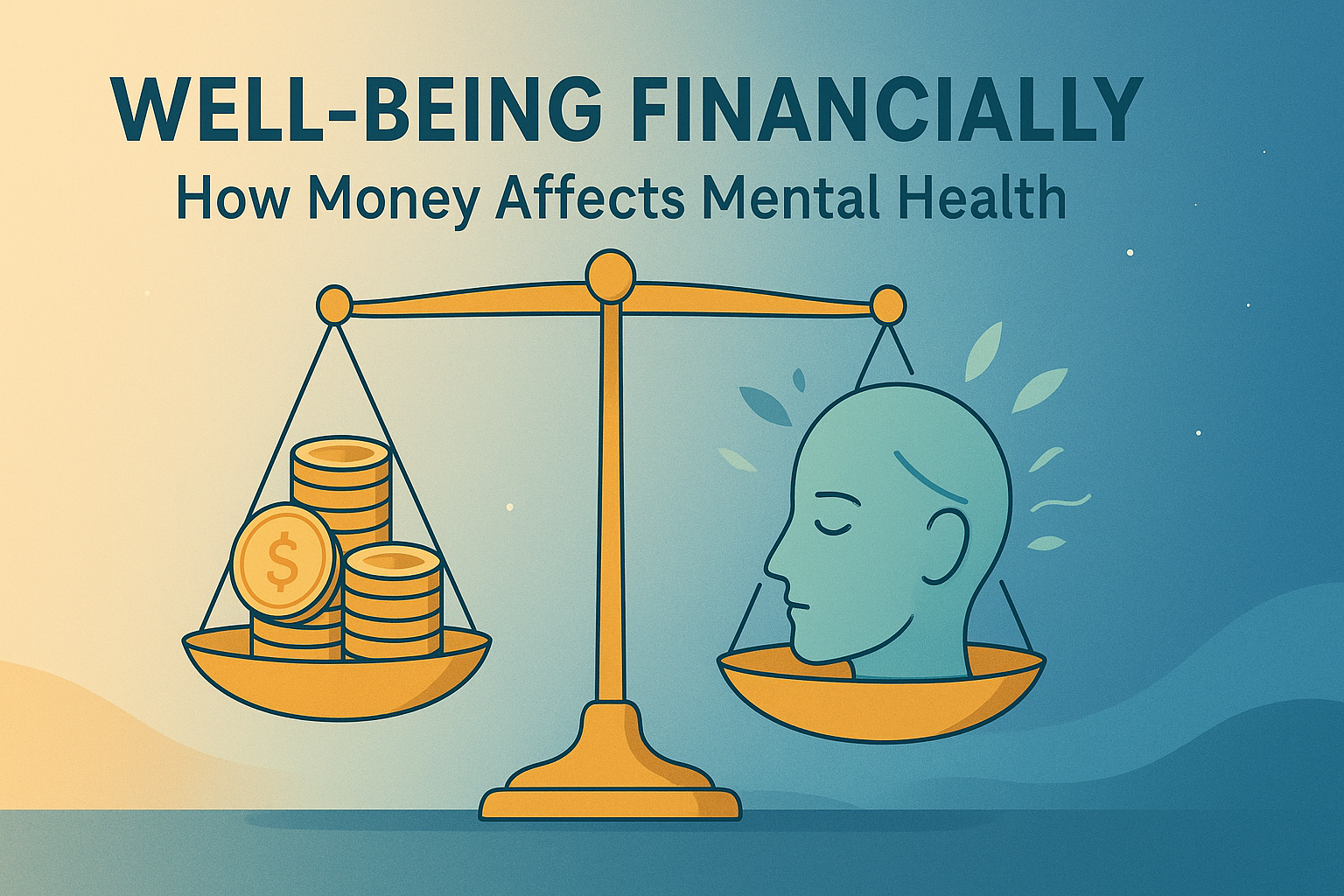
In today's fast-paced world, the connection between financial stability and mental health is more evident than ever. The pressure to maintain financial security can be overwhelming, impacting our mental well-being in profound ways. In this blog post, we will explore how money influences our mental health and provide strategies for achieving a balance that fosters both financial and emotional well-being.
Table of Contents
1. Introduction to Financial Well-Being and Mental Health
2. The Psychological Impact of Financial Stress
3. Money and Mental Health: A Two-Way Street
4. Strategies for Financial and Mental Wellness
5. The Role of Financial Education
6. Conclusion
7. FAQs
Introduction to Financial Well-Being and Mental Health
Financial well-being is not just about having enough money to pay the bills; it's about managing money effectively, planning for the future, and feeling secure in one's financial situation. Mental health, on the other hand, encompasses our emotional, psychological, and social well-being. When these two areas intersect, the impact can be significant. For many, financial concerns are a primary source of stress, affecting everything from mood and sleep patterns to personal relationships.
The Psychological Impact of Financial Stress
Financial stress is a common experience for many, and it can manifest in several ways. Anxiety about paying off debts, fear of losing a job, or the pressure to maintain a certain lifestyle can lead to chronic stress, which negatively impacts mental health. People experiencing financial stress may face symptoms such as anxiety, depression, and even physical health issues like headaches or high blood pressure.
#James Donaldson notes:
Welcome to the “next chapter” of my life… being a voice and an advocate for #mentalhealthawarenessandsuicideprevention, especially pertaining to our younger generation of students and student-athletes.
Getting men to speak up and reach out for help and assistance is one of my passions. Us men need to not suffer in silence or drown our sorrows in alcohol, hang out at bars and strip joints, or get involved with drug use.
Having gone through a recent bout of #depression and #suicidalthoughts myself, I realize now, that I can make a huge difference in the lives of so many by sharing my story, and by sharing various resources I come across as I work in this space. #http://bit.ly/JamesMentalHealthArticle
Find out more about the work I do on my 501c3 non-profit foundation
website www.yourgiftoflife.org Order your copy of James Donaldson's latest book,
#CelebratingYourGiftofLife: From The Verge of Suicide to a Life of Purpose and Joy
Click Here For More Information About James Donaldson

Click here to follow James Donaldson's Blog


Moreover, financial stress can lead to a vicious cycle. The more stressed we are about money, the harder it becomes to make sound financial decisions, potentially leading to increased debt and further stress.
Money and Mental Health: A Two-Way Street
It's essential to understand that the relationship between money and mental health is bidirectional. Just as financial stress can lead to mental health issues, existing mental health conditions can also impact financial stability. For instance, individuals dealing with depression may find it challenging to maintain steady employment or manage their finances effectively, exacerbating financial difficulties.
This two-way street means that addressing one aspect can positively impact the other. Improving financial health can reduce stress and anxiety, while enhancing mental health can lead to better financial management and decision-making.
Strategies for Financial and Mental Wellness
Achieving a balance between financial well-being and mental health requires a multifaceted approach. Here are some strategies that can help:
1. Budgeting and Financial Planning
A well-thought-out budget can alleviate financial stress by providing a clear picture of your financial situation. By planning your expenses and savings, you can reduce uncertainties and feel more in control of your finances.
2. Seeking Professional Help
Don't hesitate to seek help from financial advisors or mental health professionals. A financial advisor can help you create a personalized plan, while a therapist can provide support and coping strategies for managing stress and anxiety.
3. Mindfulness and Stress-Reduction Techniques
Incorporating mindfulness practices such as meditation or yoga can help manage stress and improve overall mental health. These techniques can provide clarity and calm, making it easier to handle financial challenges.
4. Building a Support Network
Having a strong support network can make a significant difference. Friends and family can provide emotional support, while community groups or online forums can offer practical advice and encouragement.
The Role of Financial Education
Financial education plays a crucial role in promoting both financial and mental well-being. Understanding basic financial concepts, such as budgeting, saving, and investing, can empower individuals to make informed decisions. Financial literacy programs can provide the tools needed to manage money more effectively, reducing stress and enhancing mental health.
Conclusion
The intricate link between financial well-being and mental health cannot be overstated. By recognizing and addressing the impact of financial stress on mental health, individuals can take proactive steps towards achieving a balanced and fulfilling life. Through financial planning, seeking support, and enhancing financial literacy, it is possible to foster a harmonious relationship between money and mental wellness.
FAQs
Q: Can improving my financial situation improve my mental health?
A: Absolutely! Reducing financial stress can lead to improved mental health by alleviating anxiety and providing a sense of security.
Q: How can I manage financial stress?
A: Start by creating a realistic budget, seek professional advice, and practice stress-reduction techniques like mindfulness.
Q: Is financial education important for mental health?
A: Yes, financial education empowers individuals to make informed decisions, reducing stress and promoting mental well-being.
https://standingabovethecrowd.com/well-being-financially-how-money-affects-mental-health/


No comments:
Post a Comment