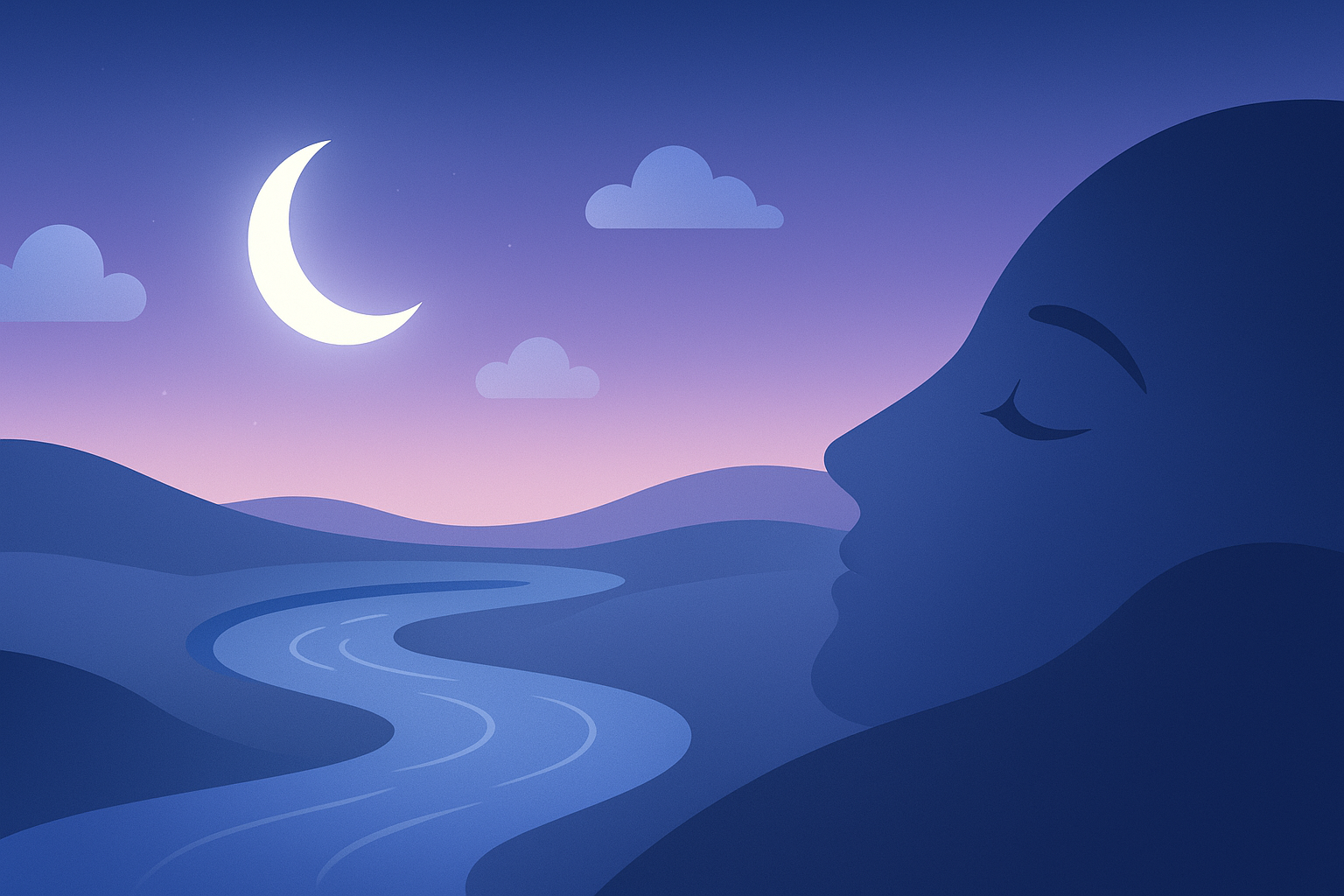
When was the last time you woke up feeling entirely refreshed, ready to tackle the day ahead? If you're like many people, those mornings might be few and far between. In our fast-paced world, sleep often takes a backseat to our daily responsibilities. But, did you know that prioritizing your sleep could be a game-changer for your mental health? In this blog post, we'll explore the intricate relationship between sleep and mental well-being, shedding light on why catching those Zzz's is more crucial than you might think.
Understanding the Basics: What Happens When We Sleep?
Before diving into the connection between sleep and mental health, let's quickly explore what happens when we sleep. During sleep, our bodies go through several stages, including REM (Rapid Eye Movement) and non-REM sleep. These stages are crucial for various bodily functions, such as memory consolidation, emotional regulation, and physical repair.
Think of sleep as your body's overnight maintenance crew. While you're blissfully unaware, your brain is busy processing the day's information, forming memories, and clearing out toxins. Without adequate sleep, these processes are disrupted, leading to a host of mental and physical issues.
The Impact of Sleep Deprivation on Mental Health
It’s no secret that a lack of sleep leaves us feeling groggy and irritable. But the effects of sleep deprivation go beyond temporary moodiness. Here are some ways that insufficient sleep can impact your mental health:
Anxiety and Sleep: A Vicious Cycle
Ever noticed how a sleepless night can make your mind race with anxious thoughts? There's a reason for that. Sleep deprivation can heighten feelings of anxiety, leading to a vicious cycle where anxiety keeps you awake, and lack of sleep fuels further anxiety. Over time, this cycle can contribute to chronic anxiety disorders.
#James Donaldson notes:
Welcome to the “next chapter” of my life… being a voice and an advocate for #mentalhealthawarenessandsuicideprevention, especially pertaining to our younger generation of students and student-athletes.
Getting men to speak up and reach out for help and assistance is one of my passions. Us men need to not suffer in silence or drown our sorrows in alcohol, hang out at bars and strip joints, or get involved with drug use.
Having gone through a recent bout of #depression and #suicidalthoughts myself, I realize now, that I can make a huge difference in the lives of so many by sharing my story, and by sharing various resources I come across as I work in this space. #http://bit.ly/JamesMentalHealthArticle
Find out more about the work I do on my 501c3 non-profit foundation
website www.yourgiftoflife.org Order your copy of James Donaldson's latest book,
#CelebratingYourGiftofLife: From The Verge of Suicide to a Life of Purpose and Joy
Click Here For More Information About James Donaldson
Click here to follow James Donaldson's Blog
Depression: The Sleep Connection
Research has shown a strong link between sleep disturbances and depression. People who suffer from insomnia are more likely to experience depression, and those with depression often struggle with sleep issues. It's a chicken-and-egg situation: does lack of sleep cause depression, or does depression lead to poor sleep? The answer is both. Improving sleep quality can significantly alleviate depressive symptoms, offering a glimmer of hope for those caught in its grip.
Cognitive Decline and Poor Mental Performance
Sleep is essential for cognitive functions such as attention, concentration, and problem-solving. Without enough rest, these abilities can take a nosedive, affecting everything from work performance to personal relationships. Imagine trying to solve a complex problem with a foggy brain—it's frustrating, right? ? Consistent sleep deprivation can also increase the risk of developing neurodegenerative diseases like Alzheimer's.
How to Improve Sleep for Better Mental Health
Now that we understand the profound impact of sleep on mental health, let's explore some practical tips to enhance sleep quality:
Create a Sleep-Friendly Environment
Your bedroom should be a sanctuary for rest. Ensure your sleeping space is cool, dark, and quiet. Investing in a comfortable mattress and pillows can make a world of difference. Consider using blackout curtains or a white noise machine to eliminate disturbances.
Establish a Consistent Sleep Schedule
Our bodies thrive on routine. Going to bed and waking up at the same time every day helps regulate your body's internal clock, making it easier to fall asleep and wake up feeling refreshed. Try to stick to this schedule even on weekends to maintain a consistent sleep-wake cycle.
Limit Exposure to Screens Before Bed
The blue light emitted by phones, tablets, and computers can interfere with the production of melatonin, the hormone responsible for regulating sleep. To promote better sleep, limit screen time at least an hour before bed. Instead, consider winding down with a book or calming music.
Practice Relaxation Techniques
Incorporating relaxation techniques into your bedtime routine can signal to your body that it's time to unwind. Consider trying deep breathing exercises, meditation, or gentle yoga stretches. These practices can help reduce stress and prepare your mind for restful sleep.
Conclusion: Prioritize Sleep for a Healthier Mind
As we've discovered, the connection between sleep and mental health is undeniable. Sleep is not just a passive state of rest; it's a fundamental pillar of mental well-being. By prioritizing quality sleep, you can enhance your mood, sharpen your cognitive abilities, and reduce the risk of mental health disorders.
So, the next time you're tempted to burn the midnight oil, remember that a good night's sleep could be the best investment in your mental health. Sweet dreams!
To order a signed copy of James Donaldson's Celebrating Your Gift of Life book Click Here!!! https://standingabovethecrowd.com/?p=16673


No comments:
Post a Comment