Sunday, April 3, 2022

#JamesDonaldson On #MentalHealth - Reimagining #MentalHealth In #Schools
By Ginger Robertson

During P.E. in my sophomore year of #highschool, the coach had the class stand up in a circle. “Take everything off your wrists,” she commanded. A few #teens had bandanas and wide bracelets on; they took them off. “Now, lift your hands to the ceiling, wrists facing me,” she said sternly with furrowed eyebrows.

Our coach was a short, assertive #woman who we didn’t want to mess with. She examined each student’s wrists, frowning and shaking her head as she paused in front of some #students longer than others. At the completion of the circle, she told us to sit down. She proceeded to talk to other #teachers and coaches in the corner of the gym, their faces contorting in apparent disdain and disgust.

No one ever told the class what the purpose of this exercise had been. Those with secrets under the cloth coverings — those of us who were struggling with self-harm — knew. We were hiding the secret cries for help marked on our wrists. After the exercise, no #adults followed up with the #students who appeared to have injuries. In retrospect, this exercise seems to have been nothing more than forced exposure for the sake of gossip. I know there was no action to help the hurting #teens because I was one of them.

A year or two later, this coach became the principal of my #school. When I needed #mentalhealthtreatment, I spoke to this principal and poured my heart out, despite my past experience with her. She wrote everything down and nodded a lot. She gave no advice. Venting helped me feel a little better, but she offered me no solutions or support.

She wasn’t qualified to give me the help I needed and should not have been the person I was sent to. I needed a trained #mentalhealthprovider.

We Still Have A Long Way To Go

Things have changed exponentially for #students since I was in high #school. My experience was before the year 2000, before #socialmedia and long before the #COVID-19 #pandemic. A study published in February of 2019 found that in 2016, half of #youth with a treatable #mentalillness did not receive treatment in the past year.

From the start of the #pandemic, #mentalhealth related emergency department visits by #youth aged 12 to 17 jumped 31%. With more than $190 million in #pandemic relief funds going to #schools, some funds should be going to addressing #mentalhealth issues. And some states, including Ohio, Georgia, Maryland and Arizona, are leading the way by using some of these funds to improve #mentalhealthcare in their #schools.

#JamesDonaldson notes:

Welcome to the “next chapter” of my life… being a voice and an advocate for #mentalhealthawarenessandsuicideprevention, especially pertaining to our younger generation of students and student-athletes.

Getting men to speak up and reach out for help and assistance is one of my passions. Us men need to not suffer in silence or drown our sorrows in alcohol, hang out at bars and strip joints, or get involved with drug use.

Having gone through a recent bout of #depression and #suicidalthoughts myself, I realize now, that I can make a huge difference in the lives of so many by sharing my story, and by sharing various resources I come across as I work in this space.  #http://bit.ly/JamesMentalHealthArticle

Order your copy of James Donaldson's latest book,

Celebrating Your Gift of Life:

From The Verge of Suicide to a Life of Purpose and Joy


Investing In #MentalHealthProfessionals

While many of us remember having “#school #counselors,” as most #schools have one on staff, these professionals are not necessarily employed to deal with #mentalhealthissues. Most often, #school #counselors help with academic success and career planning. #Students also need #school #psychologists, who have specific #mentalhealth training, for when they are struggling with their #mentalhealth.

This could be in the form of individual education planning (IEP) for disabled #students to ensure they have the support they need or individual and group counseling. There is a critical shortage of #school #psychologists with an average of one for every 1,211 #students in the U.S. The average public #school has 526 #students (that translates to one #psychologist essentially being responsible for the care of 2.3 #schools). Some states have a ratio of one #psychologist to 5,000 #students.

As IEPs are legally required, it would be easy to understand if #school #psychologists only had time for these, and no time for counseling or staff collaboration, especially given these ratios. Some of the #pandemic relief funds, among other #school funds, could be used to hire more #school #psychologists to improve these gaps in care and prevention for #students.

Knowing The Warning Signs

Given the amount of time that they spend with their #students, #school staff members have the opportunity and responsibility to recognize and act on warning signs of #mentalhealthcrises in #students. Staff should be provided with and participate in trainings to learn the warning signs of a crisis and how to respond effectively. Better yet, staff should be educated on early warning signs before a crisis occurs.

Perhaps most importantly, #school staff must challenge themselves to combat internalized #stigma surrounding #mentalhealth. If an education professional (and likely, a trusted #adult) approaches a #mentalhealth situation with judgment, #students may feel invalidated and replicate this #stigma in their own lives. In contrast, if a #teacher approaches #mentalhealthtopics with compassion and empathy, they create a healthier culture in which #students will ask for the help they need.

Additionally, #students should be given access to #mentalhealthcrisis hotlines and #mentalhealthservices within the #school and the wider community.

Improving Existing Approaches

The #CDC defines Social Emotional Learning (SEL) as developing the skills to recognize and manage emotions, learning to set and achieve a positive goal, learning to appreciate the perspectives of others, establishing and maintaining positive relationships, and making responsible decisions.

This approach — which prioritizes self-awareness, self-management, relationship skills, social awareness and responsible decision making — is integrated into many #school systems. Estimates suggest that #schools and #school systems spend about $640 million on SEL-related initiatives each year. However, while SEL can promote #mentalwellness, it is not a substitute for #mentalhealthtreatment.

While there are noted benefits of SEL, the need for #school #psychologists is arguably greater. Some SEL funds could be allocated to the foundation of #mentalwellness: #mentalhealthcare and treatment. We need a ratio of more #psychologists to less #students. These trained #psychologists should then act to educate both staff and the #student body to recognize and treat #mentalillness in the #school.

Changing The Future

My #highschool experience should have been different. I recognize that the coach and her colleagues may not have known how to appropriately handle the situation. That’s why this conversation is important. #School staff members need to educate themselves on these matters for the safety and well-being of the entire community of their #schools.

I encourage #parents to talk to staff and school board members, share concerns and ask questions. Everyone in the community has a vested interest in the care of #students by way of their tax dollars and the shaping of their community. Even if you are not a #teacher or #parent, you have a right to learn, care and speak out about the students’ mental well-being in your community.

Ginger Robertson is a registered #nurse and #mentalhealth blogger. She hopes her work can end the #stigma surrounding #mentalillness and seeking #mentalhealthcare.
https://standingabovethecrowd.com/?p=9080
#JamesDonaldson On #MentalHealth - Reimagining #MentalHealth In #Schools
By Ginger Robertson

During P.E. in my sophomore year of #highschool, the coach had the class stand up in a circle. “Take everything off your wrists,” she commanded. A few #teens had bandanas and wide bracelets on; they took them off. “Now, lift your hands to the ceiling, wrists facing me,” she said sternly with furrowed eyebrows.

Our coach was a short, assertive #woman who we didn’t want to mess with. She examined each student’s wrists, frowning and shaking her head as she paused in front of some #students longer than others. At the completion of the circle, she told us to sit down. She proceeded to talk to other #teachers and coaches in the corner of the gym, their faces contorting in apparent disdain and disgust.

No one ever told the class what the purpose of this exercise had been. Those with secrets under the cloth coverings — those of us who were struggling with self-harm — knew. We were hiding the secret cries for help marked on our wrists. After the exercise, no #adults followed up with the #students who appeared to have injuries. In retrospect, this exercise seems to have been nothing more than forced exposure for the sake of gossip. I know there was no action to help the hurting #teens because I was one of them.

A year or two later, this coach became the principal of my #school. When I needed #mentalhealthtreatment, I spoke to this principal and poured my heart out, despite my past experience with her. She wrote everything down and nodded a lot. She gave no advice. Venting helped me feel a little better, but she offered me no solutions or support.

She wasn’t qualified to give me the help I needed and should not have been the person I was sent to. I needed a trained #mentalhealthprovider.

We Still Have A Long Way To Go

Things have changed exponentially for #students since I was in high #school. My experience was before the year 2000, before #socialmedia and long before the #COVID-19 #pandemic. A study published in February of 2019 found that in 2016, half of #youth with a treatable #mentalillness did not receive treatment in the past year.

From the start of the #pandemic, #mentalhealth related emergency department visits by #youth aged 12 to 17 jumped 31%. With more than $190 million in #pandemic relief funds going to #schools, some funds should be going to addressing #mentalhealth issues. And some states, including Ohio, Georgia, Maryland and Arizona, are leading the way by using some of these funds to improve #mentalhealthcare in their #schools.

#JamesDonaldson notes:

Welcome to the “next chapter” of my life… being a voice and an advocate for #mentalhealthawarenessandsuicideprevention, especially pertaining to our younger generation of students and student-athletes.

Getting men to speak up and reach out for help and assistance is one of my passions. Us men need to not suffer in silence or drown our sorrows in alcohol, hang out at bars and strip joints, or get involved with drug use.

Having gone through a recent bout of #depression and #suicidalthoughts myself, I realize now, that I can make a huge difference in the lives of so many by sharing my story, and by sharing various resources I come across as I work in this space.  #http://bit.ly/JamesMentalHealthArticle

Order your copy of James Donaldson's latest book,

Celebrating Your Gift of Life:

From The Verge of Suicide to a Life of Purpose and Joy


Investing In #MentalHealthProfessionals

While many of us remember having “#school #counselors,” as most #schools have one on staff, these professionals are not necessarily employed to deal with #mentalhealthissues. Most often, #school #counselors help with academic success and career planning. #Students also need #school #psychologists, who have specific #mentalhealth training, for when they are struggling with their #mentalhealth.

This could be in the form of individual education planning (IEP) for disabled #students to ensure they have the support they need or individual and group counseling. There is a critical shortage of #school #psychologists with an average of one for every 1,211 #students in the U.S. The average public #school has 526 #students (that translates to one #psychologist essentially being responsible for the care of 2.3 #schools). Some states have a ratio of one #psychologist to 5,000 #students.

As IEPs are legally required, it would be easy to understand if #school #psychologists only had time for these, and no time for counseling or staff collaboration, especially given these ratios. Some of the #pandemic relief funds, among other #school funds, could be used to hire more #school #psychologists to improve these gaps in care and prevention for #students.

Knowing The Warning Signs

Given the amount of time that they spend with their #students, #school staff members have the opportunity and responsibility to recognize and act on warning signs of #mentalhealthcrises in #students. Staff should be provided with and participate in trainings to learn the warning signs of a crisis and how to respond effectively. Better yet, staff should be educated on early warning signs before a crisis occurs.

Perhaps most importantly, #school staff must challenge themselves to combat internalized #stigma surrounding #mentalhealth. If an education professional (and likely, a trusted #adult) approaches a #mentalhealth situation with judgment, #students may feel invalidated and replicate this #stigma in their own lives. In contrast, if a #teacher approaches #mentalhealthtopics with compassion and empathy, they create a healthier culture in which #students will ask for the help they need.

Additionally, #students should be given access to #mentalhealthcrisis hotlines and #mentalhealthservices within the #school and the wider community.

Improving Existing Approaches

The #CDC defines Social Emotional Learning (SEL) as developing the skills to recognize and manage emotions, learning to set and achieve a positive goal, learning to appreciate the perspectives of others, establishing and maintaining positive relationships, and making responsible decisions.

This approach — which prioritizes self-awareness, self-management, relationship skills, social awareness and responsible decision making — is integrated into many #school systems. Estimates suggest that #schools and #school systems spend about $640 million on SEL-related initiatives each year. However, while SEL can promote #mentalwellness, it is not a substitute for #mentalhealthtreatment.

While there are noted benefits of SEL, the need for #school #psychologists is arguably greater. Some SEL funds could be allocated to the foundation of #mentalwellness: #mentalhealthcare and treatment. We need a ratio of more #psychologists to less #students. These trained #psychologists should then act to educate both staff and the #student body to recognize and treat #mentalillness in the #school.

Changing The Future

My #highschool experience should have been different. I recognize that the coach and her colleagues may not have known how to appropriately handle the situation. That’s why this conversation is important. #School staff members need to educate themselves on these matters for the safety and well-being of the entire community of their #schools.

I encourage #parents to talk to staff and school board members, share concerns and ask questions. Everyone in the community has a vested interest in the care of #students by way of their tax dollars and the shaping of their community. Even if you are not a #teacher or #parent, you have a right to learn, care and speak out about the students’ mental well-being in your community.

Ginger Robertson is a registered #nurse and #mentalhealth blogger. She hopes her work can end the #stigma surrounding #mentalillness and seeking #mentalhealthcare.
https://standingabovethecrowd.com/?p=9080

Saturday, April 2, 2022

#JamesDonaldson On #MentalHealth - Every #FirstResponder Deserves Solace
By Dawn Institute

As a 23-year #veteran of a law enforcement agency, I have spent significant time reflecting on the #mentalhealth impact of serving as a #firstresponder. In my two decades of experience, I have gained an intimate understanding of the #mentalhealthchallenges that can arise from a high-#stress (and even traumatic) job. I’ve seen how, if untreated, symptoms can worsen and lead to long-term illness.

I began my career as a patrol deputy, where I responded to routine calls, as well as emergency calls for service. Later, as a field training officer, I worked with new recruits hoping to become law enforcement professionals. I was then selected to become a detective, where I investigated a variety of general crimes, including property crimes and crimes against people. I then moved on to different detective assignments throughout the office, including intelligence, special victim’s unit and specialized investigations.

While incredibly rewarding at times, this career path took its toll on my physical and emotional well-being.

Battling Symptoms And #Stigma

Nightmares, #insomnia, indigestion and worrisome thoughts plagued my daily life; my family bore the burden of mood swings, bouts of frustration and sadness. I found myself in an unfamiliar, mentally debilitating place. I couldn’t understand what was causing my symptoms — but I knew something was terribly wrong — and I was afraid to pursue answers.

I considered reaching out for help, but fear and deeply internalized #stigma stood in my way. In my work environment, my colleagues would view my symptoms as a sign of weakness. Further, my daily workload demanded my full commitment. The constant duties and on-call status never allowed the time for self-care, let alone seeking possible treatment. I felt overwhelmed and guilty; furthermore, my guilt was wrapped around my inability to keep going.

The field I dedicated 23 years of my life to did not provide me support or encouragement to seek help. Thankfully, someone else did.

Changing My Perspective And Making Progress

I was speaking with my #daughter one day on an unrelated subject, and she commented that, “everyone needs a #therapist.” For the next few days, I contemplated what she said, and, ultimately, I decided to speak with a #therapist. Although my insurance through my employer covers #mentalhealthcare, I decided to pay out of my own pocket. I was afraid any insurance claims may raise red flags about my #mentalhealth and fitness for duty.

I began working with a #therapist and discovered I could speak freely and put my feelings on the table. I opened up about particular job-related difficulties I faced, like mood swings and recurring nightmares. I was diagnosed with severe #anxiety as well as #PTSD, and my #therapist and I determined that these conditions were a direct result of my current profession.

While working with my #therapist, I eventually got to a place where I understood why I had certain feelings that I previously couldn’t explain. For example, I learned that my work-issued phone brought me #anxiety whenever it would ring, especially when I was “on call.” This was due to the uncertainty of what type of call I would be responding to as a detective with the special victim’s unit.

With more work and reflection, I came to understand #anxiety, #depression and #posttraumaticstress (#PTSD) were slowly impeding my ability to give myself care and love.

#JamesDonaldson notes:

Welcome to the “next chapter” of my life… being a voice and an advocate for #mentalhealthawarenessandsuicideprevention, especially pertaining to our younger generation of students and student-athletes.

Getting men to speak up and reach out for help and assistance is one of my passions. Us men need to not suffer in silence or drown our sorrows in alcohol, hang out at bars and strip joints, or get involved with drug use.

Having gone through a recent bout of #depression and #suicidalthoughts myself, I realize now, that I can make a huge difference in the lives of so many by sharing my story, and by sharing various resources I come across as I work in this space.  #http://bit.ly/JamesMentalHealthArticle

Order your copy of James Donaldson's latest book,

Celebrating Your Gift of Life:

From The Verge of Suicide to a Life of Purpose and Joy

A Broader Issue

I am not alone in my struggle to cope with the stresses of my job. As the data and my personal experience suggest, many #firstresponders are dealing with the consequences of witnessing and experiencing trauma on a regular basis.

The #CentersforDiseaseControl (#CDC) and Substance Abuse and Mental Health Service Administration (SAMHSA) have found that #depression, #posttraumaticstress, substance abuse and #suicidalideation are prevalent among #firstresponders; more than 30% of #firstresponders develop #PTSD.

Only once I sought treatment did I learn that SAMHSA and the #CDC provide research and data to help first responders acquire knowledge and awareness of #mentalhealth symptoms and treatment options. My hope is that other #firstresponders will find and use these resources.

Moving Forward And Healing

Currently, I am still trying to work through my symptoms — and I wonder if I will ever have a good night’s sleep. I wonder if my spouse will ever have a night where she does not have to wake me from nightmares. I wonder if my daughter will ever stop worrying about me.

I am new to the world of therapy, but it has given me a place of hope. I never thought it was possible to talk about my symptoms, but I am thankful that there is someone who wants to listen and assist me in my need for answers.

The most important knowledge I hope to pass on is that every human being can benefit from talking to a #therapist. I have found therapy to be imperative and a lifetime process. With hindsight, I would give anything to rewind — to start over and learn about how my career could debilitate my #mentalhealth and how therapy could change the trajectory. This greater understanding certainly would have improved my #mentalhealth and helped me on the job.

While the saying, better late than never, describes my current journey, many #firstresponders can’t wait to find answers.

It is my hope that my fellow #firstresponders will find encouragement from my story to reach out for help — to secure a good #therapist and begin exploring the feelings that may have intruded on their lives and careers. #Mentalhealth is directly related to physical health; the two are intertwined and a truly healthy individual needs to address both.

The author of this blog, who wishes to remain anonymous, wrote this piece for the Dawn Institute. It has been edited and republished with permission. Dawn Institute, an Arizona-based organization, strives to support the prevention and healing of trauma through innovative #mentalhealthservices that treat the whole person, equip parents and nurture resilient families. For more information, visit https://dawninstituteaz.com/.

If you are a health care or public safety professional seeking support for your #mentalwellness, visit nami.org/frontlinewellness for resources and to learn more.

Photo by Daria Sannikova on Pexels.com
https://standingabovethecrowd.com/2022/04/jamesdonaldson-on-mentalhealth-every-firstresponder-deserves-solace/
#JamesDonaldson On #MentalHealth - Every #FirstResponder Deserves Solace
By Dawn Institute

As a 23-year #veteran of a law enforcement agency, I have spent significant time reflecting on the #mentalhealth impact of serving as a #firstresponder. In my two decades of experience, I have gained an intimate understanding of the #mentalhealthchallenges that can arise from a high-#stress (and even traumatic) job. I’ve seen how, if untreated, symptoms can worsen and lead to long-term illness.

I began my career as a patrol deputy, where I responded to routine calls, as well as emergency calls for service. Later, as a field training officer, I worked with new recruits hoping to become law enforcement professionals. I was then selected to become a detective, where I investigated a variety of general crimes, including property crimes and crimes against people. I then moved on to different detective assignments throughout the office, including intelligence, special victim’s unit and specialized investigations.

While incredibly rewarding at times, this career path took its toll on my physical and emotional well-being.

Battling Symptoms And #Stigma

Nightmares, #insomnia, indigestion and worrisome thoughts plagued my daily life; my family bore the burden of mood swings, bouts of frustration and sadness. I found myself in an unfamiliar, mentally debilitating place. I couldn’t understand what was causing my symptoms — but I knew something was terribly wrong — and I was afraid to pursue answers.

I considered reaching out for help, but fear and deeply internalized #stigma stood in my way. In my work environment, my colleagues would view my symptoms as a sign of weakness. Further, my daily workload demanded my full commitment. The constant duties and on-call status never allowed the time for self-care, let alone seeking possible treatment. I felt overwhelmed and guilty; furthermore, my guilt was wrapped around my inability to keep going.

The field I dedicated 23 years of my life to did not provide me support or encouragement to seek help. Thankfully, someone else did.

Changing My Perspective And Making Progress

I was speaking with my #daughter one day on an unrelated subject, and she commented that, “everyone needs a #therapist.” For the next few days, I contemplated what she said, and, ultimately, I decided to speak with a #therapist. Although my insurance through my employer covers #mentalhealthcare, I decided to pay out of my own pocket. I was afraid any insurance claims may raise red flags about my #mentalhealth and fitness for duty.

I began working with a #therapist and discovered I could speak freely and put my feelings on the table. I opened up about particular job-related difficulties I faced, like mood swings and recurring nightmares. I was diagnosed with severe #anxiety as well as #PTSD, and my #therapist and I determined that these conditions were a direct result of my current profession.

While working with my #therapist, I eventually got to a place where I understood why I had certain feelings that I previously couldn’t explain. For example, I learned that my work-issued phone brought me #anxiety whenever it would ring, especially when I was “on call.” This was due to the uncertainty of what type of call I would be responding to as a detective with the special victim’s unit.

With more work and reflection, I came to understand #anxiety, #depression and #posttraumaticstress (#PTSD) were slowly impeding my ability to give myself care and love.

#JamesDonaldson notes:

Welcome to the “next chapter” of my life… being a voice and an advocate for #mentalhealthawarenessandsuicideprevention, especially pertaining to our younger generation of students and student-athletes.

Getting men to speak up and reach out for help and assistance is one of my passions. Us men need to not suffer in silence or drown our sorrows in alcohol, hang out at bars and strip joints, or get involved with drug use.

Having gone through a recent bout of #depression and #suicidalthoughts myself, I realize now, that I can make a huge difference in the lives of so many by sharing my story, and by sharing various resources I come across as I work in this space.  #http://bit.ly/JamesMentalHealthArticle

Order your copy of James Donaldson's latest book,

Celebrating Your Gift of Life:

From The Verge of Suicide to a Life of Purpose and Joy

A Broader Issue

I am not alone in my struggle to cope with the stresses of my job. As the data and my personal experience suggest, many #firstresponders are dealing with the consequences of witnessing and experiencing trauma on a regular basis.

The #CentersforDiseaseControl (#CDC) and Substance Abuse and Mental Health Service Administration (SAMHSA) have found that #depression, #posttraumaticstress, substance abuse and #suicidalideation are prevalent among #firstresponders; more than 30% of #firstresponders develop #PTSD.

Only once I sought treatment did I learn that SAMHSA and the #CDC provide research and data to help first responders acquire knowledge and awareness of #mentalhealth symptoms and treatment options. My hope is that other #firstresponders will find and use these resources.

Moving Forward And Healing

Currently, I am still trying to work through my symptoms — and I wonder if I will ever have a good night’s sleep. I wonder if my spouse will ever have a night where she does not have to wake me from nightmares. I wonder if my daughter will ever stop worrying about me.

I am new to the world of therapy, but it has given me a place of hope. I never thought it was possible to talk about my symptoms, but I am thankful that there is someone who wants to listen and assist me in my need for answers.

The most important knowledge I hope to pass on is that every human being can benefit from talking to a #therapist. I have found therapy to be imperative and a lifetime process. With hindsight, I would give anything to rewind — to start over and learn about how my career could debilitate my #mentalhealth and how therapy could change the trajectory. This greater understanding certainly would have improved my #mentalhealth and helped me on the job.

While the saying, better late than never, describes my current journey, many #firstresponders can’t wait to find answers.

It is my hope that my fellow #firstresponders will find encouragement from my story to reach out for help — to secure a good #therapist and begin exploring the feelings that may have intruded on their lives and careers. #Mentalhealth is directly related to physical health; the two are intertwined and a truly healthy individual needs to address both.

The author of this blog, who wishes to remain anonymous, wrote this piece for the Dawn Institute. It has been edited and republished with permission. Dawn Institute, an Arizona-based organization, strives to support the prevention and healing of trauma through innovative #mentalhealthservices that treat the whole person, equip parents and nurture resilient families. For more information, visit https://dawninstituteaz.com/.

If you are a health care or public safety professional seeking support for your #mentalwellness, visit nami.org/frontlinewellness for resources and to learn more.

Photo by Daria Sannikova on Pexels.com
https://standingabovethecrowd.com/?p=9074

Friday, April 1, 2022

Tune In and Listen, Saturday, April 2, 2022 at 10AM(PST) to Standing Above The Crowd with James Donaldson with Special Guest, Former NBA Executive and General Manager, Pete Babcock
Join James Donaldson on Standing Above the Crowd sports talk radio show

Saturday, April 2, 2022 at 10am (PST)

Special Guest Former NBA Executive and General Manager, Pete Babcock

Pete Babcock

Atlanta Hawks general manager Pete Babcock ponders a reporter's question as he announces center Dikembe Mutombo will miss the at least two weeks of the season with a mild case of malaria Tuesday, Oct. 17, 2000, in Atlanta. Babcock stressed the illness was neither life nor career threatening. (AP Photo/John Bazemore)

Listen to the show live at 347-205-9631

or

Call in and submit your questions to the live show at 347-205-9631


Pete Babcock brief information

Peter Babcock is a former NBA executive, serving as general manager with three franchises; the San Diego Clippers, Denver Nuggets and Atlanta Hawks.

He also worked in a variety of capacities from scouting to coaching to player personnel with the New Orleans Jazz, Los Angeles Lakers, Milwaukee Bucks, Toronto Raptors and Cleveland Cavaliers over a 42-year period.

He also served as president and minority owner in his final two seasons with the Denver Nuggets. His Nuggets and Hawks teams appeared in the playoffs 14 out of 15 seasons.

Babcock also directed the NBA Pre Draft Camp for over twenty years, served on the competition and rules committee and steering committee for the NBA and was a member of the USA basketball men's selection committee picking the 1996 Olympic team and head coach.

Listen to the show live at 347-205-9631

or

Call in and submit your questions to the live show at 347-205-9631

James Donaldson has complied quite a list of accomplishments over the years. Washington State University graduate '79, Small business owner for 28 years, 40 years involved in his community with youth programs, education, mentoring, women and minority business advocate, political candidate and a 20 year professional basketball, including 14 years in the NBA with an All Star appearance in 1988!   Currently, James is an advocate for mental health awareness and suicide prevention as he is the Executive Director of his own non profit 5013c foundation Your Gift of Life Foundation     Now join James Donaldson as he hosts his own sports radio talk show with a variety of intriguing, inspiring and interesting guest each and every week.   Every Saturday at 10am (PST)?Contact James Donaldson Here
https://standingabovethecrowd.com/2022/04/tune-in-and-listen-saturday-april-2-2022-at-10ampst-to-standing-above-the-crowd-with-james-donaldson-with-special-guest-former-nba-executive-and-general-manager-pete-babcock/
#JamesDonaldson On #MentalHealth - Addressing The Lack Of Diversity In The #MentalHealth Field
By Rebecca Kim

Despite our nation’s growing diversity and the disproportionately higher rate at which #peopleofcolor (POC) experience adverse #mentalhealth outcomes and barriers to care, the #mentalhealth workforce is largely white. According to a report from the #AmericanPsychologicalAssociation, 86% of U.S. psychologists in 2015 were white, and in 2019, the Bureau of Labor Statistics found that close to 70% of U.S. #socialworkers and 88% of #mentalhealthcounselors were white.

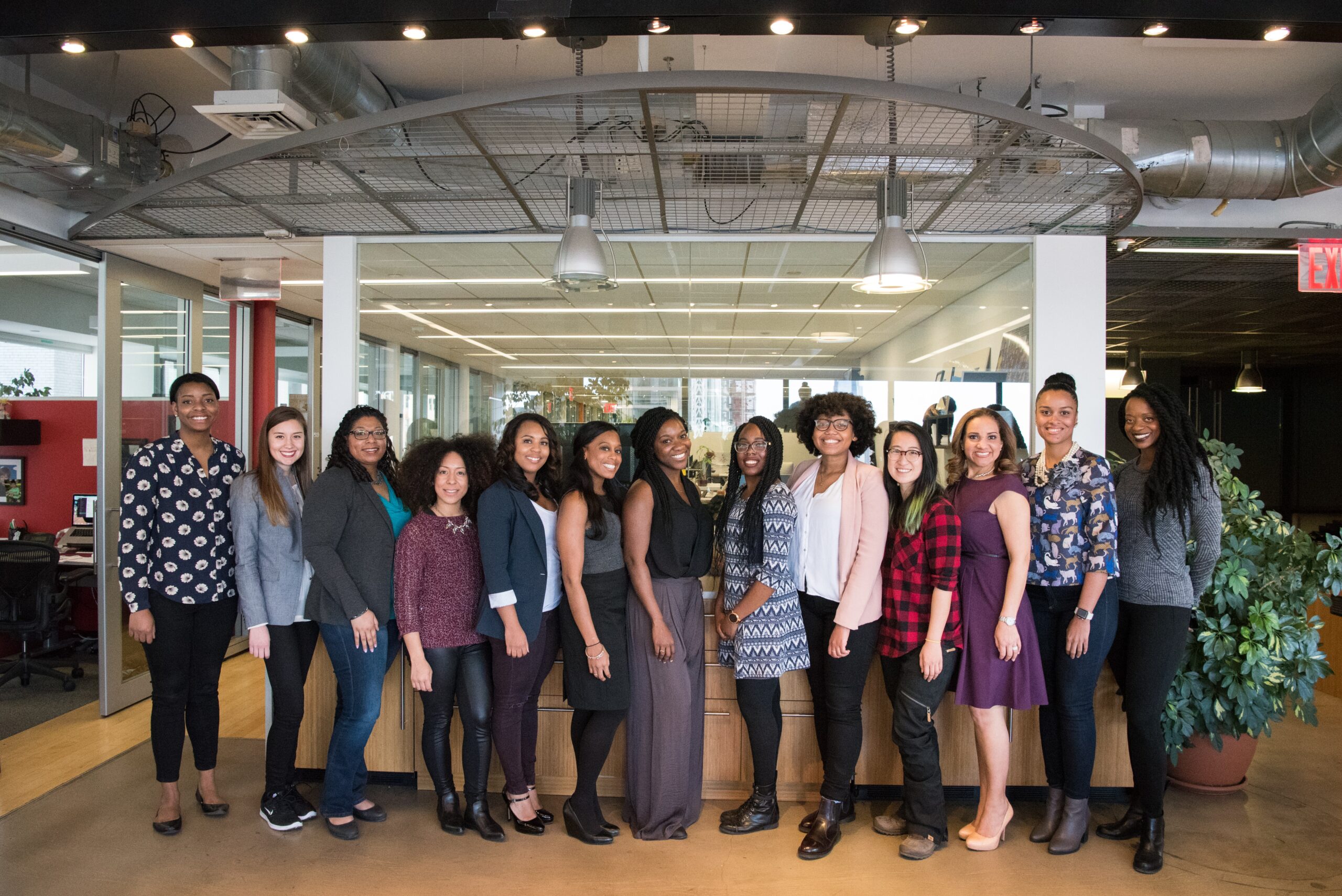
If you’re a #personofcolor (POC), these statistics probably aren’t surprising. Trying to find a #therapist who shares your #racial or #ethnic background can feel like a game of Where’s Waldo — and in #mentalhealth, a field where white saviorism often runs unchecked, the consequences of this lack of diversity, including the inability to adequately support the unique cultural needs and experiences of POC, are often ignored.

Oftentimes, practitioners and policymakers question why it matters “who the help comes from” or they attribute POC’s low use of #mentalhealthservices to cultural #stigma. While plausible, this can be an incomplete way of thinking.

As a #mentalhealthcare worker and graduate #student in #socialwork, I’ve often wondered: What if the barriers to care that underserved groups experience is due to a lack of providers who POC can identify with and trust?

My Personal And Professional Experience

I didn’t truly understand the importance of having a #counselor or #therapist I could identify with until I sought help myself. The handful of #AsianAmerican #therapists in my city already had waitlists. So, instead of talking with someone who understood my cultural nuances or the daily experience of navigating a white-dominated society as an #Asian #woman, I often carried the burden of educating white #therapists about my identity. For example, I found myself tasked with explaining why a “normal” experience for a white person might be #anxiety-inducing for me.

Similarly, when I worked as a psychiatric #nurse, my most vulnerable #patients rarely encountered #mentalhealthprofessionals from their own #communitiesofcolor or from similar cultural backgrounds — in addition to facing numerous other barriers in accessing care. Again, I witnessed the personal ramifications of this deficiency; my own mother lived in an area with a historically large immigrant population, yet she was unable to find a #counselor or #therapist who spoke her language when she was depressed.

#JamesDonaldson notes:

Welcome to the “next chapter” of my life… being a voice and an advocate for #mentalhealthawarenessandsuicideprevention, especially pertaining to our younger generation of students and student-athletes.

Getting men to speak up and reach out for help and assistance is one of my passions. Us men need to not suffer in silence or drown our sorrows in alcohol, hang out at bars and strip joints, or get involved with drug use.

Having gone through a recent bout of #depression and #suicidalthoughts myself, I realize now, that I can make a huge difference in the lives of so many by sharing my story, and by sharing various resources I come across as I work in this space.  #http://bit.ly/JamesMentalHealthArticle

Order your copy of James Donaldson's latest book,

Celebrating Your Gift of Life:

From The Verge of Suicide to a Life of Purpose and Joy


A National Problem

These issues are part of a larger problem in our country regarding the lamentable shortage of POC #mentalhealthprofessionals to match our increasingly diverse population.

As of 2019, about 40% of the U.S. population identified with a #racial or #ethnic group other than white, and estimates from the #U.S.CensusBureau suggest that the results of the 2020 census will indicate a record decline in our nation’s white population over the past decade. As the data shows, POCs already comprise a significant portion of our country’s population, and numbers are only projected to grow.

Making Changes

More recently, #mentalhealthissues have gained national recognition, but we need to take action to create impactful change for this demographic.

It’s true that more POCs are entering the #mentalhealth field than before, but we need greater numbers — in both urban and #ruralcommunities — to more accurately reflect the demographics of our country. To challenge this shortage, federal policy initiatives should actively recruit #studentsofcolor to the #mentalhealth workforce, and grants provided at city or state levels could help expand #mentalhealthcare services to local #communitiesofcolor.

Special focus should be taken to create job opportunities and recruit #students from communities that have the greatest need for a representative #mentalhealth workforce. Federal funds can support students’ professional education through scholarships and the forgiveness of loans — and grants to #schools, organizations, and/or agencies can support the creation of jobs and programs that promote students’ personal, academic and professional well-being. Grants may also be used to train diverse peer specialists — or individuals who have experienced #mentalhealthchallenges themselves and provide support to those in need — from within local #communitiesofcolor.

Research shows that use of #ethnic matching (pairing a client with a #therapist based on #race/#ethnicity alone) is not always effective, and understandably so. This technique by itself is reductive and equivalent to saying a white client can connect with any white #therapist.

POC #mentalhealthprofessionals should be available to the extent that people of all backgrounds have the option to select #therapists or work with professionals they feel best match their needs. By investing in a more representative #mentalhealth workforce, #peopleofcolor can partake in more choices for their practitioners, and #mentalhealthcare can hopefully become more accessible and equitable.

Rebecca Kim is a graduate student in social work at the University of Texas at Austin with a background in psychiatric nursing. She is passionate about serving and raising awareness on the #mentalhealth needs of #minoritycommunities.
https://standingabovethecrowd.com/2022/04/jamesdonaldson-on-mentalhealth-addressing-the-lack-of-diversity-in-the-mentalhealth-field/
#JamesDonaldson On #MentalHealth - Addressing The Lack Of Diversity In The #MentalHealth Field
By Rebecca Kim

Despite our nation’s growing diversity and the disproportionately higher rate at which #peopleofcolor (POC) experience adverse #mentalhealth outcomes and barriers to care, the #mentalhealth workforce is largely white. According to a report from the #AmericanPsychologicalAssociation, 86% of U.S. psychologists in 2015 were white, and in 2019, the Bureau of Labor Statistics found that close to 70% of U.S. #socialworkers and 88% of #mentalhealthcounselors were white.

If you’re a #personofcolor (POC), these statistics probably aren’t surprising. Trying to find a #therapist who shares your #racial or #ethnic background can feel like a game of Where’s Waldo — and in #mentalhealth, a field where white saviorism often runs unchecked, the consequences of this lack of diversity, including the inability to adequately support the unique cultural needs and experiences of POC, are often ignored.

Oftentimes, practitioners and policymakers question why it matters “who the help comes from” or they attribute POC’s low use of #mentalhealthservices to cultural #stigma. While plausible, this can be an incomplete way of thinking.

As a #mentalhealthcare worker and graduate #student in #socialwork, I’ve often wondered: What if the barriers to care that underserved groups experience is due to a lack of providers who POC can identify with and trust?

My Personal And Professional Experience

I didn’t truly understand the importance of having a #counselor or #therapist I could identify with until I sought help myself. The handful of #AsianAmerican #therapists in my city already had waitlists. So, instead of talking with someone who understood my cultural nuances or the daily experience of navigating a white-dominated society as an #Asian #woman, I often carried the burden of educating white #therapists about my identity. For example, I found myself tasked with explaining why a “normal” experience for a white person might be #anxiety-inducing for me.

Similarly, when I worked as a psychiatric #nurse, my most vulnerable #patients rarely encountered #mentalhealthprofessionals from their own #communitiesofcolor or from similar cultural backgrounds — in addition to facing numerous other barriers in accessing care. Again, I witnessed the personal ramifications of this deficiency; my own mother lived in an area with a historically large immigrant population, yet she was unable to find a #counselor or #therapist who spoke her language when she was depressed.

#JamesDonaldson notes:

Welcome to the “next chapter” of my life… being a voice and an advocate for #mentalhealthawarenessandsuicideprevention, especially pertaining to our younger generation of students and student-athletes.

Getting men to speak up and reach out for help and assistance is one of my passions. Us men need to not suffer in silence or drown our sorrows in alcohol, hang out at bars and strip joints, or get involved with drug use.

Having gone through a recent bout of #depression and #suicidalthoughts myself, I realize now, that I can make a huge difference in the lives of so many by sharing my story, and by sharing various resources I come across as I work in this space.  #http://bit.ly/JamesMentalHealthArticle

Order your copy of James Donaldson's latest book,

Celebrating Your Gift of Life:

From The Verge of Suicide to a Life of Purpose and Joy


A National Problem

These issues are part of a larger problem in our country regarding the lamentable shortage of POC #mentalhealthprofessionals to match our increasingly diverse population.

As of 2019, about 40% of the U.S. population identified with a #racial or #ethnic group other than white, and estimates from the #U.S.CensusBureau suggest that the results of the 2020 census will indicate a record decline in our nation’s white population over the past decade. As the data shows, POCs already comprise a significant portion of our country’s population, and numbers are only projected to grow.

Making Changes

More recently, #mentalhealthissues have gained national recognition, but we need to take action to create impactful change for this demographic.

It’s true that more POCs are entering the #mentalhealth field than before, but we need greater numbers — in both urban and #ruralcommunities — to more accurately reflect the demographics of our country. To challenge this shortage, federal policy initiatives should actively recruit #studentsofcolor to the #mentalhealth workforce, and grants provided at city or state levels could help expand #mentalhealthcare services to local #communitiesofcolor.

Special focus should be taken to create job opportunities and recruit #students from communities that have the greatest need for a representative #mentalhealth workforce. Federal funds can support students’ professional education through scholarships and the forgiveness of loans — and grants to #schools, organizations, and/or agencies can support the creation of jobs and programs that promote students’ personal, academic and professional well-being. Grants may also be used to train diverse peer specialists — or individuals who have experienced #mentalhealthchallenges themselves and provide support to those in need — from within local #communitiesofcolor.

Research shows that use of #ethnic matching (pairing a client with a #therapist based on #race/#ethnicity alone) is not always effective, and understandably so. This technique by itself is reductive and equivalent to saying a white client can connect with any white #therapist.

POC #mentalhealthprofessionals should be available to the extent that people of all backgrounds have the option to select #therapists or work with professionals they feel best match their needs. By investing in a more representative #mentalhealth workforce, #peopleofcolor can partake in more choices for their practitioners, and #mentalhealthcare can hopefully become more accessible and equitable.

Rebecca Kim is a graduate student in social work at the University of Texas at Austin with a background in psychiatric nursing. She is passionate about serving and raising awareness on the #mentalhealth needs of #minoritycommunities.
https://standingabovethecrowd.com/?p=9067