Friday, August 4, 2023

#JamesDonaldson On #MentalHealth – Behind #Hollywood’s Rise In #Suicides – And What To Do About It

#JamesDonaldson On #MentalHealth – Behind #Hollywood’s Rise In #Suicides – And What To Do About It

“#Suicides among famous people are up because #suicides among everyone in #America is up. It’s a national disaster,” says #KurtCobain biographer Charles R. Cross


Sharon Knolle


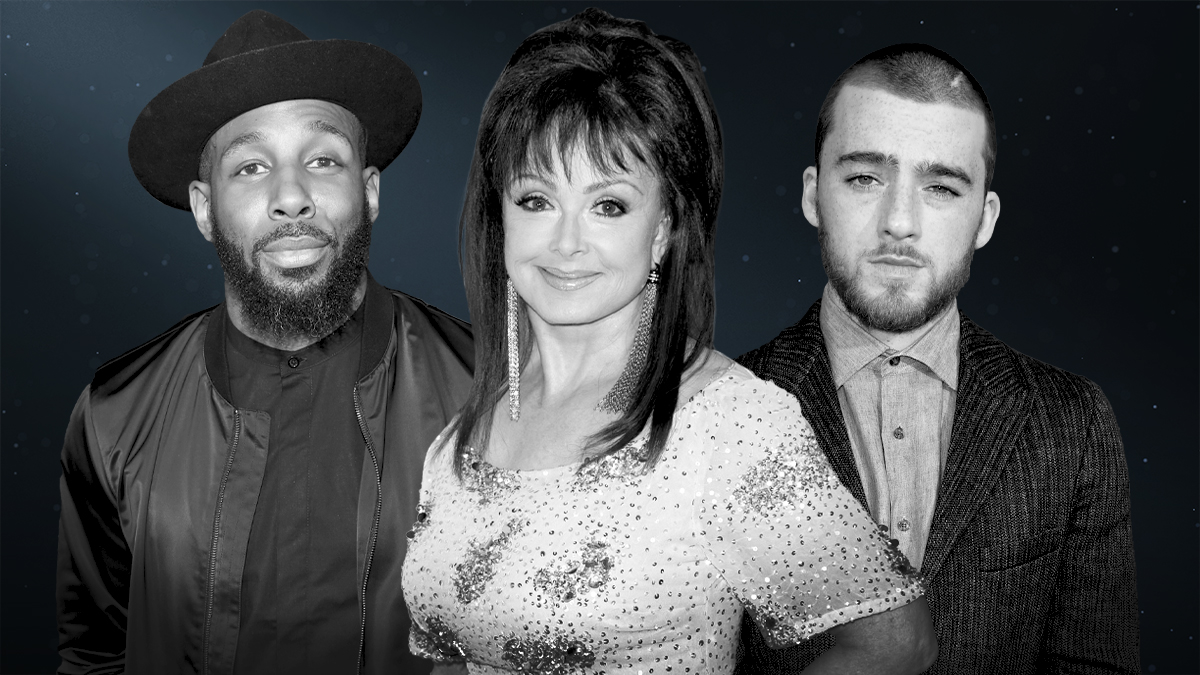
Twitch Naomi Judd Angus Cloud mental health suicideCelebrities, from left, #Stephen"tWitch"Boss, #NaomiJudd and #AngusCloud are among the celebrities who struggled with #mentalhealth


The tragic deaths of “Euphoria” actor #AngusCloud and Irish singer #SinéadOConnor are only the latest stark reminders of Hollywood’s prevalent #mentalhealth and #suicidecrisis.


Although, as of this writing, neither has been officially determined to have died by #suicide, both had been open about their struggles with #mentalhealth.


After every high-profile #suicide, such as “Breaking Bad” actor Mike Batayeh, country singer #NaomiJudd and “So You Can Think You Can Dance” judge #Stephen“tWitch”Boss, the question is debated whether the industry, as a whole, has done enough to support people who may be in crisis.
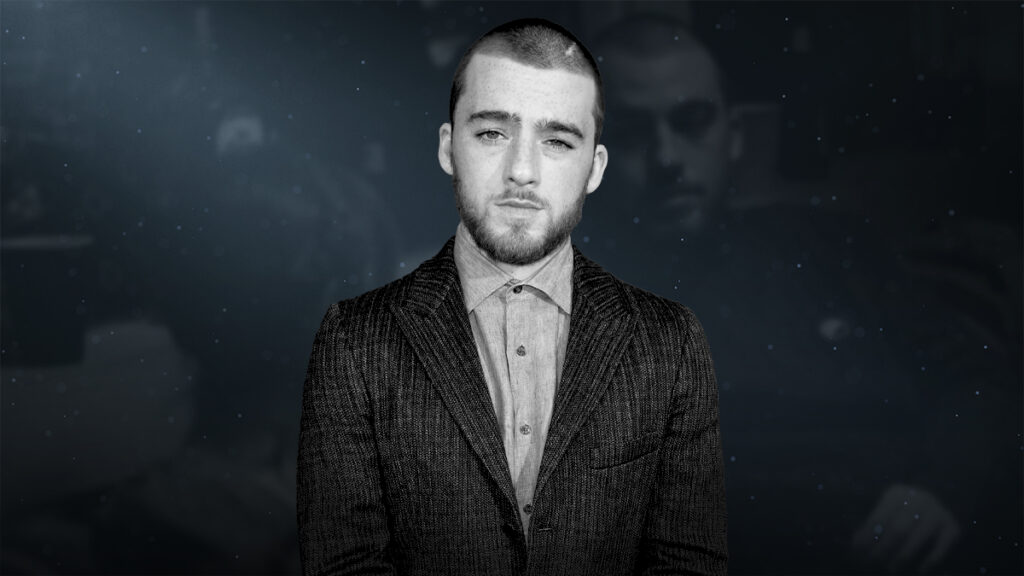


Angus Cloud dead suicide“Euphoria” actor #AngusCloud was open about his #mentalstruggle, family said

A number of #mentalhealthexperts told TheWrap that although #suicides among the general population rose during the #pandemic, people who work in entertainment can be particularly vulnerable.


“Entertainment is already an occupational group that’s at increased risk,” said Colleen Carr, director of the #NationalActionAllianceforSuicidePrevention, citing a study conducted by the #CDC in 2016 that demonstrated people who work in entertainment, #sports and media had #suiciderates significantly higher than those of the general population.


“#Suicides among famous people are up because #suicides among everyone in #America is up. It’s a national disaster. And we only pay attention to it, it seems, when a famous person dies,” said Charles R. Cross, author of the #KurtCobain biography “Heavier Than Heaven.”
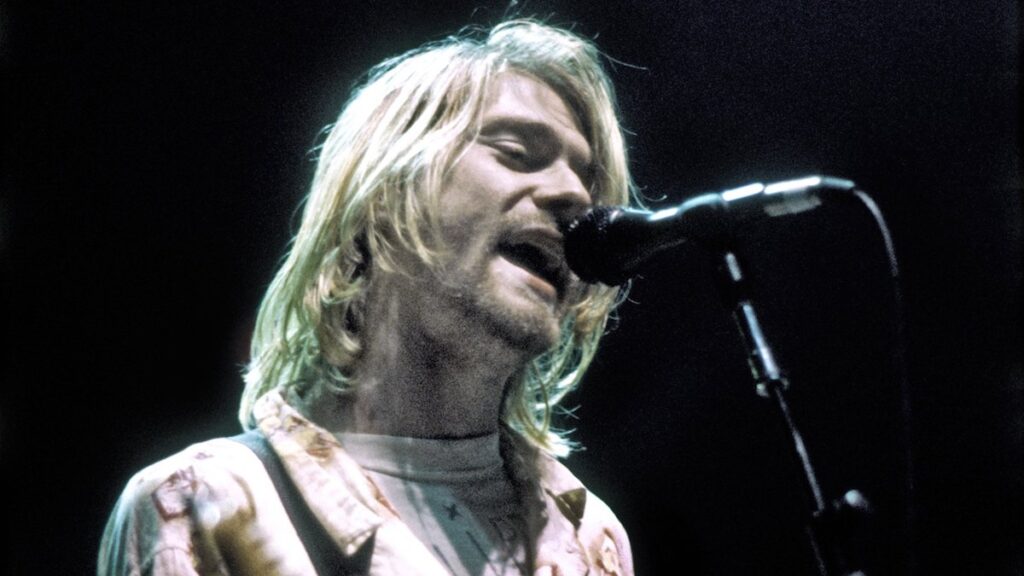


Nirvana front man #KurtCobain plays his last U.S. concert at the Seattle Arena on January 7, 1994 in Seattle, Washington

Cross cited the lack of access to #mentalhealth care even for those who are insured as well as the often unmanageable costs of treatment and taking time off from work.


“If this were a disease you caught, there would be benefits every weekend, with everyone in #Hollywood doing things to raise awareness,” he told TheWrap.


The conversation about #suicideprevention in #Hollywood is ongoing, but it’s not always easy to tell who is having a #mentalhealthcrisis, let alone get them help in time.


Judd, who died by #suicide in April, talked publicly about her struggles with #depression. Judd’s daughters, Ashley and Wynonna, said in a statement at the time, “We lost our beautiful mother to the disease of #mentalillness.”
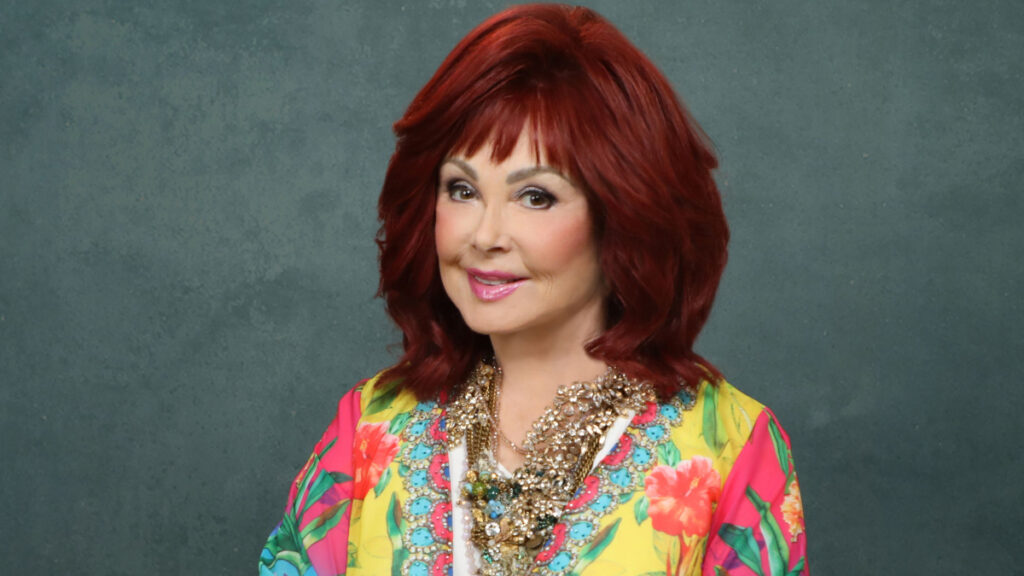


Naomi Judd#NaomiJudd

Fans were shocked by the seemingly out-of-nowhere December death of tWitch, who was always upbeat and smiling on the Fox competition series. Speaking six months after his death, his widow, dancer Allison Holker told “The Today Show,” “No one that saw this coming. No one…” She’s now committed to bringing awareness to #mentalhealth and helping people who are struggling to get the support they need.


Support on set


“There are not a lot of industries that have done a terrific job getting ahead of this current #mentalhealthcrisis,” said Ashley N. Kolaya, lead impact and engagement officer at USC Annenberg’s Mental Health Storytelling Initiative.


“The entertainment industry is especially demanding in terms of time you spend working away from family. You can be in situations where you’re confronted with #trauma and if you’re playing a character who experiences a tremendous #stress or traumatic experience, or if you’re editing a scene where that’s the case, these can fall under that risk factor category,” Kolaya continued.


She added that unions usually have some form of #mentalhealthcoverage, “but if I’m doing a scene that’s got me really triggered or upset, there’s not a clear, universal path for what to do in that situation.”


Kolaya cited the work done by one of the initiative’s coalition members, Amazon Studios, where “Underground Railroad” showrunner Barry Jenkins “made it a point” to have #mentalhealthprofessionals on site since the series dealt in such heavy topics as slavery and abuse.


“That’s the kind of example we would love to have everybody following. One of the things that coalition will be thinking about is how can we get the industry to adopt some best practices,” said Kolaya. 


“Yellowjackets” star Jasmin Savoy Brown, who had to take time to “decompress” after filming the very dark second season of the Showtime hit that involves murder and cannibalism, said the mostly #female cast relied on their intimacy coordinator for emotional support.


“Last season was there for a couple of sex scenes. And then people started requesting her for other stuff — anytime there’s anything that might cause an emotional or psychological response. She emailed us and asked if we wanted her around, and towards the last couple episodes, she was there every day,” Brown told TheWrap in March.


The intimacy coordinators TheWrap spoke to for our June story about how their on-set roles have expanded, stressed the importance of also having a mental health expert, and not just an IC, available for actors and crew.


Kathy Kadler, who was an IC on Netflix’s “The Night Agent,” told TheWrap in May, “In my personal opinion, one of the reasons why we have such high levels of #suicide and #druguse in the industry is because we ask these performers to delve deep, to go vulnerable, to feel these big feelings. And then we finish that scene, we put them through wardrobe, hair and makeup and we pack them up in a car and we send them home.”


Kadler explained that ICs, along with professional #counselors, can help actors “debrief or de-role, which is a way of shedding the character.” She added, “So they’re not taking those leftover emotions z emotional bleed off is huge — back home, and then self medicating, however they choose.”


#James Donaldson notes:
Welcome to the “next chapter” of my life… being a voice and an advocate for #mentalhealthawarenessandsuicideprevention, especially pertaining to our younger generation of students and student-athletes.
Getting men to speak up and reach out for help and assistance is one of my passions. Us men need to not suffer in silence or drown our sorrows in alcohol, hang out at bars and strip joints, or get involved with drug use.
Having gone through a recent bout of #depression and #suicidalthoughts myself, I realize now, that I can make a huge difference in the lives of so many by sharing my story, and by sharing various resources I come across as I work in this space.
  #http://bit.ly/JamesMentalHealthArticle
Find out more about the work I do on my 501c3 non-profit foundation
website www.yourgiftoflife.org Order your copy of James Donaldson's latest book,
#CelebratingYourGiftofLife: From The Verge of Suicide to a Life of Purpose and Joy
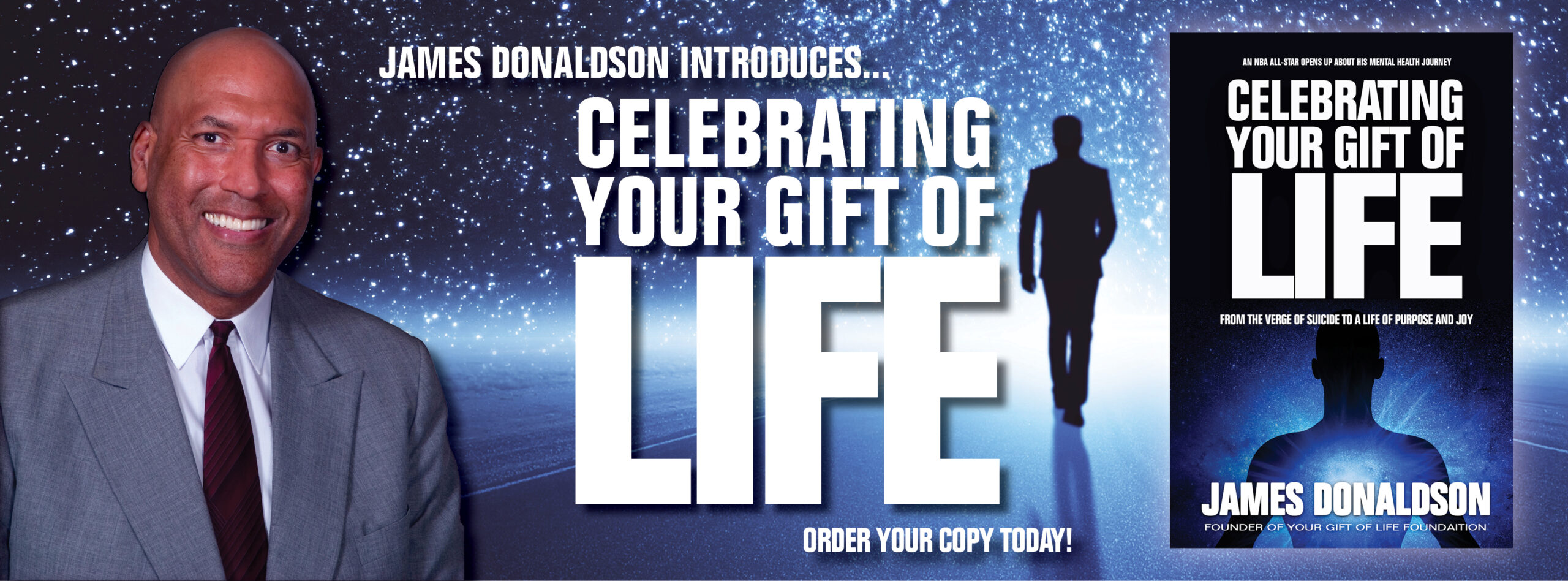

Book

www.celebratingyourgiftoflife.com

The media’s role


“I think entertainment plays a big part in portraying potential solutions, and contribute to the problem,” said Kolaya. “In a worst-case scenario universe, stories that are being told and consumed are actually causing more harm. And we know #suicidecontagion is a real thing. We want to make sure that content creators have a resource that they can turn to with experts in telling those kinds of stories that are informed and with the right knowledge and skill sets.


Netflix’s 2017 series “13 Reasons Why,” where the #suicide of one character sets the entire series in motion, was linked to a steep rise in online suicide searches and #suicidalbehavior, said Carr of research conducted by the #NationalInstituteofHealth.


“That really underscored the importance of responsible portrayal of #suicide and that helped to inform prevention efforts and outreach efforts,” she explained.


“It’s really important when we think about #mentalhealth and #suicideprevention, to recognize the key role that entertainment and news media played in changing the conversation about #suicide from one of #hopelessness and despair to one of hope and help-seeking and recovery,” said Carr.


“We know that the overwhelming majority of people who struggle with thoughts of #suicide do not die by #suicide, but instead access the resources, gain the skills needed to live full lives,” she continued. “The power of the work that the entertainment sector does every day can reach millions with stories that can help them on the road to recovery.”


The #NationalSuicidePreventionLifeline #988 is a free, 24/7 confidential service that can provide people in suicidal crisis or emotional distress, or those around them, with support, information and local resources.


https://standingabovethecrowd.com/2023/08/jamesdonaldson-on-mentalhealth-behind-hollywoods-rise-in-suicides-and-what-to-do-about-it/

Thursday, August 3, 2023

#JamesDonaldson On #MentalHealth – About Taking A #Child To The #EmergencyRoom
A #mentalhealth emergency is usually a situation in which someone’s #mental state seems to be dangerous, either to themselves or to others around them. It’s appropriate to take a #child, #teenager or young adult to the #emergencyroom if their #behavior becomes dangerously risky or violent, or if they are threatening to harm themselves or someone else.  

Sometimes #parents, #school officials or #policeofficers will send a young person to the ER if they are out of control or appear to be out of touch with reality. 

If you find yourself taking a child to the emergency room, it’s important to know what to expect. In a #mentalhealthcrisis, what happens at the ER is different than when you go for an injury or physical illness. 

Assessing safety 

First, the #ER doctors are not going to diagnose or treat what’s upsetting your child. There’s no #mentalhealth equivalent of setting a broken leg.  

The primary thing the #doctors do at the #ER is assess the safety of your #child. The key question they will be trying to answer is whether your child is an imminent danger to themselves or others. And they will recommend a course of action going forward.  

If, despite your child’s distress, they don’t think there is imminent danger, they may send you home with a recommendation for follow-up care with a #therapist. If they think your child is at high risk of #suicide or harm to others, hospitalization is the next step. This is because the doctors’ top priority is to keep your child safe and alive. 

The doctors will make this safety assessment by talking with you and your child. At some point you will be asked to step out of the room so that the #doctors can speak privately with your #child. Doctors do this because it is not uncommon for a #child to tell doctors about a #suicide plan that they did not talk about with #parents.  

Make sure you write down the names of all the #doctors who speak to your #child. Take notes of everything they say. Your emotions will be running too high to process everything that’s coming at you, so write it all down.

#James Donaldson notes:Welcome to the “next chapter” of my life… being a voice and an advocate for #mentalhealthawarenessandsuicideprevention, especially pertaining to our younger generation of students and student-athletes.Getting men to speak up and reach out for help and assistance is one of my passions. Us men need to not suffer in silence or drown our sorrows in alcohol, hang out at bars and strip joints, or get involved with drug use.Having gone through a recent bout of #depression and #suicidalthoughts myself, I realize now, that I can make a huge difference in the lives of so many by sharing my story, and by sharing various resources I come across as I work in this space.  #http://bit.ly/JamesMentalHealthArticleFind out more about the work I do on my 501c3 non-profit foundationwebsite www.yourgiftoflife.org Order your copy of James Donaldson's latest book,#CelebratingYourGiftofLife: From The Verge of Suicide to a Life of Purpose and Joy

www.celebratingyourgiftoflife.com

Plans for follow-up care 

If your #child doesn’t already have an outpatient team (like a #therapist or #psychiatrist), try to have the hospital set up a follow-up appointment with a provider before you leave.? 

If you are in the #ER in the evening or on a weekend, ask for the name of the social worker at the hospital who will be arranging the follow-up appointment, and get their direct phone number. Call the #socialworker first thing the next business day. If they don’t answer, call again two hours later. Keep calling until you get the appointment set. If you are not getting a response from the social worker, consider contacting the #patient advocate at the hospital. 

You can also use a #therapist that you find on your own. But private #therapists can be expensive and hard to find. You may want to take whatever clinic appointment the hospital offers even if you plan to go private, so you are getting some sort of help while you get your longer-term plan in order. For more on finding affordable therapy, see our tips on finding a children’s #mentalhealthprofessional.  

If you disagree with the doctor’s safety assessment 

If you feel your #child is a #suiciderisk or may hurt others, make your opinion known loud and clear. Be specific about your concerns: things your #child may have said to you and patterns of #behavior that indicate things are getting worse.? 

If your #child sees a #therapist regularly and the #therapist can visit you in the?#ER, ask the #doctors doing the hospital evaluation to speak with that #therapist?(you will have to sign a release so they can share information). If they still do not agree to hold your #child, ask who is liable if your #child makes a #suicideattempt within the next 48 hours. You can also consider writing the words, “#Parent has communicated to medical staff that she feels #child is not safe to return home” on the discharge papers before signing. 

About short-term observation 

Some hospitals have a short-term observation unit where a #child can be held for up to 72 hours. In some places this is called a #ComprehensivePsychiatricEmergencyProgram (#CPEP). When a #child is at high risk yet it’s not clear if inpatient treatment is needed, a couple of days in a low-#stress environment like this (almost no activities, no therapy, 24-hour observation and a?lot?of television) may be a helpful next step. 

If inpatient treatment is recommended 

If your #child is admitted for inpatient care, it may take a day or two or even more for a bed to open up (especially if you arrived late in the day, on a Friday, or near a holiday). This means your #kid may be in the #ER for a long time.  

In most cases, the inpatient bed will be in a different location. Before the social work team starts looking for a spot, ask what the options are. In some cases, one facility may be far away while another is closer, or one may have 12 beds (and perhaps a calmer environment) instead of 24. It’s fair to ask which units have the best reputation. The #doctor in the #ER may never have been to any of the facilities, and may never have treated someone released from there, but the social work team often knows more about the options. 

Older #teens may be eligible for either #adolescent or #adult units. When possible, opt for #adolescent. The illnesses on an #adult ward are likely to be more severe. 

If you have a long wait until a bed is found, do not feel that you have to stay in the #ER with your #child the whole time. Your #kid is probably going to watch television most of the time anyway. Go home and pick up your child’s toothbrush, toiletries (nothing in glass bottles), pajamas (no drawstrings), underclothes, slippers or socks or shoes without laces and a couple of days’ worth of clothes. Bring magazines, puzzle books or other forms of entertainment; electronics will not be permitted on the unit. You might want to bring some food for your child, too, since hospital food isn’t the best.  

And be kind to yourself. Remember that you are doing the right thing for your child.  

Return to Connect to Care for more information about getting #kids help. 
https://standingabovethecrowd.com/2023/08/jamesdonaldson-on-mentalhealth-about-taking-a-child-to-the-emergencyroom/

#JamesDonaldson On #MentalHealth – About Taking A #Child To The #EmergencyRoom

#JamesDonaldson On #MentalHealth – About Taking A #Child To The #EmergencyRoom


A #mentalhealth emergency is usually a situation in which someone’s #mental state seems to be dangerous, either to themselves or to others around them. It’s appropriate to take a #child, #teenager or young adult to the #emergencyroom if their #behavior becomes dangerously risky or violent, or if they are threatening to harm themselves or someone else.  


Sometimes #parents, #school officials or #policeofficers will send a young person to the ER if they are out of control or appear to be out of touch with reality. 


If you find yourself taking a child to the emergency room, it’s important to know what to expect. In a #mentalhealthcrisis, what happens at the ER is different than when you go for an injury or physical illness. 


Assessing safety 


First, the #ER doctors are not going to diagnose or treat what’s upsetting your child. There’s no #mentalhealth equivalent of setting a broken leg.  


The primary thing the #doctors do at the #ER is assess the safety of your #child. The key question they will be trying to answer is whether your child is an imminent danger to themselves or others. And they will recommend a course of action going forward.  


If, despite your child’s distress, they don’t think there is imminent danger, they may send you home with a recommendation for follow-up care with a #therapist. If they think your child is at high risk of #suicide or harm to others, hospitalization is the next step. This is because the doctors’ top priority is to keep your child safe and alive. 


The doctors will make this safety assessment by talking with you and your child. At some point you will be asked to step out of the room so that the #doctors can speak privately with your #child. Doctors do this because it is not uncommon for a #child to tell doctors about a #suicide plan that they did not talk about with #parents.  


Make sure you write down the names of all the #doctors who speak to your #child. Take notes of everything they say. Your emotions will be running too high to process everything that’s coming at you, so write it all down.


#James Donaldson notes:
Welcome to the “next chapter” of my life… being a voice and an advocate for #mentalhealthawarenessandsuicideprevention, especially pertaining to our younger generation of students and student-athletes.
Getting men to speak up and reach out for help and assistance is one of my passions. Us men need to not suffer in silence or drown our sorrows in alcohol, hang out at bars and strip joints, or get involved with drug use.
Having gone through a recent bout of #depression and #suicidalthoughts myself, I realize now, that I can make a huge difference in the lives of so many by sharing my story, and by sharing various resources I come across as I work in this space.
  #http://bit.ly/JamesMentalHealthArticle
Find out more about the work I do on my 501c3 non-profit foundation
website www.yourgiftoflife.org Order your copy of James Donaldson's latest book,
#CelebratingYourGiftofLife: From The Verge of Suicide to a Life of Purpose and Joy


Book

www.celebratingyourgiftoflife.com

Plans for follow-up care 


If your #child doesn’t already have an outpatient team (like a #therapist or #psychiatrist), try to have the hospital set up a follow-up appointment with a provider before you leave.? 


If you are in the #ER in the evening or on a weekend, ask for the name of the social worker at the hospital who will be arranging the follow-up appointment, and get their direct phone number. Call the #socialworker first thing the next business day. If they don’t answer, call again two hours later. Keep calling until you get the appointment set. If you are not getting a response from the social worker, consider contacting the #patient advocate at the hospital. 


You can also use a #therapist that you find on your own. But private #therapists can be expensive and hard to find. You may want to take whatever clinic appointment the hospital offers even if you plan to go private, so you are getting some sort of help while you get your longer-term plan in order. For more on finding affordable therapy, see our tips on finding a children’s #mentalhealthprofessional.  


If you disagree with the doctor’s safety assessment 


If you feel your #child is a #suiciderisk or may hurt others, make your opinion known loud and clear. Be specific about your concerns: things your #child may have said to you and patterns of #behavior that indicate things are getting worse.? 


If your #child sees a #therapist regularly and the #therapist can visit you in the?#ER, ask the #doctors doing the hospital evaluation to speak with that #therapist?(you will have to sign a release so they can share information). If they still do not agree to hold your #child, ask who is liable if your #child makes a #suicideattempt within the next 48 hours. You can also consider writing the words, “#Parent has communicated to medical staff that she feels #child is not safe to return home” on the discharge papers before signing. 


About short-term observation 


Some hospitals have a short-term observation unit where a #child can be held for up to 72 hours. In some places this is called a #ComprehensivePsychiatricEmergencyProgram (#CPEP). When a #child is at high risk yet it’s not clear if inpatient treatment is needed, a couple of days in a low-#stress environment like this (almost no activities, no therapy, 24-hour observation and a?lot?of television) may be a helpful next step. 


If inpatient treatment is recommended 


If your #child is admitted for inpatient care, it may take a day or two or even more for a bed to open up (especially if you arrived late in the day, on a Friday, or near a holiday). This means your #kid may be in the #ER for a long time.  


In most cases, the inpatient bed will be in a different location. Before the social work team starts looking for a spot, ask what the options are. In some cases, one facility may be far away while another is closer, or one may have 12 beds (and perhaps a calmer environment) instead of 24. It’s fair to ask which units have the best reputation. The #doctor in the #ER may never have been to any of the facilities, and may never have treated someone released from there, but the social work team often knows more about the options. 


Older #teens may be eligible for either #adolescent or #adult units. When possible, opt for #adolescent. The illnesses on an #adult ward are likely to be more severe. 


If you have a long wait until a bed is found, do not feel that you have to stay in the #ER with your #child the whole time. Your #kid is probably going to watch television most of the time anyway. Go home and pick up your child’s toothbrush, toiletries (nothing in glass bottles), pajamas (no drawstrings), underclothes, slippers or socks or shoes without laces and a couple of days’ worth of clothes. Bring magazines, puzzle books or other forms of entertainment; electronics will not be permitted on the unit. You might want to bring some food for your child, too, since hospital food isn’t the best.  


And be kind to yourself. Remember that you are doing the right thing for your child.  


Return to Connect to Care for more information about getting #kids help. 


https://standingabovethecrowd.com/2023/08/jamesdonaldson-on-mentalhealth-about-taking-a-child-to-the-emergencyroom/

Wednesday, August 2, 2023

#JamesDonaldson On #MentalHealth – The Power Of Safe Reporting On #MentalHealth
George Milton/Pexels

by Anissa Durham

Whether you’ve ever experienced suicidal ideations or talked about it — Black folks are suffering in silence. But it doesn’t have to be that way.  

Feelings of sadness and #hopelessness are common in the #Blackcommunity. Some people may experience suicidal ideation, which means wanting to take your own life or thinking about suicide. A recent report by the #CentersforDiseaseControlandPrevention’s National Center for Health Statistics shows that between 2016 and 2020, Black people went to the emergency room due to suicidal ideation more than any other group.  

With professional #mentalhealthsupport typically dependent on health insurance, seeing a therapist may seem out of reach. Oftentimes, whether young or old, only 12.5% of Black folks said they felt comfortable talking to family and friends about their mental health. However, if support is not always available, #socialmedia and online support is usually what people turn to.  

But the way journalists report on suicidal ideations and death by suicide — particularly when a journalist may lack connection to or empathy for Black folks — can impact readers’ mental health and the way they view suicidal thoughts.  

Dr. Jill Harkavy-Friedman, senior vice president of research at the #AmericanFoundationforSuicidePrevention, says in an email interview that the media plays an important role in reducing the stigma of suicide through respectful reporting — “suicide is a public health issue.” 

According to the #CDC, more than 12 million people experienced suicidal thoughts in 2021. With 3.5 million people making a plan for suicide. Whether you realize it or not, most people have been affected by or have experienced suicidal ideation and behavior. 

#AmericanIndian #males had the second-highest #suiciderate in 2021, and #Black #females had the lowest rate

#James Donaldson notes:Welcome to the “next chapter” of my life… being a voice and an advocate for #mentalhealthawarenessandsuicideprevention, especially pertaining to our younger generation of students and student-athletes.Getting men to speak up and reach out for help and assistance is one of my passions. Us men need to not suffer in silence or drown our sorrows in alcohol, hang out at bars and strip joints, or get involved with drug use.Having gone through a recent bout of #depression and #suicidalthoughts myself, I realize now, that I can make a huge difference in the lives of so many by sharing my story, and by sharing various resources I come across as I work in this space.  #http://bit.ly/JamesMentalHealthArticleFind out more about the work I do on my 501c3 non-profit foundationwebsite www.yourgiftoflife.org Order your copy of James Donaldson's latest book,#CelebratingYourGiftofLife: From The Verge of Suicide to a Life of Purpose and Joy

www.celebratingyourgiftoflife.com

Source: American Foundation for Suicide Prevention • Graphic by Anissa Durham Only data between 2017 to 2021 is shown

Stigma plays a big part in how Black people view and talk about suicidal ideation. The mentality to push through difficult emotions and to be resilient — although understandable — is not always helpful and can delay the help someone needs. To break the cycle of #stigma, #Black folks are working to have tough conversations and push each other toward healing.  

That makes it even more necessary for journalists to learn best practices on reporting suicidal ideation and #behavior with a lens of intention and mindfulness. And, readers need to know what to do when they come across triggering content. 

As a reporter, I constantly have to balance my coverage by stating the facts and normalizing the #mentalhealthexperiences folks have — while being mindful that how I talk about suicide can influence the health outcomes of those who are at risk. https://datawrapper.dwcdn.net/7B3rZ/1/

Suicide is a heavy and complex topic. As a reader, it is OK not to read articles that include this type of content. But, if you do decide to read about triggering topics like suicide, a GoodRx Health article details a few helpful tips.  

First, know your triggers. Certain words may bring up painful memories or remind you of a traumatic experience. Second, give yourself some space. If you are reading an article or viewing content that becomes too uncomfortable, take a break, go for a walk, or simply close out the material. And remind yourself that it’s normal to feel unsettled. This can help validate your feelings and past experiences. 

Power of Storytelling 

Reading stories on suicide can actually help reduce suicidal ideations. Peter J. Franz, one of the lead researchers on a 2022 study told the Psychiatric Times, “It takes 10 minutes or less each day to read a story, yet digital narrative-based bibliotherapy makes a measurable difference, which may have a protective effect against suicidal thoughts and #behaviors.” 

According to the #AmericanFoundationforSuicidePrevention, 48,183 #Americans died by suicide in 2021, whereas 1.7 million survived a suicide attempt. The ratio shows that more people survive a suicide attempt than die from one.  

“We don’t hear or read enough stories around healing from a suicide attempt,” says Harkavy-Friedman, “and it’s important to include the perspective of people with lived experience to show that there is hope and those who are struggling are not alone.” 

If you are ever contacted by a journalist or reach out to one — know that you are the keeper of your own story. This means, do not ever feel pressured to share information about yourself that you are not comfortable with, especially about suicidal ideation and attempts.  

But, there is power in storytelling. Some notable examples reported on by Word In Black, include the experiences of Abraham Sculley, Shamari White, and Teresa Akintonwa. Each shared their individual struggles battling suicidal ideation due to experiencing major depression, hypersexualization, and #COVID-19.  

Their stories span different generations and illuminate the power of speaking up. They openly shared some of their darkest moments, but a thread throughout was how they survived and healed. This reminds readers that dealing with #mentalhealth woes can be temporary.  

“In fact, 90-95% of people who survive a suicide attempt, go on to live their lives,” Harkavy-Friedman says. “By including this message and sharing the stories of survivors of suicide attempts, we can reach those who may be struggling and reassure them that they are not alone and there is help and support out there.” 

Best Practices for Reporters 

A few years ago, Poynter published an article on best practices for covering suicide responsibly. Some of the best practices — which Word In #Black adheres to — are not stating the means of death, including quotes from #suicideprevention experts, and providing a message of hope and resources for readers.  

AFSP expands on that with a list of tips for reporting on suicide. A few tips from that list include, not referring to a #suicideattempt as “successful” or “unsuccessful,” informing readers without sensationalizing the suicide, and not using the word suicide in the headline of a story. 

“By reporting about #suicide openly and safely, we are helping to strip away the shame that often comes with #mentalhealthissues or #suicidalideation and normalizing talking about a topic that for too long was taboo,” says Harkavy-Friedman. 

As reporters, we have a responsibility to inform the public — but we have to be mindful of the way we write so as not to cause harm to vulnerable people. If you or someone you know is struggling with #suicidalideation, there are resources available.  

- #AmericanFoundationforSuicidePrevention provides a list of crisis services and additional resources to support #LGBTQ folks and those in underrepresented communities. 

- Call the #988Suicide&CrisisLifeline for 24/7 free and confidential support for people in distress.   

- The #CrisisTextLine provides free, 24/7, confidential support through text messages to people in crisis when they dial 741741.

Photo by Monstera on Pexels.com
https://standingabovethecrowd.com/2023/08/jamesdonaldson-on-mentalhealth-the-power-of-safe-reporting-on-mentalhealth/

#JamesDonaldson On #MentalHealth – The Power Of Safe Reporting On #MentalHealth

#JamesDonaldson On #MentalHealth – The Power Of Safe Reporting On #MentalHealth
George Milton/Pexels

by Anissa Durham


Whether you’ve ever experienced suicidal ideations or talked about it — Black folks are suffering in silence. But it doesn’t have to be that way.  


Feelings of sadness and #hopelessness are common in the #Blackcommunity. Some people may experience suicidal ideation, which means wanting to take your own life or thinking about suicide. A recent report by the #CentersforDiseaseControlandPrevention’s National Center for Health Statistics shows that between 2016 and 2020, Black people went to the emergency room due to suicidal ideation more than any other group.  


With professional #mentalhealthsupport typically dependent on health insurance, seeing a therapist may seem out of reach. Oftentimes, whether young or old, only 12.5% of Black folks said they felt comfortable talking to family and friends about their mental health. However, if support is not always available, #socialmedia and online support is usually what people turn to.  


But the way journalists report on suicidal ideations and death by suicide — particularly when a journalist may lack connection to or empathy for Black folks — can impact readers’ mental health and the way they view suicidal thoughts.  


Dr. Jill Harkavy-Friedman, senior vice president of research at the #AmericanFoundationforSuicidePrevention, says in an email interview that the media plays an important role in reducing the stigma of suicide through respectful reporting — “suicide is a public health issue.” 


According to the #CDC, more than 12 million people experienced suicidal thoughts in 2021. With 3.5 million people making a plan for suicide. Whether you realize it or not, most people have been affected by or have experienced suicidal ideation and behavior. 


#AmericanIndian #males had the second-highest #suiciderate in 2021, and #Black #females had the lowest rate

#James Donaldson notes:
Welcome to the “next chapter” of my life… being a voice and an advocate for #mentalhealthawarenessandsuicideprevention, especially pertaining to our younger generation of students and student-athletes.
Getting men to speak up and reach out for help and assistance is one of my passions. Us men need to not suffer in silence or drown our sorrows in alcohol, hang out at bars and strip joints, or get involved with drug use.
Having gone through a recent bout of #depression and #suicidalthoughts myself, I realize now, that I can make a huge difference in the lives of so many by sharing my story, and by sharing various resources I come across as I work in this space.
  #http://bit.ly/JamesMentalHealthArticle
Find out more about the work I do on my 501c3 non-profit foundation
website www.yourgiftoflife.org Order your copy of James Donaldson's latest book,
#CelebratingYourGiftofLife: From The Verge of Suicide to a Life of Purpose and Joy


Book

www.celebratingyourgiftoflife.com

Source: American Foundation for Suicide Prevention • Graphic by Anissa Durham Only data between 2017 to 2021 is shown

Stigma plays a big part in how Black people view and talk about suicidal ideation. The mentality to push through difficult emotions and to be resilient — although understandable — is not always helpful and can delay the help someone needs. To break the cycle of #stigma, #Black folks are working to have tough conversations and push each other toward healing.  


That makes it even more necessary for journalists to learn best practices on reporting suicidal ideation and #behavior with a lens of intention and mindfulness. And, readers need to know what to do when they come across triggering content. 


As a reporter, I constantly have to balance my coverage by stating the facts and normalizing the #mentalhealthexperiences folks have — while being mindful that how I talk about suicide can influence the health outcomes of those who are at risk. https://datawrapper.dwcdn.net/7B3rZ/1/


Suicide is a heavy and complex topic. As a reader, it is OK not to read articles that include this type of content. But, if you do decide to read about triggering topics like suicide, a GoodRx Health article details a few helpful tips.  


First, know your triggers. Certain words may bring up painful memories or remind you of a traumatic experience. Second, give yourself some space. If you are reading an article or viewing content that becomes too uncomfortable, take a break, go for a walk, or simply close out the material. And remind yourself that it’s normal to feel unsettled. This can help validate your feelings and past experiences. 


Power of Storytelling 

Reading stories on suicide can actually help reduce suicidal ideations. Peter J. Franz, one of the lead researchers on a 2022 study told the Psychiatric Times, “It takes 10 minutes or less each day to read a story, yet digital narrative-based bibliotherapy makes a measurable difference, which may have a protective effect against suicidal thoughts and #behaviors.” 


According to the #AmericanFoundationforSuicidePrevention, 48,183 #Americans died by suicide in 2021, whereas 1.7 million survived a suicide attempt. The ratio shows that more people survive a suicide attempt than die from one.  


“We don’t hear or read enough stories around healing from a suicide attempt,” says Harkavy-Friedman, “and it’s important to include the perspective of people with lived experience to show that there is hope and those who are struggling are not alone.” 


If you are ever contacted by a journalist or reach out to one — know that you are the keeper of your own story. This means, do not ever feel pressured to share information about yourself that you are not comfortable with, especially about suicidal ideation and attempts.  


But, there is power in storytelling. Some notable examples reported on by Word In Black, include the experiences of Abraham Sculley, Shamari White, and Teresa Akintonwa. Each shared their individual struggles battling suicidal ideation due to experiencing major depression, hypersexualization, and #COVID-19.  


Their stories span different generations and illuminate the power of speaking up. They openly shared some of their darkest moments, but a thread throughout was how they survived and healed. This reminds readers that dealing with #mentalhealth woes can be temporary.  


“In fact, 90-95% of people who survive a suicide attempt, go on to live their lives,” Harkavy-Friedman says. “By including this message and sharing the stories of survivors of suicide attempts, we can reach those who may be struggling and reassure them that they are not alone and there is help and support out there.” 


Best Practices for Reporters 

A few years ago, Poynter published an article on best practices for covering suicide responsibly. Some of the best practices — which Word In #Black adheres to — are not stating the means of death, including quotes from #suicideprevention experts, and providing a message of hope and resources for readers.  


AFSP expands on that with a list of tips for reporting on suicide. A few tips from that list include, not referring to a #suicideattempt as “successful” or “unsuccessful,” informing readers without sensationalizing the suicide, and not using the word suicide in the headline of a story. 


“By reporting about #suicide openly and safely, we are helping to strip away the shame that often comes with #mentalhealthissues or #suicidalideation and normalizing talking about a topic that for too long was taboo,” says Harkavy-Friedman. 


As reporters, we have a responsibility to inform the public — but we have to be mindful of the way we write so as not to cause harm to vulnerable people. If you or someone you know is struggling with #suicidalideation, there are resources available.  


- #AmericanFoundationforSuicidePrevention provides a list of crisis services and additional resources to support #LGBTQ folks and those in underrepresented communities. 

- Call the #988Suicide&CrisisLifeline for 24/7 free and confidential support for people in distress.   

- The #CrisisTextLine provides free, 24/7, confidential support through text messages to people in crisis when they dial 741741.

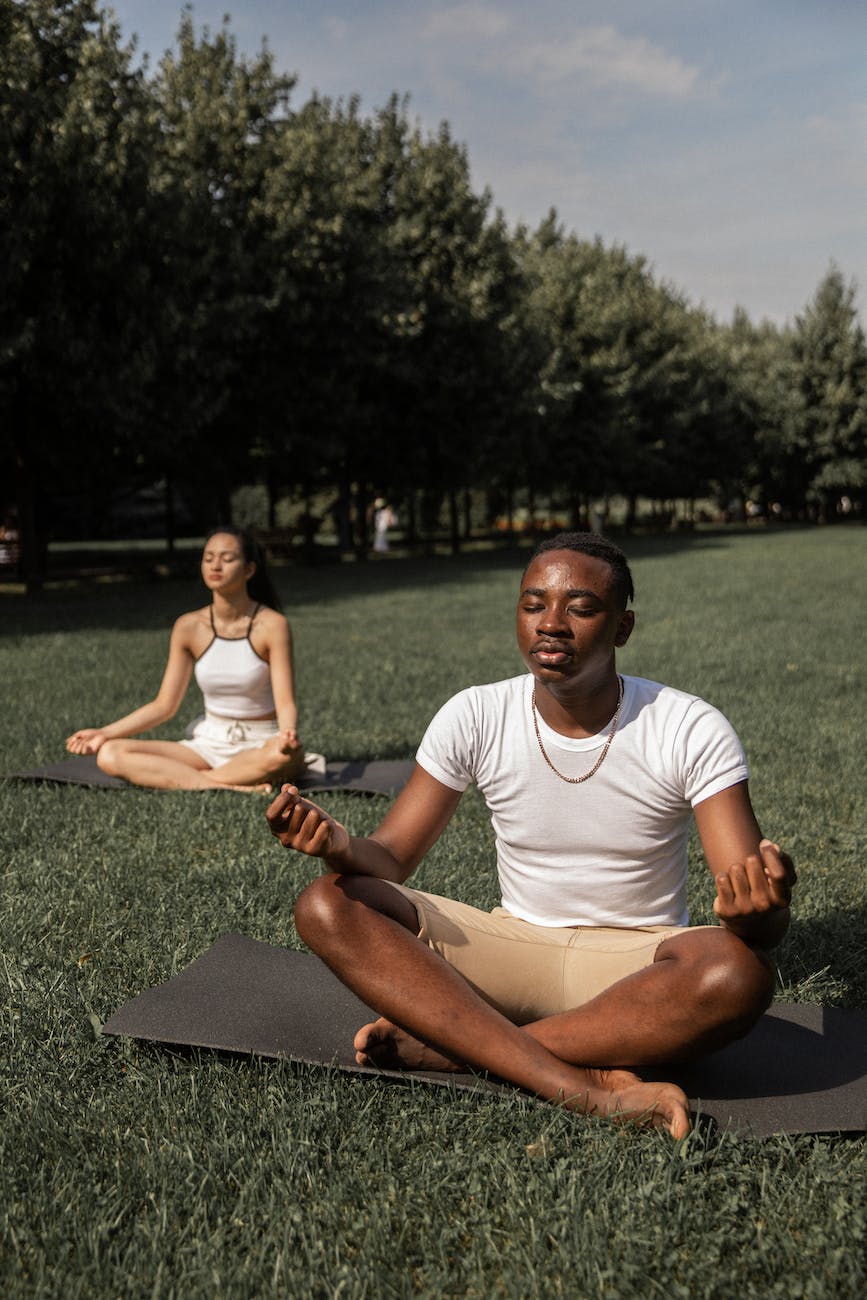
multiethnic couple meditating together in parkPhoto by Monstera on Pexels.com
https://standingabovethecrowd.com/2023/08/jamesdonaldson-on-mentalhealth-the-power-of-safe-reporting-on-mentalhealth/

Tuesday, August 1, 2023

#JamesDonaldson On #MentalHealth – Late #SinéadO'Connor Was Open With #MentalHealthStruggles, #BipolarDisorder Diagnosis
The late Irish singer was very transparent about her #mental and physical health

By Chrissy Callahan

This story discusses #suicide. If you or someone you know is in crisis, call or text #988 to reach the #SuicideandCrisisLifeline. You can also text HOME to 741741 or visit SpeakingOfSuicide.com/resources for additional resources.

After a successful career that spanned multiple decades, #SinéadO’Connor has passed away at the age of 56.

News of the musician's death broke on Wednesday, but an official cause of death has not been released yet.

O'Connor's family shared the following statement with The BBC and Irish broadcaster RTE: “It is with great sadness that we announce the passing of our beloved Sinéad. Her family and friends are devastated and have requested privacy at this very difficult time.”  

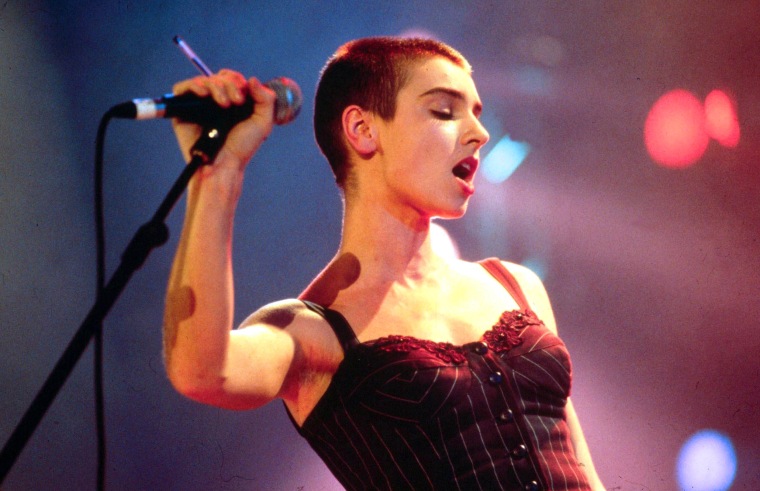
#SineadO'Connor, 1992Crispin Rodwell / Shutterstock

Throughout her career, the “Nothing Compares 2 U” singer was open about the various health struggles she experienced, many of which were related to #mentalhealth.

O'Connor had #bipolardisorder

In 2007, the star spoke about her #bipolardisorder during an appearance on "The #OprahWinfrey Show” and said she experienced thoughts of #suicide and overwhelming fear before her diagnosis nearly four years beforehand.

“It’s like being a bucket with holes in it. Just leaking tears from every pore,” she said.

At the time, O'Connor was taking mood stabilizing and antidepressant medications. She told Winfrey they helped, but added that she was a "work in progress."

“I’m not going to sit here and claim that I’m kind of perfect or anything. Anything is an improvement when you’ve been in desolation ... to be out of that place is brilliant. It doesn’t mean you don’t have lumps and bumps,” she said.

Over the years, O'Connor was forthcoming about the effect her condition had on her career. In 2012, she canceled her tour, explaining that she was “very unwell due to #bipolardisorder.” The same year, she sought treatment for #depression.

In 2017, the Irish singer spoke openly about her #mentalhealth and #suicidalthoughts in an emotional video, claiming that her family had abandoned her.

“Why are we alone?” she said. “People who suffer from #mentalillness are the most vulnerable people on Earth. You’ve got to take care of us. We’re not like everybody.”

The star also encouraged her fans to check in on anyone in their lives who might be struggling.

“If you have a family member that suffers from #mentalillness, care for them, tenderness, love, care for them. Visit them in the hospital, don’t dump them in the hospital and bugger off,” she said.

O'Connor was hospitalized last year after her son died

In January 2022, O’Connor was hospitalized just days after her 17-year-old son Shane died. As reported by #CNN at the time, the singer sought medical care after posting a series of alarming #Twitter posts claiming that she planned to die by #suicide.

“I’ve decided to follow my son. There is no point living without him. Everything I touch, I ruin. I only stayed for him. And now he’s gone,” O'Connor shared via an unverified #Twitter account that was linked to her account.

Later on, the star added to her tweets and apologized, admitting that she "shouldn't have said that."

"I am with #cops now on way to hospital. I’m sorry I upset everyone,” she wrote. “I am lost without my #kid and I hate myself. Hospital will help a while. But I’m going to find Shane. This is just a delay.”

#James Donaldson notes:Welcome to the “next chapter” of my life… being a voice and an advocate for #mentalhealthawarenessandsuicideprevention, especially pertaining to our younger generation of students and student-athletes.Getting men to speak up and reach out for help and assistance is one of my passions. Us men need to not suffer in silence or drown our sorrows in alcohol, hang out at bars and strip joints, or get involved with drug use.Having gone through a recent bout of #depression and #suicidalthoughts myself, I realize now, that I can make a huge difference in the lives of so many by sharing my story, and by sharing various resources I come across as I work in this space.  #http://bit.ly/JamesMentalHealthArticleFind out more about the work I do on my 501c3 non-profit foundationwebsite www.yourgiftoflife.org Order your copy of James Donaldson's latest book,#CelebratingYourGiftofLife: From The Verge of Suicide to a Life of Purpose and Joy

www.celebratingyourgiftoflife.com

O'Connor experienced #PTSD from #childhood abuse

O'Connor's memoir, "Rememberings," published in 2021, dives into the #physicalabuse she endured from her mother as a #child.

"I won the prize in kindergarten for being able to curl up into the smallest ball, but my #teacher never knew why I could do it so well," she wrote in the book.

In a 2021 interview with the New York Times, O'Connor offered the following insight into her experience as a #child.

“#Childabuse is an identity crisis and fame is an identity crisis, so I went straight from one identity crisis into another,” she said.

In an interview with TODAY's Carson Daly in 2021, O'Connor explained how she still lived with the #trauma of her #childhood.

“I suffer from a condition called complex #posttraumaticstressdisorder, from things that I went through growing up,” she said.

While talking with Carson, O'Connor recalled an iconic moment when she tore up a photo of Pope John Paul II in 1992 while appearing on “Saturday Night Live.” The photo belonged to the star's mother, and she explained that it was a therapeutic experience since she had been so abusive during her #childhood.

“It was a way of ripping her up, as well, I guess,” she said.

O'Connor spoke out about the challenges she faced following a hysterectomy 

In 2015, O'Connor underwent a radical hysterectomy in an attempt to manage her endometriosis. While speaking with People in 2021, the star said the procedure and the subsequent menopause that came afterwards was very challenging to experience.

“When I had the surgery, I was terribly triggered,” she said.

The star visited several #psychiatric facilities in the years following the procedure, and she opened up to People about her #mentalhealthstruggles.

“You can never predict what might trigger the (#PTSD). I describe myself as a rescue dog: I’m fine until you put me in a situation that even slightly smells like any of the #trauma I went through, then I flip my lid,” she said. “I manage very well because I’ve been taught brilliant skills. There was a lot of therapy. It’s about focusing on the things that bring you peace as opposed to what makes you feel unstable.”

Sinead O'Conner
https://standingabovethecrowd.com/2023/08/jamesdonaldson-on-mentalhealth-late-sineadoconnor-was-open-with-mentalhealthstruggles-bipolardisorder-diagnosis/

#JamesDonaldson On #MentalHealth – Late #SinéadO'Connor Was Open With #MentalHealthStruggles, #BipolarDisorder Diagnosis

#JamesDonaldson On #MentalHealth – Late #SinéadO'Connor Was Open With #MentalHealthStruggles, #BipolarDisorder Diagnosis

The late Irish singer was very transparent about her #mental and physical health


By Chrissy Callahan


This story discusses #suicide. If you or someone you know is in crisis, call or text #988 to reach the #SuicideandCrisisLifeline. You can also text HOME to 741741 or visit SpeakingOfSuicide.com/resources for additional resources.


After a successful career that spanned multiple decades, #SinéadO’Connor has passed away at the age of 56.


News of the musician's death broke on Wednesday, but an official cause of death has not been released yet.


O'Connor's family shared the following statement with The BBC and Irish broadcaster RTE: “It is with great sadness that we announce the passing of our beloved Sinéad. Her family and friends are devastated and have requested privacy at this very difficult time.”  


Sinead O'Connor, 1992#SineadO'Connor, 1992Crispin Rodwell / Shutterstock

Throughout her career, the “Nothing Compares 2 U” singer was open about the various health struggles she experienced, many of which were related to #mentalhealth.


O'Connor had #bipolardisorder


In 2007, the star spoke about her #bipolardisorder during an appearance on "The #OprahWinfrey Show” and said she experienced thoughts of #suicide and overwhelming fear before her diagnosis nearly four years beforehand.


“It’s like being a bucket with holes in it. Just leaking tears from every pore,” she said.


At the time, O'Connor was taking mood stabilizing and antidepressant medications. She told Winfrey they helped, but added that she was a "work in progress."


“I’m not going to sit here and claim that I’m kind of perfect or anything. Anything is an improvement when you’ve been in desolation ... to be out of that place is brilliant. It doesn’t mean you don’t have lumps and bumps,” she said.


Over the years, O'Connor was forthcoming about the effect her condition had on her career. In 2012, she canceled her tour, explaining that she was “very unwell due to #bipolardisorder.” The same year, she sought treatment for #depression.


In 2017, the Irish singer spoke openly about her #mentalhealth and #suicidalthoughts in an emotional video, claiming that her family had abandoned her.


“Why are we alone?” she said. “People who suffer from #mentalillness are the most vulnerable people on Earth. You’ve got to take care of us. We’re not like everybody.”


The star also encouraged her fans to check in on anyone in their lives who might be struggling.


“If you have a family member that suffers from #mentalillness, care for them, tenderness, love, care for them. Visit them in the hospital, don’t dump them in the hospital and bugger off,” she said.


O'Connor was hospitalized last year after her son died


In January 2022, O’Connor was hospitalized just days after her 17-year-old son Shane died. As reported by #CNN at the time, the singer sought medical care after posting a series of alarming #Twitter posts claiming that she planned to die by #suicide.


“I’ve decided to follow my son. There is no point living without him. Everything I touch, I ruin. I only stayed for him. And now he’s gone,” O'Connor shared via an unverified #Twitter account that was linked to her account.


Later on, the star added to her tweets and apologized, admitting that she "shouldn't have said that."


"I am with #cops now on way to hospital. I’m sorry I upset everyone,” she wrote. “I am lost without my #kid and I hate myself. Hospital will help a while. But I’m going to find Shane. This is just a delay.”


#James Donaldson notes:
Welcome to the “next chapter” of my life… being a voice and an advocate for #mentalhealthawarenessandsuicideprevention, especially pertaining to our younger generation of students and student-athletes.
Getting men to speak up and reach out for help and assistance is one of my passions. Us men need to not suffer in silence or drown our sorrows in alcohol, hang out at bars and strip joints, or get involved with drug use.
Having gone through a recent bout of #depression and #suicidalthoughts myself, I realize now, that I can make a huge difference in the lives of so many by sharing my story, and by sharing various resources I come across as I work in this space.
  #http://bit.ly/JamesMentalHealthArticle
Find out more about the work I do on my 501c3 non-profit foundation
website www.yourgiftoflife.org Order your copy of James Donaldson's latest book,
#CelebratingYourGiftofLife: From The Verge of Suicide to a Life of Purpose and Joy


Book

www.celebratingyourgiftoflife.com

O'Connor experienced #PTSD from #childhood abuse


O'Connor's memoir, "Rememberings," published in 2021, dives into the #physicalabuse she endured from her mother as a #child.


"I won the prize in kindergarten for being able to curl up into the smallest ball, but my #teacher never knew why I could do it so well," she wrote in the book.


In a 2021 interview with the New York Times, O'Connor offered the following insight into her experience as a #child.


“#Childabuse is an identity crisis and fame is an identity crisis, so I went straight from one identity crisis into another,” she said.


In an interview with TODAY's Carson Daly in 2021, O'Connor explained how she still lived with the #trauma of her #childhood.


“I suffer from a condition called complex #posttraumaticstressdisorder, from things that I went through growing up,” she said.


While talking with Carson, O'Connor recalled an iconic moment when she tore up a photo of Pope John Paul II in 1992 while appearing on “Saturday Night Live.” The photo belonged to the star's mother, and she explained that it was a therapeutic experience since she had been so abusive during her #childhood.


“It was a way of ripping her up, as well, I guess,” she said.


O'Connor spoke out about the challenges she faced following a hysterectomy 


In 2015, O'Connor underwent a radical hysterectomy in an attempt to manage her endometriosis. While speaking with People in 2021, the star said the procedure and the subsequent menopause that came afterwards was very challenging to experience.


“When I had the surgery, I was terribly triggered,” she said.


The star visited several #psychiatric facilities in the years following the procedure, and she opened up to People about her #mentalhealthstruggles.


“You can never predict what might trigger the (#PTSD). I describe myself as a rescue dog: I’m fine until you put me in a situation that even slightly smells like any of the #trauma I went through, then I flip my lid,” she said. “I manage very well because I’ve been taught brilliant skills. There was a lot of therapy. It’s about focusing on the things that bring you peace as opposed to what makes you feel unstable.”


Sinead O'Conner
https://standingabovethecrowd.com/2023/08/jamesdonaldson-on-mentalhealth-late-sineadoconnor-was-open-with-mentalhealthstruggles-bipolardisorder-diagnosis/