Sunday, December 7, 2025


James Donaldson on Mental Health - How Do You Support a Teen Who Is Nervous About Leaving Home?
What to do to ease their anxiety without dismissing it

Writer: Adam S. Zamora, PsyD , David Friedlander, PsyD

Clinical Experts: Adam S. Zamora, PsyD , David Friedlander, PsyD

Key Takeaways

- Start by validating your child’s feelings and reflect back what you hear them say.

- Ask questions instead of telling them what you think. Your goal is to help them own the solution, not to solve the problem for them.

- Help them anticipate obstacles and help brainstorm potential solutions. Affirm their strengths without downplaying their worries.

- Start with validation

- After you’ve validated, look for clues that your child is ready to problem-solve

If you remember being scared to leave home for the first time, share your story. But even if you have not personally experienced this situation, emphasize that your child is not alone. Many people find this transition hard!

#James Donaldson notes:Welcome to the “next chapter” of my life… being a voice and an advocate for #mentalhealthawarenessandsuicideprevention, especially pertaining to our younger generation of students and student-athletes.Getting men to speak up and reach out for help and assistance is one of my passions. Us men need to not suffer in silence or drown our sorrows in alcohol, hang out at bars and strip joints, or get involved with drug use.Having gone through a recent bout of #depression and #suicidalthoughts myself, I realize now, that I can make a huge difference in the lives of so many by sharing my story, and by sharing various resources I come across as I work in this space.  #http://bit.ly/JamesMentalHealthArticleFind out more about the work I do on my 501c3 non-profit foundationwebsite www.yourgiftoflife.org Order your copy of James Donaldson's latest book,#CelebratingYourGiftofLife: From The Verge of Suicide to a Life of Purpose and Joy

Click Here For More Information About James Donaldson

Start with validation

When they share their anxieties with you:

- Pay attention! Put down your phone, make eye contact, and show you are interested.

- Reflect back what you hear. This shows you are listening and want to understand. Avoid a judgmental tone.

- For example, “I hear you saying you’re worried that you’re not going to know anyone in any of your classes, so you’ll feel isolated.”

- Look for what they’re NOT saying. Check their facial expression, tone of voice, and body language. Is there something they’re afraid to say? Say what you think they may be leaving unsaid.

- For example, “I’m wondering if you’re also worried that you’ll miss your friends and family?”

- Put it in context. Why does it make sense that your child is feeling what they’re feeling? What parts of their anxieties are reasonable based on the circumstances?

- For example, “I think it makes sense that you feel this way! You’ve known your friends since elementary school, and you’ve never gone that long without them. You also haven’t had to make new friends since new people joined in 9th grade, so you’re out of practice. I would be anxious too!”

- IMPORTANT: When validating, don’t argue the other side yet! Your child may “dig in their heels” or “double down.”

After you’ve validated, look for clues that your child is ready to problem-solve

- They may literally ask, “What should I do?” or say, “Help!”

- But it may be more subtle than that. It might be a shift in their mood or body language.

Then, help them build motivation for problem-solving!

Ask questions instead of telling them what you think.

- For example, “I understand why you’re worried about this. I’m also confident that once you find yourself in those situations, you’ll handle them better than you expect. It’s always scarier before it actually happens.”

- If you try to help with problem-solving and your child goes back to expressing their worries, switch back to validation.

- Lastly, don’t be afraid to remind them that you’ll always be available to support them. They may just need to hear it. https://standingabovethecrowd.com/james-donaldson-on-mental-health-how-do-you-support-a-teen-who-is-nervous-about-leaving-home/

James Donaldson on Mental Health - You’re Having a Conflict With Your Roommate. What Should You Do?

James Donaldson on Mental Health - You’re Having a Conflict With Your Roommate. What Should You Do?

Writer David Friedlander, PsyD, Adam Zamora, PsyD


If you’re a first-year student living on campus, chances are you’ll have at least one roommate. And chances are you’ll find yourselves in at least a conflict or two, even if you’ve become the best of friends. Before you try to crash on a friend’s floor or run home, here are some strategies to try.


Communicate


First, try to solve the problem by speaking to them yourself! Often, conflicts arise when there is a miscommunication or when one person doesn’t realize what they are doing is bothersome. As an example, let’s say the roommate is not being quiet at night and it’s making it hard for you to sleep. Try dialectical behavior therapy’s DEAR MAN skill (from the 2015 DBT manual by Dr. Marsha Linehan):


- Describe the facts: “I have early classes most days, so I try to be in bed by midnight so I can wake up by 8. But you’re often up past 3am playing video games or laughing at memes on your phone.”
- Express how you feel: “This leaves me feeling frustrated and annoyed because my grades are important to me, and I don’t learn as well when I’m tired.”
- Assert yourself: “Could you please either start going to bed earlier on weeknights, or find another place to hang out after midnight, like a common room or a friend’s place?”
- Reinforce what’s in it for them: “If you do, you can stay up as late as you want on Friday and Saturday night.”
- Stay mindful of your goal: Don’t allow yourself to be distracted! If they aren’t hearing you, choose a respectful and concise phrase — like “I’d appreciate it if you could keep it down after midnight” — and keep coming back to your assertion like a broken record.
- Appear confident: Stand tall, use a confident tone of voice, and maintain eye contact. Practice ahead of time if you’re nervous!
- Negotiate: If you can’t get all of what you want, try to get some of it instead. Maybe they can have lights off by midnight only on the nights before you have 9am classes.

#James Donaldson notes:
Welcome to the “next chapter” of my life… being a voice and an advocate for #mentalhealthawarenessandsuicideprevention, especially pertaining to our younger generation of students and student-athletes.
Getting men to speak up and reach out for help and assistance is one of my passions. Us men need to not suffer in silence or drown our sorrows in alcohol, hang out at bars and strip joints, or get involved with drug use.
Having gone through a recent bout of #depression and #suicidalthoughts myself, I realize now, that I can make a huge difference in the lives of so many by sharing my story, and by sharing various resources I come across as I work in this space.
  #http://bit.ly/JamesMentalHealthArticle
Find out more about the work I do on my 501c3 non-profit foundation
website www.yourgiftoflife.org Order your copy of James Donaldson's latest book,
#CelebratingYourGiftofLife: From The Verge of Suicide to a Life of Purpose and Joy


Click Here For More Information About James Donaldson


Seek outside help


If this fails, you may need the help of someone in authority to help resolve the conflict.


Talk to a Resident Assistant (RA)
- Most dorms have an RA, dorm parent, or some other point person for dorm-related issues. Their job includes helping to manage roommate disputes.
- They will often mediate conflicts and can enforce any official rules your roommate may be violating.
Talk to someone higher up
- If your conversation with your RA does not yield the results you’re looking for, it may be necessary to talk to someone higher up in the RA office.
- This could be a senior RA, faculty supervisor, the office of housing, or dean of students.
Request a room transfer
- If all else fails, most schools have a system for requesting an official room transfer.
- If the problem is bad enough, while you wait for the transfer to come through, see if there is anywhere else you can stay! Friends may be happy to let you sleep on their couch.
https://standingabovethecrowd.com/james-donaldson-on-mental-health-youre-having-a-conflict-with-your-roommate-what-should-you-do/


James Donaldson on Mental Health - You’re Having a Conflict With Your Roommate. What Should You Do?
Writer David Friedlander, PsyD, Adam Zamora, PsyD

If you’re a first-year student living on campus, chances are you’ll have at least one roommate. And chances are you’ll find yourselves in at least a conflict or two, even if you’ve become the best of friends. Before you try to crash on a friend’s floor or run home, here are some strategies to try.

Communicate

First, try to solve the problem by speaking to them yourself! Often, conflicts arise when there is a miscommunication or when one person doesn’t realize what they are doing is bothersome. As an example, let’s say the roommate is not being quiet at night and it’s making it hard for you to sleep. Try dialectical behavior therapy’s DEAR MAN skill (from the 2015 DBT manual by Dr. Marsha Linehan):

- Describe the facts: “I have early classes most days, so I try to be in bed by midnight so I can wake up by 8. But you’re often up past 3am playing video games or laughing at memes on your phone.”

- Express how you feel: “This leaves me feeling frustrated and annoyed because my grades are important to me, and I don’t learn as well when I’m tired.”

- Assert yourself: “Could you please either start going to bed earlier on weeknights, or find another place to hang out after midnight, like a common room or a friend’s place?”

- Reinforce what’s in it for them: “If you do, you can stay up as late as you want on Friday and Saturday night.”

- Stay mindful of your goal: Don’t allow yourself to be distracted! If they aren’t hearing you, choose a respectful and concise phrase — like “I’d appreciate it if you could keep it down after midnight” — and keep coming back to your assertion like a broken record.

- Appear confident: Stand tall, use a confident tone of voice, and maintain eye contact. Practice ahead of time if you’re nervous!

- Negotiate: If you can’t get all of what you want, try to get some of it instead. Maybe they can have lights off by midnight only on the nights before you have 9am classes.

#James Donaldson notes:Welcome to the “next chapter” of my life… being a voice and an advocate for #mentalhealthawarenessandsuicideprevention, especially pertaining to our younger generation of students and student-athletes.Getting men to speak up and reach out for help and assistance is one of my passions. Us men need to not suffer in silence or drown our sorrows in alcohol, hang out at bars and strip joints, or get involved with drug use.Having gone through a recent bout of #depression and #suicidalthoughts myself, I realize now, that I can make a huge difference in the lives of so many by sharing my story, and by sharing various resources I come across as I work in this space.  #http://bit.ly/JamesMentalHealthArticleFind out more about the work I do on my 501c3 non-profit foundationwebsite www.yourgiftoflife.org Order your copy of James Donaldson's latest book,#CelebratingYourGiftofLife: From The Verge of Suicide to a Life of Purpose and Joy

Click Here For More Information About James Donaldson

Seek outside help

If this fails, you may need the help of someone in authority to help resolve the conflict.

Talk to a Resident Assistant (RA)

- Most dorms have an RA, dorm parent, or some other point person for dorm-related issues. Their job includes helping to manage roommate disputes.

- They will often mediate conflicts and can enforce any official rules your roommate may be violating.

Talk to someone higher up

- If your conversation with your RA does not yield the results you’re looking for, it may be necessary to talk to someone higher up in the RA office.

- This could be a senior RA, faculty supervisor, the office of housing, or dean of students.

Request a room transfer

- If all else fails, most schools have a system for requesting an official room transfer.

- If the problem is bad enough, while you wait for the transfer to come through, see if there is anywhere else you can stay! Friends may be happy to let you sleep on their couch. https://standingabovethecrowd.com/james-donaldson-on-mental-health-youre-having-a-conflict-with-your-roommate-what-should-you-do/

Friday, December 5, 2025


James Donaldson on Mental Health - How Do You Support a Teen Who Is Nervous About Leaving Home?
What to do to ease their anxiety without dismissing it

Writer: Adam S. Zamora, PsyD , David Friedlander, PsyD

Clinical Experts: Adam S. Zamora, PsyD , David Friedlander, PsyD

Key Takeaways

- Start by validating your child’s feelings and reflect back what you hear them say.

- Ask questions instead of telling them what you think. Your goal is to help them own the solution, not to solve the problem for them.

- Help them anticipate obstacles and help brainstorm potential solutions. Affirm their strengths without downplaying their worries.

- Start with validation

- After you’ve validated, look for clues that your child is ready to problem-solve

If you remember being scared to leave home for the first time, share your story. But even if you have not personally experienced this situation, emphasize that your child is not alone. Many people find this transition hard!

#James Donaldson notes:Welcome to the “next chapter” of my life… being a voice and an advocate for #mentalhealthawarenessandsuicideprevention, especially pertaining to our younger generation of students and student-athletes.Getting men to speak up and reach out for help and assistance is one of my passions. Us men need to not suffer in silence or drown our sorrows in alcohol, hang out at bars and strip joints, or get involved with drug use.Having gone through a recent bout of #depression and #suicidalthoughts myself, I realize now, that I can make a huge difference in the lives of so many by sharing my story, and by sharing various resources I come across as I work in this space.  #http://bit.ly/JamesMentalHealthArticleFind out more about the work I do on my 501c3 non-profit foundationwebsite www.yourgiftoflife.org Order your copy of James Donaldson's latest book,#CelebratingYourGiftofLife: From The Verge of Suicide to a Life of Purpose and Joy

Click Here For More Information About James Donaldson

Start with validation

When they share their anxieties with you:

- Pay attention! Put down your phone, make eye contact, and show you are interested.

- Reflect back what you hear. This shows you are listening and want to understand. Avoid a judgmental tone.

- For example, “I hear you saying you’re worried that you’re not going to know anyone in any of your classes, so you’ll feel isolated.”

- Look for what they’re NOT saying. Check their facial expression, tone of voice, and body language. Is there something they’re afraid to say? Say what you think they may be leaving unsaid.

- For example, “I’m wondering if you’re also worried that you’ll miss your friends and family?”

- Put it in context. Why does it make sense that your child is feeling what they’re feeling? What parts of their anxieties are reasonable based on the circumstances?

- For example, “I think it makes sense that you feel this way! You’ve known your friends since elementary school, and you’ve never gone that long without them. You also haven’t had to make new friends since new people joined in 9th grade, so you’re out of practice. I would be anxious too!”

- IMPORTANT: When validating, don’t argue the other side yet! Your child may “dig in their heels” or “double down.”

After you’ve validated, look for clues that your child is ready to problem-solve

- They may literally ask, “What should I do?” or say, “Help!”

- But it may be more subtle than that. It might be a shift in their mood or body language.

Then, help them build motivation for problem-solving!

Ask questions instead of telling them what you think.

- For example, “I understand why you’re worried about this. I’m also confident that once you find yourself in those situations, you’ll handle them better than you expect. It’s always scarier before it actually happens.”

- If you try to help with problem-solving and your child goes back to expressing their worries, switch back to validation.

- Lastly, don’t be afraid to remind them that you’ll always be available to support them. They may just need to hear it. https://standingabovethecrowd.com/?p=15305

Thursday, December 4, 2025


James Donaldson on Mental Health - You’re Having a Conflict With Your Roommate. What Should You Do?
Writer David Friedlander, PsyD, Adam Zamora, PsyD

If you’re a first-year student living on campus, chances are you’ll have at least one roommate. And chances are you’ll find yourselves in at least a conflict or two, even if you’ve become the best of friends. Before you try to crash on a friend’s floor or run home, here are some strategies to try.

Communicate

First, try to solve the problem by speaking to them yourself! Often, conflicts arise when there is a miscommunication or when one person doesn’t realize what they are doing is bothersome. As an example, let’s say the roommate is not being quiet at night and it’s making it hard for you to sleep. Try dialectical behavior therapy’s DEAR MAN skill (from the 2015 DBT manual by Dr. Marsha Linehan):

- Describe the facts: “I have early classes most days, so I try to be in bed by midnight so I can wake up by 8. But you’re often up past 3am playing video games or laughing at memes on your phone.”

- Express how you feel: “This leaves me feeling frustrated and annoyed because my grades are important to me, and I don’t learn as well when I’m tired.”

- Assert yourself: “Could you please either start going to bed earlier on weeknights, or find another place to hang out after midnight, like a common room or a friend’s place?”

- Reinforce what’s in it for them: “If you do, you can stay up as late as you want on Friday and Saturday night.”

- Stay mindful of your goal: Don’t allow yourself to be distracted! If they aren’t hearing you, choose a respectful and concise phrase — like “I’d appreciate it if you could keep it down after midnight” — and keep coming back to your assertion like a broken record.

- Appear confident: Stand tall, use a confident tone of voice, and maintain eye contact. Practice ahead of time if you’re nervous!

- Negotiate: If you can’t get all of what you want, try to get some of it instead. Maybe they can have lights off by midnight only on the nights before you have 9am classes.

#James Donaldson notes:Welcome to the “next chapter” of my life… being a voice and an advocate for #mentalhealthawarenessandsuicideprevention, especially pertaining to our younger generation of students and student-athletes.Getting men to speak up and reach out for help and assistance is one of my passions. Us men need to not suffer in silence or drown our sorrows in alcohol, hang out at bars and strip joints, or get involved with drug use.Having gone through a recent bout of #depression and #suicidalthoughts myself, I realize now, that I can make a huge difference in the lives of so many by sharing my story, and by sharing various resources I come across as I work in this space.  #http://bit.ly/JamesMentalHealthArticleFind out more about the work I do on my 501c3 non-profit foundationwebsite www.yourgiftoflife.org Order your copy of James Donaldson's latest book,#CelebratingYourGiftofLife: From The Verge of Suicide to a Life of Purpose and Joy

Click Here For More Information About James Donaldson

Seek outside help

If this fails, you may need the help of someone in authority to help resolve the conflict.

Talk to a Resident Assistant (RA)

- Most dorms have an RA, dorm parent, or some other point person for dorm-related issues. Their job includes helping to manage roommate disputes.

- They will often mediate conflicts and can enforce any official rules your roommate may be violating.

Talk to someone higher up

- If your conversation with your RA does not yield the results you’re looking for, it may be necessary to talk to someone higher up in the RA office.

- This could be a senior RA, faculty supervisor, the office of housing, or dean of students.

Request a room transfer

- If all else fails, most schools have a system for requesting an official room transfer.

- If the problem is bad enough, while you wait for the transfer to come through, see if there is anywhere else you can stay! Friends may be happy to let you sleep on their couch. https://standingabovethecrowd.com/?p=15301

James Donaldson on Mental Health - There’s a link between sports and lower teen suicide risk

James Donaldson on Mental Health - There’s a link between sports and lower teen suicide risk

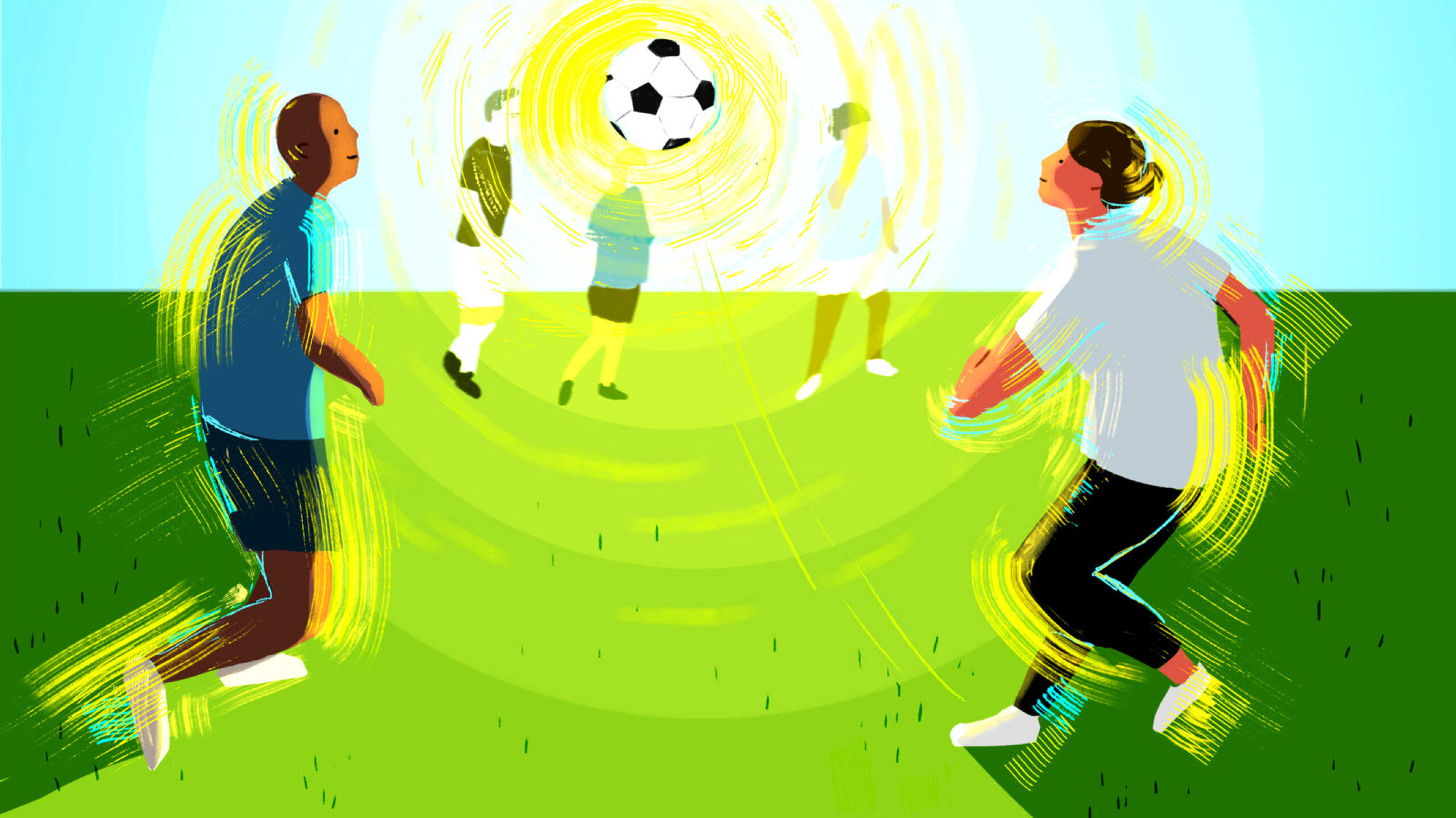
A new US analysis spanning more than 800,000 students finds that middle and high school students who participate in sports are significantly less likely to report suicidal thoughts or behaviors—even as youth suicide rates have climbed nationwide


Yet sports participation has declined for a number of reasons, potentially limiting access to this important protective factor.


The analysis appears in the Annals of Epidemiology.


Massy Mutumba, an assistant professor at the School of Public Health at Washington University in St. Louis, led the study.


“Historically, organized sports have been an important protective factor against suicidal thoughts and behaviors, and they still are,” Mutumba says.


“But fewer students are participating, especially in middle school, and we need to find new ways to expand access and integrate mental health into sports settings.”


Suicide is rising at an alarming rate among children and teens in the US, creating a serious public health crisis. It is the second-leading cause of death for kids ages 10-14 and the third for youth ages 15-24.


In this study, researchers analyzed Youth Risk Behavior Survey data from 2007 to 2023 drawing on responses from 326,085 middle schoolers and 508,737 high schoolers across 41 states. Among middle school students, 20.5% had seriously considered suicide, 13.5% had made a plan and 8.6% had attempted it. Among high school students, 16.6% reported suicidal thoughts in the past year, 13.5% had made a plan and 9.2% had attempted suicide.


As part of the analysis, researchers explored the link between suicide risk and past-year participation in organized sports—a protective factor that could be leveraged more broadly.


Key findings
- Suicide risk (rates of suicide ideation, planning and attempts) increased sharply among youth between 2007 and 2023.
- Sports participation dropped from 57.4% of high school students in 2019 to 49.1% in 2021 and has remained consistently lower than before the pandemic.
- This decline was exacerbated by increasing costs (which disproportionately affect students from low-income households), the COVID-19 pandemic and growing psychosocial challenges. These challenges—including depression, generalized and social anxiety, and body image issues—often emerge around puberty and may prevent students from participating in organized sports.
- For high schoolers, the protective link between sports and mental health remained strong both before and after the pandemic.
- Among middle schoolers, the link between sports participation and reduced suicide risk was slightly weaker in 2023 than before the pandemic—a pattern that may reflect developmental differences. Psychosocial challenges tend to intensify with age, which could explain why this association is stronger in high school students, Mutumba notes.

#James Donaldson notes:
Welcome to the “next chapter” of my life… being a voice and an advocate for #mentalhealthawarenessandsuicideprevention, especially pertaining to our younger generation of students and student-athletes.
Getting men to speak up and reach out for help and assistance is one of my passions. Us men need to not suffer in silence or drown our sorrows in alcohol, hang out at bars and strip joints, or get involved with drug use.
Having gone through a recent bout of #depression and #suicidalthoughts myself, I realize now, that I can make a huge difference in the lives of so many by sharing my story, and by sharing various resources I come across as I work in this space.
  #http://bit.ly/JamesMentalHealthArticle
Find out more about the work I do on my 501c3 non-profit foundation
website www.yourgiftoflife.org Order your copy of James Donaldson's latest book,
#CelebratingYourGiftofLife: From The Verge of Suicide to a Life of Purpose and Joy


Click Here For More Information About James Donaldson


The study is among the first to track these trends before, during and after the pandemic across nationally representative samples. Additionally, the study gives careful focus to middle schoolers. Despite rising suicide rates among younger kids, most large-scale studies have focused on older teens, leaving a major gap in research and prevention efforts, Mutumba says. Suicide is still widely viewed as a concern primarily for older teens.


Sports participation has numerous physical and mental health benefits, such as reduced depressive and anxiety symptoms, lower stress, enhanced general well-being and improved self-esteem, the researchers assert.


The findings underscore sports as an accessible, scalable, and sustainable public health strategy for suicide prevention, but indicate that taking full advantage of the power of sports may require new approaches.


The authors call for greater investment in equitable access to sports opportunities—especially in communities where risk is highest. Adolescents in marginalized communities particularly have elevated odds of suicidal behavior and reduced access to mental health services. To help close these gaps, the report outlines concrete strategies such as subsidizing or fully covering fees for school and community-based programs, investing in local facilities (green spaces, basketball courts, and baseball fields) and implementing sliding-scale fee models. These efforts are particularly important in middle school, when early engagement in sports can build lasting habits and offer critical mental health protection.


The authors also advocate for incorporating evidence-based mental health programs into organized sports programs. This aligns with Mutumba’s ongoing efforts to develop scalable, community-embedded strategies that integrate mental health support into systems that serve adolescents.


“Sports offer more than physical activity,” Mutumba says. “They create structure, social connection, and a sense of belonging that can help buffer the intense pressures that adolescents face today.”


Mutumba completed the research while at the University of Michigan. Additional coauthors are from the University of Michigan.


https://opj.b78.myftpupload.com/james-donaldson-on-mental-health-theres-a-link-between-sports-and-lower-teen-suicide-risk/

Wednesday, December 3, 2025


James Donaldson on Mental Health - There’s a link between sports and lower teen suicide risk
A new US analysis spanning more than 800,000 students finds that middle and high school students who participate in sports are significantly less likely to report suicidal thoughts or behaviors—even as youth suicide rates have climbed nationwide

Yet sports participation has declined for a number of reasons, potentially limiting access to this important protective factor.

The analysis appears in the Annals of Epidemiology.

Massy Mutumba, an assistant professor at the School of Public Health at Washington University in St. Louis, led the study.

“Historically, organized sports have been an important protective factor against suicidal thoughts and behaviors, and they still are,” Mutumba says.

“But fewer students are participating, especially in middle school, and we need to find new ways to expand access and integrate mental health into sports settings.”

Suicide is rising at an alarming rate among children and teens in the US, creating a serious public health crisis. It is the second-leading cause of death for kids ages 10-14 and the third for youth ages 15-24.

In this study, researchers analyzed Youth Risk Behavior Survey data from 2007 to 2023 drawing on responses from 326,085 middle schoolers and 508,737 high schoolers across 41 states. Among middle school students, 20.5% had seriously considered suicide, 13.5% had made a plan and 8.6% had attempted it. Among high school students, 16.6% reported suicidal thoughts in the past year, 13.5% had made a plan and 9.2% had attempted suicide.

As part of the analysis, researchers explored the link between suicide risk and past-year participation in organized sports—a protective factor that could be leveraged more broadly.

Key findings

- Suicide risk (rates of suicide ideation, planning and attempts) increased sharply among youth between 2007 and 2023.

- Sports participation dropped from 57.4% of high school students in 2019 to 49.1% in 2021 and has remained consistently lower than before the pandemic.

- This decline was exacerbated by increasing costs (which disproportionately affect students from low-income households), the COVID-19 pandemic and growing psychosocial challenges. These challenges—including depression, generalized and social anxiety, and body image issues—often emerge around puberty and may prevent students from participating in organized sports.

- For high schoolers, the protective link between sports and mental health remained strong both before and after the pandemic.

- Among middle schoolers, the link between sports participation and reduced suicide risk was slightly weaker in 2023 than before the pandemic—a pattern that may reflect developmental differences. Psychosocial challenges tend to intensify with age, which could explain why this association is stronger in high school students, Mutumba notes.

#James Donaldson notes:Welcome to the “next chapter” of my life… being a voice and an advocate for #mentalhealthawarenessandsuicideprevention, especially pertaining to our younger generation of students and student-athletes.Getting men to speak up and reach out for help and assistance is one of my passions. Us men need to not suffer in silence or drown our sorrows in alcohol, hang out at bars and strip joints, or get involved with drug use.Having gone through a recent bout of #depression and #suicidalthoughts myself, I realize now, that I can make a huge difference in the lives of so many by sharing my story, and by sharing various resources I come across as I work in this space.  #http://bit.ly/JamesMentalHealthArticleFind out more about the work I do on my 501c3 non-profit foundationwebsite www.yourgiftoflife.org Order your copy of James Donaldson's latest book,#CelebratingYourGiftofLife: From The Verge of Suicide to a Life of Purpose and Joy

Click Here For More Information About James Donaldson

The study is among the first to track these trends before, during and after the pandemic across nationally representative samples. Additionally, the study gives careful focus to middle schoolers. Despite rising suicide rates among younger kids, most large-scale studies have focused on older teens, leaving a major gap in research and prevention efforts, Mutumba says. Suicide is still widely viewed as a concern primarily for older teens.

Sports participation has numerous physical and mental health benefits, such as reduced depressive and anxiety symptoms, lower stress, enhanced general well-being and improved self-esteem, the researchers assert.

The findings underscore sports as an accessible, scalable, and sustainable public health strategy for suicide prevention, but indicate that taking full advantage of the power of sports may require new approaches.

The authors call for greater investment in equitable access to sports opportunities—especially in communities where risk is highest. Adolescents in marginalized communities particularly have elevated odds of suicidal behavior and reduced access to mental health services. To help close these gaps, the report outlines concrete strategies such as subsidizing or fully covering fees for school and community-based programs, investing in local facilities (green spaces, basketball courts, and baseball fields) and implementing sliding-scale fee models. These efforts are particularly important in middle school, when early engagement in sports can build lasting habits and offer critical mental health protection.

The authors also advocate for incorporating evidence-based mental health programs into organized sports programs. This aligns with Mutumba’s ongoing efforts to develop scalable, community-embedded strategies that integrate mental health support into systems that serve adolescents.

“Sports offer more than physical activity,” Mutumba says. “They create structure, social connection, and a sense of belonging that can help buffer the intense pressures that adolescents face today.”

Mutumba completed the research while at the University of Michigan. Additional coauthors are from the University of Michigan. https://standingabovethecrowd.com/?p=15299