Tuesday, September 27, 2022

#SeptemberisNationalSuicidePreventionMonth - Push To Help #Officers, Families With #MentalHealthStruggles
Photo by Ludmila Aleksandra on Pexels.com

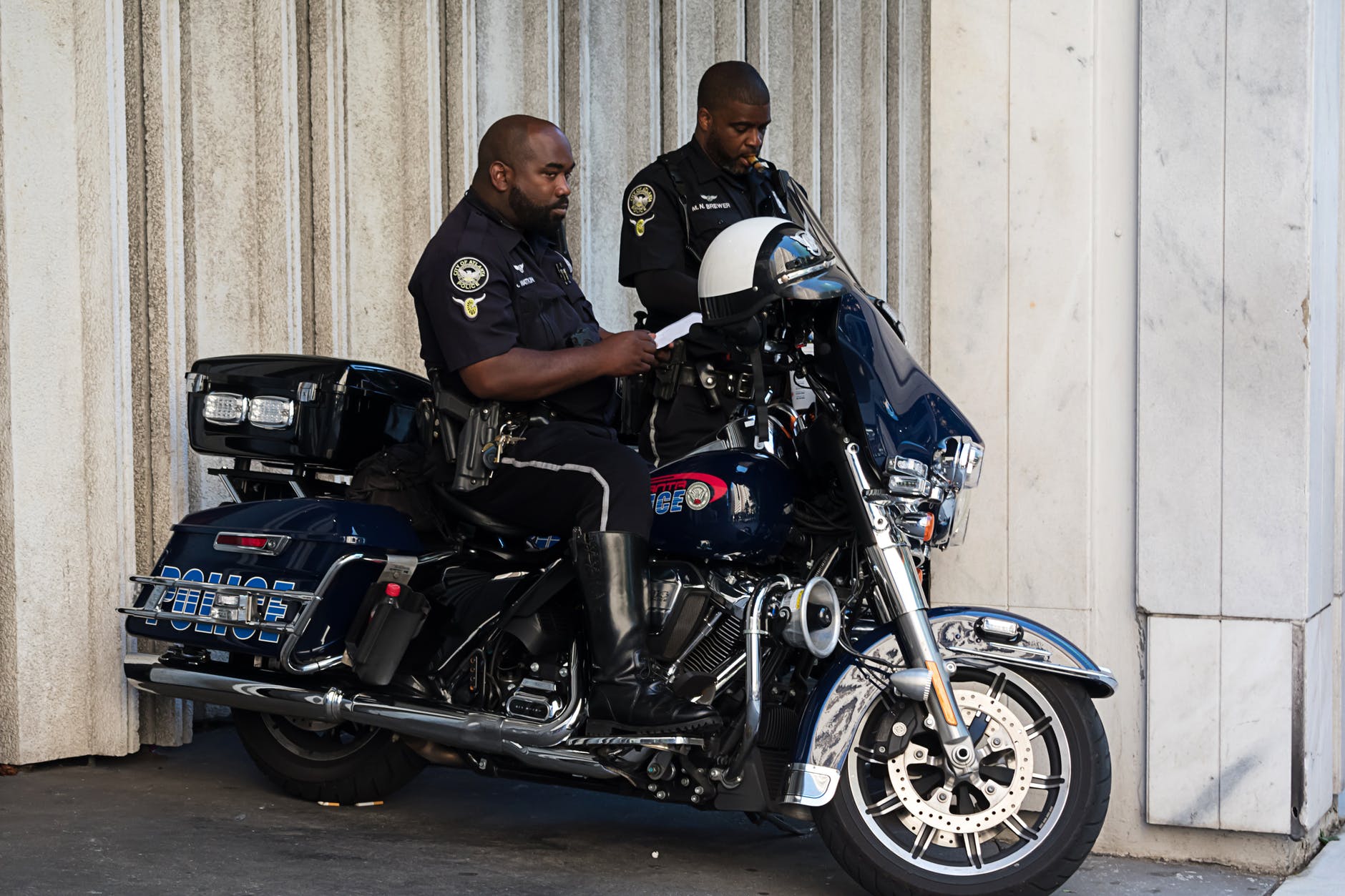
PORTLAND, Maine (AP) — Maine’s Republican senator has joined a push to help families of public safety #officers who have suffered #mentalhealthchallenges or died by #suicide.

Sen. Susan Collins is part of a bipartisan group of senators that is working to help families receive public safety officers’ benefits. Those benefits are currently limited to physical injuries.

The program could be altered to provide financial support to families of #firefighters, #policeofficers and emergency medical technicians who die in the line of duty or are disabled, Collins said.

She said the bill she is supporting would “provide support for officers suffering from work-related #PTSD, as well as provide grieving families with the resources and support they need.”

The bill would designate work-related #posttraumaticstressdisorder and acute #stressdisorder as a line-of-duty injury.

It would also allow families of officers who die by trauma-linked #suicide to apply for death benefits, Collins said.

#James Donaldson notes:Welcome to the “next chapter” of my life… being a voice and an advocate for #mentalhealthawarenessandsuicideprevention, especially pertaining to our younger generation of students and student-athletes.Getting men to speak up and reach out for help and assistance is one of my passions. Us men need to not suffer in silence or drown our sorrows in alcohol, hang out at bars and strip joints, or get involved with drug use.Having gone through a recent bout of #depression and #suicidalthoughts myself, I realize now, that I can make a huge difference in the lives of so many by sharing my story, and by sharing various resources I come across as I work in this space.  #http://bit.ly/JamesMentalHealthArticleOrder your copy of James Donaldson's latest book,#CelebratingYourGiftofLife:From The Verge of Suicide to a Life of Purpose and Joy

http://www.celebratingyourgiftoflife.com

Photo by Ludmila Aleksandra on Pexels.com
https://standingabovethecrowd.com/?p=10014

Monday, September 26, 2022

SeptemberisNationalSuicidePreventionMonth - Talking About #Teen #Suicide Saves Lives 
The South African #Depression and #Anxiety Group (Sadag) is helping #parents, #teachers and the community on how to share difficult conversations around #teen #depression and #suicideprevention

#Facebook #Twitter #LinkedIn #Tumblr

This is in line with this year’s #Teen #SuicidePreventionWeek.

According to experts, #teens are the most at-risk age group for #suicide in South Africa. The most at-risk age group for #suicide in South Africa are #adolescents and recently we are hearing more and more about #teen suicides in the press all around the country.

The need to talk more about #teen #suicide is important to help #parents, #teachers and communities to identify the risk in our #teens early, empower them to have real conversations about issues that #teens are dealing with and get the urgent help they need.

Talking about #Teen #Suicide saves lives. One #teen #suicide is one too many.

“#Parents are often afraid to use the ‘s’ word when having critical conversations with their #teens. We need to strive to create safe and open spaces for our #teens so that when they are truly in the throes of a crisis, we are their go-to,” says clinical #psychologist, Liane Lurie.

“Talking about #suicide, especially #teen #suicide, is often taboo, too hard, difficult and awkward. The fear of saying the wrong thing, or ‘planting the seed’ is often what #parents and #teachers tell Sadag.

“We want to help #parents and #teachers on how to have #RealConvo’s with their #teens or learners. Being available to talk about #mentalhealth is an important way we can all be there for the people in our lives – whether it’s a #child, friend, family member, colleague or even someone in the community.

“Our willingness to be open, honest and present with the people we care about and talk about #teen #depression and #Suicide, could save a life.

Throughout the week, Sadag will be launching an online campaign called #RealConvo’s sharing important conversation starters, helpful tips on what to say and what not to say, sharing expert videos, and resources on how to talk about #teen #suicideprevention.

“You don’t need special training to have an open, authentic genuine conversation about #mentalhealth. Often, just talking about it can be the first important step in staying connected.”

#James Donaldson notes:Welcome to the “next chapter” of my life… being a voice and an advocate for #mentalhealthawarenessandsuicideprevention, especially pertaining to our younger generation of students and student-athletes.Getting men to speak up and reach out for help and assistance is one of my passions. Us men need to not suffer in silence or drown our sorrows in alcohol, hang out at bars and strip joints, or get involved with drug use.Having gone through a recent bout of #depression and #suicidalthoughts myself, I realize now, that I can make a huge difference in the lives of so many by sharing my story, and by sharing various resources I come across as I work in this space.  #http://bit.ly/JamesMentalHealthArticleOrder your copy of James Donaldson's latest book,#CelebratingYourGiftofLife:From The Verge of Suicide to a Life of Purpose and Joy

http://www.celebratingyourgiftoflife.com

On the Sadag website you will find:• Live webinars on its #Facebook page with experts unpacking various angles on #teen #suicide. Prevention includes how to speak to a #teen about #depression and #suicide, what to do after a #suicideattempt and more.• An online campaign through its #socialmedia pages called #RealConvo as Sadag has real conversations about #teen #depression and #suicideprevention. #Facebook: The South African #Depression and #Anxiety Group, #Twitter:@TheSADAG and #Instagram: official_sadag.• A live #Facebook Friday online Q&A, with the topic being Tips for #Parents – After a #SuicideAttempt on February at 13:00 with guest speaker clinical #psychologist Liane Lurie.• #School talks helping #students and #teachers on #teen #suicideprevention.• Radio 702 are taking the opportunity to support their listeners. To support you, they will be implementing an online contact form on their website for anyone who may need crisis intervention or #mentalhealthsupport. They will be hosting a live #teen #suicideprevention webinar on February 17 with 702 host Bongani Bingwa an amazing panel of speakers, #psychiatrist Dr Mashadi Motlana, Miss SA Shudufhadzo Musida and Sadag operational director Cassey Chambers.

“Let us speak about #teen #suicideprevention today so that we may never have to again in the future,” says clinical #psychologist and Sadag board deputy chairperson Zamo Mbele.

“#Teens need to know that help is available and asking for help is something you do at any point when you are battling. It’s difficult asking for help but all you need to say to an #adult who cares, is ‘I need help’. We will listen,” says #psychiatrist Dr Terri Henderson.

If someone you know, your teen, or friend are feeling hopeless, alone or having recurring thoughts of #suicide or death, contact Sadag’s toll-free helpline 0800 567 567 or 0800 21 22 23. Or SMS 31393 and a #counselor will call back or visit www.sadag.org

“Take every #suicide mention, threat and attempt seriously. People who have attempted #suicide before, if left untreated and unmanaged, are at greater risk of attempting or completing #suicide,” says Chambers.
https://standingabovethecrowd.com/2022/09/septemberisnationalsuicidepreventionmonth-talking-about-teen-suicide-saves-lives/

Saturday, September 24, 2022

#SeptemberisNationalSuicidePreventionMonth - #MentalHealth Experts Explain Why Signs Of Someone Suffering With #SuicidalThoughts Can Be Easy To Miss
If you or a loved one are facing thoughts of #suicide or #self-harm, there is help readily available

Author: Lana Harris, Briana Harper (WCNC)

CHARLOTTE, N.C. — Every day, people across the country struggle with #mentalhealthissues -- some suffering in silence. At times, the #mentalhealth battle tragically ends in #suicide.

#Mentalhealth and #suicideprevention advocate Fonda Bryant said the thoughts and actions of a person suffering with #depression or #suicidalthoughts may not look like what people expect.  

"#Mentalhealth does not care who we are,” Bryant said.

Bryant said it can impact anyone because it warps reality.

“It distorts everything," Bryant said. "You can have everything going for yourself and #depression is telling you still, you’re a loser.” 

Bryant said #socialmedia helps to mask it.

“We put us smiling, traveling, doing things, wearing beautiful clothes," Bryant said. "But on the inside, we’re coming apart.” 

Bryant said she knows firsthand what it's like to wrestle with #suicide.

“The thing is I really want people to realize, we didn’t want to die," Bryant said. "In that moment, we’re dealing with excruciating pain from the top of our head to the bottom of our feet.” 

Bryant said her life was only spared thanks to a phone call with an aunt.

“She recognized that something was wrong, and she called me back and asked me, 'Are you going to kill yourself?'" Bryant said. "And I said yes. And she went into action." 

Bryant said many people don’t reach out for help, fearing judgment. 

“That #stigma," Bryant said, "Oh, 'They can't handle their job,' 'What do you mean you're depressed,' 'You have money, you have looks.' If you're going to judge us, we’re going to shut down because see we already feel worthless. We already feel hopeless.”

Instead, Piedmont Medical Center #psychiatrist Dr. Brian Mika said its important to normalize the conversation about #suicide and #depression to help with healing help instead of harm.

https://www.youtube.com/embed/ZshBiiJH-UE?rel=0

#James Donaldson notes:Welcome to the “next chapter” of my life… being a voice and an advocate for #mentalhealthawarenessandsuicideprevention, especially pertaining to our younger generation of students and student-athletes.Getting men to speak up and reach out for help and assistance is one of my passions. Us men need to not suffer in silence or drown our sorrows in alcohol, hang out at bars and strip joints, or get involved with drug use.Having gone through a recent bout of #depression and #suicidalthoughts myself, I realize now, that I can make a huge difference in the lives of so many by sharing my story, and by sharing various resources I come across as I work in this space.  #http://bit.ly/JamesMentalHealthArticleOrder your copy of James Donaldson's latest book,#CelebratingYourGiftofLife:From The Verge of Suicide to a Life of Purpose and Joy

http://www.celebratingyourgiftoflife.com

“If you’re having thoughts that I’m feeling overwhelmed, I’m feeling depressed, I’m feeling down, I’m not sure how I can go on and that’s when you get the help and that’s perfectly normal," Mika said. 

Paying attention to the big and small signs can oftentimes help save a life too.

“The absence of emotion is troubling and concerning sign and you want to investigate that. Talk to people," Mika said.

Bryant said anyone reaching out should be taken seriously. She said asking simple questions like "What did you mean by that" and "Are you OK" could make all the difference.

“We don’t all come out and say you know, I'm going to hurt myself," Bryant said. "It can be very cryptic.” 

Bryant said it's important to recognize the things people aren't saying. It's why Bryant holds free virtual #suicideprevention classes so more people can recognize the signs.

“The thing is with #suicide, it leaves questions," Bryant said. "Why didn't I check on them, why didn’t I know the signs, why didn’t I reach out, why didn’t they reach out to me? Those will bother you for the rest of your life."

Some of the signs Bryant said could indicate someone is suffering are a change in #behavior or personality, isolating, eating or sleeping too much or too little, self-medicating, and an infatuation with death. She said if thoughts and symptoms like these last more than two weeks and interfere with everyday life, you should see a professional immediately if you can, but even talking with a friend can help. 

If you would like to join one of Byrant's free virtual #suicideprevention classes, you can contact her via email at fondanc_40@yahoo.com or reach out to her on #Facebook, #Instagram or #Twitter. 

Credit: Fonda Bryant

If you or a loved one are facing thoughts of #suicide or #self-harm, there is help readily available. You can call The #NationalSuicidePreventionLifeline at 800-273-8255 or chat with them online. There are also resources in North Carolina available here and in South Carolina available here.
https://standingabovethecrowd.com/2022/09/septemberisnationalsuicidepreventionmonth-mentalhealth-experts-explain-why-signs-of-someone-suffering-with-suicidalthoughts-can-be-easy-to-miss/
#SeptemberisNationalSuicidePreventionMonth - #MentalHealth Experts Explain Why Signs Of Someone Suffering With #SuicidalThoughts Can Be Easy To Miss
If you or a loved one are facing thoughts of #suicide or #self-harm, there is help readily available

Author: Lana Harris, Briana Harper (WCNC)

CHARLOTTE, N.C. — Every day, people across the country struggle with #mentalhealthissues -- some suffering in silence. At times, the #mentalhealth battle tragically ends in #suicide.

#Mentalhealth and #suicideprevention advocate Fonda Bryant said the thoughts and actions of a person suffering with #depression or #suicidalthoughts may not look like what people expect.  

"#Mentalhealth does not care who we are,” Bryant said.

Bryant said it can impact anyone because it warps reality.

“It distorts everything," Bryant said. "You can have everything going for yourself and #depression is telling you still, you’re a loser.” 

Bryant said #socialmedia helps to mask it.

“We put us smiling, traveling, doing things, wearing beautiful clothes," Bryant said. "But on the inside, we’re coming apart.” 

Bryant said she knows firsthand what it's like to wrestle with #suicide.

“The thing is I really want people to realize, we didn’t want to die," Bryant said. "In that moment, we’re dealing with excruciating pain from the top of our head to the bottom of our feet.” 

Bryant said her life was only spared thanks to a phone call with an aunt.

“She recognized that something was wrong, and she called me back and asked me, 'Are you going to kill yourself?'" Bryant said. "And I said yes. And she went into action." 

Bryant said many people don’t reach out for help, fearing judgment. 

“That #stigma," Bryant said, "Oh, 'They can't handle their job,' 'What do you mean you're depressed,' 'You have money, you have looks.' If you're going to judge us, we’re going to shut down because see we already feel worthless. We already feel hopeless.”

Instead, Piedmont Medical Center #psychiatrist Dr. Brian Mika said its important to normalize the conversation about #suicide and #depression to help with healing help instead of harm.

https://www.youtube.com/embed/ZshBiiJH-UE?rel=0

#James Donaldson notes:Welcome to the “next chapter” of my life… being a voice and an advocate for #mentalhealthawarenessandsuicideprevention, especially pertaining to our younger generation of students and student-athletes.Getting men to speak up and reach out for help and assistance is one of my passions. Us men need to not suffer in silence or drown our sorrows in alcohol, hang out at bars and strip joints, or get involved with drug use.Having gone through a recent bout of #depression and #suicidalthoughts myself, I realize now, that I can make a huge difference in the lives of so many by sharing my story, and by sharing various resources I come across as I work in this space.  #http://bit.ly/JamesMentalHealthArticleOrder your copy of James Donaldson's latest book,#CelebratingYourGiftofLife:From The Verge of Suicide to a Life of Purpose and Joy

http://www.celebratingyourgiftoflife.com

“If you’re having thoughts that I’m feeling overwhelmed, I’m feeling depressed, I’m feeling down, I’m not sure how I can go on and that’s when you get the help and that’s perfectly normal," Mika said. 

Paying attention to the big and small signs can oftentimes help save a life too.

“The absence of emotion is troubling and concerning sign and you want to investigate that. Talk to people," Mika said.

Bryant said anyone reaching out should be taken seriously. She said asking simple questions like "What did you mean by that" and "Are you OK" could make all the difference.

“We don’t all come out and say you know, I'm going to hurt myself," Bryant said. "It can be very cryptic.” 

Bryant said it's important to recognize the things people aren't saying. It's why Bryant holds free virtual #suicideprevention classes so more people can recognize the signs.

“The thing is with #suicide, it leaves questions," Bryant said. "Why didn't I check on them, why didn’t I know the signs, why didn’t I reach out, why didn’t they reach out to me? Those will bother you for the rest of your life."

Some of the signs Bryant said could indicate someone is suffering are a change in #behavior or personality, isolating, eating or sleeping too much or too little, self-medicating, and an infatuation with death. She said if thoughts and symptoms like these last more than two weeks and interfere with everyday life, you should see a professional immediately if you can, but even talking with a friend can help. 

If you would like to join one of Byrant's free virtual #suicideprevention classes, you can contact her via email at fondanc_40@yahoo.com or reach out to her on #Facebook, #Instagram or #Twitter. 

Credit: Fonda Bryant

If you or a loved one are facing thoughts of #suicide or #self-harm, there is help readily available. You can call The #NationalSuicidePreventionLifeline at 800-273-8255 or chat with them online. There are also resources in North Carolina available here and in South Carolina available here.
https://standingabovethecrowd.com/2022/09/septemberisnationalsuicidepreventionmonth-mentalhealth-experts-explain-why-signs-of-someone-suffering-with-suicidalthoughts-can-be-easy-to-miss/
#SeptemberisNationalSuicidePreventionMonth - #MentalHealth Experts Explain Why Signs Of Someone Suffering With #SuicidalThoughts Can Be Easy To Miss
If you or a loved one are facing thoughts of #suicide or #self-harm, there is help readily available

Author: Lana Harris, Briana Harper (WCNC)

CHARLOTTE, N.C. — Every day, people across the country struggle with #mentalhealthissues -- some suffering in silence. At times, the #mentalhealth battle tragically ends in #suicide.

#Mentalhealth and #suicideprevention advocate Fonda Bryant said the thoughts and actions of a person suffering with #depression or #suicidalthoughts may not look like what people expect.  

"#Mentalhealth does not care who we are,” Bryant said.

Bryant said it can impact anyone because it warps reality.

“It distorts everything," Bryant said. "You can have everything going for yourself and #depression is telling you still, you’re a loser.” 

Bryant said #socialmedia helps to mask it.

“We put us smiling, traveling, doing things, wearing beautiful clothes," Bryant said. "But on the inside, we’re coming apart.” 

Bryant said she knows firsthand what it's like to wrestle with #suicide.

“The thing is I really want people to realize, we didn’t want to die," Bryant said. "In that moment, we’re dealing with excruciating pain from the top of our head to the bottom of our feet.” 

Bryant said her life was only spared thanks to a phone call with an aunt.

“She recognized that something was wrong, and she called me back and asked me, 'Are you going to kill yourself?'" Bryant said. "And I said yes. And she went into action." 

Bryant said many people don’t reach out for help, fearing judgment. 

“That #stigma," Bryant said, "Oh, 'They can't handle their job,' 'What do you mean you're depressed,' 'You have money, you have looks.' If you're going to judge us, we’re going to shut down because see we already feel worthless. We already feel hopeless.”

Instead, Piedmont Medical Center #psychiatrist Dr. Brian Mika said its important to normalize the conversation about #suicide and #depression to help with healing help instead of harm.

https://www.youtube.com/embed/ZshBiiJH-UE?rel=0

#James Donaldson notes:Welcome to the “next chapter” of my life… being a voice and an advocate for #mentalhealthawarenessandsuicideprevention, especially pertaining to our younger generation of students and student-athletes.Getting men to speak up and reach out for help and assistance is one of my passions. Us men need to not suffer in silence or drown our sorrows in alcohol, hang out at bars and strip joints, or get involved with drug use.Having gone through a recent bout of #depression and #suicidalthoughts myself, I realize now, that I can make a huge difference in the lives of so many by sharing my story, and by sharing various resources I come across as I work in this space.  #http://bit.ly/JamesMentalHealthArticleOrder your copy of James Donaldson's latest book,#CelebratingYourGiftofLife:From The Verge of Suicide to a Life of Purpose and Joy

http://www.celebratingyourgiftoflife.com

“If you’re having thoughts that I’m feeling overwhelmed, I’m feeling depressed, I’m feeling down, I’m not sure how I can go on and that’s when you get the help and that’s perfectly normal," Mika said. 

Paying attention to the big and small signs can oftentimes help save a life too.

“The absence of emotion is troubling and concerning sign and you want to investigate that. Talk to people," Mika said.

Bryant said anyone reaching out should be taken seriously. She said asking simple questions like "What did you mean by that" and "Are you OK" could make all the difference.

“We don’t all come out and say you know, I'm going to hurt myself," Bryant said. "It can be very cryptic.” 

Bryant said it's important to recognize the things people aren't saying. It's why Bryant holds free virtual #suicideprevention classes so more people can recognize the signs.

“The thing is with #suicide, it leaves questions," Bryant said. "Why didn't I check on them, why didn’t I know the signs, why didn’t I reach out, why didn’t they reach out to me? Those will bother you for the rest of your life."

Some of the signs Bryant said could indicate someone is suffering are a change in #behavior or personality, isolating, eating or sleeping too much or too little, self-medicating, and an infatuation with death. She said if thoughts and symptoms like these last more than two weeks and interfere with everyday life, you should see a professional immediately if you can, but even talking with a friend can help. 

If you would like to join one of Byrant's free virtual #suicideprevention classes, you can contact her via email at fondanc_40@yahoo.com or reach out to her on #Facebook, #Instagram or #Twitter. 

Credit: Fonda Bryant

If you or a loved one are facing thoughts of #suicide or #self-harm, there is help readily available. You can call The #NationalSuicidePreventionLifeline at 800-273-8255 or chat with them online. There are also resources in North Carolina available here and in South Carolina available here.
https://standingabovethecrowd.com/2022/09/septemberisnationalsuicidepreventionmonth-mentalhealth-experts-explain-why-signs-of-someone-suffering-with-suicidalthoughts-can-be-easy-to-miss/
#SeptemberisNationalSuicidePreventionMonth - #MentalHealth Experts Explain Why Signs Of Someone Suffering With #SuicidalThoughts Can Be Easy To Miss
If you or a loved one are facing thoughts of #suicide or #self-harm, there is help readily available

Author: Lana Harris, Briana Harper (WCNC)

CHARLOTTE, N.C. — Every day, people across the country struggle with #mentalhealthissues -- some suffering in silence. At times, the #mentalhealth battle tragically ends in #suicide.

#Mentalhealth and #suicideprevention advocate Fonda Bryant said the thoughts and actions of a person suffering with #depression or #suicidalthoughts may not look like what people expect.  

"#Mentalhealth does not care who we are,” Bryant said.

Bryant said it can impact anyone because it warps reality.

“It distorts everything," Bryant said. "You can have everything going for yourself and #depression is telling you still, you’re a loser.” 

Bryant said #socialmedia helps to mask it.

“We put us smiling, traveling, doing things, wearing beautiful clothes," Bryant said. "But on the inside, we’re coming apart.” 

Bryant said she knows firsthand what it's like to wrestle with #suicide.

“The thing is I really want people to realize, we didn’t want to die," Bryant said. "In that moment, we’re dealing with excruciating pain from the top of our head to the bottom of our feet.” 

Bryant said her life was only spared thanks to a phone call with an aunt.

“She recognized that something was wrong, and she called me back and asked me, 'Are you going to kill yourself?'" Bryant said. "And I said yes. And she went into action." 

Bryant said many people don’t reach out for help, fearing judgment. 

“That #stigma," Bryant said, "Oh, 'They can't handle their job,' 'What do you mean you're depressed,' 'You have money, you have looks.' If you're going to judge us, we’re going to shut down because see we already feel worthless. We already feel hopeless.”

Instead, Piedmont Medical Center #psychiatrist Dr. Brian Mika said its important to normalize the conversation about #suicide and #depression to help with healing help instead of harm.

https://www.youtube.com/embed/ZshBiiJH-UE?rel=0

#James Donaldson notes:Welcome to the “next chapter” of my life… being a voice and an advocate for #mentalhealthawarenessandsuicideprevention, especially pertaining to our younger generation of students and student-athletes.Getting men to speak up and reach out for help and assistance is one of my passions. Us men need to not suffer in silence or drown our sorrows in alcohol, hang out at bars and strip joints, or get involved with drug use.Having gone through a recent bout of #depression and #suicidalthoughts myself, I realize now, that I can make a huge difference in the lives of so many by sharing my story, and by sharing various resources I come across as I work in this space.  #http://bit.ly/JamesMentalHealthArticleOrder your copy of James Donaldson's latest book,#CelebratingYourGiftofLife:From The Verge of Suicide to a Life of Purpose and Joy

http://www.celebratingyourgiftoflife.com

“If you’re having thoughts that I’m feeling overwhelmed, I’m feeling depressed, I’m feeling down, I’m not sure how I can go on and that’s when you get the help and that’s perfectly normal," Mika said. 

Paying attention to the big and small signs can oftentimes help save a life too.

“The absence of emotion is troubling and concerning sign and you want to investigate that. Talk to people," Mika said.

Bryant said anyone reaching out should be taken seriously. She said asking simple questions like "What did you mean by that" and "Are you OK" could make all the difference.

“We don’t all come out and say you know, I'm going to hurt myself," Bryant said. "It can be very cryptic.” 

Bryant said it's important to recognize the things people aren't saying. It's why Bryant holds free virtual #suicideprevention classes so more people can recognize the signs.

“The thing is with #suicide, it leaves questions," Bryant said. "Why didn't I check on them, why didn’t I know the signs, why didn’t I reach out, why didn’t they reach out to me? Those will bother you for the rest of your life."

Some of the signs Bryant said could indicate someone is suffering are a change in #behavior or personality, isolating, eating or sleeping too much or too little, self-medicating, and an infatuation with death. She said if thoughts and symptoms like these last more than two weeks and interfere with everyday life, you should see a professional immediately if you can, but even talking with a friend can help. 

If you would like to join one of Byrant's free virtual #suicideprevention classes, you can contact her via email at fondanc_40@yahoo.com or reach out to her on #Facebook, #Instagram or #Twitter. 

Credit: Fonda Bryant

If you or a loved one are facing thoughts of #suicide or #self-harm, there is help readily available. You can call The #NationalSuicidePreventionLifeline at 800-273-8255 or chat with them online. There are also resources in North Carolina available here and in South Carolina available here.
https://standingabovethecrowd.com/?p=9867

Friday, September 23, 2022

#SeptemberisNationalSuicidePreventionMonth - How To Help #Kids Who Are Too Hard On Themselves
Bolstering self-critical #children who tend to talk themselves down

Writer: Katherine Martinelli

What You'll Learn

- Why might #kids say bad things about themselves?

- What can #parents do to help #kids who are hard on themselves?

- Quick Read

- Full Article

- What is #self-talk?

- Globalized thinking

- Perfectionism

- Too cool for #school

- Attention-seeking

- Lack of resilience

- #Bullying

- When to worry

- What #parents can do to help

All #kids say bad stuff about themselves sometimes. But when their inner voice keeps saying bad things, it can have a negative effect on them.

#Children who expect a lot of themselves may be prone to negative #self-talk. For older #kids, saying things like, “I’m so stupid” or, “I’m so fat” can be a way of protecting themselves from social pressure. They may say bad things about themselves before someone else does it. And #kids who are being bullied may start to believe the bad things other #kids say about them and start saying them too.

While some #kids may do this as a way of getting attention, others do it because they’re not good at bouncing back when something bad happens. They also might not want to try new or hard things.

#Parents should take negative #self-talk seriously when it starts to happen a lot and causes problems with #school or friends. Also watch out if your #child stops eating or sleeping well or complains about feeling sick a lot and doesn’t want to go to #school. This could mean your #child is depressed.

#Parents can help. Really listen to your #child and show that you care how they feel. Try not to be overly cheery when they share a concern. When you catch yourself being negative, correct yourself. For example, if you burn something and blurt out, “I’m a terrible cook,” correct that. Say, “Actually I’m a pretty good cook. Everyone makes mistakes.” Check in with your child’s #teachers, too.

If your #child keeps saying bad things about themselves, seems to be depressed or has other changes in their #behavior, it makes sense to talk to #mentalhealthprofessional.

We hear #kids say negative things about themselves all the time: “I’m so stupid!” “Nobody likes me.” And, of course, “I’m fat.” Or “I’m ugly.” Sometimes these things are throwaway lines, or fishing for reassurance. They may be harmless. But what experts call negative #self-talk can also reflect an unhealthy tendency in #kids to think the worst of themselves, and that can lead to—or be a sign of—something more serious.

What is #self-talk?

#Self-talk is essentially our inner monologue, explains Rachel Busman, PsyD, a clinical #psychologist.  It can be a way of narrating what is happening around you, practicing language, and guiding yourself through a task.

While #self-talk is often constructive, it can also go the other way. We all engage in self-critical #behavior from time to time, and it isn’t an immediate cause for concern. But it’s useful to think about why your #child might be talking themselves down, and when it might reflect a problem.

Globalized thinking

#Kids often make statements about themselves that reflect “all or none thinking,” explains Lisa Brown, PsyD, a private practitioner and #psychologist at the Rodeph Sholom Day #School in New York. For example, when a #child doesn’t do well in one soccer game and exclaims, “I stink at soccer!” When this kind of globalized thinking persists, she says, it “can affect how #children think and feel about themselves in general.”

Perfectionism

“#Children who set impossibly high standards for themselves,” says Dr. Brown, “are prone to engage in negative #self-talk.” These perfectionists can be so hard on themselves that they run themselves down trying to reach their goals.

Too cool for #school

Sometimes the self-deprecating “I’m so going to fail that test!” or “I’m so fat!” can be a form of social protection. For older #kids in particular, “the social sphere becomes really important,” says Dr. Busman. In certain social circles it may not be cool to be smart, and obsessing over appearances may be a way to fit in with the popular #kids. Or maybe the #child is trying to beat others to the punch by making negative statements first.

Attention-seeking

“Sometimes,” says Dr. Brown, “#children may engage in negative #self-talk, verbalized out loud, in an attempt to manipulate others or in an effort to get attention.” For example a #child may try to guilt #parents by talking about what a horrible #child they are and how they deserve to be punished.

Lack of resilience

In some cases, self-critical thought can be an indication of lack of resilience or “grit,” as some #psychologists refer to it. “If #children regularly respond to disappointments with negative #self-talk that is out of proportion to the particular disappointments,” says Dr. Brown, “this can lead to avoiding certain experiences as well as a lack of motivation to persevere in the face of difficulties.”

#Bullying

If a #child is being picked on, it can be easy for them to internalize the insults aimed at them. Shawna Palomo, mom to a 17-year-old daughter, says her daughter’s negative #self-talk emerged when she was 13. “They made fun of her,” recalls Palomo. “After a while, she would believe all the bad stuff her classmates were saying about her. She would always say how ugly she was.” Her daughter complained that her lips and nose were too big, her hair too curly. “It’s hard watching your #child battle these demons,” laments Palomo.

When to worry

In #isolation, negative #self-talk is natural and not cause for concern. But it can also be evidence of low #self-esteem, a #learningdisability, #anxiety, or #depression. Dr. Busman offers these signs to look out for:

- The negative self-talk is persistent and pervasive.

- It is not based in reality. For example, your son gets invited to play dates but still frets that no one likes him, or he always aces spelling tests but remains anxious that he will fail.

- It is impacting a child’s relationships or schoolwork.

- Your child’s eating and/or sleeping patterns have changed.

- They’re making persistent, vague “I don’t feel well” statements in the absence of physical symptoms.

Palomo noticed many of these signs in her daughter as the negative self-talk led to #depression. “She would not care about her appearance, then it went to the extreme where her appearance was all she cared about.” She didn’t do her homework, lost weight, and wanted to stay in bed all day.

#James Donaldson notes:Welcome to the “next chapter” of my life… being a voice and an advocate for #mentalhealthawarenessandsuicideprevention, especially pertaining to our younger generation of students and student-athletes.Getting men to speak up and reach out for help and assistance is one of my passions. Us men need to not suffer in silence or drown our sorrows in alcohol, hang out at bars and strip joints, or get involved with drug use.Having gone through a recent bout of #depression and #suicidalthoughts myself, I realize now, that I can make a huge difference in the lives of so many by sharing my story, and by sharing various resources I come across as I work in this space.  #http://bit.ly/JamesMentalHealthArticleOrder your copy of James Donaldson's latest book,#CelebratingYourGiftofLife:From The Verge of Suicide to a Life of Purpose and Joy

http://www.celebratingyourgiftoflife.com

What #parents can do to help

Here are some ways to free #children from negative thinking and steer them away from destructive #self-talk:

Listen and validate. It can be tempting to ignore it when a #kid first expresses negative feelings, but Dr. Busman says she “would recommend never just brushing off those kinds of comments, even if they’re kind of silly or not based in any reality.” Instead, offer a safe place for your #child to come with concerns and try to find out what is going on.

Offer a realistic approach. Both Dr. Busman and Dr. Brown advise against battling critical #self-talk with overly optimistic “positive thinking,” and recommend a more realistic approach. So if a #child says they’re sure no one will talk to them on their first day at a new #school, you don’t want to say, “The first day of #school is going to be great and you’re going to make a million friends.” Instead, you might offer: “The first day of #school might be a bit scary, but as you settle in you will likely make friends and grow to love it.”

Put it in context. Dr. Brown notes that #adults can help by talking with #kids in a way that “contextualizes their experience” and offers a “broader perspective.” Help them identify specifically what upset them, she explains, or made them make such a self-critical statement, and acknowledge that one bad experience doesn’t equate being the worst at something.

Model realistic and positive self-talk. Try to stop saying self-critical things about yourself, too. Don’t fixate on mistakes you’ve made, or worry out loud about your weight. We want to model positive #selfesteem for our #children. Dr. Busman also suggests offering stories from your own life to relate to your #child. “Whether it’s an embellished example or entirely factual,” she says, “you’re modeling non-anxious coping and more realistic #self-talk.”

Correct the record. Dr. Brown also notes catching yourself in the midst of making a negative statement can create a valuable teachable moment. Say you burn something and yell in frustration, “I’m a terrible cook!” Continue the conversation in front of your #child with something like “actually, I’m a pretty good cook most of the time, I just messed up this dish but I’m not going to let that stop me from cooking in the future.”

Touch base with #school. If your #child is in #school, check in with their #teachers about what you’re hearing. Getting their perspective can help you see a more complete picture. Dr. Busman notes that this kind of information can also be useful later should you end up having a professional evaluation.

Seek professional help. If the behavior is persistent and negatively impacting your child’s life, or if it’s linked to other troubling shifts in mood and #behavior it might be time to obtain a diagnostic evaluation to help determine what is causing the problem. Dr. Busman calls this a “#mentalhealth check-up,” and it can help pinpoint what is going on and how it can be treated.

This article was last reviewed or updated on August 3, 2022.

Katherine Martinelli

Katherine Martinelli is a journalist who has published internationally on a variety of topics including parenting, food, travel and education. … Read Bio
https://standingabovethecrowd.com/2022/09/septemberisnationalsuicidepreventionmonth-how-to-help-kids-who-are-too-hard-on-themselves/