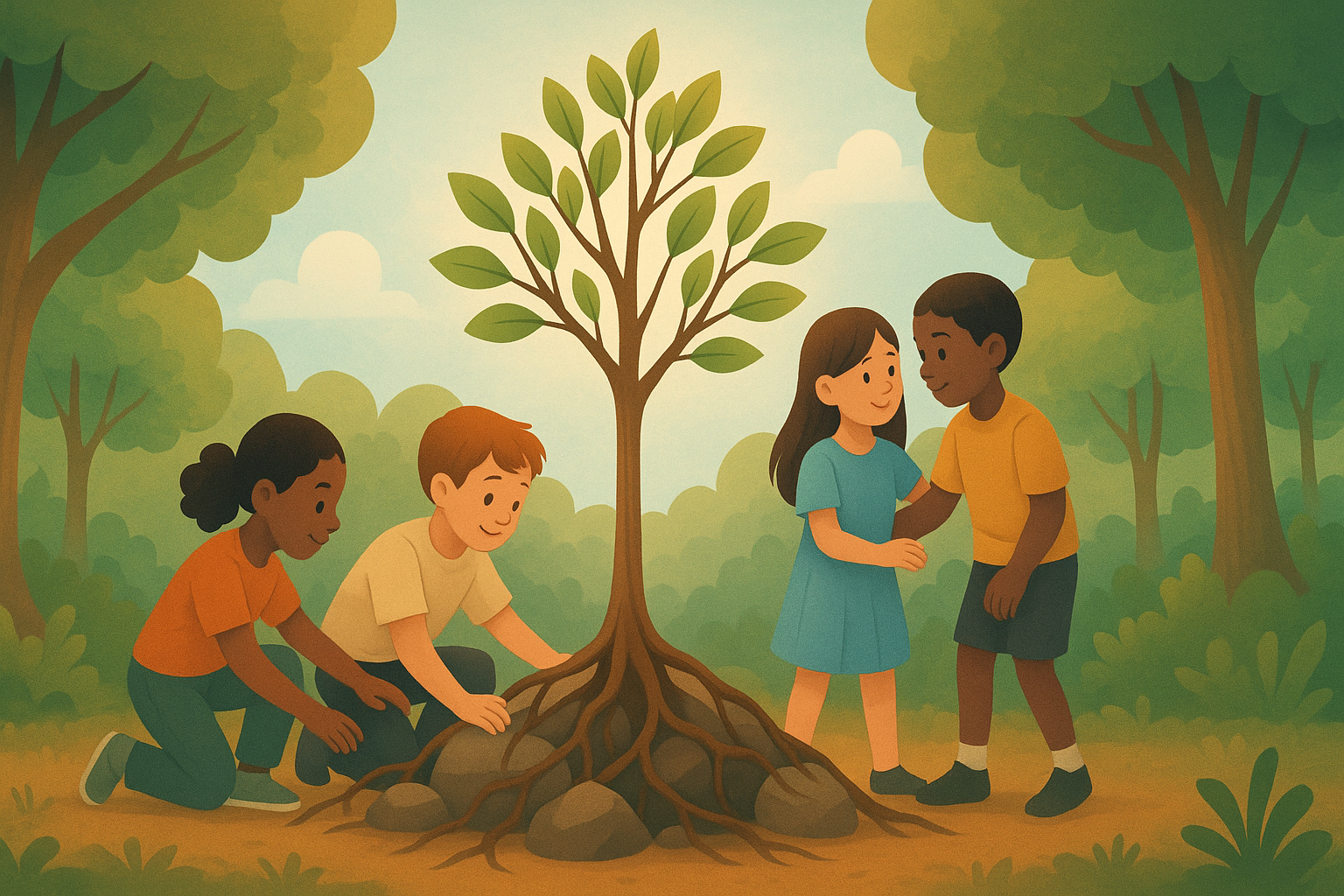
How to Foster Resilience in Children and Adolescents
In today's fast-paced and often unpredictable world, building resilience in children and adolescents is more important than ever. Resilience is the ability to navigate through challenges and bounce back from setbacks. As parents, educators, and caregivers, it's essential to equip the younger generation with the skills they need to thrive in the face of adversity. This blog post will explore practical ways to foster resilience in children and adolescents, helping them grow into well-rounded and emotionally strong individuals.
Table of Contents
1. Introduction
2. Understanding Resilience
3. Creating a Supportive Environment
4. Encouraging Positive Relationships
5. Teaching Problem-Solving Skills
6. Promoting Emotional Awareness
7. Building Self-Esteem and Confidence
8. Conclusion
9. FAQs
Understanding Resilience
Resilience is not a trait that children are born with; rather, it is a skill that can be developed over time. It involves a combination of internal strengths and external resources. Children who are resilient are better equipped to handle stress and recover from difficulties. Understanding the concept of resilience is the first step in helping children develop this crucial life skill.
Creating a Supportive Environment
A nurturing and secure environment is the foundation of resilience. Children need to feel safe, both physically and emotionally, to explore and take risks. Consistent routines, clear expectations, and a loving atmosphere provide the stability that children need to build resilience. Encourage open communication and let children know that they can rely on you for support and guidance.
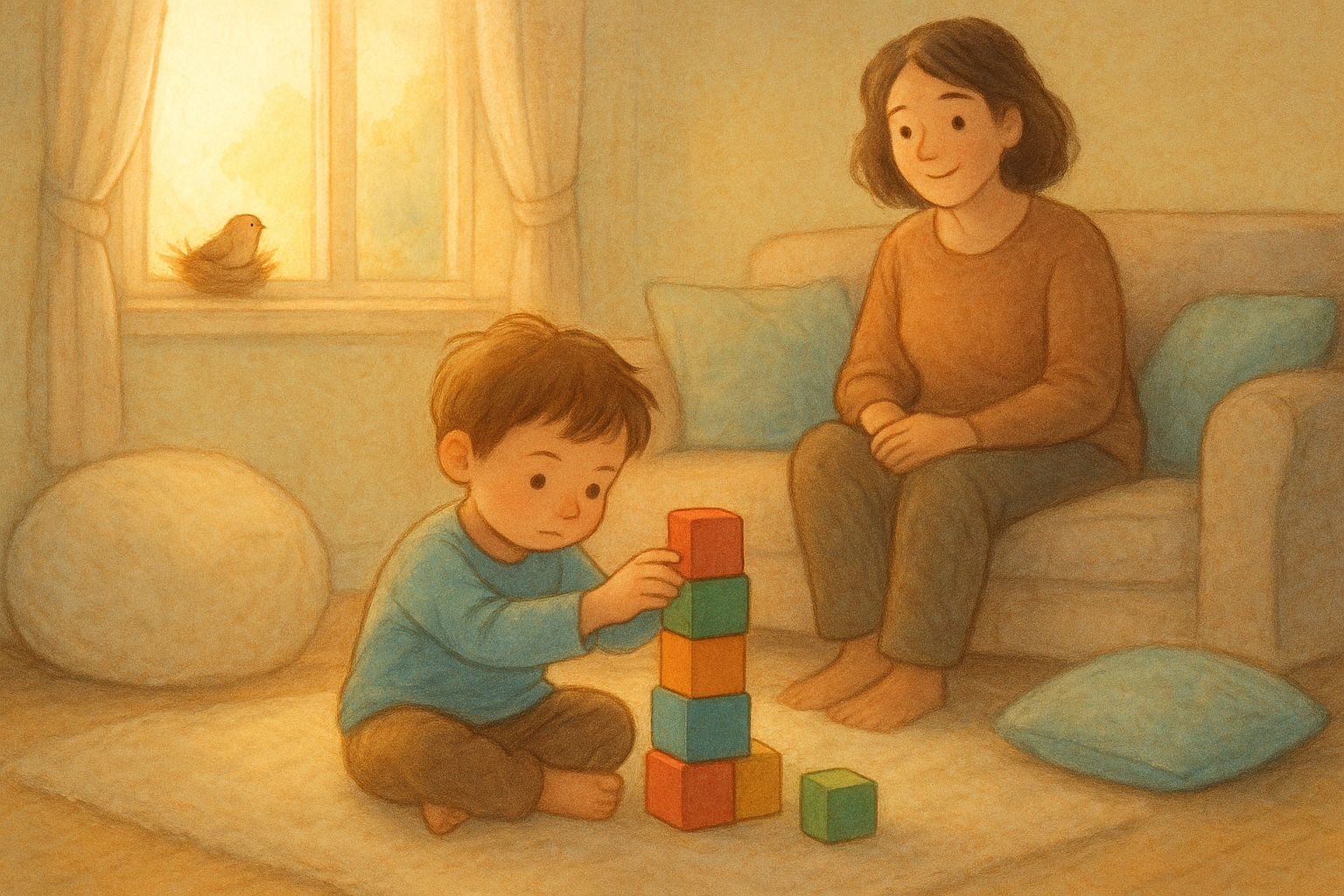
Encouraging Positive Relationships
Building strong, positive relationships is key to fostering resilience. Encourage children to form connections with family members, peers, and mentors. These relationships provide a support network that children can turn to in times of need. Teach children the importance of empathy, active listening, and cooperation, which are all essential skills for maintaining healthy relationships.
#James Donaldson notes:
Welcome to the “next chapter” of my life… being a voice and an advocate for #mentalhealthawarenessandsuicideprevention, especially pertaining to our younger generation of students and student-athletes.
Getting men to speak up and reach out for help and assistance is one of my passions. Us men need to not suffer in silence or drown our sorrows in alcohol, hang out at bars and strip joints, or get involved with drug use.
Having gone through a recent bout of #depression and #suicidalthoughts myself, I realize now, that I can make a huge difference in the lives of so many by sharing my story, and by sharing various resources I come across as I work in this space. #http://bit.ly/JamesMentalHealthArticle
Find out more about the work I do on my 501c3 non-profit foundation
website www.yourgiftoflife.org Order your copy of James Donaldson's latest book,
#CelebratingYourGiftofLife: From The Verge of Suicide to a Life of Purpose and Joy
Click Here For More Information About James Donaldson

Click here to follow James Donaldson's Blog

Teaching Problem-Solving Skills
Problem-solving skills are vital for resilience. Children who learn how to identify problems, brainstorm solutions, and evaluate outcomes are better prepared to handle challenges. Encourage children to think critically and independently, and guide them through the problem-solving process. Celebrate their successes and help them learn from their mistakes, fostering a growth mindset.
Promoting Emotional Awareness
Helping children understand and manage their emotions is crucial for resilience. Teach them to recognize and label their emotions, and provide strategies for coping with difficult feelings. Encourage children to express themselves through words, art, or other creative outlets. Emotional awareness helps children build self-regulation skills, which are essential for navigating challenges.
Building Self-Esteem and Confidence
Children with high self-esteem and confidence are more resilient. Praise children's efforts and accomplishments, and encourage them to set realistic goals. Provide opportunities for them to succeed and build their confidence. Help them understand that failure is a part of learning and growth, and encourage them to persevere despite setbacks.
Conclusion
Fostering resilience in children and adolescents is a rewarding journey that requires patience, understanding, and commitment. By creating a supportive environment, encouraging positive relationships, teaching problem-solving skills, promoting emotional awareness, and building self-esteem, we can equip the younger generation with the tools they need to thrive in any situation. As they grow, resilient children and adolescents become resilient adults, ready to face the world with confidence and courage.
FAQs
Q: Can resilience be taught at any age?
A: Yes, resilience can be developed at any age. While it's beneficial to start early, older children and even adults can learn and strengthen their resilience skills.
Q: What role do schools play in building resilience?
A: Schools play a significant role by providing a supportive and inclusive environment, teaching essential life skills, and offering extracurricular activities that encourage teamwork and problem-solving.
Q: How can I help my child if they are struggling to develop resilience?
A: Be patient and supportive, and provide opportunities for them to face challenges in a safe environment. Encourage them to talk about their feelings and seek professional help if necessary.
Q: How do I know if my child is resilient?
A: Resilient children typically exhibit self-confidence, effective problem-solving skills, emotional awareness, and the ability to form positive relationships. They are also able to adapt to change and handle stress effectively.
https://standingabovethecrowd.com/how-to-foster-resilience-in-children-and-adolescents/


No comments:
Post a Comment