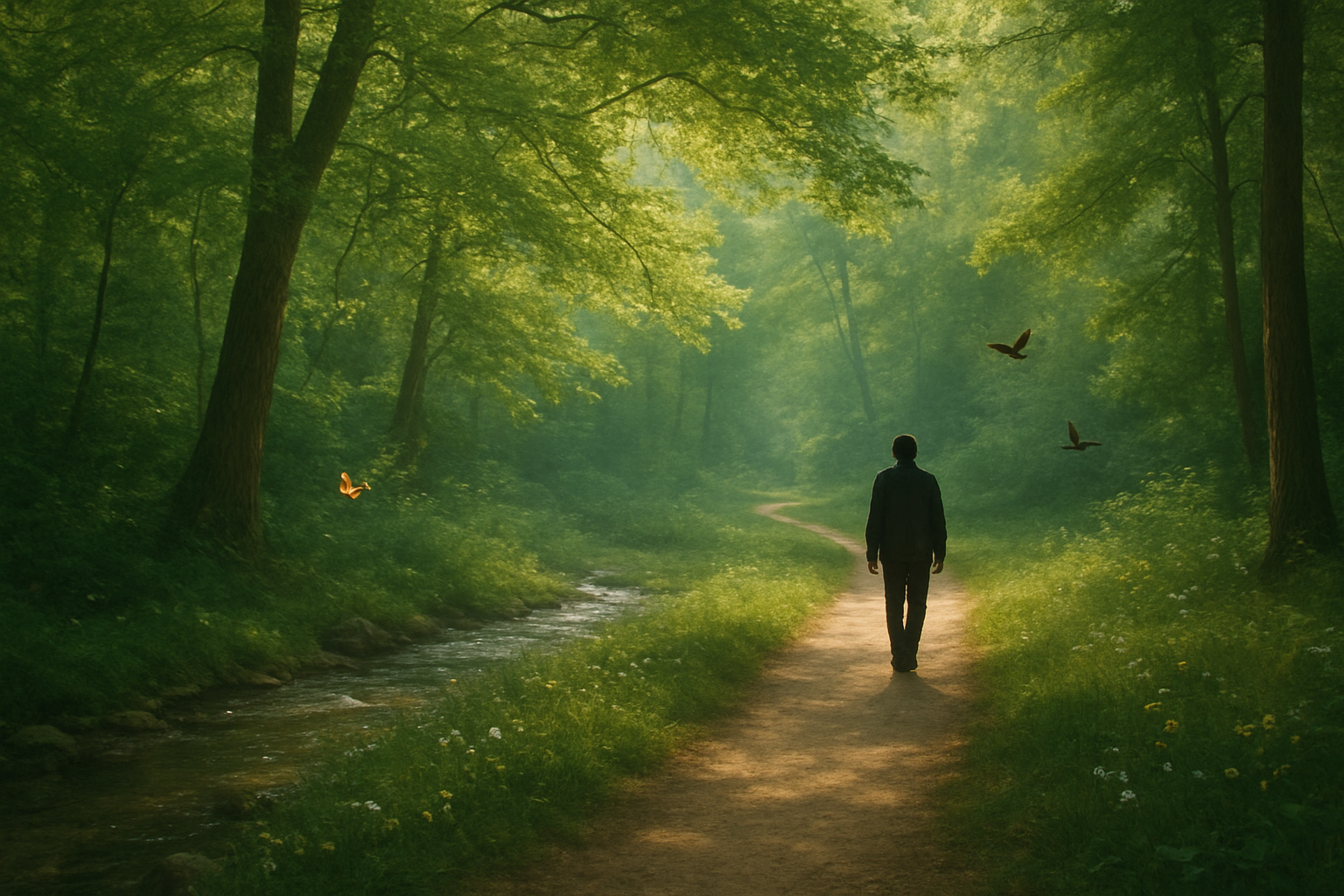
In today's fast-paced world, finding time to unwind and reconnect with oneself can feel like a luxury. However, one of the simplest and most effective ways to boost your mental health is by taking a walk in nature. This blog post explores the myriad benefits of nature walks for mental health, offering insights into how this simple activity can lead to profound improvements in well-being.
Table of Contents
1. Introduction to Nature Walks
2. Stress Reduction and Relaxation
3. Enhanced Mood and Emotional Well-being
4. Boosted Cognitive Function
5. Increased Mindfulness and Presence
6. Conclusion
7. FAQs
Introduction to Nature Walks
Nature walks, often referred to as forest bathing or eco-therapy, involve walking through natural environments like parks, forests, or even urban green spaces. Unlike regular walks, nature walks emphasize immersing oneself in the natural surroundings, allowing you to engage all your senses and truly experience the environment around you.
Stress Reduction and Relaxation
One of the most immediate benefits of nature walks is stress reduction. Studies have shown that spending time in nature lowers levels of cortisol, the hormone associated with stress. The calming effect of natural environments can help you relax, reducing anxiety and promoting a sense of peace. Imagine the gentle rustle of leaves, the soothing sound of a stream, or the refreshing scent of pine trees—all these elements work together to lower stress levels and improve relaxation.
#James Donaldson notes:
Welcome to the “next chapter” of my life… being a voice and an advocate for #mentalhealthawarenessandsuicideprevention, especially pertaining to our younger generation of students and student-athletes.
Getting men to speak up and reach out for help and assistance is one of my passions. Us men need to not suffer in silence or drown our sorrows in alcohol, hang out at bars and strip joints, or get involved with drug use.
Having gone through a recent bout of #depression and #suicidalthoughts myself, I realize now, that I can make a huge difference in the lives of so many by sharing my story, and by sharing various resources I come across as I work in this space. #http://bit.ly/JamesMentalHealthArticle
Find out more about the work I do on my 501c3 non-profit foundation
website www.yourgiftoflife.org Order your copy of James Donaldson's latest book,
#CelebratingYourGiftofLife: From The Verge of Suicide to a Life of Purpose and Joy
Click Here For More Information About James Donaldson

Click here to follow James Donaldson's Blog


Enhanced Mood and Emotional Well-being
Nature walks have a profound impact on mood and emotional well-being. Exposure to natural light and fresh air can increase serotonin levels, the neurotransmitter responsible for feelings of happiness and well-being. Additionally, the physical activity involved in walking releases endorphins, often referred to as 'happy hormones', which further elevate mood and reduce symptoms of depression.
Boosted Cognitive Function
Spending time in nature has been linked to improved cognitive function. Nature walks can enhance attention, memory, and creativity by providing a mental break from the constant stimuli of urban environments. The serene and unhurried pace of a nature walk allows the brain to rest and rejuvenate, leading to increased productivity and focus when you return to daily tasks.
Increased Mindfulness and Presence
Nature walks encourage mindfulness, the practice of being present in the moment. Walking slowly and deliberately through nature helps you focus on the here and now, allowing you to appreciate the beauty around you. This practice of mindfulness can reduce rumination, the tendency to dwell on negative thoughts, and help cultivate a more positive and balanced perspective on life.
Conclusion
Incorporating nature walks into your routine can lead to significant improvements in mental health. Whether you're seeking stress relief, a mood boost, or enhanced cognitive function, spending time in nature offers a simple and accessible solution. So, lace up your walking shoes, head to your nearest green space, and let the natural world work its magic on your mind and spirit.
FAQs
Q: How long should a nature walk be to benefit mental health?
A: Even a short 20-minute walk can have positive effects on your mental health. However, spending more time in nature can amplify these benefits, so aim for at least 30 to 60 minutes if possible.
Q: Do I need to be in a forest to experience these benefits?
A: While forests and natural reserves offer optimal environments, any green space, such as a local park or garden, can provide mental health benefits.
Q: Can I still benefit from a nature walk in bad weather?
A: Absolutely! Walking in nature, even in the rain or cold, can be invigorating and refreshing. Just be sure to dress appropriately for the weather.
Q: Is it better to walk alone or with someone?
A: Both have their benefits. Walking alone can enhance mindfulness and self-reflection, while walking with someone can provide social support and shared enjoyment of nature.
So, why wait? Step outside, breathe deeply, and let nature nurture your mental well-being.
https://standingabovethecrowd.com/the-benefits-of-nature-walks-for-mental-health/


No comments:
Post a Comment