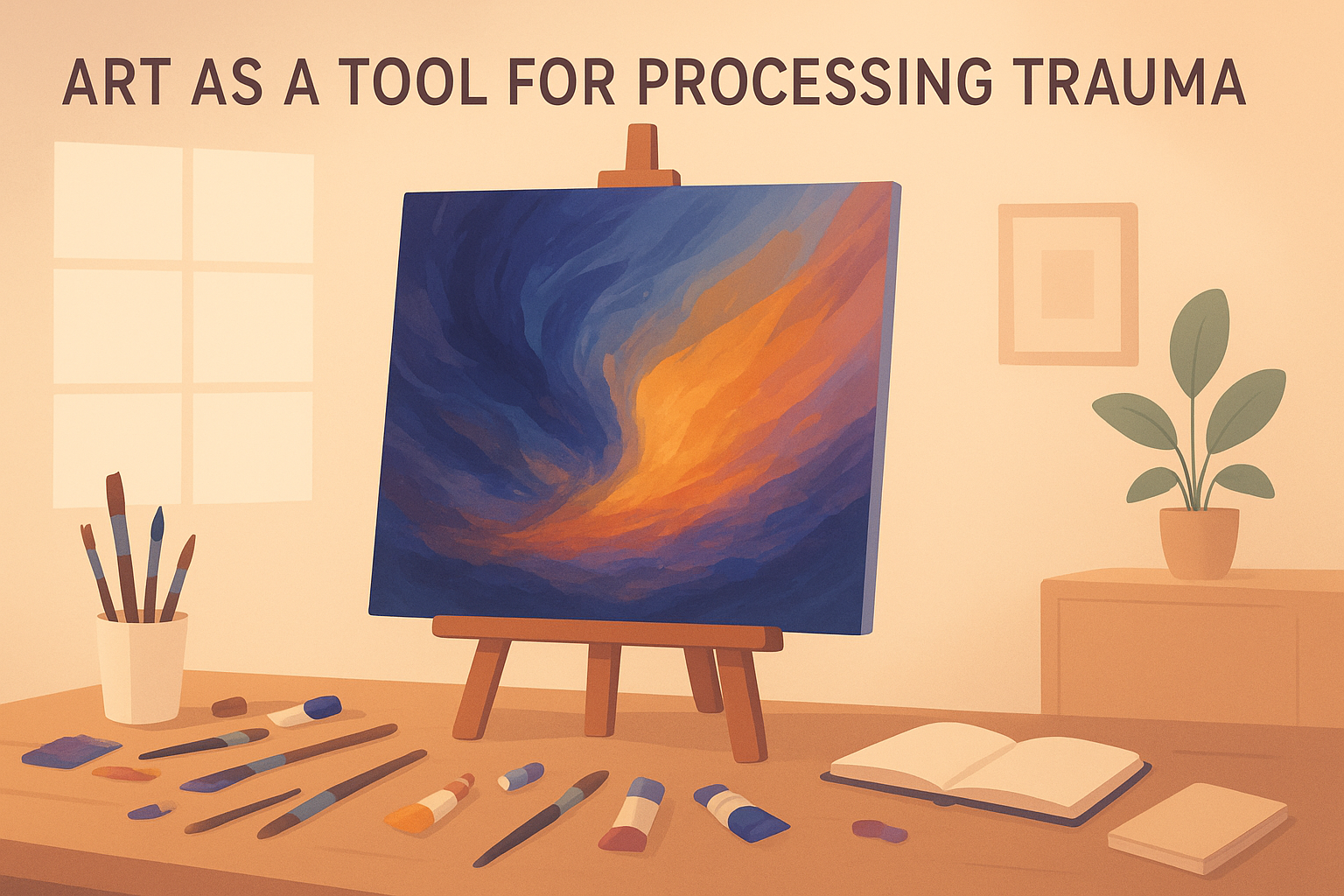
Art as a Tool for Processing Trauma
In a world where trauma can impact lives in profound ways, finding methods to process and heal is crucial. While traditional therapy techniques are widely recognized, art has emerged as a powerful tool in addressing and processing trauma. This blog post delves into the ways art can aid in healing, offering insights into its therapeutic benefits and practical applications.
Table of Contents
1. Introduction to Art Therapy
2. The Psychological Benefits of Art
3. How Art Therapy Works
4. Art Forms That Aid in Healing
5. Real-Life Stories: Art Transforming Trauma
6. Conclusion
7. FAQs
Introduction to Art Therapy
Art therapy is a form of expressive therapy that uses the creative process of making art to improve a person's physical, mental, and emotional well-being. It is based on the belief that the creative process involved in artistic self-expression helps people resolve conflicts, develop interpersonal skills, manage behavior, reduce stress, increase self-esteem and self-awareness, and achieve insight.
The Psychological Benefits of Art
Art can tap into our deepest emotions, providing a channel to express what might be difficult to communicate otherwise. Engaging in creative activities has been shown to decrease stress, lower anxiety, and improve mood. When individuals create art, they enter a state of flow, where the mind becomes focused and calm, providing a temporary escape from anxiety and stress.
How Art Therapy Works
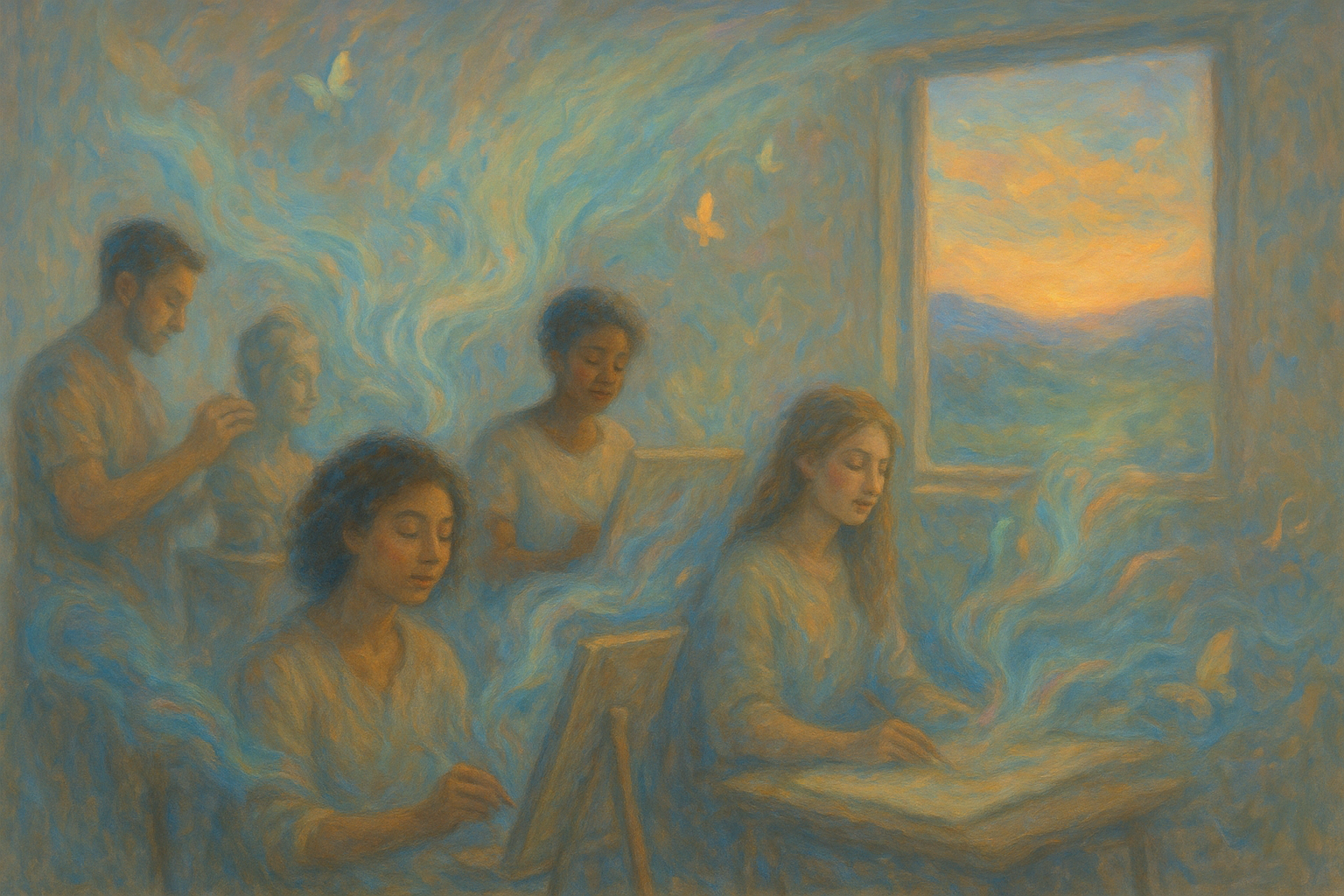
Art therapy involves the creation and discussion of art facilitated by a trained therapist. It allows individuals to explore their emotions through imagery, colors, and forms. The process of creating art can help people express and process emotions such as anger, sadness, fear, and confusion. Moreover, discussing the artwork with a therapist can lead to greater self-awareness and understanding.
Art therapy is not about being a skilled artist; rather, it's about the process and expression. It provides a safe space where individuals can explore their feelings without judgment, offering a unique way to access emotions and experiences that might be difficult to articulate verbally.
Art Forms That Aid in Healing
Different art forms can be used in therapy, each offering unique benefits:
Painting and Drawing
These activities allow for free expression and can be particularly beneficial for those who find it hard to verbalize their trauma. The choice of colors and forms can often reflect subconscious feelings and thoughts.
Sculpture
Working with clay or other materials can be grounding and help individuals express complex emotions through tactile engagement.
Photography
Photography encourages individuals to view the world from different perspectives, which can be helpful in reframing traumatic experiences.
Writing and Poetry
These forms allow for the exploration of narrative, helping individuals to structure their experiences and make sense of their trauma through words.
#James Donaldson notes:
Welcome to the “next chapter” of my life… being a voice and an advocate for #mentalhealthawarenessandsuicideprevention, especially pertaining to our younger generation of students and student-athletes.
Getting men to speak up and reach out for help and assistance is one of my passions. Us men need to not suffer in silence or drown our sorrows in alcohol, hang out at bars and strip joints, or get involved with drug use.
Having gone through a recent bout of #depression and #suicidalthoughts myself, I realize now, that I can make a huge difference in the lives of so many by sharing my story, and by sharing various resources I come across as I work in this space. #http://bit.ly/JamesMentalHealthArticle
Find out more about the work I do on my 501c3 non-profit foundation
website www.yourgiftoflife.org Order your copy of James Donaldson's latest book,
#CelebratingYourGiftofLife: From The Verge of Suicide to a Life of Purpose and Joy
Click Here For More Information About James Donaldson

Click here to follow James Donaldson's Blog

Real-Life Stories: Art Transforming Trauma
Many people have found healing through art. For instance, a veteran struggling with PTSD discovered relief in painting, using the medium to explore and express his wartime experiences. Similarly, a young woman dealing with the aftermath of a traumatic accident found solace in poetry, allowing her to articulate her journey of recovery and resilience.
These stories highlight the transformative power of art. By providing a voice to the voiceless parts of ourselves, art can bridge the gap between trauma and healing.
Conclusion
Art as a tool for processing trauma offers a unique and powerful avenue for healing. It transcends the barriers of traditional therapy, providing a safe, nonverbal way to explore and express deep-seated emotions. Whether through painting, sculpture, or writing, art therapy can play a critical role in helping individuals find peace and clarity.
FAQs
Q: Do I need to be an artist to benefit from art therapy?
A: No, art therapy is about the process, not the product. You do not need any artistic skills to benefit from art therapy.
Q: Can art therapy be combined with other forms of therapy?
A: Yes, art therapy can complement other therapeutic approaches, providing a holistic approach to healing.
Q: How can I find an art therapist?
A: Look for certified art therapists through professional organizations or local mental health services. Ensure they have the appropriate credentials and experience in art therapy.
Art therapy offers a beacon of hope and healing for those navigating the difficult path of trauma, demonstrating that creativity can indeed be a powerful ally in the journey to recovery.
https://standingabovethecrowd.com/art-as-a-tool-for-processing-trauma/


No comments:
Post a Comment