Mental health is a crucial aspect of our overall well-being that deserves continuous attention and care. One of the most effective ways to maintain long-term mental health is by building a strong support system. In this blog post, we'll explore various strategies to establish and nurture a support system that can help you navigate life's ups and downs. Let's dive in!
Table of Contents
1. Introduction
2. Understanding the Importance of a Support System
3. Identifying Your Support Network
4. Building and Strengthening Relationships
5. Professional Support: Therapists and Counselors
6. Community Resources and Support Groups
7. Self-Care: The Cornerstone of Mental Health
8. Conclusion
9. FAQs
Understanding the Importance of a Support System
Having a support system is like having a safety net that catches you when life feels overwhelming. It's about surrounding yourself with people who understand, support, and encourage you. A strong support system not only helps you cope with stress but also improves your mental resilience and overall life satisfaction.
Identifying Your Support Network
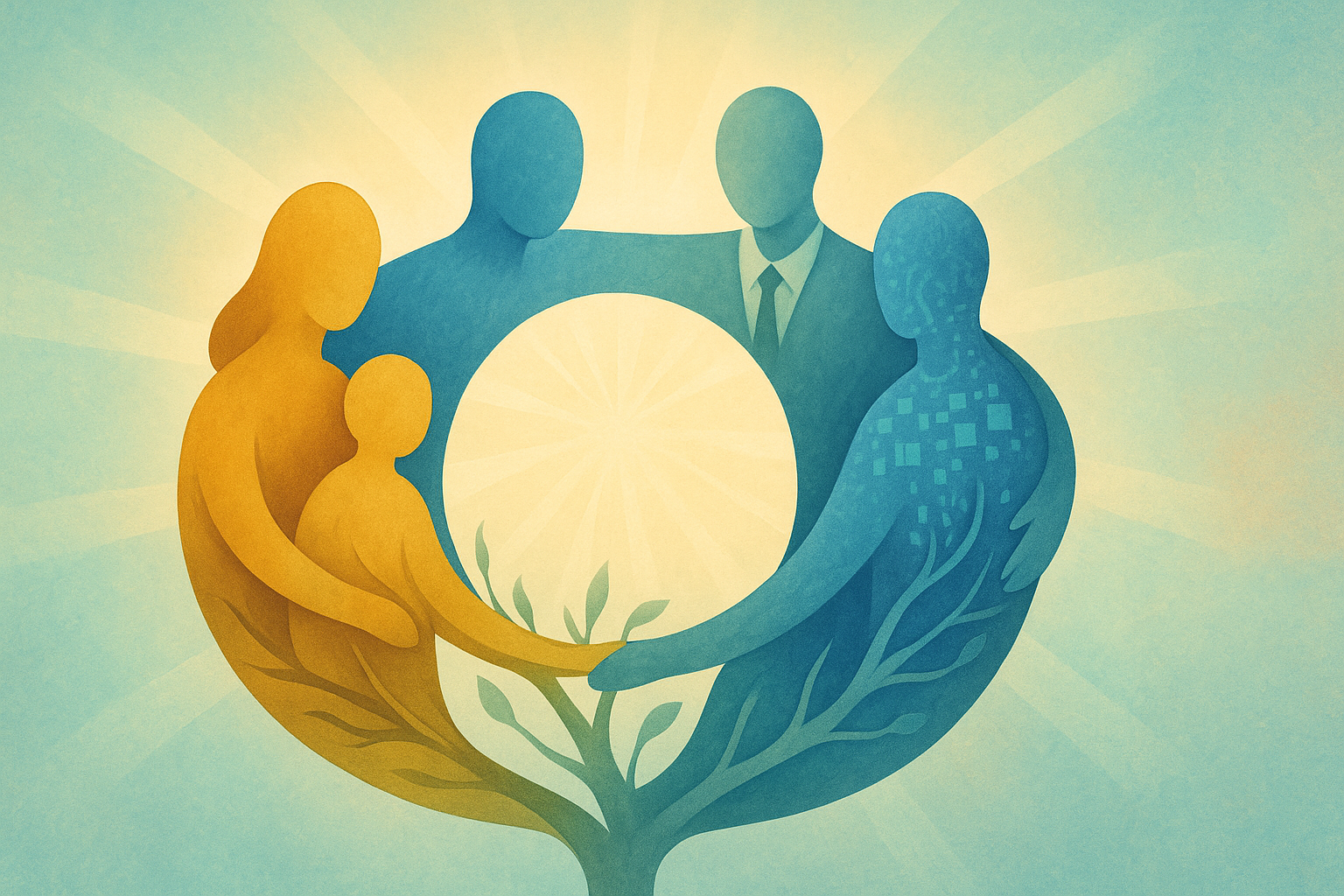
Your support network can be made up of various individuals and groups, each serving a different role in your life. Family members, friends, colleagues, and even online communities can all be part of this network. It's important to identify who these people are and understand how they can contribute positively to your mental health journey.
#James Donaldson notes:
Welcome to the “next chapter” of my life… being a voice and an advocate for #mentalhealthawarenessandsuicideprevention, especially pertaining to our younger generation of students and student-athletes.
Getting men to speak up and reach out for help and assistance is one of my passions. Us men need to not suffer in silence or drown our sorrows in alcohol, hang out at bars and strip joints, or get involved with drug use.
Having gone through a recent bout of #depression and #suicidalthoughts myself, I realize now, that I can make a huge difference in the lives of so many by sharing my story, and by sharing various resources I come across as I work in this space. #http://bit.ly/JamesMentalHealthArticle
Find out more about the work I do on my 501c3 non-profit foundation
website www.yourgiftoflife.org Order your copy of James Donaldson's latest book,
#CelebratingYourGiftofLife: From The Verge of Suicide to a Life of Purpose and Joy
Click Here For More Information About James Donaldson

Click here to follow James Donaldson's Blog

Building and Strengthening Relationships
Strong relationships don't happen overnight; they require time, effort, and genuine connection. Here are some tips to build and strengthen your support network:
Communicate Openly: Share your thoughts and feelings honestly with your trusted circle. Transparency fosters trust and deepens connections.
Be Present: Make time for your relationships, whether it's a weekly phone call, monthly meet-up, or daily text check-in. Consistency is key.
Offer Support: Be there for others when they need you. This mutual support strengthens bonds and creates a balanced relationship.
Professional Support: Therapists and Counselors
While friends and family provide invaluable support, professional help is sometimes necessary. Therapists and counselors offer expert guidance, helping you navigate complex emotions and situations. Regular therapy sessions can be a proactive measure to maintain mental health, offering tools and strategies tailored to your personal needs.
Community Resources and Support Groups
Joining community resources and support groups can provide a sense of belonging and shared understanding. These groups bring together individuals who may be experiencing similar challenges, offering a space for empathy, advice, and encouragement. Many communities offer resources for specific mental health issues, so it's worth exploring what's available in your area.
Self-Care: The Cornerstone of Mental Health
While external support is vital, self-care is the foundation of mental health. Regular exercise, a balanced diet, adequate sleep, and mindfulness practices all contribute to mental well-being. By prioritizing self-care, you ensure that you can be present and engaged with your support network.
Conclusion
Building a support system for long-term mental health is an ongoing process that requires conscious effort and commitment. By surrounding yourself with a diverse network of supportive individuals and professional resources, you create a resilient foundation to face life's challenges. Remember, taking care of your mental health is a journey, not a destination, and having the right support system makes all the difference.
FAQs
Q: How do I know if my support system is strong enough?
A: A strong support system is characterized by trust, mutual respect, and open communication. If you feel heard, valued, and encouraged, your support system is likely robust. Don't hesitate to seek additional resources if you feel your needs aren't fully met.
Q: Can I rely solely on friends and family for mental health support?
A: While friends and family are integral to your support network, they may not always have the expertise to handle certain mental health challenges. Professional support from therapists or counselors can complement your existing network, offering specialized guidance.
Q: What if my current support system isn't supportive?
A: It's important to reassess relationships that don't contribute positively to your mental health. Consider seeking new connections through community groups, online forums, or professional services that align better with your needs.
https://standingabovethecrowd.com/building-a-support-system-for-long-term-mental-health/


No comments:
Post a Comment